In This Guide
- Can You Drive an RV in West Canada? License & Age Rules
- Road Conditions & Terrain in West Canada
- RV Size Limits, Bridges & Restricted Zones
- Fuel: Diesel vs. Petrol & Cost per 100 km
- Tolls, Vignettes & Border Rules
- Driving Tips for family rv rental Travelers
- Recommended RV Class for West Canada Roads
- Should I Choose a Compact Van Instead of a Large RV in West Canada?
- Can I Park Anywhere? Free & Wild Camping Rules in West Canada
- Can I Drive an RV Into the City Center? Heights, Tunnels & Local Signage
- What is a detailed budget breakdown for an RV trip in West Canada?
- What are the specific RV logistics and challenges when driving in West Canada?
- What are the border crossing rules and Canadian RV regulations for West Canada?
- Where can I find off-the-beaten-path RV experiences and local gems in West Canada?
- How do I ensure wildlife safety during an RV trip in West Canada?
- What are the seasonal nuances for RV travel in West Canada beyond peak season?
- How can I stay connected and prepare for emergencies during an RV trip in West Canada?
Embarking on a family RV adventure through West Canada offers unparalleled freedom to explore some of the world's most stunning landscapes, from the majestic Rocky Mountains to the Pacific coastline. With a rented motorhome or campervan, you have a mobile headquarters to venture out to national parks, charming towns, and hidden gems at your own pace. For live availability and current prices, start with our RV Rental West Canada - Complete Guide 2026 guide.
Can You Drive an RV in West Canada? License & Age Rules
Driving an RV in West Canada is generally accessible with a standard driver's license for most recreational vehicles, provided they do not exceed specific weight thresholds. A standard Class 5 (or equivalent) license from any Canadian province or US state is sufficient for operating RVs under 11,000 kg (24,250 lbs) in British Columbia and Alberta, which covers the vast majority of family rental motorhomes. For international visitors, it is highly recommended to carry an International Driving Permit (IDP) alongside your valid home country license, although it is not always legally mandatory in all cases, it eases communication if you're from a non-English speaking country.
Regarding age, the minimum driver age for RV rental companies in West Canada is typically 21 years old. Unlike some regions, there are generally no young driver surcharges or vehicle class restrictions based on age when renting a motorhome or campervan through Bandana. This means a 21-year-old with a valid license can rent various sizes of RVs, including a Class C Alcove RV perfect for families, or a more compact Class B Camper Van.
Road Conditions & Terrain in West Canada
West Canada's diverse landscape features excellent paved highways, rugged mountain passes, and occasionally unpaved access roads, offering varied yet manageable driving experiences for family RVers. Major highways, such as the Trans-Canada Highway (Highway 1) and the Yellowhead Highway (Highway 16), are meticulously maintained, providing smooth journeys across vast distances. Secondary roads leading to many natural attractions, however, might consist of gravel or be unpaved, requiring slower speeds and increased vigilance. Driving in mountainous terrain, particularly through the Canadian Rockies in British Columbia and Alberta, necessitates careful driving, using lower gears for steep ascents and descents to prevent engine strain and brake fade, and being mindful of potential rockfall or adverse weather.
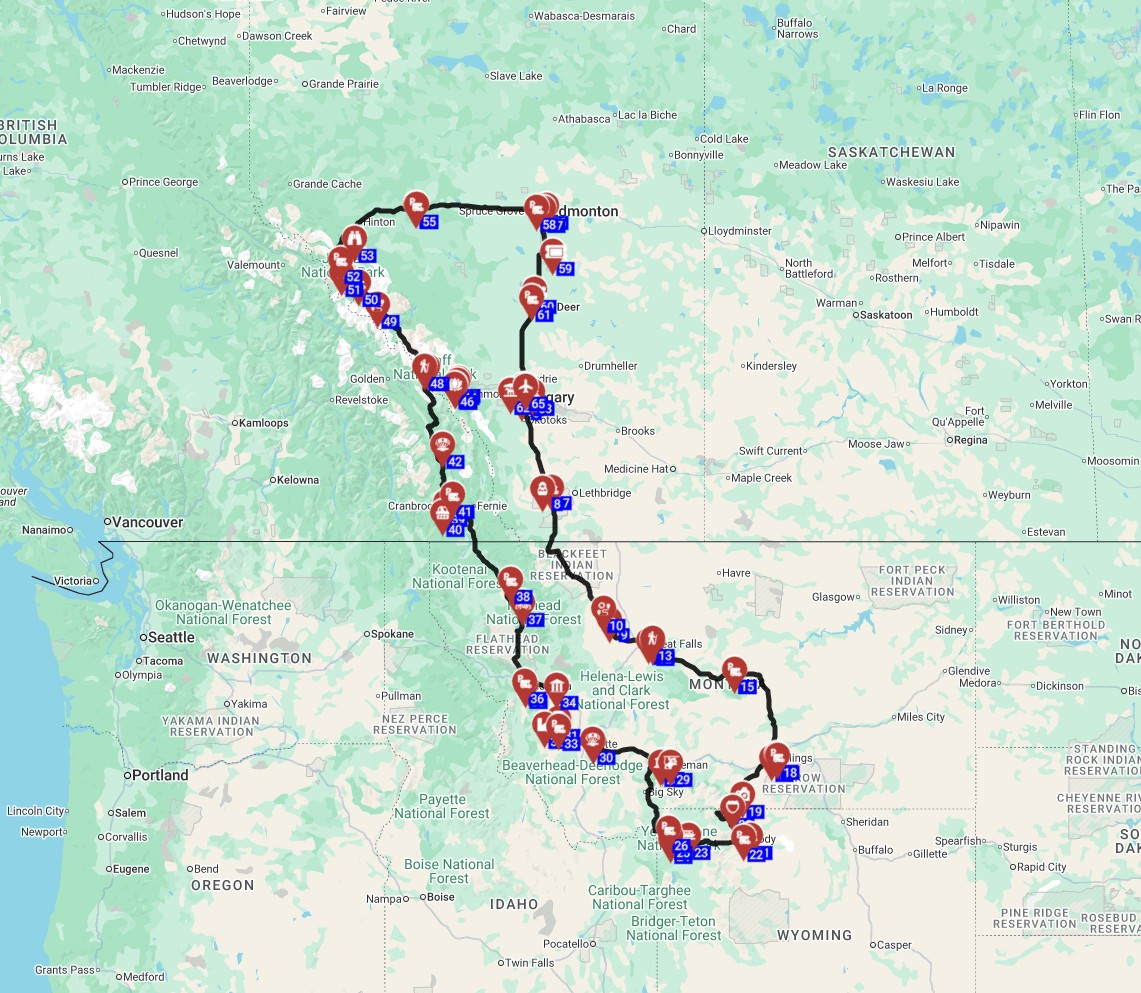
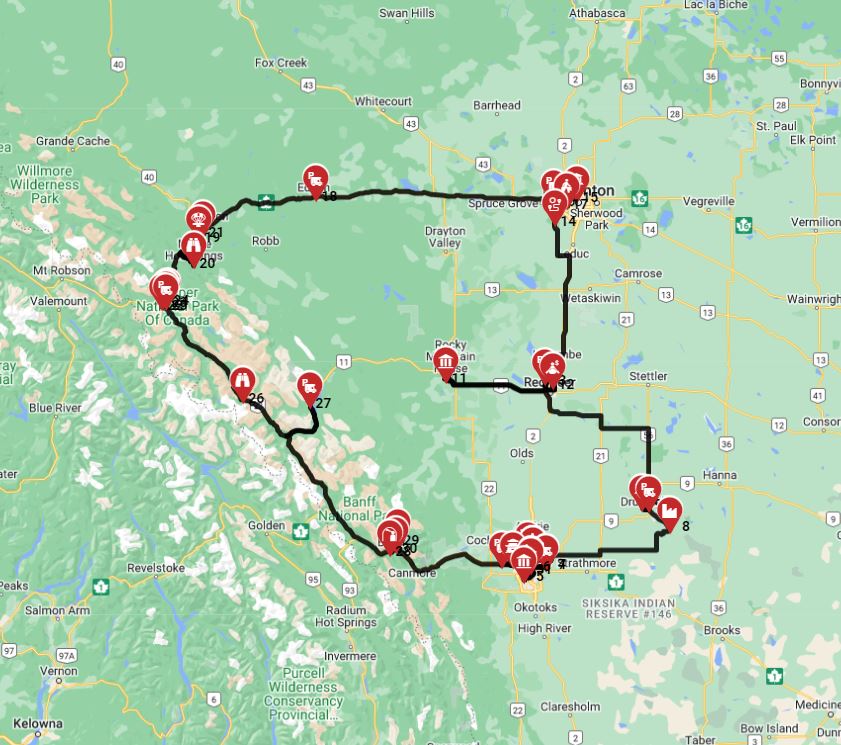
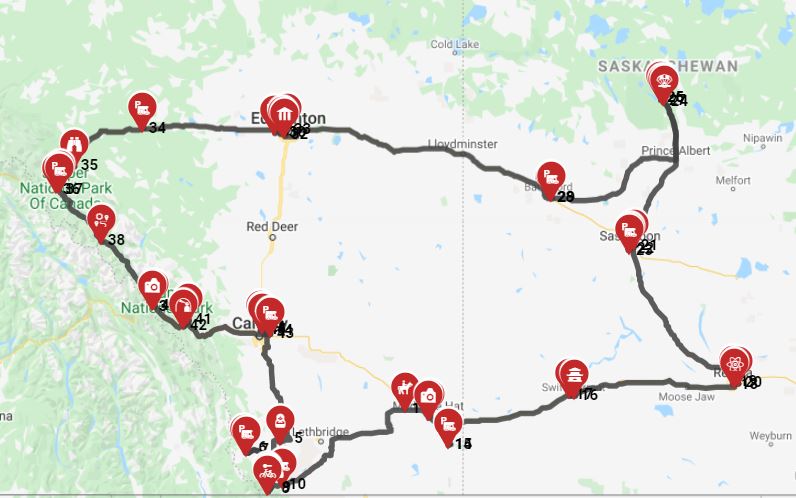
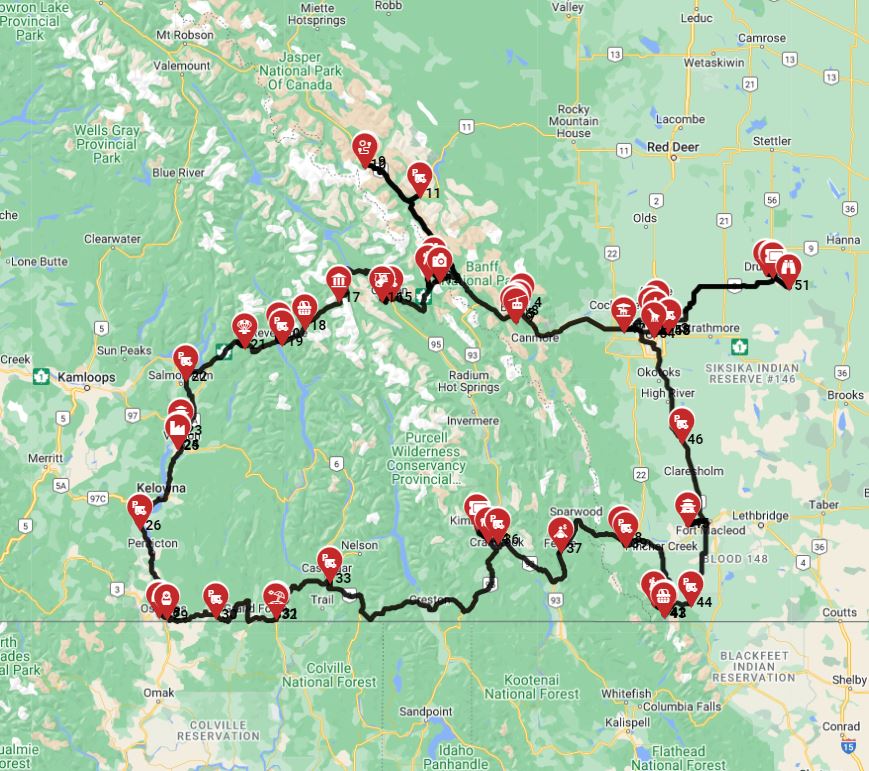
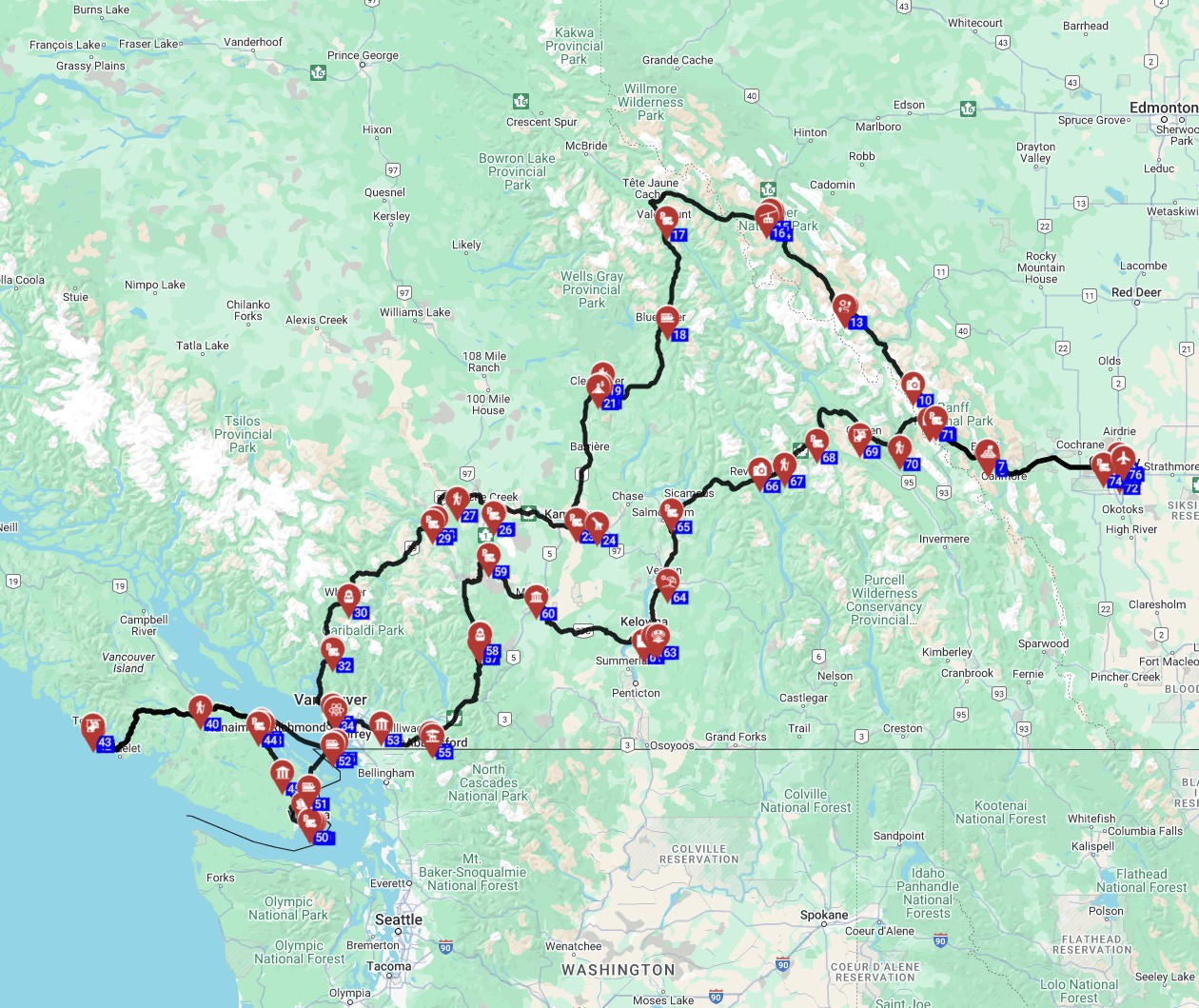
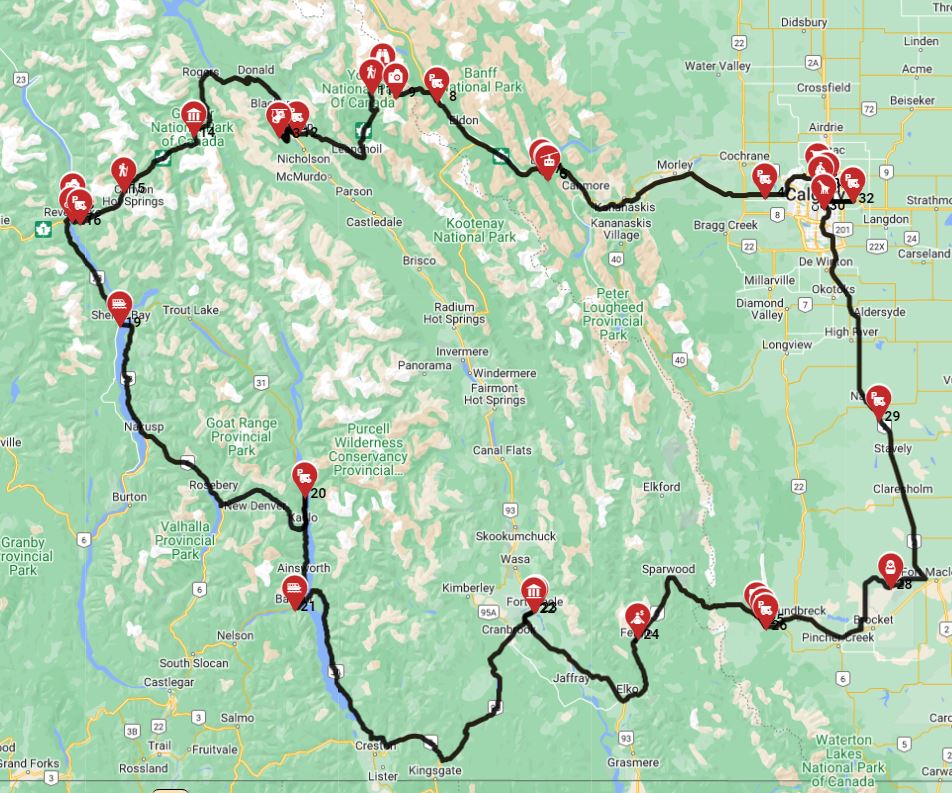
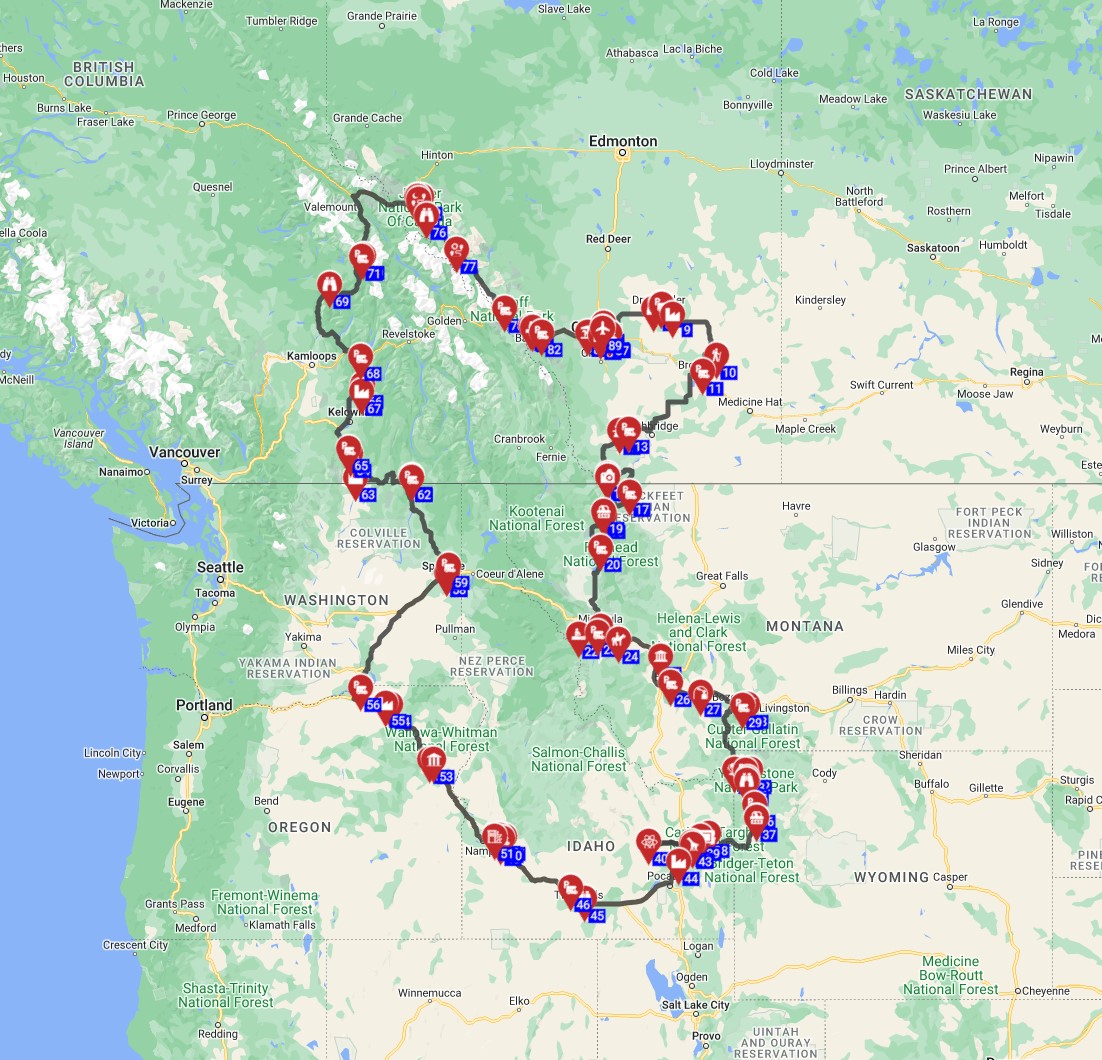
While urban centers like Vancouver, Calgary, Edmonton, and Victoria are perfectly navigable with a rented RV, be prepared for potential traffic congestion, especially during rush hours, and more challenging parking situations. Our advice is always to travel slowly, averaging a maximum of 100-150 km per day. This allows you and your family ample time to feel the place, connect to the culture, savor the local food, and truly absorb the breathtaking scenery, rather than rushing through it. Consider planning a route like the "

RV Size Limits, Bridges & Restricted Zones
While West Canada's infrastructure generally accommodates most RV sizes, drivers should be aware of specific height and weight restrictions, particularly in tunnels, on ferries, and within national park access roads. Bandana's fleet offers a range of options, including Class B Camper Vans averaging 5.8m, Class SI Semi-integrated RVs at 6.9m, and Class C Alcove/Class A Integrated RVs around 7.5m (like the "MHC28" at 7.3m or "24 Class C Motorhome" at 7.46m), all of which typically fall within legal road limits for general travel. Always observe posted height and weight restrictions on bridges and tunnels, though these are rarely an issue on primary routes. Ferry travel, such as with BC Ferries, requires booking based on your rental RV's exact length, which can impact both cost and availability, so it's wise to plan ahead for these segments of your trip.
Certain national park roads or wilderness areas may have length restrictions or require special permits; verify in advance, especially when heading to more remote locations. For example, some routes within Banff National Park might have specific guidelines for larger vehicles. Drive slowly and carefully, and you can drive almost anywhere without issues. No need to stress - just use common sense and pay attention to all signage. This approach ensures a smooth and enjoyable journey without unexpected surprises.
Fuel: Diesel vs. Petrol & Cost per 100 km
In West Canada, both petrol (gasoline) and diesel are widely available, with many family rental RVs, particularly Class C and Class SI models, running on diesel, and fuel costs being a significant portion of any trip budget. Diesel is commonly found at larger service stations along main routes, while petrol is ubiquitous. For budgeting, Bandana's Class SI Semi-integrated RVs, such as the "Active Standard Auto," typically consume 10-11 Liters/100 km, while Class C Alcove RVs like the "MHC28" average 10-12 Liters/100 km. More fuel-efficient Class B Camper Vans, like the "California Standard Auto," typically consume 8-10 Liters/100 km. On the routes offered through RV PLANET routes, you can itemize and track every expense along the way for easy budgeting.
A reasonable estimate for fuel costs in West Canada is CDN$15-25 per 100 km, though this depends on current fuel prices, which fluctuate daily, and your specific RV's efficiency. When planning a budget for your adventure, remember that RV PLANET routes allow you to itemize and track every expense along the way for easy budgeting, ensuring full transparency with no hidden fees or surprises. This tool is invaluable for managing your overall trip costs effectively.
Tolls, Vignettes & Border Rules
While West Canada generally has fewer toll roads compared to other regions, understanding any existing tolls and rigorous border crossing regulations is crucial for an RV trip, especially if arriving from the USA. Most major highways in British Columbia, Alberta, Saskatchewan, and Manitoba are toll-free; a vignette system, common in parts of Europe, is not used for RVs here. The Coquihalla Highway in BC, historically tolled, is now largely toll-free for RVs.
Crossing the US-Canada border with a rented RV requires a valid passport for all occupants, and border services officers may inspect the RV and its contents. Strict rules apply to prohibited items: firearms are generally prohibited unless declared and properly licensed, certain food products (like raw meats, fresh produce from outside Canada, or firewood) are restricted, and bear spray must be clearly marked as such. It is mandatory to have Canadian RV insurance coverage, so confirm your rental policy extends to Canadian provinces or purchase supplemental insurance for peace of mind. We pride ourselves on full transparency, ensuring you know all requirements upfront.
Driving Tips for family rv rental Travelers
Successful family RV travel in West Canada benefits from specific driving strategies tailored to the vehicle type and the needs of a group, focusing on safety, comfort, and maximizing enjoyment. Plan for frequent stops every 2-3 hours to allow children to stretch, use facilities, and prevent travel fatigue. This is part of our slow travel philosophy, ensuring everyone enjoys the journey, not just the destination. Driving a rented RV or campervan means you're operating a larger vehicle, so always maintain a conservative pace, especially on winding mountain roads or in changing weather conditions, as RVs require longer braking distances.
Always pre-plan your fuel stops and campground locations, particularly when traveling through remote or less populated regions, as services can be sparse. For finding campsites and campgrounds during your trip, we recommend using RV PLANET (rvplan.net) - a great resource for locating available spots along your route. Distribute cargo weight evenly throughout your RV and secure all items inside before driving to ensure stability and safety. If you're new to RVing, consider practicing maneuvering in a large, empty parking lot to become comfortable with the RV's size before hitting busy roads, especially when operating a Class C Alcove or a larger Class A motorhome like the "MHC30."
Recommended RV Class for West Canada Roads
For family RV rentals in West Canada, Class C Alcove and Class SI Semi-integrated RVs are highly recommended due to their optimal balance of comfort, family sleeping capacity, and manageable size for varied road conditions. Class C Alcove RVs from Bandana's fleet, such as the "MHC24," average 7.3m in length, offering comfortable sleeping for 5-6 people. These provide ample living space, integrated bathrooms, and kitchens, making them ideal for families on week-long trips or extended adventures. Similarly, Class SI Semi-integrated RVs, at an average length of 6.9m, offer a great balance of space and easier maneuverability for smaller families, like the "2 Berth Tamar" or "Active Standard Auto" models.
Both Class C and SI models handle West Canada's major highways and provincial park roads effectively, featuring good ground clearance suitable for diverse terrain. While Class A Integrated RVs offer the most luxury and space, and Class B Camper Vans like the "V3" or "2 Berth Hi Top" provide greater agility (averaging 5.8m), the Class C and SI models generally strike the most practical and comfortable balance for typical family adventures across the region.
Should I Choose a Compact Van Instead of a Large RV in West Canada?
While compact camper vans offer excellent maneuverability, a larger RV generally provides superior comfort and space, which often outweighs minor driving advantages for family trips across West Canada's diverse landscapes. For instance, a Class C motorhome like the "Family Sleeper (FS)," designed for larger groups, provides significantly more living space, integrated bathrooms, and full kitchens, which are crucial for family comfort on longer journeys or during inclement weather. Imagine preparing hearty family meals using local ingredients on your RV's stove; our RV-friendly recipes playlist offers great inspiration for on-the-road cooking.
Compact vans, such as Bandana's Class B Camper Vans (e.g., "Active Bunk Auto" at 5.8m length), are certainly easier to park and potentially more fuel-efficient, making them suitable for couples or those prioritizing agile urban exploration. However, most main roads and national park access routes in West Canada are wide enough for larger RVs, making perceived maneuverability concerns often less critical than the need for family space and amenities. Opt for a compact van primarily if extensive city driving, frequent ferry usage, or navigating very narrow, unpaved backroads is a core part of your itinerary; otherwise, the comfort and convenience of a larger rental RV are usually preferred for memorable family adventures.
Can I Park Anywhere? Free & Wild Camping Rules in West Canada
Free or "wild" camping (boondocking) in West Canada is permitted on specific Crown Lands and designated recreational sites, but it is generally prohibited in urban areas, national parks, and on private property without explicit permission. British Columbia and Alberta, with their vast natural spaces, allow free camping on many Crown Lands, often with a 14-day limit within a specific area. These sites typically lack amenities like water, power, or dump stations, requiring RVers to be self-sufficient.
Overnight camping in national and provincial parks is strictly restricted to designated campgrounds, which usually require reservations and fees, especially during peak season. Remember that many national and provincial parks reserve only 25-30% of their spots; the rest are often available on a first-come-first-serve basis, so you'll find a spot. If not at the first campground, then the next one. Call ahead before driving. In most cities and towns, urban bylaws prohibit overnight RV parking on streets or in public lots. Always obtain explicit permission before parking overnight on private property, and respect local regulations, which can vary significantly by region. Being a true RV specialist means we help you navigate these details transparently.
Can I Drive an RV Into the City Center? Heights, Tunnels & Local Signage
Yes, you can generally drive a rented RV or motorhome into city centers in West Canada, but it is essential to remain vigilant for local signage regarding height restrictions, tunnels, low bridges, and designated parking areas. Major roads in cities such as Vancouver, Calgary, Edmonton, and Victoria are designed to accommodate large vehicles, including Class C Alcove motorhomes and even larger Class A Integrated RVs. Always pay close attention to posted height limits for tunnels, underpasses, and parking garage entrances; however, primary routes into and through most city centers are typically clear and designed for standard vehicle traffic.
Finding suitable and affordable parking for an RV in city centers can be challenging. Consider utilizing peripheral parking lots or public transit park-and-rides, especially for day trips into busy downtown areas. West Canadian cities do not typically employ environmental zones that restrict RV access based on emissions, so you won't encounter that particular hurdle. Just be aware of local signage for residents-only parking or restricted access streets to avoid fines and ensure a smooth experience. Drive slowly and carefully, and you can drive almost anywhere without issues. No need to stress - just use common sense and pay attention.
What is a detailed budget breakdown for an RV trip in West Canada?
A comprehensive budget for a family RV rental in West Canada should account for core rental fees, fuel, campground fees, food, national park passes, and potential hidden costs like dump station fees or activity permits. RV rental costs themselves are dynamic, fluctuating daily based on availability, seasonality (peak season is typically July and August), and supplier marketing decisions, similar to flight tickets. For example, a "Family RV Rental in West Canada - Pricing Guide 2026" can provide more details on these variations.
Fuel will be a significant expense; estimate based on typical consumption (e.g., Bandana's Class C at 10-12 L/100km or Class B at 8-10 L/100km) and current fuel prices, budgeting roughly CDN$15-25 per 100 km. Campground fees range from CDN$30-70 per night for serviced sites in national, provincial, or private parks, with unserviced sites being cheaper and free camping available on permitted Crown Lands. If visiting multiple national parks like Banff or Jasper, budget for a Parks Canada Discovery Pass (an annual multi-park entry pass at approximately CDN$151 for a family). Cooking in your RV significantly reduces food costs compared to dining out, so factor in grocery expenses, and consider planning meals with our RV-friendly recipes playlist. Hidden costs can include propane refills (CDN$20-50), dump station fees (CDN$5-20 if not at a campground), generator usage fees (if applicable), or extra mileage charges. Remember that RV PLANET routes allow you to itemize and track every expense along the way for easy budgeting, ensuring full transparency.
What are the specific RV logistics and challenges when driving in West Canada?
Navigating West Canada by RV involves managing specific logistical challenges such as water, power, and waste systems, finding propane refills, adhering to boondocking regulations, and preparing for diverse road conditions, particularly mountain passes. Regularly monitor your fresh water, grey water, and black water tank levels, planning stops at campgrounds or dedicated dump stations for servicing, especially since Bandana focuses on week-long trips or longer. Propane refills, essential for heating, cooking, and refrigeration, are widely available at many gas stations, RV dealers, and hardware stores in populated areas, though less so in remote regions.
Understanding the distinction between full hookup campgrounds and dispersed camping (boondocking) on Crown Land is vital, as the latter requires full self-sufficiency. Driving a larger RV, such as a Class C Alcove motorhome, demands awareness of vehicle dimensions, requiring wider turns, increased braking distances, and careful attention to overhead clearances. When encountering steep mountain passes, always use lower gears for both ascents and descents to prevent engine strain and brake fade. Additionally, be prepared for potential tire or chain requirements in shoulder seasons, typically from October 1 to April 30, when some passes may experience snow and ice.
What are the border crossing rules and Canadian RV regulations for West Canada?
Crossing the US-Canada border with a rented RV requires adherence to strict customs regulations, including specific prohibitions on certain items, and awareness of provincial driving laws and insurance requirements in West Canada. All occupants must have valid passports or enhanced driver's licenses; additionally, you must present your RV's registration and rental agreement as proof of ownership/rental. For those looking for "One-Way RV Rental in West Canada - Price Guide 2026," be sure to clarify border crossing procedures with your rental supplier.
Strict prohibitions include firearms (unless declared and licensed according to Canadian law), limited quantities of alcohol and tobacco, and specific agricultural items (such as raw meats, certain fruits/vegetables, and firewood) to prevent invasive species. Bear spray is permitted but must be clearly labelled as a "bear deterrent." It is mandatory to have Canadian RV insurance coverage; confirm your rental policy extends to Canadian provinces or purchase supplemental insurance for peace of mind. Furthermore, be aware of provincial driving laws, including varying speed limits (typically 80-120 km/h on highways), mandatory seatbelt use for all passengers, and strict enforcement of distracted driving laws (e.g., cell phone use).
Where can I find off-the-beaten-path RV experiences and local gems in West Canada?
Beyond iconic national parks like Banff and Jasper, West Canada offers a wealth of off-the-beaten-path RV experiences, from charming small towns and lesser-known provincial parks to unique Indigenous tourism opportunities and local artisan encounters. Imagine exploring charming small towns in British Columbia, such as Fernie, known for its vibrant mountain culture and skiing, or the historic town of Fort Macleod, Alberta, famous for its reconstructed 1880s fort and RCMP Musical Ride. These destinations offer a deeper connection to local life than the busiest tourist hubs.
Visit less-trafficked provincial parks like Wells Gray Provincial Park in BC, renowned for its numerous waterfalls, or Kananaskis Country in Alberta, offering rugged mountain scenery and extensive hiking trails without the national park crowds. Engage with unique Indigenous tourism experiences across the region, which provide profound insights into local cultures, histories, and traditions. Seek out local artisan shops and farmers' markets in rural communities to discover unique crafts and fresh, local produce. Uncover hidden gems like lesser-known hot springs, scenic backroad drives off major highways, or regional festivals that offer authentic local flavor. Don't forget that using RV PLANET (rvplan.net) can help you discover these less-traveled routes and attractions, ensuring you find those special places, and benefit from our 25% planning discount when using their pre-planned routes.
How do I ensure wildlife safety during an RV trip in West Canada?
Ensuring wildlife safety during an RV trip in West Canada involves rigorous food storage, safe viewing practices, and knowing how to respond to animal encounters to protect both your family and the local fauna. West Canada is home to abundant wildlife, including bears, elk, deer, and moose. Always store all food, cooking supplies, and garbage inside your rented RV or in designated bear-proof containers; never leave anything unattended outside, especially overnight, as this can attract animals. Proper food storage helps minimize human-wildlife conflicts.
Observe wildlife from a safe and respectful distance, ideally from inside your RV, and never attempt to feed or approach animals. If you encounter a "wildlife jam" on roads, drive slowly and patiently, avoiding sudden movements or loud noises that could disturb the animals. In the rare event of a close animal encounter, particularly with bears, make noise to deter them, know how to use bear spray effectively (if carried), and understand how to make yourself appear large. Review Parks Canada wildlife safety guidelines for specific park regulations and additional safety advice before entering wilderness areas, ensuring your family RV adventure is both thrilling and secure.
What are the seasonal nuances for RV travel in West Canada beyond peak season?
Beyond the busy summer months of July and August, West Canada's shoulder seasons (spring and fall) offer unique advantages for RV travelers, including fewer crowds and distinct natural beauty, alongside specific challenges like variable weather and potential road closures. Spring (April-June) brings fewer crowds to popular destinations like Banff and Jasper, blooming wildflowers, and generally lower rental and campground prices. This season also offers excellent opportunities for wildlife viewing, as animals emerge from hibernation. However, spring challenges include unpredictable weather, with the potential for late snow or heavy rain in higher elevations, and some mountain passes or higher-elevation parks might still be closed or have limited services. Mandatory winter tire requirements may still be in effect on certain routes, such as the Sea-to-Sky Highway.
Fall (September-October) features stunning fall foliage, crisp air, significantly reduced crowds, and excellent hiking weather. This is an ideal time for a serene RV experience with potentially lower rental rates for a family motorhome. However, fall challenges include shorter daylight hours, colder nights, and the risk of early snowfalls at higher elevations, which can lead to road closures. Some campgrounds or attractions may begin closing for the season in mid-October. For those planning a longer trip, exploring "Weekly RV Rental in West Canada - Pricing 2026" can provide cost benefits during these shoulder seasons.
How can I stay connected and prepare for emergencies during an RV trip in West Canada?
Staying connected and prepared for emergencies during an RV trip in West Canada is crucial, especially when exploring remote areas where cell service can be unreliable, necessitating alternative communication and comprehensive emergency planning. Cell service is generally reliable along major highways and in populated areas like Vancouver, Calgary, and Edmonton, but expect significant dead zones in national parks, remote mountain passes, and vast wilderness regions. For reliable communication in areas without cell coverage, especially if venturing off-grid, consider renting a satellite phone or carrying a Personal Locator Beacon (PLB).
For emergency preparedness, always share your detailed itinerary with a trusted contact, carry a well-stocked first-aid kit, and an emergency road kit (including tools, jumper cables, and tire repair supplies). Familiarize yourself with basic RV troubleshooting, carry physical maps as a backup to GPS, and pack extra water, food, and warm clothing. Be aware that the local emergency number is 911 in Canada, but understand that response times can be significantly longer in remote areas due to the vast distances. At Bandana, we believe in full transparency and are here to support you with pre-booking comparison and post-booking coordination, making sure you're well-prepared for your West Canada adventure.
What You Shouldn't Miss
- Drive the Icefields Parkway: This 232 km scenic highway connects Banff and Jasper National Parks, offering breathtaking views of glaciers, turquoise lakes, and wildlife. Stop at Lake Louise, Peyto Lake, and Athabasca Glacier.
- Explore Banff and Jasper National Parks: Hike to iconic viewpoints, paddle across serene lakes, and keep an eye out for elk, bears, and other wildlife. Remember your Parks Canada Discovery Pass!
- Experience the Sunshine Coast, BC: Take a scenic ferry ride from Horseshoe Bay near Vancouver and explore charming coastal towns, rainforests, and artisan communities. It's a fantastic alternative to the busiest mountain parks.
- Visit Drumheller and the Badlands, Alberta: Step back in time and discover the unique hoodoo formations and rich dinosaur fossil history of the Canadian Badlands at the Royal Tyrrell Museum.
- Walk across the Capilano Suspension Bridge, Vancouver: For a thrilling city-edge adventure, visit this iconic bridge hanging 70 meters above the Capilano River, followed by the Cliffwalk and Treetops Adventure.
Final Thoughts
Exploring West Canada with a family RV rental is an adventure waiting to unfold, offering the flexibility and comfort needed to create lasting memories. From the serene lakes of the Rockies to the vibrant coastal cities, the open road beckons with endless possibilities. Remember our advice to travel slowly, averaging 100-150 km per day, allowing your family to truly connect with the diverse landscapes, rich cultures, and incredible food West Canada has to offer.
At Bandana Caravan, we are true RV specialists, dedicated to making your planning and booking process as seamless and transparent as possible. We provide the tools and support you need, from comparing a variety of motorhomes and campervans to offering pre-planned route itineraries. With our commitment to no hidden fees and real people behind you every step of the way, your dream RV trip in West Canada is within reach. Discover top destinations and planning tips, all in one place!
We believe that God is in the small details, and we take care of them, making a big difference in your travel experience. So, gather your family, choose your ideal RV from our extensive fleet, and get ready for an unforgettable journey through the stunning landscapes and charming communities of West Canada.