For live availability and current prices, start with our RV Rental Texas - Complete Guide 2026 guide.
In This Guide
- Can You Drive an RV in Texas? License & Age Rules
- Road Conditions & Terrain in Texas
- RV Size Limits, Bridges & Restricted Zones
- Fuel: Diesel vs. Petrol & Cost per 100 km
- Tolls, Vignettes & Border Rules
- Driving Tips for family rv rental Travelers
- Recommended RV Class for Texas Roads
- Should I Choose a Compact Van Instead of a Large RV in Texas?
- Can I Park Anywhere? Free & Wild Camping Rules in Texas
- Can I Drive an RV Into the City Center? Heights, Tunnels & Local Signage
- Is RV Travel Cheaper in Texas?
- How Should I Prepare My RV for Texas' Diverse Weather Conditions?
- What are the Considerations for Long-Term or Full-Time RV Living in Texas?
- What are the Best Themed RV Itineraries in Texas?
- What are Texas's Hidden Gems and Unique Cultural Experiences for RV Travelers?
- What are the Best Pet-Friendly RV Parks and Attractions in Texas?
Can You Drive an RV in Texas? License & Age Rules
Yes, you can absolutely drive an RV in Texas with the proper licensing and age qualifications. Most rental RVs, especially those with a Gross Vehicle Weight Rating (GVWR) under 26,001 pounds, can be driven with a standard U.S. Class C driver's license. For heavier RVs or specific vehicle combinations, a non-commercial Class A or B license might be necessary, though these are rarely encountered with typical rental fleets. The minimum age for renting an RV in Texas is generally 21, though some providers may have a higher minimum age of 25. International visitors will find that their valid home country driver's license is recognized, and an International Driving Permit (IDP) is recommended for clarity and can be used for up to one year.
Road Conditions & Terrain in Texas
Navigating Texas in a rented RV is generally a smooth experience thanks to its well-maintained state highways and extensive interstate system. The terrain is quite varied, offering everything from the flat coastal plains along the Gulf of Mexico to the rolling hills of the Hill Country, and even the more rugged, mountainous regions found in West Texas. While major roads are typically excellent, some rural roads leading to state parks or more remote campsites might transition to smooth asphalt or even gravel, so driving slowly and carefully is always advised. Major urban centers like Houston, Dallas, and San Antonio can experience heavy traffic, so planning your travel to avoid peak hours is beneficial for larger RVs. Remember, the key to enjoying the diverse Texas landscape is to travel slowly, savoring the scenic routes and truly experiencing the vastness and beauty of the Lone Star State.
RV Size Limits, Bridges & Restricted Zones
Texas has legal RV length limits generally set at 45 feet for a single vehicle and 65 feet for combinations. Height restrictions are typically around 14 feet, but RV drivers must remain vigilant for signs indicating lower bridge clearances and overpasses, especially in urban or older areas. Weight limits are generally tied to bridge capacities and are rarely an issue for standard consumer RVs, provided they remain within their GVWR. Texas does not have statewide environmental zones that restrict RV access. However, some city centers might have local parking or access restrictions, so it's always wise to check ahead if you plan to drive into specific downtown areas. If your journey includes ferry services, such as the popular Galveston-Port Bolivar ferry, be sure to check specific weight and size limits in advance, as these can vary.
Fuel: Diesel vs. Petrol & Cost per 100 km
Across Texas, you'll find both diesel and petrol (gasoline) readily available. Larger, more powerful RVs typically run on diesel, while many campervans and smaller motorhomes use gasoline. For Bandana's fleet, our semi-integrated (Class SI) and campervan (Class B) rentals typically consume around 10-11 liters per 100 km. Larger Class C (Alcove) and Class A (Integrated) motorhomes generally consume between 10-12 liters per 100 km, with truck campers averaging a bit higher at 12-17 liters per 100 km. As a general budget guideline, plan for approximately $15-20 USD per 100 km for fuel costs, though this will fluctuate with current market prices and the specific RV's efficiency. Always inquire if your rental includes a fuel discount card, as this can help manage your travel expenses. On the routes offered through RV PLANET routes, you can itemize and track every expense along the way for easy budgeting.
Tolls, Vignettes & Border Rules
Be aware that Texas utilizes numerous cashless toll roads, particularly around its major metropolitan areas. To navigate these efficiently and avoid potential fines associated with bill-by-mail services, it's highly recommended to utilize an electronic toll pass or pre-pay where possible. Texas does not have a vignette system for general road access. Some Bandana RV rentals may offer pre-purchased toll passes to streamline your journey. If your Texas adventure includes crossing the border into Mexico, remember that specific Mexican vehicle insurance and potentially temporary import permits for your RV will be required. Travel between Texas and adjacent U.S. states, however, does not involve any internal border rules relevant to RV travel.
Driving Tips for family rv rental Travelers
When driving a rented RV in Texas, planning for comfort and safety is key. Schedule frequent stops every 2-3 hours for passengers to stretch their legs and take bathroom breaks. Utilizing electronic toll passes or pre-paying tolls through apps or websites can significantly simplify travel through Texas's toll road network. Before you start driving, ensure all interior items are securely stowed to prevent shifting and potential hazards during transit. Texas weather can change rapidly, so always monitor local forecasts closely for heat, storms, or any winter conditions, and adjust your plans accordingly. Finally, practice wide turns and remember that RVs require significantly longer braking distances than standard cars; always maintain a safe following distance.
Recommended RV Class for Texas Roads
For families exploring Texas in a rented RV, Class C (Alcove) motorhomes are often an excellent choice. Averaging around 7.5 meters in length and comfortably sleeping 5-8 people, they offer a great balance of space and drivability on Texas roads. If your family is smaller or you prioritize maneuverability and amenities, a Class SI (Semi-integrated) RV, typically around 6.9 meters and sleeping 3-5, provides a good compromise. For those who prefer maximum agility and fuel efficiency, Class B Camper Vans (averaging 5.8 meters, sleeping 2-4) are fantastic, especially for navigating cities or scenic backroads. While larger Class A (Integrated) RVs offer unparalleled luxury and space, they can be more challenging in tighter urban environments. Class TC (Truck Campers), suitable for adventurous couples, are quite compact and best for those prioritizing off-road capability over interior space.
Should I Choose a Compact Van Instead of a Large RV in Texas?
The choice between a compact van (Class B) and a larger RV in Texas often depends on your priorities. A compact van offers superior maneuverability and better fuel economy, with Bandana's Class B models averaging 8-10 liters per 100 km, making them ideal for urban exploration and easier parking. However, a larger RV, like a Class C, provides significantly more comfort, interior living space, and dedicated amenities, which is usually preferred for family trips. Texas's vast road network and generally spacious campgrounds can accommodate larger RVs without major issues, diminishing the maneuverability advantage of smaller vehicles. Ultimately, for most family vacations in Texas, the added comfort and amenities of a larger RV tend to outweigh the marginal benefits of a compact van's maneuverability.
Can I Park Anywhere? Free & Wild Camping Rules in Texas
Free and wild camping, also known as boondocking, is indeed possible in certain public land areas across Texas, primarily within National Forests and some Bureau of Land Management (BLM) areas. Texas National Forests often permit dispersed camping, typically requiring you to set up camp within 100-200 feet of established roads and water sources, and usually for a maximum of 14 days. However, it's crucial to always check the specific rules for each ranger district, as regulations can vary. Texas State Parks generally require reservations and fees for camping and do not permit free camping. Camping on private land is only allowed with explicit permission from the landowner. Many cities and counties prohibit overnight RV parking in residential or commercial areas without prior authorization, so always check local ordinances. Remember that rules can differ significantly by region, so consulting local regulations and following the law is paramount before parking overnight. Practicing Leave No Trace principles is essential to preserve these beautiful areas for future visitors.
Can I Drive an RV Into the City Center? Heights, Tunnels & Local Signage
Generally, yes, you can drive an RV into Texas city centers. However, it requires a heightened awareness of local signage regarding specific restrictions. You must pay close attention to signs indicating low bridge clearances, tunnel height limits, and any restricted zones, particularly in older or more densely populated urban areas. Finding suitable and affordable parking for an RV in busy city centers can be challenging; consider utilizing park-and-ride facilities or parking on the outskirts and using public transport to explore the core. Texas cities do not currently enforce specific environmental zones that limit RV access based on emissions. To help avoid problematic routes based on your vehicle's dimensions, it's recommended to use RV-specific GPS navigation systems.
Is RV Travel Cheaper in Texas?
For families, RV travel in Texas can often be more cost-effective than traditional hotel and restaurant vacations, especially for longer trips. The primary savings come from eliminating hotel stays and reducing dining-out expenses by utilizing your rented RV's onboard kitchen. Key expenses to budget for include the RV rental fees themselves, fuel, campsite fees (which can range from $30-$70 per night depending on amenities and location), and groceries. Employing cost-saving strategies such as comparing rental prices, planning fuel-efficient routes, utilizing more affordable dispersed or state/national forest campgrounds, and consistently cooking meals in your RV can significantly enhance affordability. State and National Forest campgrounds are often considerably cheaper than private RV resorts, offering great value. For ideas you can prep on the road, watch our RV-friendly recipes playlist on YouTube.
How Should I Prepare My RV for Texas' Diverse Weather Conditions?
Preparing your RV for Texas's diverse weather is essential for a comfortable trip. For the intense summer heat, ensure your RV's air conditioning system is fully functional, use window coverings to block sun, stay hydrated, and regularly monitor tire pressure. During spring and fall, be ready for sudden thunderstorms and potential tornado warnings by closely monitoring local forecasts and securing any outdoor gear. In winter, be aware of potential freezes, especially in North Texas; protect water lines and ensure propane tanks are full for furnace use, though full winterization is less common for rentals. If traveling the Gulf Coast during hurricane season (June through November), stay informed about tropical weather forecasts and have an evacuation plan ready. Always prioritize the comfort and safety of pets by ensuring they have access to water and shade, and never leave them unattended in the RV during extreme temperatures.
What are the Considerations for Long-Term or Full-Time RV Living in Texas?
Texas is a popular choice for establishing RV residency due to its lack of state income tax. To facilitate this, you'll need to establish a domicile address, often through a mail forwarding service, and complete Texas vehicle registration and driver's license requirements. The state boasts numerous RV resorts and parks offering amenities and communities that cater well to long-term residents. Year-round living demands robust RV systems and proactive preparation for extreme summer heat and occasional winter freezes. Reliable mail forwarding, consistent internet access, and a plan for healthcare services are crucial considerations for full-time RVers. Regular, diligent RV maintenance is also essential to ensure your vehicle can withstand continuous use and the varying Texas climates.
What are the Best Themed RV Itineraries in Texas?
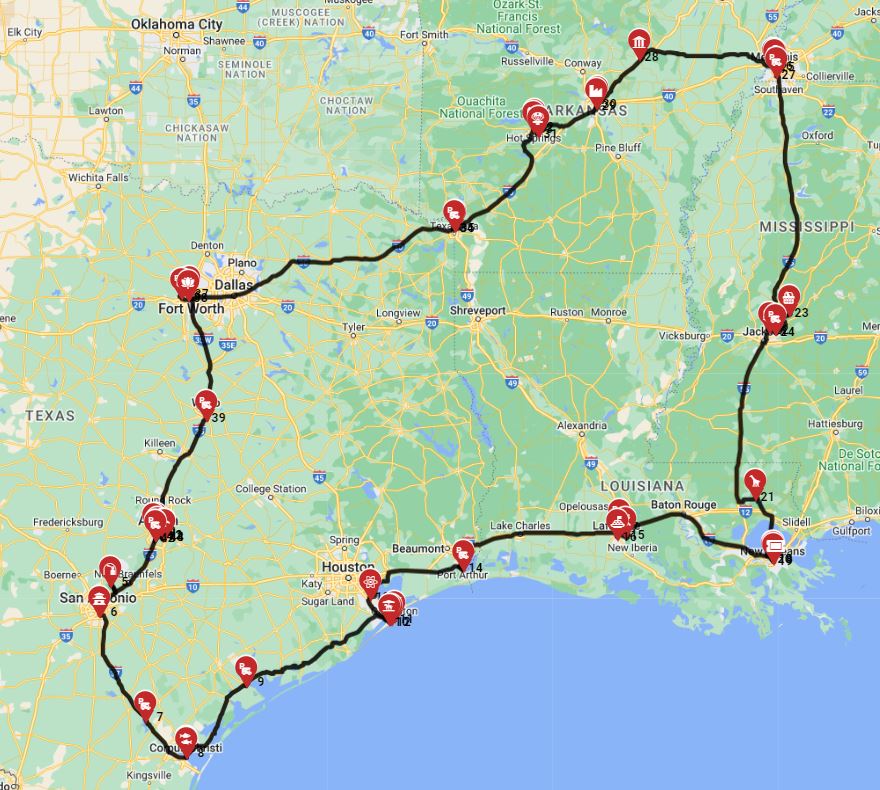
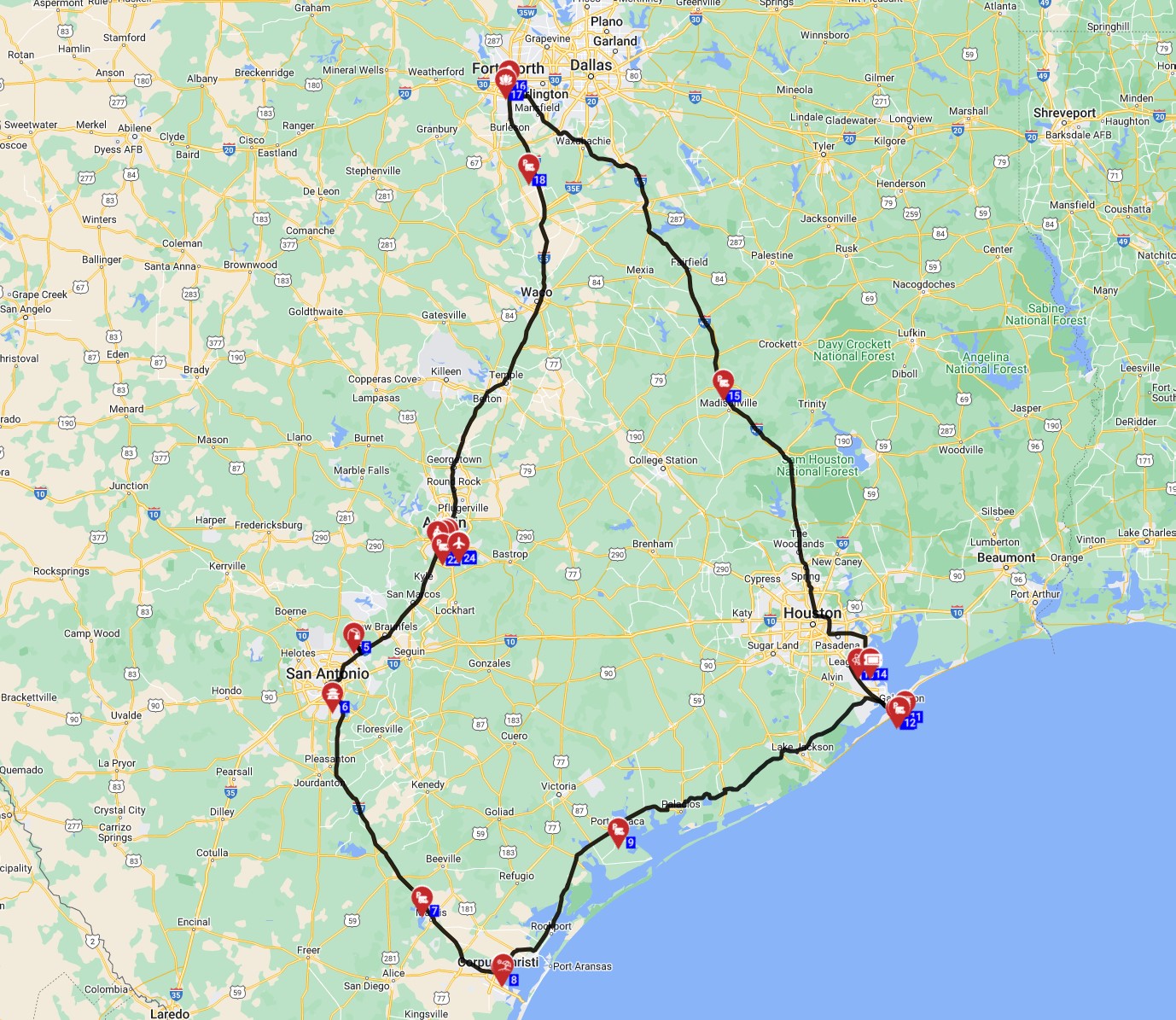
Texas offers a wealth of themed RV itineraries for every interest. Food enthusiasts can embark on a BBQ & Tex-Mex Culinary Trail through Central Texas, hitting iconic spots in Lockhart, Luling, Austin, and San Antonio. History buffs might prefer a Texas History Route, encompassing San Antonio's missions, Austin's State Capitol, and Houston's NASA Space Center. For those seeking rugged beauty, a Big Bend National Park Loop in West Texas is ideal for hiking and unparalleled stargazing. Alternatively, follow the Texas Gulf Coast Birding & Beach Route from Galveston to Padre Island National Seashore, enjoying coastal towns and diverse wildlife. Or, explore the scenic Texas Hill Country Wine & Wildflower Trail, visiting vineyards and charming historic towns like Fredericksburg.
What are Texas's Hidden Gems and Unique Cultural Experiences for RV Travelers?
Beyond the main attractions, Texas is brimming with hidden gems and unique cultural experiences perfect for RV travelers. Discover quirky roadside attractions, such as the iconic Cadillac Ranch near Amarillo or the Eiffel Tower replica sporting a cowboy hat in Paris, Texas. Explore distinct cultural pockets, like the German-influenced towns of Fredericksburg and New Braunfels, or immerse yourself in authentic cowboy culture experiences. Seek out lesser-known natural spots such as Caprock Canyon State Park, home to the official Texas State Bison herd, or Dinosaur Valley State Park, where you can walk among ancient dinosaur footprints. Finding these unique small-town festivals, historic forts, and architectural wonders off the beaten path truly enriches the RV travel experience in Texas.
What are the Best Pet-Friendly RV Parks and Attractions in Texas?
Many private RV resorts and Texas State Parks offer pet-friendly sites and amenities, but it's always essential to check specific policies before booking. Most Texas State Parks generally allow leashed pets on trails and within campgrounds, though they are typically not permitted inside park buildings or swimming areas. Look for outdoor attractions like nature centers, scenic drives, and certain historical sites that welcome leashed pets. Major cities and many smaller towns feature dedicated off-leash dog parks, perfect for allowing your furry companions some freedom to run. Always ensure pets have access to plenty of water and shade, especially during warm Texas weather, and never leave them unattended in the RV.
Final Thoughts
Embarking on an RV adventure in Texas is a fantastic way to experience the state's diverse landscapes and rich culture at your own pace. From the bustling cities to the vast open spaces, a rented RV provides the perfect blend of freedom and comfort. Remember to plan ahead, be mindful of the road conditions, and embrace the slow travel philosophy to truly connect with the places you visit.
At Bandana Caravan, we're passionate about making your RV journey seamless and enjoyable. We handle the details so you can live the journey. We encourage you to travel slowly, maximizing your connection to the culture, food, and scenery. Let us help you plan an unforgettable Texas road trip!
Get inspired for your next trip! Discover top destinations, planning tips, all in one place, and plan a trip itinerary in advance with minimal effort and maximum enjoyment. We're here to support you every step of the way, from comparison and booking to coordinating all the details.