In This Guide
- Can You Drive an RV in Stuttgart? License & Age Rules
- Road Conditions & Terrain in Stuttgart
- RV Size Limits, Bridges & Restricted Zones
- Fuel: Diesel vs. Petrol & Cost per 100 km
- Tolls, Vignettes & Border Rules
- Driving Tips for family rv rental Travelers
- Recommended RV Class for Stuttgart Roads
- Should I Choose a Compact Van Instead of a Large RV in Stuttgart?
- Can I Park Anywhere? Free & Wild Camping Rules in Stuttgart
- Can I Drive an RV Into the City Center? Heights, Tunnels & Local Signage
- What is the 3 3 3 rule for RVs and campers?
- Can your family ride in an RV while it drives?
- Are RVs allowed in Germany?
- What is the 4 4 4 rule for rving?
- Can a 17 year old American drive in Germany?
- How big of an RV can I drive without a CDL?
Can You Drive an RV in Stuttgart? License & Age Rules
A standard European Class B driving license is sufficient for driving most RVs up to 3,500 kg Gross Vehicle Weight (GVW) in Germany, which includes many popular Class B campervans and Class SI semi-integrated models. For larger RVs between 3,500 kg and 7,500 kg GVW, a C1 license is required, but this is still a non-commercial license and often accessible if you already hold a valid international driver’s license. The minimum legal driving age for a rental RV in Germany is 18 years old, and Bandana RV rentals have a minimum age requirement of 21 years for all motorhome classes, with no young driver surcharges or specific vehicle class restrictions based on age. Foreign drivers, particularly from non-English speaking countries, are generally recommended to carry an International Driving Permit (IDP) in addition to their national license, although it's not strictly mandatory for short visits in all cases, it greatly simplifies interactions with local authorities. US military or SOFA personnel often have specific licensing arrangements that allow them to drive with their military ID and US license, but it's always wise to confirm local specifics.Road Conditions & Terrain in Stuttgart
Stuttgart's roads are generally very well-maintained, but the region features surprisingly varied terrain, requiring careful driving. Travelers should expect hilly areas, especially when venturing into the nearby Swabian Jura, dense urban centers like Stuttgart itself, and scenic routes through forests and vineyards. Winding roads and elevation changes are common outside the city, making a slower, more scenic driving pace advisable for family RV travelers. You don't need to stress about navigating larger RVs through these areas; just drive slowly and carefully, paying attention to signage and the road.RV Size Limits, Bridges & Restricted Zones
Always observe posted height, weight, and length restrictions on German roads, particularly in urban areas and for older tunnels or bridges. Stuttgart, like many German cities, has an 'Umweltzone' (environmental zone) covering its city center, which requires a specific 'Umweltplakette' (green environmental badge) to enter. Rest assured, most rental RVs from Bandana's partners typically come equipped with the necessary green badge for environmental zones. While Stuttgart is inland, if your adventure includes coastal trips or ferries across rivers like the Rhine, always check specific ferry limits in advance for your chosen motorhome or campervan. For a seamless rental experience and to understand any potential one-way options, our One-Way RV Rental in Stuttgart - Price Guide 2026 provides more details.Fuel: Diesel vs. Petrol & Cost per 100 km
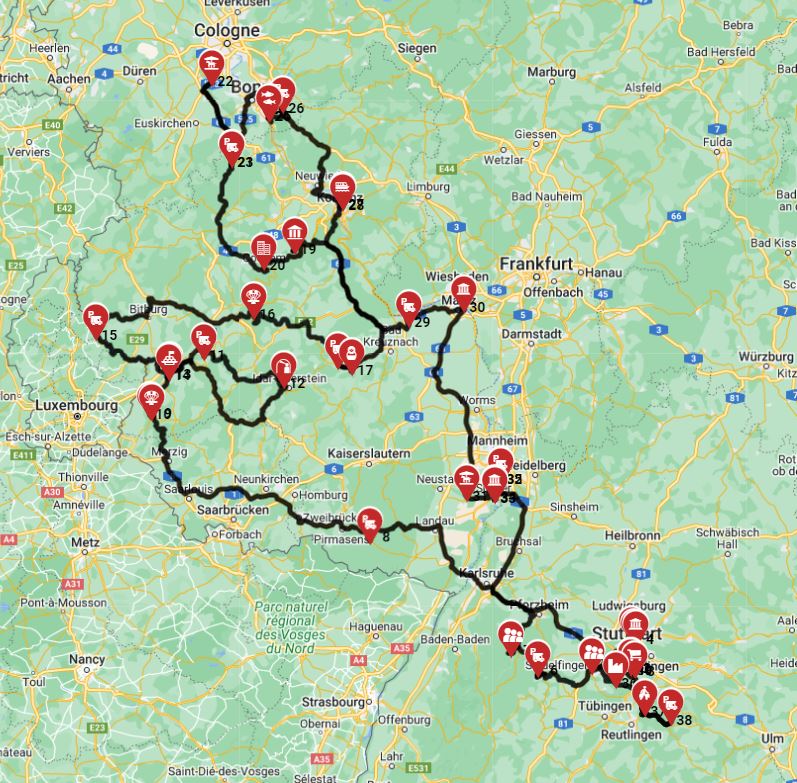
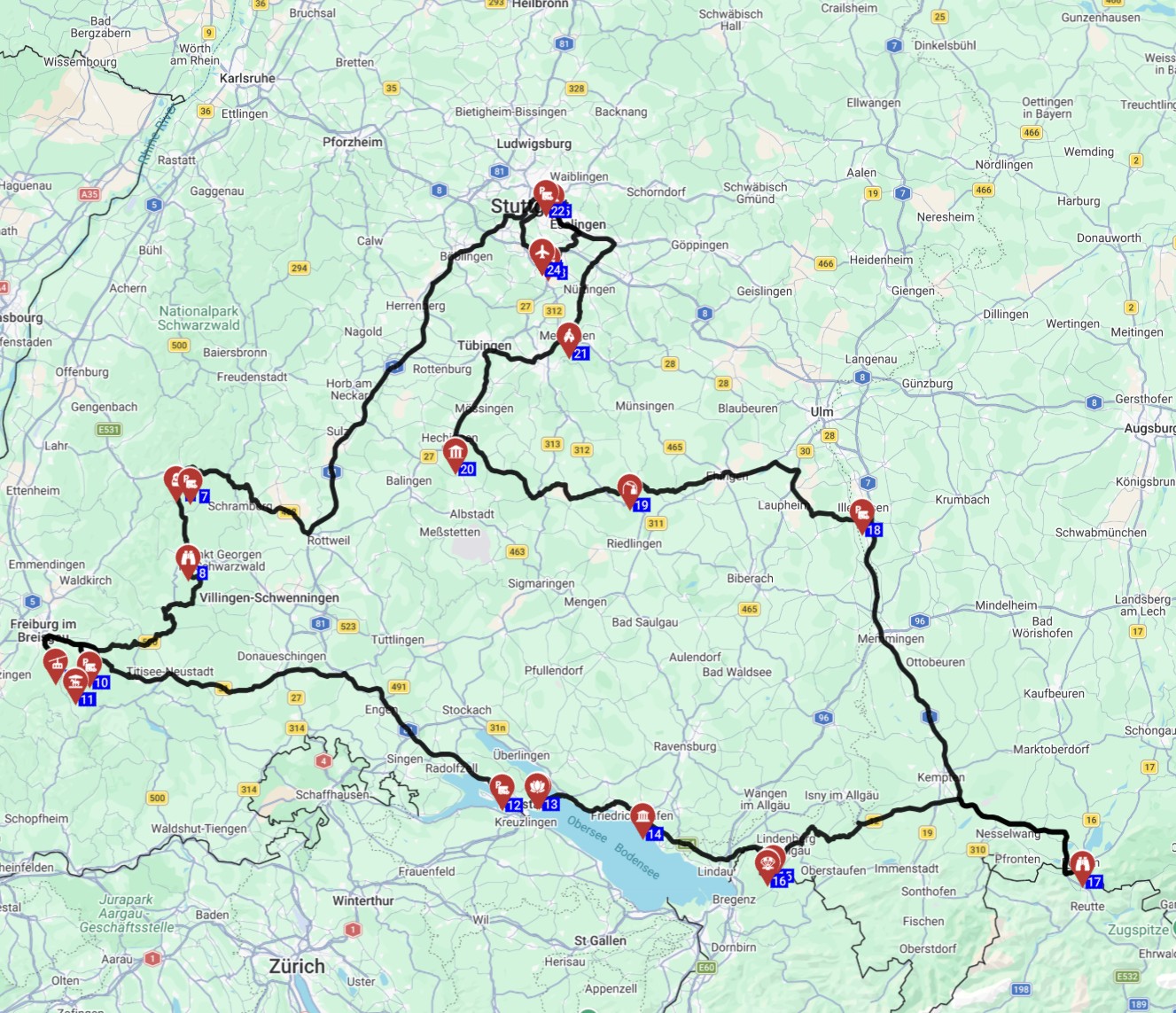
Most rental RVs in Germany, including agile Class B Camper Vans and comfortable Class SI Semi-integrated models, operate on readily available diesel fuel. Diesel is widely available at service stations across Germany and is generally priced comparably to petrol. For instance, Bandana's Class B Camper Vans typically show an average fuel consumption of 6.3 Liters per 100 km (approximately 37 miles per gallon), making them an economical choice for smaller families. Fuel costs can fluctuate based on global prices, and some RV rental agreements may include fuel discount cards or similar perks. For comprehensive budgeting for your trip to Stuttgart, you'll find that RV PLANET routes allow you to itemize and track every expense along the way, helping you manage overall trip costs.Tolls, Vignettes & Border Rules
Germany does not require vignettes or general road tolls for passenger vehicles or RVs under 7.5 tonnes on its extensive motorways. However, specific tunnels or private roads might have separate tolls, though these are rare around Stuttgart. When traveling to neighboring countries from Stuttgart, such as Austria, Switzerland, or France, a vignette (a sticker or digital pass indicating prepaid road usage) is typically required for their motorways. Many rent-motorhome RVs may offer the option to pre-purchase foreign toll passes or vignettes as an add-on, which can save you time and help avoid potential fines. Always research the specific requirements for each country you plan to visit with your rented mobile home.Driving Tips for family rv rental Travelers
For family RV travelers in Stuttgart, planning frequent stops every 2-3 hours is crucial to stretch legs and allow children to rest or play, enhancing overall travel comfort. When budgeting, factor in the slightly higher fuel consumption for larger RVs compared to standard cars, and consider pre-paying for vignettes or tolls if venturing into neighboring countries to manage ancillary costs effectively. Utilize GPS systems specifically tailored for RVs, which include height and weight warnings, to avoid unsuitable routes or low bridges. Remember that German roads, especially major arteries like the A8 and A81 around Stuttgart, can be busy; drive defensively and maintain a relaxed pace, as RVs require more space for maneuvering and braking. Many German rental RVs feature automatic transmissions, simplifying driving for those accustomed to them and reducing driver fatigue. To compare the latest offers for your family trip, explore RV Rental Deals in Stuttgart - Latest Offers 2026.Recommended RV Class for Stuttgart Roads
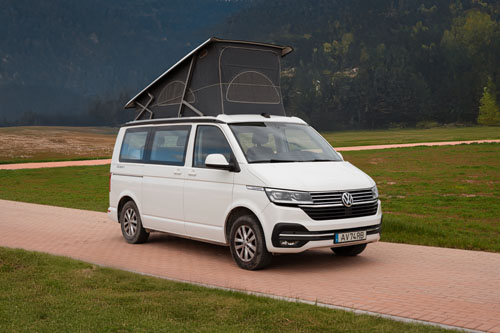
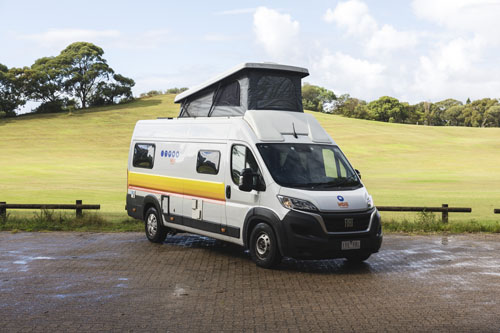
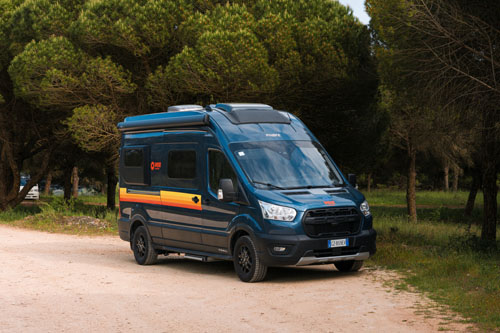
For Stuttgart and its surrounding areas, Class B Camper Vans and Class SI Semi-integrated RVs are highly recommended due to their excellent balance of maneuverability and comfort. Class B Camper Vans, typically averaging 5.3 meters in length with 2-4 sleeping places, offer superior agility for urban driving and significantly easier parking, making them perfect for couples or small families. Vehicles like the 'Active Classic' or 'Juliette 2-3' are great examples of these compact and comfortable campervans. Class SI Semi-integrated models, averaging 6.7 meters in length and often sleeping 3-4 adults, provide more interior space, a larger kitchen area (ideal for preparing RV-friendly recipes playlist), and more storage without being excessively large for German roads. Options like the 'B 2/3 - Classic' or 'Euro Quest' offer enhanced amenities. Both classes balance maneuverability with sufficient comfort for enjoyable family travel on German roads.Should I Choose a Compact Van Instead of a Large RV in Stuttgart?
While a compact van, such as a Class B Camper Van, offers superior maneuverability in very tight historic centers and easier parking in Stuttgart, most RV sizes are perfectly manageable on German roads. A compact van shines when navigating extremely narrow streets or challenging mountain passes. However, for enhanced family comfort, adequate sleeping space (a Class SI averages 3.7 sleeping places, while a Class C Alcove like the 'Explorer' averages 5.5 sleeping places), more onboard facilities, and ample storage, a slightly larger Class SI Semi-integrated or Class C Alcove RV often provides a better overall experience for extended trips. Major roads and motorways in Germany are well-suited for a range of RV sizes, making comfort and space a significant factor in your choice, especially for longer week-long trips. Feel free to compare various options like the 'Cheap RV Rental in Stuttgart - Budget Guide 2026' to find your perfect fit.Can I Park Anywhere? Free & Wild Camping Rules in Stuttgart
In Germany, "wild camping" (overnight parking outside designated campgrounds or official 'Stellplätze' for motorhomes) is generally prohibited and can lead to fines, particularly within city limits like Stuttgart. However, an exception often allows for a single overnight stay to "restore driver fitness" in a non-disruptive location, such as a rest stop or designated parking area, provided no camping behavior is displayed (e.g., no awnings extended, chairs set out). This rule is intended for safety, not for extended stays. Numerous official campgrounds and Stellplätze, like Campingplatz Stuttgart Cannstatt or Waldcamping Stuttgart, are available near Stuttgart, offering legal and equipped overnight options with amenities. Rules vary by specific region and municipality, so always check local regulations and follow local law before parking overnight with your rented camper. For finding campsites and campgrounds during your trip, we recommend using RV PLANET (rvplan.net) - a great resource for locating available spots along your route.Can I Drive an RV Into the City Center? Heights, Tunnels & Local Signage
Yes, you can generally drive a rented RV into Stuttgart's city center, but vigilance and common sense are key. You will need to pay close attention to local signage indicating height limits for tunnels and low bridges, as well as weight restrictions, which are clearly marked. Stuttgart's city center is an 'Umweltzone' (environmental zone), requiring your rental RV to display the appropriate green badge, which reputable rental suppliers like El Monte or Apollo will provide. While navigating the city is possible, parking can be challenging for larger RVs directly in the historic core. Consider parking on the outskirts, such as at a Park+Ride facility like those near the Stuttgart-Vaihingen S-Bahn station, and using Stuttgart's efficient public transport system to explore the main attractions.What is the 3 3 3 rule for RVs and campers?
The '3-3-3 rule' is an RVing guideline promoting a relaxed and enjoyable travel pace for your family motorhome adventure. It suggests driving no more than 300 miles (approximately 480 km) in a day, ensuring you don't rush through the beautiful scenery of Germany. The rule also recommends aiming to arrive at your destination by 3 PM, giving you ample time to set up camp and relax. Finally, it encourages staying for a minimum of 3 nights at each location to fully experience the place, connect to the culture, the food, and the scenery, rather than constantly moving. This slow travel philosophy is something we strongly advocate for at Bandana.Can your family ride in an RV while it drives?
Yes, family members are legally permitted to ride in a moving RV in Germany, allowing everyone to enjoy the journey together. However, all passengers must be seated in designated seats that are equipped with seatbelts, and these must be worn at all times while the vehicle is in motion. Children must be secured in appropriate child safety seats or boosters according to German traffic laws and their age/height requirements, just as they would be in a regular car. This ensures safety for everyone on board your rented mobile home.Are RVs allowed in Germany?
Yes, RVs are widely allowed and are extremely popular throughout Germany, making it an excellent destination for a motorhome holiday. Germany offers an outstanding infrastructure, including well-maintained motorways and scenic routes that are perfectly suitable for RV travel. There is also an extensive network of designated 'Stellplätze' (motorhome parking spots) and official campgrounds available across the entire country, providing convenient and legal options for overnight stays. For more detailed insights into planning your trip, consider checking out an "RV Travel Guide to Stuttgart - Tips and Top Spots 2026".What is the 4 4 4 rule for rving?
The '4-4-4 rule' is an alternative RVing guideline that promotes an even more leisurely and mindful travel pace, building on the philosophy of slow travel. This rule recommends driving no more than 4 hours a day, allowing ample time for sightseeing and spontaneous stops. It suggests arriving at your destination by 4 PM, giving you plenty of daylight to settle into your campground. And similar to the 3-3-3 rule, it encourages staying for a minimum of 4 nights at each stop, fostering a deeper connection with the local environment and culture around Stuttgart. This approach truly lets you savor your extended road trip.Can a 17 year old American drive in Germany?
No, a 17-year-old American cannot legally drive an RV or any other vehicle in Germany, regardless of the licensing age in their home country. The minimum legal driving age in Germany for any vehicle is 18 years old. Furthermore, Bandana RV requires drivers to be a minimum of 21 years old for any rented motorhome or campervan, with no exceptions for younger drivers or specific vehicle classes.How big of an RV can I drive without a CDL?
In Germany, you can drive an RV with a Gross Vehicle Weight (GVW) of up to 3,500 kg (approximately 7,700 lbs) using a standard European Class B driving license, which generally corresponds to a regular foreign driver's license, such as a standard US license. This category includes popular Class B Camper Vans (average length 5.3m) and many Class SI Semi-integrated models (average length 6.7m), perfectly suitable for family travel. For RVs exceeding 3,500 kg but under 7,500 kg GVW, a Class C1 license is required, which is a non-commercial license often attainable by experienced drivers. Some larger Class C Alcove (average length 7.4m, like the 'cruise america rv rental example Explorer') or Class A Integrated models (average length 6.1m) may exceed 3,500 kg and thus require a Class C1 license. We recommend consulting our "RV Rental Germany - Complete Guide 2026" for more licensing details.What You Shouldn't Miss
- **Mercedes-Benz Museum:** Immerse your family in automotive history at the stunning Mercedes-Benz Museum, a true architectural marvel located directly in Stuttgart-Untertürkheim. It's easily accessible by public transport from city outskirts RV parks.
- **Stuttgart TV Tower (Fernsehturm):** Ascend the world's first TV tower for breathtaking panoramic views of Stuttgart, the vineyards, and the Swabian Jura. It has ample parking nearby and offers a fantastic perspective of the region.
- **Wilhelma Zoological-Botanical Garden:** Spend a full day exploring this unique combination of zoo and botanical garden in Bad Cannstatt. It's one of Europe's largest, featuring historic Moorish architecture and diverse wildlife, with RV-friendly parking available in the vicinity.
- **Hofkammerkellerei Vineyard (Bad Cannstatt):** Experience Stuttgart's urban vineyards firsthand. Many Stellplätze near Bad Cannstatt offer direct access to vineyard walks, allowing you to sample local wines and enjoy the beautiful scenery right from your motorhome.
- **Ludwigsburg Residential Palace:** A short drive north of Stuttgart, this Baroque masterpiece is one of Europe's largest and most impressive palaces. The palace gardens, particularly the "Blühendes Barock" (Baroque in Bloom), are a highlight for all ages. Dedicated RV parking is available.
Final Thoughts
Embarking on a family RV adventure in Stuttgart is an incredible way to experience the beauty and culture of Germany at your own pace. With Bandana Caravan, you're not just renting a motorhome; you're gaining a partner who provides transparent pricing, extensive choices, and dedicated support every step of the way. Remember to embrace the local driving nuances, plan for leisurely travel days, and utilize resources like RV PLANET (rvplan.net) to craft your perfect route. Whether you opt for a compact campervan for city hopping or a spacious Class C motorhome for extended comfort, Stuttgart offers a fantastic starting point for unforgettable memories. We handle the details, you live the journey. Get inspired for your next trip! Find Motorhome Rentals in StuttgartOn the routes offered through RV PLANET routes, you can itemize and track every expense along the way for easy budgeting.