In This Guide
- Can You Drive an RV in Seattle? License & Age Rules
- Road Conditions & Terrain in Seattle
- RV Size Limits, Bridges & Restricted Zones
- Fuel: Diesel vs. Petrol & Cost per 100 km
- Tolls, Vignettes & Border Rules
- Driving Tips for one way rv rental Travelers
- Recommended RV Class for Seattle Roads
- Should I Choose a Compact Van Instead of a Large RV in Seattle?
- Can I Park Anywhere? Free & Wild Camping Rules in Seattle
- Can I Drive an RV Into the City Center? Heights, Tunnels & Local Signage
- Can you drive an RV one way?
- Can you get temporary RV insurance?
Embarking on a family RV adventure in Seattle offers an incredible way to experience the Pacific Northwest, providing the freedom to explore the city's vibrant culture and its stunning natural surroundings at your own pace. With a rented RV, your family has a comfortable, mobile base to discover everything from the bustling Pike Place Market to the serene waters of Puget Sound. For live availability and current prices, start with our RV Rental Seattle - Complete Guide 2026 guide. Bandana RV, founded in 2001, has over 20 years of experience helping tens of thousands of travelers explore the world by RV, and we're here to ensure your Seattle one-way RV rental experience is smooth and memorable.
Can You Drive an RV in Seattle? License & Age Rules
Yes, you can absolutely drive a rented RV in Seattle with a standard Class D driver's license if the vehicle is under 26,000 lbs, which applies to nearly all Class B, Class C, and Class A motorhomes available for rent. No special license or additional permits are required for recreational vehicle rentals in Washington State. For international visitors, an International Driving Permit (IDP) is recommended to accompany your valid home country license, as it provides a translation, though it is not strictly mandatory in most cases.
The minimum age for renting an RV in Seattle is typically 21 years old with most suppliers, unlike some vehicle rentals that require 25. This means younger adventurers can also enjoy the flexibility of an RV trip. You'll find that suppliers like El Monte and Cruise America, direct partners with Bandana, have straightforward age policies, ensuring a seamless start to your one way rv rental in Seattle.
Road Conditions & Terrain in Seattle
Seattle's road conditions vary significantly, from well-maintained interstate highways like I-5 and I-90 to narrower urban streets and charming, hilly neighborhood roads. The city is famous for its steep inclines, particularly in areas like Queen Anne and Capitol Hill, which demand careful driving and attention when navigating a motorhome. When planning your one-way RV rental route plans, be aware that the terrain can quickly change from urban density to coastal routes along Puget Sound or even mountain passes if you head east towards the Cascade Range.
Drivers should expect frequent rain and wet conditions for much of the year, especially from October to April. This requires slower speeds, increased braking distances, and vigilance for changing road surfaces. For instance, traveling east on I-90 towards Snoqualmie Pass during winter will require checking road conditions for snow and potential chain requirements, which our partners like Apollo or Britz can advise on. The state of Washington, with Seattle as its largest city, boasts more glaciers than the other 47 contiguous states combined, offering incredible high-alpine RV adventures in nearby national parks like Mount Rainier.
RV Size Limits, Bridges & Restricted Zones
Generally, there are no specific RV size limits for driving on major roads and state highways in Seattle. However, RV drivers must remain highly attentive to local signage, especially for bridges, tunnels, and parking areas. For example, Seattle's iconic I-5 Ship Canal Bridge has a clearance of approximately 14 feet 6 inches (4.42 meters), which is standard for most Class A, Class B, and Class C motorhomes, but always verify your specific rental RV height.
While environmental zones are not currently a major restriction for RVs in Seattle, it's always wise to check for any updated local regulations before your trip, especially if you plan to visit specific urban districts or park in sensitive areas. When navigating downtown, be mindful of overhead clearances for parking garages or specific underpasses near landmarks like Lumen Field or T-Mobile Park. Remember, careful planning is key to an enjoyable rented motorhome journey through the city. One effective way to plan your adventure is by checking out a "RV Travel Guide to Seattle - Tips and Top Spots 2026".
Fuel: Diesel vs. Petrol & Cost per 100 km
Most rental motorhomes in Seattle, particularly popular Class C Alcove models and many Class A Integrated RVs from suppliers like Cruise America, typically use petrol (gasoline). However, some larger Class A models or newer, custom-built campervans might operate on diesel. It is crucial to confirm the fuel type of your specific rented RV before heading out.
Fuel consumption rates for rental RVs can vary. For instance, many Class C - Alcove RVs commonly consume around 25-35 Liters per 100km, while larger Class A - Integrated models can range from 30-45 Liters per 100km, similar to a "motorhome hire australia example Genesis 43". Fuel availability is widespread across Seattle and throughout the Pacific Northwest, but budgeting for fuel costs, which are dynamic and can fluctuate, is essential for any one-way trip. For tracking these and other expenses, remember that RV PLANET routes allow travelers to itemize and track every expense along the way for easy budgeting, ensuring full transparency in your trip costs. The world's first gas station opened in Seattle in 1907, making it a historic pit stop for any road tripper. On the routes offered through RV PLANET routes, you can itemize and track every expense along the way for easy budgeting.
Tolls, Vignettes & Border Rules
Seattle and its surrounding areas utilize toll roads, primarily for express lanes on I-405, SR 167, and for crossing the SR 520 bridge. These tolls are typically paid electronically via a Good To Go! pass, which many rental companies offer as an optional add-on or you can pay by mail, though the latter often incurs higher fees. Unlike some European countries, there are no vignette systems in Washington State; tolls are purely transactional.
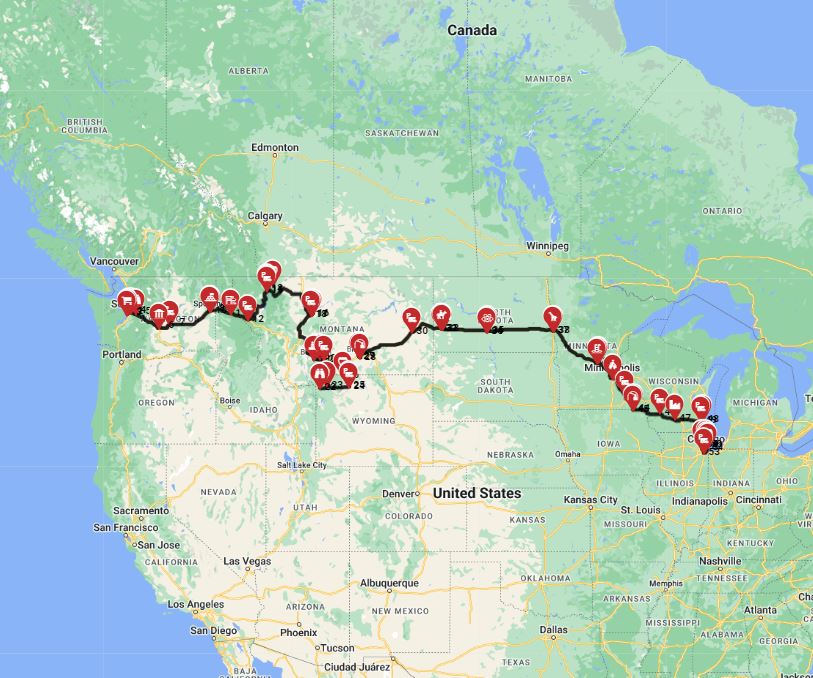
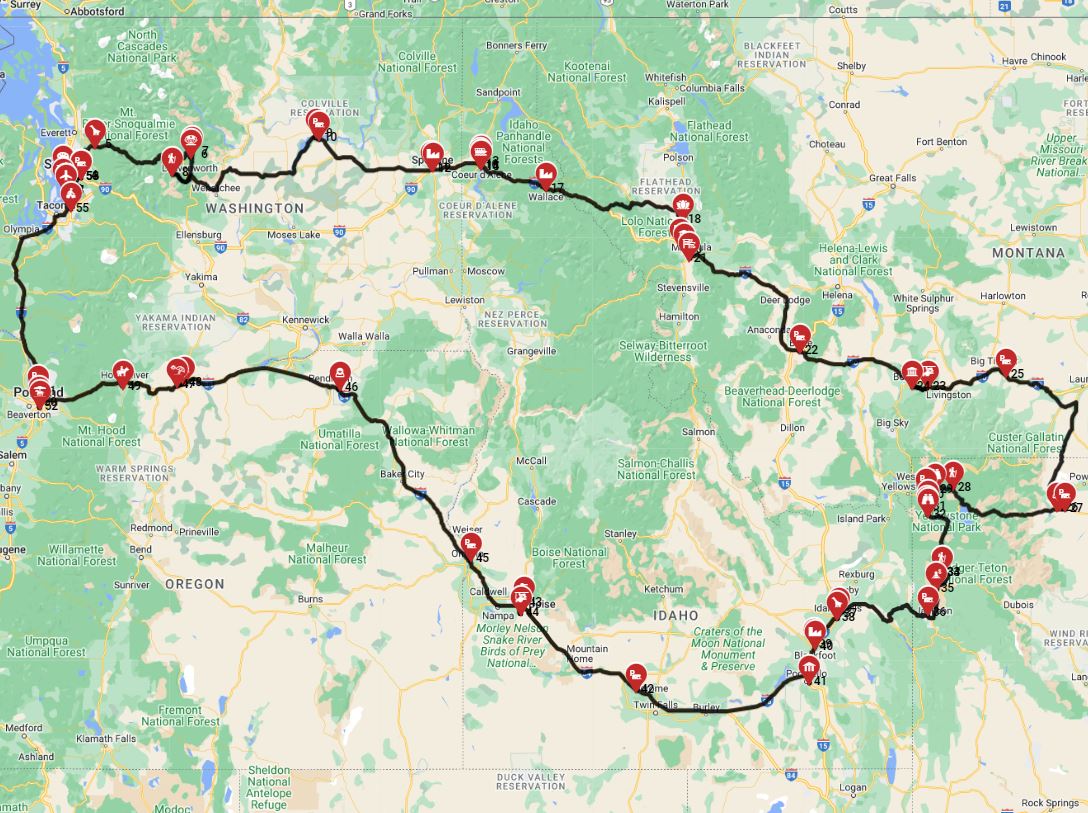
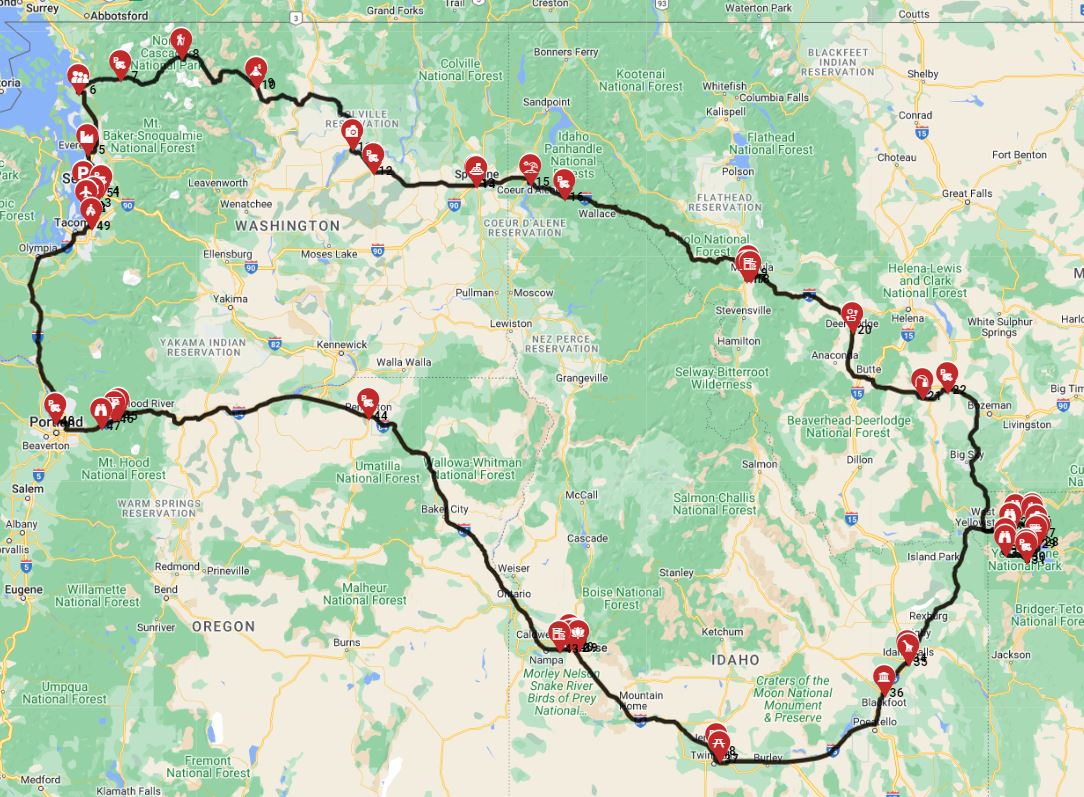
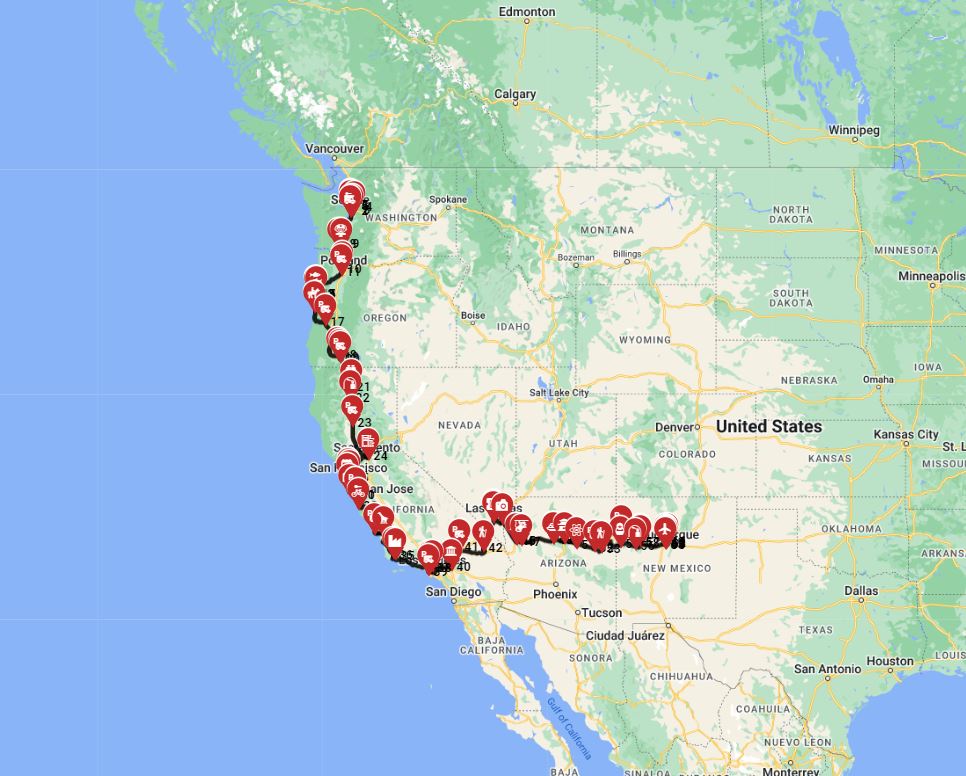
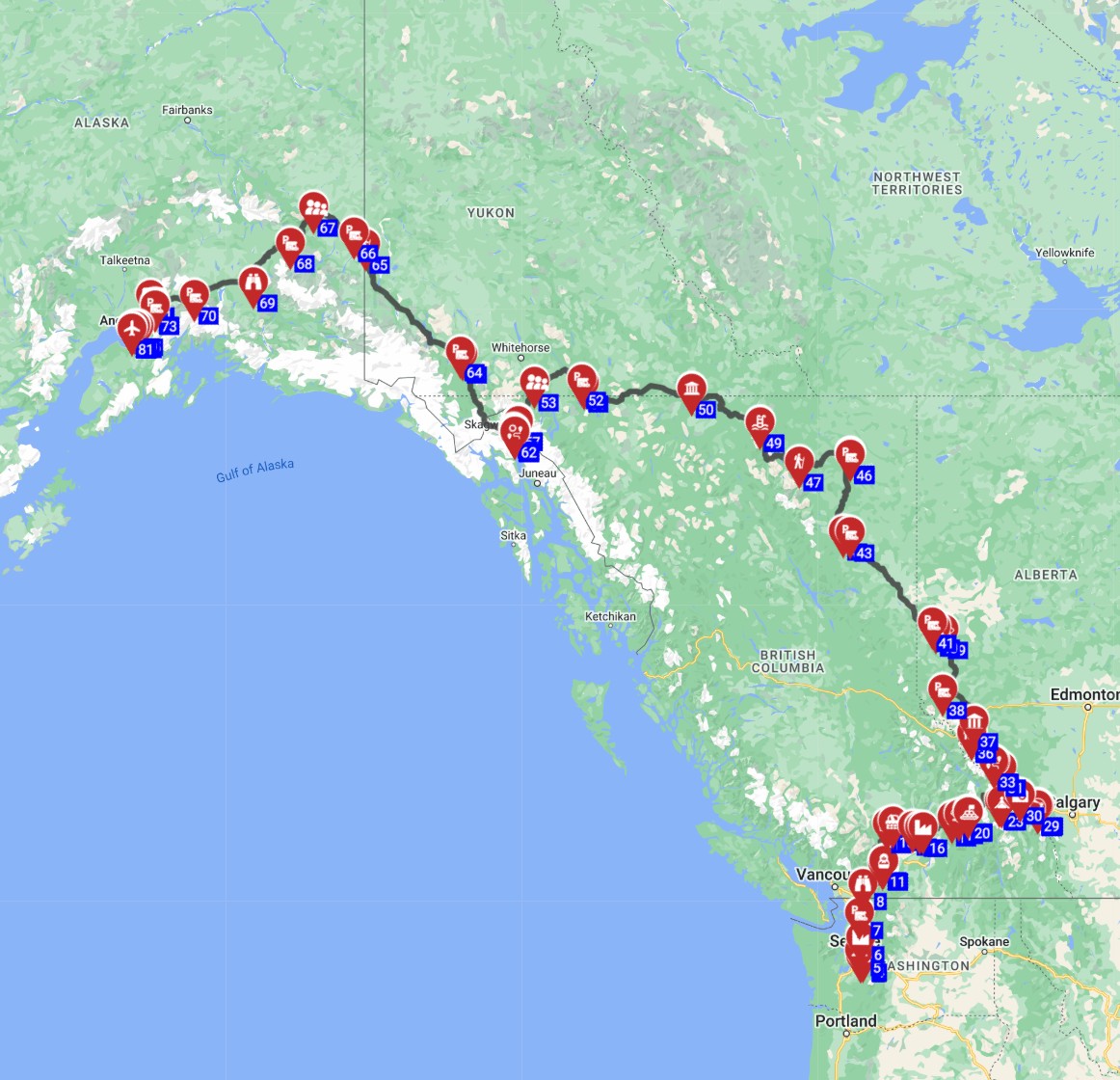
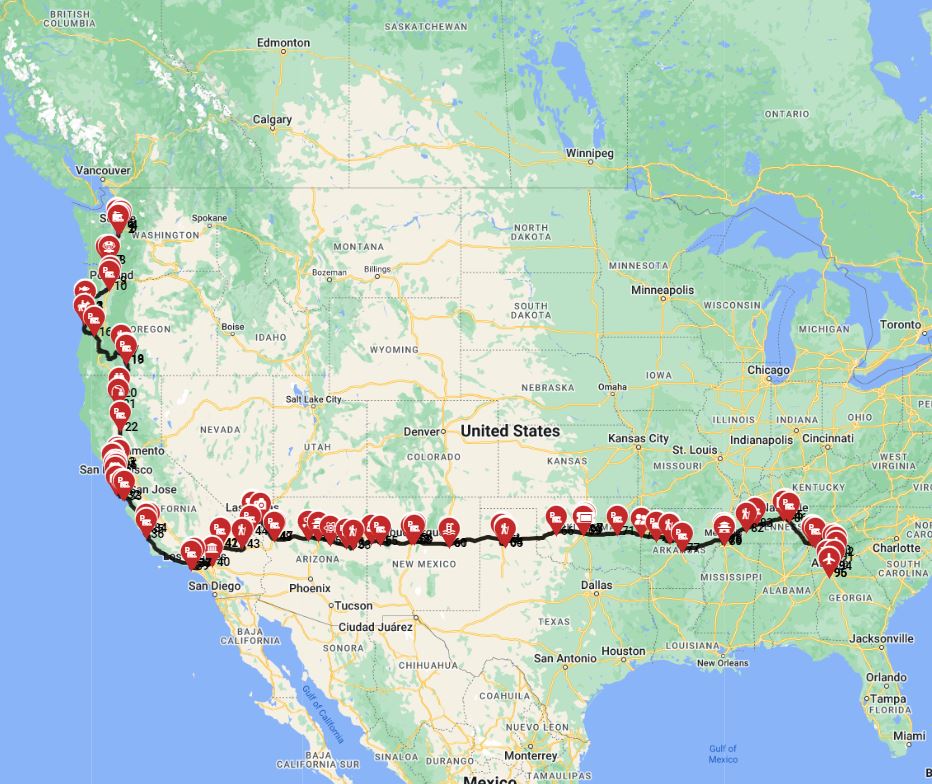
When planning a one-way RV rental from Seattle, especially if your route takes you outside Washington, it is vital to research toll systems in other states you'll be traveling through. For example, if you consider a "Seattle to Anchorage - Rockies & Northern Wonders Road Trip" (29 days, 5076.200000000001 km), you'll encounter different toll systems and rules as you cross state and international borders (into Canada, if your route includes it). Always check with your rental company about their policy on toll transponders or specific payment methods to avoid unexpected fines.
Driving Tips for one way rv rental Travelers
For family travel in a rented RV from Seattle, plan frequent stops every 2-3 hours for rest, meals, and exploration, especially with kids. Seattle offers numerous scenic overlooks and parks perfect for short breaks, like Discovery Park in Magnolia or Golden Gardens Park in Ballard, where you can stretch your legs and enjoy Puget Sound views. This slow travel approach, averaging 100-150 km per day, allows you to truly connect with the local culture, food, and scenery.
Budget-conscious travelers should utilize fuel-finding apps to locate the best petrol or diesel prices along their route. Additionally, consider pre-paying tolls where possible or acquiring a Good To Go! pass from your rental supplier to avoid higher pay-by-mail fees. When navigating Seattle's city traffic, use GPS systems designed for RVs to help avoid low bridges, tight turns, or overly steep streets. Always be mindful of the city's often congested urban areas, especially during peak commuter times around the I-5 and I-90 corridors. For seasonal preparedness, Seattle's often rainy weather means ensuring good tire tread, working wipers, and being ready for reduced visibility, particularly during shoulder seasons. Our extensive network of suppliers, including El Monte and Cruise America, ensures vehicles are well-maintained for all conditions.
When you're out exploring and preparing meals in your RV kitchen, don't forget to check out our RV-friendly recipes playlist for delicious and easy meal ideas on the road.
Recommended RV Class for Seattle Roads
For navigating Seattle's urban landscape and accessing the surrounding natural beauty, Class B Camper Vans (averaging 6.4m in length, like the "rv rental denver example Category Van") or Class C Alcove RVs (averaging 8.2m, such as the "cruise america rv rental example Explorer" with a bed over cub of 160/220cm) offer excellent maneuverability and ease of parking. These sizes provide a good balance of comfort and practicality for exploring both city streets and national parks in Washington State. For families or groups seeking a bit more space for an extended road trip without sacrificing too much agility, a Class C motorhome is a popular choice, providing amenities like a shower, toilet, and more living area.
Even larger Class A motorhomes can be driven in Seattle, but they require more attention and planning for parking and navigation. The key is to drive slowly and carefully, and you can drive almost anywhere without issues. No need to stress - just use common sense and pay attention. Bandana's true RV specialists can help you compare Class B, Class C, and Class A options to find the perfect fit for your specific one-way RV rental in Seattle.
Should I Choose a Compact Van Instead of a Large RV in Seattle?
While a compact campervan, such as a "Patagonia Camper 4x4 double cab" or a "hire campervan example Paradise S/T", offers superior maneuverability in tight city streets and generally easier parking, most RV sizes, including Class C Alcove motorhomes, can be comfortably driven and parked in Seattle with proper planning. The choice depends on your trip's nature and your comfort level. If your adventure involves extensive city exploration, accessing smaller campgrounds, or navigating very narrow, winding roads off the main tourist paths, a compact campervan (often around 6.4m in length) might be more suitable.
However, choosing a larger RV, like a 29' Class C Motorhome or a "rent rv example D1", often provides significantly more comfort, living space, and amenities such as larger freshwater tanks (e.g., 167 liters in a "rv rentals utah example Sunrise Escape") and separate shower/toilet facilities, which are invaluable for longer one-way trips, especially with families (4-6 people) or for extended stays. Our honest and transparent advice is to consider your group size and desired amenities: a spacious interior with multiple beds (e.g., three double beds in a "rent rv example D1") might outweigh the slight parking challenge for many families. Bandana is exclusively focused on RV travel, and we have the expertise to help you make the right decision.
Can I Park Anywhere? Free & Wild Camping Rules in Seattle
Free or wild camping (boondocking) within Seattle city limits is generally restricted, with most urban areas prohibiting overnight RV parking on streets. Seattle's residential zones and commercial districts typically have clear signage against overnight vehicle dwelling. Travelers seeking legitimate overnight RV parking and services should plan to stay at designated campgrounds in state parks, national forests, or private RV parks located outside the immediate city center.
For example, you'll find excellent options like Dash Point State Park just south of Seattle, which offers 47 powered campsites, or Lake Sammamish State Park to the east. Always research and confirm local ordinances, as rules vary significantly by region; parking illegally can result in fines or towing, a surprise no one wants. For finding campsites and campgrounds during your trip, we recommend using RV PLANET (rvplan.net) - a great resource for locating available spots along your route, ensuring you travel with peace of mind. Remember, we handle the details, you live the journey - personal service from day one until your booking is confirmed.
Can I Drive an RV Into the City Center? Heights, Tunnels & Local Signage
Yes, you can generally drive a rental RV into Seattle's city center, but it requires vigilance for specific local signage regarding height restrictions, tunnels, and residents-only streets. Seattle's urban core features various tunnels, such as the Downtown Seattle Transit Tunnel and sections of the Alaskan Way Viaduct Replacement Tunnel (Highway 99), all of which typically accommodate standard RV heights. For instance, the Highway 99 tunnel has a clearance of 16 feet 6 inches (5.03 meters), well above most RVs. Always be aware of local parking regulations, as finding suitable and legal RV parking in popular downtown areas near attractions like the Space Needle or the Seattle Great Wheel can be challenging, often requiring designated RV lots or peripheral parking with public transport connections.
Drive slowly and carefully, and you can drive almost anywhere without issues. No need to stress - just use common sense and pay attention. For an enjoyable experience, avoid peak traffic hours, especially on weekdays between 7-9 AM and 4-6 PM. Our true RV specialists are here to provide supportive assistance before, during, and after your booking, ensuring you have all the information you need.
Can you drive an RV one way?
Yes, it is entirely possible and common to drive a rented RV one way, especially for cross-country adventures or focused regional trips like a one way rv rental in Seattle. Many travelers choose this option for its flexibility, allowing them to start their journey in one city and conclude it in another, such as an
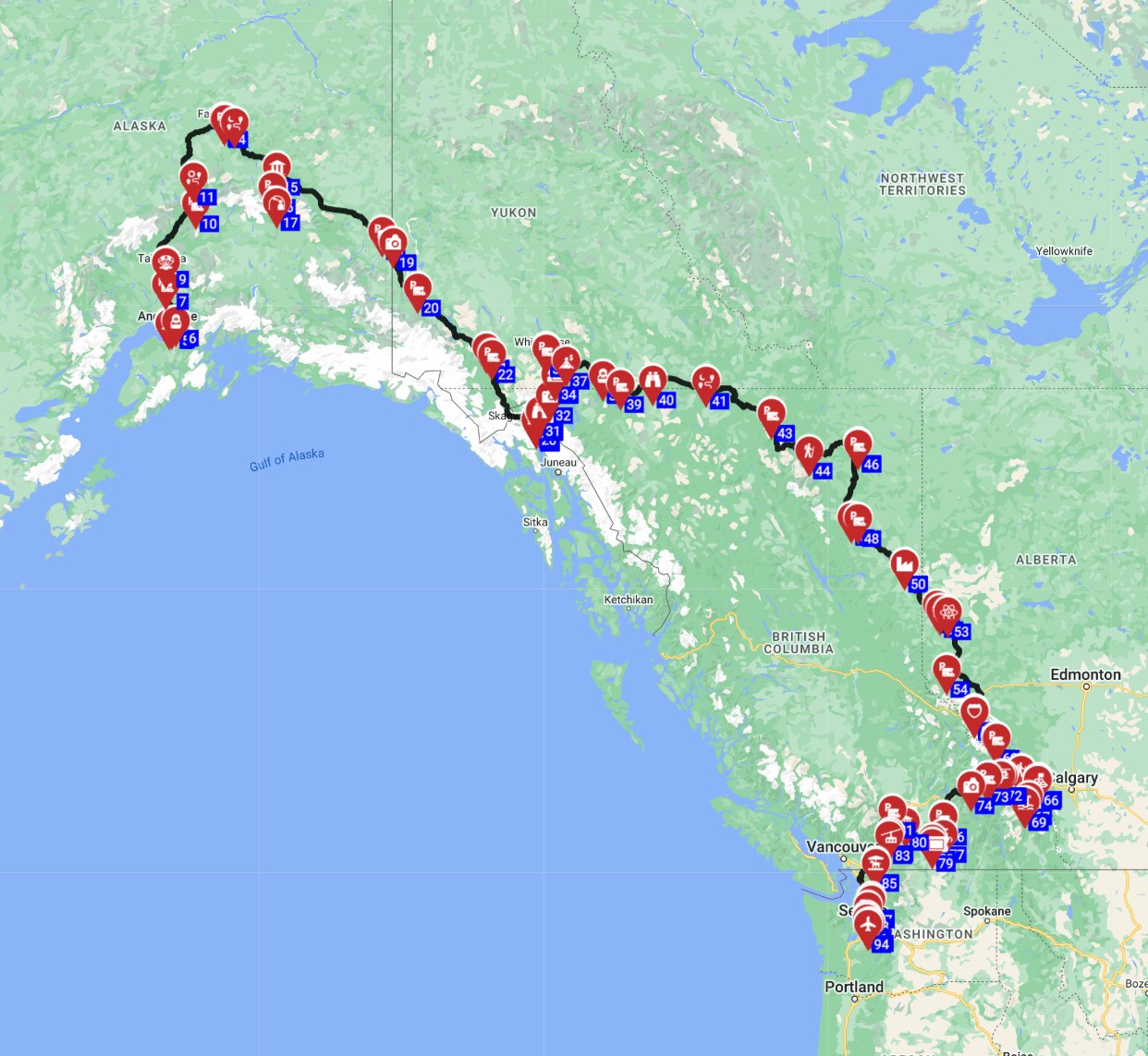
One-way RV rentals typically involve a 'drop-off fee' in addition to the standard rental costs, which compensates the rental company for repositioning the vehicle. This fee can range from $150 to $500 depending on the distance, route, and seasonality. Booking one-way rentals often requires advanced planning, as availability can be limited, especially during peak seasons from June to September. Bandana provides full transparency on all fees, ensuring no hidden costs or surprises when you book your one-way motorhome adventure. You can easily compare "One-Way RV Rental in Seattle - Price Guide 2026" on our platform.
🎬 Video coming soon
Can you get temporary RV insurance?
Yes, temporary RV insurance is often available and typically included with your rental agreement, providing essential coverage for the duration of your one-way trip from Seattle. This basic coverage usually includes liability and sometimes collision damage with a deductible. Many personal auto insurance policies may also extend some liability coverage to rental RVs, but it's crucial to verify with your provider whether collision and comprehensive coverage are also included, as policies vary greatly.
For additional peace of mind, especially on an extended road trip with a significant investment, consider purchasing supplementary rental RV insurance directly from your rental company or a third-party insurer. This can cover damages, enhanced liability, and roadside assistance specific to your one-way motorhome rental. For example, you can opt to upgrade to a top-level deductible reimbursement plan through Bandana, offering extra protection and minimizing out-of-pocket expenses in case of an incident. We believe in full transparency, so all insurance options and costs are clearly presented without hidden fees.
What You Shouldn't Miss
- Pike Place Market: Experience the vibrant atmosphere, fresh seafood, and artisan crafts. Watch the famous fish throwers and grab a coffee at the original Starbucks.
- Space Needle & Seattle Center: Ascend for panoramic city views and explore the surrounding Seattle Center, home to museums and parks.
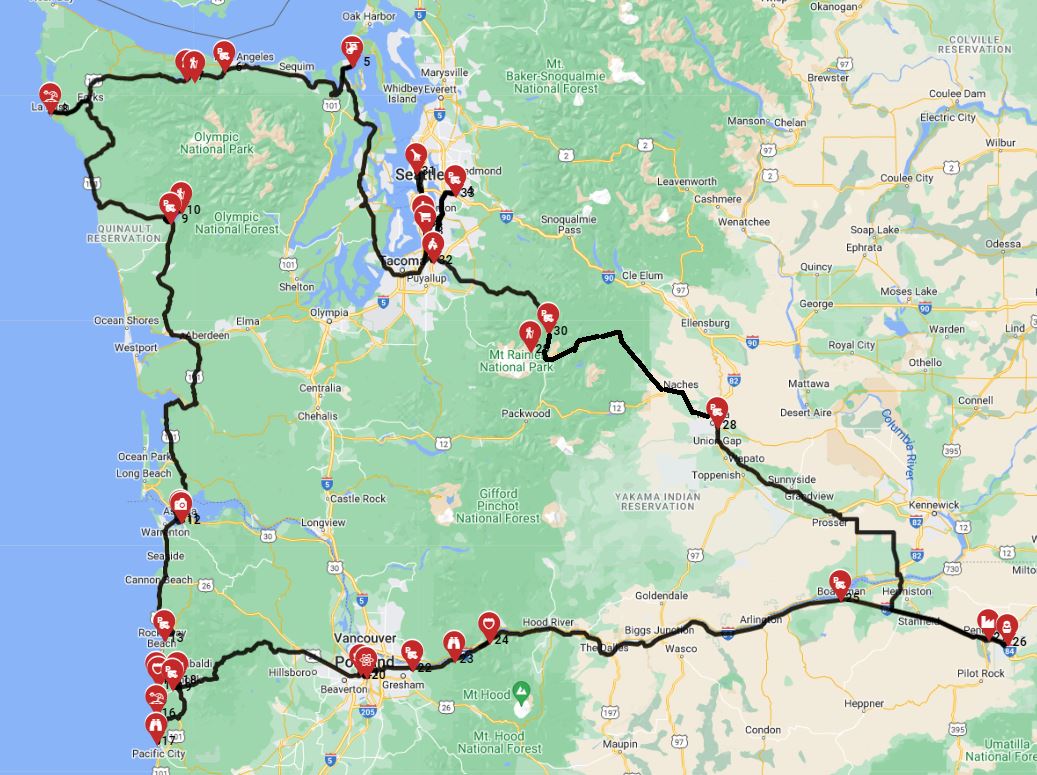
- Olympic National Park: Just a ferry ride away via Washington State Ferries, explore diverse ecosystems from rugged coastlines to ancient rainforests.
- Mount Rainier National Park: Drive your RV to Paradise or Sunrise for breathtaking views of the iconic volcano and stunning hiking trails.
- Ballard Locks & Salmon Ladder: Witness boats navigating this engineering marvel and watch salmon migrating upstream in the fish ladder.
- Underground Tour: Discover Seattle's subterranean history beneath Pioneer Square.
Looking for expert insights from Avi Bandana? Top 5 Adventures - recommendations from Avi Bandana.
Final Thoughts
Driving an RV in Seattle might seem like a big undertaking, but with a bit of planning and the right information, it's an incredibly rewarding experience. Imagine waking up to the fresh Puget Sound air, making breakfast in your own rented campervan, and then heading out to explore the city or nearby national parks. Whether you choose a nimble Class B campervan for urban agility or a spacious Class C motorhome for family comfort, Seattle is ready to be discovered on your terms.
Remember to travel slowly, averaging no more than 100-150 km per day, allowing yourself the time to truly immerse in the culture, food, and stunning scenery that Washington State offers. Bandana is here to support you before, during, and after your booking, ensuring full transparency and peace of mind from start to finish. Get inspired for your next trip and plan a journey with minimal effort and maximum enjoyment!
Find Motorhome Rentals in Seattle