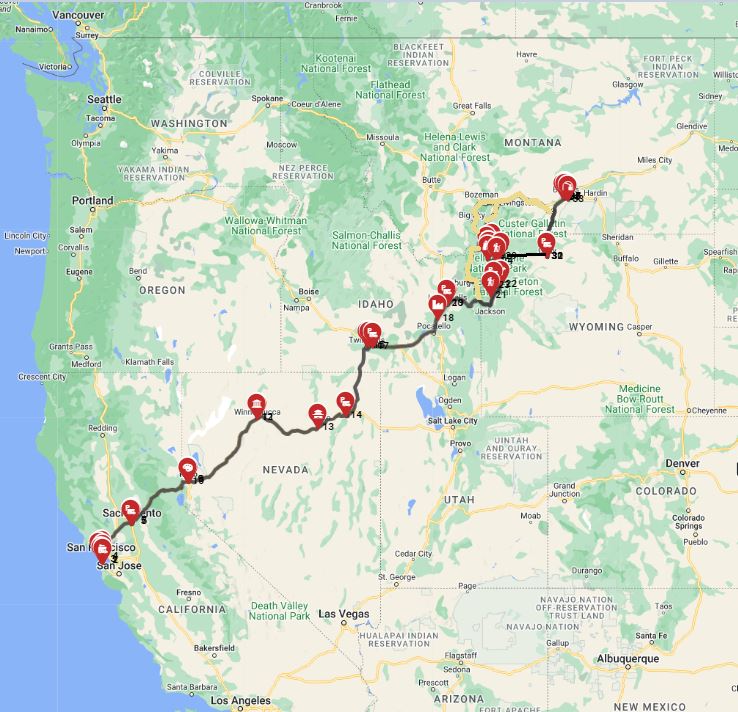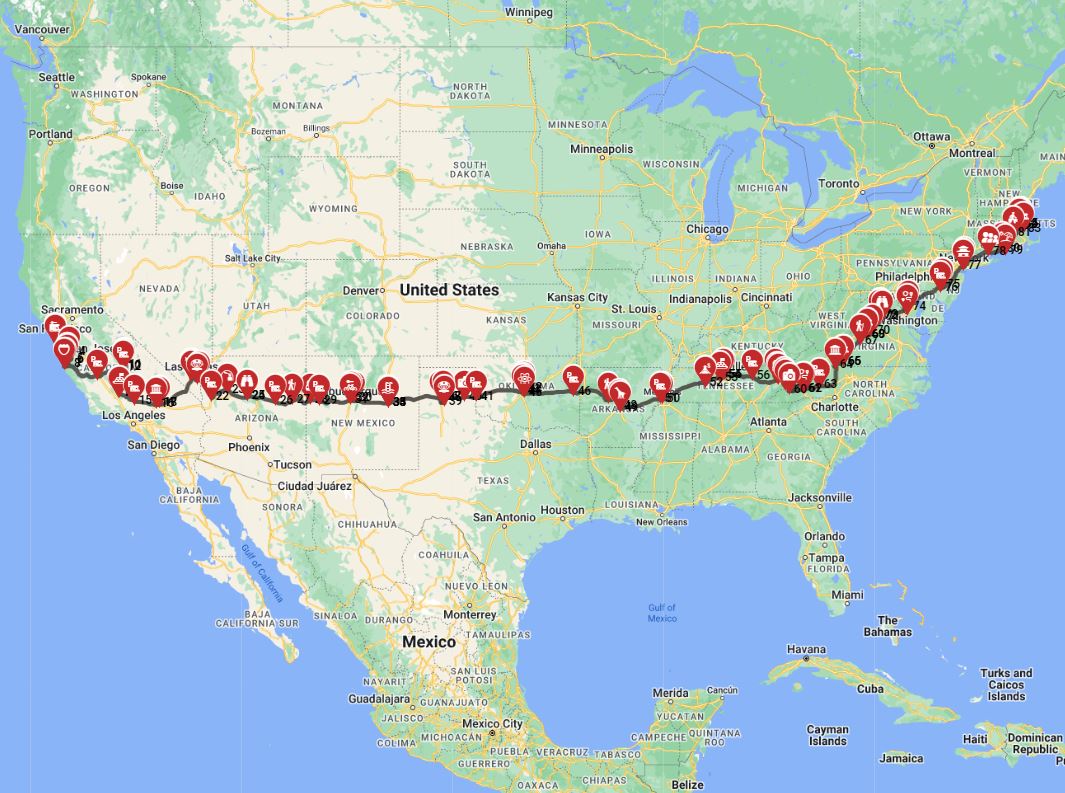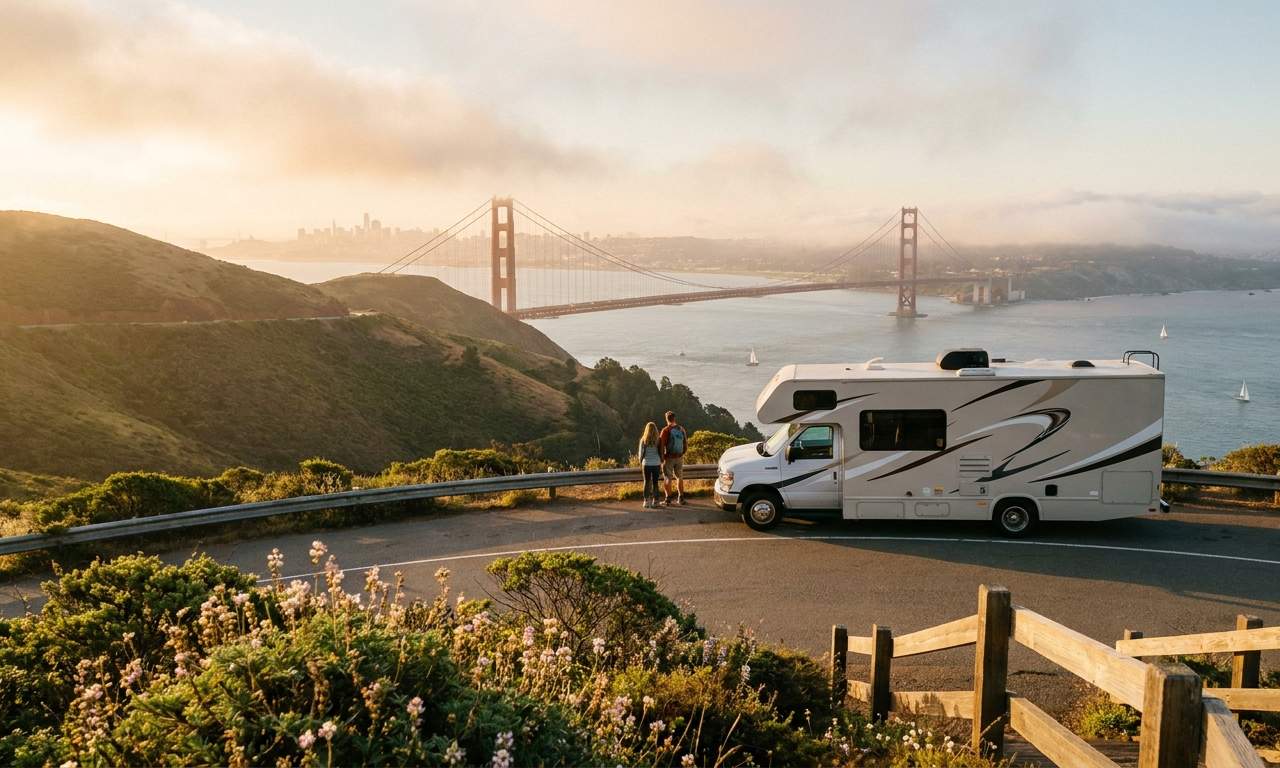
In This Guide
- Can You Drive an RV in San Francisco? License & Age Rules
- Road Conditions & Terrain in San Francisco
- RV Size Limits, Bridges & Restricted Zones
- Fuel: Diesel vs. Petrol & Cost per 100 km
- Tolls, Vignettes & Border Rules
- Driving Tips for Family RV Rental Travelers
- Recommended RV Class for San Francisco Roads
- Should I Choose a Compact Van Instead of a Large RV in San Francisco?
- Can I Park Anywhere? Free & Wild Camping Rules in San Francisco
- Can I Drive an RV Into the City Center? Heights, Tunnels & Local Signage
- Can your family ride in a RV while it drives?
- How much does it cost to insure an RV in California?
- Who has the best rates on RV insurance?
- How much is insurance on a $200,000 RV?
- Does American Family Insurance cover RV?
- Recommended RV Parks Near San Francisco with Transit Access
- Exploring San Francisco Without Your RV: Transit & Day Trip Tips
- Secure RV Storage Facilities Near San Francisco
Can You Drive an RV in San Francisco? License & Age Rules
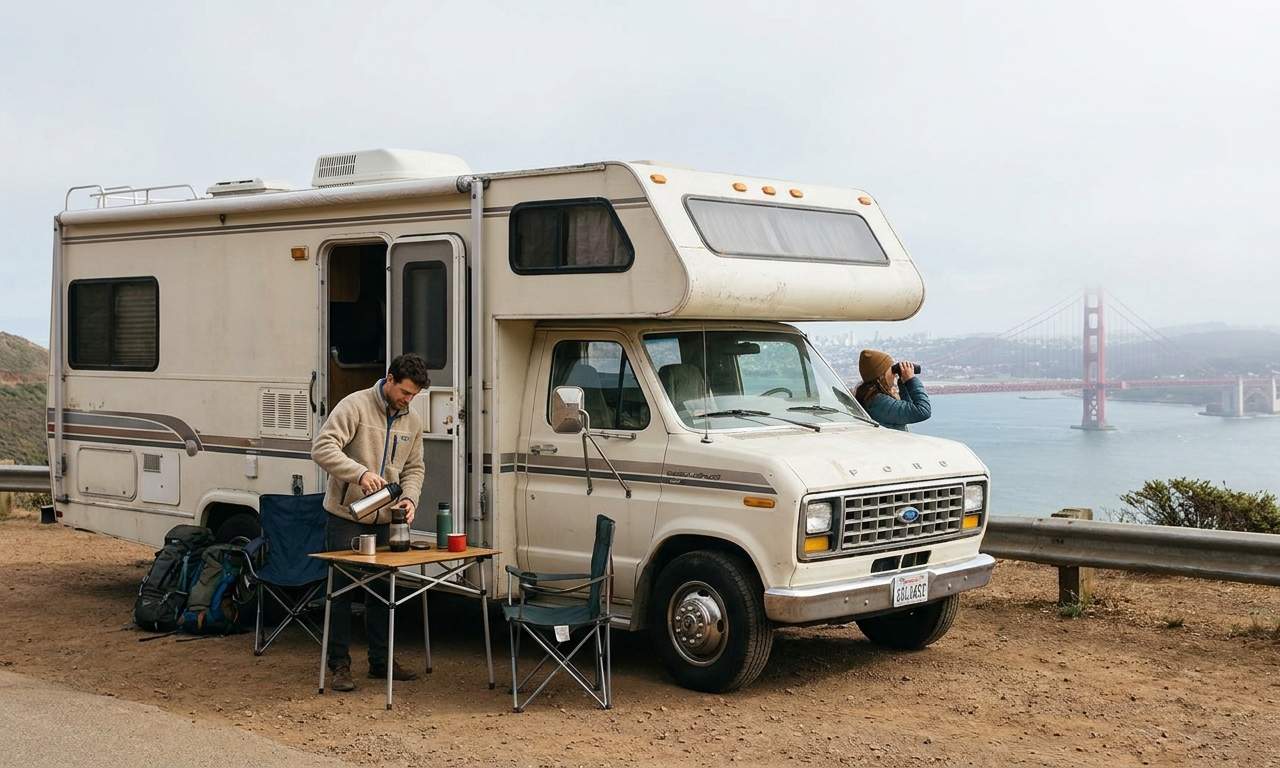 Most standard family RVs, particularly Class C motorhomes and campervans under 26,000 lbs Gross Vehicle Weight Rating (GVWR), can be driven in California with a regular Class C driver's license. The minimum age to rent an RV through Bandana RV is 21 years old, with no young driver surcharges or vehicle class restrictions based on age, ensuring accessibility for a wide range of travelers. Foreign drivers can generally use their valid home country license for up to one year in California, though an International Driving Permit (IDP) is highly recommended for clarity and ease of translation, simplifying interactions with local authorities and rental agencies. For the vast majority of family-friendly Class C and campervan rentals, you won't need anything beyond your standard license, making a family RV rental in San Francisco a straightforward process.
🎬 Video coming soon
Road Conditions & Terrain in San Francisco
San Francisco's road conditions vary significantly, featuring a mix of well-maintained major arteries, historic cobblestone streets, and notorious steep hills that require careful driving in an RV. The city's unique geography presents significant elevation changes for rented motorhomes, with extremely steep inclines and declines, sharp turns, and narrow streets. RV drivers should be prepared for these challenges and plan routes carefully using GPS apps that offer RV-specific routing to avoid the steepest hills (for instance, Lombard Street is explicitly not suitable for RVs). Navigating dense urban traffic is common, necessitating patient driving and heightened awareness, especially for larger vehicles. Drive slowly and carefully, and you can drive almost anywhere without issues. No need to stress - just use common sense and pay attention.RV Size Limits, Bridges & Restricted Zones
There are generally no specific blanket RV size limits prohibiting entry into San Francisco, but drivers of a family RV rental must be aware of individual street height and weight restrictions and maneuverability challenges. Both the iconic Golden Gate Bridge and the Bay Bridge readily accommodate RVs, though drivers should be mindful of lane widths and potential crosswinds, especially in larger Class C motorhomes. San Francisco does not currently have explicit environmental zones that restrict modern RVs based on emissions standards, unlike some European cities. If you plan to use ferry services, such as those to Alcatraz or across the Bay, always check with the ferry operator in advance for specific vehicle length and weight restrictions if you intend to take your motorhome onboard.Fuel: Diesel vs. Petrol & Cost per 100 km
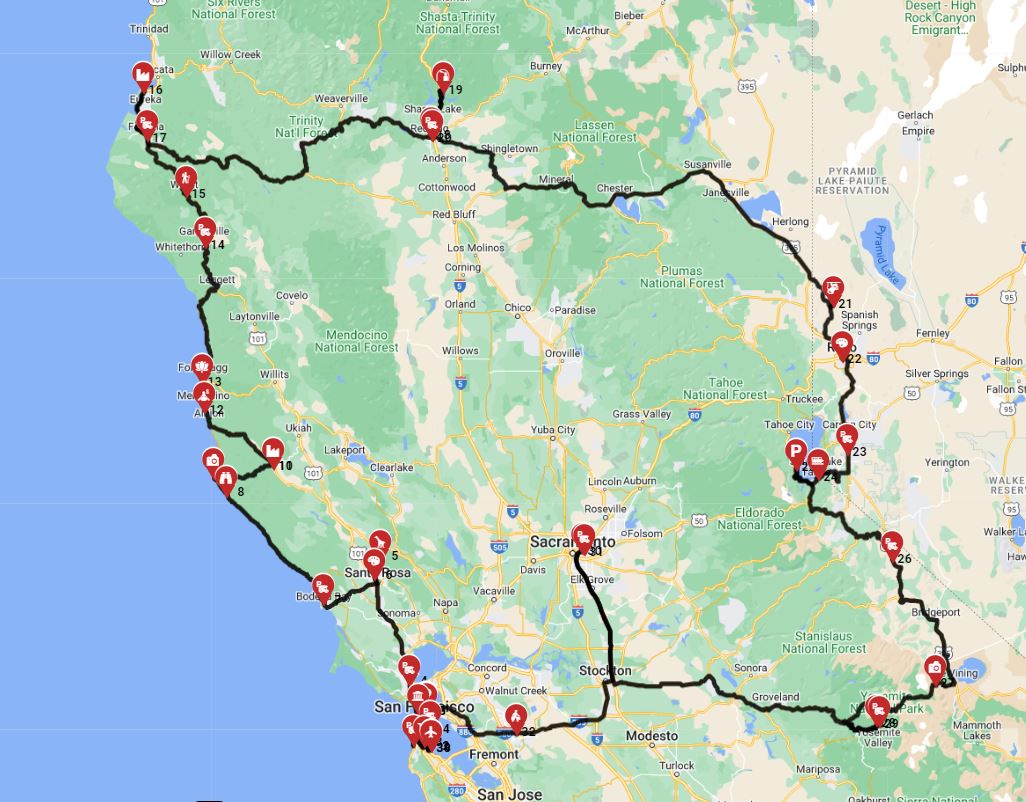
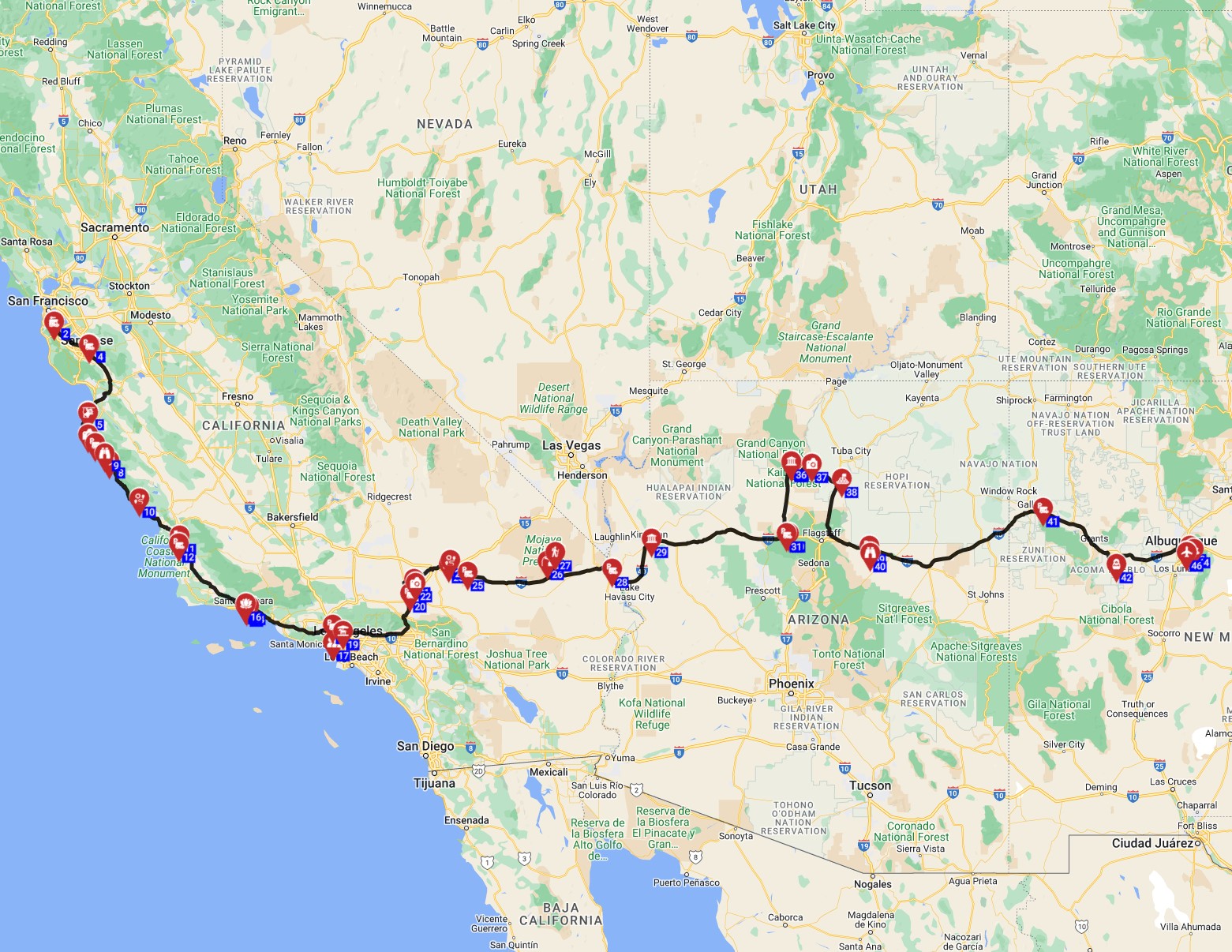
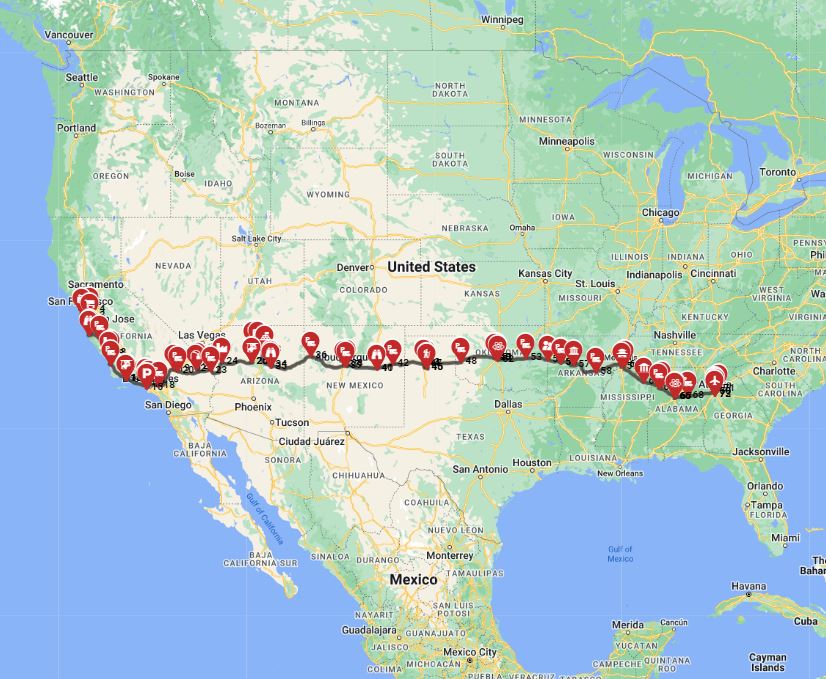
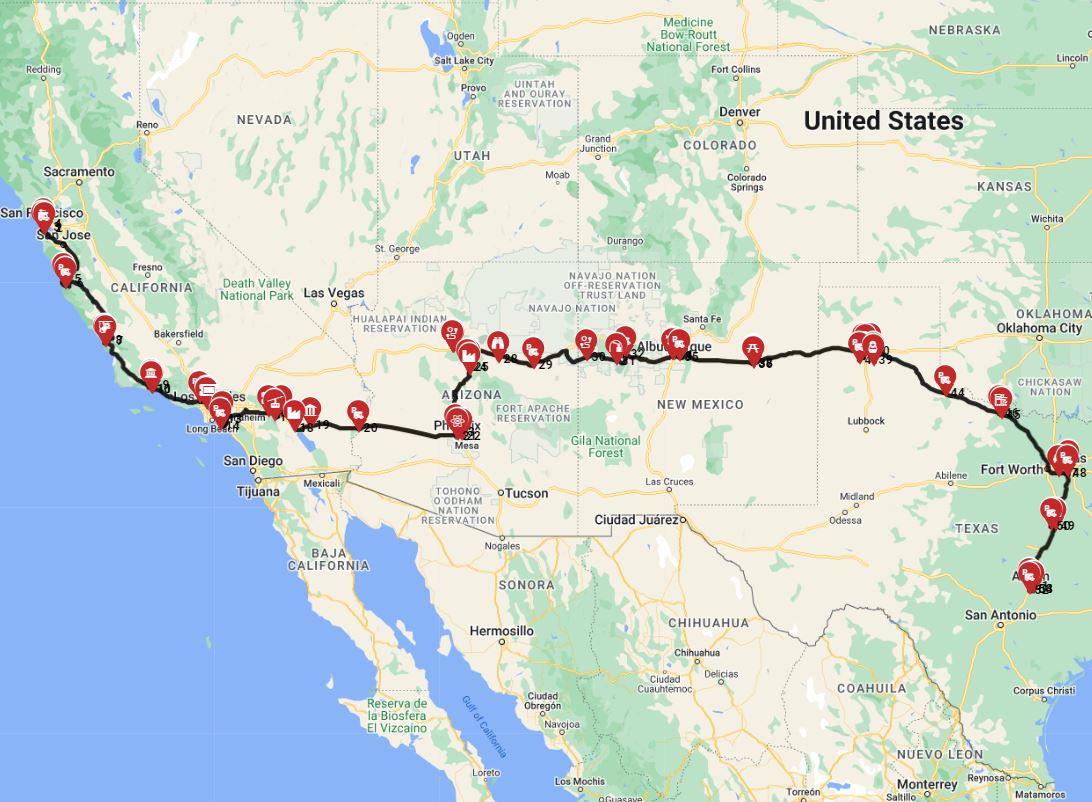
Most family RVs, particularly Class C Alcove models like the "cruise america rv rental example Explorer" (which has a 75 Liter fuel tank and 11 Liter / 100 Km. consumption), typically run on petrol, while larger Class A Integrated RVs often use diesel fuel. Based on Bandana's fleet data, Class C - Alcove RVs can have a common fuel consumption rate ranging from approximately 23 to 35 Liters per 100 km (7-10 Miles/Gallon). Larger Class A - Integrated RVs, due to their size, typically consume more fuel, with averages around 30-45 Liters per 100 km. Fuel availability for both petrol and diesel is widespread in and around San Francisco, though some gas stations within the city may be less accessible for larger RVs. Always plan your fuel stops carefully. For those using RV PLANET routes, you can itemize and track every expense along the way for easy budgeting, including fuel costs.
Tolls, Vignettes & Border Rules
San Francisco utilizes electronic tolls for its major bridges, specifically the Golden Gate Bridge (northbound only) and the Bay Bridge (westbound only), which RVs will encounter. The Golden Gate Bridge operates as a cashless toll system; drivers without a FasTrak transponder will be billed by mail or can pay online within 48 hours of crossing, typically incurring a $25-50 fine if not paid promptly. RV travelers are highly advised to obtain a FasTrak transponder or register their license plate with a toll account online to avoid potential fines and simplify toll payments. Many Bandana RVs may offer the option to pre-purchase toll passes or use integrated transponders, which can prevent fines and streamline travel. While there are no border rules within California, if your family RV rental adventure extends to neighboring states, check specific state-by-state regulations for any additional road charges.Driving Tips for Family RV Rental Travelers
Successfully navigating San Francisco in a family RV rental requires a bit of foresight and adherence to a few key tips. First, plan your route carefully: utilize GPS apps that offer RV-specific routing to avoid narrow streets, low clearances, and extremely steep hills in San Francisco's urban core. Second, take frequent breaks: for family RV trips, plan stops every 2-3 hours to allow passengers to stretch, use facilities, and for the driver to rest and stay refreshed. Third, master hill driving: practice driving on inclines and declines before entering the city; use lower gears for descents to control speed and prevent brake overheating. Fourth, secure everything inside the motorhome before driving, especially given San Francisco's potentially bumpy roads and frequent turns, to prevent items from shifting. Finally, consider parking outside the city: due to limited and expensive RV parking within San Francisco, it’s often best to park your RV at an outlying campground or secure storage facility and use public transport to explore the city, minimizing stress and maximizing enjoyment. For a broader overview of RV travel in the state, check out our RV Rental California - Complete Guide 2026.Recommended RV Class for San Francisco Roads
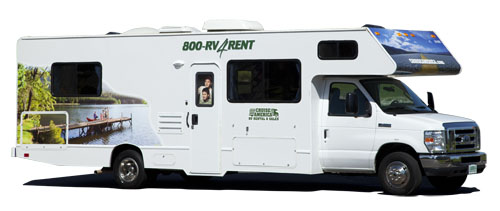
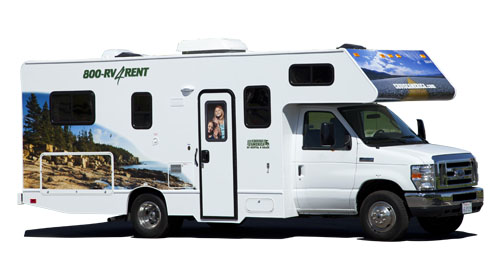
For a family RV rental in San Francisco, a Class C - Alcove RV is often recommended, balancing interior space with more manageable dimensions for urban and scenic drives. Bandana's Class C - Alcove RVs, such as the "24' Class C Motorhome" with sleeping for 5 people, have an average length of 8.1 meters (approximately 26.6 feet) and typically sleep 5-6 people, providing ample comfort without being overly cumbersome. These models offer a good balance of amenities for families, including kitchen and bathroom facilities, while being more maneuverable than larger Class A models on San Francisco's urban streets. A Class B campervan, while more compact and easier to park, may offer less space for a larger family, whereas the "MHC28" Class C motorhome, at 7.3 meters in length, provides 7 sleeping places and 6 seat belts, making it suitable for bigger groups.Should I Choose a Compact Van Instead of a Large RV in San Francisco?
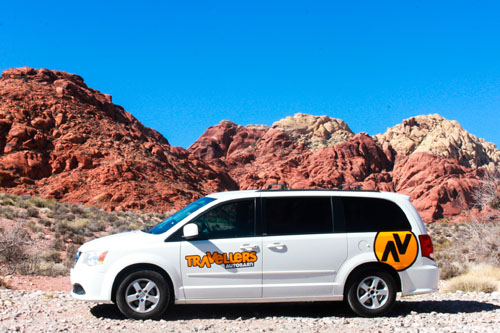
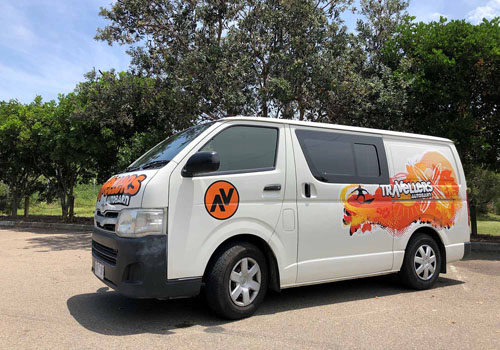
Choosing between a compact van and a large RV for San Francisco depends on your family's needs and priorities, as there's usually no issue driving any RV size in the city, though comfort and indoor space often outweigh maneuverability concerns. A compact van or smaller Class B campervan, like the "Active Pop Top" which sleeps 4 and has a length of 5.99 meters, genuinely helps in San Francisco's tighter historic centers, allowing easier navigation and fitting into standard parking spaces more readily. However, for families, the trade-off often leans towards a larger RV like a Class C, which provides essential indoor space, dedicated sleeping areas, and full kitchen/bathroom facilities, significantly enhancing comfort for longer trips. If your primary goal is to quickly get in and out of the most congested tourist areas and park frequently, a compact van is advantageous; however, for a comfortable family road trip experience with amenities for cooking meals like those in our RV-friendly recipes playlist, a larger RV is often the better choice, even if it means parking further out and using public transport into the city.Can I Park Anywhere? Free & Wild Camping Rules in San Francisco
No, you generally cannot park an RV anywhere for free overnight or wild camp within San Francisco city limits, as strict parking regulations and municipal ordinances prohibit it. San Francisco has a city-wide ban on overnight RV parking on most streets, particularly in residential and commercial areas, making wild camping illegal and subject to fines that can range from $100 to over $250. Enforcement of parking violations is robust, and consequences can include significant fines, towing, and impoundment of your rented RV. RV travelers should plan to stay in designated RV parks or campgrounds located outside the city, where overnight parking is permitted and facilities like electric hookups and dump stations are available. Always check local regulations and follow local law before parking overnight, even on private land, and look for designated RV-friendly parking lots with public transport access.Can I Drive an RV Into the City Center? Heights, Tunnels & Local Signage
Yes, you can generally drive an RV into the San Francisco city center, but it requires extreme vigilance due to dense traffic, narrow streets, and specific local signage. Pay close attention to local signage indicating height limits (e.g., for parking garages, underpasses), one-way streets, and residents-only parking areas, especially around Union Square and the Financial District. While there are no specific tunnels that restrict standard RV heights in the immediate city center, always be aware of posted clearances for any underpasses or parking structures you might encounter. San Francisco's unique urban environment means many streets, particularly the famously steep ones like Hyde Street, are unsuited for large RVs; plan your route meticulously to stick to main arteries if possible. The primary challenge for RVs in the city center is not driving itself, but finding suitable and legal parking for your family RV rental.Can your family ride in a RV while it drives?
Yes, your family can legally ride in an RV while it drives in California, provided everyone is properly secured in a seat equipped with a seatbelt. California law requires all passengers, including those in an RV's living area, to wear seatbelts if the vehicle is in motion and seats are equipped. For safety, it's highly recommended that all passengers remain seated and belted whenever the RV is moving, even if the state law allows some exceptions for older RVs or certain activities. Children must comply with California's car seat laws, meaning infants and toddlers need appropriate child restraint systems while the family RV is driving, ensuring a safe and comfortable journey for everyone.How much does it cost to insure an RV in California?
The cost to insure an RV in California varies significantly, typically ranging from a few hundred dollars to over $2,000 annually, depending on numerous factors. Key factors influencing insurance costs for a family RV rental in San Francisco include the RV's type (Class C, A, B), age, value, the chosen coverage limits (liability, collision, comprehensive, roadside assistance), and the policyholder's driving record. California-specific risks, such as higher population density leading to more potential accidents and urban parking challenges (theft concerns in urban areas), can impact premiums. Policies can also be affected by where the RV is primarily stored, how frequently it's used, and whether additional coverage like personal effects or uninsured motorist protection is added. When you book with Bandana RV, you can upgrade to a top-level deductible for extra peace of mind, which can help manage costs in case of an incident.Who has the best rates on RV insurance?
There isn't a single insurer that consistently offers the "best rates" on RV insurance for everyone, as premiums are highly individualized based on specific circumstances and risk profiles. To find the most competitive rates for your family RV rental in San Francisco, it is crucial to shop around and compare quotes from multiple insurance providers specializing in RV coverage, such as Progressive, National General, Geico, and local California brokers. The "best rates" often come from bundling RV insurance with other policies (e.g., auto or home insurance) and taking advantage of discounts for safe driving, security features, or being a member of certain associations. Focus on obtaining comprehensive quotes that match your desired coverage levels rather than just the lowest price, ensuring adequate protection for your family and RV, especially when traveling in urban environments like San Francisco. We handle the details of comparing options across suppliers, so you can live the journey with peace of mind.How much is insurance on a $200,000 RV?
Insurance for a $200,000 RV can typically range from $1,000 to $3,000 or more per year in California, though this is a broad estimate and highly variable. The exact premium will depend on the RV's class (e.g., a Class A will differ from a custom Class C of the same value), the owner's driving history, the level of coverage selected (e.g., full replacement cost vs. actual cash value), and deductible amounts. Factors like the RV's age, whether it's financed, and the primary location where it's stored also play a significant role in determining the final insurance cost for your RV rental. Given the value, comprehensive coverage including collision, liability, and specialized RV options like personal effects or uninsured motorist protection would be highly recommended, impacting the overall cost, especially with San Francisco's dense traffic and limited parking options.Does American Family Insurance cover RV?
Yes, American Family Insurance typically offers coverage for recreational vehicles (RVs), including various classes like motorhomes (Class A, B, and C) and campervans. Their RV insurance policies are designed to provide specialized coverage beyond standard auto insurance, addressing the unique needs of RV owners, such as protection for personal belongings, roadside assistance, and vacation liability. It is always advisable to contact an American Family Insurance agent directly to discuss specific coverage options, get a personalized quote, and confirm that your particular family RV rental model and planned usage (e.g., extended road trip) meet their policy requirements. Review your policy carefully to understand limits, deductibles, and any exclusions, especially concerning urban travel risks like potential parking fines or increased theft concerns in metropolitan areas like San Francisco.Recommended RV Parks Near San Francisco with Transit Access
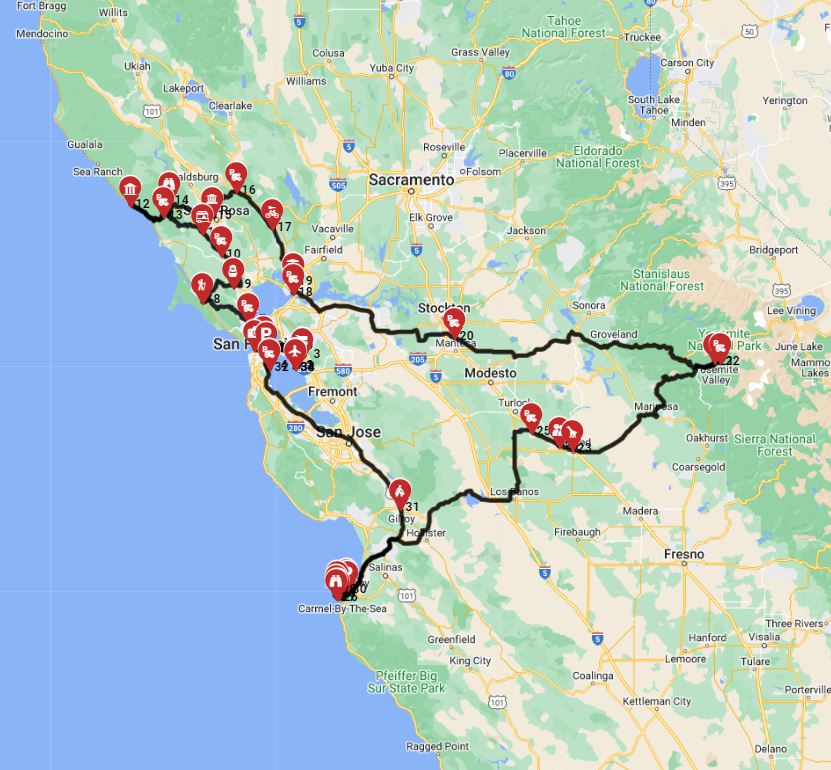
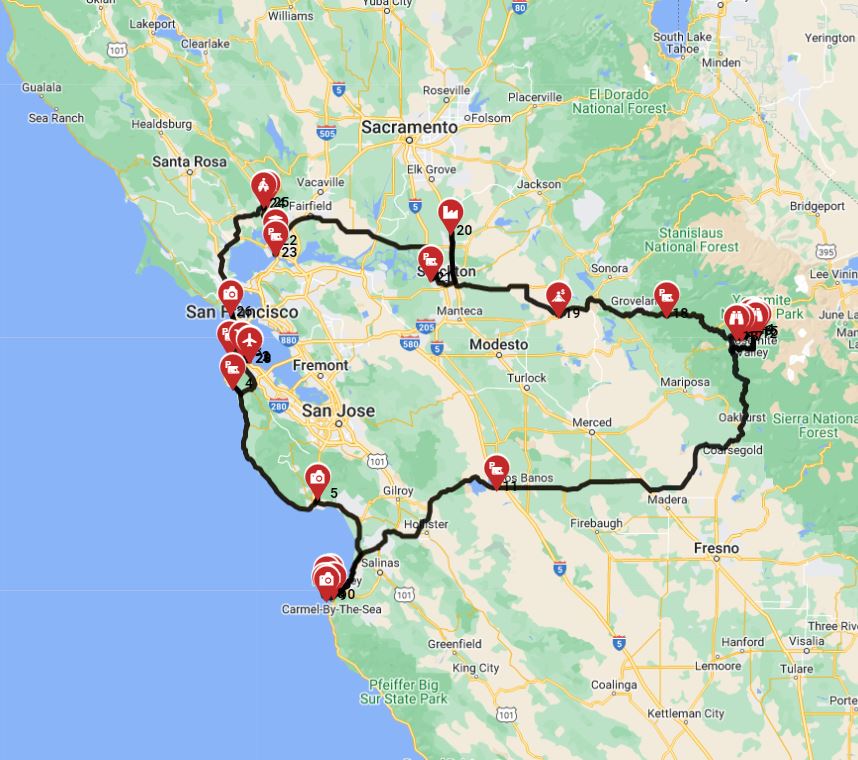
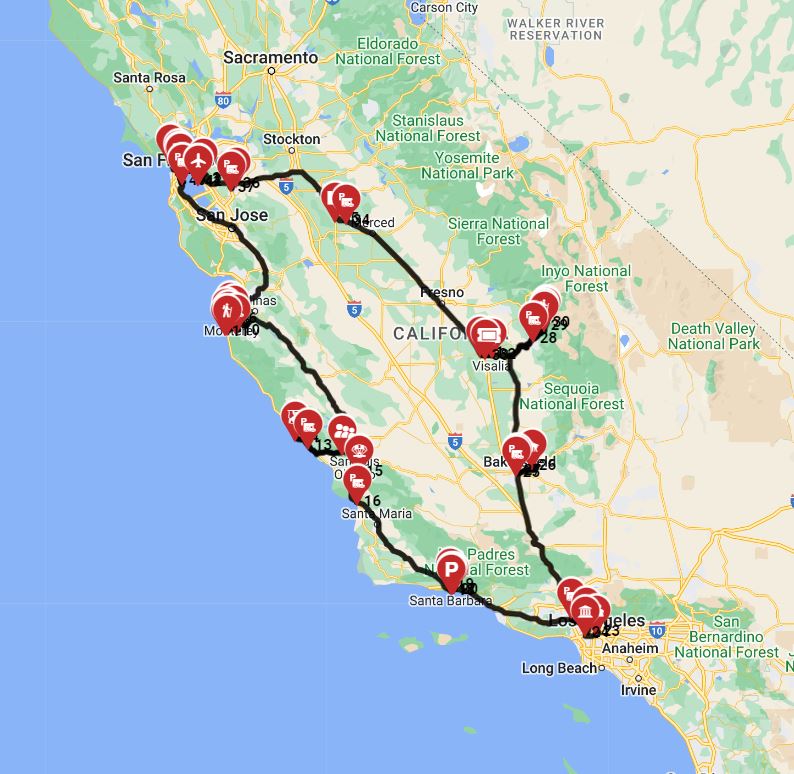
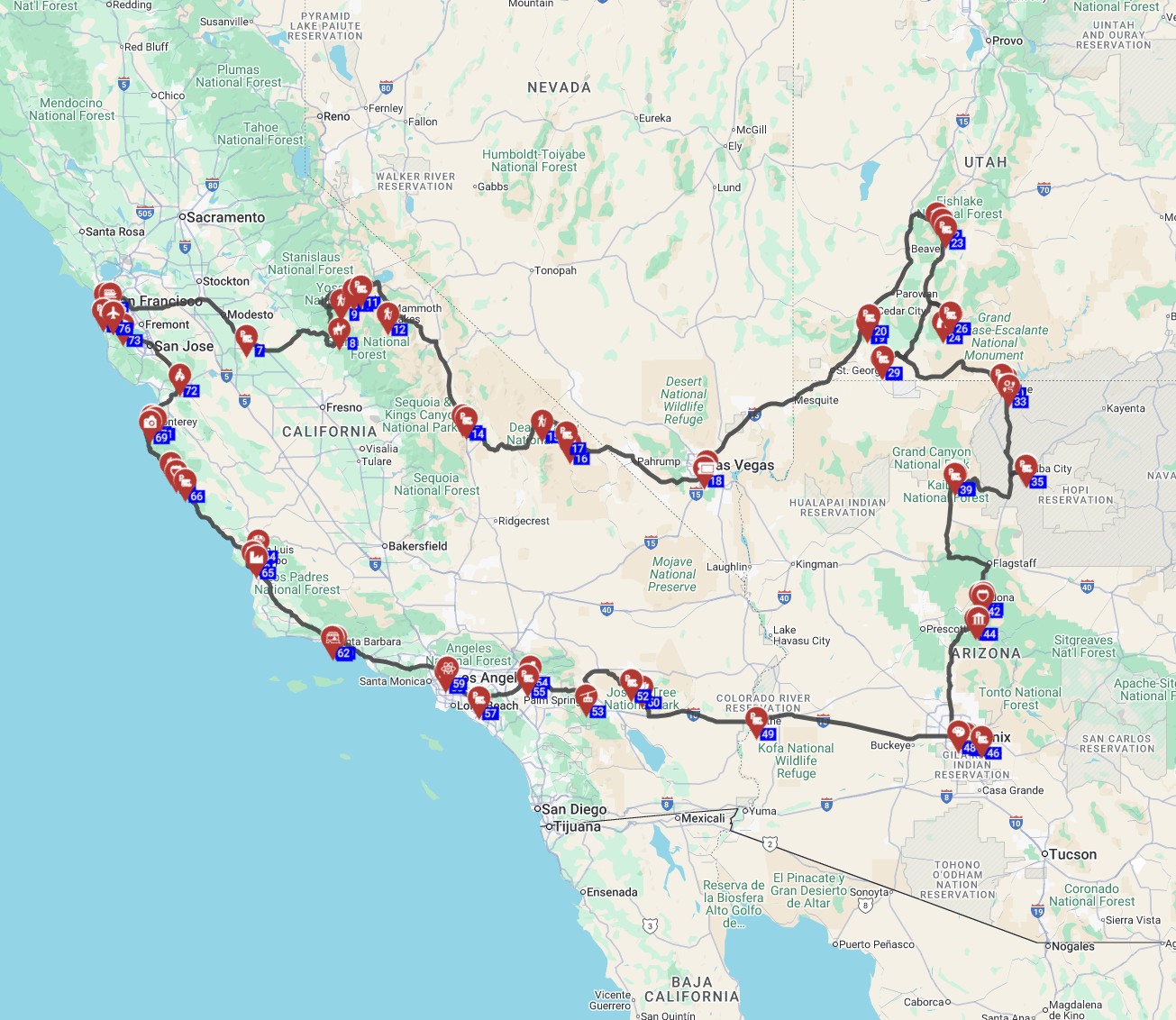
To truly enjoy San Francisco without the stress of urban RV parking, consider staying at RV parks just outside the city with convenient public transit links into the downtown area. One of the closest options within San Francisco's county is **Candlestick RV Park**, offering shuttle services or easy access to Muni transit lines for direct routes to major attractions like Fisherman's Wharf. For those who don't mind a short drive, **Marin Park** in Greenbrae, located just north of the Golden Gate Bridge in Marin County, provides stunning views and direct access to Golden Gate Transit buses, which run frequently into downtown San Francisco. Another great option south of the city is **San Francisco RV Resort** in Pacifica, offering ocean views and connections via SamTrans buses to BART stations for convenient city access. These parks generally provide essential amenities like hookups, showers, and sometimes even pools, making them ideal bases for family explorations of San Francisco. Planning your journey ahead with pre-planned routes from RV PLANET can help identify ideal stopovers.Exploring San Francisco Without Your RV: Transit & Day Trip Tips
Once your family RV is securely parked at an outlying campground, San Francisco is best explored using its extensive and efficient public transportation system. To navigate easily, utilize Muni (San Francisco Municipal Railway) for buses, historic streetcars along Market Street, and the famous cable cars within the city; use BART (Bay Area Rapid Transit) for rapid transit connections from surrounding areas like Oakland or Berkeley. Purchasing a Clipper card is highly recommended for easy tap-and-go access across all major transit systems, including Muni, BART, Golden Gate Transit, and ferries, simplifying ticketing for families. Ride-share services like Uber and Lyft are also readily available and can be convenient for direct trips, especially when traveling with small children or after a long day of sightseeing at Alcatraz Island or Golden Gate Park. Plan your day trips by taking public transit from your RV park, allowing for stress-free travel to iconic sites; always account for travel time and transit schedules, especially for return trips in the evening. Remember to travel slowly, max 100-150 km per day on average, and take time to connect to the culture, food, and scenery, even when exploring on foot.Secure RV Storage Facilities Near San Francisco
For RV travelers wanting to spend several days exploring San Francisco without their rig, secure, short-term RV storage facilities just outside the city offer a practical solution. Look for facilities in nearby cities like South San Francisco, Daly City, Oakland, or Marin County, which often provide gated access, surveillance, and varying sizes of storage bays. Examples of such facilities include major chains like Public Storage or Extra Space Storage, as well as specialized RV storage lots, many of which offer month-to-month rental options that are ideal for a week-long trip. Ensure the chosen storage facility is easily accessible from major highways such as US-101 or I-80 and has convenient public transportation links back towards San Francisco for continued exploration. This approach allows you to enjoy the city's pedestrian-friendly attractions without the concern of navigating urban streets in a larger motorhome.What You Shouldn't Miss
- Walk or bike across the iconic Golden Gate Bridge, experiencing breathtaking views of the Pacific Ocean and Alcatraz Island.
- Explore the vibrant Fisherman's Wharf and Pier 39, enjoying fresh seafood and watching the famous sea lions.
- Take a ferry to Alcatraz Island for a fascinating historical tour of the infamous former prison, booking tickets well in advance.
- Wander through Golden Gate Park, which offers diverse attractions from the Japanese Tea Garden to the California Academy of Sciences, perfect for a family day out.
- Ride a historic cable car through the city's hilly streets, a classic San Francisco experience that delights all ages.
- Hike or enjoy a picnic in The Presidio, an urban national park site offering stunning views of the Golden Gate and the Bay.
Final Thoughts
Embarking on a family RV rental adventure in San Francisco promises an unforgettable journey filled with iconic sights, stunning landscapes, and cherished memories. While navigating a motorhome in a bustling city like San Francisco requires a bit of thoughtful planning, the freedom and flexibility it offers your family are truly invaluable. From cruising across the Golden Gate Bridge to exploring the vibrant neighborhoods, having your mobile home base ensures comfort and convenience. Remember, Bandana RV is here to simplify your rental process, offering full transparency and expert guidance so you can focus on the joy of discovery. Whether you're a pre-planner or a spontaneous traveler, we're dedicated to helping you find the perfect family RV rental in San Francisco, enabling you to create your ideal itinerary. So, pack your bags, prepare for scenic views, and get ready to experience the magic of San Francisco with your loved ones. Find Motorhome Rentals in San FranciscoOn the routes offered through RV PLANET routes, you can itemize and track every expense along the way for easy budgeting.