In This Guide
- Can You Drive an RV in New Orleans? License & Age Rules
- Road Conditions & Terrain in New Orleans
- RV Size Limits, Bridges & Restricted Zones
- Fuel: Diesel vs. Petrol & Cost per 100 km
- Tolls, Vignettes & Border Rules
- Driving Tips for family rv rental Travelers
- Recommended RV Class for New Orleans Roads
- Should I Choose a Compact Van Instead of a Large RV in New Orleans?
- Can I Park Anywhere? Free & Wild Camping Rules in New Orleans
- Can I Drive an RV Into the City Center? Heights, Tunnels & Local Signage
- Is it difficult to drive an RV in New Orleans?
- Where do RVers park in New Orleans?
- What are the best RV campgrounds near New Orleans?
- How do I secure my RV in New Orleans?
- How do I dump my RV in New Orleans?
- What can you do in New Orleans with an RV?
- What is the best time to RV in New Orleans?
- Can you stay in an RV for Mardi Gras?
- How much does it cost to RV in New Orleans?
- Are there pet-friendly RV parks in New Orleans?
New Orleans, a city brimming with jazz, history, and incredible food, offers a unique backdrop for a family RV adventure. Navigating its vibrant streets and exploring the wider Louisiana region in a rented motorhome can be an unforgettable experience if you're prepared. For live availability and current prices, start with our RV Rental New Orleans - Complete Guide 2026 guide. At Bandana RV, we're here to share our expertise, ensuring your family RV trip is smooth, enjoyable, and filled with fantastic memories, long before you even pick up the keys.
Can You Drive an RV in New Orleans? License & Age Rules
Yes, most standard family RVs, including Class B and Class C motorhomes, can be driven in New Orleans with a regular Class D driver's license in the US, as these vehicles typically weigh under 26,001 pounds (11,794 kg). This means no special license or CDL is required for the vast majority of our rental fleet.
The minimum age to rent an RV in New Orleans is typically 21 years old, though some rental suppliers might require drivers to be 25 for larger Class A motorhomes. Rest assured, Bandana RV offers options for drivers aged 21 and older across various vehicle classes, with no young driver surcharges. For international visitors, a valid foreign driver's license along with an International Driving Permit (IDP) is recommended for rentals in Louisiana, though it is not mandatory in all cases. Our team is here to clarify any questions you have about licensing and age requirements before you book, providing full transparency with no hidden fees or surprises.
🎬 Video coming soon
If you're also considering exploring the broader state of Louisiana, our RV Rental Louisiana - Complete Guide 2026 offers a comprehensive look at what to expect on the road beyond the city limits.
Road Conditions & Terrain in New Orleans
New Orleans' road conditions can be quite variable, with many streets in older districts featuring potholes, uneven surfaces, and active streetcar tracks that demand slow, careful driving, especially in a rented family RV. The terrain around New Orleans is predominantly flat, which is a relief for RV drivers compared to mountainous regions, but urban density and narrow streets introduce their own unique challenges. Expect to drive slowly and carefully, especially in residential and historic districts like the Garden District, to navigate these conditions safely and fully appreciate the local architecture.
New Orleans experiences frequent heavy rain, which can lead to standing water on roads, necessitating extra caution and reduced speeds. Always maintain a greater following distance than usual, and be mindful of pedestrians and cyclists who may not be accustomed to larger vehicles. With common sense and attention, you can drive almost anywhere without issues, and our pre-trip planning can help you anticipate these local nuances for a stress-free adventure. Our RV Travel Guide to New Orleans - Tips and Top Spots 2026 provides even more detailed insights into local driving customs.
RV Size Limits, Bridges & Restricted Zones
While there are no overarching strict RV size limits for general travel around New Orleans, drivers must be aware of specific local restrictions, particularly concerning height clearances on bridges and underpasses. It is always best to plan your routes using an RV-specific GPS that accounts for your vehicle's dimensions to avoid any unwelcome surprises. The French Quarter and Bourbon Street areas, for example, are largely restricted to large vehicles, including many RVs, and often have strict parking and driving limitations. For these historic areas, we strongly recommend parking your rental motorhome externally and utilizing New Orleans' excellent public transportation options or ride-sharing services.
Always keep an eye out for local signage, as specific height, weight, and length restrictions can apply to individual streets or smaller bridges. If you plan to use ferry crossings, such as the Algiers Point-Canal Street Ferry, it's advisable to check their vehicle size and weight restrictions in advance to ensure a smooth passage. Planning ahead is key to a relaxed journey, and our support team is always available before and during your booking to help you with such inquiries.
Fuel: Diesel vs. Petrol & Cost per 100 km
In New Orleans and the surrounding Louisiana area, both petrol (gasoline) and diesel fuels are widely available at gas stations, though you might find diesel pumps less common in very urban or smaller station locations. When planning your route, especially for a week-long trip or longer, it's wise to consider your rented RV's fuel type and plan stops accordingly. For example, a Class B Camper Van (averaging 6.1m in length) will generally be more fuel-efficient than a larger Class C - Alcove (average 8m length) or Class A - Integrated RV (average 8.9m length). Budgeting for approximately 6-12 MPG (miles per gallon) is a common heuristic for planning purposes for most motorhome rentals. On the routes offered through RV PLANET routes, you can itemize and track every expense along the way for easy budgeting.
Fuel costs can add up, so it's a good idea to factor this into your overall trip budget. For example, a Class C - Alcove with a 208-liter fuel tank like the "rv rentals utah example Sunrise Escape" will have different refueling needs than a more compact model. We provide full transparency on all estimated costs associated with your rental, but fuel is an external expense. You can itemize and track every expense along the way for easy budgeting with RV PLANET routes. For more ways to manage your travel expenses, check out our Cheap RV Rental in New Orleans - Budget Guide 2026.
Tolls, Vignettes & Border Rules
Tolls are present on some bridges and highways around New Orleans and throughout Louisiana, most notably on the iconic Lake Pontchartrain Causeway, a 38 km bridge. These tolls are typically collected via electronic transponders, such as Louisiana's GeauxPass or national EZ-Pass systems, or occasionally via cash or card at manned booths. Unlike some European countries, Louisiana does not use a vignette system, so you won't need to purchase any special stickers for your windshield.
For your family RV rental, it's a smart idea to carry some cash for tolls, or inquire if your rental motorhome is equipped with a compatible transponder. Some suppliers may offer options to pre-purchase toll passes, which can save you time and help avoid any potential fines. Traveling within the United States from other states into Louisiana doesn't involve specific border rules; just ensure your vehicle registration and insurance documents (provided with your rental) are easily accessible.
Driving Tips for family rv rental Travelers
To ensure a safe and enjoyable family RV adventure in New Orleans, plan your routes meticulously, utilizing GPS systems specifically designed for RVs to avoid low bridges, narrow streets, and residential-only areas unsuitable for larger vehicles. For a smoother journey and potential cost savings, budget-conscious families should consider pre-paying tolls or acquiring toll passes where available. It's also highly advisable for families with children to plan regular stops every 2-3 hours at RV-friendly rest areas or parks to allow everyone to stretch their legs and take breaks.
Be especially mindful of New Orleans' unique urban driving challenges, which include historic streetcars, numerous cyclists, and active pedestrians; maintain extra following distance and reduce speed. Using your rented RV's kitchen to prepare meals and snacks is an excellent way to save money and offers flexible dining options for families on the go. Explore our RV-friendly recipes playlist for delicious and easy meal ideas on your trip. Our Family RV Rental in New Orleans - Pricing Guide 2026 further details how to manage your budget effectively.
Recommended RV Class for New Orleans Roads
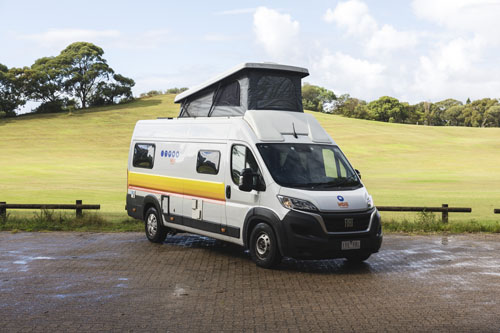
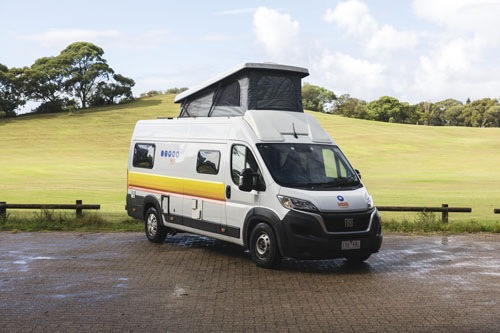
For navigating New Orleans roads, a Class B - Camper Van (averaging 6.1m in length) or a Class C - Alcove (averaging 8m in length) is generally recommended for family RV renters, offering a balance of maneuverability and interior space. Class B Camper Vans, like an "Active Compact Select" with automatic transmission, offer superior agility for tighter city streets and easier parking, while still providing sleeping capacity for a couple or small family, often including a shower and toilet. These smaller campervans are typically 5-7 meters long, making city driving less daunting.
Class C Alcoves, such as the "cruise america rv rental example Explorer" (7.1m long with a 4-burner gas stove, refrigerator, shower, and toilet), provide a good balance of interior space (often sleeping 4-6 people) and manageable dimensions for most main roads. While Class A - Integrated RVs (average 8.9m or more, like a "Class A - Thor ACE 30" designed for 6+ people) offer more luxury and sleeping capacity, their size can be more cumbersome for New Orleans' urban environment. Remember, drive slowly and carefully, and you can drive almost anywhere without issues. No need to stress - just use common sense and pay attention.
Should I Choose a Compact Van Instead of a Large RV in New Orleans?
For family RV rentals in New Orleans, while compact vans (like Class B Camper Vans, averaging 6.1m in length) offer greater maneuverability in tight city centers, choosing a larger RV often provides better comfort and indoor space for a family vacation. A compact van, such as a "V2L" (5.99m long with a 2-burner gas stove and refrigerator), is genuinely helpful for navigating very narrow historic streets or finding smaller parking spots more easily within the city's fringes. Their smaller footprint means less stress in bustling areas.
However, for an extended road trip with a family, the additional living space, larger kitchen with a 3-burner gas stove and 150L refrigerator (like the "CA-25" Class C at 7.6m), and dedicated sleeping areas of a Class C - Alcove (averaging 8m) often outweigh the slight maneuverability trade-off. This extra space is especially valuable if you plan to cook and relax extensively in your rented RV. Most main roads and highways around New Orleans are perfectly suitable for larger RVs, making the decision more about your family's comfort needs and desired amenities versus a slight ease in parking in specific urban pockets.
Can I Park Anywhere? Free & Wild Camping Rules in New Orleans
Free or wild camping (also known as boondocking) is generally not permitted within the city limits of New Orleans or in most developed areas of Louisiana; overnight parking outside designated campgrounds is typically restricted. Enforcement is common, and you risk fines or being asked to move if you attempt to park your rented motorhome overnight in undesignated areas. Louisiana state parks and private campgrounds are the primary legal and recommended options for overnight RV stays in and around New Orleans, offering necessary hookups and amenities for a comfortable experience.
Some retail establishments, like Walmart, may allow overnight RV parking with prior permission from management, but this is not guaranteed, especially in dense urban areas like New Orleans. It’s crucial to call ahead and confirm their policy. Rules for overnight parking vary by parish and municipality, so always check local regulations and follow local law to avoid any issues. For live availability and pricing on campsites, remember to use RV PLANET (rvplan.net). You'll find a spot; if not at the first campground, then the next one. Our RV Rental in New Orleans - Prices and Best Deals 2026 guide can help you budget for campground fees.
Can I Drive an RV Into the City Center? Heights, Tunnels & Local Signage
Yes, you can generally drive a rented RV into the broader New Orleans city center, but extreme caution and strict adherence to local signage are critical due to narrow streets, low-hanging wires, and potential vehicle restrictions. This is where planning your route with an RV-specific GPS can be invaluable, helping you avoid problematic areas. Pay close attention to local signage for height limits, particularly underpasses, bridges, and tunnels, as specific numerical clearances are common and can vary throughout the city.
Certain historic areas, most notably the French Quarter and areas directly adjacent to Bourbon Street, have strict limitations or prohibitions on large vehicles; these zones are often clearly marked with 'No Trucks' or 'No Through Traffic' signs. It's best to plan for external parking and use public transport for these districts. While there are no specific tunnels with unique height restrictions frequently cited for New Orleans, always defer to posted local signs for safety. Drive slowly and carefully, and you can drive almost anywhere without issues. No need to stress - just use common sense and pay attention.
Is it difficult to drive an RV in New Orleans?
Driving a rented RV in New Orleans presents unique challenges due to its urban density, historic infrastructure, and sometimes uneven road conditions, requiring careful navigation and heightened awareness. Narrow streets, particularly outside the main boulevards and within older neighborhoods, can be challenging for larger RVs, making a Class B Camper Van (average 6.1m) or a Class C Alcove (average 8m) generally more manageable. Potholes, frequent construction, and streetcar tracks demand slower speeds and constant attention to avoid damage to your rental motorhome. For example, a "V3" Class B campervan is 6.36 meters long, making it nimble for city roads.
Planning your routes with an RV-specific GPS that accounts for height and weight restrictions can significantly reduce stress and difficulty. While it requires more focus than driving a standard car, with a bit of practice and patience, navigating New Orleans in your family RV is entirely doable. Remember, the journey is part of the adventure!
Where do RVers park in New Orleans?
RV parking in New Orleans is best found at dedicated RV parks and campgrounds located just outside the immediate city center, which offer essential amenities like full hookups and security. Popular options include the New Orleans KOA Holiday on the Westbank and Bayou Segnette State Park in Marrero, offering convenient bases for exploring the city. Day parking for attractions within New Orleans often requires parking your rental RV at the fringes of the city and utilizing public transportation (such as the iconic streetcars or local buses) or ride-sharing services to reach central areas like the French Quarter or Garden District.
Specific parking lots designed for oversized vehicles may exist, but they are limited and should be researched in advance if you plan to park your motorhome outside of designated campgrounds. Parking a large RV directly in crowded areas like the French Quarter or Bourbon Street is largely impractical and often prohibited, due to extremely narrow streets and a severe lack of available space. Always check local signage and respect private property rules when seeking parking.
What are the best RV campgrounds near New Orleans?
The best RV campgrounds near New Orleans typically offer a balance of convenient access to the city, full hookups, and desirable amenities for families, ensuring a comfortable stay. Popular choices include the New Orleans KOA Holiday in River Ridge, which provides electrical hookups, water, dump stations, and sometimes shuttles to the French Quarter, and Bayou Segnette State Park in Marrero, known for its recreational facilities like a wave pool and fishing access, with 98 campsites offering water and electricity.
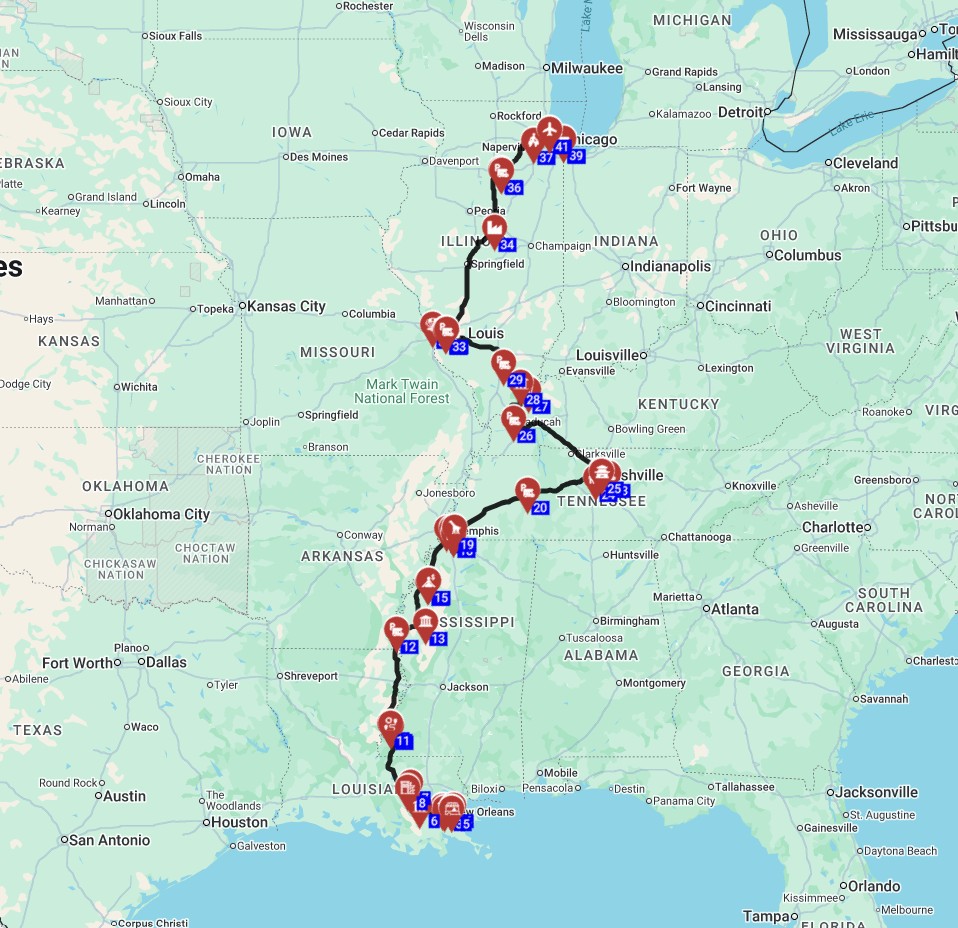
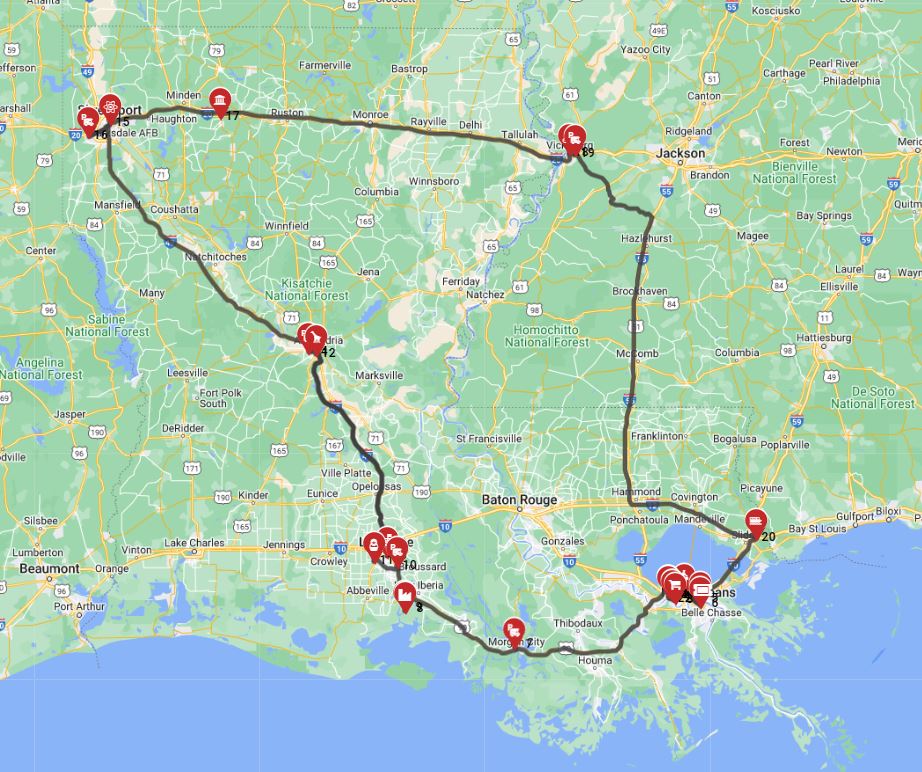
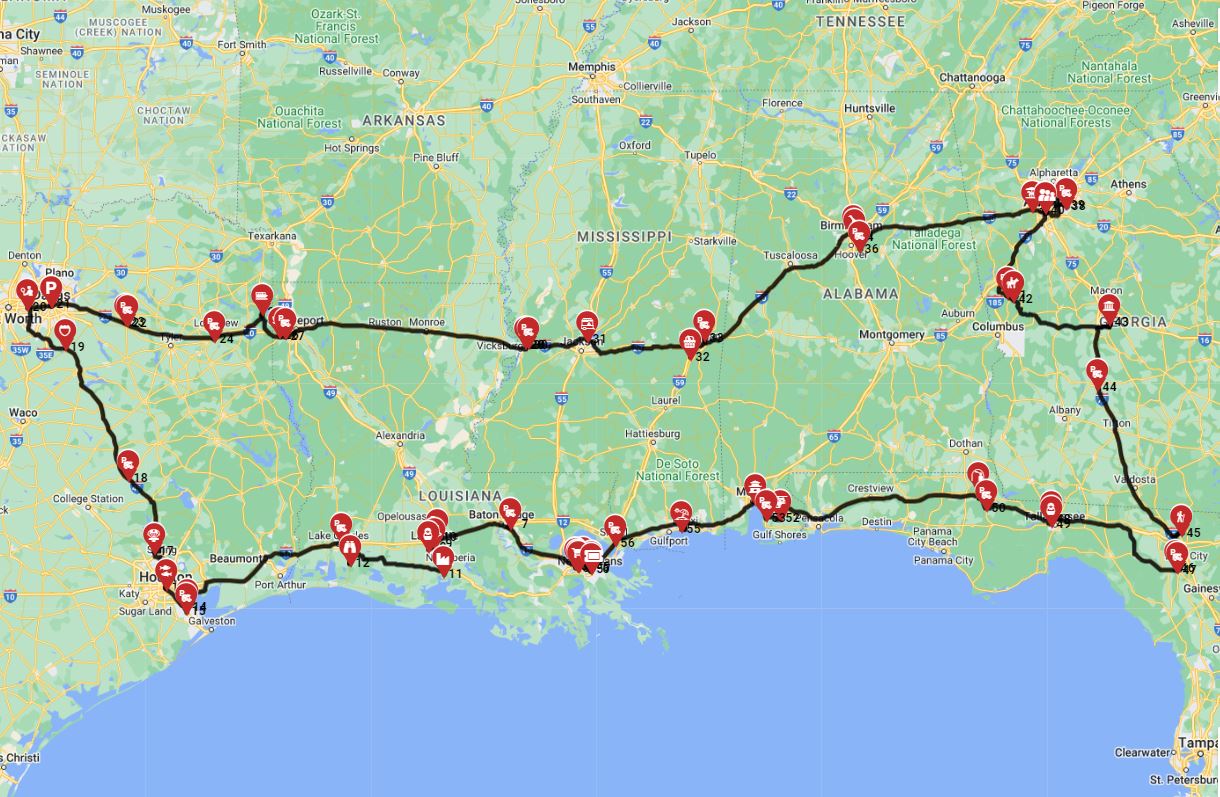
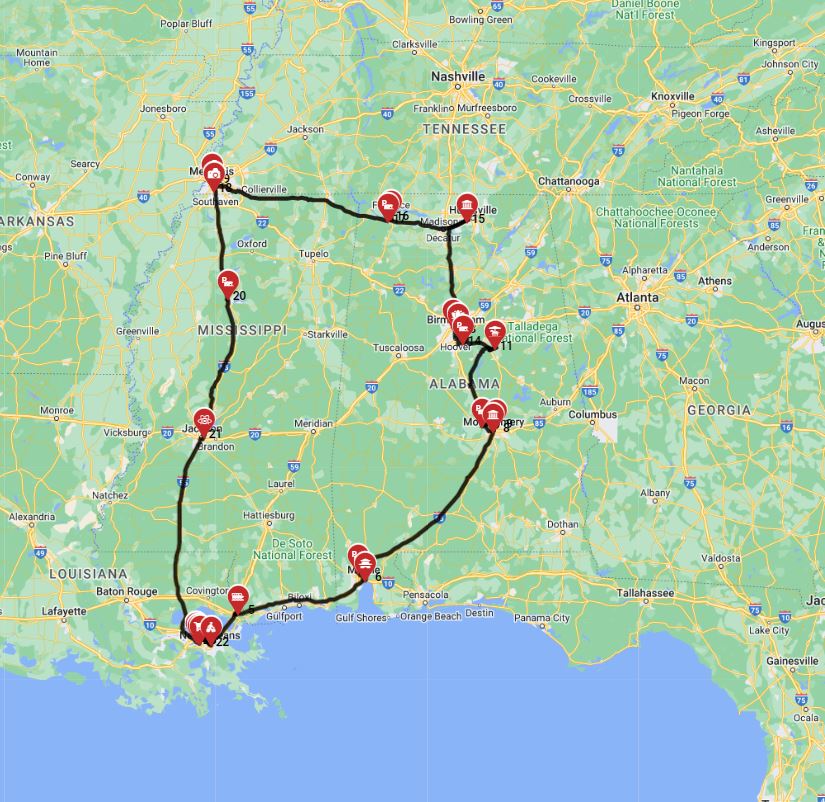
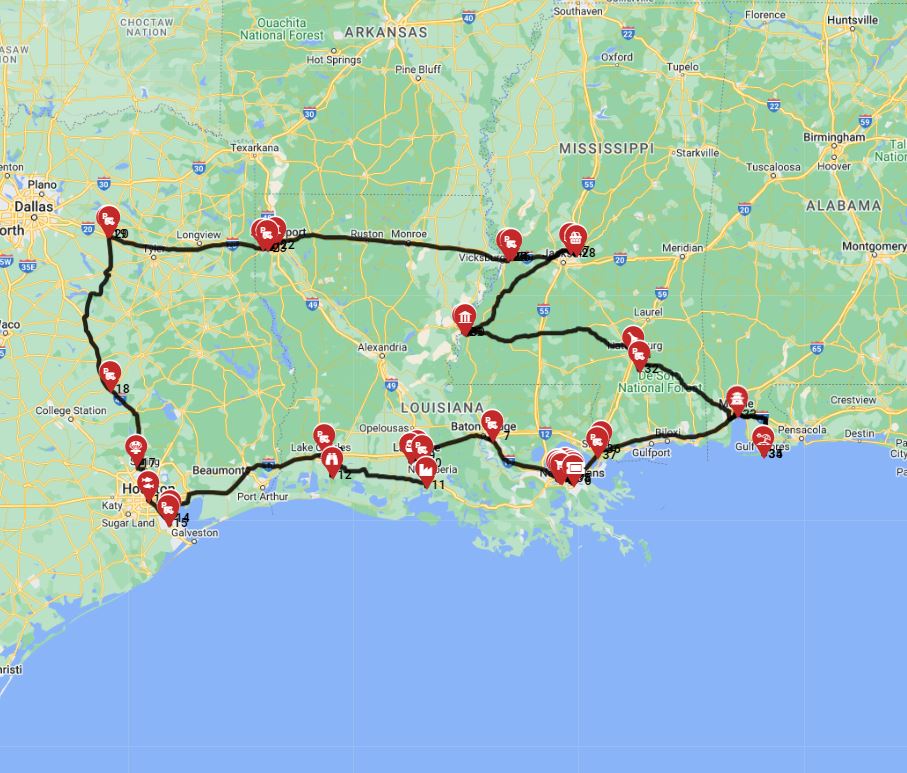
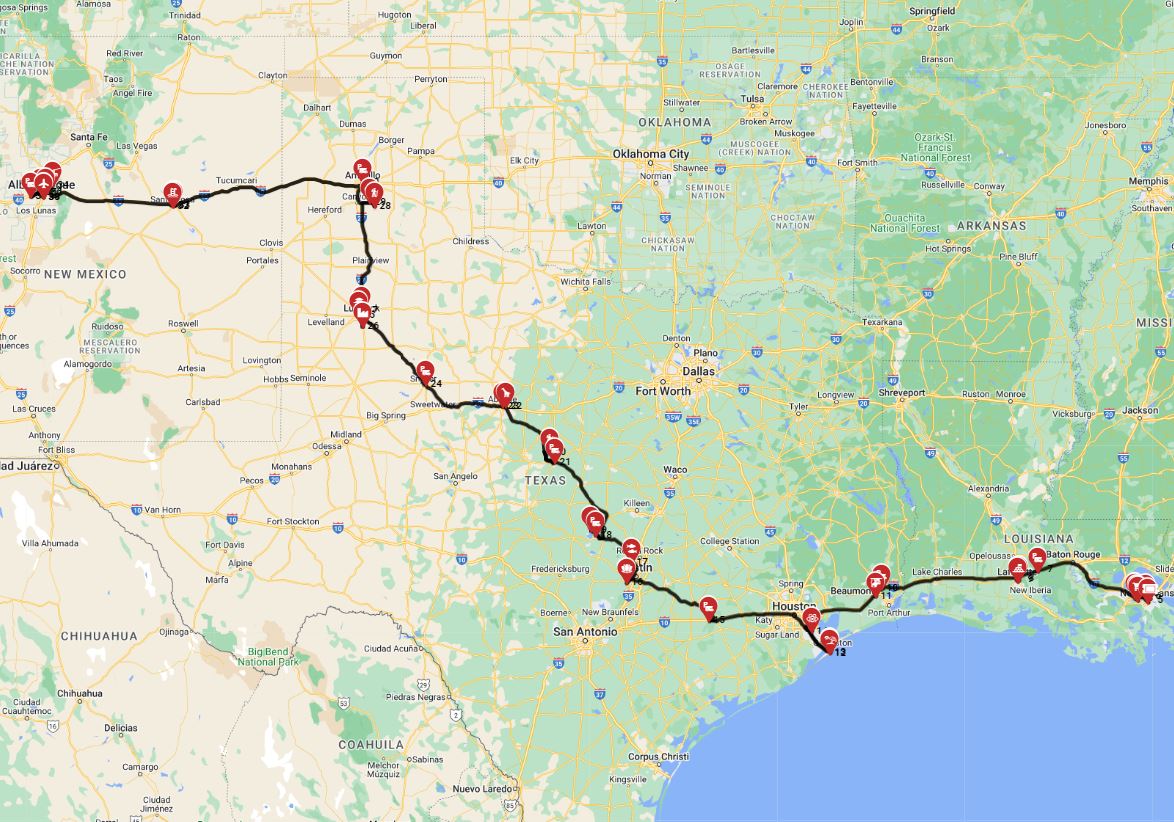
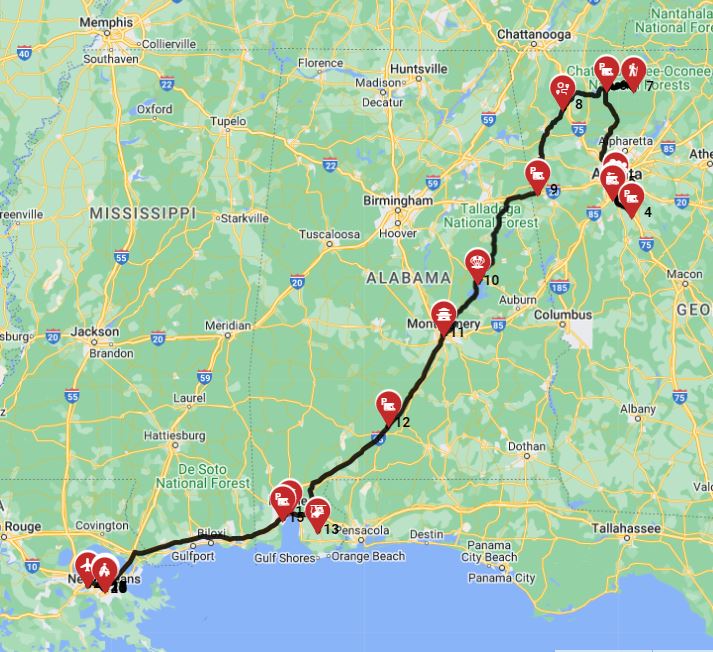
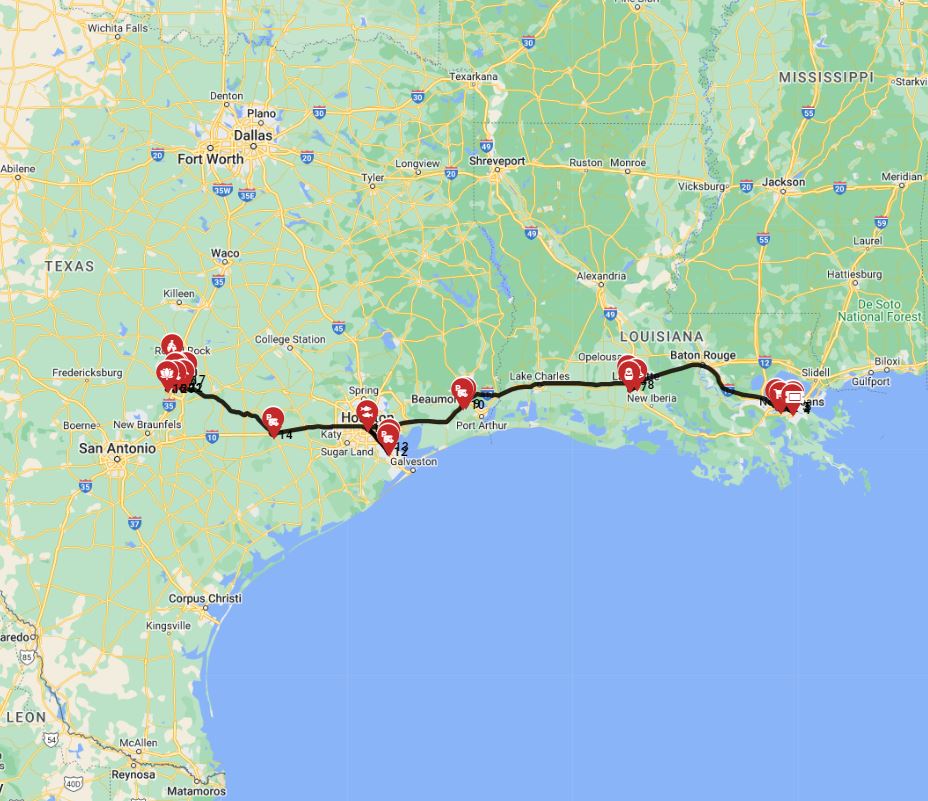
Consider campgrounds on the Westbank (across the Mississippi River) or north of Lake Pontchartrain for a slightly quieter experience, often with shuttles or easy public transport access to downtown New Orleans. Booking well in advance, especially during peak seasons or major events like Mardi Gras, is crucial for securing a spot at preferred RV campgrounds due to high demand. Our RV PLANET routes feature a wealth of information, such as the "
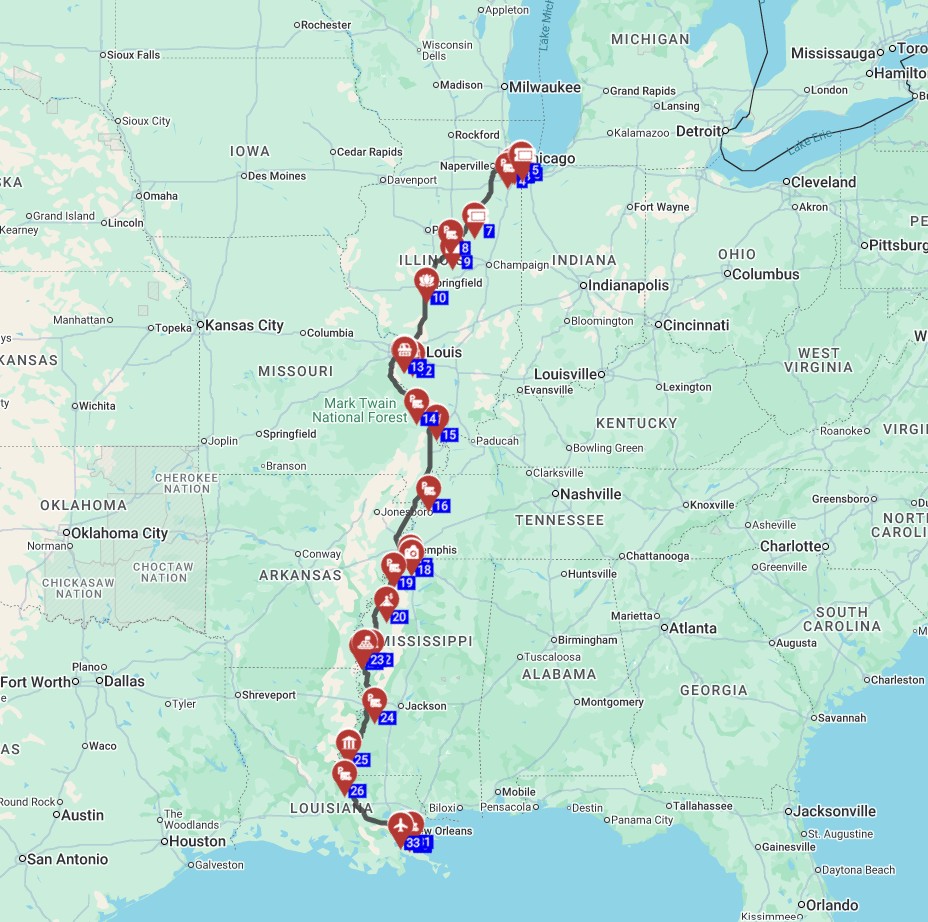
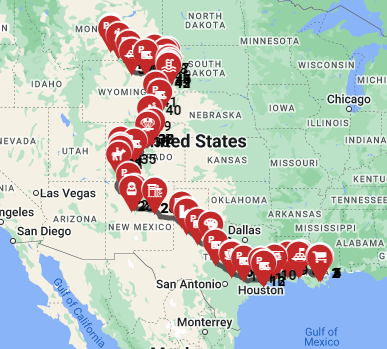
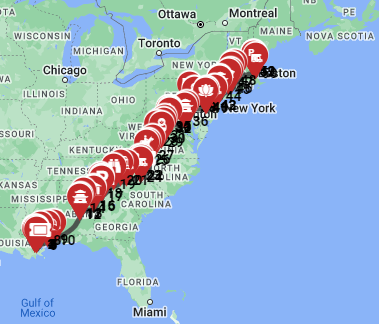
For those looking to extend their adventure north, the "

How do I secure my RV in New Orleans?
To effectively secure your rented RV in New Orleans, always choose well-lit, reputable RV parks or campgrounds with robust security measures such as controlled gates, surveillance cameras, or on-site staff for overnight stays. When leaving your motorhome or campervan, implement basic security precautions: ensure all doors and windows are locked, close blinds to prevent prying eyes, and avoid leaving any valuables visible inside the vehicle. For enhanced security, consider using additional devices such as wheel locks, hitch locks, or even alarm systems to deter potential theft of your RV or its contents.
When parking for day trips to attractions, try to utilize attended lots or park in high-traffic, visible areas whenever possible. Never leave your rented RV unattended for extended periods in unmonitored locations. By taking these straightforward steps, you can significantly reduce risks and travel with peace of mind, knowing your family and belongings are protected during your New Orleans adventure. Remember, Bandana RV offers top-level deductible reimbursement options for added peace of mind during your rental.
How do I dump my RV in New Orleans?
Most RV campgrounds near New Orleans, including popular options like New Orleans KOA Holiday and Bayou Segnette State Park, provide convenient dump stations as part of their services, which is the most straightforward way to empty your RV's black and grey water tanks. For those not staying at a full hookup site, several public and private dump stations are available for a fee; a quick online search for 'RV dump stations New Orleans' will yield current locations and operating hours. Plan your route to these facilities to efficiently manage your waste tanks.
Propane refills for cooking and heating can typically be found at dedicated propane dealers, some larger gas stations, or hardware stores in the greater New Orleans area. Additionally, RV-friendly grocery stores with larger parking lots are usually located on the city's outskirts, making it easier to stock up on provisions without the hassle of navigating congested urban streets in your rental motorhome. Planning your grocery stops before entering central New Orleans is always advisable for a smoother trip.
What can you do in New Orleans with an RV?
A rented RV in New Orleans empowers families to explore far beyond the bustling French Quarter, facilitating unique excursions to historic plantations along the scenic River Road, such as Oak Alley or Laura Plantation, which are easily accessible by motorhome. Utilize your RV as a comfortable home base for exploring the unique bayou ecosystems with thrilling swamp tours, accessible from nearby towns like Slidell or Jean Lafitte, just a short drive away. Imagine waking up surrounded by nature, then heading out for an exciting adventure!
You can also take enjoyable day trips to charming small towns in Louisiana, like Covington or Lafayette, immersing yourselves in diverse local cultures and cuisines. Extend your adventure south to the Gulf Coast for relaxing beach activities, all while enjoying the flexibility and convenience of your own mobile rig. Plus, your RV kitchen allows for cost-effective meal preparation, complementing experiences like visiting local farmers' markets for fresh ingredients to create delicious regional dishes. Travel slowly, max 100-150 km per day on average, and take time to feel the place, connect to the culture, the food, and the scenery.
What is the best time to RV in New Orleans?
The best time to RV in New Orleans for pleasant weather is typically spring (March-May) and fall (September-November), when temperatures are mild (averaging 70-80°F or 21-27°C) and humidity is lower, making outdoor exploration more comfortable. We strongly recommend avoiding the summer months (June-August) due to extreme heat, high humidity, and the peak of hurricane season (June 1 - November 30), which can severely impact travel plans with potential storms and forced evacuations.
Winter (December-February) can also be a good time for RV travel, with cooler temperatures (averaging 50-60°F or 10-16°C), but be aware that RV park availability and city crowds increase significantly around holiday periods and major events like Mardi Gras. Always monitor local weather forecasts, especially if traveling during hurricane season, and have evacuation plans ready to ensure your family's safety. Planning your trip during the shoulder seasons often provides the best balance of good weather and fewer crowds.
Can you stay in an RV for Mardi Gras?
Yes, you can absolutely stay in a rented RV for Mardi Gras in New Orleans, but it requires significant advance planning and booking due to extremely high demand for RV park spaces. Many RV parks within a reasonable distance of New Orleans offer special Mardi Gras packages, often with extended stays (e.g., 7-10 nights minimum) and convenient transportation options, like shuttles, to the bustling parade routes in the city. Expect higher prices and strict cancellation policies during this period; reserving a spot up to a year in advance is not uncommon, especially for prime locations. Our Weekly RV Rental in New Orleans - Pricing 2026 guide can help you understand seasonal cost variations.
Be prepared for very large crowds, significant traffic congestion, and a lively atmosphere throughout the city. During Mardi Gras, public transportation or ride-sharing will be essential for navigating the city, as driving and parking a large RV in the heart of the festivities is nearly impossible and often prohibited. It's an incredible experience, but one that demands thorough preparation to truly enjoy from your comfortable motorhome base.
How much does it cost to RV in New Orleans?
The cost of a rented RV trip to New Orleans varies significantly based on rental duration, the chosen RV class, campground fees, fuel consumption, food expenses, and planned activities, but budgeting for park fees ($40-$80/night) and fuel (6-12 MPG) is essential. RV rental prices for a family-sized Class C - Alcove (average 8m) or Class B - Camper Van (average 6.1m) can range from $150-$300+ per night, depending on the season and demand. For example, during peak Mardi Gras season, prices can surge, while off-peak months like September or October might offer better value. Always remember, prices are dynamic like flight tickets and change daily based on availability, seasonality, and supplier marketing decisions; the final price is set at actual booking time.
Utilizing your rented RV's kitchen to prepare meals can significantly reduce food costs compared to dining out for every meal, especially for a family, potentially saving $50-$100 per day. Factor in additional expenses such as public transport fares (e.g., streetcar day passes for $3-$5) or ride-share costs for city access, attraction entrance fees (e.g., $20-$30 per person for a plantation tour), and a small contingency for unexpected maintenance. For the most up-to-date deals, check our RV Rental Deals in New Orleans - Latest Offers 2026. For comprehensive budgeting tools, refer to RV PLANET routes, where you can itemize and track every expense.
Are there pet-friendly RV parks in New Orleans?
Yes, there are several pet-friendly RV parks in and around New Orleans, making it possible to bring your furry companions along for your family RV adventure, such as the New Orleans KOA Holiday and Bayou Segnette State Park. Always confirm a specific campground's pet policy and any breed or size restrictions before booking your family RV rental, as these can vary significantly between locations. For instance, some parks might have designated pet areas, while others may require pets to be on a leash at all times outside your motorhome.
Many local parks outside the immediate city center, like City Park's extensive grounds and designated dog park areas, offer ample space for pets to exercise, but often require dogs to be leashed. While some patios and outdoor cafes in New Orleans may allow well-behaved, leashed pets, pet access to most indoor attractions, restaurants, and shops within the historic districts is typically limited. Plan accordingly for pet care and activities to ensure a smooth and enjoyable trip for all family members, including the four-legged ones.
What You Shouldn't Miss
- Explore the French Quarter: Park your RV outside and take public transport to wander the historic streets, marvel at the architecture, and soak in the vibrant atmosphere. Don't miss Jackson Square and Royal Street.
- Take a Swamp Tour: Venture just outside the city in your rented motorhome for a thrilling airboat or pontoon swamp tour to see alligators, birds, and other wildlife in their natural bayou habitat.
- Visit a Historic Plantation: Drive your RV along River Road to explore magnificent antebellum plantations like Oak Alley Plantation or Laura Plantation, offering a profound glimpse into Louisiana's past.
- Indulge in Local Cuisine: From beignets at Cafe Du Monde to Gumbo and Jambalaya, use your RV kitchen to recreate local flavors with fresh ingredients from markets, and certainly treat yourself to some traditional New Orleans dining.
- Ride a Streetcar: Enjoy the iconic St. Charles Avenue streetcar for a scenic and relaxing tour through the Garden District and Uptown, offering stunning views of historic mansions.
- Discover Live Jazz: Experience the heart of New Orleans' musical soul on Frenchmen Street, where local clubs host incredible live jazz performances every night.
Looking for expert insights from Avi Bandana? Top 5 Adventures - recommendations from Avi Bandana
Avi Bandana, our founder, always emphasizes taking the time to truly connect with a place. "New Orleans is more than just Bourbon Street. It's the aroma of chicory coffee, the sound of a lone saxophone, and the quiet beauty of a cypress swamp. Your RV lets you experience it all at your own pace."
Final Thoughts
A family RV trip to New Orleans offers a truly unique way to experience this vibrant city and the rich culture of Louisiana. While navigating the urban landscape requires a mindful approach and smart planning, the freedom a rented motorhome provides to explore historical sites, indulge in incredible food, and venture into picturesque bayous is unmatched. Imagine the stories your family will tell, the flavors you'll savor, and the music you'll hear echoing through the streets, all from the comfort of your mobile home.
At Bandana RV, we're dedicated to making your New Orleans RV rental experience as seamless and enjoyable as possible. With our commitment to full transparency, expert planning resources like rvplan.net, and unwavering support, you can embark on your adventure with confidence. So pack your bags, prepare your route plans, and get ready to discover the magic of the Big Easy at your own pace. Life is now - let your New Orleans RV adventure begin!
Find Motorhome Rentals in New Orleans