In This Guide
- Can You Drive an RV in Melbourne? License & Age Rules
- Road Conditions & Terrain in Melbourne
- RV Size Limits, Bridges & Restricted Zones
- Fuel: Diesel vs. Petrol & Cost per 100 km
- Tolls, Vignettes & Border Rules
- Driving Tips for Family RV Rental Travelers
- Recommended RV Class for Melbourne Roads
- Should I Choose a Compact Van Instead of a Large RV in Melbourne?
- Can I Park Anywhere? Free & Wild Camping Rules in Melbourne
- Can I Drive an RV Into the City Center? Heights, Tunnels & Local Signage
- Can your family ride in a RV while it drives?
- What license do I need to drive an RV in Australia?
- How many people can legally drive in an RV?
- What is the 3-3-3 rule when RVing?
- What is the largest motorhome you can drive on a car licence in Australia?
- How much is insurance on a $200,000 RV?
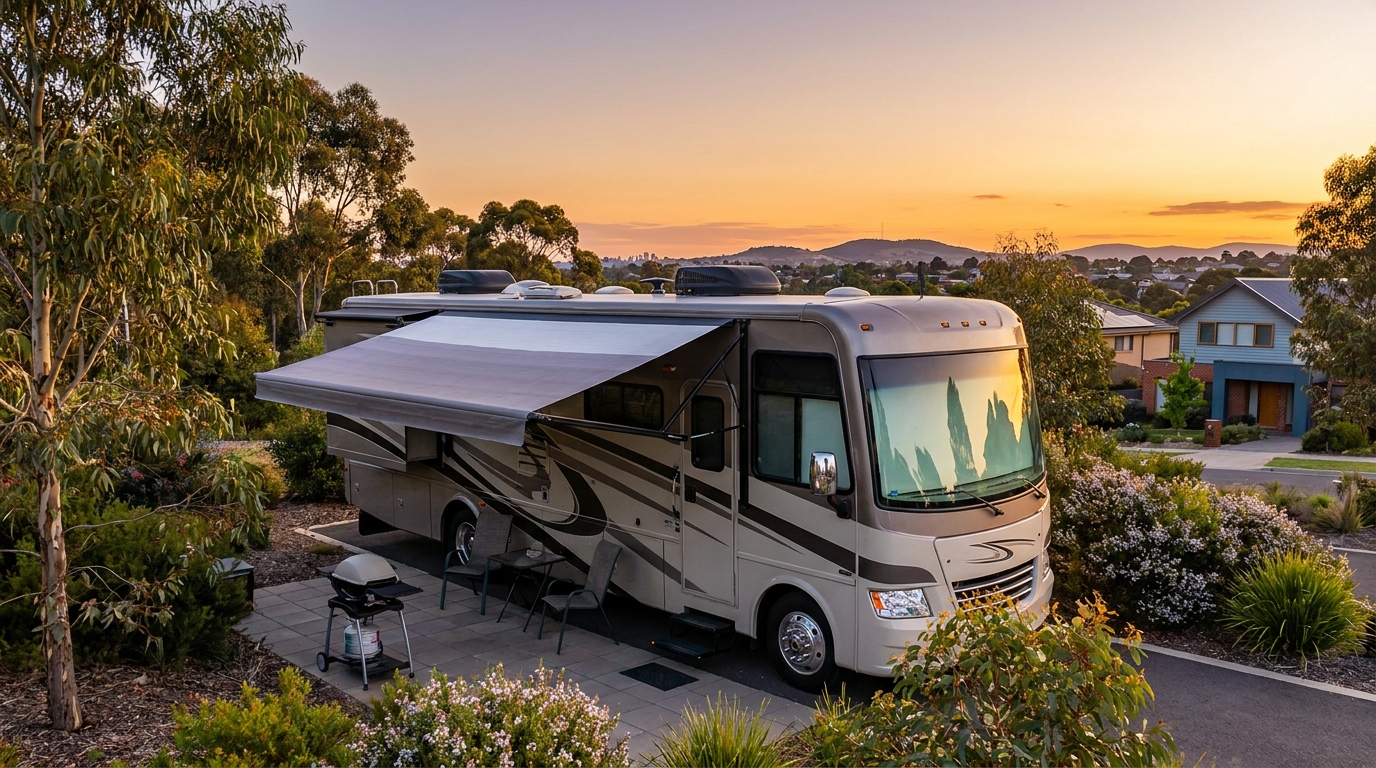
Melbourne, a vibrant hub of culture and natural beauty, offers an unparalleled starting point for an unforgettable family RV rental adventure across Victoria and beyond. Imagine the freedom of waking up to a new view every day, with your mobile home providing comfort and convenience as you explore coastal wonders, scenic wine regions, and charming country towns. For live availability and current prices, start with our RV Rental Melbourne - Complete Guide 2026 guide. We’re here to help you navigate every aspect of RV travel in Melbourne, from understanding local driving rules to finding the perfect camping spot, ensuring your family trip is smooth and joyful. We handle the details, you live the journey.
Can You Drive an RV in Melbourne? License & Age Rules
Yes, most family RVs up to 4.5 tonnes Gross Vehicle Mass (GVM) in Melbourne, Australia, can be driven with a standard Class C car licence. This makes renting a motorhome an accessible option for many families looking to explore Victoria.
A standard Australian Class C (car) license permits driving vehicles up to 4.5 tonnes GVM, which comfortably includes the vast majority of rental campervans and motorhomes, such as a Class B Camper Van like the "2 Berth Hi Top" or a Class SI Semi-integrated model like the "2 Berth Rover". Rental companies typically require drivers to be at least 21 years old, and Bandana's direct partnerships with suppliers like Apollo and Britz ensure full transparency on any specific age requirements.
Foreign drivers need a valid foreign driver's license, preferably accompanied by an International Driving Permit (IDP) or an official English translation if their license is not in English, for legal use in Victoria. While an IDP is highly recommended for clarity and ease of communication with local authorities, it is not mandatory in most cases. For RVs exceeding 4.5 tonnes GVM, such as some larger Class A motorhomes, a Light Rigid (LR) or higher license is mandatory, though these vehicles are generally uncommon for typical family rentals. Rest assured, Bandana provides clear vehicle specifications for all rentals to ensure you choose the right mobile home for your license.
Road Conditions & Terrain in Melbourne
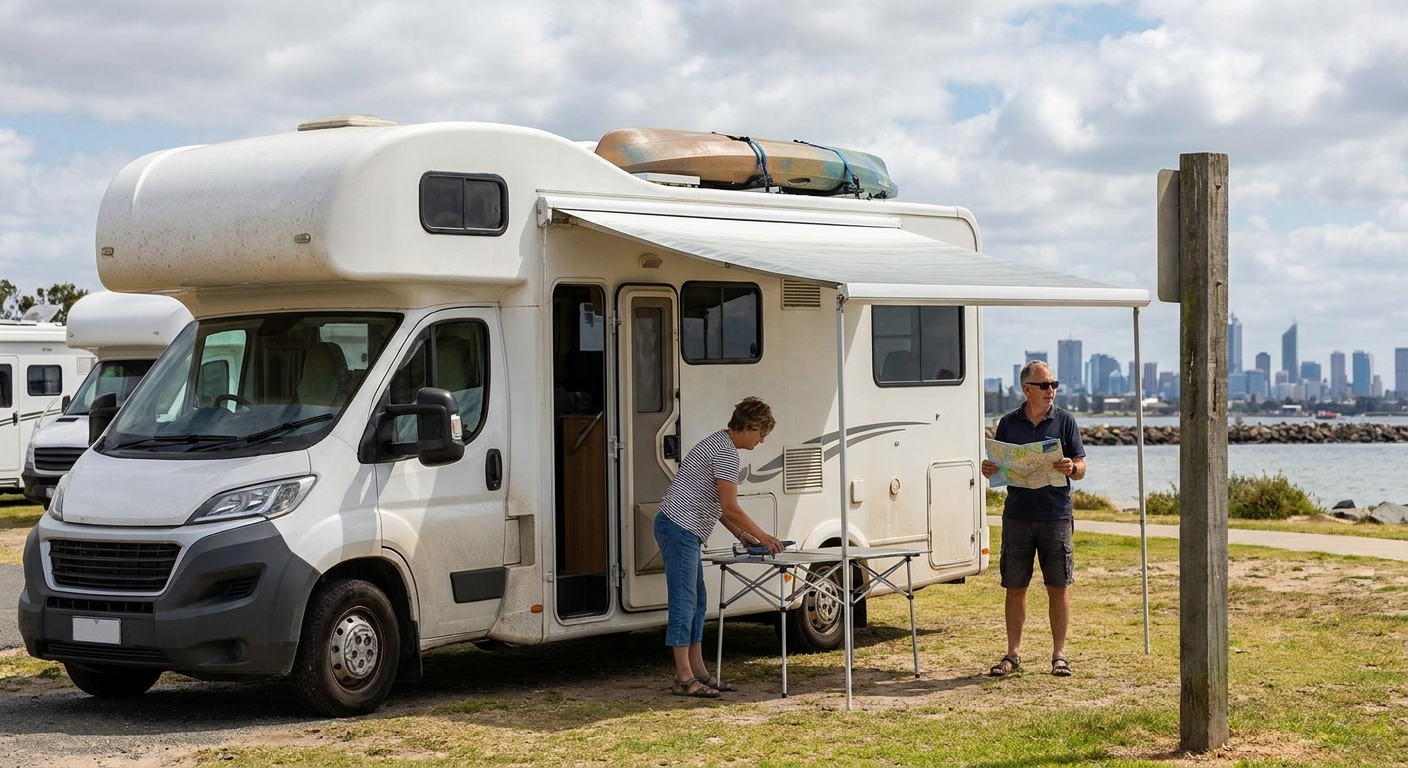
Roads in and around Melbourne are generally well-maintained, offering a mix of flat urban highways, winding coastal routes, and undulating terrain towards regional areas, all suitable for family RV travel. Victoria's diverse landscapes provide a fantastic backdrop for your motorhome adventure.
Melbourne's urban areas feature multi-lane freeways like the M1 and smooth city streets, providing straightforward navigation for a rented motorhome. As you venture out, regional roads, such as those leading to the Dandenong Ranges or along the scenic Great Ocean Road, can present winding stretches and occasional undulating terrain. While the immediate city is mostly flat, areas like the Yarra Valley will introduce gentle hills. Always drive slowly and carefully, and you can drive almost anywhere without issues. No need to stress - just use common sense and pay attention.
Driving at a moderate, scenic pace, typically around 100-150 km per day on average, is highly encouraged for RVs to ensure safety and allow enjoyment of Victoria's diverse landscapes. Be vigilant for wildlife, especially kangaroos and wombats, during dawn and dusk when driving outside metropolitan areas; these animals can pose a significant hazard on country roads.
RV Size Limits, Bridges & Restricted Zones
While Melbourne's road network accommodates RVs of various sizes, drivers must be mindful of specific height and weight restrictions, particularly for low bridges, city tunnels, and designated environmental or residential zones. Checking your vehicle's dimensions before departing is crucial for a stress-free journey.
Melbourne's CityLink tunnels (e.g., Burnley and Domain tunnels) typically have a height limit of 4.6 meters. Most standard RVs, including Class C Alcove models like the "24' Class C Motorhome" which is approximately 3.3 meters high, will clear these, but always confirm your specific vehicle's height. Pay close attention to signage for older railway overpasses in suburban areas, such as those around Footscray or Richmond, which can have lower clearances than major highways. Fortunately, Melbourne does not enforce specific environmental zones that restrict RV access, but local council bylaws regarding large vehicle parking in residential areas should always be checked.
If your journey includes ferries, like the Sorrento-Queenscliff service connecting the Mornington Peninsula and Bellarine Peninsula, be aware that they have length and weight limits and often require advance booking for RVs. This planning ensures you avoid any surprises, upholding our commitment to full transparency.
Fuel: Diesel vs. Petrol & Cost per 100 km
Most family RV rentals in Melbourne operate on diesel fuel, which is widely available at service stations across Victoria, and based on Bandana's local fleet data, these RVs typically consume between 10 to 15 litres per 100 km.
The majority of larger motorhomes, especially Class C Alcove and Class SI Semi-integrated models, are diesel-powered for better torque and fuel efficiency, important for journeys along routes like the Great Ocean Road. Smaller Class B campervans, such as an "Active Original" or "Paradise Family 5" may use petrol, so always check your rental vehicle's fuel type before filling up. Bandana's Melbourne fleet typically shows the following average fuel consumption: Class B - Camper Van at 13-14 Litres/100 km, Class C - Alcove at 14 Litres/100 km, Class SI - Semi-integrated at 10-15 Litres/100 km, and Class TC - Truck Camper at 12-14 Litres/100 km.
Fuel prices in Victoria, particularly in metropolitan areas and popular tourist routes, fluctuate daily; it's advisable to check current prices using apps or websites before travel to accurately estimate costs. For easy budgeting and tracking of every expense along the way, we highly recommend utilising RV PLANET routes for your trip planning. On the routes offered through RV PLANET routes, you can itemize and track every expense along the way for easy budgeting.
Tolls, Vignettes & Border Rules
Melbourne features cashless toll roads, primarily CityLink and EastLink, which require an electronic pass or an account, as there are no toll booths for cash payment. Planning for these tolls in advance ensures a smooth journey.
Drivers using Melbourne's extensive toll roads, including the major arterial links like the Monash Freeway or Eastern Freeway, must have a valid electronic tag (e.g., an EastLink or Linkt pass) or purchase a short-term Visitor Pass online before or shortly after travel to avoid fines. Many of our partner suppliers offer options to pre-purchase toll passes or include toll charges as part of the rental agreement, providing convenience and helping prevent unexpected penalties. Australia does not use vignettes; tolls are specific to particular road sections, primarily in major cities like Melbourne, Sydney, and Brisbane.
While there are no physical border rules or passport controls between Australian states, rental agreements may include restrictions on interstate travel or travel into specific remote areas (e.g., unsealed roads), so always review your contract thoroughly. Our commitment to full transparency means no hidden fees or surprises.
Driving Tips for Family RV Rental Travelers
For family RV rental travelers in Melbourne, prioritising regular breaks, managing speed, understanding Australian road rules, and pre-planning routes for tolls and parking will enhance both safety and enjoyment. Taking it slow is key to a memorable trip.
Plan frequent stops, ideally every 2-3 hours or after covering about 150 km, to allow family members to stretch, use facilities, and reduce driver fatigue, especially when navigating longer distances on the Princes Highway or Hume Freeway. Always drive at a comfortable pace, often slightly below the posted speed limit, as motorhomes are larger and heavier, requiring more time for braking and maneuvering. Adhere to Australian road rules, including driving on the left side of the road, ensuring all passengers wear seatbelts, and understanding Melbourne's unique 'hook turn' rules in the CBD for right turns at specific intersections like those on Swanston or Flinders Streets. Utilise pre-paid toll options or passes for Melbourne's cashless toll roads to ensure smooth travel and avoid unexpected fines. Research RV-friendly parking locations in advance, as urban parking for larger vehicles can be challenging; consider caravan parks or suburban 'park and ride' options like those at Box Hill or Frankston, then use Melbourne's excellent public transport network.
Recommended RV Class for Melbourne Roads
For navigating Melbourne and its surrounding regions, Class B Camper Vans and Class SI Semi-integrated RVs are highly recommended due to their balanced size and maneuverability, offering comfort without excessive length, particularly for family RV rental in Melbourne.
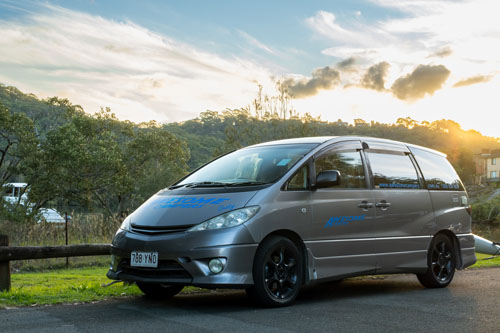
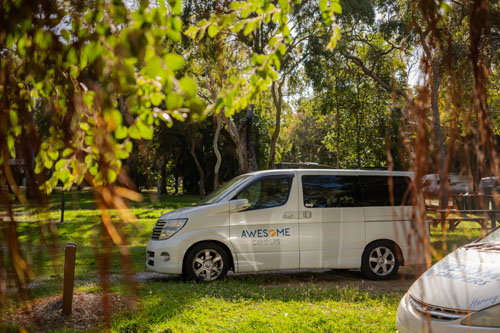
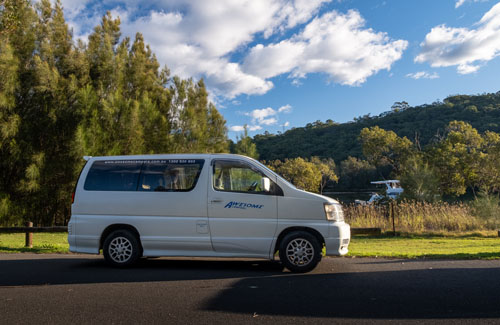
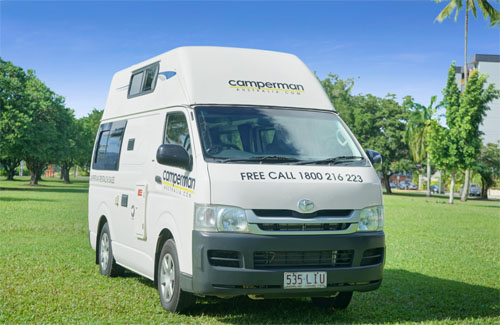
Class B - Camper Van: Averaging 5.7 meters in length, these are ideal for smaller families (avg. 2.9 sleeping places, 2.4 adults) seeking easier city navigation and parking, while still providing essential amenities, typically consuming 13-14 Litres/100 km. Models like the "2 Berth Hi Top" or "Active Original" are excellent choices for couples or small families.
Class SI - Semi-integrated: With an average length of 6.5 meters, such as the "2 Berth Rover" or "Active Extra", these offer more spacious living and sleeping areas for small families (avg. 2.8 sleeping places, 2.5 adults) than campervans. They remain manageable on suburban and regional roads, with fuel consumption averaging 10-15 Litres/100 km. While larger Class C Alcove models (avg. 7.6m), like the "24' Class C Motorhome" or "4 Berth Deluxe," provide maximum space for bigger families (avg. 5.2 sleeping places, 4.8 adults), their increased length requires more cautious driving in tight urban environments.
The ground clearance and overall dimensions of these recommended classes are well-suited for varied Australian road conditions without compromising safety or accessibility for most destinations, including scenic routes like the Great Ocean Road or Mornington Peninsula.
🎬 Video coming soon
Should I Choose a Compact Van Instead of a Large RV in Melbourne?
While a compact van offers superior maneuverability and easier parking in congested urban areas, for a family RV rental in Melbourne, a larger RV often provides significantly more comfort and indoor space without posing insurmountable driving challenges on most roads.
Compact vans, such as many Class B Camper Vans, excel in urban environments like Melbourne's CBD due to their smaller footprint, making city driving and finding parking spots much simpler. These vehicles are ideal for couples or very small families who prioritize agility. However, larger motorhomes, like a Class C Alcove or a spacious Class SI Semi-integrated model, offer essential amenities for family comfort on extended trips, including larger kitchens for preparing RV-friendly recipes playlist, separate sleeping areas, and more storage. Melbourne's major roads and highways, including routes towards the Yarra Valley or Great Ocean Road, are generally wide enough to accommodate larger RVs.
The primary challenges for larger vehicles are specific low bridges, tunnels, and finding appropriate parking in the CBD, all of which can be managed with prior planning and by utilizing park-and-ride facilities. Ultimately, the decision balances ease of maneuverability with the need for family comfort and living space; for trips extending beyond the immediate city centre, the benefits of a larger RV often outweigh the minor driving complexities.
Can I Park Anywhere? Free & Wild Camping Rules in Melbourne
In and around Melbourne, free camping or 'wild camping' is generally prohibited in urban areas and national parks unless in designated sites, making formal caravan parks or authorised campgrounds the primary option for overnight RV parking.
Overnight parking for camping purposes is typically not permitted on city streets or in public car parks within Melbourne's metropolitan area, such as near Federation Square or the Shrine of Remembrance, and can lead to fines. Victoria offers numerous well-equipped caravan parks and holiday parks, many with powered sites, amenities, and family-friendly facilities, which are the most reliable and comfortable option for RVers. Popular choices near Melbourne include the Big4 Holiday Park Dandenong Ranges or Werribee South Caravan Park. Some state forests and designated rest areas outside of Melbourne, particularly along major highways like the Western Freeway, may allow free camping, but these often lack services and come with strict rules regarding waste disposal, fire restrictions, and length of stay.
Rules vary by region; always check local council regulations and follow local law before parking overnight, paying close attention to 'No Camping' or 'No Overnight Parking' signs to avoid penalties. For finding campsites and campgrounds during your trip, we recommend using RV PLANET (rvplan.net) - a great resource for locating available spots along your route.
Can I Drive an RV Into the City Center? Heights, Tunnels & Local Signage
Yes, you can drive an RV into Melbourne's city centre, but drivers must pay close attention to local signage, particularly for height restrictions in tunnels and underpasses, complex hook turn intersections, and limited large vehicle parking.
While major arterial roads like Kings Way and Punt Road provide access to Melbourne's CBD, navigating the city grid can be challenging due to heavy traffic, extensive tram lines, and unique turning rules such as hook turns at intersections like Flinders and Elizabeth Streets. Be particularly aware of height limits in tunnels (e.g., CityLink tunnels are 4.6m) and older low bridge clearances in areas like Southbank or Docklands, which are always clearly signposted. Knowing your rented RV's exact height is paramount. RV drivers should familiarise themselves with Melbourne's distinctive 'hook turn' rule for right turns at certain CBD intersections, where you must move to the far left lane before turning right to avoid obstructing trams.
Finding suitable parking for an RV in the CBD is often difficult and expensive; it is generally more practical to park at an outer-city caravan park or large suburban car park near a train station, such as at Southern Cross Station or Spencer Street, and use Melbourne's extensive public transport (trams, trains) to access the city centre. Our aim is to ensure your family RV driving in Melbourne is a smooth and enjoyable experience.
Can your family ride in a RV while it drives?
Yes, your family can legally ride in an RV while it drives in Australia, provided all passengers are seated in an approved seating position and are correctly restrained with a seatbelt. Safety is always paramount when embarking on an RV adventure.
Australian road rules mandate that all occupants of a moving vehicle, including a rented motorhome or campervan, must be seated in designated seats and properly wear an approved seatbelt. Passengers are generally not permitted to be in beds, over-cab alcoves, or walking around while the RV is in motion, even in spacious Class C models like the "Family Sleeper (FS)". The number of passengers must not exceed the RV's legal seating capacity, which is typically outlined in the vehicle's registration papers and often displayed inside the motorhome. Children must be secured in appropriate child restraints suitable for their age, height, and weight, in accordance with Australian regulations, ensuring a safe family trip.
What license do I need to drive an RV in Australia?
To drive most recreational vehicles (RVs) in Australia, including the majority of family rental RVs, you only require a standard Class C car licence, provided the vehicle's Gross Vehicle Mass (GVM) does not exceed 4.5 tonnes. This simplifies the process for many international and local travelers.
A standard Class C (car) licence is sufficient for driving vehicles with a GVM up to 4.5 tonnes, which covers virtually all campervans, semi-integrated motorhomes (like the "Odyssey"), and many alcove motorhomes (like the "Euro Deluxe") commonly rented by families. For vehicles exceeding 4.5 tonnes GVM but not more than 8 tonnes GVM, a Light Rigid (LR) licence is necessary, though these larger RVs, such as the "Class A - Thor ACE 30" (9.37m long), are not typical for standard family rentals in Melbourne. International visitors can drive on their valid foreign licence for up to three months in Victoria, often requiring an International Driving Permit (IDP) or an official English translation for clarity. Always confirm the GVM of your specific rental RV and ensure your driver's licence category is appropriate to comply with Australian road laws before you begin your adventure. For a broader overview, check out RV Rental Australia - Complete Guide 2026.
How many people can legally drive in an RV?
There is typically no legal limit to the *number* of qualified people who can drive an RV during a trip in Australia, provided each driver holds the appropriate licence for the vehicle and is listed on the rental agreement. This flexibility is great for long family road trips from Melbourne.
Every individual intending to drive the rented RV must possess a valid driver's licence that corresponds to the vehicle's Gross Vehicle Mass (GVM) and meet the minimum age requirement set by the rental company (usually 21 years old). It is imperative that all potential drivers are officially registered on the RV rental agreement; failing to do so may void insurance coverage in the event of an accident. Having multiple authorised drivers is generally recommended for extended road trips across Victoria, allowing drivers to share the responsibility and help mitigate driver fatigue, enhancing overall road safety. The legal limit refers to the number of *passengers* the RV can safely carry, which varies by model, not the number of drivers, as long as each driver is qualified and registered.
What is the 3-3-3 rule when RVing?
The 3-3-3 rule is a popular guideline for RVers to ensure a comfortable and safe travel pace, suggesting driving no more than 300 miles (approximately 480 km) in a day, arriving at your destination by 3 PM, and staying for a minimum of 3 days. This approach is perfect for slow travel around Melbourne.
Drive no more than 300 miles (480 km): This recommendation helps prevent driver fatigue, especially when navigating a larger vehicle like a motorhome, allowing for more relaxed travel and unexpected stops at charming towns or scenic lookouts outside of Melbourne. Arrive by 3 PM: This arrival time provides ample daylight to set up camp at a caravan park near the Mornington Peninsula or a state forest, familiarise yourselves with the campsite amenities, and unwind before nightfall, reducing stress and ensuring a relaxed evening. Stay for 3 days (or more): This encourages a slower, more immersive travel experience, allowing families to fully explore each destination, connect to the culture, the food, and the scenery without the constant need to pack up and move. While a guideline, adhering to the 3-3-3 rule can significantly contribute to a more enjoyable, less rushed, and safer family RV adventure across Australia.
What is the largest motorhome you can drive on a car licence in Australia?
In Australia, the largest motorhome you can legally drive on a standard car licence (Class C) is one with a Gross Vehicle Mass (GVM) of up to 4.5 tonnes. This GVM limit is a key consideration when choosing a family RV rental in Melbourne.
This 4.5-tonne GVM limit covers the vast majority of common family rental RV types available from suppliers in Melbourne and across Australia. This includes compact campervans (Class B, averaging 5.7m in length), comfortable semi-integrated motorhomes (Class SI, averaging 6.5m), and many alcove models (Class C, averaging 7.6m). The GVM refers to the maximum operating weight of the vehicle when fully loaded, encompassing the vehicle itself, all passengers, fuel, water, and cargo. It is crucial to always confirm the specific GVM of any motorhome you plan to rent to ensure it aligns with your driver's licence category and Australian road regulations. Our transparent booking process ensures you have all the information needed.
How much is insurance on a $200,000 RV?
For family RV rentals, basic insurance is typically included in the rental cost, but it usually comes with a substantial excess (deductible) that the renter is liable for in case of damage. This is a standard practice for rental vehicles, whether a campervan or a large motorhome.
Renters often have the option to purchase additional excess reduction or 'full coverage' packages directly from the rental company or a third-party insurer to minimise their out-of-pocket expenses for damages. Bandana offers top-level deductible reimbursement as an optional upgrade, allowing you to travel with extra peace of mind and protection. Key factors influencing insurance premiums for a personally owned RV valued at $200,000 would include the vehicle's make, model, age, security features, the driver's age and driving record, where the RV is stored, and the specific areas it will be travelling through. For a privately owned RV valued at $200,000, comprehensive annual insurance in Australia could typically range from approximately AUD $1,500 to $4,000+, but obtaining direct quotes from multiple insurers is essential for an accurate figure. When you compare final prices across suppliers with Bandana, what you see is what you pay, with no surprise fees at pickup, making budgeting simple.
What You Shouldn't Miss
Melbourne and its surroundings are brimming with incredible experiences perfect for a family RV rental adventure. Here are some top recommendations:
- Great Ocean Road: Begin a breathtaking coastal journey from Melbourne along the Great Ocean Road, stopping at iconic landmarks like the Twelve Apostles. It's a prime example of slow travel, maximizing 100-150 km per day to truly absorb the dramatic scenery.
- Phillip Island Penguin Parade: Drive your rented motorhome to Phillip Island for the magical Penguin Parade, where thousands of little penguins waddle ashore at sunset. Remember to book your tickets and any nearby RV campground, like the Cowes Caravan Park, well in advance.
- Yarra Valley Wine Region: Explore the Yarra Valley, just an hour's drive from Melbourne, for gourmet food and wine experiences. Many wineries are RV-friendly and offer overnight parking options, allowing you to sample local produce and enjoy a relaxed evening.
- Dandenong Ranges: Head into the lush Dandenong Ranges, where you can take the Puffing Billy steam train or enjoy scenic walks among towering fern trees. There are several caravan parks in the area perfect for your motorhome.
- Wilsons Promontory National Park: Venture south to Wilsons Promontory National Park. This national park, the southernmost point of mainland Australia accessible by RV, offers stunning beaches, granite mountains, and abundant wildlife encounters, with 47 powered campsites available.
Looking for expert insights from Avi Bandana? Top 5 Adventures - recommendations from Avi Bandana
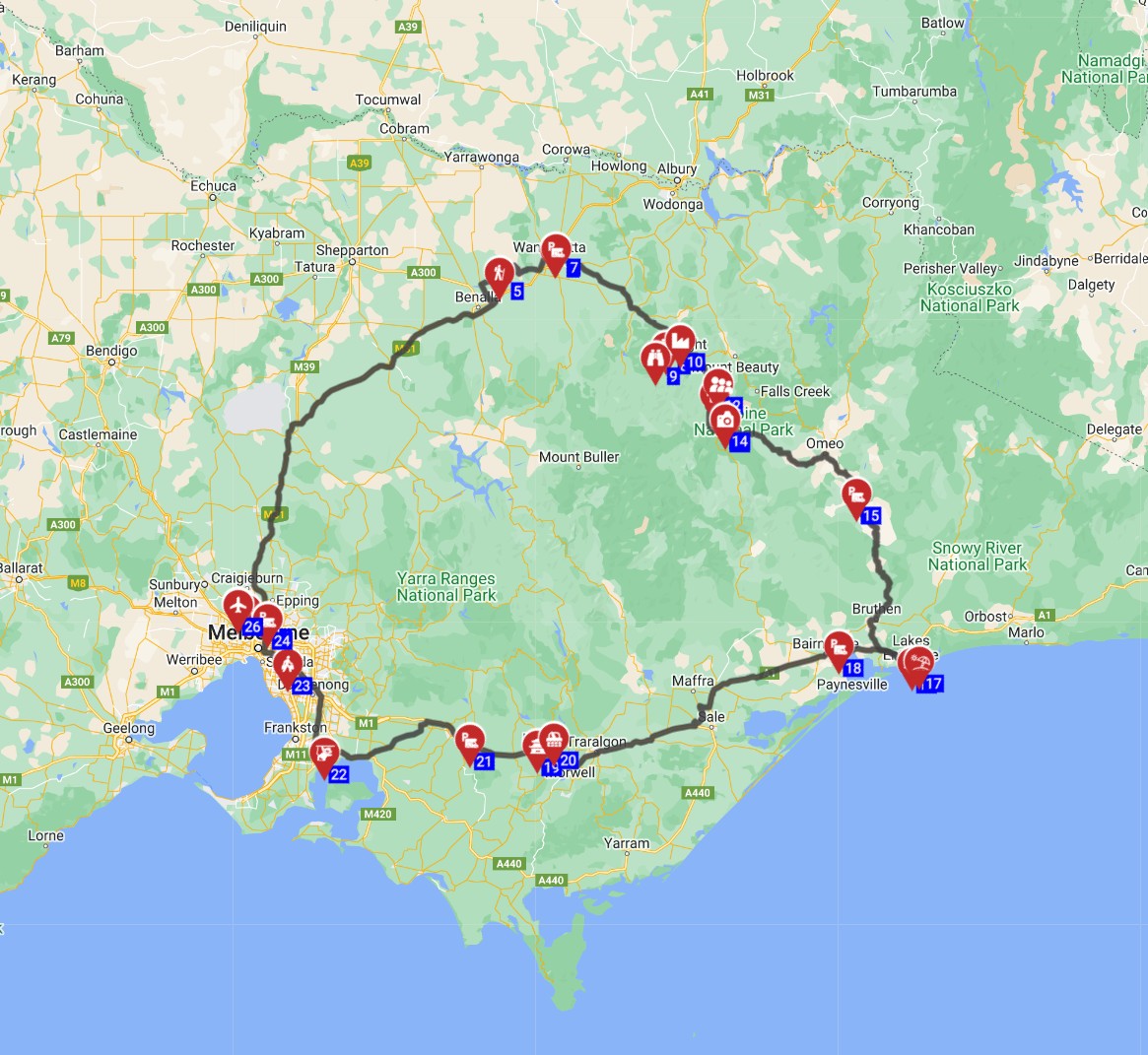
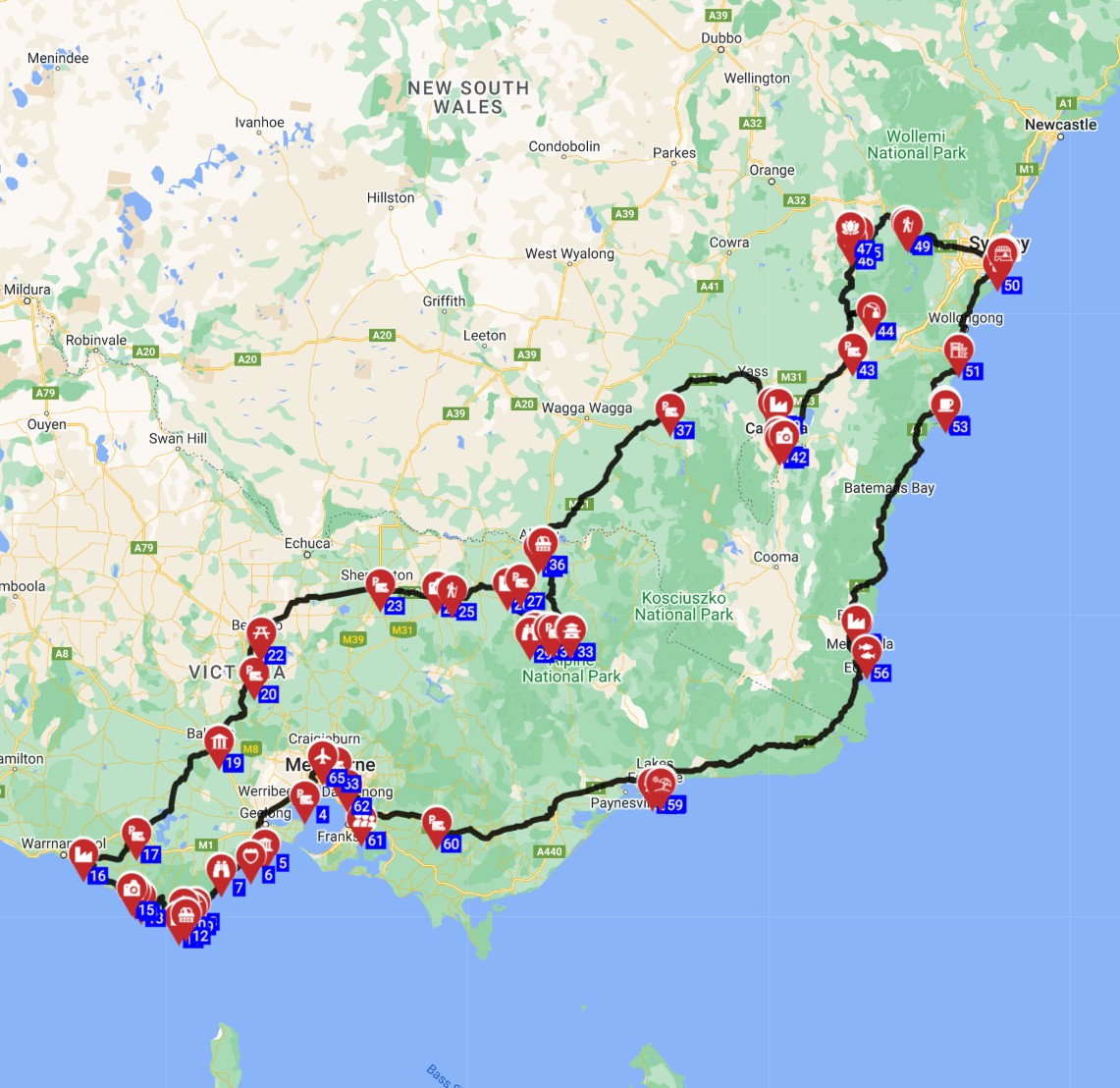
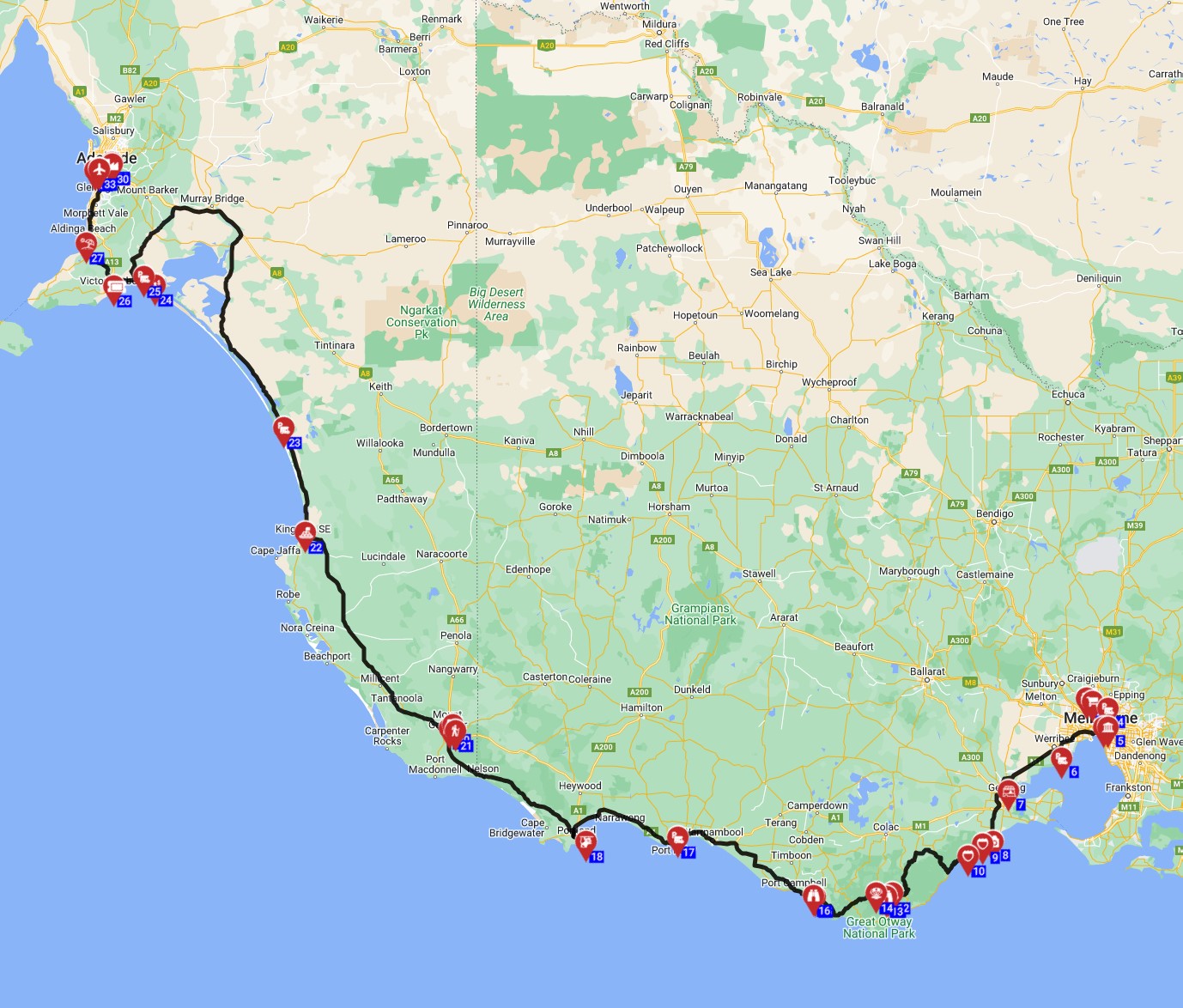
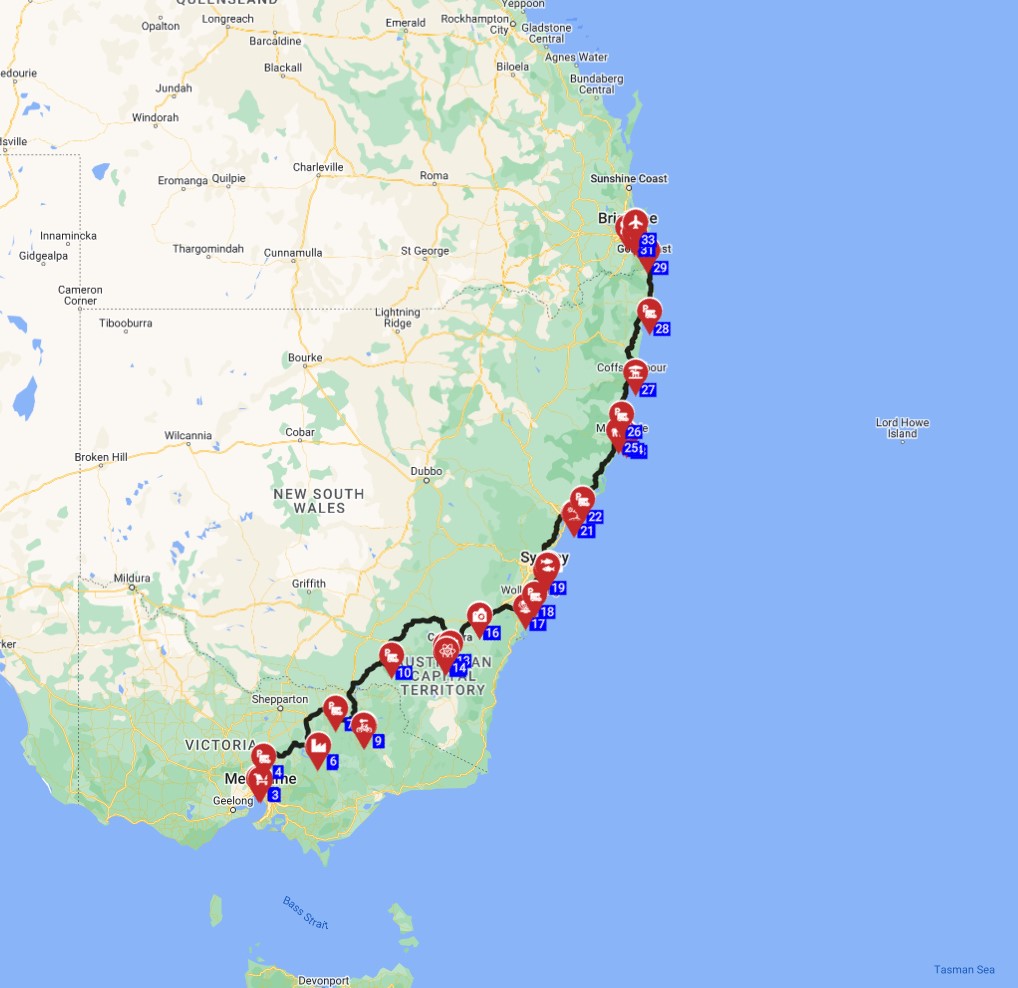
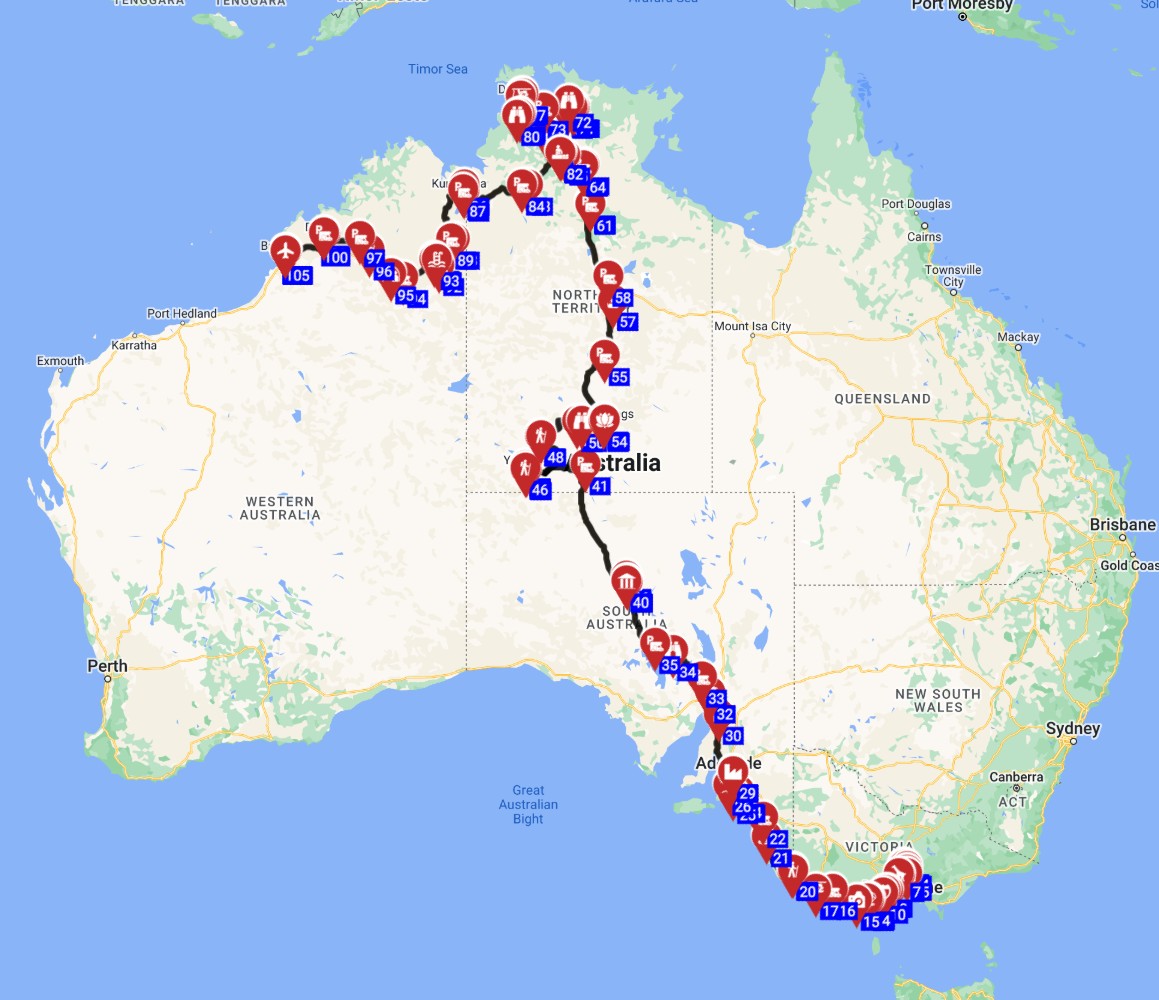
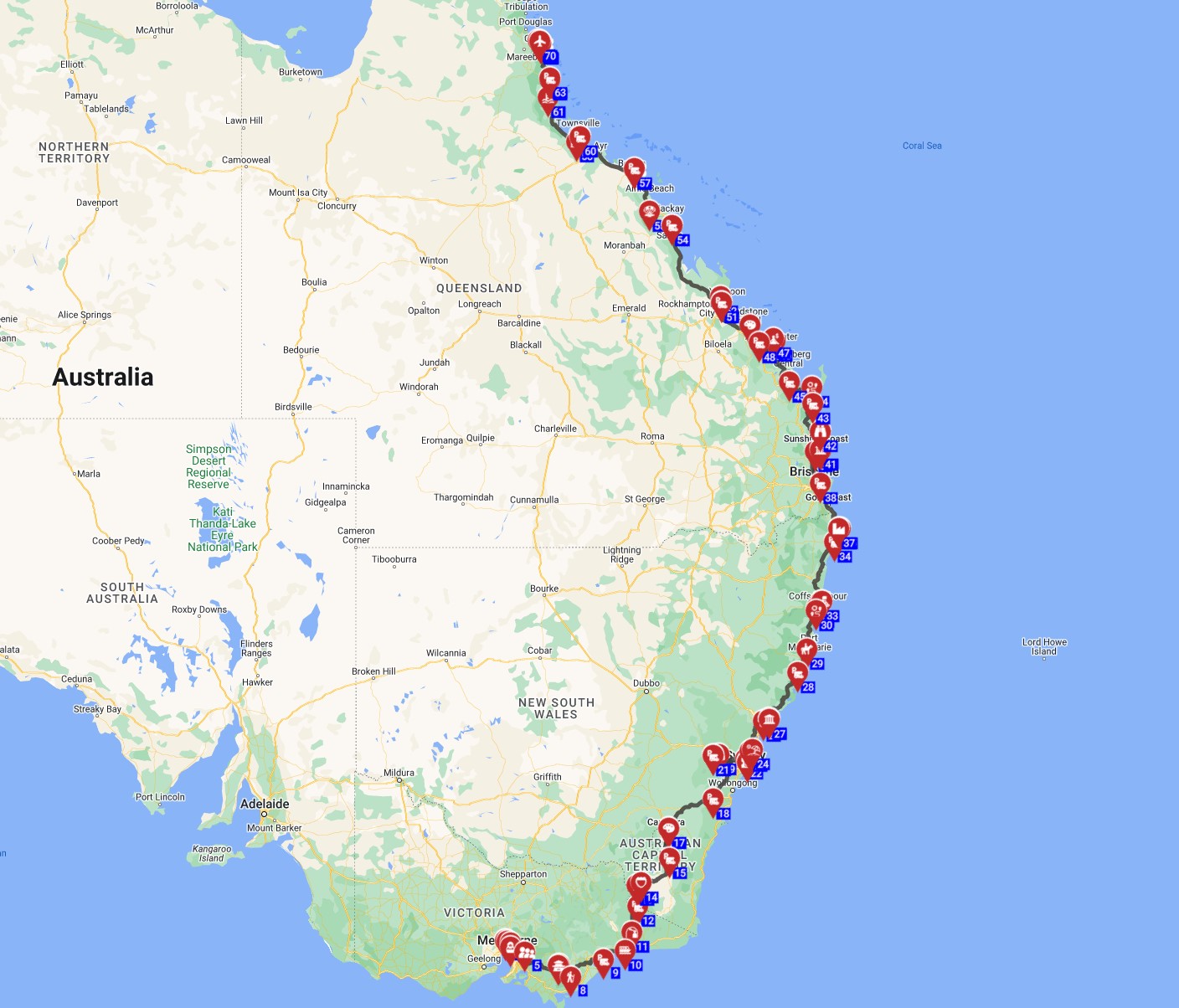
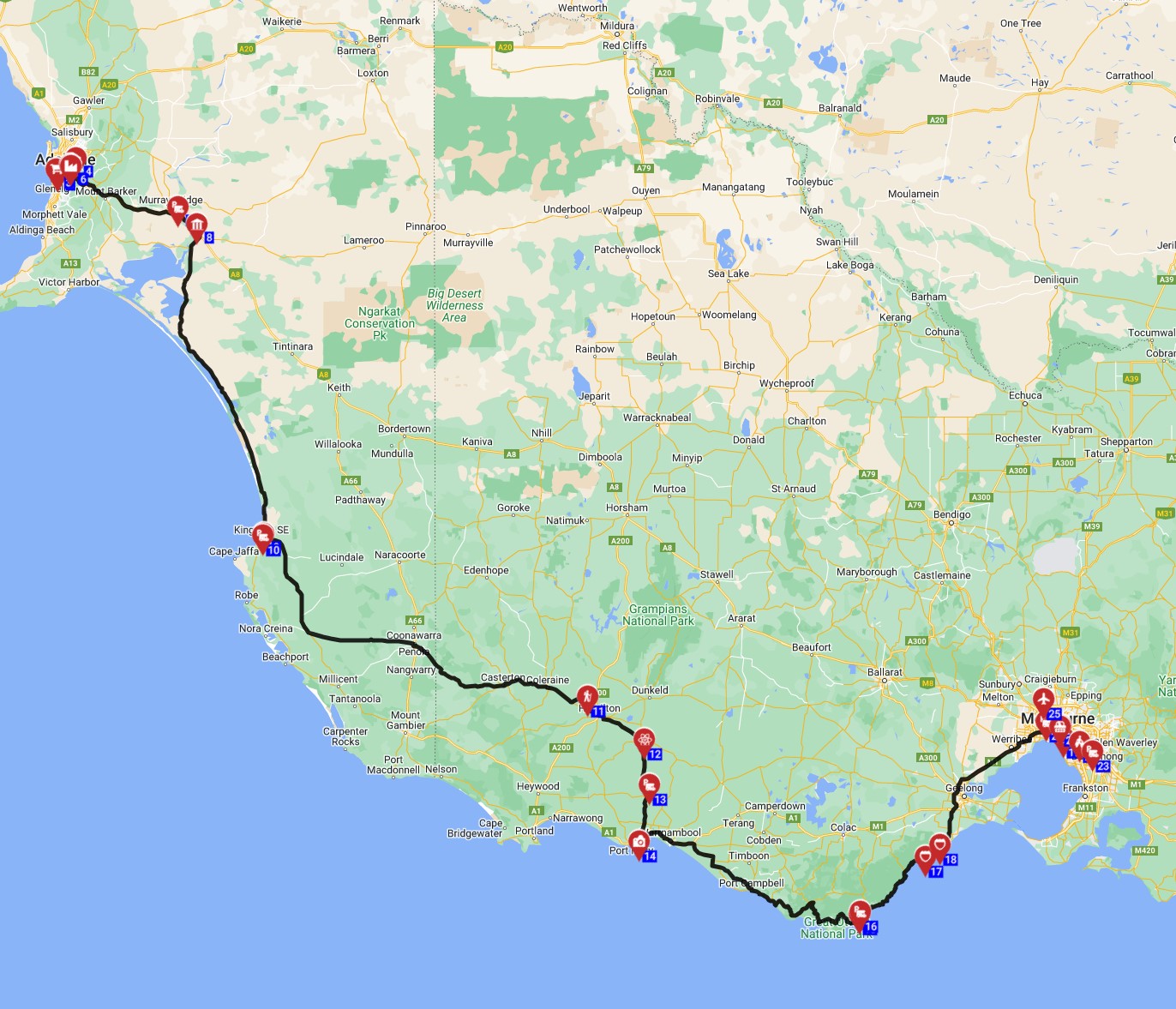
Embark on the 14-day, 2,321 km "
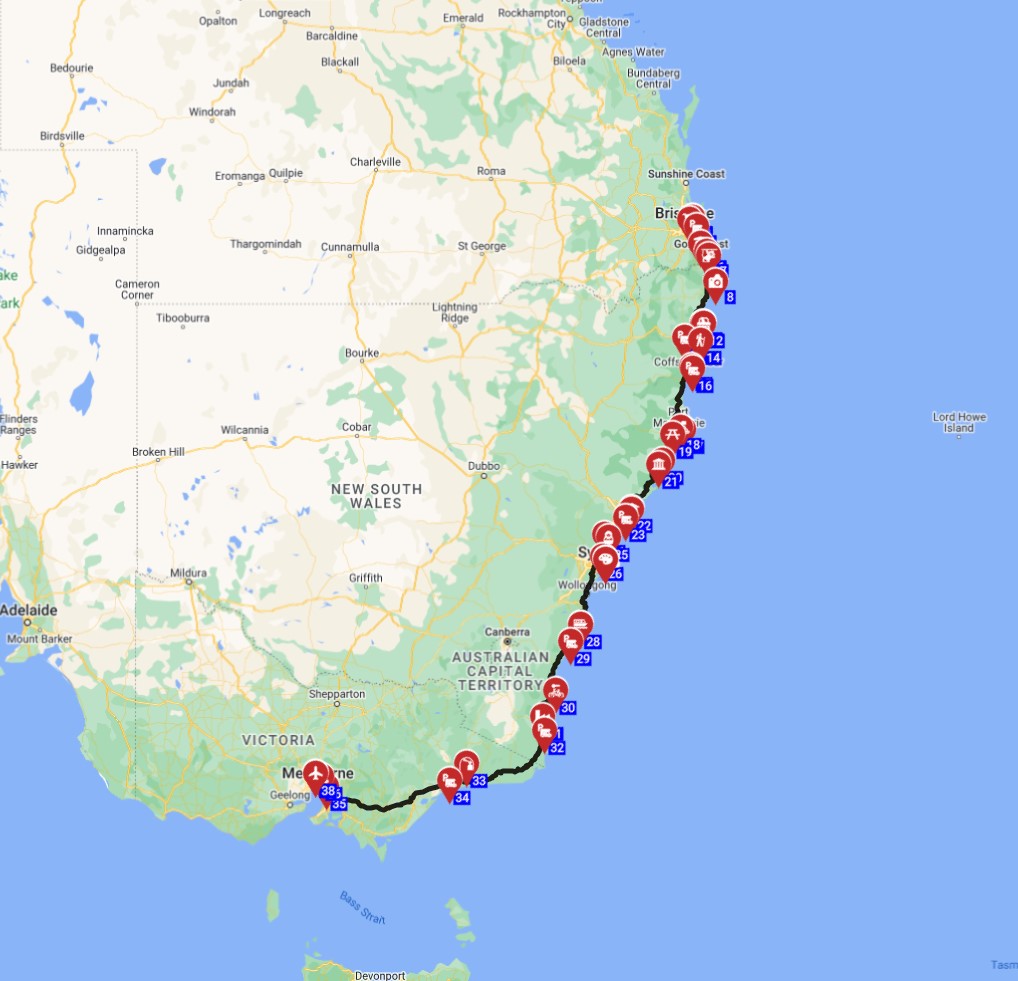
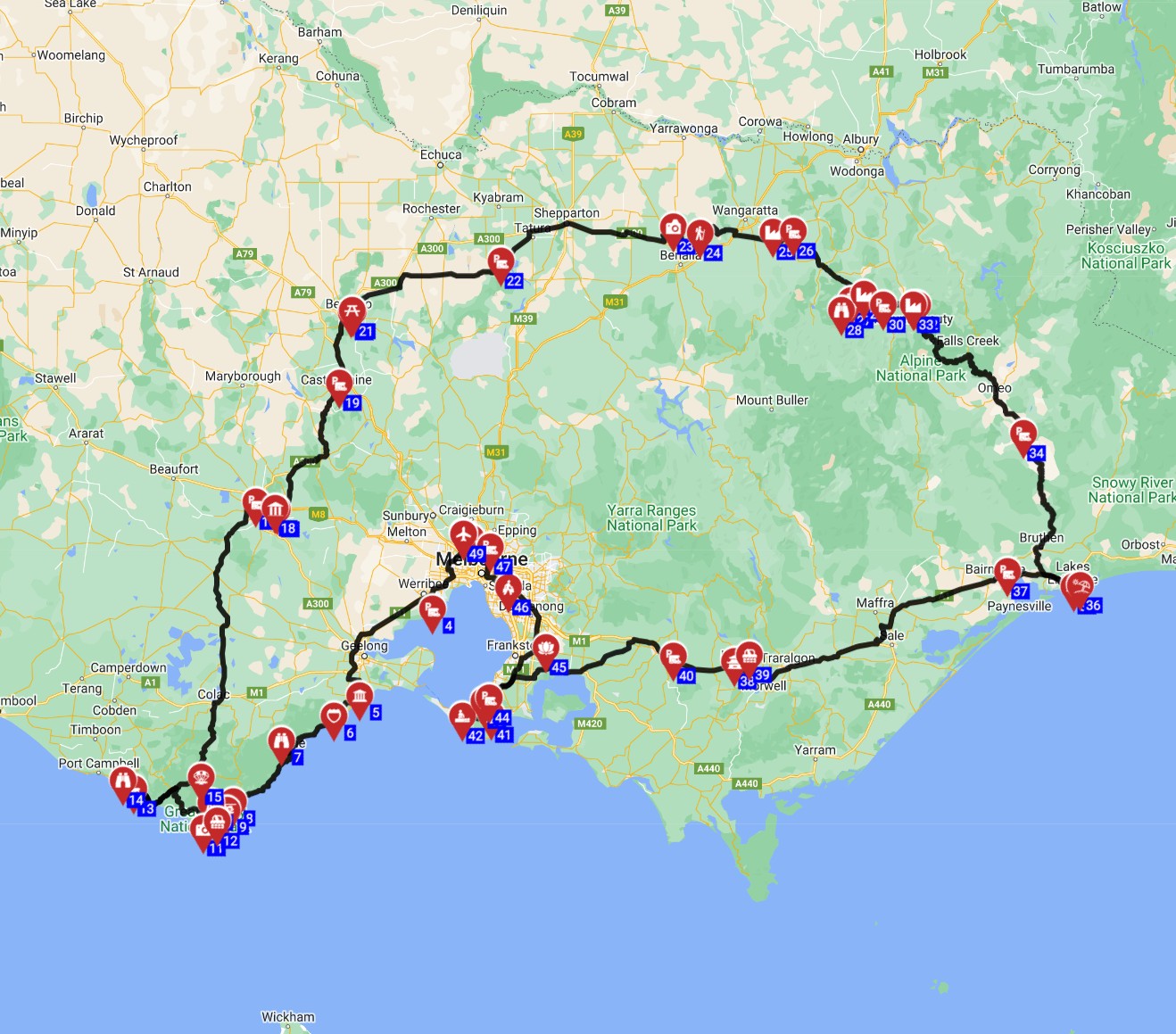
Discover the "
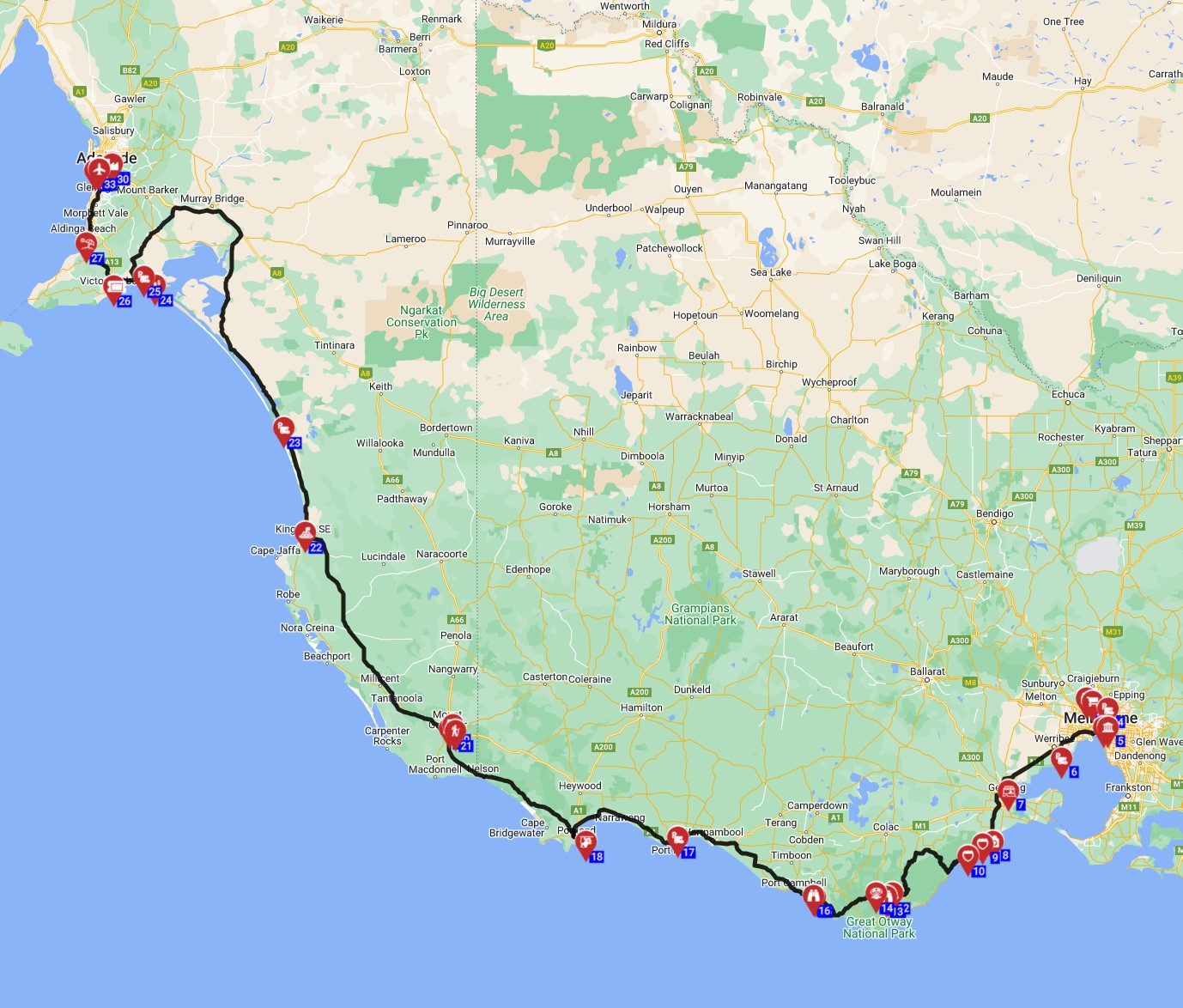
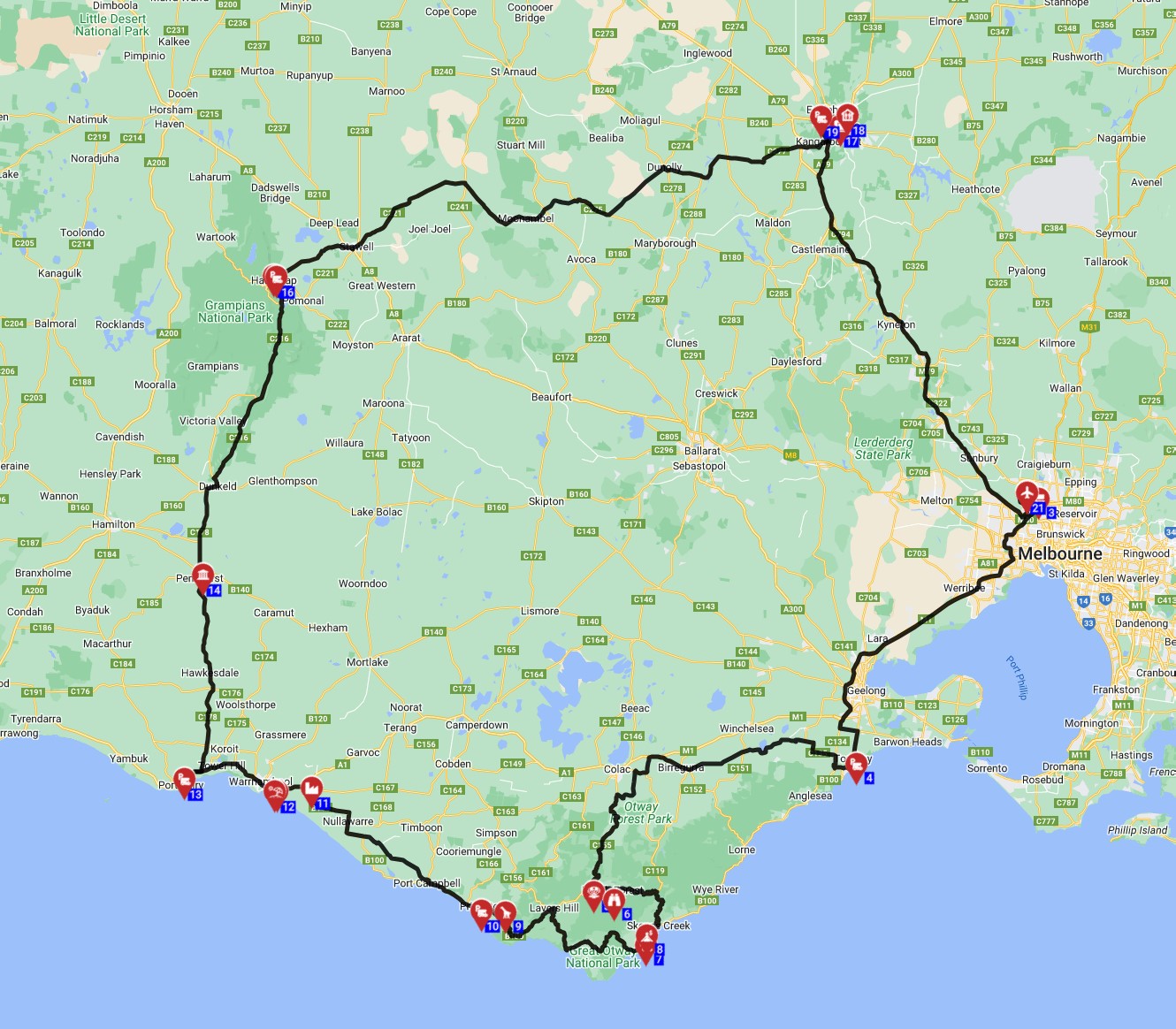
Consider the 8-day, 1,184 km "
Final Thoughts
Embarking on a family RV adventure in Melbourne is more than just a trip; it's an opportunity to create lasting memories, explore stunning landscapes, and connect with your loved ones in a truly unique way. With the right preparation and a bit of local knowledge, navigating Melbourne and its incredible surroundings in a rented motorhome is an absolute breeze. From understanding road rules and toll systems to choosing the perfect RV for your family's needs, we hope this guide has equipped you with the confidence to hit the road.
Remember to embrace the spirit of slow travel, averaging 100-150 km per day, allowing plenty of time to truly experience each destination. Whether you dream of coastal drives, wine tasting, or wildlife encounters, Melbourne is an ideal starting point for your next great adventure. We're here to support you every step of the way, providing expert advice and transparent booking options. Get inspired for your next trip and discover top destinations, planning tips, all in one place!
Find Motorhome Rentals in Melbourne