For live availability and current prices, start with our RV Rental Ireland - Complete Guide 2026 guide.
Can You Drive an RV in Ireland? License & Age Rules
Driving a rented RV in Ireland is accessible for most with a standard driver's license. A standard B category license, typically issued in EU/EEA countries, permits driving RVs up to 3,500 kg Maximum Authorised Mass (MAM). For larger motorhomes exceeding this weight, a higher category license, such as C1 or C, is legally required. International visitors should confirm their national license validity and consider obtaining an International Driving Permit (IDP) to accompany their license, especially if it's not in English. This IDP acts as a translation, aiding local authorities in verifying your driving credentials. The minimum age for renting an RV in Ireland generally starts at 21, though this can vary by rental company and the specific RV class; larger vehicles may have a minimum age of 25, often with associated surcharges for younger drivers.
Road Conditions & Terrain in Ireland
Ireland's road network offers a diverse driving experience. You'll encounter well-maintained motorways (M-roads), particularly around major cities, alongside numerous narrow, winding country lanes that are common in scenic coastal areas and rural communities. The terrain is predominantly rolling hills and coastal routes, with some mountainous regions, such as in Kerry and Wicklow, presenting steeper inclines and tighter turns that require careful navigation. Be prepared for occasional gravel sections or unpaved access roads, particularly when venturing off the beaten path to reach more secluded spots or certain campsites. Embracing a slower pace of travel is key to appreciating Ireland's stunning scenery and safely adapting to these varied road conditions, making the journey itself a significant part of the family RV adventure.
RV Size Limits, Bridges & Restricted Zones
While Ireland doesn't impose a universal RV length limit, drivers must be particularly mindful of height restrictions. Low bridges, tunnels, and car park entrances typically have limits ranging from 3.0m to 4.0m, so always be attentive to signage. Some historic towns and popular tourist routes, like sections of the Ring of Kerry, may have width restrictions or advisories against larger vehicles during peak seasons, necessitating careful route planning. Environmental zones restricting RVs based on emissions are not a common feature in Ireland, but always be aware of local signage, especially in city centers or residential areas. When planning ferry travel, such as to the Aran Islands or across the Shannon Estuary, it's essential to check specific vehicle length and weight limitations with the ferry operator to avoid any travel disruptions.
Fuel: Diesel vs. Petrol & Cost per 100 km
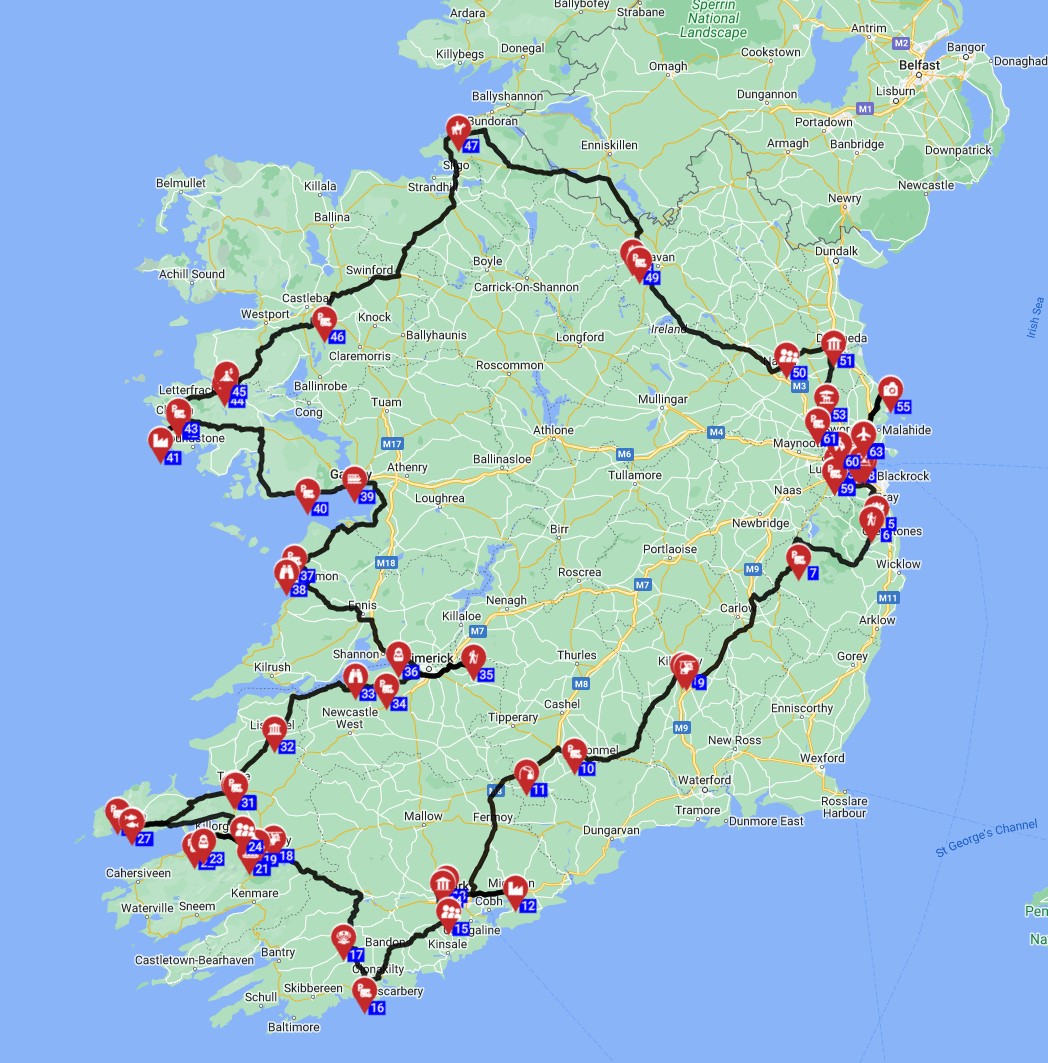
The vast majority of RVs available for rental in Ireland operate on Diesel, which is readily accessible at service stations nationwide. Fuel costs in Ireland can be higher compared to some other European countries, so factoring this into your budget is advisable. Based on global fleet averages, a typical Class SI – Semi-integrated RV consumes around 10-11 liters per 100 km, while a larger Class C – Alcove RV might consume 10-12 liters per 100 km, reflecting their size and weight. Some rental companies may offer fuel discount cards or programs, so it’s worth inquiring about these potential cost-saving perks when you book your family RV. On the routes offered through RV PLANET routes, you can itemize and track every expense along the way for easy budgeting.
Tolls, Vignettes & Border Rules
Ireland utilizes a toll road system, primarily on its motorways (M-roads). Tolls are paid either at barrier booths or electronically, as seen on the M50 orbital motorway around Dublin, which operates a barrier-free system requiring online payment by 8 pm the following day. There are no vignette requirements for driving RVs in Ireland; tolls are strictly pay-per-passage. When traveling to Northern Ireland, which is part of the UK, the border crossing is open with no customs checks. However, it's important to note that speed limits in Northern Ireland are in miles per hour (MPH) and the currency used is Pound Sterling (GBP). Some rental companies may offer optional pre-purchased toll passes or electronic tag services, which can simplify your journey and help you avoid potential fines for missed payments on barrier-free toll roads.
Driving Tips for family rv rental Travelers
Plan Regular Stops: For family RV trips, incorporating comfort breaks every 1.5-2 hours is key. Utilize designated rest areas, scenic viewpoints, or charming small towns for these pauses.
Master Left-Hand Driving: Remember that Ireland drives on the left. Exercise extra caution on narrow roads, at roundabouts, and when overtaking.
Yield to Local Traffic: On very narrow country lanes, be prepared to safely pull over to allow oncoming local traffic or larger vehicles to pass. This demonstrates respectful engagement with rural communities.
Consider Vehicle Size: While most routes are manageable, larger RVs, like a Class C – Alcove RV averaging 7.5m in length, might find extremely narrow roads challenging. Researching routes in advance is crucial.
Pack for All Weathers & Navigation: Always have specific electrical adapters (Type G/UK), up-to-date road maps, and essential wet weather gear. Consider reliable offline GPS apps or Wi-Fi hotspots for navigation in remote areas.
Recommended RV Class for Ireland Roads
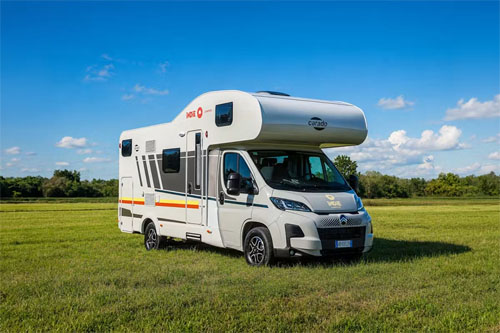
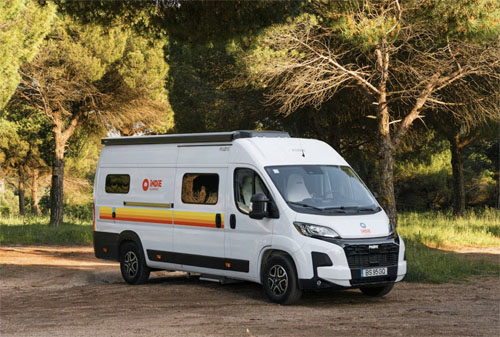
For families exploring Ireland, a Class SI – Semi-integrated RV is often a recommended choice, striking a balance between comfort and maneuverability. These vehicles, typically around 6.9 meters in length, provide adequate living space for 3-4 people with an average of 3.8 sleeping places, without being overly cumbersome on Ireland's varied roads. Alternatively, a Class C – Alcove RV, averaging 7.5 meters in length with approximately 5.8 sleeping places, is an excellent option for larger families needing more sleeping and living space, though it requires more attentive navigation on narrower routes. Both classes generally offer sufficient ground clearance for standard Irish roads, ensuring access to most campsites and tourist destinations.
Should I Choose a Compact Van Instead of a Large RV in Ireland?
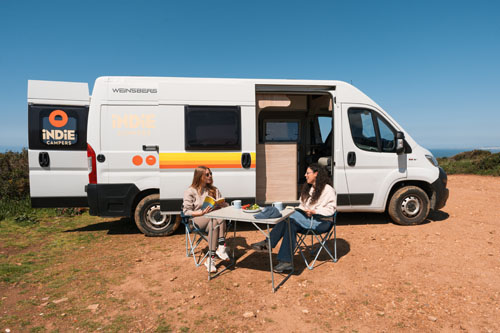
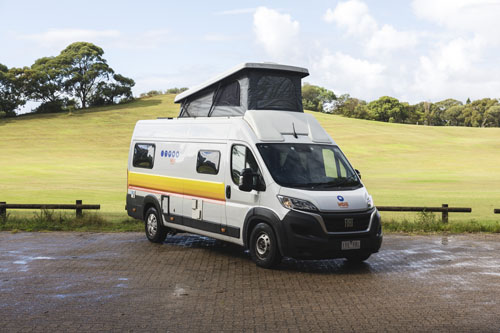
Generally, there's no inherent issue driving any RV size in Ireland for families, as interior comfort and space often outweigh minor maneuverability gains. However, a compact van, like a Class B – Camper Van (averaging 5.8 meters), can genuinely assist when navigating extremely tight historic village centers, very narrow mountain passes, or when seeking more discreet overnight parking spots. The trade-off for this compactness often means significantly less interior space, fewer amenities like a full bathroom or separate dining area, and potentially less comfort during extended stays or periods of inclement weather. For most family RV trips in Ireland, a semi-integrated or alcove RV offers a superior balance, providing essential living space while remaining manageable on the majority of Irish roads with careful route selection.
Can I Park Anywhere? Free & Wild Camping Rules in Ireland
Wild camping or free RV parking on public land in Ireland is generally restricted, particularly within National Parks. Explicit permission from private landowners is required for parking on their property. It is crucial to engage respectfully with rural communities and local etiquette; never assume you can park overnight without prior consent. More practical and ethical alternatives include staying at the numerous well-equipped, dedicated campsites, utilizing 'pub stops' where landowners or publicans welcome RVers (often in exchange for patronage), or arranging 'farm stays' for a more authentic local experience. Responsible tourism and environmental best practices dictate proper waste disposal; always use designated facilities at campsites and leave no trace.
Can I Drive an RV Into the City Center? Heights, Tunnels & Local Signage
Yes, you can almost always drive an RV into Irish city centers, though direct access to the very core of some historic areas might be challenging or restricted. Always pay close attention to local signage, which will clearly indicate specific height limits for multi-story car parks, low bridges, tunnel restrictions, and any residents-only streets or environmental zones. Larger cities like Dublin or Cork often provide convenient Park & Ride facilities or designated RV parking on their outskirts, allowing for easy access to the city center via public transport. While direct entry is often possible, consider parking your family RV on the periphery and utilizing public transit to explore the busiest parts of Irish cities for a more relaxed experience.
What You Shouldn't Miss
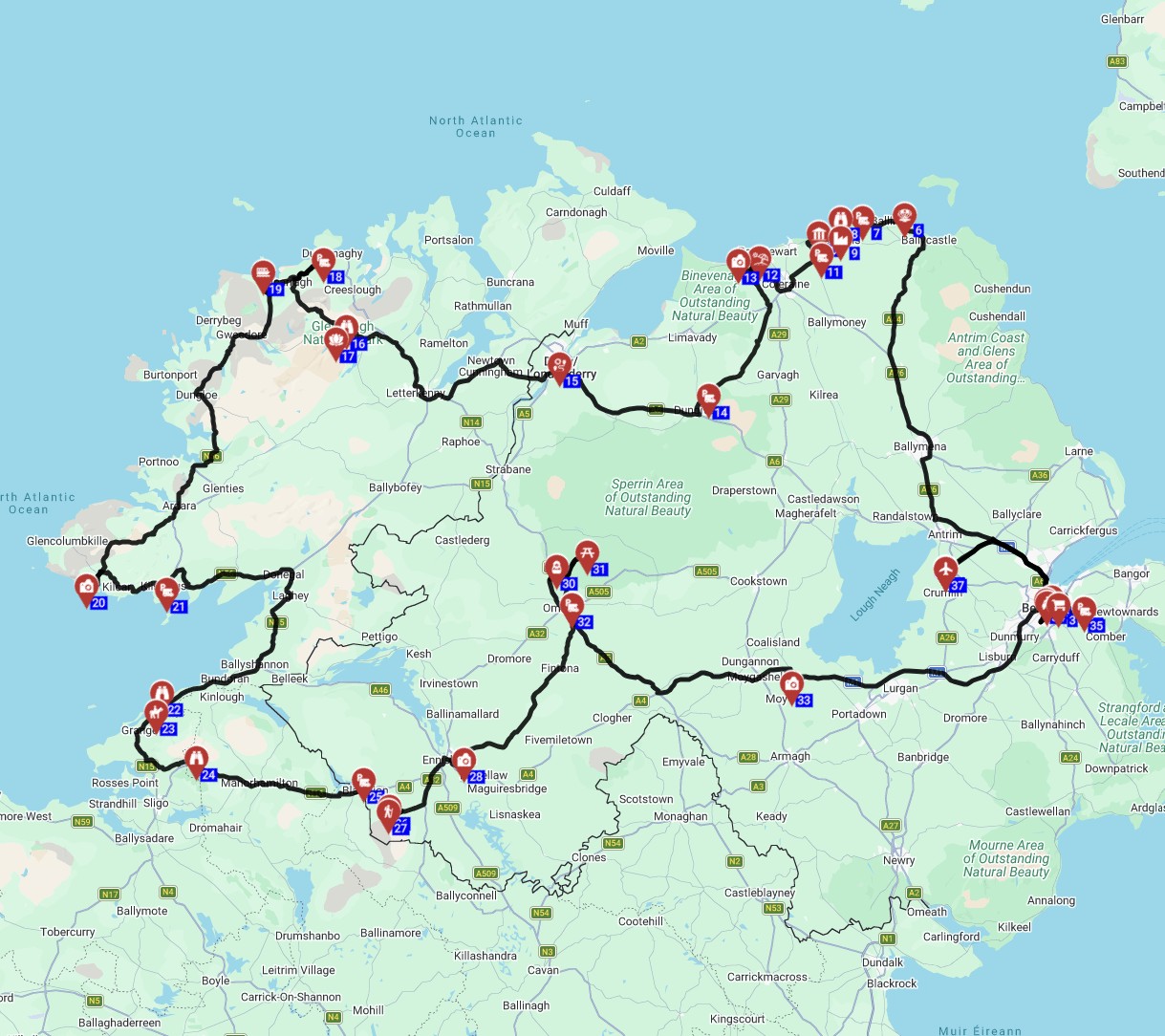
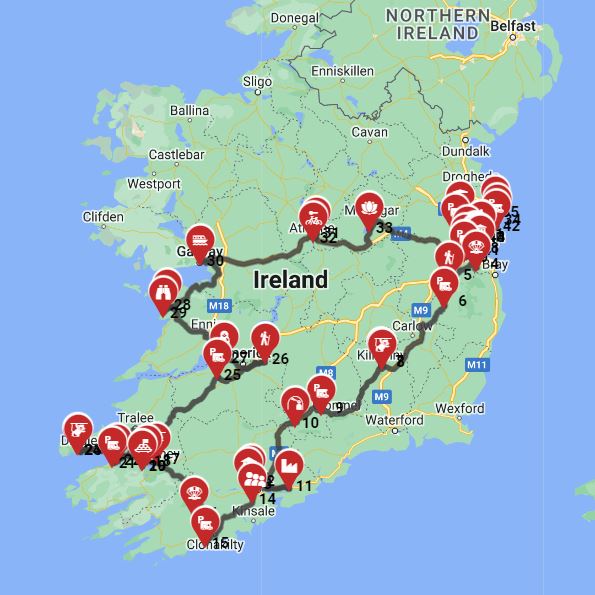
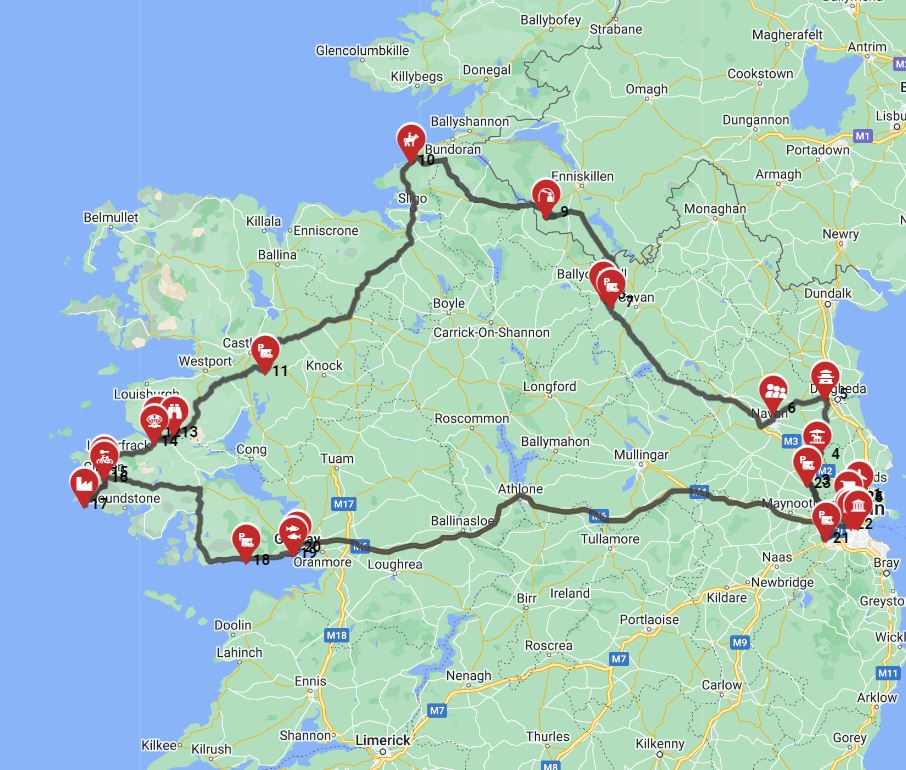
- Drive the Wild Atlantic Way, experiencing dramatic coastal scenery and charming villages at your own pace.
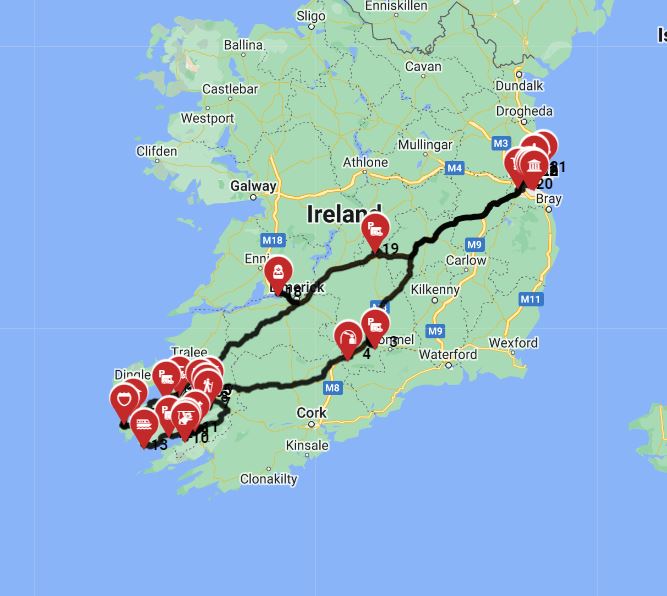
- Explore the Ring of Kerry, perhaps taking a clockwise route to manage traffic flow and enjoy the stunning landscapes.
- Visit the ancient monastic site of Glendalough in County Wicklow, an easy detour from Dublin with ample space for RV parking.
- Discover the unique karst landscape of the Burren in County Clare, a UNESCO Global Geopark perfect for scenic RV drives and short hikes.
- Experience traditional Irish music in a rural pub, a quintessential cultural immersion often welcoming families in the early evening.
Final Thoughts
Embarking on an RV adventure in Ireland offers unparalleled freedom and flexibility for families. The Emerald Isle is best explored at your own pace, allowing you to savor its breathtaking landscapes and rich culture.
With Bandana Caravan, you can be confident in finding the perfect motorhome for your family's needs. We're here to support you every step of the way, from initial planning to the moment you hit the open road, ensuring your Irish RV journey is as memorable as the destination itself.
Ready to start planning your unforgettable Irish road trip? Let us help you find the ideal RV for your family adventure!