In This Guide
- Can You Drive an RV in France? License & Age Rules
- Road Conditions & Terrain in France
- RV Size Limits, Bridges & Restricted Zones
- Fuel: Diesel vs. Petrol & Cost per 100 km
- Tolls, Vignettes & Border Rules
- Driving Tips for family rv rental Travelers
- Recommended RV Class for France Roads
- Should I Choose a Compact Van Instead of a Large RV in France?
- Can I Park Anywhere? Free & Wild Camping Rules in France
- Can I Drive an RV Into the City Center? Heights, Tunnels & Local Signage
- Top Cities for RV Rental in France
- What You Shouldn't Miss
- Why Book with Bandana Caravan
- Final Thoughts
- Frequently Asked Questions
Can You Drive an RV in France? License & Age Rules
Most recreational vehicles (RVs) up to 3,500 kg (7,700 lbs) can be driven in France with a standard B driving license, which is typically sufficient for many family RV rentals, including Class B campervans and smaller Class C motorhomes. For RVs exceeding 3,500 kg but not over 7,500 kg, such as larger Class C or some Class A motorhomes, a C1 license is required, while vehicles over 7,500 kg demand a C license. It’s always best to check the specific weight of your chosen rental caravan. Rental companies in France commonly set a minimum driver age of 21, requiring drivers to have held their license for at least 2-3 years, with no young driver surcharges and no vehicle class restrictions based on age through Bandana RV. Non-EU/EEA license holders should carry an International Driving Permit (IDP) alongside their valid national driver's license, although it's not strictly mandatory in all cases, it is highly recommended for ease of communication with authorities.Road Conditions & Terrain in France
France boasts an excellent network of well-maintained national roads (N-roads) and high-quality toll motorways (autoroutes), providing smooth driving experiences for family RV rentals. These major routes, like the A6 from Paris to Lyon or the A7 down to Marseille, are designed for efficiency and make covering long distances with a rented motorhome comfortable. While motorways are efficient, secondary roads (D-roads) often offer more scenic routes through picturesque villages, though they can be narrower and windier, especially in mountainous regions like the Alps, the Pyrenees, or the Massif Central, requiring careful driving. For a truly immersive family experience, we strongly encourage slower, more deliberate travel, aiming for a maximum of 100-150 km per day on average, to fully appreciate the diverse landscapes, connect to the culture, the food, and discover charming local spots. The terrain varies significantly, from the flat plains and gentle hills of regions like the Loire Valley and Burgundy to the more challenging, winding mountain passes, but all are perfectly manageable with common sense and attentiveness.RV Size Limits, Bridges & Restricted Zones
Navigating France with a family RV rental is straightforward, but awareness of certain size limitations and restricted zones is key. While the standard height limit for most French roads is 4 meters, RV drivers must be vigilant for lower urban bridges, tunnel entrances, and parking garage clearances, especially in historic city centers where structures can be much older and lower. Always pay attention to signage, which clearly indicates height, width, and weight restrictions. Weight restrictions primarily affect vehicles over 3.5 tons (3,500 kg), potentially limiting access to certain roads or commercial zones if the RV is categorized as a heavy goods vehicle. Many French cities, including Paris, Lyon, and Grenoble, implement Low Emission Zones (ZFEs) that require a Crit'Air vignette (environmental sticker) based on the vehicle's emissions class. Ensure your rental mobile home is compliant and displays the correct sticker if you plan to enter these zones. When planning ferry travel, particularly to Corsica or the UK, be aware that larger or heavier RVs may face specific booking requirements or additional fees, so it's advisable to book well in advance and confirm dimensions with the ferry operator.Fuel: Diesel vs. Petrol & Cost per 100 km
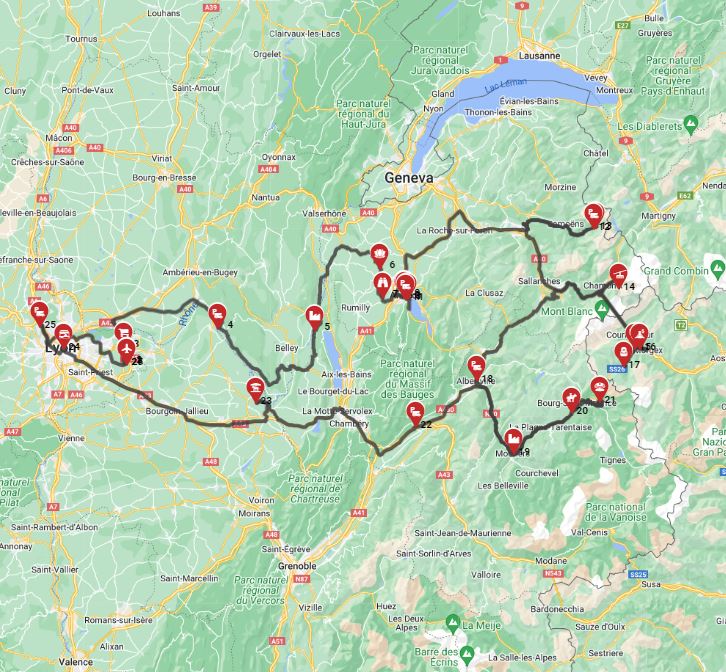
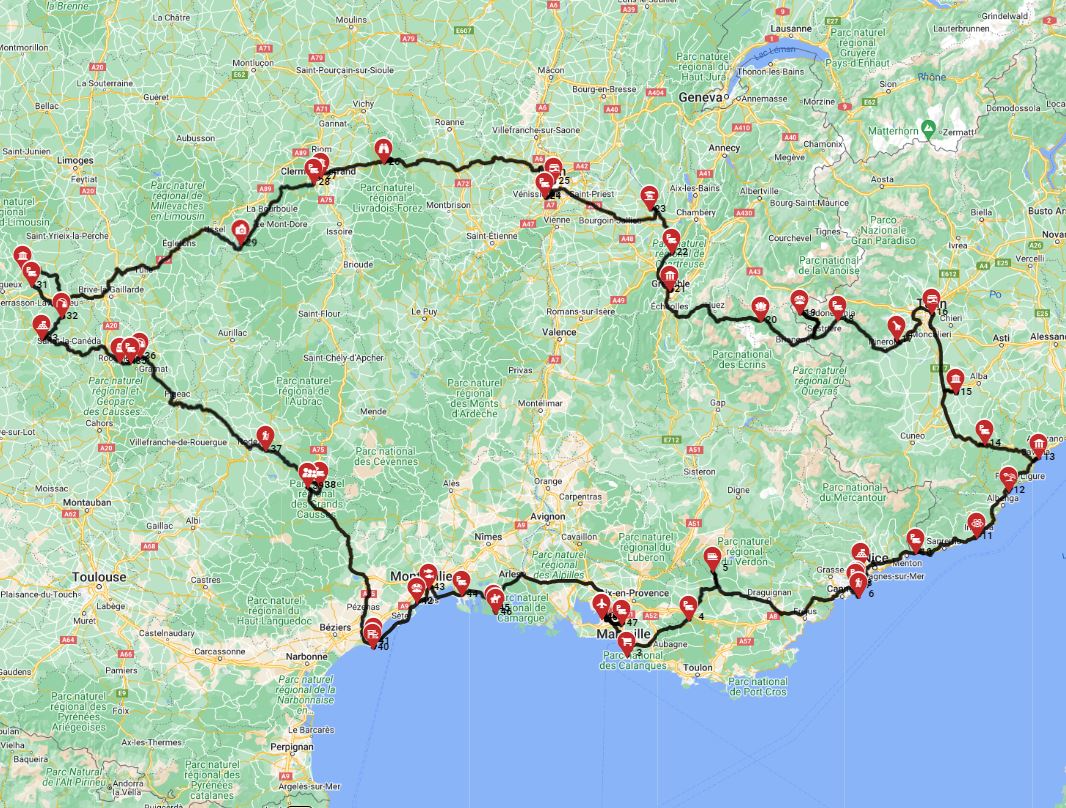
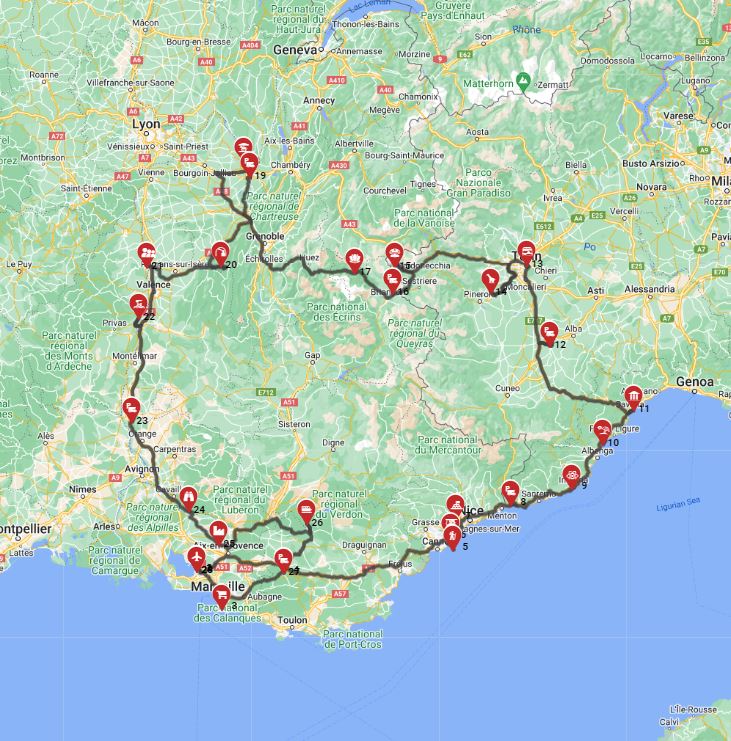
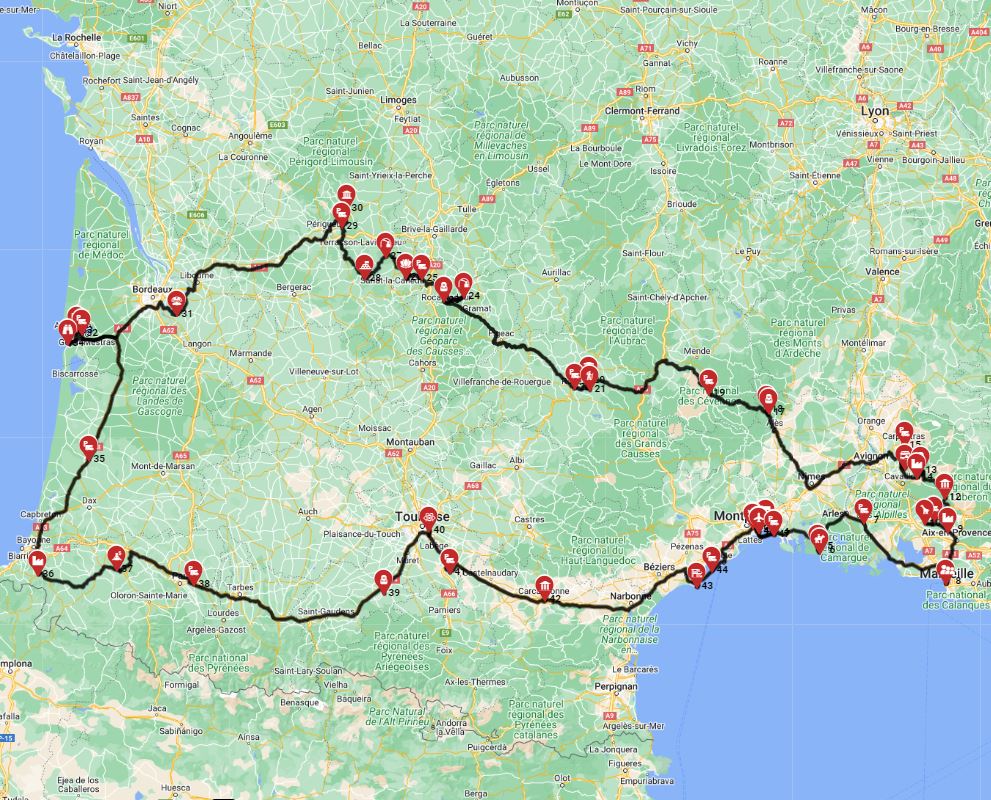
Most modern RVs rented in France, including those in Bandana’s fleet, run on Diesel (Gazole), which is widely available and typically more cost-effective per liter than petrol (Essence) for your family motorhome rental. Fuel prices are dynamic, fluctuating daily, so it’s always wise to check local prices. Bandana's semi-integrated RVs (Class SI) typically consume 10-11 Liters/100 km, while alcove RVs (Class C) average 10-12 Liters/100 km, and camper vans (Class B) are more fuel-efficient at 8-10 Liters/100 km. Based on these averages, a family RV rental can expect fuel costs of approximately €18-€25 per 100 km, though prices fluctuate with global fuel markets and local stations. When budgeting for your journey, consider that Bandana's rental motorhomes sometimes include fuel discount cards, offering potential savings, and always factor in variable fuel costs alongside other trip expenses like food, activities, and potential hidden fees. For tracking every expense along the way, RV PLANET routes allow you to itemize and budget with ease.Tolls, Vignettes & Border Rules
Most French motorways (autoroutes) operate on a toll (péage) system, where fees are collected at barriers based on distance traveled and vehicle class, rather than a universal vignette. RVs typically fall under Class 2 for toll purposes (vehicles between 2m and 3m high, and under 3.5t), with costs varying significantly depending on the route taken. For example, a trip from Paris to Nice can cost over €100 in tolls. While France does not require a general national vignette, specific urban areas mandate Crit'Air stickers for Low Emission Zones, which is distinct from motorway tolls and must be purchased in advance online. To streamline travel and avoid potential fines, some Bandana RVs allow for pre-purchasing Liber-t tags, an automatic electronic toll payment system that offers dedicated lanes and billing convenience. When traveling across borders within Europe with your rented campervan, you'll generally find open borders and no passport checks, but always carry your license, RV rental documents, and passports. For comprehensive European travel planning, consider our RV Rental Europe - Complete Guide 2026.Driving Tips for family rv rental Travelers
Driving a family RV in France is an enjoyable experience that becomes even better with a few local tips.- Plan Frequent Stops: For family comfort and safety, schedule breaks every two hours, utilizing rest stops (aires de repos) or charming village squares to stretch legs and explore. French rest stops are generally well-maintained and offer picnic areas.
- Navigate Smart: Use dedicated RV navigation apps (or standard apps like Google Maps/Waze with RV settings enabled) that account for vehicle dimensions and real-time traffic, especially useful for finding fuel and parking. These apps are essential for avoiding low bridges or narrow streets.
- Embrace Local Life: Diverge from tourist trails by visiting local markets for fresh produce and regional delicacies, participating in village festivals, or trying basic French phrases to connect with communities. Preparing a meal with fresh local ingredients in your RV kitchen can be a highlight of your trip. Don't forget to check our RV-friendly recipes playlist for inspiration!
- Prioritize Safety & Preparedness: Familiarize your family with emergency procedures, local emergency numbers (112 for all emergencies), and ensure you have comprehensive travel insurance covering medical emergencies and vehicle breakdowns. Keep reflective vests and a warning triangle in your rental mobile home, as these are mandatory by law.
- Travel Responsibly: Practice eco-conscious RVing by disposing of waste properly at designated 'aires de service', minimizing water usage, and respecting natural areas and local communities to ensure sustainable tourism. This includes adhering to "leave no trace" principles in all outdoor activities.
- Consider Pets: If traveling with pets in your rented motorhome, research specific French regulations regarding vaccinations, pet passports, and identify pet-friendly campsites or attractions in advance. Always ensure your pet's microchip is registered and up-to-date.
- Seasonal Awareness: Adapt your itinerary based on the season. Summer (July-August) can bring crowds and high temperatures, particularly in the south, while spring and autumn offer pleasant weather, vibrant landscapes (like lavender fields in June or wine harvests in September), and fewer tourists. Traveling during off-peak seasons can also lead to better availability and prices for your RV Rental in France - Prices and Best Deals 2026.
🎬 Video coming soon
Recommended RV Class for France Roads
For most family RV adventures in France, the Class SI - Semi-integrated RV is highly recommended due to its excellent balance of maneuverability and comfortable living space. These motorhomes offer ample amenities without being overly cumbersome on narrower roads. Bandana's Class SI RVs typically average 6.9 meters in length and comfortably sleep around 3-4 people, making them suitable for navigating both major motorways and many smaller, scenic French roads. For example, a Class SI vehicle like the "2 Berth Tamar" or "Active Standard Auto" offers modern comforts and efficient driving. Alternatively, for larger families seeking more indoor amenities and sleeping capacity, the Class C - Alcove RV is also a strong choice, with Bandana's models averaging 7-7.5 meters in length and accommodating around 5-6 sleeping places. A "4 Berth Henty" or "6 Berth Derwent" would fit this category, providing more space, often with bunk beds. These classes provide ample space for a family, including load capacity for luggage (Class SI: typically 70-100kg; Class C: typically 40-70kg), while remaining manageable for typical French road conditions and campsite access.Should I Choose a Compact Van Instead of a Large RV in France?
Choosing between a compact campervan and a larger RV for your family trip to France depends on your priorities; both are excellent options for a rented caravan. While a compact van (such as Bandana's Class B Camper Van, averaging 5.8m in length like the "Active Original" or "Hi5 Camper") offers superior maneuverability and easier parking in tight historic city centers and very narrow mountain passes, a larger RV often provides greater comfort and living space, which can be crucial for family trips. Larger RVs like semi-integrated or alcove models offer more amenities, dedicated sleeping areas, larger kitchens, and increased storage, enhancing the overall family experience for longer journeys. For instance, a Class C motorhome like the "MHC28" or "MHC30" offers generous sleeping capacities of 6-9 people. For most French roads, including national routes and motorways, even larger RVs are perfectly manageable, and it's rare to encounter significant road restrictions solely due to size outside of very specific urban or ancient village contexts. The decision often boils down to prioritizing either maximum agility for niche urban exploration (compact van) or superior on-board comfort and space for the family (larger RV), with the latter generally being the preferred choice for comprehensive family road trips in France.Can I Park Anywhere? Free & Wild Camping Rules in France
In France, while overnight parking for self-contained RVs is generally tolerated in many areas, specific wild camping (pitching tents or setting up camp outside designated sites) is often restricted or requires explicit permission from the landowner or local municipality. France provides an extensive network of over 4,000 'aires de service' (service areas) specifically for motorhomes, offering spots for overnight parking, water refills, and waste disposal. Many of these are free or low-cost, making them invaluable for travelers. For finding legitimate and safe overnight spots, apps like Park4Night are indispensable resources, detailing both free and paid aires, private pitches, and even vineyard stops through the "France Passion" program, which offers free stays at thousands of farms and vineyards. It is imperative to always respect private property, avoid sensitive natural or protected areas (like national parks or coastal zones), and strictly adhere to the 'leave no trace' principle, ensuring all waste is properly managed. Rules regarding overnight parking and wild camping vary significantly at the municipal and regional level; therefore, always check local regulations and follow local law before parking overnight. Remember, many national and state parks reserve only 25-30% of spots for advance booking, with the rest being first-come-first-serve, so you'll likely find a spot. If not at the first campground, then the next one; just call ahead before driving.Can I Drive an RV Into the City Center? Heights, Tunnels & Local Signage
Driving an RV into French city centers is generally possible, but requires constant vigilance for local signage indicating height limits, tunnel clearances, and low bridges. Drive slowly and carefully, and you can drive almost anywhere without issues. No need to stress - just use common sense and pay attention. Particular attention should be paid to maximum height restrictions (often 2.5m to 3.5m) for parking garages and some older underpasses, especially in historic cities like Paris, Lyon, or Bordeaux, where older infrastructure is common. Many French cities, including major hubs, have implemented Low Emission Zones (ZFEs) requiring a Crit'Air sticker, which restricts vehicle access based on emission levels. Ensure your rental RV is compliant by purchasing and displaying the correct sticker well in advance of your trip. Be aware of local signs indicating residents-only streets, pedestrianized zones, or restricted access times for delivery vehicles, which RVs may fall under. For a stress-free visit, consider utilizing park-and-ride facilities on the outskirts of larger cities and using public transportation to explore the central areas, offering a practical solution for any RV size.Top Cities for RV Rental in France
France offers numerous fantastic starting points for your family RV rental adventure, each with its own unique charm and access to incredible regions.- **Paris:** While the city center itself is best explored by public transport, Paris is an excellent gateway with several RV rental depots. From here, you can easily venture into the Loire Valley, Normandy, or Champagne region.
- **Nice:** Located on the French Riviera, Nice offers stunning coastal drives and access to Provence, the Verdon Gorge, and the Maritime Alps. It’s perfect for a week-long trip exploring the south.
- **Bordeaux:** In the heart of wine country, Bordeaux is ideal for those wanting to explore vineyards, the Atlantic coast, and the Dordogne region by rented motorhome.
- **Marseille:** As France's oldest city, Marseille provides access to the Mediterranean coastline, the Calanques National Park, and a starting point for exploring the wider Provence region.
- **Lyon:** Known for its gastronomy, Lyon is centrally located, offering great access to the French Alps, Burgundy, and the Rhône Valley for your mobile home adventure.
- **Strasbourg:** Close to the German border, Strasbourg is a picturesque city in Alsace, perfect for exploring the charming villages of the Alsace Wine Route and the Vosges mountains.
- **Agen:** A smaller city in southwestern France, Agen provides a tranquil starting point for exploring the Lot-et-Garonne region, known for its plum orchards and bastide towns.
- **Annecy:** Nestled in the Alps, Annecy is a beautiful lakeside town ideal for an RV trip focused on mountain scenery, outdoor activities, and charming alpine villages.
What You Shouldn't Miss
When embarking on a family RV adventure in France, certain experiences truly elevate the journey.- **The Loire Valley Châteaux:** Drive your rented RV along the Loire River, stopping to explore magnificent castles like Chenonceau, Chambord, and Villandry. Many offer spacious parking, making it easy to visit with a family.
- **The Lavender Fields of Provence:** During June and early July, the Valensole Plateau comes alive with vibrant purple lavender fields. Plan a leisurely drive through the region, stopping at local farms to buy lavender products.
- **D-Day Landing Beaches, Normandy:** For a poignant historical experience, dedicate a few days to exploring the D-Day sites, museums, and cemeteries along the Normandy coast. There are several RV-friendly campgrounds in the area.
- **Gorges du Verdon:** Known as Europe's Grand Canyon, this stunning canyon in Provence offers dramatic scenery, hiking, and water activities on its turquoise river. Driving a campervan along its rim roads provides breathtaking views.
- **Alsace Wine Route:** Explore the charming villages of Alsace, like Colmar and Riquewihr, with their half-timbered houses and flower-filled streets. Many vineyards offer tastings and even overnight stays through programs like France Passion.
- **Mont Saint-Michel:** This iconic abbey on a tidal island in Normandy is a must-see. Arrive early or stay late to avoid crowds, and enjoy the magical atmosphere from your nearby RV campsite.
Final Thoughts
Embarking on a family RV adventure in France is more than just a vacation; it's an opportunity to create lasting memories, explore diverse cultures, and connect with nature at your own pace. With Bandana Caravan, you gain a trusted partner committed to transparency, comprehensive support, and empowering you with the knowledge needed for a successful journey. From understanding French road rules to finding the perfect campsite, we're dedicated to making your rented motorhome experience in France as smooth and enjoyable as possible.Whether you're a meticulous pre-planner who loves everything organized months in advance, or a spontaneous traveler who prefers to book day-to-day, France offers incredible flexibility. Many national and state parks keep a significant portion (25-30%) of their spots available for first-come-first-serve arrivals, so you'll always find a place to rest. If not at the first campground, then the next one; just remember to call ahead before driving. Get inspired for your next trip, compare final prices across suppliers, and discover why a rented mobile home is the ultimate way to experience the magic of France.
Ready to discover top destinations, planning tips, all in one place? Plan a trip itinerary in advance with minimal effort and maximum enjoyment. Your unforgettable French road trip awaits!
Check France RV Rental Prices Now
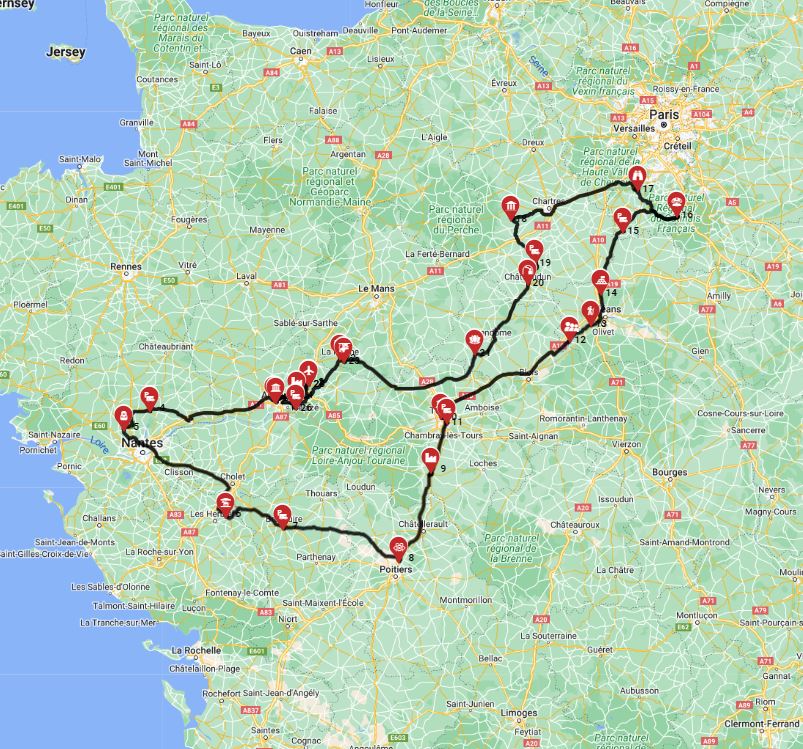
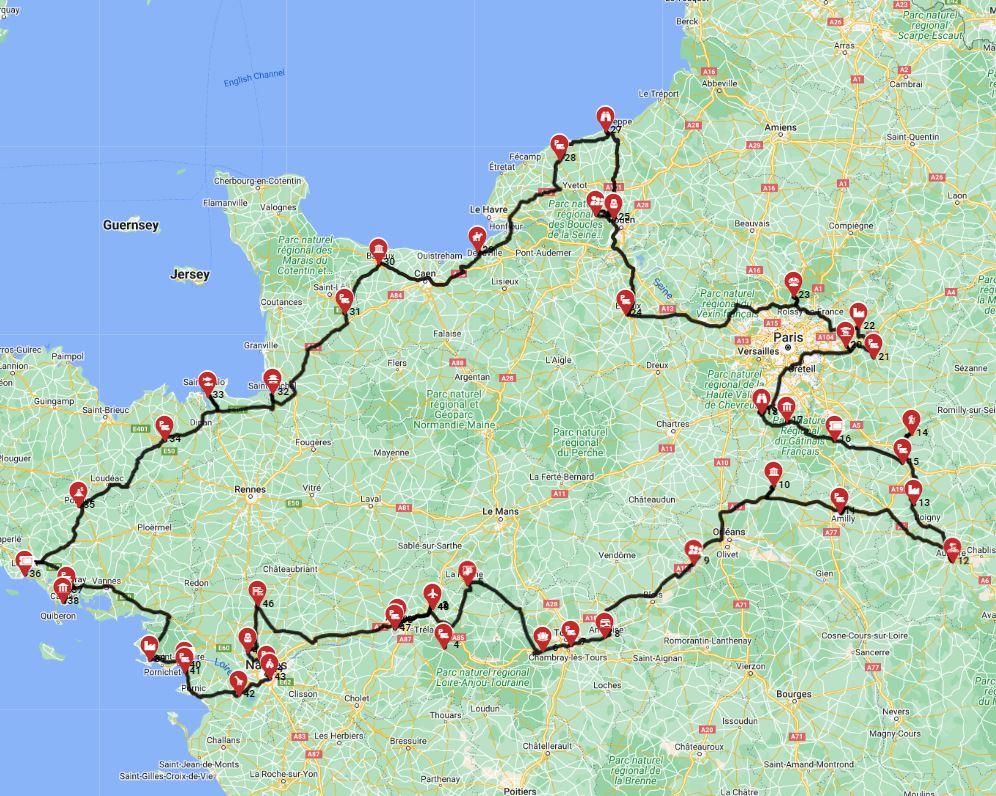
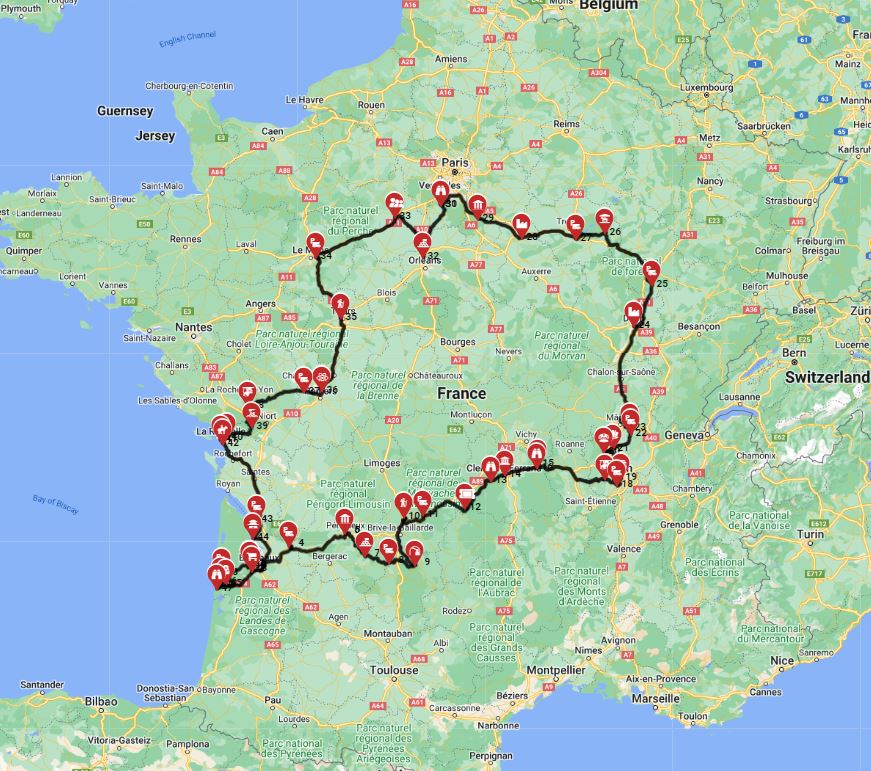
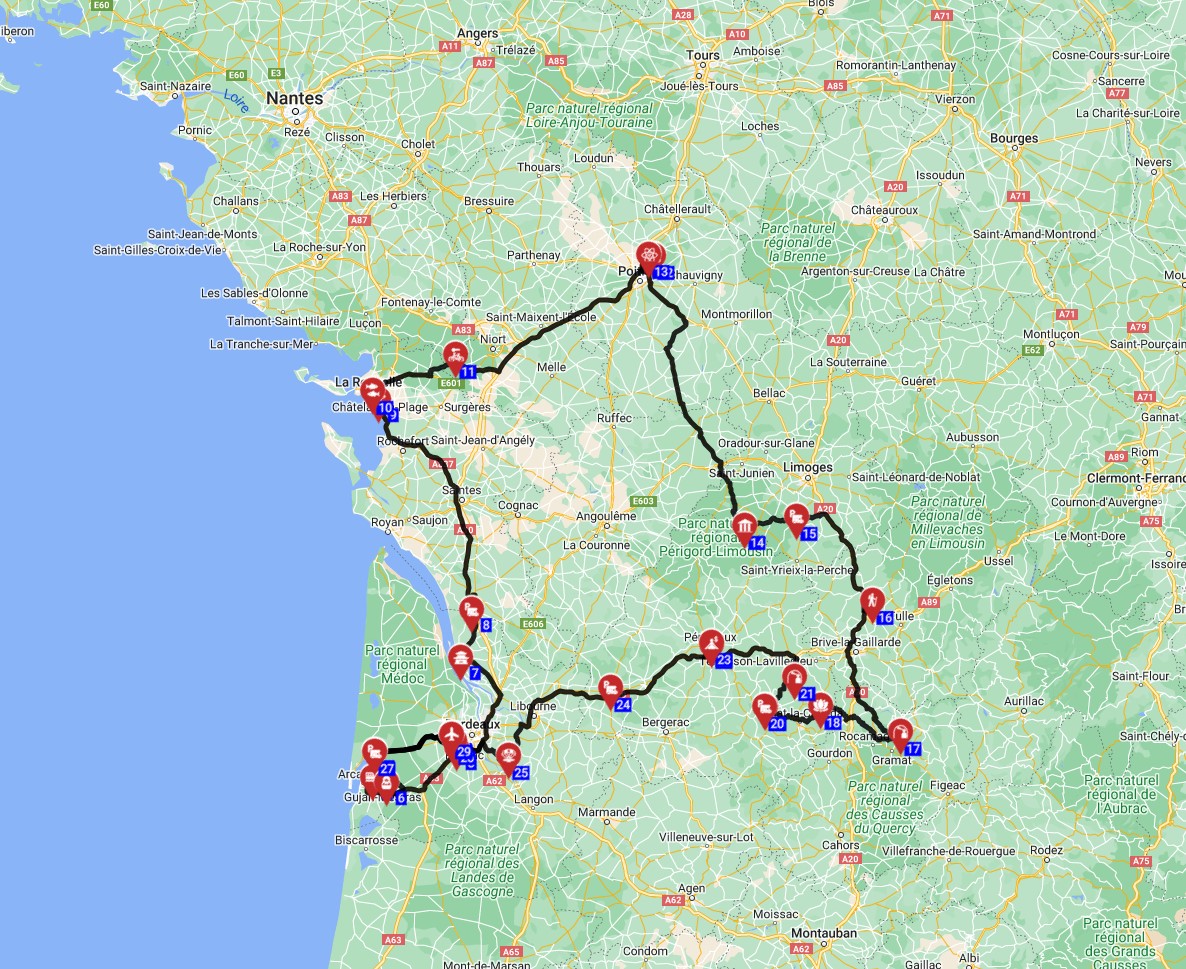
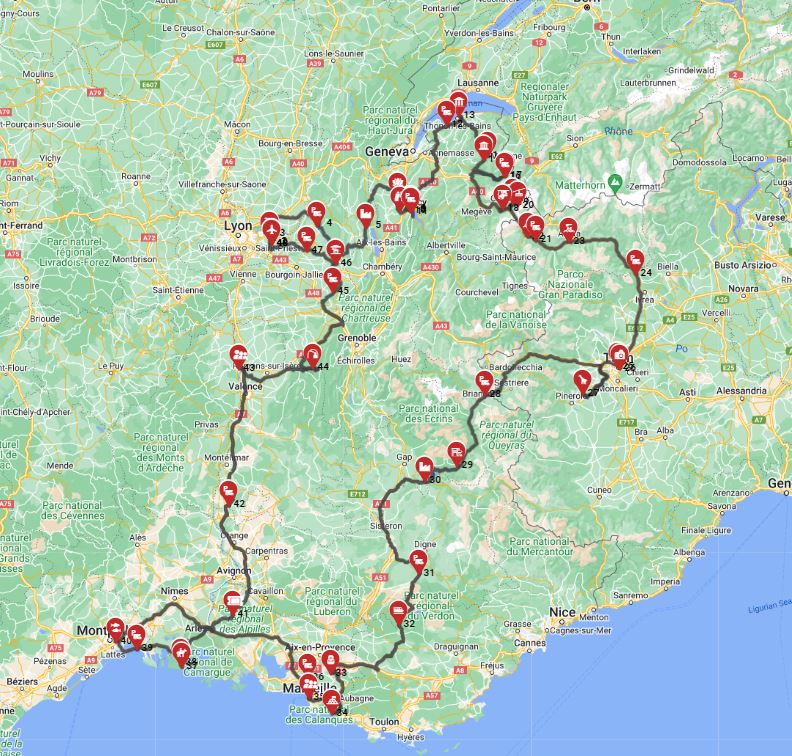
On the routes offered through RV PLANET routes, you can itemize and track every expense along the way for easy budgeting.