In This Guide
- Can You Drive an RV in Catalonia? License & Age Rules
- Road Conditions & Terrain in Catalonia
- RV Size Limits, Bridges & Restricted Zones
- Fuel: Diesel vs. Petrol & Cost per 100 km
- Tolls, Vignettes & Border Rules
- Driving Tips for family rv rental Travelers
- Recommended RV Class for Catalonia Roads
- Should I Choose a Compact Van Instead of a Large RV in Catalonia?
- Can I Park Anywhere? Free & Wild Camping Rules in Catalonia
- Can I Drive an RV Into the City Center? Heights, Tunnels & Local Signage
- What documents do I need to rent an RV in Spain?
- What is the best time of year to RV in Catalonia?
- Where are the best places to take an RV in Catalonia?
- Is Catalonia RV friendly?
- How much does it cost to rent an RV in Catalonia?
- What is the average cost of a campsite in Catalonia?
- How do I plan an RV trip through Catalonia?
- Are RV hookups common in Catalonia?
- What unique cultural experiences can I have in a Catalonia RV trip?
- How can I RV responsibly in Catalonia?
Embarking on a family RV driving adventure in Catalonia promises an unforgettable journey through stunning landscapes, vibrant cities, and rich culture. With a rented motorhome, you have the flexibility to explore the region's diverse offerings at your own pace, whether that's the sun-drenched Costa Brava coastline, the majestic peaks of the Pyrenees, or the historic streets of Girona and Tarragona. For live availability and current prices, start with our RV Rental Catalonia - Complete Guide 2026 guide. Bandana Caravan has been helping tens of thousands of travelers explore the world by RV since 2001, providing clear information and full transparency every step of the way.
Can You Drive an RV in Catalonia? License & Age Rules
Yes, you can absolutely drive a rented RV in Catalonia, and most family-friendly motorhomes fall within standard licensing requirements.
A standard B driving license is sufficient for driving RVs up to 3,500 kg, which covers the majority of campervans and semi-integrated models like a "Category Small AT" which is an automatic transmission Class SI Semi-integrated model. For larger motorhomes between 3,501 kg and 7,500 kg, a C1 license (or its equivalent from your home country) is mandatory, though such large vehicles are less common for family rentals. Drivers typically need to be at least 21 years old and possess 2+ years of driving experience, with no young driver surcharges or vehicle class restrictions based on age when renting with Bandana Caravan. Non-EU citizens are generally advised to obtain an International Driving Permit (IDP) in addition to their valid national license to ensure legal compliance when driving in Catalonia, though it's not always strictly enforced for short-term visitors.
Before you hit the road, ensure all drivers are registered on the rental agreement and understand the specific licensing requirements for their chosen vehicle, especially if considering a larger Class A or Class C motorhome like the "MHC24" (a Class C Alcove motorhome with an approximate length of 7.3 meters).
Road Conditions & Terrain in Catalonia
Catalonia boasts generally well-maintained road conditions, offering smooth travel on main highways and diverse terrain ranging from flat coastal routes to winding mountain passes in the Pyrenees.
Main highways (autopistas) such as the AP-7 are excellent, providing efficient travel between major cities like Barcelona, Girona, and Tarragona. Coastal roads along the Costa Brava, like the C-31 and GI-682, offer breathtaking scenic views but can be narrow, winding, and feature numerous curves, requiring a slower, more deliberate pace in a rented RV. Driving into the majestic Pyrenees, for instance, on routes like the N-260, requires careful navigation due to steeper gradients, tight turns, and sometimes snow or ice in winter months. Rural roads leading to smaller charming villages might be unpaved or less maintained; therefore, it is generally advisable for family RV travelers to stick to primary routes for optimal comfort and safety. Always plan your route using up-to-date GPS information, ideally with RV-specific settings, to avoid any unexpected surprises.
RV Size Limits, Bridges & Restricted Zones
While most major roads in Catalonia accommodate various RV sizes, drivers should be mindful of specific height and weight restrictions in urban areas, some tunnels, and environmental protection zones.
Larger motorhomes, such as a "Denali Searcher 30 - Gold" (a Class C Alcove motorhome), should always watch for height limits, which commonly range from 3.5m to 4.0m, especially when approaching underground car parks, navigating older town centers, or entering tunnels on coastal roads like those near Tossa de Mar. While weight limits are rarely an issue on primary routes, smaller, older bridges in very rural areas or national parks might have restrictions. Major Catalan cities like Barcelona and Girona operate Low Emission Zones (ZBE – Zona de Bajas Emisiones) that restrict vehicle access based on emission standards, typically on weekdays. It is essential to check if your rented RV complies with these regulations or if you need to register it in advance to avoid fines. Always pay close attention to local signage, which provides crucial information on vehicle restrictions, especially in historic town centers or protected natural areas like the Cap de Creus Natural Park.
Fuel: Diesel vs. Petrol & Cost per 100 km
Most rented RVs in Catalonia primarily use diesel fuel, which is readily available at numerous service stations across the region, with the cost per 100 km varying by vehicle size and current fuel prices.
Diesel (Gasóleo A) is the predominant fuel type for Bandana's motorhome fleet in Catalonia, ensuring travelers have easy access at almost all gas stations, whether on major highways or in smaller towns. Based on an estimated diesel price of €1.70/liter, typical fuel costs per 100 km are as follows: a Class B campervan, like an "Active Compact Select" (a compact SI Semi-integrated model), might cost €13.60 - €18.70 (8-11 liters/100 km); a Class SI (Semi-integrated) or Class A (Integrated) motorhome, such as a "Comfort Luxury", may incur €13.60 - €20.40 (8-12 liters/100 km); and a larger Class C (Alcove) model, for example, a "Family Sleeper (FS)" which can sleep up to 8 people, could range from €18.70 - €22.10 (11-13 liters/100 km). When planning your RV PLANET routes, you can itemize and track every expense, including fuel, along the way for easy budgeting, ensuring full transparency in your trip costs. Always double-check the fuel type clearly indicated on your rental vehicle before refueling to avoid costly errors. On the routes offered through RV PLANET routes, you can itemize and track every expense along the way for easy budgeting.
Tolls, Vignettes & Border Rules
Catalonia primarily utilizes an electronic toll system on its major highways, does not operate a vignette system, and has open borders within the Schengen Area for seamless travel to neighboring countries.
Many significant highways in Catalonia, such as the AP-7 (which runs along the coast from France to Valencia) and the C-32, operate on a toll (peaje) system. These tolls are conveniently payable by cash, credit card, or via an electronic transponder system called Via-T, which allows for automatic payment at toll booths and helps prevent long queues. Spain does not use a vignette system, unlike some other European countries, meaning you pay directly for the sections of toll road you use rather than purchasing a time-based sticker. For example, if you plan a longer trip, you might find our One-Way RV Rental in Catalonia - Price Guide 2026 helpful. Traveling to neighboring countries such as France or Andorra is straightforward within the Schengen Zone, involving no border checks, but be aware that those countries will have their own distinct road rules and potentially different toll systems (e.g., France uses a similar peaje system). Some motorhome rental providers may offer the option to pre-purchase or rent a Via-T electronic toll pass, which can significantly save time and help avoid potential fines for missed payments, especially for first-time visitors.
Driving Tips for family rv rental Travelers
Successfully navigating Catalonia in a rented family RV requires careful planning for breaks, budgeting for tolls, and mindful driving to accommodate the region's varied terrain.
Travel slowly, max 100-150 km per day on average, to truly take time to feel the place, connect to the culture, the food, and the scenery with your family. Plan frequent stops, ideally every 2-3 hours, to allow children to stretch their legs, enjoy playgrounds, or take in scenic viewpoints along your chosen route. Utilizing GPS systems with RV-specific settings can be invaluable for avoiding unexpectedly narrow roads or low bridges, especially in older towns and rural areas near places like Montblanc or Besalú. Be prepared for winding roads in mountainous regions like the Pyrenees or along the Costa Brava; reduce your speed significantly and ensure all items inside the rented motorhome are securely stowed before setting off. Familiarize yourself with basic Catalan or Spanish road signs and common phrases, particularly for fuel stations ("gasolinera") or general inquiries, which can enhance your travel experience. Remember, Bandana RV provides full transparency on all rental costs, so there are no hidden fees or surprises after booking.
🎬 Video coming soon
Recommended RV Class for Catalonia Roads
For a comfortable and maneuverable family RV adventure in Catalonia, Class SI (Semi-integrated) and Class C (Alcove) motorhomes offer an excellent balance of living space and driving ease on diverse road conditions.
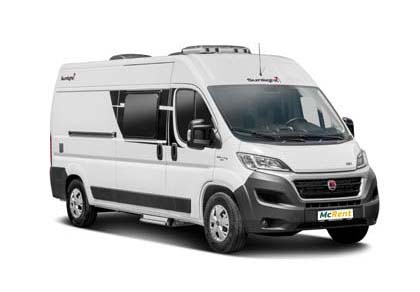
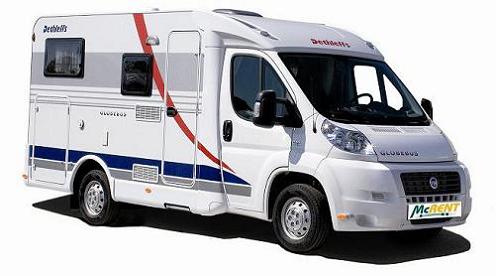
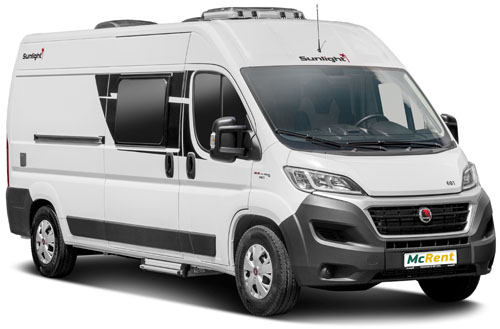
Class SI (Semi-integrated) RVs, averaging around 7.3 meters in length and comfortably sleeping 3-4 adults, provide ample living space and storage while remaining manageable on main roads and in most villages. These models, like a "K2D" (a Class SI Semi-integrated model with a length of 6.99 meters, sleeping 3), strike a great balance. Class C (Alcove) RVs, typically averaging 7.2 meters and capable of sleeping up to 6 people, are ideal for larger families, offering generous overhead sleeping areas and robust features for longer trips, such as a "Benimar Sport 323" (a Class C Alcove motorhome). Class B (Camper Vans), averaging 6 meters in length and often described as an "Active Classic", are highly agile and perfect for couples or small families prioritizing urban access and tighter parking, making them perfect for exploring areas like Barcelona's Gràcia district, provided you follow local parking regulations. Class A (Integrated) RVs, also averaging around 7.3 meters, offer the most spacious and luxurious experience, suited for families desiring premium comfort on longer, scenic routes.
Should I Choose a Compact Van Instead of a Large RV in Catalonia?
While a compact van offers slightly more agility in very tight spots, a larger rented RV is often perfectly suitable for exploring Catalonia, with the added comfort and amenities typically outweighing minor maneuverability differences for family travelers.
Larger motorhomes like Class SI (Semi-integrated) or Class C (Alcove) models, typically around 7 to 7.5 meters in length, provide significantly more living space, dedicated sleeping areas, and abundant storage, which is highly beneficial for extended family trips with children. A compact campervan, such as a Class B model, definitely offers an advantage when navigating very narrow streets in historic town centers (e.g., the Gothic Quarter in Barcelona), accessing smaller, more secluded campsites, or seeking parking in bustling urban areas. However, for most of Catalonia's main roads and its numerous family-friendly campsites, even larger RVs are well-accommodated, making the trade-off of superior comfort, a full kitchen (check our RV-friendly recipes playlist for meal ideas!), and additional amenities a worthwhile consideration. Ultimately, the best choice depends on your family's travel style: maximum flexibility and city access with a compact campervan, or superior comfort and amenities with a larger motorhome for a more relaxed journey.
Can I Park Anywhere? Free & Wild Camping Rules in Catalonia
In Catalonia, wild camping ('acampar') is generally prohibited, but overnight parking ('pernoctar') in a self-contained rented RV is often permitted where general vehicle parking is allowed, provided specific rules are followed.
Catalonia, similar to the rest of Spain, distinguishes between 'pernoctar' (overnight parking without any camping activity) and 'acampar' (setting up a full camp). Wild camping, or 'acampar libre,' is largely prohibited, especially within protected natural parks like Aigüestortes i Estany de Sant Maurici National Park, coastal zones (e.g., along the Costa Brava), and many urban or residential areas. Local municipalities frequently enforce their own specific bans, so always look for signage. Overnight parking in a self-contained motorhome is often permitted where regular vehicles can park, as long as you do not deploy awnings, set out tables or chairs, or engage in any other camping activities beyond simply parking and sleeping inside your vehicle. It is crucial to consult local regulations and signage at your chosen location. For secure and legal overnight stays, travelers should prioritize designated RV parking areas ('áreas de autocaravanas') which often provide basic services like water and waste disposal, or official campsites. To simplify finding spots, we recommend using RV PLANET (rvplan.net) for finding campsites and campgrounds during your trip.
Can I Drive an RV Into the City Center? Heights, Tunnels & Local Signage
Driving a rented RV into most Catalan city centers is generally possible, but it requires careful attention to local regulations, particularly concerning height limits, environmental zones, and parking restrictions.
Major cities like Barcelona, for example, have Low Emission Zones (ZBE) that restrict access for vehicles based on their emission standards, typically active on weekdays. It is crucial to confirm your rental RV's compliance or plan your routes to bypass these zones. Always be vigilant for height limits, especially for underground parking garages and on some older, narrower city streets or tunnels, which may not accommodate larger motorhomes or campervans. For instance, a Class B campervan like the "V3" (length 6.36m) offers easier maneuverability than a larger Class C. Local signage is paramount: look for "residentes" (residents only) streets, "carga y descarga" (loading/unloading zones), and clear indications of vehicle restrictions before proceeding. Often, the most practical approach is to park your rented motorhome on the outskirts of cities in designated RV parking areas or campsites and then utilize Catalonia's efficient public transport system to explore historic centers, such as Barcelona's Barri Gòtic or Girona's Old Town, completely stress-free. Drive slowly and carefully, and you can drive almost anywhere without issues. No need to stress - just use common sense and pay attention.
What documents do I need to rent an RV in Spain?
To rent a motorhome in Catalonia, Spain, you will typically need a valid driving license, an International Driving Permit (if applicable), your passport or a valid ID, and a major credit card for the rental payment and security deposit.
A valid driving license appropriate for the RV's weight is mandatory; a standard B license is sufficient for most motorhomes up to 3,500 kg. Non-EU citizens are advised to carry an International Driving Permit (IDP) alongside their national driver's license, although it's not always legally required for short tourist stays, it provides an official translation. Your passport or a valid EU national identification card will be required for identity verification at the pickup counter. Finally, a major credit card in the main driver's name is essential for both the rental payment and the security deposit, which is standard practice across Bandana's network of over 50 leading RV suppliers worldwide, including El Monte and Apollo.
What is the best time of year to RV in Catalonia?
The best time of year to explore Catalonia by rented RV for balanced weather, fewer crowds, and a wide range of activities is generally during spring (April-May) and autumn (September-October).
Spring, from April to May, offers mild temperatures perfect for hiking in the Pyrenees and exploring blooming landscapes, with the added bonus of local cultural festivals like Sant Jordi (April 23rd) and Easter celebrations. Autumn, specifically September and October, provides comfortable weather ideal for exploring the Penedès wine region, enjoying coastal towns along the Costa Dorada, and participating in gastronomic events such as the 'Calçotadas' (seasonal onion feasts) in late winter and early spring. While summer (June-August) is popular for beach activities and brings vibrant festivals, it also means higher prices for rentals and campsites, and hotter temperatures, especially inland. Winter (November-March) can be quiet and beautiful, offering snow sports in the Pyrenees, but many coastal campsites may be closed, and temperatures will be significantly cooler.
Where are the best places to take an RV in Catalonia?
Catalonia offers a diverse array of RV-friendly destinations, from the stunning beaches of the Costa Brava and the majestic Pyrenees mountains to historic cities and renowned wine regions.
For coastal charm, explore picturesque towns like Cadaqués, Begur, and Tossa de Mar along the Costa Brava, where numerous campsites offer sea views and direct beach access. For mountain adventures, venture into the Pyrenees for exceptional hiking and breathtaking landscapes, with RV parks available near national parks like Aigüestortes i Estany de Sant Maurici. For a blend of culture and history, plan a route covering Barcelona (parking on the outskirts and using public transport is recommended), Girona (known for its medieval Jewish Quarter and vibrant riverfront houses), and Tarragona (home to impressive Roman ruins like the amphitheater and aqueduct). The Penedès Wine Region invites you to drive through sprawling vineyards, visit local wineries (bodegas), and enjoy wine tastings, with many offering dedicated RV parking or nearby campsites. The Delta de l'Ebre, a unique wetland ecosystem, is perfect for birdwatching, cycling, and savoring fresh seafood in a tranquil setting, providing a contrast to the bustling cities. You can find detailed route plans in our RV Travel Guide to Catalonia - Tips and Top Spots 2026.
Is Catalonia RV friendly?
Yes, Catalonia is generally very RV-friendly, featuring a good network of roads, numerous campsites, and diverse landscapes suitable for motorhome exploration, provided travelers are aware of specific local regulations.
The region has a well-developed infrastructure, including modern highways and well-maintained secondary roads that are suitable for most motorhome sizes, efficiently linking major attractions, towns, and natural parks. Catalonia offers a wide array of official campsites (campings) and designated motorhome service areas ('áreas de autocaravanas') that are well-equipped with essential hookups and services, including fresh water and waste disposal points. Crucially, travelers should familiarize themselves with specific rules regarding wild camping ('acampar'), urban Low Emission Zones (ZBE), and potential height or weight restrictions in older town centers. With proper planning, such as utilizing the 1,300+ pre-planned routes from RV PLANET (rvplan.net), and adherence to local laws, a rented RV provides an ideal way to explore Catalonia's vibrant cities, sun-kissed beaches, dramatic mountains, and rich cultural sites at your own pace, creating a truly authentic experience.
How much does it cost to rent an RV in Catalonia?
The cost to rent a motorhome in Catalonia typically ranges from €80 to €200+ per night, fluctuating significantly based on the RV class, rental season, duration of the trip, and included amenities.
Compact Class B Camper Vans are generally the most affordable option, while larger Class C Alcove, Class SI Semi-integrated, and luxurious Class A Integrated models are at the higher end of the price spectrum. For specific pricing, check out RV Rental in Catalonia - Prices and Best Deals 2026. Peak season, generally July-August and major holidays like Easter, will see significantly higher prices due to increased demand compared to the shoulder seasons (spring and autumn) or the low season (winter). Longer rental durations, such as a two-week adventure or an extended road trip, often qualify for lower daily rates, making them more cost-effective per day. Additional costs to factor into your total trip budget include optional insurance upgrades (like a top-level deductible reimbursement for peace of mind), fuel, campground fees, tolls, and optional extras like bedding, kitchen kits, or bike racks. Prices are dynamic like flight tickets- they change daily based on availability, seasonality, and supplier marketing decisions, with the final price set at actual booking time.
What is the average cost of a campsite in Catalonia?
The average cost of an official campsite in Catalonia for a family pitch with electricity typically ranges from €25 to €50 per night, varying significantly by location, season, and the range of facilities offered.
Coastal campsites, especially those near popular beaches such as Platja d'Aro or major tourist attractions like Barcelona, tend to be more expensive, particularly during the high season (July-August). Campsites nestled in the Pyrenees or those located in rural inland areas, for example near the Garrotxa Volcanic Zone, generally offer more budget-friendly rates. The nightly price usually includes a pitch suitable for your rented RV, hookups for electricity (often 10-16 Amps) and fresh water, and access to essential sanitary facilities like showers and toilets. Many campsites enhance their offerings with additional amenities such as swimming pools, restaurants, children's play areas, and entertainment programs, which can influence the price. Utilizing discount cards, such as ACSI, can often provide notable savings during off-peak periods. For finding available spots and understanding their costs, we recommend using RV PLANET (rvplan.net).
How do I plan an RV trip through Catalonia?
Planning a memorable RV trip through Catalonia involves outlining your desired itinerary, selecting the right rented RV, reserving accommodations, and understanding local driving regulations.
First, define your family's interests: do you want to focus on the beaches of the Costa Brava, the mountains of the Pyrenees, the cultural sites of Barcelona, or a mix of everything? This will shape your route and choice of destinations. Next, choose your RV, considering your family size and comfort needs; Bandana RV offers various options, from compact campervans to larger Class C motorhomes. Map out a flexible itinerary with key stops, allowing ample time for spontaneous discoveries and avoiding over-scheduling, especially with children. We always recommend slow travel, averaging max 100-150 km per day. It's crucial to secure campsite reservations in advance, particularly for peak season or popular locations, to guarantee a spot with necessary hookups. Finally, familiarize yourself with Catalonia's specific driving laws, toll roads, Low Emission Zones (ZBE), and regulations on overnight parking. For professional route planning, explore the RV PLANET routes, where you can also itemize and track every expense. Remember, we handle the details, you live the journey.
Are RV hookups common in Catalonia?
Yes, RV hookups are very common throughout Catalonia; almost all official campsites and designated motorhome service areas ('áreas de autocaravanas') provide essential facilities for your rented RV.
Most official campsites in Catalonia offer electrical hookups (EHU), typically ranging from 10 to 16 Amps, which is generally sufficient for charging batteries and running basic appliances in your motorhome. Fresh water taps are widely available at individual pitches or central points within campgrounds for convenient refilling of your RV's water tank. Greywater disposal points (for sink and shower water) and chemical toilet emptying facilities (for blackwater) are standard amenities at all regulated sites, ensuring responsible waste management. Additionally, many towns and cities, such as those along the Costa Daurada, offer free or low-cost 'áreas de autocaravanas' that provide basic service points for water, waste, and sometimes electricity, without offering full camping amenities. This extensive network makes extended week-long trips or longer adventures through Catalonia very practical and comfortable for family RV travelers.
What unique cultural experiences can I have in a Catalonia RV trip?
An RV trip through Catalonia offers unparalleled flexibility to immerse your family in unique cultural experiences, from traditional festivals and distinctive gastronomic delights to exploring ancient historical sites at your own pace.
Seek out local 'festes majors' (town festivals) in places like Vilanova i la Geltrú or Sitges to witness the awe-inspiring 'Castells' (human towers), participate in traditional 'Sardana' dancing, or enjoy vibrant local parades. Delight in Catalonia's rich gastronomy by sampling seasonal culinary traditions such as 'Calçotadas' (roasted spring onions served with romesco sauce), a lively outdoor feast typically held from January to April in areas like Valls. Enjoy fresh seafood along the coast or explore local markets in Girona or Reus for regional produce and delicacies. Follow the "Dalí Triangle" in your rented motorhome, visiting the Dalí Theatre-Museum in Figueres, his house in Portlligat (Cadaqués), and Gala's Castle in Púbol. Immerse yourselves in rural life by parking your RV near vineyards in the Penedès region for wine tastings (with a designated driver, of course!) or discover traditional Catalan crafts in charming inland villages. The flexibility of a rented RV allows you to linger longer in places that captivate your family, truly connecting to the culture and discovering authentic local life beyond typical tourist routes. For additional ideas, consider "Family RV Rental in Catalonia - Pricing Guide 2026" to plan your perfect cultural journey.
How can I RV responsibly in Catalonia?
RVing responsibly in Catalonia involves minimizing your environmental footprint and respecting local communities by adhering to regulations, managing waste correctly, and supporting local economies.
Always respect local wild camping rules by utilizing designated campsites or authorized 'áreas de autocaravanas' for overnight stays; avoid wild camping, especially in protected natural areas like the Aigüestortes i Estany de Sant Maurici National Park or along sensitive coastal areas. Properly manage your waste by disposing of grey and black water only at official service points and ensuring all rubbish is collected and placed in appropriate recycling bins. Minimize your impact on the environment by reducing noise, keeping your area tidy, and avoiding disturbance to local flora and fauna, particularly in sensitive ecosystems like the Delta de l'Ebre. Support local businesses by patronizing local shops, restaurants, and markets to contribute directly to the communities you visit, enriching their economies and your experience. Always drive consciously, adhering to speed limits, driving carefully on narrow roads, and being mindful of your vehicle's emissions, contributing to cleaner air for everyone. Bandana Caravan is committed to transparency and helping you plan a respectful and enjoyable trip.
What You Shouldn't Miss
- Explore the Dalí Triangle: Drive your rented motorhome through the eccentric world of Salvador Dalí, visiting his Theatre-Museum in Figueres, his house in Portlligat near Cadaqués, and Gala's Castle in Púbol. This unique artistic journey is a must for art lovers.
- Hike in Montserrat Mountain & Monastery: Park your RV near Monistrol de Montserrat and take the scenic cog-wheel train up to Montserrat Monastery. Explore the stunning natural park, its unique rock formations, and the spiritual site, enjoying incredible panoramic views of Catalonia.
- Discover Medieval Girona: Stroll through Girona's beautifully preserved Old Town, walk along the Onyar River with its colorful houses, and explore the ancient Jewish Quarter. This city is perfect for a day trip from your motorhome base.
- Relax on the Beaches of Costa Brava: Spend a day (or several!) enjoying the picturesque coves and sandy beaches of the Costa Brava. Locations like Calella de Palafrugell or Begur offer charming coastal towns with plenty of RV-friendly campsites nearby.
- Experience a Calçotada: If visiting in late winter or early spring, seek out a traditional Calçotada in the Tarragona region. This authentic Catalan gastronomic experience involves grilling sweet spring onions over an open flame and dipping them in romesco sauce.
- Looking for expert insights from Avi Bandana? Top 5 Adventures - recommendations from Avi Bandana
Final Thoughts
Exploring Catalonia in a rented family RV opens up a world of freedom and discovery, allowing you to craft a personalized adventure that perfectly suits your family's pace and interests. From navigating its well-maintained roads and managing tolls to understanding local parking nuances, planning your trip with Bandana Caravan ensures you're fully prepared.
Our commitment to full transparency, expert advice, and robust booking support means you can focus on making cherished memories. Remember, travel slowly, embrace the local culture, savor the food, and let the stunning Catalonian scenery unfold around you. The open road of Catalonia awaits your family's next great story!
Find Motorhome Rentals in Catalonia