In This Guide
- Where to Camp in North Canada - Top Options
- Campground Types in North Canada (National, Private, Wild)
- Featured RV Park or Campground in North Canada
- Hookups & Amenities - What to Expect
- Booking Windows & Reservations in North Canada
- Nearby Supermarkets & Resupply Points
- Best RV Class for Camping in North Canada
- How to Save on Campgrounds in North Canada
- What is the 3-3-3 rule for RV travel?
- Can you park up anywhere in an RV in Canada?
- What does FF mean in camping?
- Can a US citizen go camping in Canada?
- How much does it cost to park an RV in Canada?
- Do you need to book campsites in Canada?
- What is the best camping app for Canada?
- What You Shouldn't Miss
- Why Book with Bandana Caravan
- Final Thoughts
- Frequently Asked Questions
Exploring North Canada by family RV rental offers an unparalleled adventure through vast wilderness, majestic landscapes, and vibrant Indigenous cultures. Imagine waking up to the midnight sun in Yukon, spotting wildlife in the Northwest Territories, and experiencing the unique blend of rugged beauty and northern hospitality. At Bandana RV, we specialize in helping families like yours find the perfect motorhome or campervan for an unforgettable journey into Canada’s spectacular northern regions. For live availability and current prices, start with our RV Rental North Canada - Complete Guide 2026 guide.
Where to Camp in North Canada - Top Options
In North Canada, prime RV camping destinations include Yukon's Kluane National Park and Reserve, offering stunning glacial landscapes and abundant wildlife across its 21,980 square kilometers. The Northwest Territories' Nahanni National Park Reserve provides unique wilderness experiences, though access for full immersion often requires flight-ins due to its remote location. For accessible road-tripping, the Alaska Highway (Alcan) through Yukon provides numerous territorial campgrounds and private RV parks every 50-150 km. Consider areas around Whitehorse in Yukon and Yellowknife in the Northwest Territories as key hubs for accessing diverse northern camping opportunities; Whitehorse, for instance, has several RV parks within a 30-minute drive of the city center. Our RV Travel Guide to North Canada - Tips and Top Spots 2026 provides more specific camping location recommendations.
Campground Types in North Canada (National, Private, Wild)
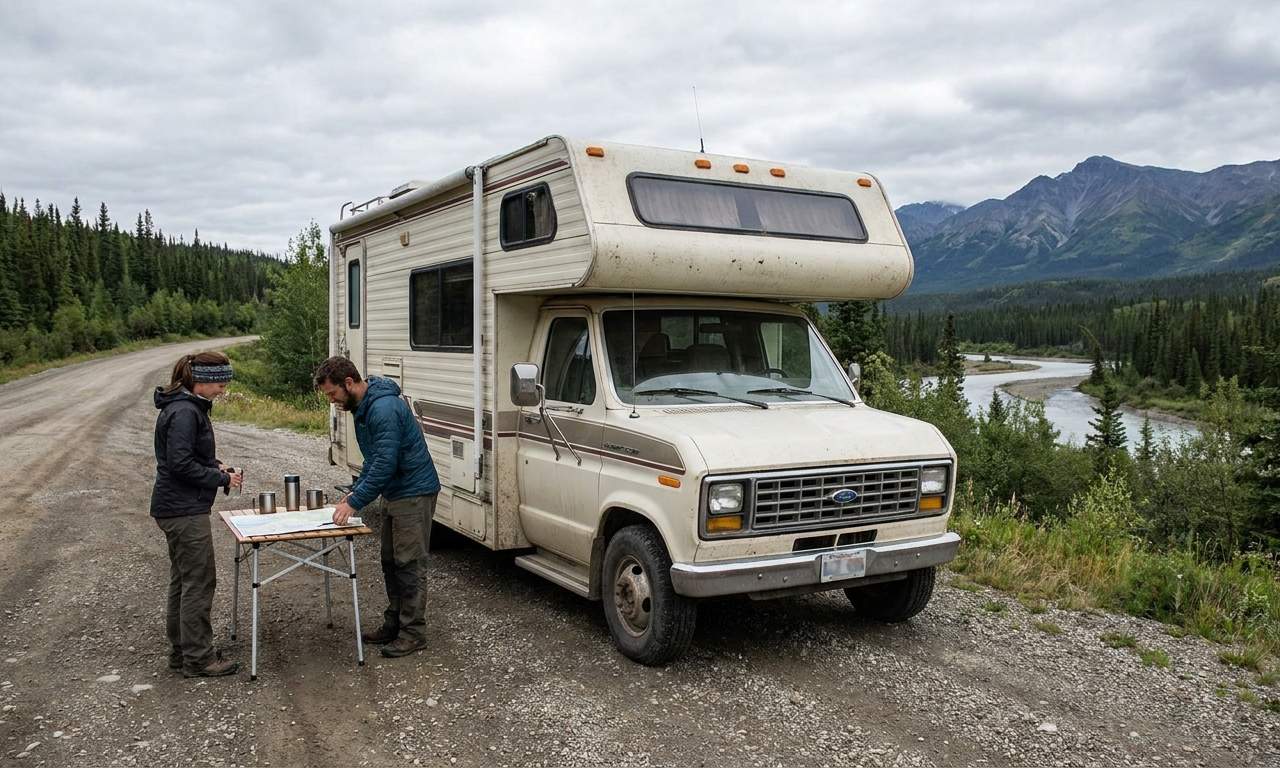
North Canada offers a mix of camping experiences: national park sites, territorial campgrounds (similar to provincial parks), private RV parks, and backcountry/wild camping. National parks like Kluane (Yukon) or Aulavik (NWT) provide well-maintained sites, often with basic amenities and access to interpretive programs, requiring reservations well in advance, especially for the peak summer months of July and August. Territorial campgrounds are prevalent along major routes, offering more rustic settings, usually with outhouses, fire pits, and sometimes potable water, often operating on a first-come, first-served basis, with fees typically ranging from CAD $15-30 per night. Private RV parks, primarily found in larger towns like Whitehorse or Yellowknife, offer full hookups (electricity, water, sewer), showers, laundry, and Wi-Fi, which can be essential for resupply and comfort, with prices usually between CAD $30-70+ per night. Wild camping, or boondocking, is generally tolerated on Crown Land (public land) in vast areas of the North, provided you respect 'leave no trace' principles and local regulations; however, limited cell service and extreme remoteness necessitate thorough preparation, including emergency communication (satellite phone) and robust vehicle readiness. Remember, Bandana focuses on providing you with the perfect rented motorhome or campervan, and for finding specific campsites and campgrounds during your trip, we recommend using RV PLANET (rvplan.net) - a great resource for locating available spots along your route.
Featured RV Park or Campground in North Canada
When selecting an RV park in North Canada, look for amenities that cater to the unique challenges of the region, such as reliable potable water, dump stations, and potentially even propane refills. A highly recommended type of facility would be a family-friendly RV park located near a major hub like Whitehorse, offering full hookups, Wi-Fi (though potentially slow), laundry facilities, and proximity to grocery stores and fuel. For instance, the Caribou RV Park just outside Whitehorse offers over 100 sites with 30-amp power and water connections. These parks often serve as excellent bases for exploring nearby attractions, provide a sense of community for travelers, and offer valuable local insights into road conditions and wildlife safety. Prioritize parks that emphasize bear-aware practices and provide secure food storage or disposal options, given Yukon's high concentration of bears. Our partners, such as El Monte and Cruise America, can provide vehicles suitable for these parks. On the routes offered through RV PLANET routes, you can itemize and track every expense along the way for easy budgeting.
Hookups & Amenities - What to Expect
In North Canada, what to expect for rented RV hookups and amenities varies significantly between urban centers and remote areas, with full hookups (electricity, water, sewer) more common in private RV parks near larger towns. Most RV parks and some territorial campgrounds offer 15, 30, or 50 amp electrical service (standard North American plugs), potable water connections, and dump stations, though these services are scarcer outside main settlements. Wi-Fi connectivity is often limited or slow, even in private parks, and largely nonexistent in territorial or national park campgrounds; satellite communication devices are highly recommended for emergency purposes in remote areas. Laundry facilities and showers are typically found only in private RV parks or municipal campgrounds in towns, while national and territorial campgrounds usually provide basic outhouses and require self-sufficiency for hygiene. Given the remote nature of many northern routes, plan for extended periods of boondocking or dry camping, ensuring your rented RV is well-equipped with sufficient battery power, water tanks, and waste capacity. To help manage your journey, consider our Family RV Rental in North Canada - Pricing Guide 2026 which details various options.
🎬 Video coming soon
Booking Windows & Reservations in North Canada
For popular campgrounds in North Canada, particularly those within national parks or desirable territorial sites, reservations are highly recommended, especially if traveling during peak season (June-August). Many national park campgrounds release only a portion (typically 25%-30%) of their sites for advance reservations, with the remainder available on a first-come, first-served basis. Spontaneous travelers can often find a place to stay, but it may require flexibility to try a second or third campground if the first is full; calling ahead before driving long distances is a wise strategy, especially in remote regions with limited options. While booking ahead offers peace of mind, the sheer vastness of North Canada means you will almost certainly find a spot. If not at the first campground, then the next one. Just call ahead before driving. For family RV rentals, planning key stops ensures amenities and activities align with family needs, though spontaneity can lead to discovery. For last-minute trips, consult "RV Rental Deals in North Canada - Latest Offers 2026".
Nearby Supermarkets & Resupply Points
For RV travelers in North Canada, major resupply points are primarily concentrated in key hubs like Whitehorse (Yukon), Yellowknife (Northwest Territories), and Dawson City (Yukon). Look for chains such as Your Independent Grocer (Loblaws affiliation) or smaller local grocery stores in larger communities along your route. Fuel availability outside these hubs can be sporadic, with gas stations sometimes hundreds of kilometers apart on remote highways like the Dempster Highway or sections of the Alaska Highway; always top up your tank whenever possible. Prices for groceries and fuel are significantly higher in the North due to transportation costs, so budgeting for these increased expenses is crucial for a family RV trip. Consider stocking up on non-perishable items before venturing into truly remote areas, as selection can be limited and fresh produce scarce or expensive. For managing all your trip expenses, from fuel to groceries and campground fees, RV PLANET routes allow you to itemize and track every cost along the way for easy budgeting.
Best RV Class for Camping in North Canada
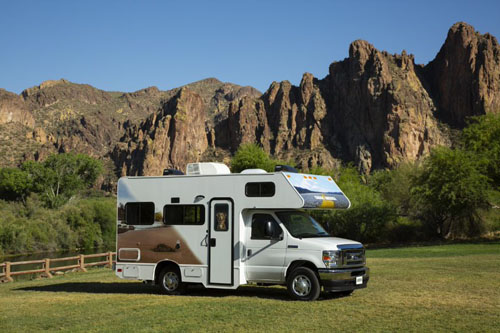
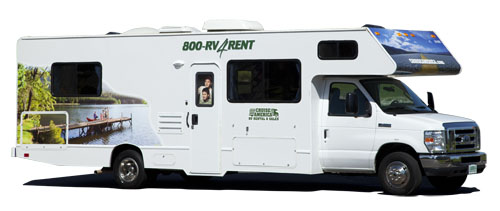
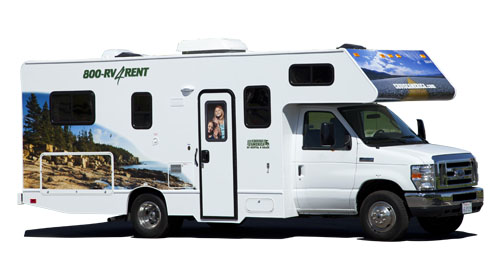
For a family RV rental experience in North Canada, Class C Alcove RVs and Class B Camper Vans are generally among the best choices, balancing comfort, maneuverability, and suitability for varying road conditions. Class C Alcove RVs, like a "cruise america rv rental example Explorer" averaging 7.1 meters in length, sleeping 4 people with a 75-liter fuel tank, and consuming around 11 Liters/100 km, offer ample space for families and provide comfortable amenities for extended stays. These Class C units typically consume 10-12 Liters/100 km, a reasonable efficiency given their size, making them suitable for covering long distances, and their robust build often handles unpaved sections better than larger Class A vehicles. Alternatively, Class B Camper Vans, averaging 5-6 meters in length and often sleeping 2-4 people, are excellent for their agility, fuel efficiency (around 8-10 Liters/100 km), and easier navigation on narrower or gravel roads. While Class B vans offer less living space, their compact size allows for more adventurous routes, easier parking in towns, and greater flexibility for boondocking in more secluded spots, making them ideal for smaller families seeking a rugged experience with less overhead. Drive slowly and carefully, and you can drive almost anywhere without issues. No need to stress - just use common sense and pay attention, even with larger rented RVs.
How to Save on Campgrounds in North Canada
To save on campground costs in North Canada, consider utilizing campground discount cards, which are often offered by RV rental suppliers, potentially providing savings on daily rates of 10-15%. Traveling during the shoulder seasons (late May-early June or September) can also yield lower rates and fewer crowds, although this requires careful planning around northern weather conditions, as some facilities may close. Opt for municipal or territorial campgrounds over private RV resorts where possible, as they generally offer more basic amenities at a lower price point, typically CAD $15-30 per night compared to $30-70+. Many campgrounds offer weekly or monthly rates that provide a discount for stays of three nights or more, making longer stops a cost-effective option for families. Embrace boondocking or wild camping on public lands when safe and permitted, as this eliminates nightly fees entirely, though it requires greater self-sufficiency and preparation for remote conditions. For more detailed pricing insights, refer to our "RV Rental in North Canada - Prices and Best Deals 2026" guide.
What is the 3-3-3 rule for RV travel?
The 3-3-3 rule for RV travel, also sometimes referred to as the 3-300-3 rule, is a widely adopted guideline designed to make rented RV journeys safer and more enjoyable, particularly for families, by promoting realistic daily travel expectations. This rule suggests you should aim to drive no more than 300 miles (approximately 480 kilometers) per day to avoid driver fatigue and allow time for spontaneous stops. Furthermore, it recommends arriving at your destination campground by 3:00 PM, which provides ample daylight for setting up your RV, exploring the area, and settling in before dark. Finally, the rule advises staying for a minimum of 3 nights at each campsite to truly relax, immerse yourselves in the location, and avoid the constant rush of packing and unpacking, which is especially beneficial for families. At Bandana, we recommend even slower travel, aiming for a maximum of 100-150 km per day on average, to truly connect to the culture, the food, and the scenery.
Can you park up anywhere in an RV in Canada?
No, you cannot generally park a rented RV anywhere in Canada; while boondocking or wild camping on Crown Land is permissible in many remote areas, specific regulations and restrictions apply, particularly in developed zones, national parks, and private properties. In North Canada's vast territories, boondocking on Crown Land is more feasible than in southern provinces, but it requires diligent research into local bylaws and respect for private property and Indigenous lands. Overnight parking in urban areas, rest stops, or retail parking lots (like Walmart) is often subject to local municipal ordinances or property owner discretion, so always seek permission or look for signage. For safe and legal overnight stays, always prioritize designated campgrounds, whether they are national, territorial, or private, which provide amenities and security. When considering remote boondocking in the North, be acutely aware of limited cell service, the need for emergency communication (e.g., satellite phone), wildlife safety protocols (especially bear awareness), and ensuring your vehicle is equipped for self-sufficiency on potentially unpaved or isolated roads. For winter journeys, refer to our "Winter RV Driving in North Canada - Safety Guide 2026" for critical seasonal advice.
What does FF mean in camping?
In camping terminology, 'FF' typically stands for 'Full Hookups,' indicating that a campsite provides all three primary utility connections: electricity, water, and sewer. This type of site allows RVers to connect to a power pedestal (usually 15, 30, or 50 amp), a freshwater spigot for potable water, and a sewer drain for wastewater disposal. Full hookups are most commonly found in private RV parks and some larger, more developed municipal or provincial/territorial campgrounds. For families, full hookup sites offer maximum convenience and comfort, eliminating the need to conserve water, manage tank levels, or rely on external dump stations as frequently. In North Canada, while full hookups are available in major hubs, be prepared for more basic 'partial hookup' (electricity and water) or 'dry camping' (no hookups) sites when venturing into more remote territorial or national park campgrounds.
Can a US citizen go camping in Canada?
Yes, US citizens can go camping in Canada, provided they meet standard Canadian entry requirements for visitors, including holding a valid passport and potentially an Electronic Travel Authorization (eTA) if arriving by air (not typically needed for land crossings). When traveling by a rented RV, ensure you have all necessary vehicle documentation, including registration and proof of insurance, and be prepared for potential inspections at the border. There are no specific restrictions on camping for US citizens beyond general immigration and park regulations; you'll follow the same rules as Canadian residents regarding campsite bookings and permits. It's advisable to check the latest travel advisories and border crossing procedures for both Canada and the US before your trip, especially concerning any health or pandemic-related requirements that may be in effect in 2026. For Northern Canada, be aware that cell service can be spotty, so downloading offline maps and having a communication plan is crucial, especially for border regions. For broader travel insights, check our "RV Rental USA - Complete Guide 2026".
How much does it cost to park an RV in Canada?
The cost to park a rented RV in Canada varies significantly, ranging from free for approved wild camping on Crown Land to CAD $30-70+ per night for private RV parks with full hookups, with prices generally higher in North Canada due to remoteness. Territorial and national park campgrounds in North Canada typically range from CAD $15-40 per night for basic sites, with national parks sometimes requiring an additional park entry fee of around CAD $10-20 per day. These prices are influenced by the level of amenities (e.g., hookups, showers, Wi-Fi), location (urban vs. remote, popularity), and seasonality (peak summer months are most expensive). Beyond nightly fees, budget for significantly higher fuel prices in North Canada due to remote locations and transportation costs; a Class C Alcove RV on a long Northern journey will incur substantial fuel expenses, potentially 30-50% higher than southern averages. Factor in other potential costs such as propane refills (CAD $20-40), dump station fees (CAD $5-15, if not on a full hookup site), and resupply costs, which are also elevated in northern communities. Our "RV Rental in North Canada for Couples - Pricing 2026" guide offers more detailed budget planning.
Do you need to book campsites in Canada?
While not always strictly necessary in all of Canada, booking campsites is highly recommended, especially when traveling during peak season (July and August), to secure your preferred location and avoid disappointment. In popular national parks and provincial/territorial parks, many sites can be reserved online months in advance and often fill up quickly, particularly for weekends and holidays. For those traveling to North Canada, particularly during the brief summer window, booking at least your initial and key hub campsites (like in Whitehorse or Yellowknife) is a good strategy, as options become fewer in more remote areas. However, many territorial campgrounds and some private parks, especially off the main tourist routes, operate on a first-come, first-served basis, offering flexibility for spontaneous travelers. Given the vast distances and limited services in North Canada, calling ahead to confirm availability before driving to a remote campground without a reservation is always a prudent step. Remember, you'll find a spot. If not at the first campground, then the next one.
What is the best camping app for Canada?
For RV camping in Canada, several apps are highly regarded for helping find campsites and amenities, though their utility can be limited by the often-sparse cell service in North Canada. Apps like 'iOverlander' are excellent for finding both established campgrounds and potential boondocking spots, often with user-generated reviews and information on amenities like water and dump stations. 'RV Parky' and 'Campendium' are also popular choices that list thousands of campgrounds across North America, including many in Canada, with filters for hookups, pet-friendliness, and ratings. For national and provincial/territorial parks, directly using the official Parks Canada website or provincial/territorial park reservation systems (which may have associated apps) is essential for booking, as these systems often manage 70-75% of reservable sites. CRITICAL for North Canada: Due to unreliable cell service, download offline maps (e.g., Google Maps, Maps.me, or Gaia GPS) and campground information from your chosen app *before* leaving areas with connectivity; relying solely on live data is not feasible for much of the Northern journey.
What You Shouldn't Miss
- **Driving the Dempster Highway:** Experience Canada's only public road to the Arctic Ocean. This 737 km gravel highway offers an epic journey into the true wilderness of Yukon and Northwest Territories.
- **Kluane National Park and Reserve:** Explore glacial peaks, vast icefields, and diverse wildlife including grizzlies and Dall sheep in this UNESCO World Heritage Site in Yukon. Hike the King's Throne Trail for breathtaking views.
- **Whitehorse, Yukon:** Discover the "Wilderness City" with its vibrant arts scene, historical sites like the SS Klondike, and easy access to outdoor activities. It's a key hub for supplies and services.
- **Takhini Hot Springs:** Relax in these natural mineral hot springs near Whitehorse, especially refreshing after a day of northern exploration.
- **Nahanni National Park Reserve:** While often requiring fly-in access, even viewing parts of this stunning park from the air or experiencing its fringes offers a glimpse of its deep canyons and grand waterfalls.
Looking for expert insights from Avi Bandana? Top 5 Adventures - recommendations from Avi Bandana
Final Thoughts
Embarking on a family RV camping adventure in North Canada is truly a bucket-list experience, offering freedom, discovery, and unparalleled connections with nature. Whether you're navigating the historic Alaska Highway or exploring the remote beauty of Kluane National Park, a rented motorhome or campervan provides the flexibility and comfort you need. Remember to travel slowly, max 100-150 km per day on average. Take time to feel the place, connect to the culture, the food, and the scenery. With proper planning, a good understanding of local conditions, and a reliable rented vehicle, your family is set for memories that will last a lifetime.
We're here to support you every step of the way, from comparing prices and booking your ideal campervan to ensuring you have all the information for a smooth journey. Discover top destinations and planning tips, all in one place, and plan a trip itinerary in advance with minimal effort and maximum enjoyment. Get inspired for your next trip!
Compare Family RV Rental Prices for North Canada now and start planning your incredible journey into the Great White North!