In This Guide
- Where to Camp in Chile - Top Options
- Campground Types in Chile (National, Private, Wild)
- Featured RV Park or Campground in Chile
- Hookups & Amenities - What to Expect
- Booking Windows & Reservations in Chile
- Nearby Supermarkets & Resupply Points
- Best RV Class for Camping in Chile
- How to Save on Campgrounds in Chile
- What is the detailed cost breakdown for an RV trip in Chile?
- What is internet and cell service like for RV travel in Chile?
- What are the best RV routes in Chile (outside Patagonia)?
- What are the logistics for water, dump stations, and fuel in remote parts of Chile?
- What are the safety tips for RV camping in remote Chilean regions?
- How do you cross the Argentina-Chile border with a rental RV?
- How can families experience local culture during an RV trip in Chile?
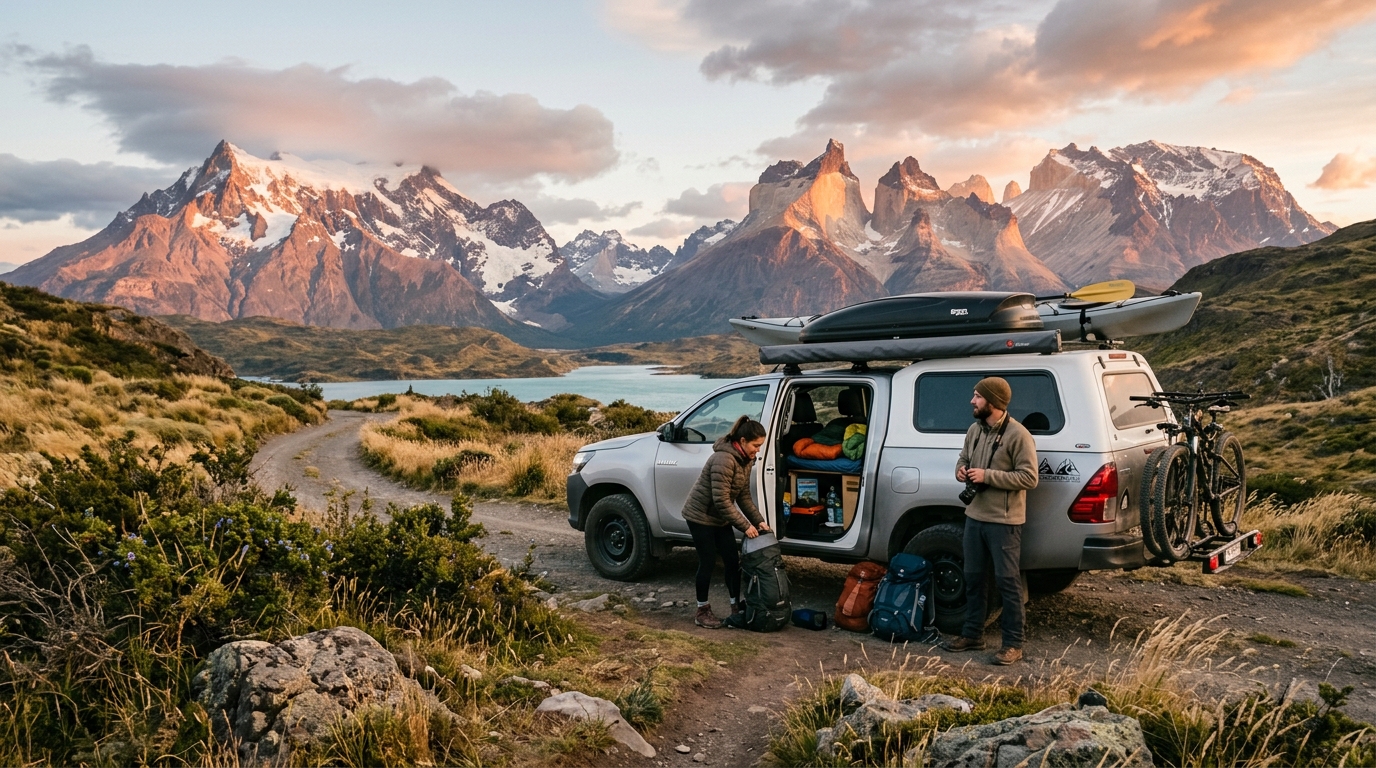
Imagine your family waking up to the majestic peaks of the Andes, the tranquil sounds of a Patagonian lake, or the otherworldly expanse of the Atacama Desert, all from the comfort of your rented motorhome. Family RV camping in Chile offers an unparalleled adventure, combining the freedom of the open road with the convenience of a mobile home base. Chile, with its incredible geographical diversity stretching over 4,300 kilometers, is a dream destination for an extended road trip. It's a journey of discovery for every family member, promising breathtaking landscapes, unique wildlife, and unforgettable cultural encounters. For live availability and current prices, start with our RV Rental Chile - Complete Guide 2026 guide, where you'll find everything you need to plan your ultimate Chilean adventure.
Where to Camp in Chile - Top Options
Families renting an RV in Chile can explore diverse regions like the rugged beauty of Patagonia, the scenic Lake District, or the unique landscapes of the Atacama Desert, offering varied camping experiences. Specific areas popular for RV camping include Torres del Paine National Park in the far south, known for its iconic granite towers and glaciers, Vicente Pérez Rosales National Park near Puerto Varas, famous for its emerald lakes and volcanoes, and the mystical Elqui Valley in the north-central region, perfect for stargazing. When planning your route, consider regional hubs like Puerto Natales for Patagonia, Puerto Varas for the Lake District, and San Pedro de Atacama for the desert, as these offer great starting points for exploring local campgrounds and city amenities. Remember to plan slowly, aiming for a maximum of 100-150 km per day on average, allowing your family to truly absorb each incredible destination.
Top Cities for RV Rental in Chile
- Santiago: As the capital and largest city, Santiago and Santiago - Airport are primary pickup locations, offering access to the Central Valley, wine regions, and coastal towns like Valparaíso.
- Puerto Montt: The gateway to the stunning Lake District, perfect for exploring national parks and scenic drives.
- Punta Arenas: A key starting point for an unforgettable Patagonian adventure, including trips to Torres del Paine.
- Calama - Airport: Your entry to the vast and dramatic Atacama Desert, with its unique landscapes and clear night skies.
- Arica: Located in the very north, offering access to coastal desert landscapes and indigenous cultures.
Campground Types in Chile (National, Private, Wild)
Chile offers three primary types of RV camping: CONAF (National Park) campgrounds, private campgrounds, and wild camping (or 'freedom camping'). CONAF campgrounds provide basic amenities within stunning natural settings, often requiring reservations, especially during peak season (December to February). These sites immerse you in Chile's pristine wilderness, sometimes with pit toilets and cold showers, but always with unparalleled views. Private campgrounds, found in or near towns and popular tourist areas, typically offer more amenities like full hookups (electricity, water, sewer), hot showers, and sometimes Wi-Fi, varying greatly in price and comfort. For those seeking true adventure, wild camping, while not always explicitly legal, is generally tolerated in remote areas where no signs prohibit it; however, always prioritize safety, respect private property, and leave no trace of your visit to preserve Chile's natural beauty. A rented campervan is perfect for more agile adventures into these remote spots.
Featured RV Park or Campground in Chile
When planning a family RV trip in Chile, look for campgrounds that explicitly cater to families, offering amenities beyond basic hookups, to ensure everyone has a comfortable and enjoyable stay. A good featured RV park will often include playgrounds, shared BBQ areas, clean restroom facilities, and potentially organized activities for children. Prioritize locations that are safe, well-maintained, and provide easy access to local attractions suitable for all ages, such as hiking trails, lake access for swimming or kayaking, or nearby cultural sites. Camping Pehoe in Torres del Paine National Park, while offering basic facilities, is often a highlight due to its unparalleled scenic beauty and family-friendly hiking opportunities. Always call ahead to confirm available amenities and make reservations, especially during school holidays or the bustling high season. For finding campsites and campgrounds during your trip, we recommend using RV PLANET (rvplan.net) - a great resource for locating available spots along your route.
Hookups & Amenities - What to Expect
RV hookups in Chile vary significantly; while some private campgrounds offer full hookups (electricity, water, sewer), many national park sites, especially in remote areas, may only provide basic water access or none at all. Expect electrical hookups to typically be 220V with two-pin European-style outlets; an adapter for your RV might be necessary if your rented vehicle is from a different region. Dump stations can be scarce outside of major cities or larger private RV parks, especially in remote areas like parts of the Atacama Desert or Carretera Austral, requiring careful planning of water and waste management. Wi-Fi and laundry facilities are common in private campgrounds but rare in national parks; plan for limited connectivity and bring enough clothing or be prepared for handwashing. On the routes offered through RV PLANET routes, you can itemize and track every expense along the way for easy budgeting.
🎬 Video coming soon
Booking Windows & Reservations in Chile
For a family RV rental in Chile, pre-planners should book popular campgrounds, especially national park sites like those in Torres del Paine, several months in advance, particularly for the high season (December to February). However, many national park campgrounds release only 25%-30% of their spots for online reservations, leaving the majority available on a first-come, first-served basis, often requiring early arrival on the day. Spontaneous travelers can still find a place to stay, particularly outside peak season; if one campground is full, the next one along the route will likely have availability. It is always recommended to call ahead to campgrounds before driving long distances, especially with a family, to confirm availability and avoid disappointment. Flexibility with your itinerary can greatly increase your chances of finding a great spot.
Nearby Supermarkets & Resupply Points
Resupplying your family RV rental in Chile is straightforward in larger towns and cities, where major supermarket chains like Jumbo, Lider, and Santa Isabel are prevalent. These supermarkets offer a wide range of groceries, fresh produce, and other essentials, making them ideal for stocking up for several days or weeks. Don't forget that cooking meals in your motorhome is part of the adventure! For delicious and easy meal ideas, check out our RV-friendly recipes playlist. In more remote regions, look for smaller local "mercados" or "almacenes" for basic provisions, though selection may be limited and prices potentially higher. Always plan your resupply stops, especially when traveling through sparsely populated areas, to ensure you have enough food, water, and other necessities for your family. Planning your route with RV PLANET routes allows you to itemize and track every expense, including groceries, for easy budgeting.
Best RV Class for Camping in Chile
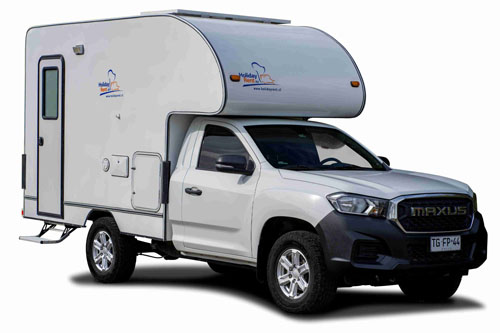
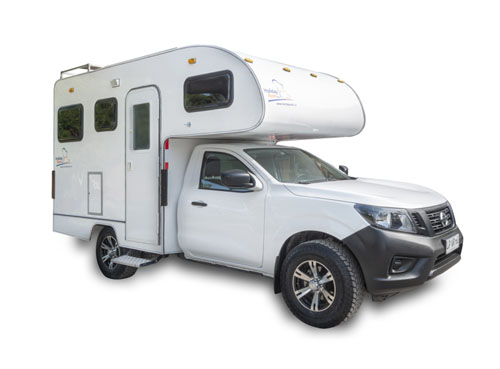
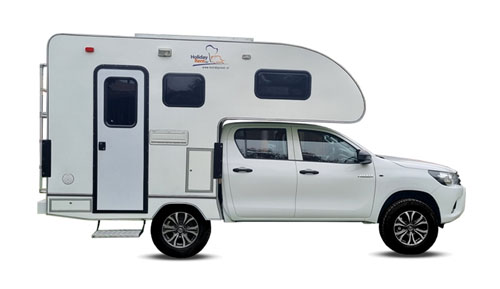
For family RV camping in Chile, the Class C - Alcove and Class SI - Semi-integrated RVs from Bandana's fleet are generally excellent choices, balancing space with maneuverability across Chile's varied terrain. Bandana's Class C - Alcove RVs typically measure around 7.5 meters in length, offering an average of 5.8 sleeping places and accommodating 4.4 adults, making them ideal for larger families seeking comfort and ample living space. For smaller families or those desiring slightly more agile travel, Bandana's Class SI - Semi-integrated RVs, averaging 6.9 meters in length, provide about 3.8 sleeping places and fit 3.4 adults. Both classes typically consume around 10-12 Liters/100 km, an important factor for budgeting fuel costs, especially when exploring more remote Chilean landscapes. Drive slowly and carefully, and you can drive almost anywhere without issues. No need to stress - just use common sense and pay attention, regardless of your chosen motorhome's size.
How to Save on Campgrounds in Chile
One of the most effective ways to save on campground fees for a family RV rental in Chile is to utilize any campground discount cards offered by your rental provider, such as those potentially provided by Bandana partners. Traveling during the shoulder season (spring or autumn) can significantly reduce campground costs and offer a more relaxed experience with fewer crowds. Opt for municipal or regional campgrounds over private resorts, as they often provide simpler amenities at a much lower price point, sometimes even free. Consider staying 3+ nights at a single location, as many campgrounds offer weekly rates that are more economical than nightly stays, maximizing value for extended family trips. Researching options on platforms like RV PLANET before your trip can also help you find the best deals, contributing to a "Cheap RV Rental in Chile - Budget Guide 2026" worthy adventure.
What is the detailed cost breakdown for an RV trip in Chile?
A detailed cost breakdown for a family RV trip in Chile typically includes rental fees, fuel, tolls, campground fees, activity costs, and a buffer for unexpected expenses. RV rental costs vary widely based on vehicle class (e.g., Bandana's Class C - Alcove and Class SI - Semi-integrated models generally consume 10-12 Liters/100 km), season, and rental duration, with prices being dynamic like flight tickets. For specific rates, comparing options through Bandana is essential to find the best deals for your "RV Rental in Chile - Prices and Best Deals 2026". Fuel is a significant expense; diesel is generally cheaper than gasoline, and prices can fluctuate and increase in remote regions. Budget for tolls on major highways, campground fees (ranging from basic national park sites at $5-$15 USD/night to full-service private parks at $20-$50 USD/night), and daily activity expenses like national park entry fees or guided tours. Always set aside a contingency fund (around 10-15% of your total budget) for unexpected costs such as minor repairs, additional supplies, or unforeseen detours. For those considering a "Luxury RV Rental in Chile - Premium Prices 2026", these costs will naturally be higher.
What is internet and cell service like for RV travel in Chile?
Internet and cell service connectivity for RV travel in Chile is generally reliable in urban centers and along major highways but becomes spotty to non-existent in remote regions. Purchasing a local SIM card from providers like Entel, Movistar, or Claro upon arrival is highly recommended for better coverage and more affordable data plans compared to international roaming. These can typically be purchased at airports or phone stores in major cities. Coverage can be particularly challenging in areas like the vast stretches of the Atacama Desert or certain parts of the Carretera Austral, making pre-downloaded maps and offline entertainment essential for families. For digital nomads or those requiring constant connectivity, consider investing in a portable Wi-Fi device or even satellite communication for critical areas, though these options add to trip costs. Always inform someone of your itinerary, especially when venturing into areas with limited service.
What are the best RV routes in Chile (outside Patagonia)?
Beyond Patagonia, families can explore Chile's diverse landscapes by RV, including the lunar-like Atacama Desert in the North, the fertile Central Valley's vineyards, and the stunning Lake District in the south-central region. The Atacama Desert offers unique astronomical tours and geological wonders like the Valley of the Moon, but be mindful of high altitudes which can cause sickness, especially for children; plan for gradual acclimatization. The Central Valley provides a milder climate, ideal for vineyard visits and exploring colonial towns, with generally easier road conditions for your rented motorhome. The Lake District, with its picturesque lakes, snow-capped volcanoes, and adventure sports like rafting, requires careful driving on its often winding roads but offers incredible scenery. Remember to travel slowly, max 100-150 km per day on average, to truly take time to feel the place, connect to the culture, the food, and the scenery, making it a rich "One-Way RV Rental in Chile - Price Guide 2026" worthy experience if you choose to pick up in one city and drop off in another.
What are the logistics for water, dump stations, and fuel in remote parts of Chile?
Logistics for water, dump stations, and fuel in remote Chilean areas, such as the Atacama Desert or specific Carretera Austral sections, require meticulous planning, as infrastructure can be extremely limited. In these regions, fuel stations can be hundreds of kilometers apart; always fill up your RV whenever possible, even if your tank isn't empty, to avoid running dry. Carrying extra potable water for drinking and cooking, along with non-potable water for washing, is crucial for family comfort and safety, especially in arid areas where natural water sources are scarce. Dump stations are rare outside of larger towns and private campgrounds; plan your itinerary around available facilities, or utilize designated wilderness areas responsibly for grey water disposal where permitted, and always pack out all solid waste to uphold environmental stewardship. Proactive planning ensures a smooth and stress-free adventure.
What are the safety tips for RV camping in remote Chilean regions?
Comprehensive safety for RV camping in remote Chilean regions involves more than just travel insurance, including awareness of wild camping safety, emergency services access, and theft prevention. For wild camping, choose visible, accessible spots, inform someone of your itinerary (especially if cell service is unreliable), and ensure your rented RV is securely locked, using additional locks if available to deter theft. Carry a well-stocked first-aid kit, a satellite communicator (e.g., satellite phone or SPOT device) for areas without cell service, and know local emergency numbers: 131 for ambulance, 132 for fire, and 133 for police. Be aware of specific regional challenges, such as altitude sickness in the Atacama; stay hydrated, ascend gradually, and be prepared to descend if symptoms worsen, especially with children. These practical steps ensure a safe and enjoyable family adventure in Chile.
How do you cross the Argentina-Chile border with a rental RV?
Crossing the Argentina-Chile border with a rental RV requires specific documentation and preparation to navigate the process smoothly and avoid delays. You'll need a special notarized authorization from your RV rental company, confirming you have permission to take the vehicle across international borders; this crucial document should be arranged well in advance (often 30 days or more) when booking. Ensure you have your passport, any required visas for both countries, the RV's registration papers, and international driving permits (IDP) if applicable, though a standard driver's license is sufficient for most rental motorhomes. Common challenges include varying border post hours, potential language barriers, and detailed inspections for fresh produce or certain goods; declare all items to avoid issues, and check current regulations before departure. Bandana, as true RV specialists, can guide you through these requirements during your booking process.
How can families experience local culture during an RV trip in Chile?
Families can deeply experience local Chilean culture during an RV trip by engaging respectfully with communities, seeking authentic food experiences, and discovering 'hidden gems' off main tourist routes. Visit local markets ('ferias') in towns like Puerto Varas or Santiago to buy fresh produce, local crafts, and interact with vendors, which is an excellent way to practice Spanish and immerse in daily life. Seek out 'picadas' or small, local eateries for authentic Chilean cuisine like empanadas, pastel de choclo, or curanto, which often offer a more genuine taste than tourist restaurants. Explore less-traveled roads to find small villages, artisan workshops, or local festivals that provide unique cultural insights and memorable family experiences, always asking permission before photographing people or private property. Remember, RV PLANET (rvplan.net) routes can sometimes highlight these hidden cultural stops and provide valuable local tips. An extended road trip through Chile allows you to discover these treasures at your family's own pace.
What You Shouldn't Miss
- Explore Torres del Paine National Park: Witness the iconic granite towers, glaciers, and diverse wildlife of Chilean Patagonia.
- Stargaze in Elqui Valley: Experience some of the clearest skies on Earth, ideal for astronomical observation, with family-friendly observatories.
- Discover the Atacama Desert: Marvel at the otherworldly landscapes, geysers, and salt flats of the world's driest non-polar desert.
- Relax in the Lake District: Enjoy the pristine lakes, volcanoes, and charming German-influenced towns of Puerto Varas and Frutillar.
- Drive a Section of the Carretera Austral: Experience one of the most scenic and adventurous roads on Earth, winding through remote forests, fjords, and glaciers.
- Indulge in Chilean Cuisine: Sample local delicacies like empanadas, "curanto" (traditional shellfish stew), and fresh seafood at local markets and "picadas" nationwide.
Looking for expert insights from Avi Bandana? Top 5 Adventures - recommendations from Avi Bandana.
Final Thoughts
A family RV trip through Chile is more than just a vacation; it's an immersive experience that creates lasting memories. From the desert landscapes of the Atacama to the wild beauty of Patagonia, traveling in a rented motorhome or campervan provides the freedom and flexibility to explore this incredible country at your own pace. With Bandana, you're supported every step of the way, from transparent pricing to expert planning resources.
We are passionate about helping you discover the joy of RV travel. Let us help you compare the best options and plan an unforgettable journey for your family. Get inspired for your next trip! Discover top destinations, planning tips, all in one place!
Ready to embark on your Chilean family adventure? Find family RV rentals in Chile and start comparing prices now!