In This Guide
- Where to Camp in Canada - Top Options
- Campground Types in Canada (National, Private, Wild)
- Featured RV Park or Campground in Canada
- Hookups & Amenities - What to Expect
- Booking Windows & Reservations in Canada
- Nearby Supermarkets & Resupply Points
- Best RV Class for Camping in Canada
- How to Save on Campgrounds in Canada
- How much does it cost to RV in Canada?
- Is it safe to RV in Canada?
- What are the rules for RVing in Canada?
- Can you wild camp in Canada?
- What is the best month to RV in Canada?
- Is RVing popular in Canada?
- Do I need a special license to drive an RV in Canada?
- Connectivity & Technology for RVers in Canada
- RVing with Pets and Accessibility in Canada
- Where to Rent a Family RV in Canada
Embarking on a family RV camping adventure in Canada offers unparalleled freedom and the chance to create lasting memories amidst stunning natural beauty. From the Pacific coast to the Atlantic shores, Canada's vast landscapes are perfectly suited for exploration in a rented motorhome or campervan. As true RV specialists, we at Bandana are dedicated to making your journey seamless, transparent, and unforgettable, supporting you every step of the way from comparison to booking and beyond. For live availability and current prices, start with our RV Rental Canada - Complete Guide 2026 guide.
🎬 Video coming soon
Where to Camp in Canada - Top Options
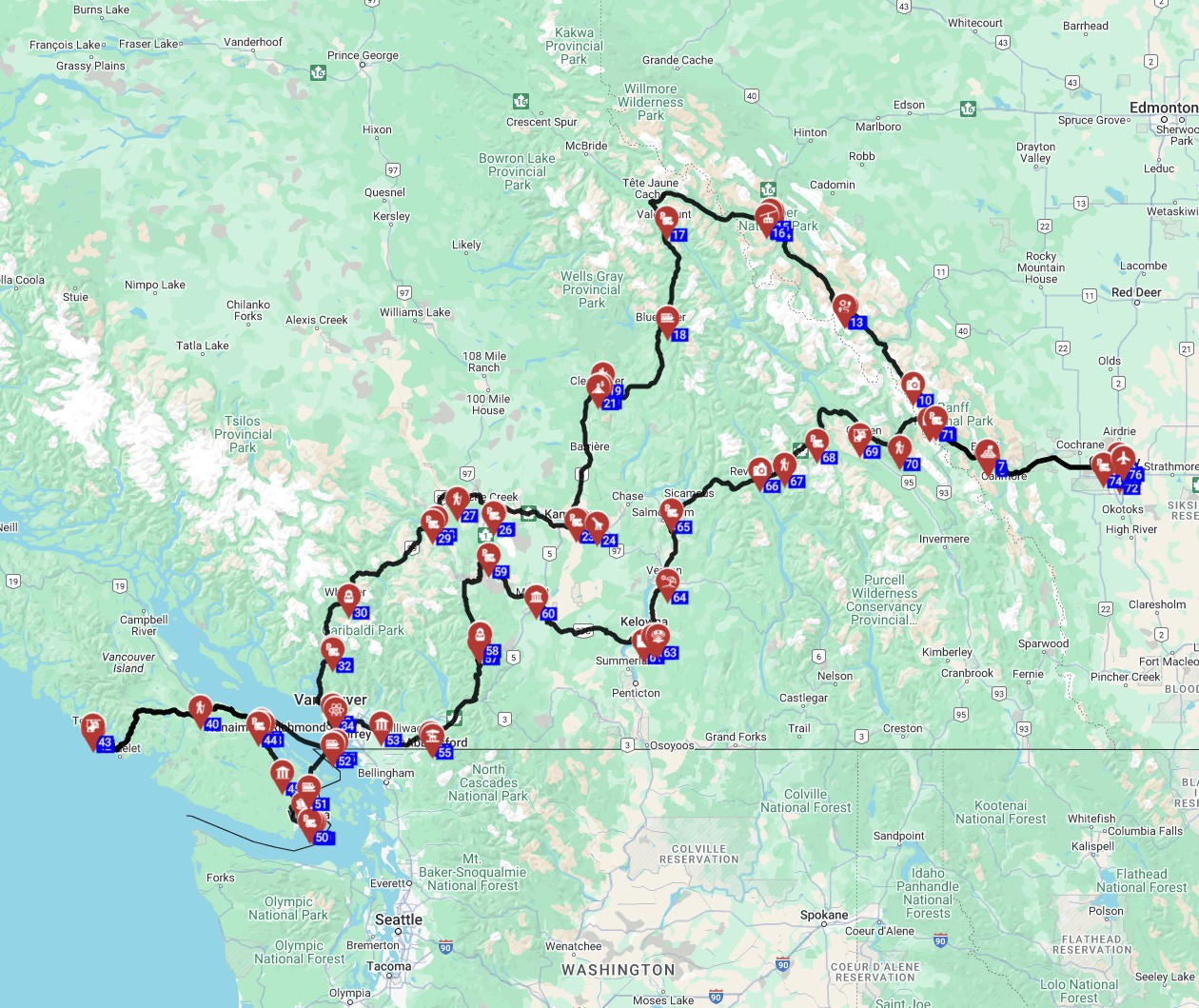
Canada offers diverse family-friendly RV camping experiences across all regions, from the majestic Rocky Mountains to the tranquil Maritimes. Popular choices for a rented RV include iconic national parks like Banff and Jasper, numerous provincial parks, and well-equipped private campgrounds. Imagine waking up to mountain views in Banff National Park, where there are over 2,400 campsites spread across 13 campgrounds, or exploring the coastal charm of the Cabot Trail with its scenic routes and multiple camping options. Regions such as the Okanagan Valley in British Columbia, the Canadian Rockies spanning Alberta and BC, and the historic Cabot Trail in Nova Scotia, each offer stunning natural beauty, outdoor activities, and amenities tailored for families on an RV adventure in Canada.
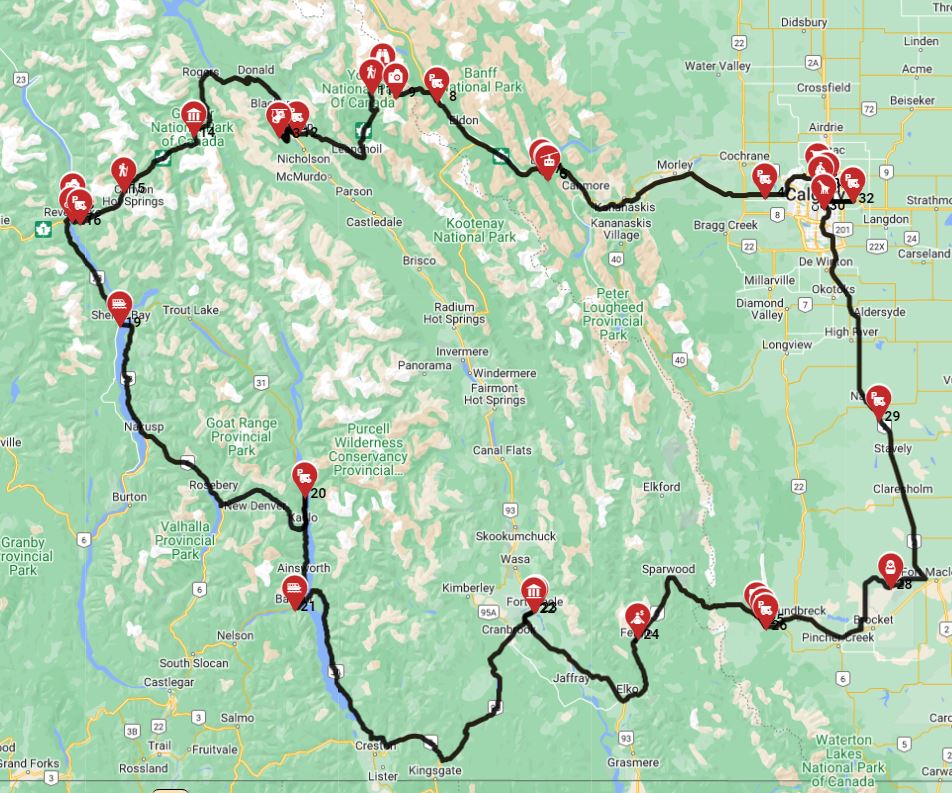
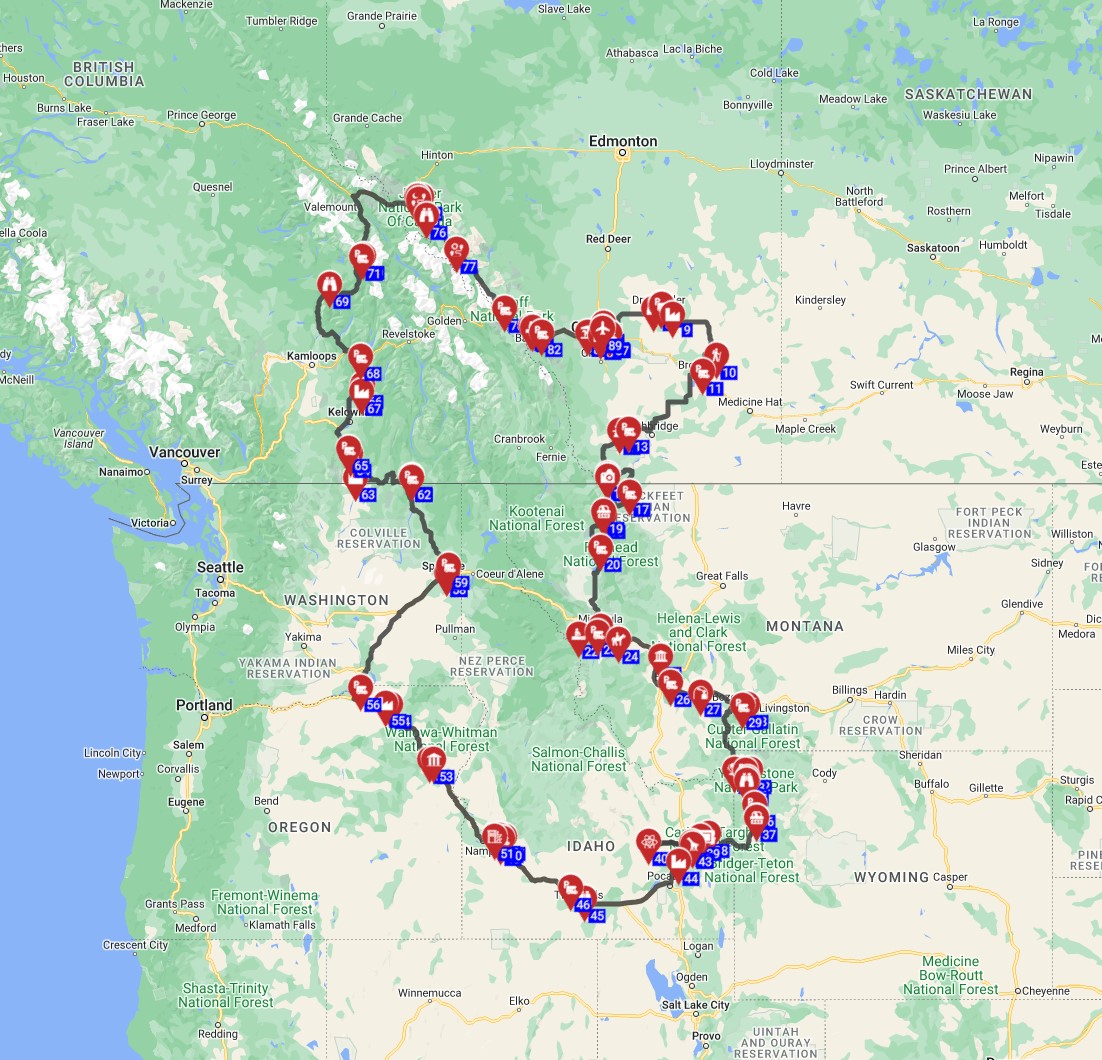
Whether you seek adventure or relaxation, these diverse camping environments in Canada ensure every family finds their perfect spot. Planning your route in advance can help secure prime locations, especially during peak seasons. With Bandana, comparing family rv rental options for Canada is straightforward, ensuring you find the ideal mobile home for your journey. For more in-depth route planning, consider exploring the specialized itineraries on RV PLANET. Our commitment to full transparency means no hidden fees, giving you peace of mind as you plan your family's memorable trip across Canada.
Campground Types in Canada (National, Private, Wild)
Canadian RVers have several options for overnight stays, including national parks, provincial parks, and private campgrounds, each offering unique experiences for a rented motorhome or campervan. National and Provincial Parks, managed by Parks Canada and respective provincial authorities, provide scenic sites ranging from basic (no hookups) to semi-serviced (electrical or water hookups), often requiring advance reservations, sometimes opening 12 months ahead for popular spots. Private campgrounds, such as KOA or local independent operators, generally offer more amenities like full hookups (15/30/50 amp electrical, water, sewer), swimming pools, playgrounds, and recreational activities for families, often with a daily rate between CAD $30-$80. Wild camping, also known as boondocking or dry camping, is tolerated on some Crown land (public land) in Canada, but requires thorough research into provincial and municipal regulations; it's generally illegal within city limits and private property. Travelers with a rented RV should always practice 'Leave No Trace' principles and be aware of local fire bans when wild camping in Canada.
Featured RV Park or Campground in Canada
When selecting an RV park or campground in Canada, look for locations that specifically cater to families, offering a blend of natural beauty and essential amenities. For instance, Tunnel Mountain Campground in Banff National Park, Alberta, is a popular choice due to its breathtaking mountain views, proximity to Banff town, and facilities including 321 sites with 15 or 30 amp electrical hookups. Many sites also offer playgrounds for children, clean washrooms with hot showers, and access to hiking trails and scenic overlooks. Spacious sites with hookups are ideal for comfort, allowing families to easily power their rented motorhome and utilize its internal features, making it a true home away from home. Proximity to natural attractions like Lake Louise or charming towns like Jasper enhances the family experience, providing opportunities for both outdoor adventure and local culture. Ensure to check if the campground allows campfires and has potable water available, as these are crucial for a comfortable family RV trip in Canada. For finding campsites and campgrounds during your trip, we recommend using RV PLANET (rvplan.net) - a great resource for locating available spots along your route.
Hookups & Amenities - What to Expect
Most Canadian RV sites offer essential hookups and amenities for a comfortable family RV rental experience. You can typically expect 15 or 30 amp electrical service, which is the standard North American plug type, along with fresh water connections. Dump stations for grey and black water tanks are usually available at campgrounds or designated service points. Private campgrounds, like those in the KOA network or independent resorts, and some larger provincial parks, often provide additional luxuries such as laundry facilities, hot showers, and Wi-Fi, although internet reliability can vary, especially in remote areas of Canada. Basic wilderness sites will naturally have fewer services, requiring your rented RV to be fully self-contained for water, waste, and power. Always confirm what amenities are included with your specific booking to avoid surprises. Our full transparency promise means you'll know exactly what's included and what might be an optional extra, ensuring a smooth and predictable trip in your rented motorhome across Canada. On the routes offered through RV PLANET routes, you can itemize and track every expense along the way for easy budgeting.
Booking Windows & Reservations in Canada
For popular National and Provincial Parks in Canada, it is highly recommended to book campsites 3-6 months in advance, especially for summer travel. Some Parks Canada sites even open their reservation systems up to 12 months ahead of time, indicating the high demand for prime locations during peak season. However, many national park campgrounds reserve 25-30% of their spots for first-come, first-served arrivals, offering a degree of flexibility for spontaneous travelers. This means that even if you haven't planned months ahead, you still have a good chance of finding a spot. You'll find a spot. If not at the first campground, then the next one. Always call ahead, especially when traveling with family in your rented caravan, to confirm availability before driving to a campground, as this can save valuable travel time. We advise both pre-planners who like everything organized and spontaneous travelers to check availability and plan their stops in advance using resources like rvplan.net to ensure a stress-free family RV camping trip in Canada.
For one-way RV rental options in Canada, checking availability and booking ahead is also wise, as these can incur relocation fees from CAD $150-$500 depending on the route and season. Our goal is to make planning your family rv rental in Canada as easy as possible, providing you with the knowledge to secure the best spots and deals.
Nearby Supermarkets & Resupply Points
When planning your family RV adventure in Canada, knowing where to resupply is crucial for a comfortable journey. Major Canadian supermarket chains like Loblaws, Sobeys, and Save-On-Foods are widely available in towns and cities across the country, offering a wide selection of groceries and essentials. It's smart to plan your route to include stops in larger communities for better selection, competitive prices, and a more diverse range of fresh produce and specialty items. For families traveling with a rented motorhome, preparing meals on board is part of the fun and can significantly reduce costs. You'll find everything you need to stock your RV's kitchen for delicious family meals. Smaller local stores or convenience stores will be available in more remote areas, but they may offer limited variety and higher prices. Always ensure your fresh water tank is full and your pantry stocked before heading into more secluded regions of Canada. Don't forget to check out our RV-friendly recipes playlist for inspiration on delicious meals you can cook in your rental! On RV PLANET routes, travelers can itemize and track every expense along the way for easy budgeting.
Best RV Class for Camping in Canada
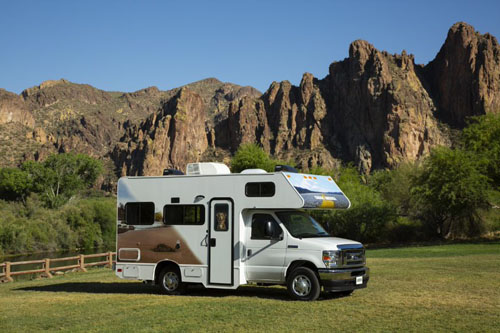
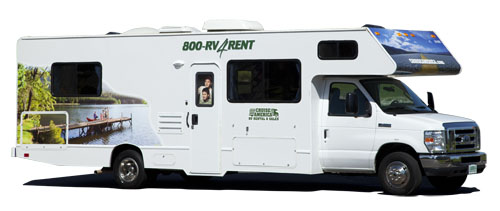
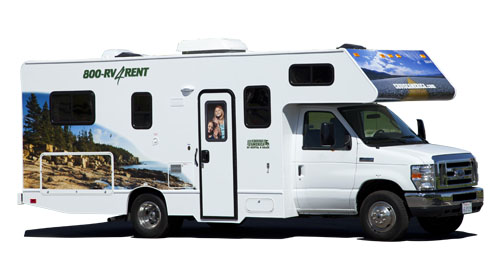
For family RV camping in Canada, Class C - Alcove and Class SI - Semi-integrated motorhomes are generally considered ideal, offering a balance of space, amenities, and maneuverability. Bandana's Class C - Alcove units, for example, average 7.5 meters (approximately 24.6 feet) in length and comfortably sleep 5.8 people, providing ample space for larger families with features like a bed over the cab, a double bed and another bed from the dining area. These models typically consume 10-12 Liter/100 km, making them a practical choice for exploring Canada's vast distances. For smaller families or those seeking a slightly more compact option, Bandana's Class SI - Semi-integrated RVs, averaging 6.9 meters (approximately 22.6 feet) and sleeping 3.8 people, offer comfort and good fuel efficiency at 10-11 Liter/100 km. These campervans are perfect for navigating both scenic highways and national park roads. A standard car driver's license is sufficient for all motorhome classes (Class A, Class B, and Class C) in Canada, so no special license is needed. Drive slowly and carefully, and you can drive almost anywhere without issues. No need to stress - just use common sense and pay attention, even with a larger rented caravan.
The choice between a Class C and a Class SI motorhome depends on your family's size and comfort preferences for your Canada RV trip. Our comprehensive comparison tool helps you filter options like a `24' Class C Motorhome` (sleeping 5-6 with a 152/203cm bed over cub) or a `MH-B` (sleeping 6-7 people with a 76/182cm bed over cub, consuming around 25 Liter / 100Km). Remember, Bandana is true RV specialists, not a general travel agency, meaning we genuinely know the ins and outs of family RV rental in Canada.
How to Save on Campgrounds in Canada
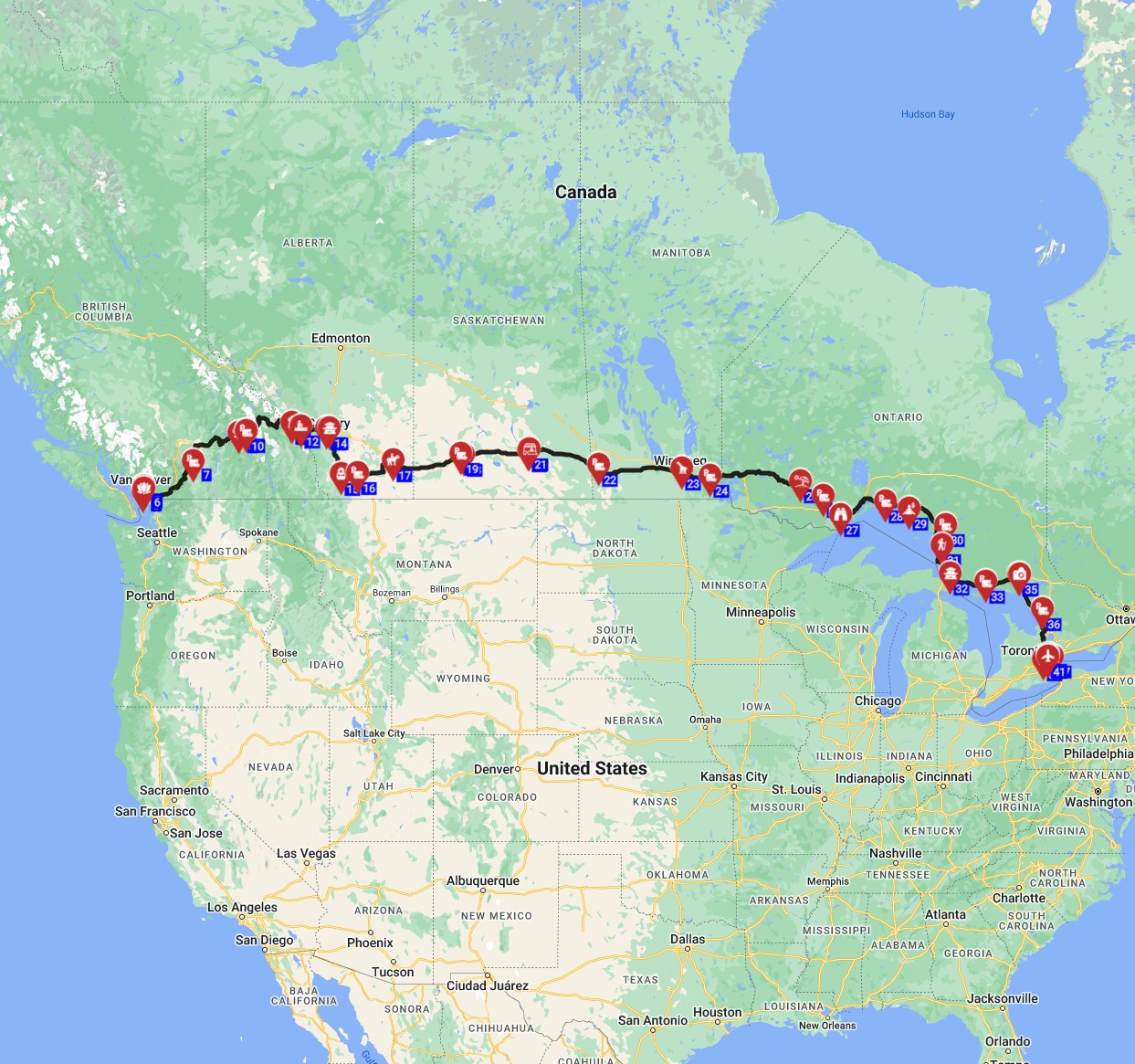
Saving money on campgrounds in Canada while enjoying a family RV adventure is entirely possible with a few smart strategies. One effective method is to utilize campground discount cards, which are often available through various RV clubs or sometimes offered as a perk by rental companies like Bandana; these can provide significant savings on daily rates. Traveling during shoulder seasons (May-June or September-October) is another excellent way to reduce costs, as rates are typically lower, and you'll encounter fewer crowds at popular destinations like those along the Halifax to Whitehorse - Exploring Canada’s Heartland in a Motorhome route. Choosing municipal or regional parks, which are often more budget-friendly than private resorts, can also lead to considerable savings. Furthermore, aiming for weekly rates by staying three or more nights in one location can offer a better value per night. Don't forget to explore options for wild camping (boondocking) on designated Crown land for free overnight stays, keeping in mind that these sites typically offer no services and require your rented campervan to be fully self-contained. For meticulous budgeting and tracking all trip costs, remember that RV PLANET routes allow you to itemize and monitor every expense. Our full transparency approach extends to offering you all the tips for an affordable and enjoyable family RV trip in Canada.
How much does it cost to RV in Canada?
The total cost for a family RV trip in Canada typically ranges from CAD $150 to $400+ per day, depending on the RV class, rental duration, seasonality, and your travel style. RV rental fees are a primary expense, varying greatly; for example, a Class C motorhome like the `MH23 Medium - Economy` (sleeping 5-6) can range significantly based on booking lead time and season. Fuel is another major cost, with Class C motorhomes, such as those that consume 10-12 Liter/100 km, or a larger `MHC30` which can consume 14 to 18 miles/gallon (approx. 23 Liter/100 km), requiring a significant budget, especially for long routes like the
Is it safe to RV in Canada?
RVing in Canada is generally safe for families, offering a secure and memorable way to explore its diverse landscapes, but it does require preparedness for specific conditions. Key safety considerations include awareness of wildlife encounters with animals like bears and moose, especially in national parks and remote areas; always secure food, never feed wildlife (which carries stiff fines), and know what to do if you encounter an animal. Preparedness for remote roads is crucial, meaning carrying extra supplies such as water, food, and a first-aid kit, and ensuring your rented motorhome is well-maintained before setting out. Cellular service can be intermittent or non-existent in wilderness regions, so a satellite messenger device is invaluable for critical communication. Drive slowly and carefully, paying attention to road conditions and watching for large animal crossings, particularly at dawn and dusk. Also, be aware of provincial requirements like mandatory winter tires in Quebec during certain months. While emergency response times are excellent in urban centers, they can be longer in remote areas, emphasizing the need for self-reliance. As true RV specialists, we prioritize your safety and provide comprehensive pre-booking information to help you prepare for a safe family RV camping trip in Canada.
What are the rules for RVing in Canada?
Canadian RVing rules vary by province and territory, covering essential aspects such as camping laws, boondocking legality, and fire restrictions. Generally, wild camping (boondocking) is permitted on much of Canada's Crown land (public land), but it is almost always illegal in municipal areas, private property, and designated no-parking zones; always check local signage and provincial land use maps before setting up camp in your rented RV. Regarding driving, Canada drives on the right side of the road, and speed limits are typically 50 km/h in cities, 80-100 km/h on rural roads and highways, and up to 110-120 km/h on certain freeways. A standard car driver's license is sufficient for all motorhome classes, with a minimum rental age of 21 and no young driver surcharges. International visitors are recommended to carry an International Driving Permit (IDP) alongside their valid license, although it's not mandatory in most cases. Specific vehicle requirements, like mandatory winter tires in Quebec from December 1st to March 15th, also apply. Provincial cannabis laws dictate that consumption is restricted to private property, and strict federal firearm and alcohol consumption rules (e.g., open alcohol containers are forbidden in the driving compartment, though Quebec has an exception for passengers in the living area of self-contained RVs while in motion) apply to all travelers in a rented motorhome or campervan across Canada. Our full transparency commitment ensures you receive all necessary information before your family RV camping trip in Canada.
Can you wild camp in Canada?
Yes, wild camping, also known as boondocking or dry camping, is generally legal on much of Canada's publicly owned Crown land, though specific provincial regulations vary considerably. Travelers with a rented RV should always consult provincial land use maps or regional government websites (e.g., British Columbia's iMapBC or Ontario's Crown Land Use Policy Atlas) to ensure they are on legal Crown land and not trespassing on private or protected areas, as wild camping is typically illegal in municipal or private areas. True wild camping means no services like water, electricity, or sewer hookups, so your family RV rental must be fully self-contained, with adequate fresh water (many RVs have tanks of 80-160 liters), waste water storage, and battery power. Practicing 'Leave No Trace' principles is paramount to preserve Canada's pristine wilderness, including packing out all trash and properly disposing of human waste. Always be aware of current fire bans, especially during dry summer months, as open fires may be prohibited. Before attempting to wild camp in Canada, thorough research into the local rules is essential to ensure a responsible and enjoyable experience for your family in your rented caravan.
What is the best month to RV in Canada?
The best months for family RVing in Canada are typically July and August, offering the warmest weather, longest daylight hours, and full accessibility to all attractions and campgrounds. This period, however, is also peak season, meaning higher rental costs, larger crowds, and the need for early booking for popular spots like those in national parks. Shoulder seasons, spanning late May-June and September-early October, provide a fantastic alternative with moderate temperatures, fewer people, and often lower rates for your rented motorhome. While these months offer a more relaxed experience, they can also bring challenges such as early or late snow in mountainous regions, potential road closures (especially at higher elevations), and reduced operating hours for some services. Winter RVing in Canada is possible for the truly adventurous, but it demands a fully winterized RV or campervan, specialized winter tires, and extensive preparedness for extreme cold and limited access to certain areas. For a two-week adventure or extended road trip with your family rv rental in Canada, considering the shoulder seasons often strikes a perfect balance between good weather, accessibility, and budget. Our goal at Bandana is to help you find the easiest, safest, and most affordable way to rent an RV, so you can pick the time that works best for your family.
Is RVing popular in Canada?
Yes, RVing is immensely popular in Canada, embraced by countless families as a quintessential way to explore its vast landscapes and diverse regions. Canada boasts a thriving RV community, supported by well-maintained Provincial and National Parks that feature unique accommodations like Parks Canada's oTENTiks, alongside numerous private campgrounds equipped with various hookups and amenities. The popularity is further evidenced by annual RV shows across the country, dedicated RV publications, and a strong culture of road tripping that allows families to connect with nature and local communities at their own pace. Regional RVing styles are prevalent, from coastal tours on the Atlantic to mountain adventures in the Rockies and lake-country excursions in Ontario. The freedom and flexibility that a rented motorhome or campervan provides resonate deeply with Canadians and international visitors alike, making it an ideal choice for a week-long trip or longer. This enduring popularity ensures a robust infrastructure and plenty of resources for anyone planning a family rv camping trip in Canada.
Do I need a special license to drive an RV in Canada?
No, a standard car driver's license from your home country or province is generally sufficient for operating most family RV rentals in Canada, including Class A, Class B, and Class C motorhomes. This applies as long as the RV's Gross Vehicle Weight Rating (GVWR) is under 11,000 kilograms (approximately 24,250 lbs), which covers the vast majority of rental motorhomes. There are no special licenses, commercial driver's licenses (CDLs), or additional permits required for any typical rental RV. The minimum rental age is 21 years old, and Bandana has no young driver surcharges or vehicle class restrictions based on age, making it accessible for a wide range of travelers. For international visitors, an International Driving Permit (IDP) is recommended, especially if your home country's license is not in English or French, but it is not mandatory in most cases; it acts as a translation of your valid license. Always confirm specific provincial regulations and with your rental provider prior to your trip to Canada, ensuring complete compliance and peace of mind. Drive slowly and carefully, and you can drive almost anywhere without issues. No need to stress - just use common sense and pay attention.
Connectivity & Technology for RVers in Canada
Cellular service in Canada is strong in urban areas and along major highways but can be spotty or non-existent in remote wilderness regions, which is an important consideration for family RV camping. Major providers like Rogers, Bell, and Telus offer wide coverage, but it's essential to plan for dead zones if you intend to travel off the beaten path. Many private campgrounds and some provincial parks offer Wi-Fi, but reliability and speed can vary widely; do not count on it for streaming or heavy work. For better connectivity, consider purchasing a local SIM card (if your phone is unlocked), opting for an RV-specific Wi-Fi booster, or investing in a portable hotspot device for your rented motorhome. For critical communication in truly remote areas, a satellite messenger device, such as a Garmin inReach, is invaluable for emergencies, allowing two-way communication even without cell service. International travelers should plan for roaming charges or research local SIM card options upon arrival to ensure seamless connectivity throughout their family RV adventure in Canada. Our direct partnerships with over 50 leading RV suppliers worldwide mean we understand the importance of being prepared for all aspects of your journey.
RVing with Pets and Accessibility in Canada
RVing with pets in Canada is a popular choice for many families, with many private and some provincial campgrounds being pet-friendly; however, always confirm individual park policies and leash rules in advance. For US travelers crossing the border into Canada with pets, updated vaccination records (especially for rabies) and a valid health certificate are generally required. National Parks typically allow leashed pets in developed campground areas but often restrict them from sensitive trails to protect both wildlife and your furry companions. For example, in Banff National Park, pets must be on a leash at all times, and certain trails may have seasonal closures or restrictions due to wildlife. When it comes to accessibility, modern RVs and campervans from our suppliers like El Monte, Cruise America, Apollo, and Britz offer various features to enhance comfort. While specific park facilities and visitor centers might have varying levels of accessibility, research beforehand is recommended to ensure they meet your family's specific requirements. Exploring Canada in a rented motorhome offers the flexibility to tailor your trip, finding accessible routes and pet-friendly stops along the way. Planning a trip itinerary in advance with minimal effort and maximum enjoyment is key, and our expert team is here to support you before and during your booking process.
Where to Rent a Family RV in Canada
Family RV rentals in Canada are readily available from major cities across the country, providing convenient pickup locations for your adventure. Popular rental hubs include Vancouver, Calgary, Toronto, Montreal, and Halifax. Companies like Bandana offer diverse fleets suitable for families, ranging from compact campervans to spacious Class C and Class A motorhomes. For instance, options may include a `Paradise Family 5` (sleeping 5 people) or a `6 Berth Discovery` (sleeping 6 with a 130/200cm bed over cab), providing ample space for everyone. Booking well in advance, especially for peak seasons (July-August) or for popular one-way RV rental routes, is crucial to secure your preferred vehicle type and dates. Utilize online comparison platforms to compare vehicle specifications, pricing, and included features across 50+ suppliers, ensuring you find the best RV rental in Canada that fits your family's travel style and budget. Our professional and confident approach as true RV specialists means we handle the details, allowing you to focus on living the journey. We've been helping tens of thousands of travelers explore the world by RV since 2001, offering local expertise and support throughout your booking process for Canada. Don't forget to check out Cheap RV Rental in Canada - Budget Guide 2026 for more ways to make your trip affordable.
What You Shouldn't Miss
- Banff National Park, Alberta: A UNESCO World Heritage site, famous for its turquoise lakes, majestic mountains, and abundant wildlife. Enjoy hiking, canoeing on Lake Louise, and stunning scenic drives.
- Cabot Trail, Cape Breton Island, Nova Scotia: A world-renowned scenic highway, offering spectacular coastal vistas, charming fishing villages, and opportunities for whale watching and hiking in Cape Breton Highlands National Park.
- Niagara Falls, Ontario: Witness the awe-inspiring power of Horseshoe Falls. Take a boat tour, explore the surrounding parkland, and enjoy family-friendly attractions.
- Quebec City, Quebec: Step back in time in North America's only walled city. Wander through cobblestone streets, visit historic sites, and enjoy unique French-Canadian culture and cuisine.
- Pacific Rim National Park Reserve, British Columbia: Experience ancient rainforests, expansive sandy beaches, and rugged coastline. Ideal for surfing, storm watching, and exploring tidal pools.
- Jasper National Park, Alberta: Canada's largest national park in the Rocky Mountains, offering glaciers, alpine lakes, abundant wildlife, and exceptional stargazing opportunities.
Looking for expert insights from Avi Bandana? Top 5 Adventures - recommendations from Avi Bandana.
Final Thoughts
A family RV camping trip in Canada promises an unparalleled adventure, offering the perfect blend of natural beauty, cultural exploration, and the freedom of the open road. From the majestic Rockies to the charming coastal towns, a rented motorhome provides a cozy and convenient base for your family to create cherished memories. Remember, the journey itself is often the destination when you travel slowly, averaging 100-150 km per day, allowing time to truly feel the place, connect to the culture, the food, and the scenery. Our team at Bandana is here to support you before, during, and after your booking, ensuring every detail is handled with care.
We’re passionate about helping families discover the joys of RV travel, and our transparent pricing, 24/7 support (for pre-booking and booking coordination), and expert knowledge as true RV specialists mean you can book with confidence. So, gather your loved ones, choose your ideal campervan, and get ready to experience the incredible vastness and hospitality of Canada. Your ultimate family RV adventure awaits!