In This Guide
- Where to Camp in California - Top Options
- Campground Types in California (National, Private, Wild)
- Featured RV Park or Campground in California
- Hookups & Amenities - What to Expect
- Booking Windows & Reservations in California
- Nearby Supermarkets & Resupply Points
- How much does an RV rental in California cost?
- What is the best time to RV in California, considering seasons and challenges?
- What are California's RV laws and boondocking regulations?
- Best RV Class for Camping in California
- Which RV size is best for navigating California roads and campgrounds?
- Are there pet-friendly RV campgrounds and trails in California?
- How to Save on Campgrounds in California
- Where can I find unique, off-the-beaten-path RV destinations in California?
- How can I manage waste and water in an RV for remote California camping?
- How can I ensure sustainable RV travel and Leave No Trace in California?
- What You Shouldn't Miss
California, with its breathtaking diversity from sun-drenched beaches to towering redwood forests and arid deserts, offers an unparalleled canvas for a family RV camping adventure. Imagine the freedom of waking up to ocean breezes one day, then mountain views the next, all from the comfort of your rented motorhome. With a rented RV, you have a mobile headquarters to venture out to national parks, charming coastal towns, and everything in between.
Planning a memorable family RV trip in California means understanding the best places to camp, what to expect from facilities, and how to make the most of your journey. Bandana RV, as true RV specialists with over two decades of experience, is here to guide you through every step, ensuring full transparency with no hidden fees and supportive assistance before, during, and after your booking. For live availability and current prices, start with our RV Rental California - Complete Guide 2026 guide.
Where to Camp in California - Top Options
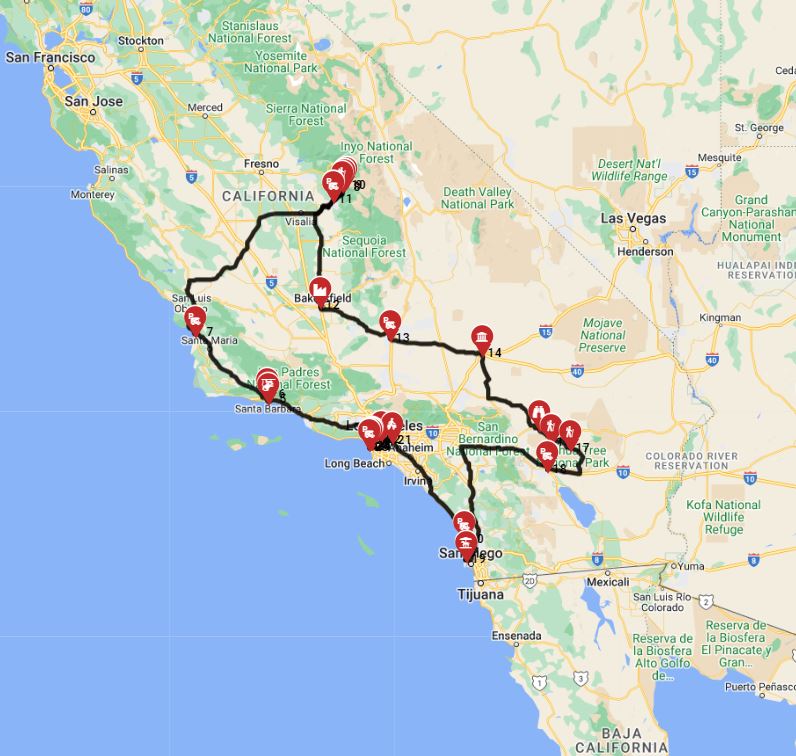
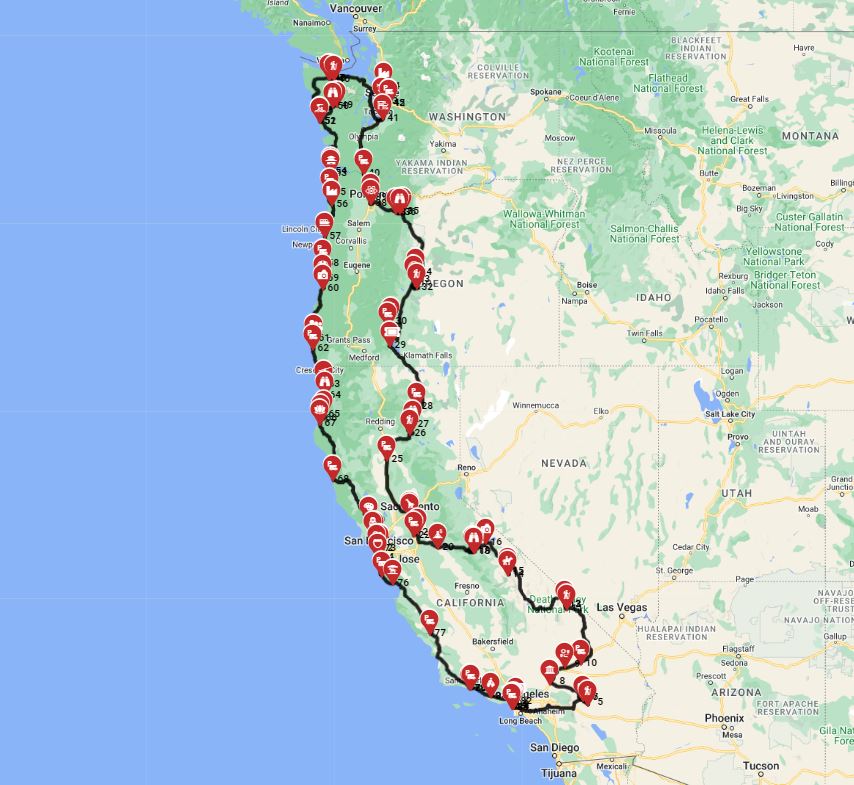
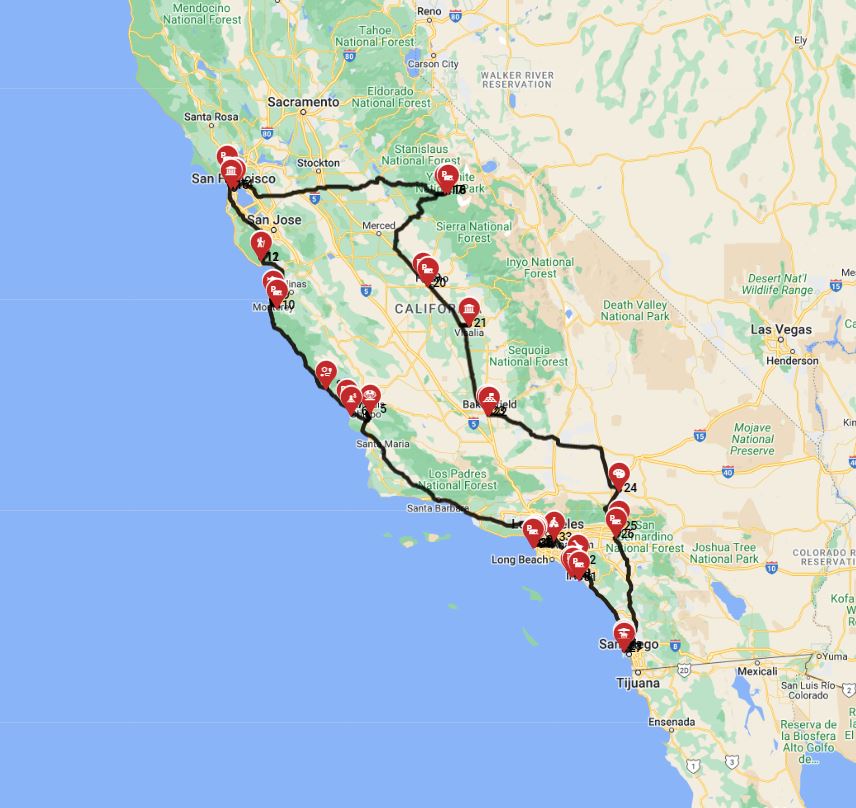
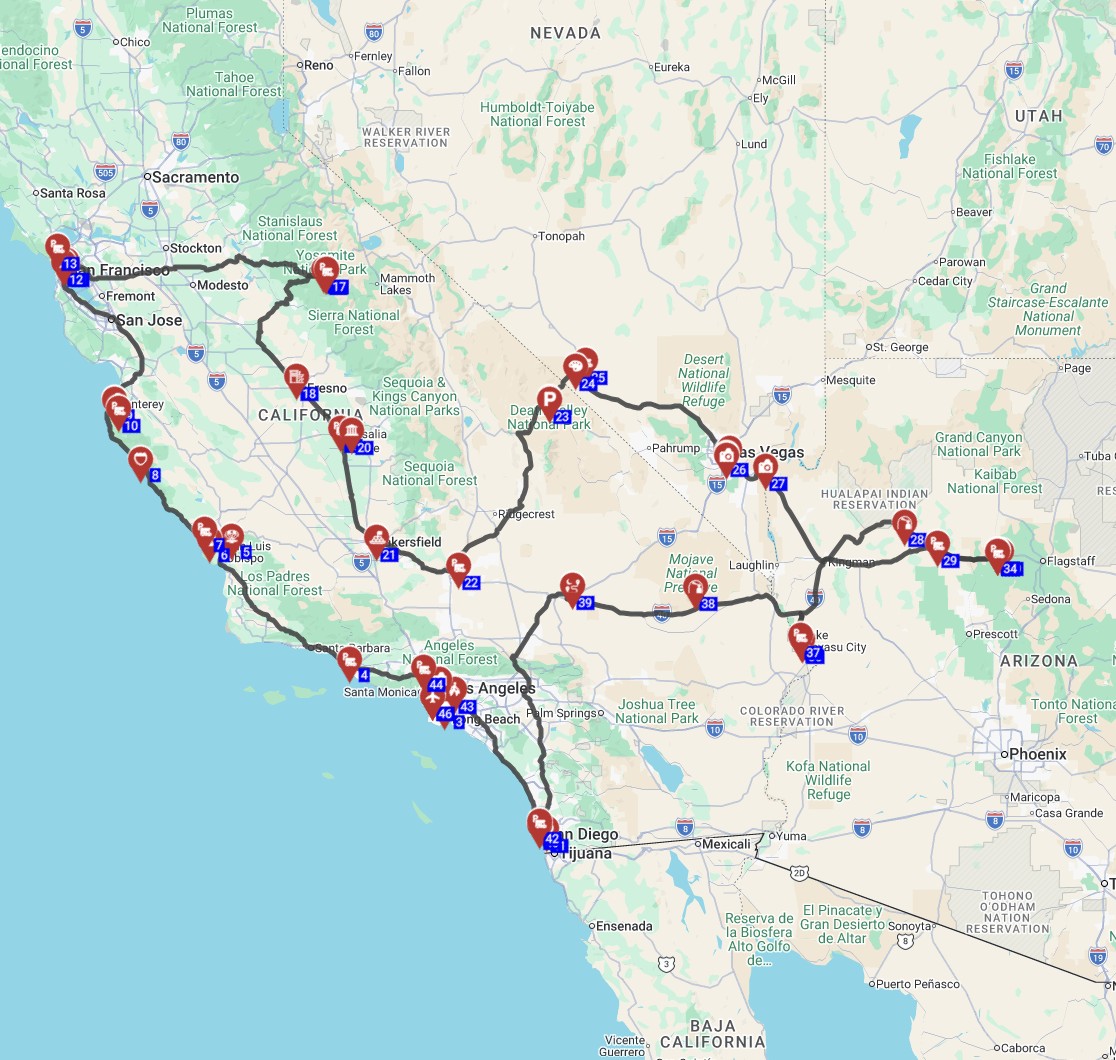
California offers diverse RV camping experiences across its vast landscapes, providing options for every family's preference. Families can explore iconic destinations such as the majestic redwood forests in Jedediah Smith Redwoods State Park, the stunning coastline along Highway 1 near Big Sur, or the unique desert landscapes of Joshua Tree National Park. Additionally, regional and state parks throughout California often provide excellent, sometimes less crowded, alternatives to the more popular national parks, giving you more flexibility for your booking.
Consider the campgrounds around Big Sur for unparalleled coastal views and hiking trails, or the numerous RV parks surrounding Lake Tahoe for mountain adventures, water sports, and winter activities. Each region provides a distinct experience, from the serene forests of the Sierra Nevada to the dramatic cliffs of the Pacific. Traveling slowly, aiming for a maximum of 100-150 km per day on average, allows your family to truly immerse yourselves in each location, connecting with the local culture, food, and scenery.
Campground Types in California (National, Private, Wild)
RV camping in California spans three primary types: national/state park campgrounds, private RV resorts, and dispersed (wild) camping. National and State Park campgrounds, such as those in Yosemite National Park or Anza-Borrego Desert State Park, offer rustic experiences, scenic locations, and direct access to natural attractions, often with fewer amenities like full hookups. These are perfect for families seeking a true nature immersion and typically cost between $20-$50 per night.
Private RV resorts, found widely from the beaches of San Diego to the wine country, typically provide full hookups, various amenities like pools and Wi-Fi, and a more structured, comfortable environment, often ranging from $50-$100+ per night. For families who prefer self-sufficiency, dispersed camping, often called boondocking or wild camping, is legal on much of the federally managed land in California, such as National Forests and Bureau of Land Management (BLM) land, offering free, primitive sites without amenities. Always check local regulations for dispersed camping, as rules vary by agency and region, and fire restrictions are common, especially during dry seasons, to ensure safety and compliance.
Featured RV Park or Campground in California
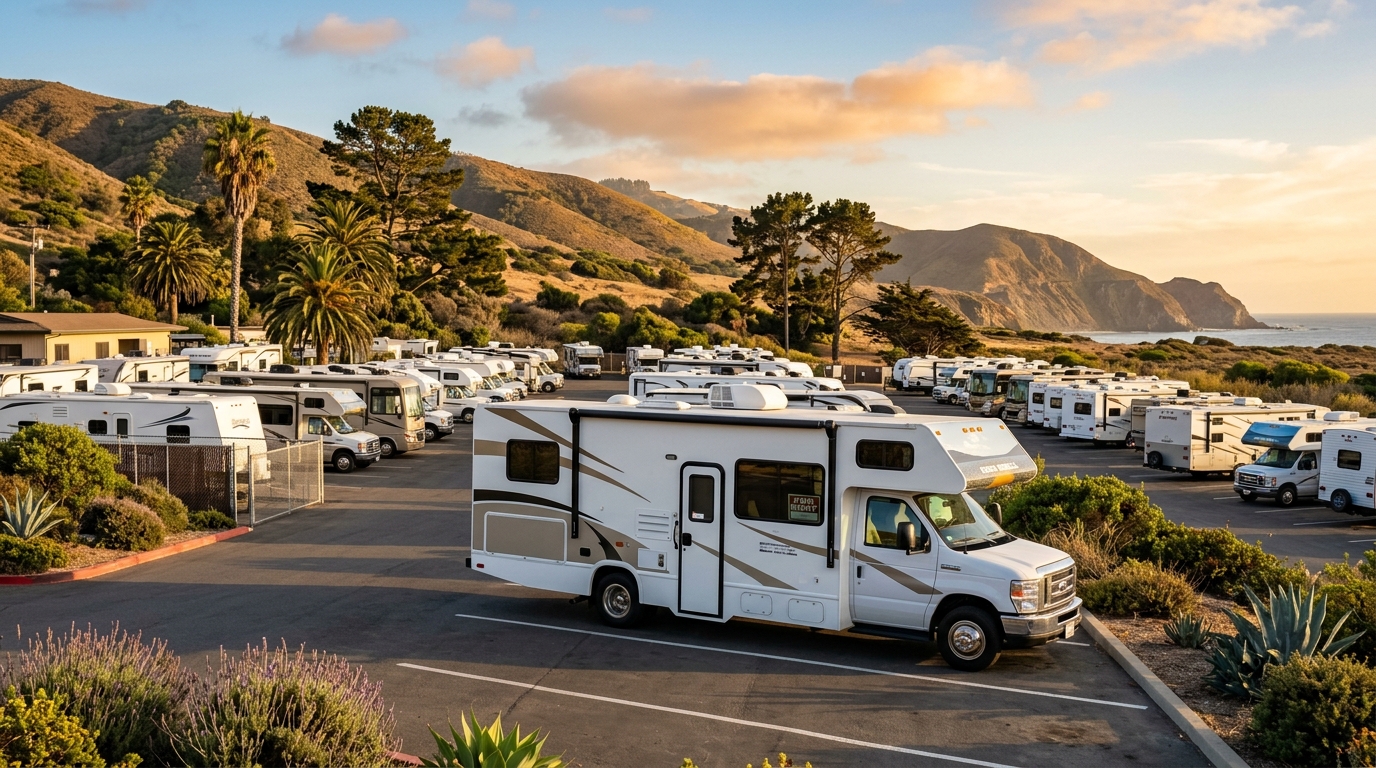
When selecting an RV park in California, look for locations that match your desired experience, whether it's proximity to nature, full amenities, or a quiet retreat. A highly-rated RV park might offer full hookups (electric, water, sewer), paved sites for easy leveling, picnic tables, fire rings, and clean restrooms and showers for convenience. Many top-tier parks also provide amenities like Wi-Fi access (though speeds can vary), laundry facilities, pet-friendly areas, and recreational facilities such as swimming pools or clubhouses, which are great for families.
Checking recent reviews for cleanliness, customer service, and site spaciousness is crucial to ensure a pleasant stay for your family. Some parks are strategically located with easy access to local attractions or hiking trails, minimizing travel time and maximizing your family's enjoyment. For instance, parks near national park entrances or along the coast offer stunning views and immediate access to adventure.
Hookups & Amenities - What to Expect
RV campsites in California typically offer a range of hookups and amenities, varying from basic to full-service, ensuring comfort for your family's adventure. Common hookups include 30-amp or 50-amp electrical connections for powering your motorhome, freshwater hookups for potable water supply, and sewer connections for convenient wastewater disposal. These are usually standard at private RV resorts and many state parks, while national parks may offer limited or no hookups.
Beyond essential utilities, many campgrounds provide Wi-Fi access, though its reliability can vary, laundry facilities, hot showers, and clean restrooms, which are particularly appreciated by families. Some private RV resorts boast additional amenities like swimming pools, clubhouses, game rooms, and even organized activities for kids, enhancing the overall camping experience. Always confirm available hookups and specific amenities when booking your RV camping in California, especially for older campgrounds or those within national and state parks, as these may offer limited services or "dry camping" where you rely entirely on your RV's self-contained systems.
Booking Windows & Reservations in California
Booking RV campsites in popular California destinations, especially national and state parks like Yosemite, often requires advance reservations due to high demand. Pre-planners should aim to book 6 to 12 months ahead for peak seasons, such as summer and major holidays, particularly in highly sought-after spots like Big Sur or coastal campgrounds, potentially saving up to 25% on rates by booking 90+ days in advance. Remember, prices for RV rentals and campsites are dynamic, changing daily based on availability and seasonality.
However, many national park campgrounds only release 25-30% of spots for reservations, with the remaining sites typically operating on a first-come, first-served basis. This offers excellent options for spontaneous travelers or those who couldn't book far in advance. For last-minute trips, consider regional, county, or private campgrounds, which often have more flexibility. The key is never to stress - you'll find a spot. If not at the first campground, then the next one. Always call ahead before driving to confirm availability and avoid disappointment. Bandana RV provides transparent information and support to help you navigate these planning nuances, ensuring your family finds the perfect spot for your adventure.
Nearby Supermarkets & Resupply Points
Ensuring your rented RV is well-stocked with food and supplies is crucial for a comfortable trip, and California offers numerous resupply options near popular camping areas. Major supermarket chains such as Safeway, Vons, Ralphs, and Albertsons are widespread across California, particularly near urban and suburban areas and larger towns, making it easy to replenish your pantry. For remote destinations like Death Valley or the northern Redwoods, plan to stock up generously in larger towns before heading into less populated regions, as smaller towns may have limited selections or higher prices.
Discount retailers like Walmart and Target also offer groceries and camping essentials and are commonly found throughout the state, providing a cost-effective way to resupply. Exploring local farmers' markets, especially in coastal and agricultural regions, can be an excellent way to discover fresh, local produce and unique artisan goods, adding a delightful culinary dimension to your journey. Remember, part of the joy of RV travel is preparing meals together; for inspiration, check out our RV-friendly recipes playlist. On the routes offered through RV PLANET routes, you can itemize and track every expense along the way for easy budgeting.
How much does an RV rental in California cost?
The cost of an RV rental in California varies significantly based on RV class, rental duration, season, and included amenities. You can expect daily rates to range from approximately $100-$200 for smaller campervans or older Class C models, to $300-$500+ per day for luxury Class A motorhomes. These prices are dynamic, changing daily based on availability, seasonality, and supplier marketing decisions, so the final price is always set at the actual booking time. For more detailed insights, you might find our "RV Rental in California - Prices and Best Deals 2026" guide helpful.
Beyond the rental fee, additional expenses include fuel, with Bandana's fleet typically consuming 8-17 L/100 km depending on the class of vehicle and terrain. Campground fees can range from $20 for basic sites in state parks to $100+ for full-service private resorts. Don't forget insurance, mileage charges, cleaning fees, and potential generator usage fees. A realistic mid-range budget for a week-long RV trip in California, including rental, fuel, campgrounds, and basic provisions, could range from $1,500 to $3,000, not including significant activities or dining out. On RV PLANET routes, travelers can itemize and track every expense along the way for easy budgeting.
🎬 Video coming soon
What is the best time to RV in California, considering seasons and challenges?
The best time to RV in California depends heavily on your desired activities and destinations, as the state experiences diverse seasonal conditions. Spring (April-May) and Fall (September-October) are generally considered ideal shoulder seasons, offering pleasant temperatures, fewer crowds, and vibrant landscapes, from wildflowers in the deserts to colorful foliage in the mountains. This makes them excellent for exploring coastal areas and most national parks.
Summer (June-August) is popular for coastal and mountain destinations but brings higher temperatures in desert areas, increased crowds, and peak pricing for rentals and campgrounds. Winter (November-March) is perfect for desert camping in areas like Anza-Borrego or for skiing in the Sierra Nevada mountains, but mountain passes may close due to snow, and coastal areas can experience rain. Always be prepared for extreme heat in deserts during summer (temperatures often exceed 38°C), potential snow and ice in mountains during winter, and fire season considerations (typically late spring through fall) which may lead to campground closures or restrictions. It's all part of the adventure, and careful planning helps ensure a smooth trip.
What are California's RV laws and boondocking regulations?
California has specific RV laws and regulations regarding vehicle operation, parking, and camping that travelers must adhere to for a safe and legal journey. Standard traffic laws apply to rented RVs, with additional rules for vehicle length, weight, and sometimes specific lane usage on highways, which are important to observe. A standard car driver's license is sufficient for all motorhome classes (Class A, Class B, and Class C), and an International Driving Permit (IDP) is recommended for visitors from non-English-speaking countries but is not mandatory in most cases.
Boondocking, or dispersed camping, is generally permitted on Bureau of Land Management (BLM) and National Forest lands in California, usually for a maximum of 14 days in one location, offering free, primitive sites. However, overnight parking on city streets is often prohibited or restricted; always check local ordinances and signage before settling in. Fire restrictions are common, especially during dry seasons; always check the current fire danger level and any bans on campfires or specific heating devices in your chosen area to prevent wildfires. Drive slowly and carefully, and you can drive almost anywhere without issues. No need to stress - just use common sense and pay attention.
Best RV Class for Camping in California
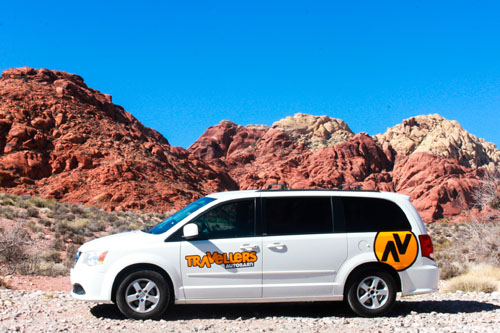
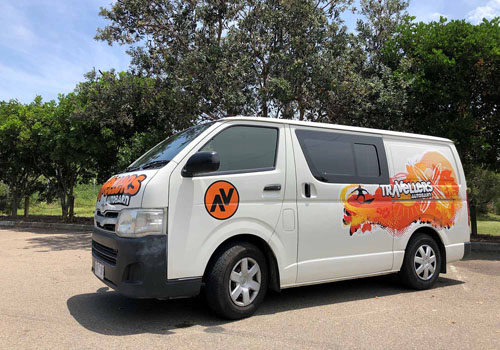
The best RV class for camping in California depends on your group size, desired comfort, and travel style, from compact campervans to spacious motorhomes. For couples or small groups prioritizing maneuverability and fuel efficiency, a Class B - Camper Van, averaging 5.8m in length with typically 3.2 sleeping places (such as a "Category Van" or "rv rental denver example Category Van" for an ideal couple trip with front air conditioning), is excellent for navigating narrow roads and accessing smaller campgrounds. These nimble vehicles are also great for urban parking and exploring charming coastal towns.
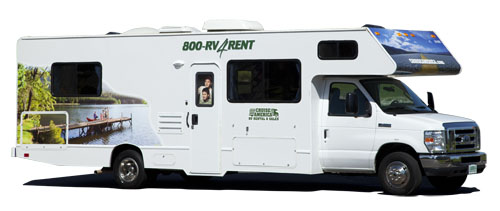
Class SI - Semi-integrated RVs, averaging 6.9m in length with about 3.8 sleeping places (like a "2 Berth Rover" featuring automatic transmission and roof air conditioning), offer a good balance of comfort and manageability, suitable for most state parks and mid-sized families. For families seeking more space and amenities, Class C - Alcove RVs, averaging 7.5m in length with 5.8 sleeping places (such as the "cruise america rv rental example Explorer" with a 7.1m length, 4 sleeping places, and a 82-liter fresh water tank), are ideal, providing ample sleeping space and features for longer trips. For those seeking rugged versatility and access to more remote, off-road camping spots, a Class TC - Truck Camper, averaging 5.5m in length with 2.4 sleeping places (like the "Patagonia Camper 4x4 double cab" featuring 4-wheel drive and front air conditioning), can be a fantastic choice. Lastly, for those desiring luxury and a home-like experience, Class A - Integrated RVs (averaging 7.5m in length, 4.4 sleeping places) offer extensive amenities but may limit access to certain smaller or older campgrounds due to their size.
Which RV size is best for navigating California roads and campgrounds?
The optimal RV size for California travel depends on your itinerary, as the state's diverse terrain and campground access vary significantly. Smaller RVs, like Class B Camper Vans (averaging 5.8m in length, such as the "Active Classic" perfect for a couple with a shower and toilet), are best for navigating winding coastal roads, accessing smaller state park campgrounds, and parking in urban areas like San Francisco. Drive slowly and carefully, and you can drive almost anywhere without issues. No need to stress - just use common sense and pay attention, regardless of RV size.
Mid-sized RVs, such as Class SI (averaging 6.9m) or Class C (averaging 7.5m, like a "24' Class C Motorhome" with a 7.46m length and capacity for 5 people), offer a good compromise for comfort on longer drives and accessibility to most major campgrounds and national parks. Large Class A Integrated RVs (averaging 7.5m) or those exceeding 8 meters may face restrictions on certain scenic byways, steep mountain passes (e.g., in the Sierra Nevada), and in older national park campgrounds with tight turns and small sites. Always check campground length limits and road restrictions before planning your route, especially for destinations like Yosemite Valley or portions of Big Sur, where specific vehicle restrictions can apply to ensure a smooth journey.
Are there pet-friendly RV campgrounds and trails in California?
California offers numerous pet-friendly RV campgrounds and trails, making it easier for families to bring their furry companions on vacation, though specific rules and access vary by location and managing agency. Many private RV parks and some state park campgrounds welcome pets, typically requiring them to be leashed and not left unattended at the campsite. Always check individual campground websites or call ahead for their specific pet policies, including any breed restrictions or pet fees, to avoid surprises.
National Parks often have stricter pet policies; for instance, in many, pets are generally allowed in developed areas like campgrounds, paved roads, and designated picnic areas, but are usually prohibited on hiking trails and in wilderness areas to protect wildlife and natural resources. Many regional and county parks, as well as some National Forests and BLM lands, offer more extensive pet-friendly hiking trails and off-leash areas, providing excellent opportunities for you and your furry companion to explore California's natural beauty together. Ensuring your pet is well-behaved and adhering to all local pet rules contributes to a pleasant experience for everyone.
How to Save on Campgrounds in California
Saving money on RV campgrounds in California is achievable through strategic planning and utilizing available discounts. Booking during shoulder seasons, like spring (April-May) and fall (September-October), often results in lower rates and fewer crowds compared to peak summer months, making your budget stretch further. Opting for municipal, county, or regional campgrounds over private luxury resorts can also drastically reduce nightly costs, with many offering scenic and well-maintained sites.
Many campgrounds, especially private ones, offer weekly or monthly rates that are more economical than daily rates, so consider staying 3+ nights at a single location for better value. Utilizing campground discount cards (like AAA or Good Sam) can provide significant savings at participating RV parks and resorts across California. Additionally, choosing dry camping sites when full amenities are not essential, particularly on BLM or National Forest lands, offers free lodging, significantly cutting down your total trip cost. Planning ahead with tools like RV PLANET can help you discover these cost-saving opportunities and manage your overall budget.
Where can I find unique, off-the-beaten-path RV destinations in California?
Beyond popular national parks, California boasts a wealth of unique, off-the-beaten-path RV destinations offering solitude and distinct experiences for adventurous families. Explore less-known State Parks like Anza-Borrego Desert State Park for incredible stargazing opportunities and desert badlands, or Hendy Woods State Park for ancient redwood groves away from the bustling crowds of more famous redwood parks. These hidden gems often provide a more intimate connection with nature and fewer fellow campers.
Regional and county parks, such as those along the tranquil California Delta or nestled in the foothills of the Sierra Nevada, often provide charming, quieter camping options with local flavor. Furthermore, utilizing Bureau of Land Management (BLM) lands and National Forests offers extensive opportunities for dispersed camping in scenic, undeveloped areas, truly getting you off the grid. Look for unique private campgrounds or Hipcamp listings that offer glamping-style sites or stays on private ranches and vineyards for truly distinctive experiences. These lesser-known spots often require a bit more research but reward you with unparalleled tranquility and memorable family moments.
How can I manage waste and water in an RV for remote California camping?
Effective waste and water management are critical for comfortable and responsible remote RV camping in California, especially when boondocking on public lands. Conserve water diligently by taking short showers, using minimal water for dishes (utilizing a rented RV's compact kitchen efficiently), and opting for biodegradable soaps when possible to protect natural environments. Always monitor your fresh, grey, and black water tank levels regularly to avoid overflows and plan your dump station visits accordingly, as facilities can be sparse in remote areas.
Locate dump stations using apps like Sanidumps or RV Dump Stations, which are often found at private campgrounds, rest stops, or some national/state parks, ensuring you dispose of waste properly. For trash, always pack it out, leaving no trace, and separate recyclables when possible. Carrying multiple trash bags and a portable waste container can help manage waste until you reach a proper disposal facility. Adhering to these practices ensures a responsible and enjoyable remote camping experience for your family. If you're looking for ideas for delicious, easy meals to prepare in your RV's kitchen, check out our RV-friendly recipes playlist.
How can I ensure sustainable RV travel and Leave No Trace in California?
Practicing sustainable RV travel and adhering to Leave No Trace principles is vital to preserving California's diverse and fragile ecosystems for future generations. Families should plan ahead and prepare by researching their destination, understanding local regulations (such as fire bans or wildlife advisories), and packing appropriate gear to minimize their environmental impact. Traveling and camping on durable surfaces is crucial; always use established campsites and stay on designated roads and trails to prevent vegetation damage and soil erosion.
Properly dispose of all waste by packing out all trash, utilizing designated dump stations for gray and black water, and ensuring human waste is buried at least 6-8 inches deep and 200 feet from water sources in undeveloped areas. Minimize campfire impacts by using existing fire rings, keeping fires small, and ensuring they are completely out before leaving. Always be aware of local fire bans, especially during California's dry seasons. Respect wildlife by observing from a distance, never feeding animals, and storing food securely to prevent encounters. By being considerate of other visitors and protecting the quality of your experience and that of others, you contribute to a sustainable and enjoyable environment for everyone.
What You Shouldn't Miss
California is brimming with experiences perfect for a family RV adventure. From iconic coastal drives to majestic national parks, there's always something incredible around the next bend.
- Drive the Pacific Coast Highway (Highway 1): While Highway 1 can be winding and slow (sometimes 25 mph or less!), it offers unparalleled ocean vistas and charming towns. Even with a large Class C motorhome, driving slowly and carefully ensures an enjoyable journey.
- Explore Yosemite National Park: Witness the awe-inspiring granite cliffs of El Capitan and Half Dome, and marvel at Yosemite Falls. Book well in advance for peak season, or consider visiting in shoulder seasons for easier access.
- Discover the Giant Redwoods: Drive through or camp among the ancient coastal redwoods in Humboldt Redwoods State Park or Jedediah Smith Redwoods State Park. These giants are an unforgettable experience for the whole family.
- Visit the Deserts of Joshua Tree National Park: Experience the unique desert landscape, iconic Joshua trees, and incredible stargazing. Many campgrounds here offer basic amenities or opportunities for dispersed camping.
- Relax by Lake Tahoe: Enjoy clear blue waters, sandy beaches, and mountain activities. Numerous RV parks around the lake cater to families with various amenities.
Top Cities for RV Rental in California
California boasts numerous cities perfect for starting or ending your RV rental journey. These locations offer diverse attractions and convenient access to the state's natural wonders.
- Los Angeles: A bustling metropolis with access to beaches, Hollywood, and theme parks. It's a popular starting point for exploring Southern California. You can find out more about rental options in our "Luxury RV Rental in California - Premium Prices 2026" guide.
- San Francisco: Known for its iconic Golden Gate Bridge, vibrant culture, and proximity to Napa Valley and coastal routes. An ideal base for Northern California adventures. For trip planning, check out our "One-Way RV Rental in California - Price Guide 2026".
- San Diego: Offers stunning beaches, a world-famous zoo, and easy access to desert landscapes and Baja California.
- Sacramento: The state capital, a gateway to the Gold Country and the Sierra Nevada mountains, including Lake Tahoe.
- Oakland: A vibrant city offering a great starting point for exploring the Bay Area and beyond, often with more accessible pickup locations than San Francisco.
When planning your next family adventure, remember that Bandana RV is dedicated to offering full transparency, ensuring no hidden fees or surprises. We're here to support you from comparing rental options to coordinating your booking, acting as your true RV specialists.
Final Thoughts
An RV camping trip in California offers an incredible opportunity for families to create lasting memories, explore diverse landscapes, and experience the freedom of the open road. From the majestic redwoods to the sun-drenched coastlines, the Golden State truly has something for everyone. With careful planning and the right rented motorhome, your family can embark on an adventure that perfectly balances comfort with the thrill of discovery.
Remember that Bandana RV is here to support you at every stage, providing the expertise and transparency you need for a worry-free experience. We're passionate about RV travel and committed to helping you find the ideal rental for your family's dreams. So, gather your loved ones, pack your bags, and get ready to discover the magic of California on an unforgettable mobile home journey!