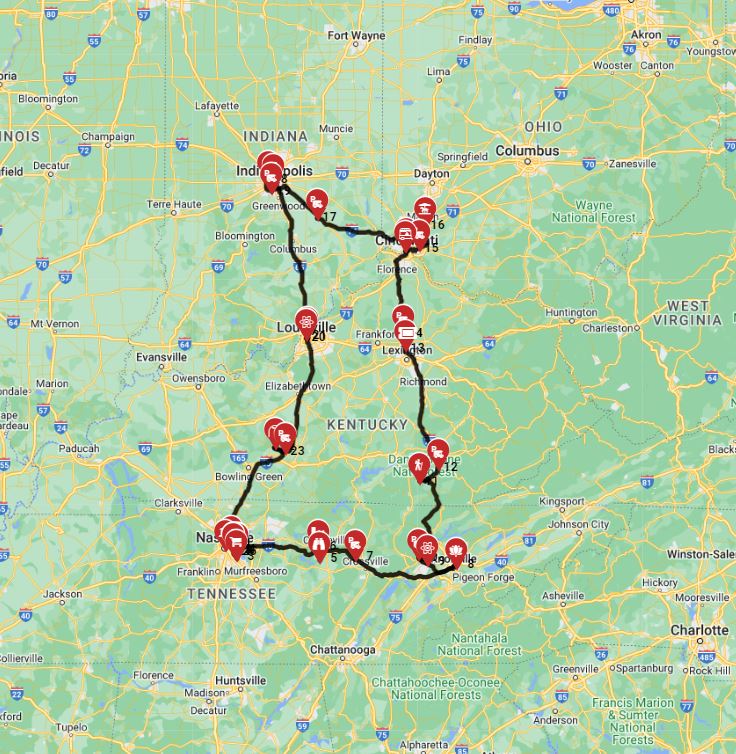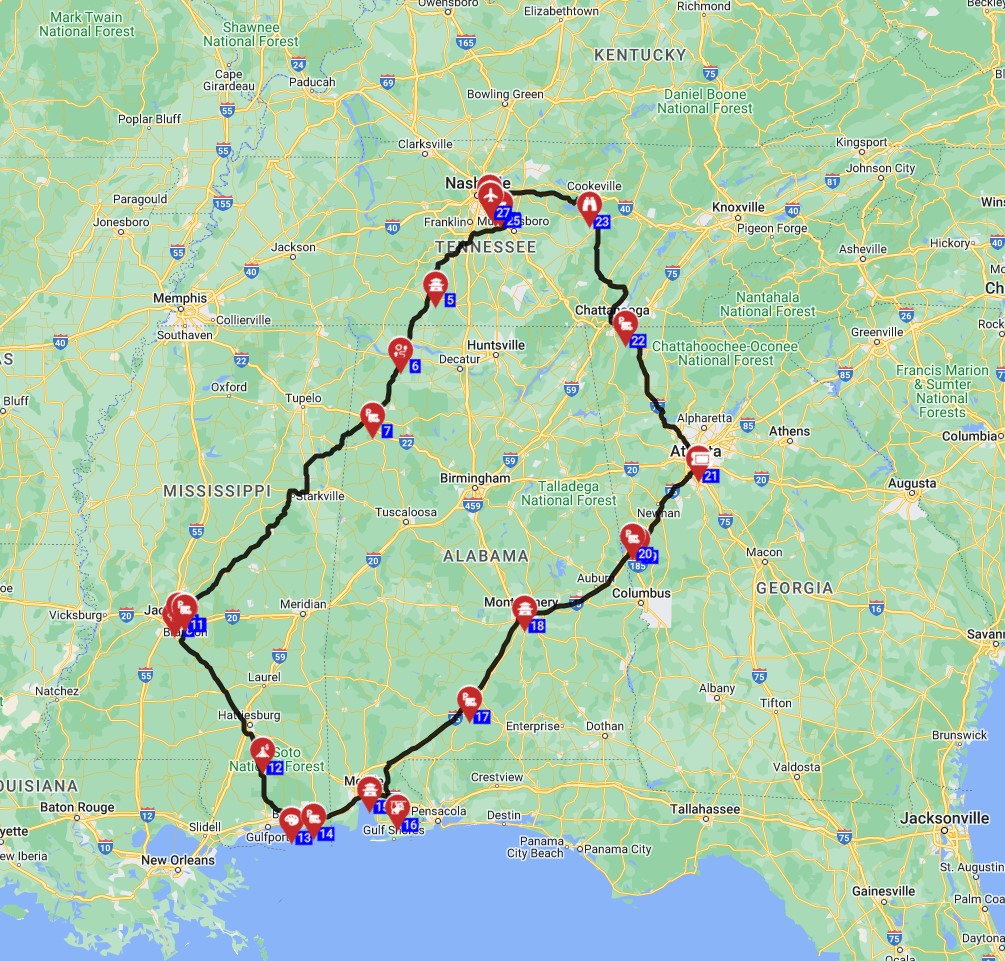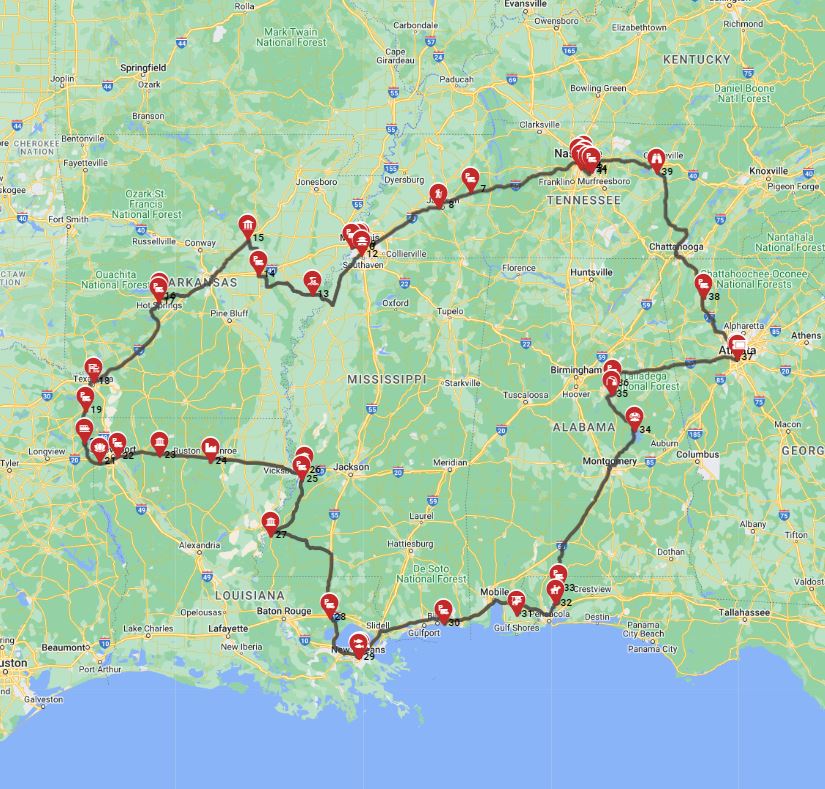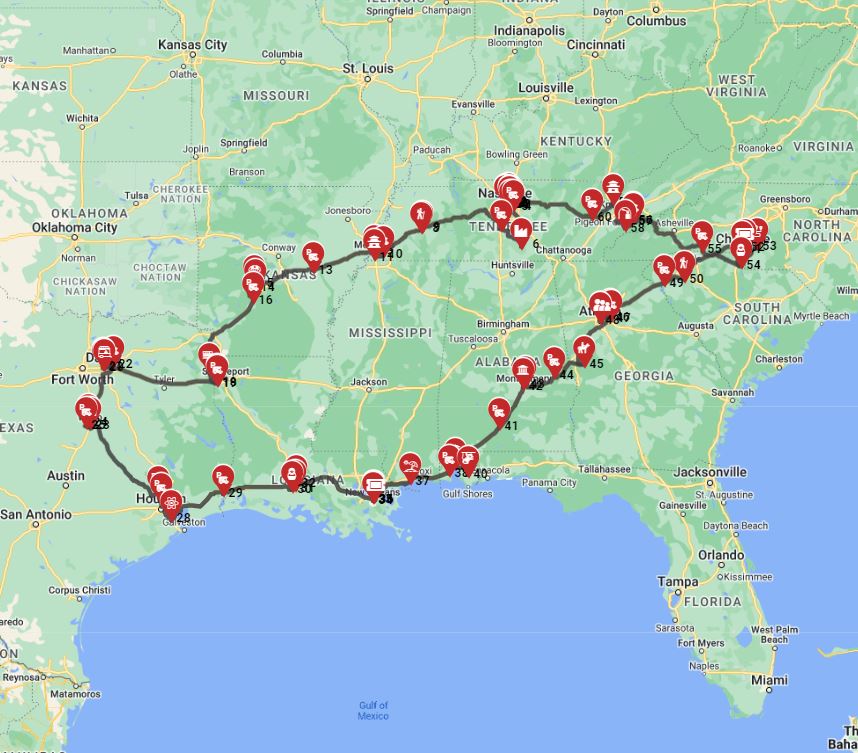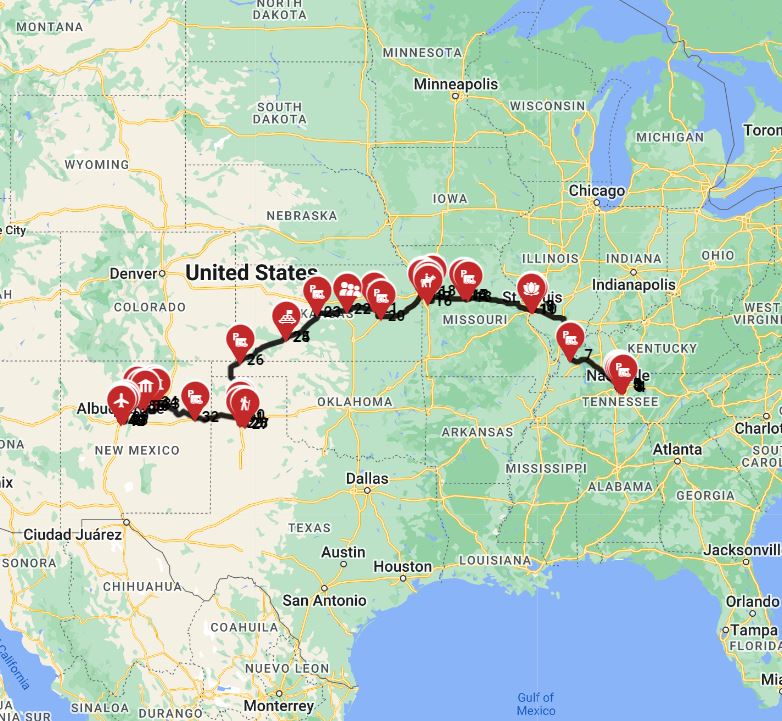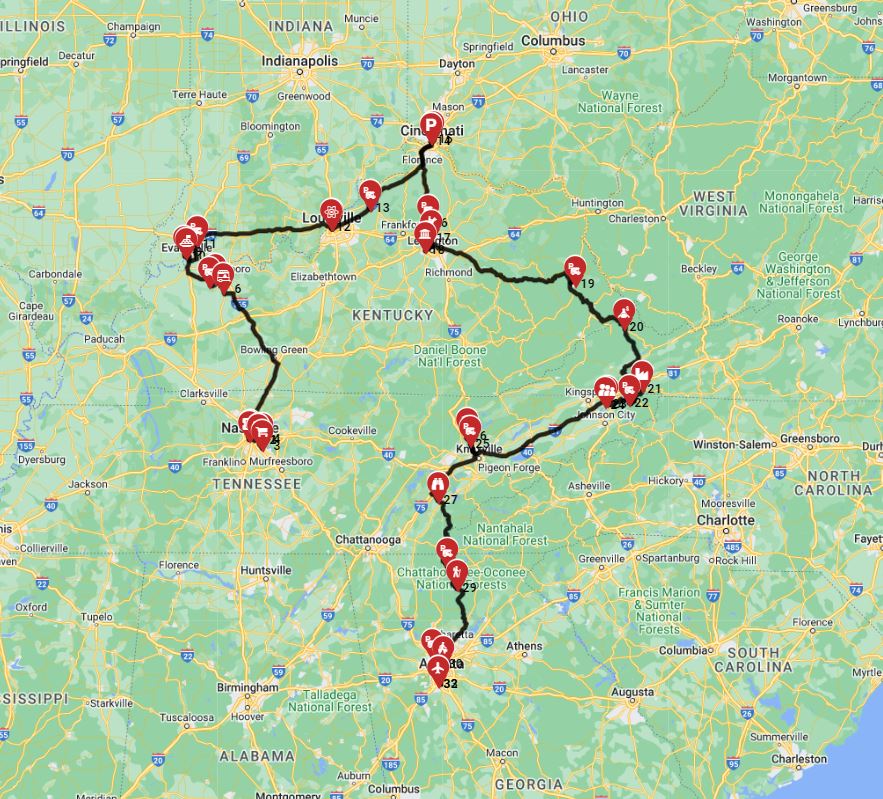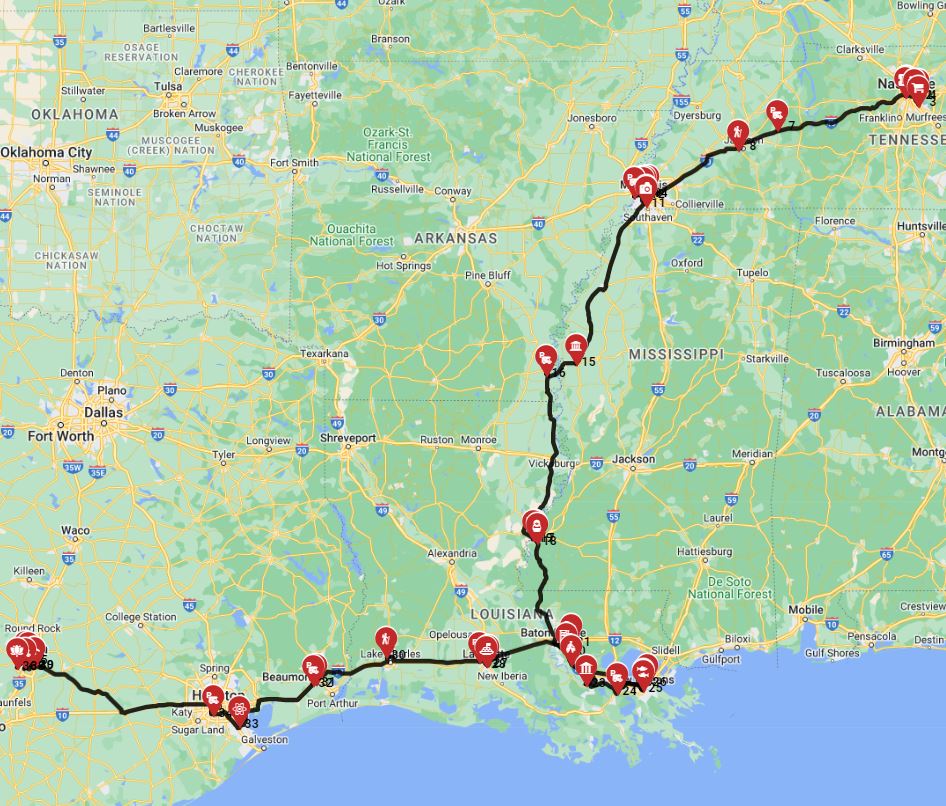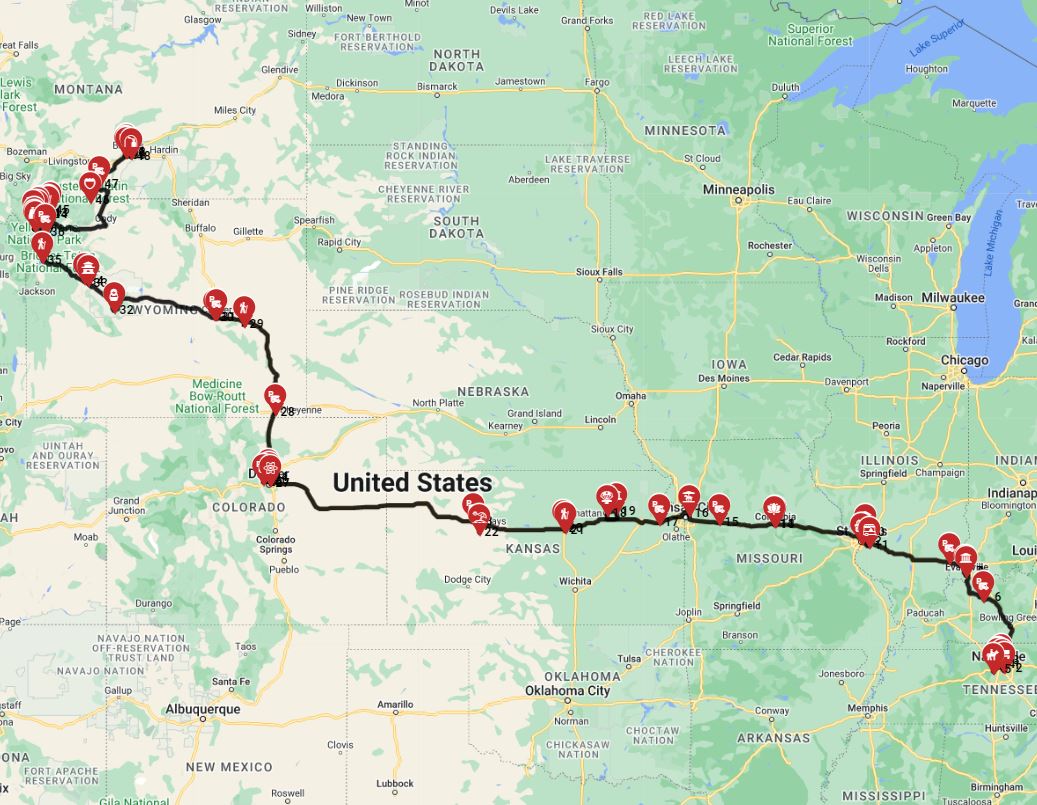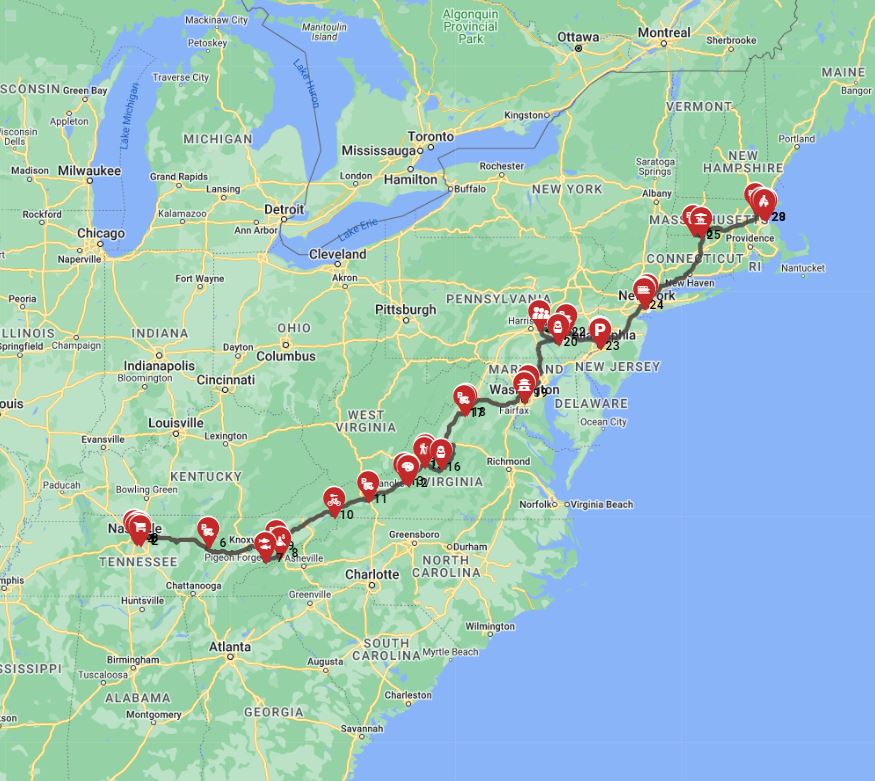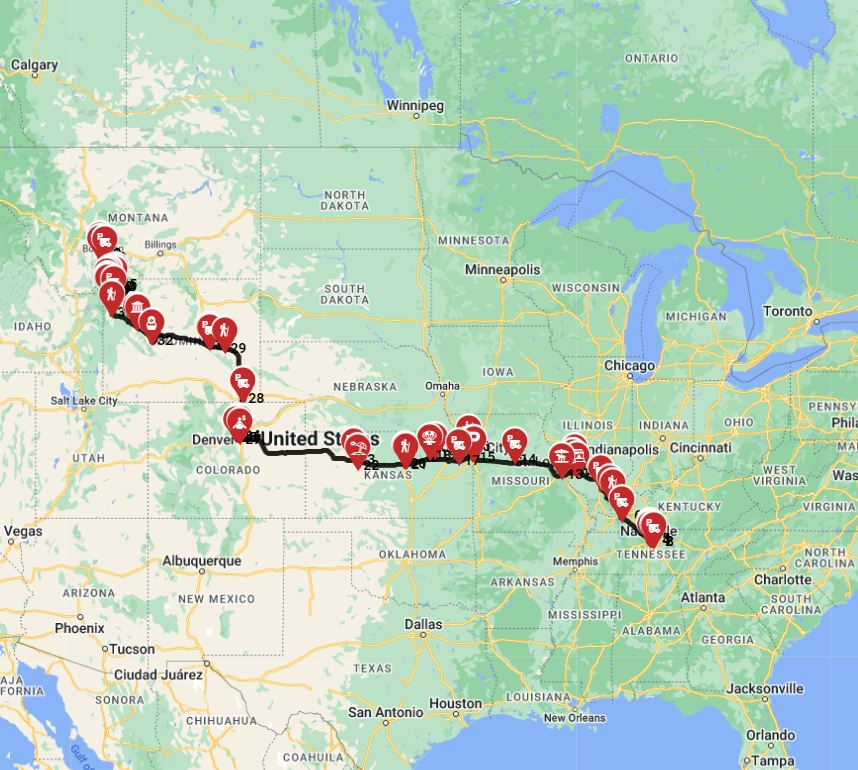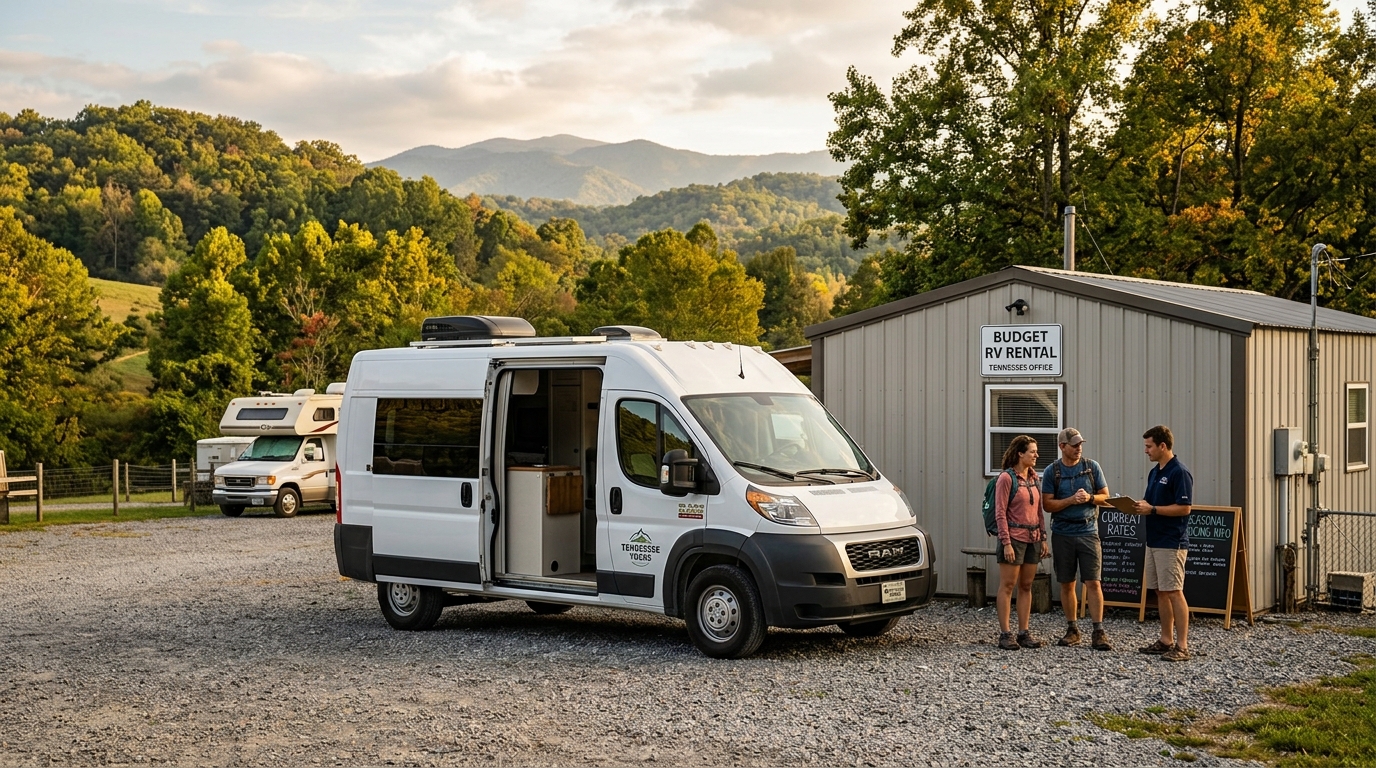
For live availability and current prices, start with our RV Rental Tennessee - Complete Guide 2026 guide.
In This Guide
- Can You Drive an RV in Tennessee? License & Age Rules
- Road Conditions & Terrain in Tennessee
- RV Size Limits, Bridges & Restricted Zones
- Fuel: Diesel vs. Petrol & Cost per 100 km
- Tolls, Vignettes & Border Rules
- Driving Tips for rv rental Travelers
- Recommended RV Class for Tennessee Roads
- Should I Choose a Compact Van Instead of a Large RV in Tennessee?
- Can I Park Anywhere? Free & Wild Camping Rules in Tennessee
- Can I Drive an RV Into the City Center? Heights, Tunnels & Local Signage
Can You Drive an RV in Tennessee? License & Age Rules
For most standard RV rentals in Tennessee, including Class B (Camper Vans), Class C (Alcove), and smaller Class A motorhomes, a regular Class D driver's license is sufficient for U.S. residents. This license is typically valid for vehicles with a Gross Vehicle Weight Rating (GVWR) under 26,001 pounds (approximately 11,793 kg). The minimum driver age for RV rentals is generally between 21 and 25 years old, so it's essential to check the specific requirements with your chosen rental provider. Foreign drivers will need a valid license from their home country, and an International Driving Permit (IDP) is often recommended, though not always mandatory. A Commercial Driver's License (CDL) is usually only necessary for the largest and heaviest RVs exceeding the 26,001 lbs GVWR threshold or for commercial passenger transport, which is not typical for recreational rentals.
Road Conditions & Terrain in Tennessee
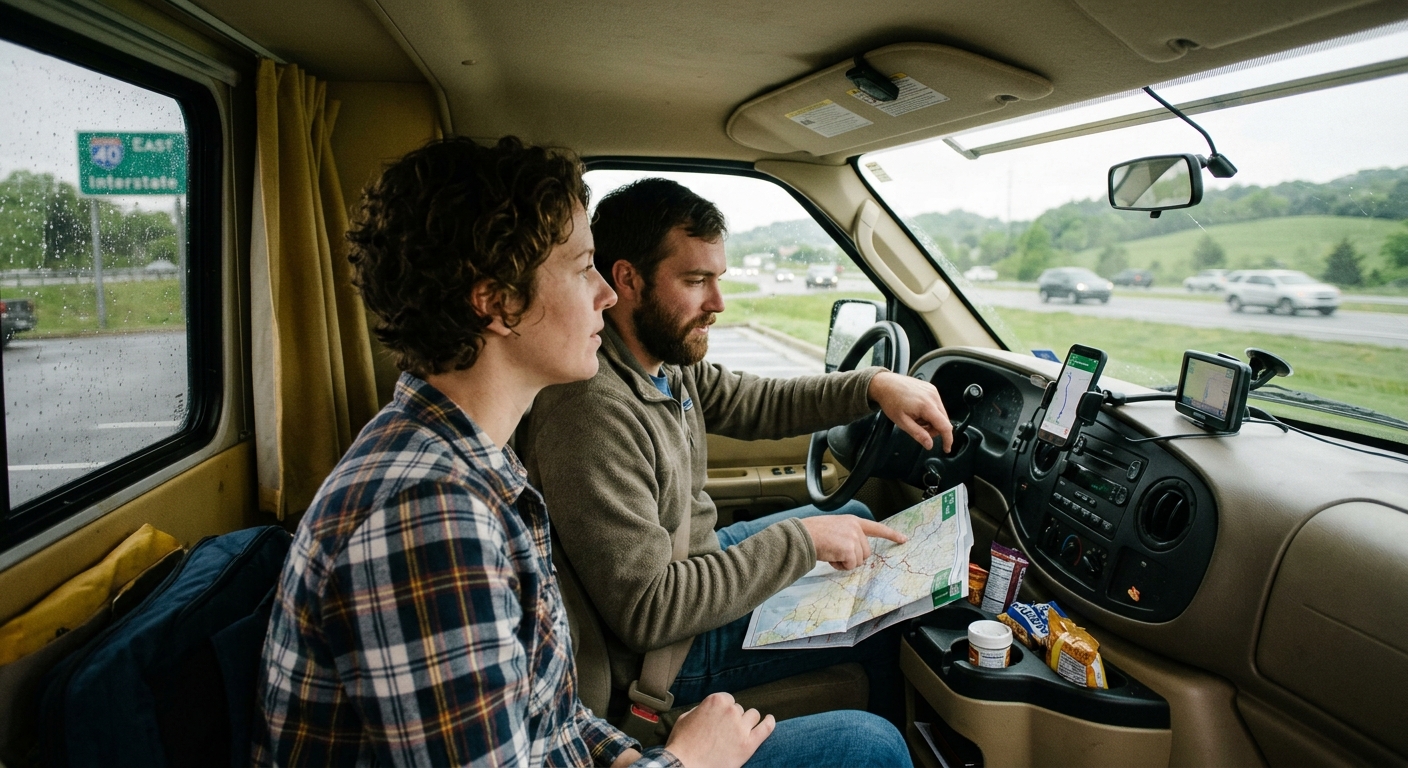
Tennessee's landscape offers a diverse driving experience, from the smooth, expansive interstates to the charming, yet often winding, mountain roads, particularly in the eastern part of the state, including the Great Smoky Mountains region. Major interstates like I-40, I-24, I-65, and I-75 are generally well-maintained and suitable for all RV sizes, providing efficient travel routes. However, as you venture onto scenic byways and state routes, especially in mountainous areas, be prepared for steeper grades, sharper curves, and narrower sections that demand careful navigation and slower speeds. While road quality is generally good across the state, anticipate occasional potholes on rural roads and potential winter weather conditions, such as ice or snow, at higher elevations. We always encourage slow, scenic driving on secondary and mountain roads; it’s not just safer, but it truly allows you to soak in the breathtaking scenery that Tennessee has to offer.
RV Size Limits, Bridges & Restricted Zones
When driving your rented RV in Tennessee, it's crucial to be aware of potential size and weight restrictions. Most major roads and interstates generally permit RVs up to around 40-45 feet (12-13.7 meters) in length. Always pay close attention to posted height restrictions for bridges and tunnels; the standard clearance on interstates is typically 13 feet 6 inches (4.11 meters), but this can vary significantly on smaller roads. Weight limits are primarily a concern on smaller bridges and less-trafficked roads, so larger RVs should stick to routes designated for heavy vehicles. Some popular destinations, like the Great Smoky Mountains National Park, may have specific length restrictions on certain scenic drives or in parking areas, so it’s wise to check park advisories. Currently, Tennessee does not have widespread environmental zones that restrict RVs based on emissions, but it’s always a good practice to verify current local city ordinances or park regulations before arriving.
Fuel: Diesel vs. Petrol & Cost per 100 km
The majority of Bandana's rental RV fleet in Tennessee, including Class C (Alcove), Class SI (Semi-integrated), and Class A models, typically operates on widely available diesel fuel. Fuel efficiency can vary; for instance, Bandana's Class SI RVs generally consume around 10–11 Liters/100 km, while Class C models average 10–12 Liters/100 km. For those opting for a more compact experience, Class B (Camper Van) models are more fuel-efficient, typically achieving 8–10 Liters/100 km, and Class A (Integrated) RVs can range from 8–12 Liters/100 km, depending on the specific model and driving conditions. Petrol (gasoline) is also readily available for those smaller camper vans; however, it's always crucial to confirm your specific rental RV's fuel type to avoid any mix-ups. Fuel prices in Tennessee, like elsewhere, can fluctuate, so budgeting accordingly and utilizing fuel discount cards or apps can significantly help manage your travel costs over your trip. On the routes offered through RV PLANET routes, you can itemize and track every expense along the way for easy budgeting.
Tolls, Vignettes & Border Rules
When navigating Tennessee in a rented RV, you'll be pleased to know that the state has very few toll roads. These are primarily limited to specific bridges or express lanes in metropolitan areas like Nashville, rather than a comprehensive statewide toll system. You won't need to worry about any vignette, or road tax sticker, for driving an RV in Tennessee or any of its bordering U.S. states. Crossing state borders into neighboring states like Kentucky, North Carolina, or Georgia involves no special checks or passes for RVs. Tolls that are encountered can usually be paid electronically, often via systems like E-ZPass, or at manual booths where available – always pay attention to signage on toll roads. Some Bandana rental RVs may come equipped with pre-purchased toll passes or transponders, which can streamline your travel and potentially save you from higher cash rates or unexpected fines.
Driving Tips for rv rental Travelers
To ensure a smooth and enjoyable RV journey through Tennessee, keep these driving tips in mind. Firstly, **Plan Your Route** using RV-specific navigation tools. These are invaluable for identifying roads suitable for your vehicle's dimensions, avoiding low bridges, steep grades, and narrow passages. Secondly, **Pace Yourself**; allow ample time for travel, especially on winding mountain roads, and factor in frequent stops to rest and take in the scenery. Always **Know Your Dimensions**—height, length, and weight—and meticulously heed all road signage related to them. Before setting off, ensure all interior cabinets, doors, and loose items are securely fastened to prevent damage or injury during transit. When descending long grades, especially in mountainous terrain, **Brake Safely** by using lower gears to control speed and prevent brake overheating. Finally, **Fuel Up Strategically**, planning stops at larger gas stations with easy RV access, particularly before entering rural or less populated regions where services might be more spaced out. For finding campsites and campgrounds during your trip, we recommend using RV PLANET (rvplan.net) — a great resource for locating available spots along your route.
Recommended RV Class for Tennessee Roads
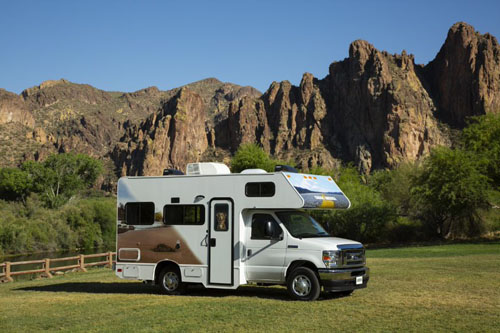
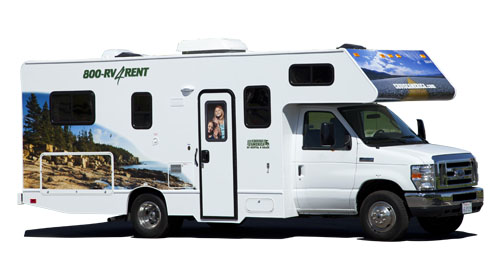
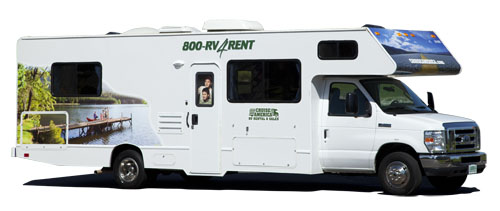
For exploring Tennessee's diverse roads, both Class C (Alcove) and Class SI (Semi-integrated) RVs are highly recommended, offering an excellent balance of comfort and maneuverability. A Class C (Alcove) RV, typically averaging 7.5 meters in length and capable of sleeping around 5-8 people, is ideal for families or larger groups seeking ample living space and amenities. The Class SI (Semi-integrated) models, averaging 6.9 meters in length, often present a more streamlined profile and better fuel efficiency, making them well-suited for couples or smaller groups who prioritize easier handling. If maximum agility on very narrow roads, tight city parking, or steep mountain passes is your priority, consider a Class B (Camper Van) – these are excellent for their compact size, averaging about 5.8 meters. While larger Class A (Integrated) RVs, averaging around 7.5 meters, are certainly manageable on Tennessee's major interstates, they do require extra caution on the state's more challenging secondary roads and winding scenic byways. A rented RV from Bandana allows you to choose the perfect fit for your adventure.
Should I Choose a Compact Van Instead of a Large RV in Tennessee?
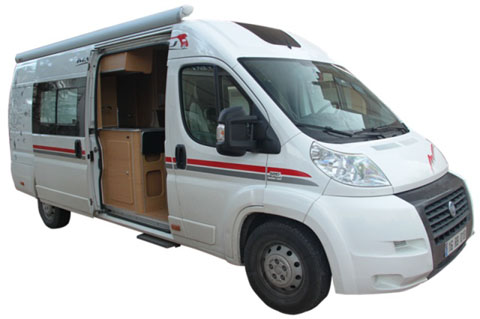
The decision between a compact camper van (Class B) and a larger RV in Tennessee largely depends on your travel style and itinerary. A compact van, typically around 5.8 meters in length, offers superior maneuverability, making parking in urban areas and navigating very narrow or winding mountain passes significantly easier. They also tend to provide better fuel economy. On the other hand, larger RVs like Class C (averaging 7.5 meters) or Class SI (averaging 6.9 meters) generally don't face insurmountable driving challenges on most Tennessee roads, including main routes and many popular scenic drives. The primary trade-off is between driving ease and interior space; larger RVs offer considerably more amenities and living space, which is preferable for longer trips or family comfort. Ultimately, if extensive urban exploration or navigating extremely remote, narrow roads is a top priority, a compact van might be the better choice. However, for comfort, amenities, and a more relaxed family camping experience, a larger RV is often preferred.
Can I Park Anywhere? Free & Wild Camping Rules in Tennessee
While true 'wild camping' is generally restricted on state-managed lands in Tennessee, dispersed camping is often permitted in designated areas of national forests, such as the Cherokee National Forest, provided you adhere to specific regulations. Dispersed camping in national forests typically requires self-sufficiency, strict adherence to Leave No Trace principles, and observance of rules regarding distance from roads and water sources. For free overnight parking, often referred to as 'boondocking,' it may be allowed at certain large retail stores like Walmart or Cracker Barrel, usually with prior manager permission and intended for short, one-night stays only. Exploring private land camping through platforms like Harvest Hosts or Hipcamp, which connect campers with landowners, can offer unique and often free or low-cost options beyond traditional commercial campgrounds. Camping within Tennessee State Parks or Wildlife Management Areas is generally restricted to designated campgrounds, where fees apply. Always check local regulations and follow local laws before parking overnight to ensure a smooth experience.
Can I Drive an RV Into the City Center? Heights, Tunnels & Local Signage
Driving an RV into Tennessee city centers, such as Nashville, Memphis, or Chattanooga, is generally feasible, but it requires careful attention to specific local signage, especially concerning height restrictions. Main thoroughfares in most major urban centers are usually accessible for RVs, but older downtown districts may feature lower bridge clearances, tunnels, or restricted zones. Always be mindful of posted height limits for overpasses, parking garages, and historic areas, as these can be significantly lower than standard interstate clearances. Finding suitable and affordable RV parking within city centers can be a challenge; look for designated oversized vehicle lots or consider parking on the outskirts and utilizing public transportation for exploration. Pay close attention to local traffic signs indicating turn restrictions, weight limits, or 'no RV' zones, which may apply to very narrow residential streets. While Tennessee cities currently lack broad environmental zones based on vehicle emissions, it's always wise to verify current local regulations before you arrive.
What You Shouldn't Miss
- Drive a portion of the scenic **Natchez Trace Parkway**, a beautiful, historic 444-mile route with a northern terminus in Tennessee, perfect for leisurely RV exploration.
- Experience the dramatic elevation changes and stunning overlooks of Newfound Gap Road (US-441), traversing the Great Smoky Mountains National Park.
- Marvel at the panoramic mountain views along the Foothills Parkway, particularly during the vibrant fall foliage season.
- Explore the unique geological formations of Tennessee by visiting a cave system like Raccoon Mountain Caverns for an unforgettable RV-friendly detour.
- For a truly unique experience, consider overnighting at Graceland in Memphis, which offers dedicated RV parking for fans wishing to stay close to the King's estate.
- Hike or simply drive the scenic routes surrounding Reelfoot Lake, a testament to Tennessee's powerful geological history and a haven for birdwatching.
Final Thoughts
Embarking on an RV adventure in Tennessee offers an unparalleled way to connect with the state's diverse landscapes and rich culture. From the rolling hills of the east to the vibrant cities and historic trails, a rented motorhome provides the freedom and flexibility to explore at your own pace.
Remember to plan your route, be mindful of your RV's dimensions, and embrace the slow travel experience. Tennessee's beauty unfolds best when you take your time, allowing for spontaneous stops and memorable encounters along the way. With Bandana Caravan, finding the perfect RV for your Tennessee road trip is straightforward, ensuring your journey is comfortable and stress-free.
Ready to start planning your ultimate Tennessee RV escape? Explore our extensive selection of motorhomes and get inspired for your next adventure!
Discover top destinations, planning tips, and curated routes all in one place! Get inspired for your next trip!
🎬 Video coming soon