In This Guide
- Can You Drive an RV in Stockholm? License & Age Rules
- Road Conditions & Terrain in Stockholm
- RV Size Limits, Bridges & Restricted Zones
- Fuel: Diesel vs. Petrol & Cost per 100 km
- Tolls, Vignettes & Border Rules
- Driving Tips for rv rental Travelers
- Recommended RV Class for Stockholm Roads
- Should I Choose a Compact Van Instead of a Large RV in Stockholm?
- Can I Park Anywhere? Free & Wild Camping Rules in Stockholm
- Can I Drive an RV Into the City Center? Heights, Tunnels & Local Signage
- Can I drive in Sweden with a US license?
- Is Sweden campervan friendly?
- Is it allowed to sleep in the car in Sweden?
- What countries are RV friendly?
- Can you own an RV in Europe?
- Detailed Explanation of Allemansrätten for RVs
- RV-Friendly Campgrounds Near Stockholm: Amenities and Booking
- Cost Breakdown for RV Travel in Stockholm: Fuel, Tolls & Campgrounds
- Recommendations for RV-Friendly Activities & Routes Around Stockholm
- Provisioning Your RV in Sweden: Groceries and Systembolaget
- RV Services in Sweden: Dump Stations, Water & Hookups
- Safety Tips for RV Travel in Sweden
- Connectivity and Internet Access for RVers in Sweden
- Cultural Etiquette and Local Customs for RVers
Can You Drive an RV in Stockholm? License & Age Rules
To drive most RVs up to 3,500 kg in Sweden, a standard B driver's license is sufficient, which includes many Class B Camper Vans and Semi-integrated models. For larger or heavier RVs exceeding 3,500 kg, such as some Class C Alcove or Class A Integrated models, a C1 or C driver's license is required. The minimum age for RV rental in Sweden is typically 20 or 21, though some rental companies may require drivers to be 25 for larger vehicles. EU/EEA licenses are valid, while non-EU/EEA license holders (including US licenses) should obtain an International Driving Permit (IDP) as a supplementary translation, although your original license is generally accepted for up to one year for tourists.
Road Conditions & Terrain in Stockholm
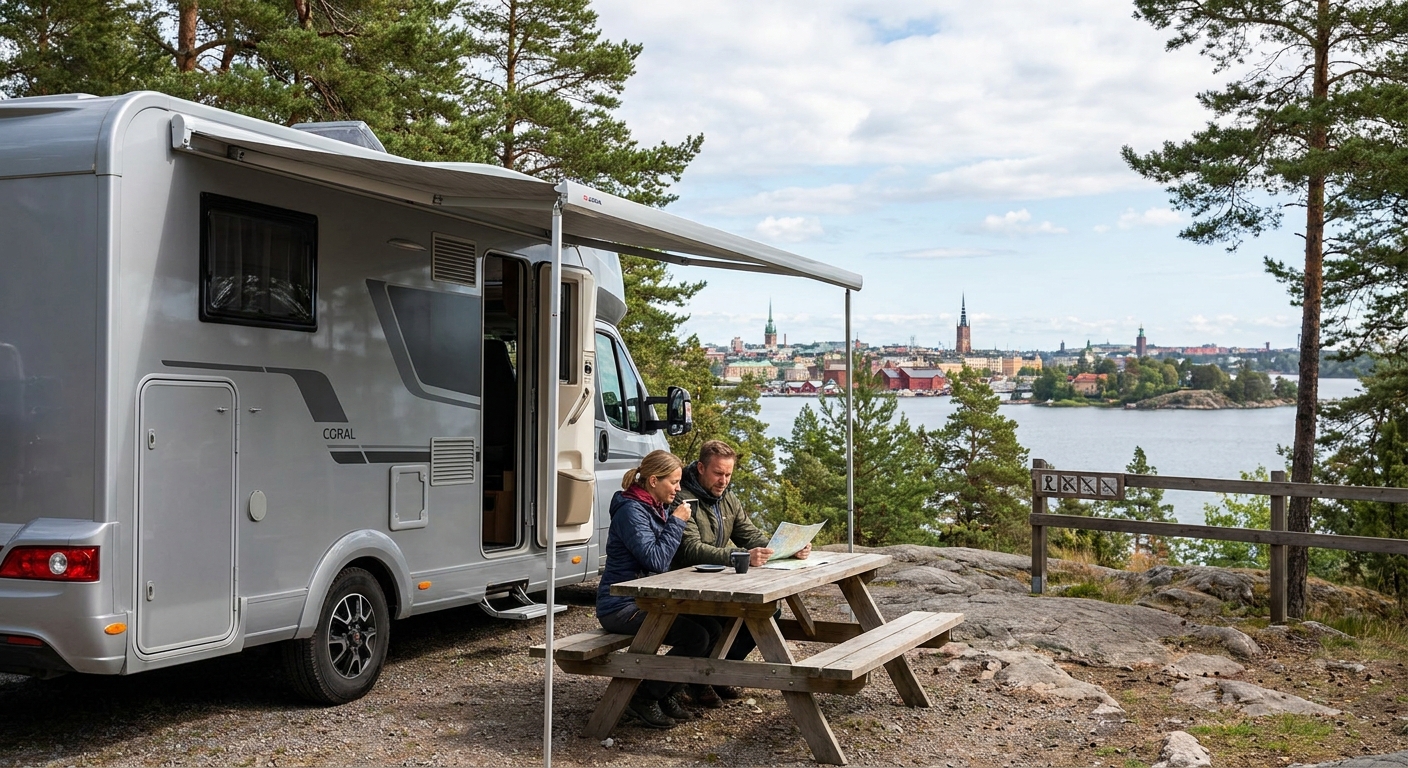
Stockholm's road network is generally well-maintained, offering smooth driving experiences on major highways and urban thoroughfares. Within the city, drivers will encounter denser traffic and occasional narrower streets, particularly in older districts like Gamla Stan (Old Town). Exploring the Stockholm archipelago might involve driving on winding, narrower roads and utilizing car ferries to reach various islands, offering scenic but slower travel. Outside the immediate urban area, especially on routes leading to nature reserves or more rural settings, travelers may encounter gravel roads. Drivers should be vigilant for wildlife, particularly moose and deer, which can appear on roads outside of urban areas, especially at dawn and dusk.
RV Size Limits, Bridges & Restricted Zones
Stockholm has an environmental zone ('Miljözon') in its city center, which restricts older, higher-emission diesel vehicles, though most modern rental RVs typically meet these requirements. A congestion tax is automatically applied to vehicles entering and exiting central Stockholm during peak hours, with charges varying based on the time of day. While main routes and highways generally accommodate RVs of all sizes, drivers should always pay attention to signage for specific height and weight restrictions, particularly when entering parking garages or traversing older city areas. When planning trips to the Stockholm archipelago, be aware that some ferries may have length or weight limits, and booking in advance is often recommended for larger vehicles during peak season.
Fuel: Diesel vs. Petrol & Cost per 100 km
The vast majority of RVs available for rent in Sweden, including those in Bandana's fleet, are diesel-powered, with diesel widely available at fuel stations. Average fuel consumption for a Class B Camper Van is typically 8-10 Liters/100 Km, while Class SI Semi-integrated RVs average 8-11 Liters/100 Km, and Class C Alcove models consume around 11-13 Liters/100 km. Based on these averages, a Class B Camper Van might cost approximately 16-20 EUR per 100 km for fuel (assuming an average of 2 EUR/L diesel in Sweden). Fuel prices in Sweden are generally higher than in many other European countries, so budgeting accordingly is advisable. Some fuel stations in Sweden also offer renewable diesel (HVO100), providing a more sustainable option for environmentally conscious travelers. On the routes offered through RV PLANET routes, you can itemize and track every expense along the way for easy budgeting.
Tolls, Vignettes & Border Rules
Stockholm operates a congestion tax system where charges are automatically registered via cameras when vehicles enter or exit the city center during certain hours, with the bill typically sent to the vehicle owner (rental company). Unlike some other European countries, Sweden does not utilize a vignette system for its highways; road usage is generally free except for specific bridges and city congestion charges. The Öresund Bridge, connecting Sweden to Denmark, requires a toll payment, which can be paid directly or through an electronic toll tag system. For travel between Sweden and neighboring EU countries within the Schengen Area, there are generally no border controls, allowing for free movement, though customs checks for goods can occur.
Driving Tips for rv rental Travelers
In Sweden, it is mandatory to drive with headlights on at all times, even during daylight hours, for increased visibility. Adhere strictly to posted speed limits, as they are rigorously enforced, and fines can be substantial. Be highly alert for wildlife, particularly moose and deer, by heeding warning signs and exercising extra caution during dawn, dusk, and nighttime hours. Plan regular breaks every two hours, especially for families, to ensure driver alertness and passenger comfort. In urban environments, be particularly mindful of cyclists and pedestrians, giving them ample space and right-of-way.
Recommended RV Class for Stockholm Roads
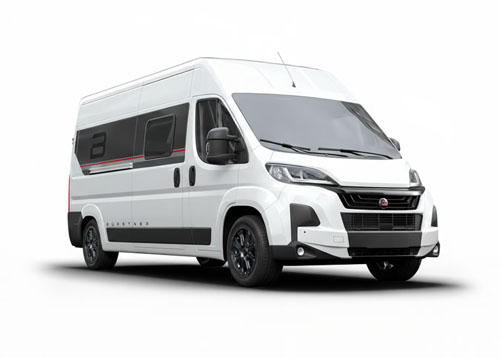
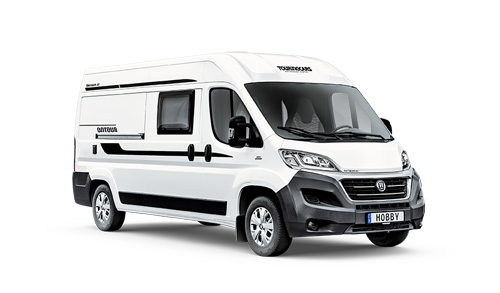
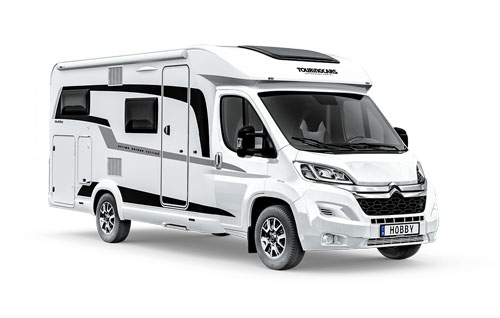
For navigating Stockholm's city streets, finding parking, and exploring the archipelago, a Class B - Camper Van (averaging 6 meters in length) is highly recommended due to its excellent maneuverability and compact size, ideal for 2 adults. A Class SI - Semi-integrated RV (averaging 7.1 meters in length) offers a good balance of increased living space and manageable size for Swedish roads, making it suitable for 3-4 adults. While larger Class C Alcove and Class A Integrated RVs are suitable for main highways, their size may present greater challenges for parking and navigating very narrow or historic city areas in Stockholm.
Should I Choose a Compact Van Instead of a Large RV in Stockholm?
Choosing a compact van (like a Class B Camper Van) for your Stockholm adventure offers superior maneuverability and ease of parking, especially beneficial in dense city areas, the archipelago's winding roads, and smaller towns. However, larger RVs (such as Semi-integrated or Alcove models) provide significantly more indoor space, comfort, and amenities, which often proves a greater advantage than the marginal gains in maneuverability a smaller vehicle offers. Stockholm's major roads and highways are well-suited for all RV sizes, making the decision primarily a trade-off between interior comfort and convenience in tighter parking scenarios. Opt for a compact van if extensive city center exploration, navigating very narrow roads, or minimal setup is paramount; otherwise, a larger RV generally enhances the overall comfort and enjoyment of a Swedish road trip.
Can I Park Anywhere? Free & Wild Camping Rules in Stockholm
In Sweden, while the 'Allemansrätten' (Right of Public Access) allows significant freedom for hiking and tent camping, it does not generally permit wild camping with motor vehicles like RVs on private land without the owner's explicit permission. Overnight parking of an RV is typically allowed in public parking spots or along roadsides, provided there are no explicit 'no overnight parking' signs and you are not causing an obstruction or violating local parking ordinances. This means that while you can often park overnight, setting up a full 'camp' with awnings, tables, and extended stays on undesignated land is restricted for RVs. Stockholm's parking regulations are particularly strict, often metered, and may have time limits or size restrictions for larger vehicles, especially in popular or residential areas. Rules vary by region — always check local regulations and follow local law before parking overnight.
Can I Drive an RV Into the City Center? Heights, Tunnels & Local Signage
Yes, you can generally drive an RV into Stockholm's city center, but it requires careful attention to specific local signage, environmental zones, and potential congestion taxes. Drivers must be aware of Stockholm's congestion tax, which applies to vehicles entering and exiting the city center during certain hours, and its environmental zone ('Miljözon') that restricts older, higher-emission vehicles. While major tunnels and underpasses on primary routes are typically designed to accommodate standard vehicle heights, always check for specific height limit signs, especially when considering parking garages or navigating older, narrower streets. Ample parking for larger RVs within the immediate city center is limited and often expensive; it's usually more practical to park on the periphery and use public transport for central exploration. Paying close attention to all local signage, including those for vehicle weight, size restrictions, and residents-only streets, is crucial to avoid fines and ensure smooth navigation.
Can I drive in Sweden with a US license?
Yes, visitors from the United States can legally drive in Sweden using a valid US driver's license for a period of up to one year from their entry date. Although not legally mandatory for short-term visits, an International Driving Permit (IDP) is highly recommended for US license holders, as it provides a multi-language translation of your license, which can be helpful for rental companies or in police interactions. For stays exceeding one year, a US license would generally need to be converted to a Swedish license, a process typically not relevant for tourists on an RV rental trip.
Is Sweden campervan friendly?
Sweden is widely considered a highly campervan-friendly country, boasting excellent infrastructure, an abundance of natural beauty, and a strong culture of outdoor recreation. The country offers a vast network of well-equipped campsites, many situated in picturesque locations near lakes, forests, or along the extensive coastline, providing essential amenities. Major roads and highways are typically well-maintained and suitable for RVs of all sizes, ensuring comfortable travel between destinations. While Sweden's 'Allemansrätten' (Right of Public Access) offers great freedom for exploring nature, it's crucial for RVers to understand that rules for motorized vehicles regarding overnight parking outside designated sites are stricter than for tent camping.
Is it allowed to sleep in the car in Sweden?
In Sweden, sleeping overnight in your car or RV is generally allowed in designated public parking areas or along public roads, provided you are not causing an obstruction, violating specific local parking regulations, or trespassing on private land. It is important to differentiate between 'sleeping in your car' and 'wild camping'; while a night's rest inside your vehicle is often tolerated, setting up a full camp with awnings, outdoor furniture, or staying for multiple nights outside official sites is usually restricted for RVs. Always pay close attention to local signage; look for explicit 'no overnight parking' or 'camping forbidden' signs, particularly in popular tourist areas, residential zones, or nature reserves. For guaranteed legality, access to essential facilities (waste disposal, fresh water, electricity), and peace of mind, utilizing official campgrounds or designated motorhome parking areas ('ställplatser') is the safest and most convenient option.
What countries are RV friendly?
Many European nations are exceptionally RV-friendly, offering diverse landscapes, well-developed infrastructure, and a robust culture of motorhome travel, making them ideal for road trips. The Nordic countries (Sweden, Norway, Finland, Denmark) stand out for their stunning natural beauty, excellent roads, and a generally welcoming attitude towards RVers, complemented by expansive camping networks. Western European countries like Germany, France, Italy, and Spain boast extensive networks of campsites and 'stellplätze' (dedicated motorhome parking areas), offering everything from alpine scenery to sun-drenched coastlines. Beyond Europe, New Zealand and Australia are immensely popular RV destinations, characterized by vast open spaces, scenic routes, and numerous holiday parks designed for motorhome travelers. The United States and Canada also offer highly RV-friendly environments, with abundant national parks, dedicated RV parks, and a strong culture of long-distance road tripping with various RV classes.
Can you own an RV in Europe?
Yes, it is possible for non-EU citizens to own an RV in Europe, but the process can be quite complex due to varying national regulations concerning vehicle registration, insurance, and residency. Typically, owning and registering a vehicle in a European country often necessitates having a legal address or proof of residency in that particular country, which can be a significant hurdle for non-residents. For short-term travel or a single European road trip, renting an RV from a reputable company like Bandana is a significantly simpler, more practical, and less bureaucratic alternative than attempting to purchase and register a vehicle as a non-EU citizen. Some non-EU citizens opt for schemes allowing them to register an RV under a lease-back or buy-back program in certain countries, though these are niche services.
Detailed Explanation of Allemansrätten for RVs
Allemansrätten, Sweden's 'Right of Public Access,' is a unique principle allowing free enjoyment of nature for activities like walking, cycling, and tent camping, but its application is significantly restricted for motorized vehicles, including RVs. While it permits tent camping for a night or two on uncultivated private land out of sight from homes, this right does not extend to driving or parking motorhomes on such land without the landowner's explicit permission. The core tenet of Allemansrätten, 'don't disturb, don't destroy,' means that larger vehicles like RVs are expected to stick to public roads, designated parking spots, and official campgrounds to minimize environmental impact and respect private property. For RVers, utilizing official campsites or designated 'ställplatser' (motorhome parking areas) is essential to comply with the spirit and letter of Allemansrätten and avoid potential fines or conflicts.
RV-Friendly Campgrounds Near Stockholm: Amenities and Booking
The Stockholm region offers numerous RV-friendly campgrounds that provide essential amenities for motorhome travelers, ensuring a comfortable stay near the city and its natural surroundings. Common amenities include electricity hookups, fresh water refill stations, greywater and chemical toilet dump stations, shower facilities, laundry services, and often Wi-Fi access. Popular choices include Stockholm Ängby Camping, offering proximity to a beach and good public transport links to the city center, and Långholmen Caravan Camping, situated on an island closer to urban attractions. Further afield, Gålö Havsbad Camping provides a stunning coastal setting within the archipelago, ideal for those seeking nature and sea views. Especially during the peak summer season (June-August), booking your RV pitch in advance is highly recommended through the campground's website or common booking platforms to guarantee availability.
Cost Breakdown for RV Travel in Stockholm: Fuel, Tolls & Campgrounds
Fuel costs in Sweden are generally higher than in many other European countries; for instance, a Class B Camper Van consuming 8-10 L/100km will incur approximately 16-20 EUR per 100km (based on a hypothetical 2 EUR/L diesel price). Tolls include Stockholm's congestion tax, which ranges from 11-45 SEK (approx. 1-4 EUR) depending on the time of day, with a daily cap, and the Öresund Bridge toll for crossing to Denmark, costing around 55 EUR for an RV. Campsite fees vary by location, season, and amenities, but travelers can expect to pay approximately 250-500 SEK (25-50 EUR) per night for an RV pitch with electricity. Additional costs may include ferry costs for exploring the Stockholm archipelago, which vary by route and vehicle length. Provisioning costs for groceries can be slightly higher than in Central Europe, and alcoholic beverages (stronger than 3.5% ABV) must be purchased exclusively from state-run Systembolaget stores.
Recommendations for RV-Friendly Activities & Routes Around Stockholm
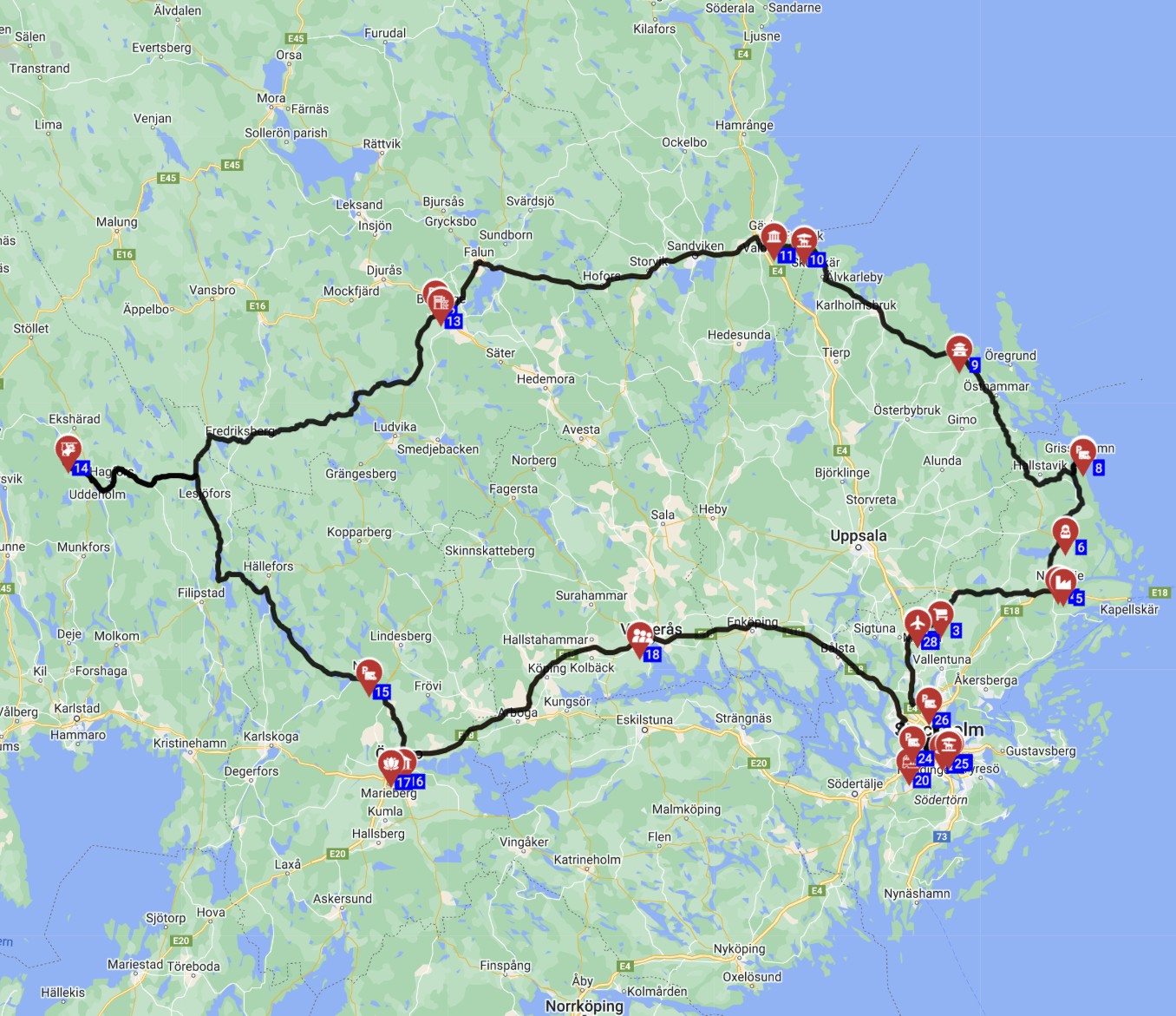
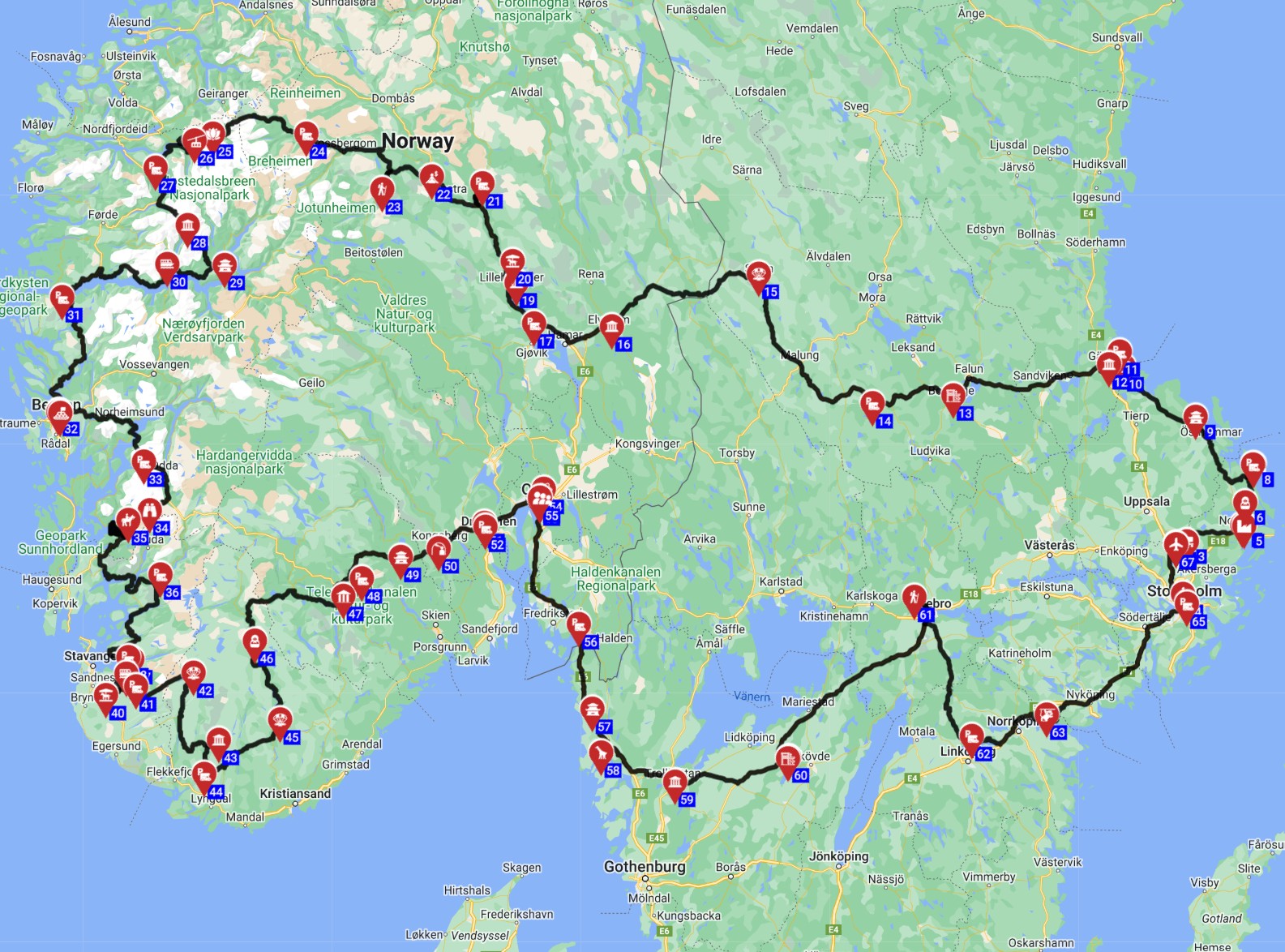
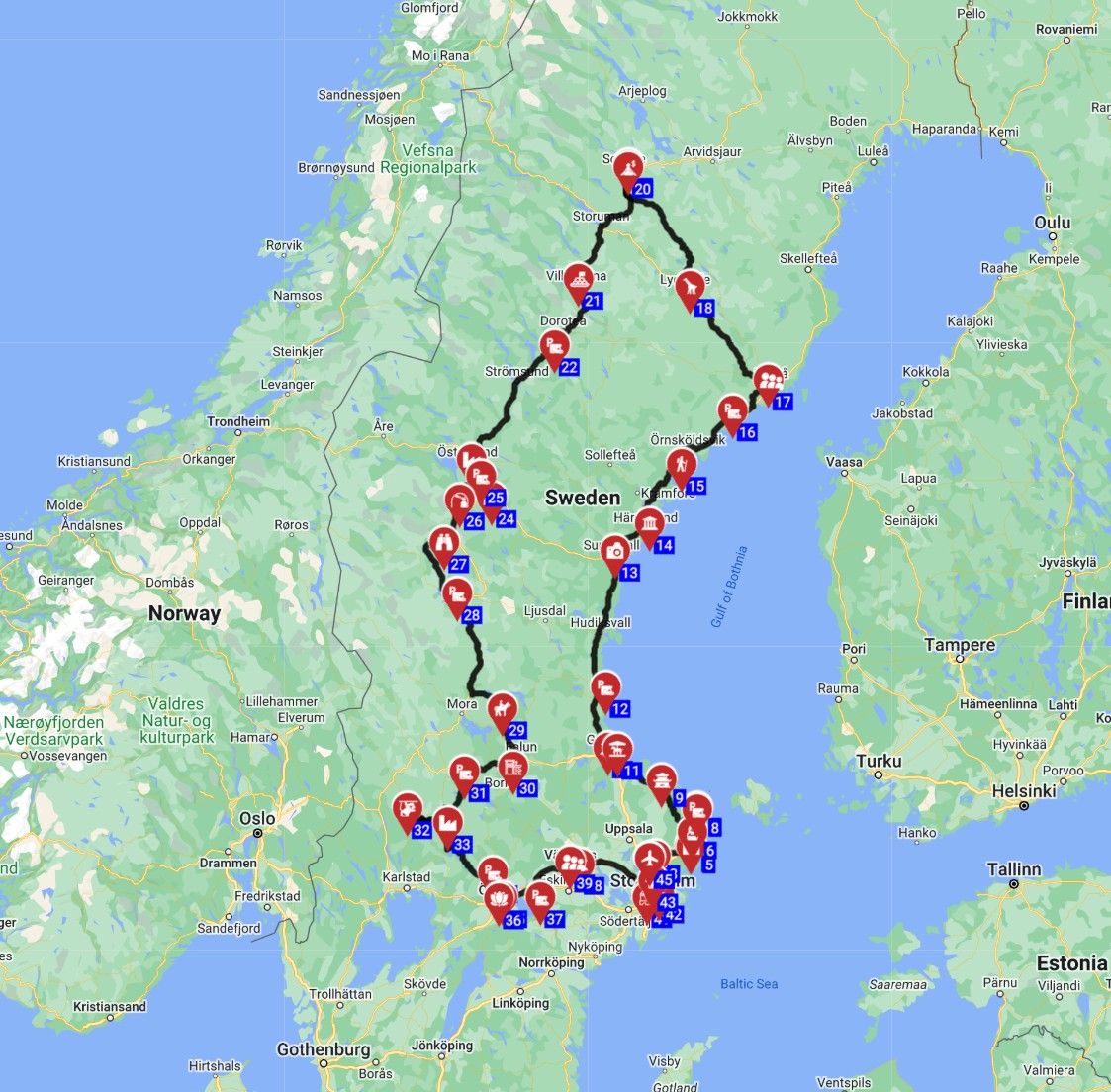
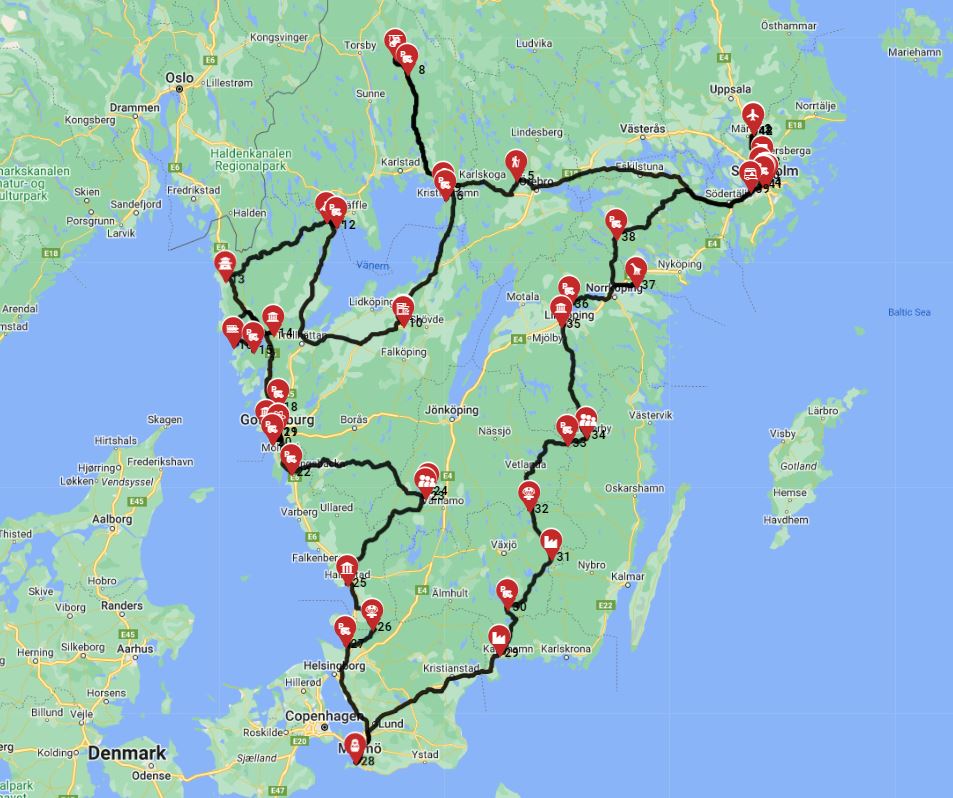
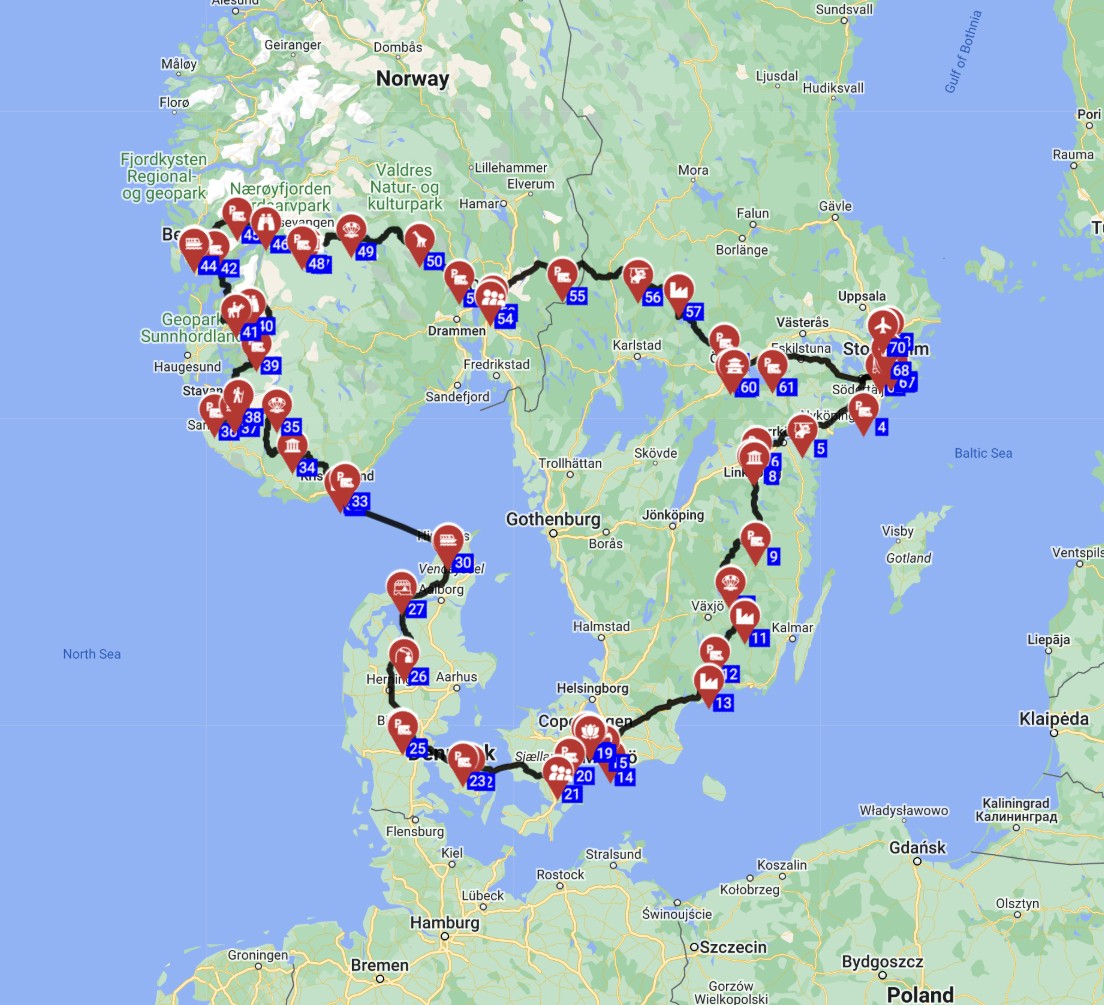
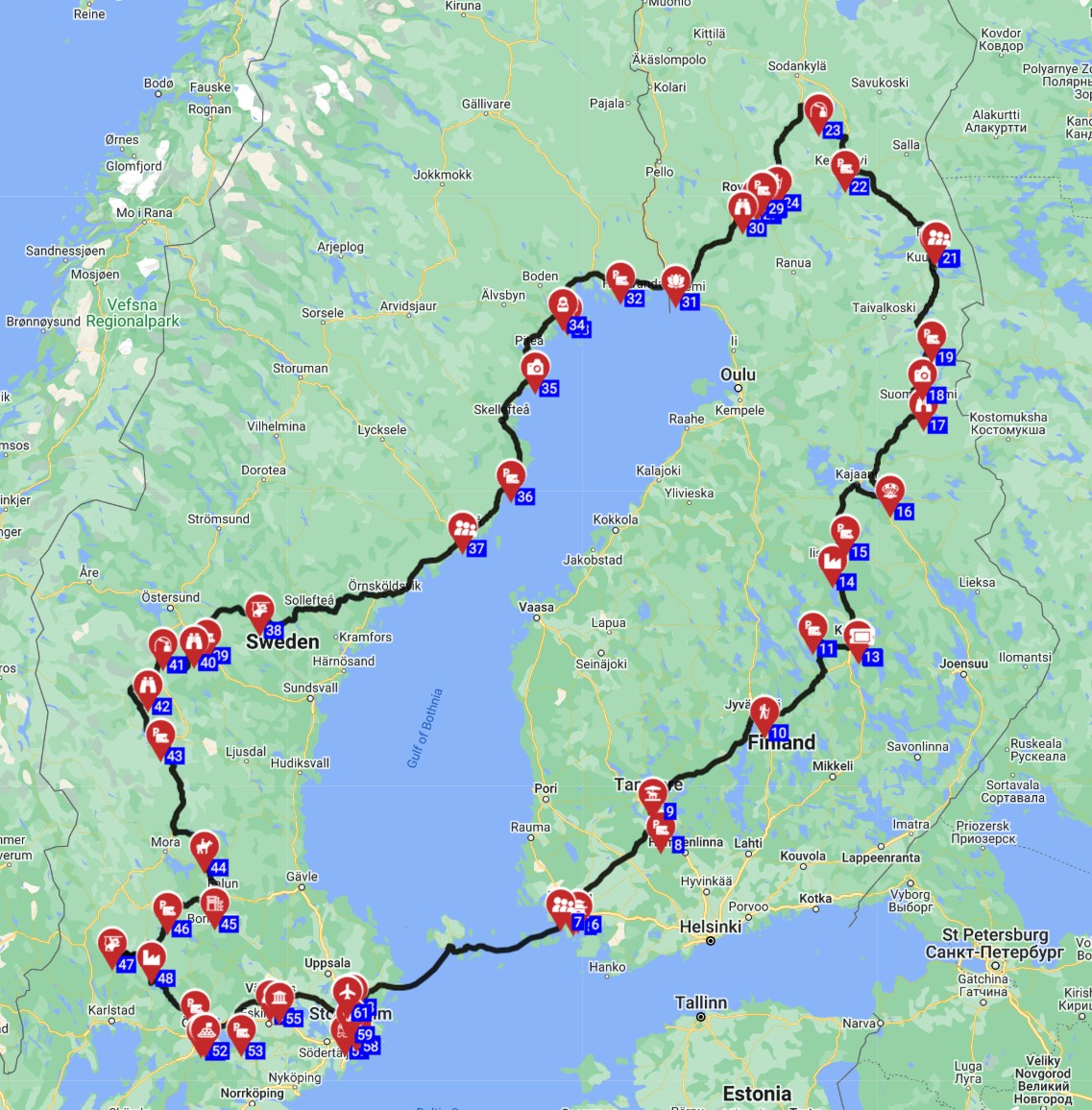
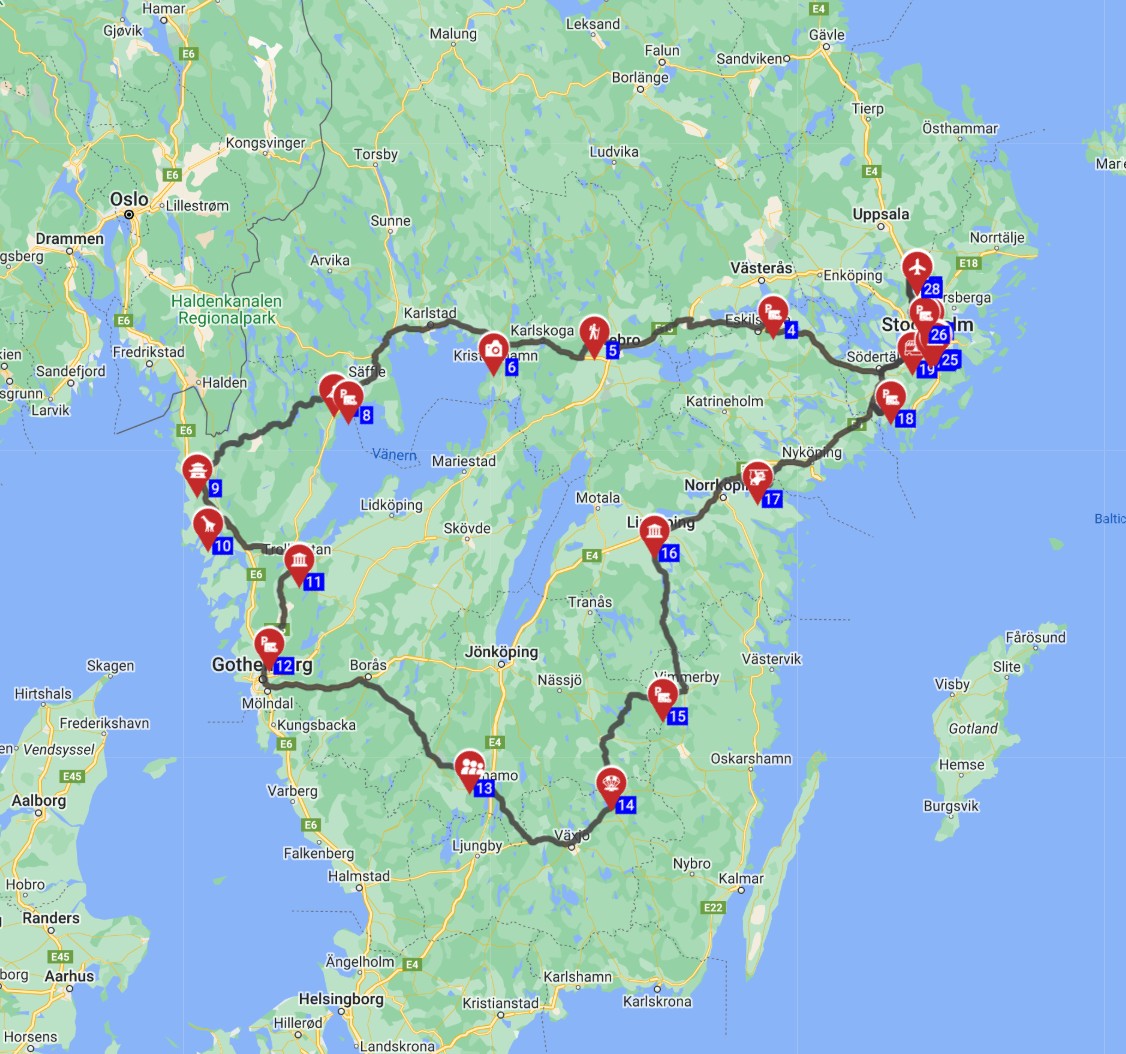
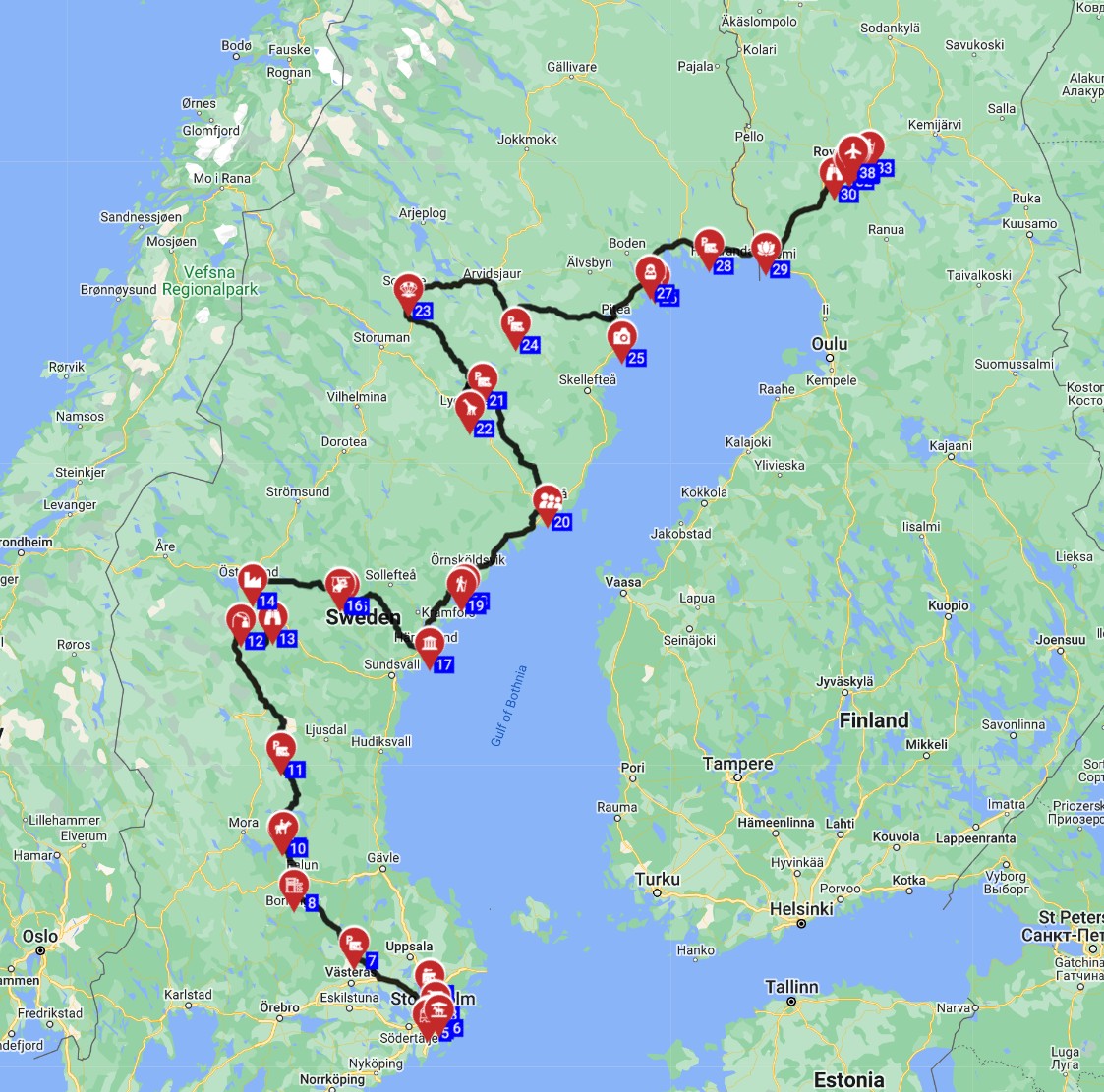
Explore the Stockholm Archipelago by parking your RV near a ferry terminal and taking passenger ferries to charming islands like Vaxholm, Grinda, or Sandhamn for idyllic day trips. Drive south along the picturesque Sörmland Coast to visit historic towns such as Nyköping and Trosa, and discover coastal nature reserves, often with RV-friendly parking outside town centers. Embark on a loop around Lake Mälaren, stopping at UNESCO World Heritage site Drottningholm Palace (parking available nearby), the impressive Gripsholm Castle, and Sweden's oldest town, Sigtuna. Visit Tyresta National Park, a primeval forest just south of Stockholm, where you can park your RV at the entrance and enjoy extensive hiking trails. Plan day trips to culturally rich destinations like Uppsala, Sweden's fourth-largest city with a renowned university and cathedral, or the Viking history-rich Birka, accessible via boat tours from various points accessible by RV.
Provisioning Your RV in Sweden: Groceries and Systembolaget
Major supermarket chains like ICA, Coop, and Willys are widespread across Sweden, offering a comprehensive range of fresh produce, pantry staples, and local Swedish specialties, with many larger stores featuring ample parking suitable for RVs. For fresh, seasonal, and often organic products, seek out local 'Bondens marknad' (farmers' markets), particularly in towns and rural areas outside Stockholm. Regarding alcoholic beverages, Sweden operates under a state monopoly, meaning any alcohol stronger than 3.5% ABV can only be purchased at 'Systembolaget' stores, which have specific, limited opening hours (typically closed on Sundays). Plan your alcohol purchases in advance, especially around holidays, as Systembolaget stores are the only legal retail outlets for wine, spirits, and strong beer. Fresh drinking water for your RV is readily available at official campgrounds and designated service points throughout Sweden.
RV Services in Sweden: Dump Stations, Water & Hookups
Designated dump stations for both greywater and chemical toilets ('Tömning') are primarily found at official campgrounds and dedicated motorhome parking areas known as 'ställplatser' across Sweden. Fresh water refill points ('Färskvatten' or 'Dricksvatten') are readily available at most campgrounds and often at larger fuel stations or rest areas equipped for RVs. Electricity hookups in Sweden utilize the standard European 230V, two-pin plug system, with most campgrounds offering 10-16A connections; rental RVs typically come equipped with the appropriate cables and adapters. To efficiently locate available RV service points, including dump stations, water refills, and electricity hookups outside of formal campgrounds, utilize popular RV-specific apps like Campercontact or park4night. It is crucial to dispose of waste responsibly at designated facilities to protect Sweden's pristine natural environment and comply with local regulations.
Safety Tips for RV Travel in Sweden
Wildlife Encounters: Be extremely vigilant for moose, deer, and reindeer, particularly at dawn, dusk, and night in rural areas; their presence on roads can lead to severe accidents. Road Conditions: While generally excellent, Swedish roads can become slippery due to leaves or frost in autumn and challenging with ice or snow in winter; always adapt your driving speed to conditions. Emergency Services: In any emergency situation (police, fire, ambulance), dial 112, the universal emergency number in Sweden. Roadside Assistance: Ensure your RV rental agreement includes comprehensive roadside assistance coverage for peace of mind in case of breakdowns. Theft Prevention: Always lock your RV, avoid leaving valuables visible, and consider staying at secure campsites, especially when parked overnight in urban areas. Winter Travel: If traveling during winter months, confirm your rental RV is equipped with appropriate winter tires (studded or friction) and that its water systems are protected from freezing temperatures.
Connectivity and Internet Access for RVers in Sweden
Sweden boasts excellent 4G and increasingly 5G mobile data coverage, extending even to many rural and remote areas, making a local SIM card or an e-SIM with a robust data plan a highly recommended option for continuous connectivity. Major Swedish mobile operators include Telia, Tele2, Telenor, and Tre, all offering various prepaid and contract data plans suitable for travelers. Some RV rental companies may offer portable Wi-Fi devices or integrate connectivity solutions directly into their vehicles as an optional add-on, providing a convenient way to stay online. Most formal campgrounds across Sweden provide Wi-Fi access, though quality and speed can vary, and it may sometimes be offered for an additional fee. Public Wi-Fi is also commonly available in cafes, libraries, tourist information centers, and some public spaces in Swedish towns and cities.
Cultural Etiquette and Local Customs for RVers
Quiet Hours: Always respect designated quiet hours at Swedish campgrounds, typically enforced from 10 PM to 7 AM, to ensure a peaceful environment for all campers. Waste Disposal: Adhere strictly to proper waste disposal practices, utilizing designated dump stations for greywater and chemical toilets, and always placing trash in appropriate bins; 'don't disturb, don't destroy' extends to waste management. Personal Space: Swedes generally value personal space; maintain a respectful distance in queues and during conversations. 'Lagom': Embrace the Swedish concept of 'lagom,' meaning 'just right' or 'in moderation,' which applies to consumption, noise levels, and general behavior, encouraging balance and consideration. Greetings: A simple 'Hej' (hello) or 'Tack' (thank you) is appreciated, and while English is widely spoken, especially in tourist areas, a few basic Swedish phrases can enhance interactions. Shoe Removal: When visiting private homes or some smaller, intimate establishments, it is customary to remove your shoes upon entering.
What You Shouldn't Miss
- Immerse yourself in the beauty of the Stockholm Archipelago; park your RV and hop on a ferry to islands like Vaxholm or Grinda.
- Explore the historic charm of towns along the Sörmland Coast, such as Nyköping and Trosa, easily accessible by RV.
- Take a scenic loop around Lake Mälaren, visiting the UNESCO World Heritage site Drottningholm Palace and the medieval town of Sigtuna.
- Hike through the ancient forests of Tyresta National Park, just a short drive from Stockholm, with convenient RV parking at the entrance.
- Discover the cultural richness of Uppsala, a vibrant university city easily reachable by RV for a day trip or overnight stay.
- Step back in time by exploring Viking history around Stockholm, with sites like Birka offering a glimpse into Sweden's past.
Final Thoughts
Renting an RV and exploring Stockholm and its surroundings offers a unique and flexible way to experience Sweden's stunning landscapes and rich culture. From the vibrant city life to the serene archipelago, an RV provides the perfect mobile base for your adventures.
Remember to plan ahead, especially during peak season, and always keep an eye on local regulations. With a little preparation, your Stockholm RV road trip promises to be an unforgettable journey. Get inspired for your next adventure and start planning today!
Find Motorhome Rentals in Stockholm