In This Guide
- Can You Drive an RV in South West US? License & Age Rules
- Road Conditions & Terrain in South West US
- RV Size Limits, Bridges & Restricted Zones
- Fuel: Diesel vs. Petrol & Cost per 100 km
- Tolls, Vignettes & Border Rules
- Driving Tips for RV Rental Travelers
- Recommended RV Class for South West US Roads
- Should I Choose a Compact Van Instead of a Large RV in South West US?
- Can I Park Anywhere? Free & Wild Camping Rules in South West US
- Can I Drive an RV Into the City Center? Heights, Tunnels & Local Signage
- Top Cities for RV Rental in South West US
- Practical Info for RV Travel in South West US
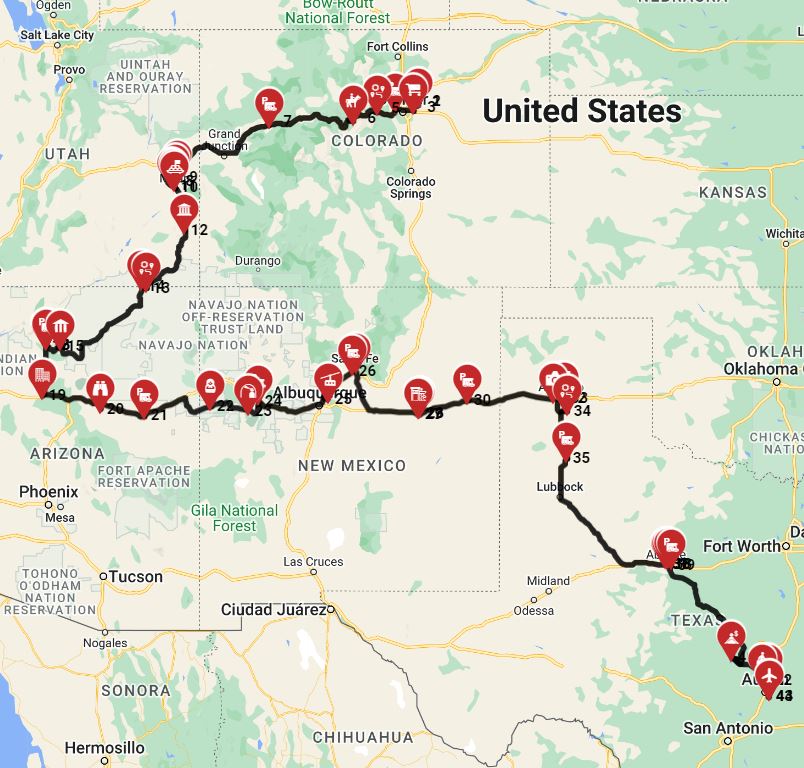
Exploring the majestic landscapes of the South West US by a rented RV offers unparalleled freedom and adventure. Imagine waking up to the red rock canyons of Utah, the vibrant deserts of Arizona, or the serene mountains of Colorado, all from the comfort of your mobile home. At Bandana RV, we believe in making this incredible journey accessible and straightforward for every traveler. For live availability and current prices, start with our RV Rental South West US - Complete Guide 2026 guide. We are true RV specialists, not just a side department of a general travel agency, ensuring you get the most accurate information and tailored advice for your epic road trip.
Can You Drive an RV in South West US? License & Age Rules
Most standard motorhomes in the South West US can be driven with a regular Class D (or equivalent) driver's license, provided the vehicle's Gross Vehicle Weight Rating (GVWR) is under 26,001 pounds (approximately 11,793 kg). This means that Class B Camper Vans, Class C Alcove, and most Class SI Semi-integrated RVs, which typically fall below this weight threshold, only require a regular car license, making them accessible to a wide range of drivers.
The minimum age for RV rental in South West US is generally 21 years old across our partner suppliers, including major providers like El Monte and Cruise America, with no young driver surcharges or vehicle class restrictions based on age. Foreign drivers need a valid driver's license from their home country, and while not always mandatory, an International Driving Permit (IDP) is highly recommended for visitors from non-English-speaking countries to ensure smooth interactions with local authorities and rental agencies. Always verify specific license and age requirements directly with your chosen rental provider to ensure full compliance before your trip, as Bandana offers full transparency with no hidden fees or surprises.
Road Conditions & Terrain in South West US
Road conditions in the South West US vary significantly, ranging from well-maintained interstate highways to rugged gravel or unpaved roads leading to scenic viewpoints and remote campsites, often traversing diverse terrains including deserts, mountains, and canyons. Major interstates like I-10, I-40, and I-15 are generally excellent for RV travel, offering smooth journeys between major cities and national parks.
However, many iconic scenic byways and routes within National Parks, such as those found in Zion, Grand Canyon, or the mountainous regions of Colorado, involve winding roads and steep grades. Be prepared for rapid changes in elevation, which can impact your RV's performance and require careful braking. Microclimates mean that weather can change drastically: expect intense desert heat at lower elevations, but also potential snow and icy conditions at higher altitudes, even outside of traditional winter months. Drive slowly and carefully, allowing extra travel time, especially for larger rented motorhomes, and always be aware of potential flash flood risks in desert areas during monsoon season. For more insights on navigating varied routes, you might find our "RV Travel Guide to South West US - Tips and Top Spots 2026" helpful.
RV Size Limits, Bridges & Restricted Zones
While most major routes in the South West US accommodate all RV sizes, drivers must remain vigilant for specific height, weight, and length restrictions, particularly when entering smaller towns, national park scenic drives, or off-the-beaten-path areas. Common height restrictions typically apply to tunnels and some older underpasses, often indicated by clear signage like 13 feet 6 inches (4.1 meters), which all RV drivers must heed.
Weight limits are less common on primary roads but can be found on older bridges or smaller county roads; always consult maps or local signage for specific areas. Certain scenic routes within National Parks, such as the Zion Canyon Scenic Drive or portions of the Grand Canyon's North Rim access roads, may have length restrictions for larger vehicles, sometimes requiring the use of park shuttles or special permits for motorhomes exceeding 25-30 feet. Environmental zones or low-emission zones are not prevalent in the South West US, but it is always wise to check for specific urban areas you plan to visit. Drive slowly and carefully, and you can drive almost anywhere without issues. No need to stress - just use common sense and pay attention.
Fuel: Diesel vs. Petrol & Cost per 100 km
Fuel availability in the South West US is generally good, with both petrol (gasoline) and diesel widely accessible, though diesel pumps can be less common in very remote areas, and the average cost per 100 km will vary by RV type and current fuel prices. Petrol is the most common fuel type, powering many Class C motorhomes and all Class B campervans.
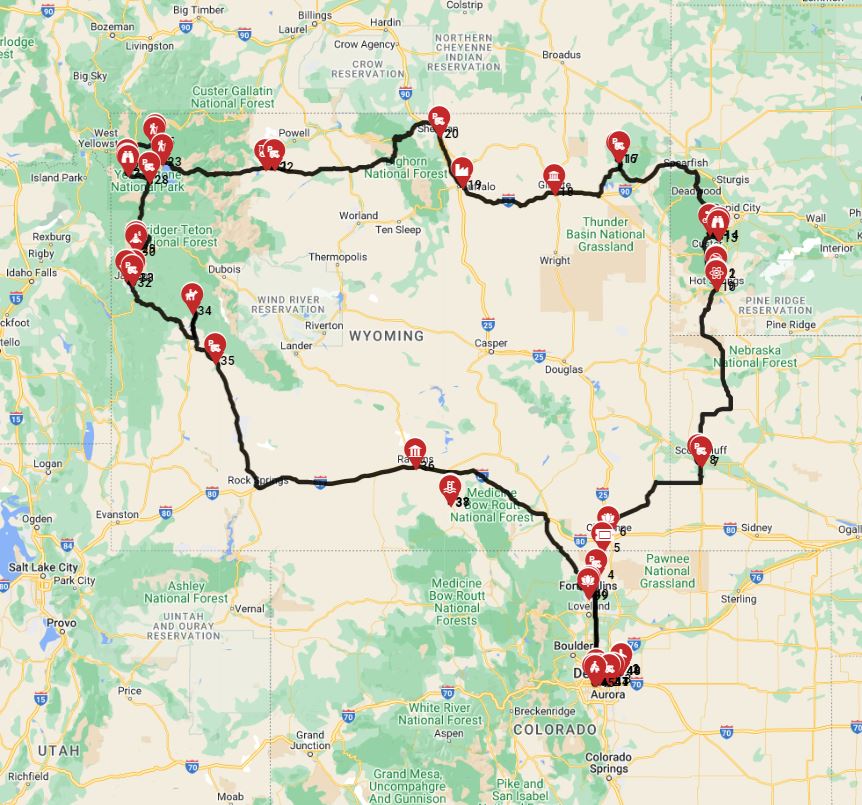
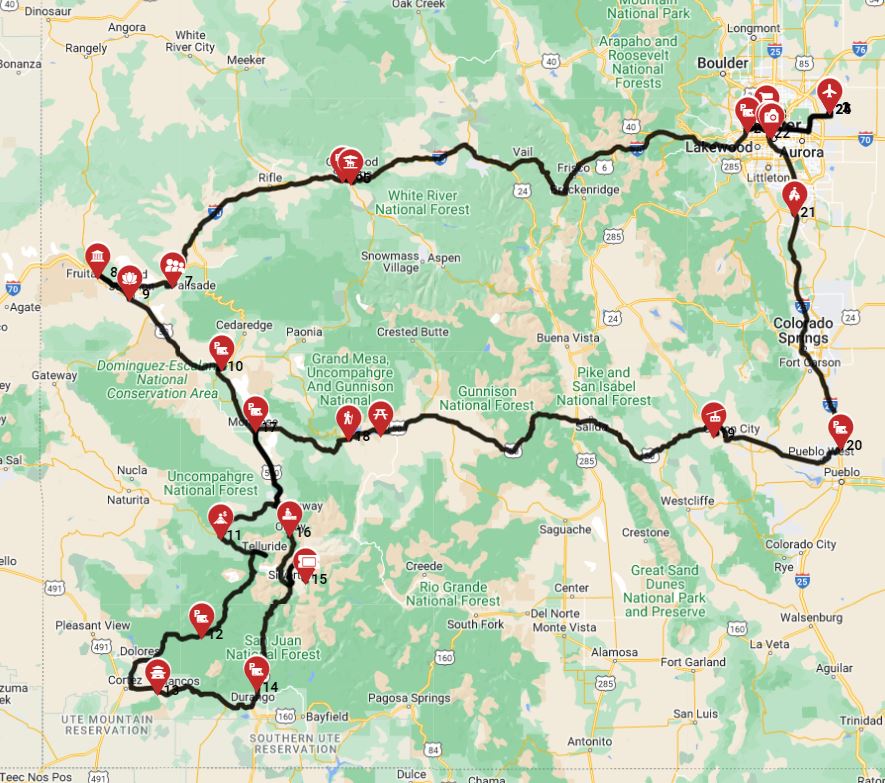
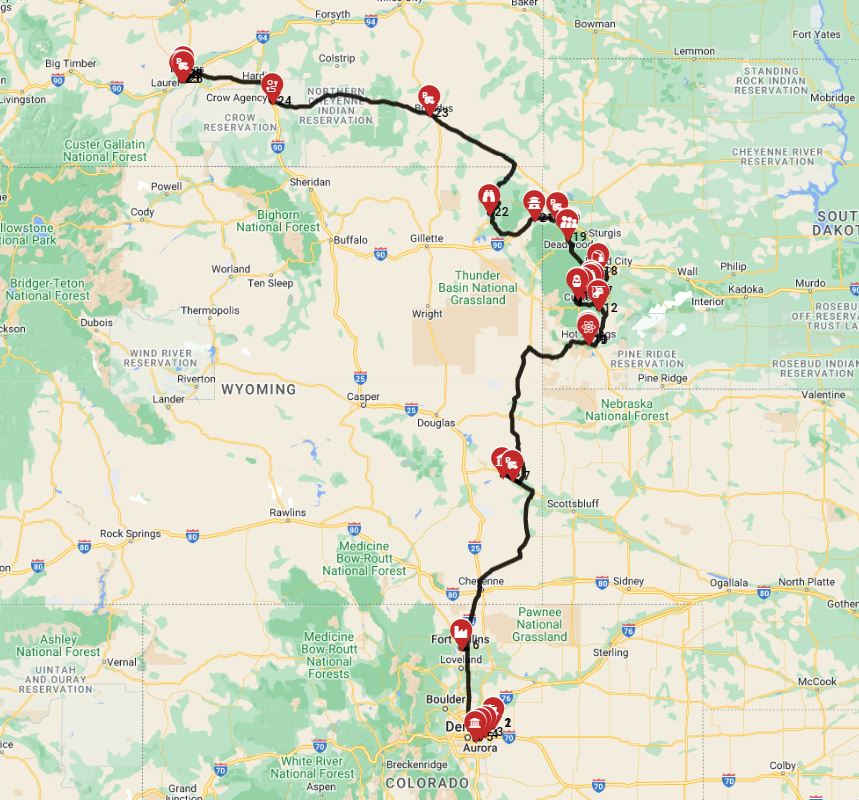
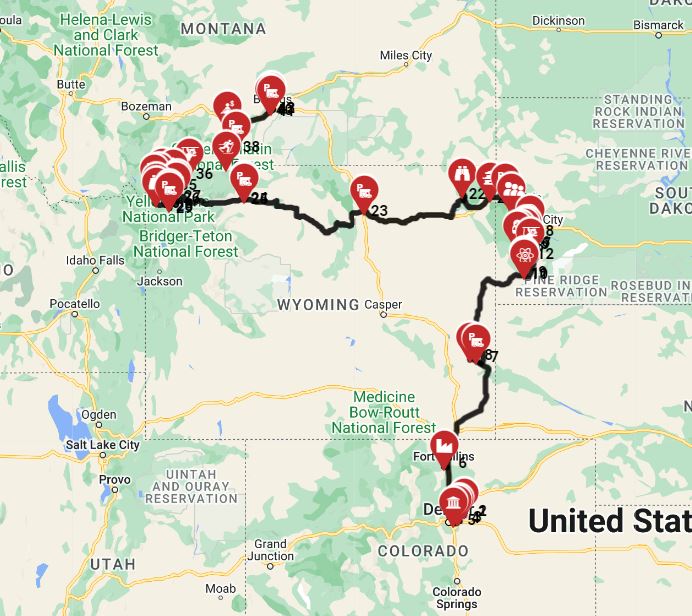
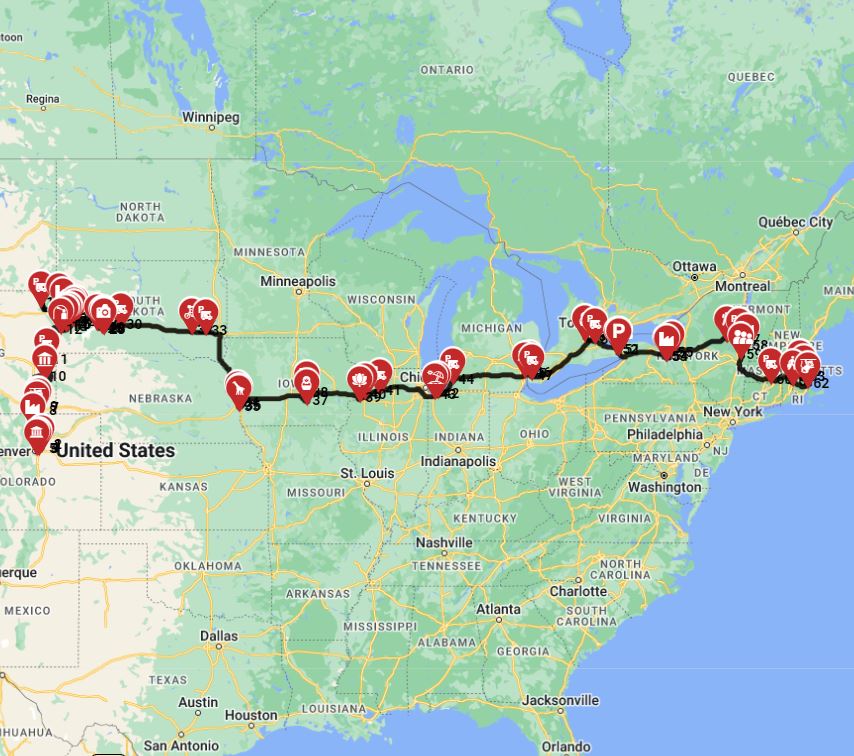
Diesel is widely available at most major fuel stations and truck stops, important for larger Class A motorhomes which often run on diesel. Based on Bandana's global fleet averages, a Class SI RV typically consumes 10–11 Liters/100 km, a Class C RV 10–12 Liters/100 km, a Class B Camper Van 8–10 Liters/100 km, and a Class A Integrated RV 8–12 Liters/100 km. To estimate your trip cost, multiply your chosen RV's fuel consumption by the current average fuel price in the region, recognizing prices can fluctuate significantly. Planning your fuel stops is crucial in vast desert areas where services can be hundreds of kilometers apart. For comprehensive budgeting and tracking all trip expenses, including fuel, explore RV PLANET routes, which allow you to itemize every cost along your journey. On the routes offered through RV PLANET routes, you can itemize and track every expense along the way for easy budgeting.
Tolls, Vignettes & Border Rules
Toll roads and vignettes are relatively uncommon in the vast expanses of the South West US compared to other regions, but they do exist in certain metropolitan areas or on specific bridges, requiring attention to payment methods as no regional vignette system is in place. Tolls are most frequently encountered around major cities like Phoenix, Las Vegas, or on specific privately-managed highways or bridges in California (e.g., certain Bay Area bridges).
Payment methods often include electronic transponders (like FasTrak in California), credit cards at manned booths, or "toll-by-plate" systems where a bill is mailed to the vehicle owner, which can sometimes result in higher fees and administrative charges from rental companies. Cross-border rules for rented RVs are primarily relevant for travel to Mexico or Canada; ensure all vehicle and personal documentation (passports, vehicle registration, rental agreement, insurance proof) is in order, and explicitly confirm international travel permissions with your rental provider. Some RV rental providers, including our partners like El Monte and Cruise America, allow pre-purchasing or renting electronic toll passes, which can save time and help avoid potential fines from missed payments during your trip.
Driving Tips for RV Rental Travelers
Successful RV travel in the South West US requires adapting driving habits to diverse terrain and conditions, prioritizing safety, fuel efficiency, and mindful exploration. The vast distances in the South West US mean that while driving days can be long, it's essential to travel slowly, averaging a maximum of 100-150 km per day, to truly feel the place, connect to the culture, the food, and the scenery.
Plan regular breaks every 2-3 hours, especially if traveling with family, to avoid driver fatigue and allow for spontaneous stops at interesting local attractions. Watch for wildlife such as deer, elk, bighorn sheep, and even cattle, which can be present on roads, especially at dawn and dusk; drive cautiously and be prepared to stop in remote areas. When managing elevations and steep grades, use lower gears when ascending and descending to maintain control and prevent brake overheating. Extreme desert heat necessitates carrying ample water for all passengers, and a comprehensive breakdown kit (including extra water, food, first-aid, and communication devices) is essential for remote areas. Always fuel up when opportunities arise and secure campsites in advance, particularly for popular National Parks, remembering that many parks reserve only 25-30% of spots, with the rest being first-come-first-serve. You'll find a spot; if not at the first campground, then the next one. Just call ahead before driving.
Recommended RV Class for South West US Roads
For exploring the varied landscapes of the South West US, Class C Alcove and Class B Camper Vans are highly recommended due to their balance of comfort, maneuverability, and suitability for diverse road conditions, though Class SI also offers a great experience. Class C - Alcove RVs, with an average length of 7.5 meters (24.6 feet) and sleeping 5-7 people, offer ample space for families and amenities like a full kitchen with gas stove and refrigerator, making them excellent for longer trips to national parks.
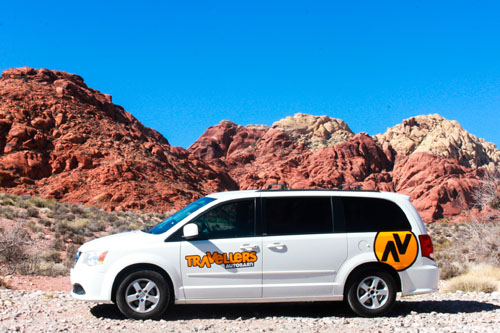
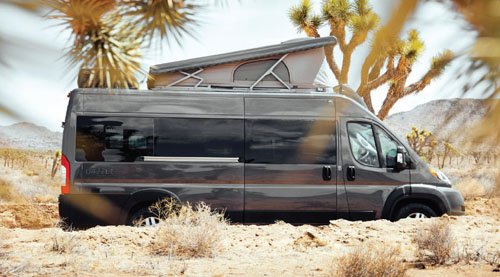
Class B - Camper Vans, averaging 5.8 meters (19 feet) in length and typically sleeping 2-4 people, are incredibly agile, ideal for navigating smaller towns, tighter mountain roads, and accessing more remote trailheads. These smaller mobile homes, such as a "Category Van" or "Active Standard Auto", offer vehicle-specific advantages for varied activities and provide better fuel efficiency. Class SI - Semi-integrated RVs, at an average length of 6.9 meters (22.6 feet), provide a good compromise between spaciousness and a streamlined profile, suitable for couples or smaller families seeking comfort without excessive length. While larger Class A Integrated RVs are viable, they require more cautious driving on winding roads and may have limited access in certain park areas. Ultimately, the best choice depends on your group size, desired amenities, and travel style.
Should I Choose a Compact Van Instead of a Large RV in South West US?
For travel in the South West US, choosing a compact camper van (like a Class B) over a large RV often comes down to personal priorities regarding maneuverability and access to remote locations versus interior comfort and amenities. A compact van, such as a "DVC" (6.7 meters length) or a "Category Van" (typically under 6 meters), offers superior ease of driving, parking, and navigating tight spaces like historic city centers, winding scenic byways, and unpaved roads leading to certain trailheads or dispersed camping spots.
Larger RVs like Class C ("C-30" at 9.1 meters) or Class A ("MHLUX" at 10.7 meters) provide significantly more living space, larger kitchens, separate sleeping areas, and often full bathrooms, enhancing comfort on longer trips or for multiple travelers. While a large RV is perfectly capable on major routes and in most national parks, a compact van genuinely helps if your itinerary includes extensive urban exploration, off-grid camping in slightly more rugged terrain, or routes with stricter length limits. The South West US is generally RV-friendly for all sizes, so the decision balances the desire for ultimate flexibility (van) against the desire for a 'home on wheels' experience (larger RV). We compare final prices across 50+ suppliers, so you don't have to choose blindly.
Can I Park Anywhere? Free & Wild Camping Rules in South West US
While the South West US offers numerous opportunities for free and wild camping (also known as dispersed camping) on public lands managed by agencies like the Bureau of Land Management (BLM) and National Forests, specific rules and regulations vary greatly by location and must be strictly adhered to. BLM and National Forests are prime locations for dispersed camping, generally allowing overnight stays for up to 14 days in one spot within a 28-day period, often requiring self-contained RVs with onboard water and waste tanks.
Some areas have specific designated dispersed campsites or require permits, so always check the local ranger district office or agency website before planning to ensure compliance and avoid connectivity concerns in remote areas. It is paramount to practice Leave No Trace principles, including packing out all trash, properly disposing of human waste, minimizing campfire impacts (if allowed and safe), and staying on existing roads and durable surfaces specific to fragile desert and mountain environments. Wild camping is generally prohibited on private property without owner permission and within most city or town limits, where specific parking regulations and overnight ordinances apply; rules vary by region – always check local regulations and follow local law before parking overnight. For finding campsites and campgrounds during your trip, we recommend using RV PLANET (rvplan.net) - a great resource for locating available spots along your route.
Can I Drive an RV Into the City Center? Heights, Tunnels & Local Signage
Yes, you can almost always drive an RV into city centers in the South West US, though it requires careful attention to local signage regarding height limits, narrow streets, potential tunnels, and specific parking restrictions. Most urban areas in the South West US are designed with wider roads that can accommodate motorhomes, especially major thoroughfares, allowing access to local culture and history.
Key watch-outs include low bridges, underpasses, and parking garages with height restrictions (typically around 6-8 feet for cars, far too low for most RVs), so always look for posted signage for vehicle-specific advice. Historic districts or older parts of cities might have narrower streets or specific "residents-only" parking zones, making maneuverability and parking challenging for larger rented RVs. Drive slowly and carefully, and you can drive almost anywhere without issues. No need to stress - just use common sense and pay attention. Consider parking your RV at an outlying park-and-ride, a designated RV parking lot, or a campsite on the city's outskirts and using public transport or ride-sharing to access the innermost city attractions.
Top Cities for RV Rental in South West US
The South West US boasts numerous excellent cities for beginning or ending your RV adventure, offering convenient access to stunning natural parks and vibrant urban centers. Many of these locations host major RV rental suppliers, making pick-up and drop-off simple.
- Las Vegas, Nevada: A popular starting point due to its international airport and proximity to national parks like Zion, Bryce Canyon, and the Grand Canyon. Explore a "Denver RV rental example Jackpot" or similar budget-friendly options here.
- Phoenix, Arizona: Ideal for desert explorations, including Saguaro National Park and Sedona. Our "RV rentals Phoenix example T17 Truck Camper" is a versatile option for rugged adventures.
- Salt Lake City, Utah: The gateway to Utah's "Mighty 5" National Parks and the Wasatch Mountains. Look for a "RV rental Salt Lake City example Truck Camper" for more agile travel.
- Denver, Colorado: Perfect for those venturing into the Rocky Mountains or exploring the Colorado Plateau. Many travelers opt for a "Denver RV rental example PH GEM" for a comfortable journey.
- Albuquerque, New Mexico: Offers a unique blend of Native American, Hispanic, and Anglo cultures, with excellent access to historical sites and scenic routes.
- Los Angeles, California: While a bustling city, it serves as a major hub for RV rentals, offering access to the California deserts, national parks, and coastal drives, and is a common option for one-way RV rentals.
When selecting your pickup and drop-off locations, remember that one-way rentals are often available with most suppliers, although a drop-off fee may apply depending on the route and distance.
Practical Info for RV Travel in South West US
Understanding local rules and practicalities ensures a smooth and enjoyable RV trip across the South West US. In the United States, all driving is on the right side of the road, and speed limits vary from 25 mph in urban areas to 75-80 mph on interstates in some states.
🎬 Video coming soon
For emergencies, dial 911 for police, fire, or ambulance services. Connectivity can be spotty in remote national parks and wilderness areas; consider purchasing a local SIM card with a major carrier (Verizon or AT&T generally offer the best coverage in rural areas) or investigate portable Wi-Fi solutions for digital nomads. National Park permits are typically purchased at the park entrance, with options for single-park passes or an America the Beautiful Annual Pass ($80) covering all national parks and federal recreational lands for a year.
Regarding insurance, your RV rental will come with basic liability coverage, but you can upgrade to a top-level deductible for extra peace of mind, covering potential damage to your rental vehicle. Cooking in your rented motorhome is part of the adventure, allowing you to prepare delicious meals with local ingredients. You can find inspiration and practical ideas in our RV-friendly recipes playlist.
What You Shouldn't Miss
- Grand Canyon National Park, Arizona: Witness the awe-inspiring vastness of one of the world's natural wonders, with numerous viewpoints and hiking trails suitable for various skill levels.
- Zion National Park, Utah: Explore the towering sandstone cliffs and emerald pools, offering iconic hikes like Angels Landing (permit required) and The Narrows.
- Monument Valley, Arizona/Utah: Drive through the iconic landscape of towering sandstone buttes, part of the Navajo Nation, for breathtaking views and cultural immersion.
- Sedona, Arizona: Experience the vibrant red rock formations, renowned for their spiritual vortexes and world-class hiking and mountain biking trails.
- Moab, Utah: A hub for adventure, providing access to Arches National Park and Canyonlands National Park, perfect for hiking, mountain biking, and off-roading.
- Route 66 in Arizona: Drive a historic stretch of the "Main Street of America," exploring quirky roadside attractions and small towns like Seligman and Winslow.
Looking for expert insights from Avi Bandana? Top 5 Adventures - recommendations from Avi Bandana
Final Thoughts
Embarking on an RV adventure through the South West US promises a journey filled with breathtaking natural beauty, rich cultural experiences, and the unparalleled freedom of the open road. Whether you're drawn to the vibrant red rocks, the expansive deserts, or the majestic mountains, a rented motorhome or campervan provides the perfect base for your exploration.
Remember to plan your route, drive mindfully, and embrace the unexpected discoveries along the way. With Bandana RV, you're choosing a partner dedicated to transparency, support, and genuine RV travel expertise, ensuring your trip is as smooth and memorable as the landscapes you'll traverse.
Ready to plan your unforgettable journey? Discover top destinations and planning tips all in one place. Plan a trip itinerary in advance with minimal effort and maximum enjoyment.