For live availability and current prices, start with our RV Rental Texas - Complete Guide 2026 guide.
In This Guide
- Can You Drive an RV in Texas? License & Age Rules
- Road Conditions & Terrain in Texas
- RV Size Limits, Bridges & Restricted Zones
- Fuel: Diesel vs. Petrol & Cost per 100 km
- Tolls, Vignettes & Border Rules
- Driving Tips for rv rental Travelers
- Recommended RV Class for Texas Roads
- Should I Choose a Compact Van Instead of a Large RV in Texas?
- Can you sleep in your RV anywhere in Texas?
- Can I Drive an RV Into the City Center? Heights, Tunnels & Local Signage
- How to Budget for an RV Trip in Texas?
- What is the Best Time to RV in Texas?
- What Unique RV Destinations and Hidden Gems Can I Find in Texas?
- Where to Find RV Repair and Service in Texas?
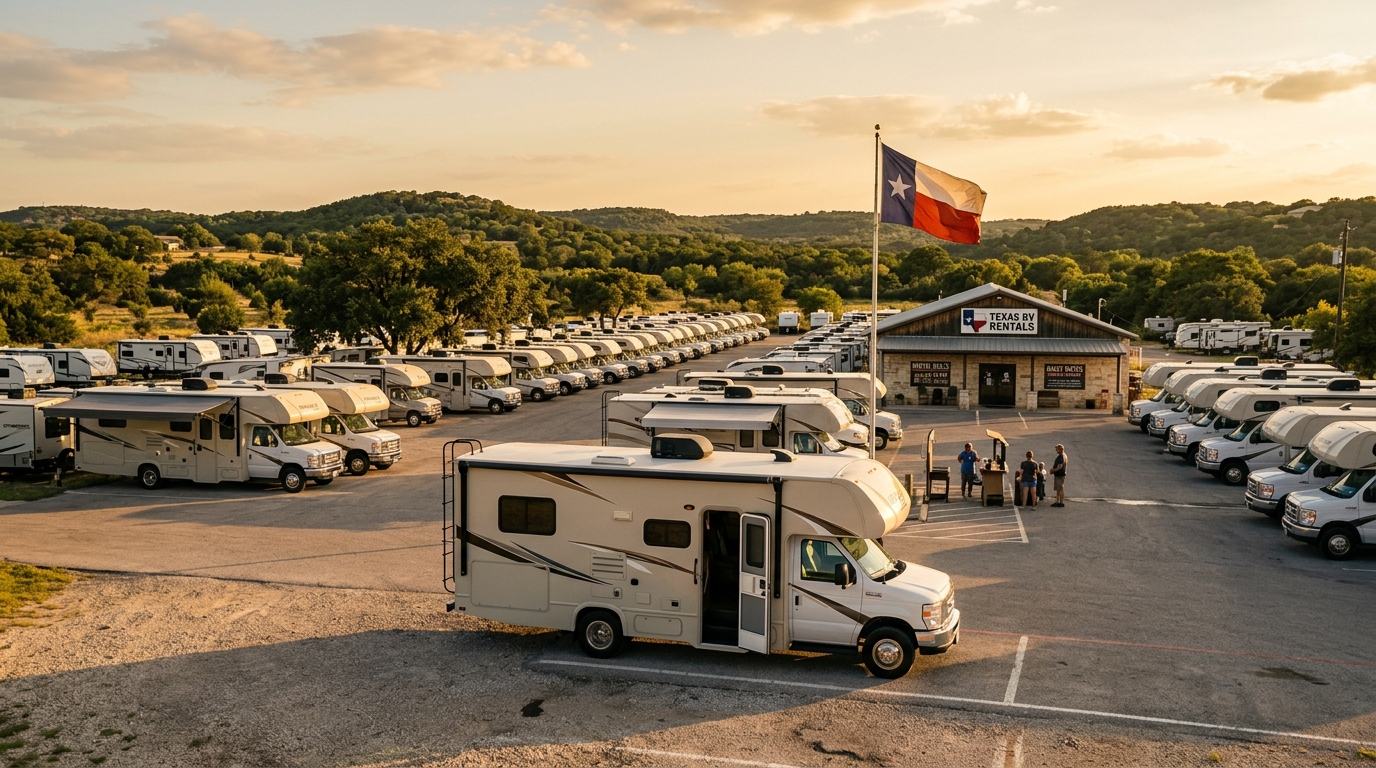
The Lone Star State is an incredible destination for a motorhome adventure, offering a vast and diverse landscape that ranges from Gulf Coast beaches to rugged desert mountains. Setting off on an RV trip from a Texas airport provides the ultimate freedom to explore at your own pace, turning the open road into your personal itinerary. Whether you dream of vibrant cityscapes like Houston, Dallas, Austin, or San Antonio, or the serene solitude of its expansive national and state parks, renting an RV in Texas is a fantastic way to experience it all. For live availability and current prices, start with our RV Rental Texas - Complete Guide 2024 guide, your comprehensive resource for planning an unforgettable journey.
Can You Drive an RV in Texas? License & Age Rules
In Texas, a standard Class C driver's license is generally sufficient for operating most recreational vehicles, provided the RV's Gross Vehicle Weight Rating (GVWR) is under 26,001 pounds. For larger rented RVs or those with a GVWR of 26,001 pounds or more, or if towing a trailer with a GVWR over 10,000 pounds, drivers will need a Class A or B non-commercial license. The minimum age to rent and drive an RV in Texas is typically 21 years old across most Bandana partner suppliers like El Monte and Cruise America, with no young driver surcharges or specific vehicle class restrictions for those 21 and older. Foreign drivers can legally operate a rental RV in Texas with a valid driver's license from their home country for up to one year, ideally complemented by an International Driving Permit (IDP) for translation purposes, although an IDP is not strictly mandated by Texas law.
As true RV specialists since 2001, we understand the nuances of various state regulations and work closely with our 50+ leading RV suppliers worldwide to ensure full transparency regarding licensing requirements and age policies. We handle the details, so you can focus on living the journey, confident that all legal aspects are covered. Finding the right RV for your Texas adventure is made easy with our full price transparency and dedicated personal service from day one until your booking is confirmed.
Road Conditions & Terrain in Texas
Texas boasts generally well-maintained roads suitable for RV travel, encompassing diverse terrain from flat plains and rolling hills in the east to the mountainous regions of Big Bend National Park and the coastal stretches along the Gulf. While major highways are typically smooth and wide, secondary roads, especially those leading to state parks or in remote areas of West Texas, can be narrower, less maintained, or occasionally unpaved. RV drivers should prepare for significant distances between towns, particularly in the vast expanses of West Texas, ensuring adequate fuel and water. Be mindful of strong crosswinds in open areas like the Panhandle, which can affect handling. When navigating dense urban centers such as Houston or Dallas, drive slowly and carefully, and you can drive almost anywhere without issues. No need to stress - just use common sense and pay attention to multiple lanes, heavier traffic, and specific signage, ensuring a smooth urban experience.
RV Size Limits, Bridges & Restricted Zones
Texas generally adheres to standard vehicle size limitations for recreational vehicles: rented motorhomes and campervans cannot typically exceed 14 feet in height, 8 feet 6 inches in width, and 65 feet in length without requiring special permits, though most rental RVs fall comfortably within these parameters. RV drivers must pay close attention to posted height restrictions on bridges, underpasses, and tunnels, which can vary, particularly in older city districts or on roads within state and national parks. While Texas does not have widespread environmental zones that restrict RV access, certain local municipalities or private properties may impose specific rules regarding vehicle size or noise levels, so it’s always wise to check local regulations for specific areas. Ferry services, such as those that operate along the Texas coast (e.g., Galveston-Port Bolivar, Port Aransas), typically accommodate RVs but may have length or weight restrictions and can involve longer wait times for larger vehicles.
Fuel: Diesel vs. Petrol & Cost per 100 km
Most rented RVs in Bandana's fleet, especially larger Class C and Class A models, predominantly run on diesel fuel, while smaller Class B campervans and some older Class C models typically use petrol (gasoline). Diesel fuel is readily available across Texas, though supply might be limited in very remote regions of West Texas, necessitating careful route planning for refueling stops. Based on Bandana's global fleet averages, a Class SI - Semi-integrated RV typically consumes 10-11 Liters/100 km, a Class C - Alcove RV 10-12 Liters/100 km, a Class B - Camper Van 8-10 Liters/100 km, and a Class A - Integrated RV 8-12 Liters/100 km. Budgeting for approximately $15-$25 per 100 km is a reasonable estimate for fuel costs for most RV types in Texas, considering average 2024 fuel prices. When planning your route, keep in mind that on RV PLANET routes, travelers can itemize and track every expense along the way for easy budgeting, ensuring no surprises. On the routes offered through RV PLANET routes, you can itemize and track every expense along the way for easy budgeting.
Tolls, Vignettes & Border Rules
Texas operates an extensive system of toll roads, particularly concentrated around major metropolitan areas like Houston, Dallas-Fort Worth, and Austin, with most utilizing cashless electronic systems. There are no vignette systems in place for Texas roads; tolls are typically charged per use or via an electronic transponder such as TxTag or EZ TAG. Travelers should note that some RV rental suppliers provide the option to pre-purchase toll passes or include an integrated transponder, which can help avoid higher administrative fees associated with mailed bills for unpaid tolls. As true RV specialists, we ensure that our partners, like Cruise America and Apollo, offer clear information on these options. When planning to travel to neighboring states or across the US-Mexico border, ensure all necessary identification, vehicle documentation, and customs requirements are thoroughly reviewed and prepared for both the rented RV and all passengers, as policies can vary significantly.
Driving Tips for rv rental Travelers
For a truly enjoyable RV trip in Texas, we always recommend slow travel, averaging a maximum of 100-150 km per day. This allows you to take time to feel the place, connect to the culture, the food, and the scenery, making the journey as enriching as the destination. For family-oriented RV trips, plan regular stops every 2-3 hours to allow passengers to stretch, explore, and refresh, which is essential given the vast distances in Texas. Budget-conscious travelers can mitigate costs by utilizing rental-provided toll transponders or planning routes that minimize the use of Texas's extensive toll roads. You can find more insights on managing expenses in our "RV Rental Texas - Prices and Best Deals 2024" guide. Drivers of larger or luxury RVs with automatic transmissions should thoroughly familiarize themselves with the vehicle's unique handling characteristics, especially when navigating varied Texas terrains, from open plains to mountainous regions. Always account for increased braking distances and wider turning radii when operating a rented RV, particularly in windy conditions common in parts of Texas or when maneuvering through tight spots. Monitor Texas weather forecasts closely for sudden thunderstorms, extreme summer heat advisories, or unexpected winter freezes, and be prepared to adjust travel plans accordingly. For the latest offers and strategies to maximize your value, check out "RV Rental Deals in Texas - Latest Offers 2024".
🎬 Video coming soon
Recommended RV Class for Texas Roads
For an optimal blend of comfort, amenities, and relatively easy maneuverability on Texas roads, a Class SI - Semi-integrated RV or a Class C - Alcove RV is highly recommended. Class SI - Semi-integrated RVs, with Bandana's global fleet averaging 6.9 meters in length and accommodating 3.8 sleeping places, offer an excellent choice for couples or small families, handling highways and state park access roads efficiently. For instance, a vehicle like the '2 Berth Tamar' with automatic transmission and front air conditioning is perfect for a couple. Class C - Alcove RVs, averaging 7.5 meters in length and 5.8 sleeping places across Bandana's global fleet, are ideal for larger families, providing ample living space and storage without being overly cumbersome for Texas's diverse landscapes. These classes strike a practical balance, offering sufficient onboard amenities and storage for extended trips while remaining manageable for driving and parking compared to the largest Class A models. If you're considering a more premium experience, our "Luxury RV Rental in Texas - Premium Prices 2024" resource can provide detailed options.
Should I Choose a Compact Van Instead of a Large RV in Texas?
Generally, there is no inherent issue driving any RV size in Texas, as the state's expansive infrastructure is highly accommodating for larger vehicles, often making comfort and interior space a greater priority than marginal maneuverability gains. Drive slowly and carefully, and you can drive almost anywhere without issues. No need to stress - just use common sense and pay attention. A compact Class B - Camper Van, with Bandana's global fleet averaging 5.8 meters in length, might genuinely offer advantages for those prioritizing fuel efficiency, easy parking in urban settings, or when exploring very specific, exceptionally tight areas, though such scenarios are less common in Texas. However, for typical Texas travel involving national and state parks, extensive highway cruising, and various campgrounds, a larger Class C or Semi-integrated RV usually provides a superior trade-off in terms of living space, amenities, and overall comfort, especially for longer trips or groups. Compact vans are best suited for minimalist travelers or those planning primarily urban exploration, while larger RVs offer the full 'home on wheels' experience essential for extended Texas road trips.
Can you sleep in your RV anywhere in Texas?
No, you cannot legally sleep in your RV anywhere in Texas; free and wild camping (boondocking) is generally restricted on private land without explicit permission and on most public lands, with specific exceptions. Dispersed camping is allowed in designated areas within some national forests, such as Sam Houston National Forest, but requires adherence to Leave No Trace principles and checking specific district rules, as opportunities are less widespread than in other Western states. Many businesses, including Walmart stores, Cracker Barrel restaurants, and certain truck stops, may permit overnight RV parking in their lots; however, this is always at the discretion of individual store managers and should be confirmed upon arrival. Texas State Parks and National Parks/Recreation Areas strictly require paid permits and often advance reservations for overnight stays in their established campgrounds, which typically offer various amenities like water and electrical hookups. Always research local county and city ordinances for specific overnight parking regulations, and respect all posted signage and local laws to avoid fines or towing during your RV rental in Texas.
Can I Drive an RV Into the City Center? Heights, Tunnels & Local Signage
Yes, you can almost always drive a rented RV into city centers in Texas, but it necessitates careful observation of local signage, particularly for height restrictions and parking regulations. Drive slowly and carefully, and you can drive almost anywhere without issues. No need to stress - just use common sense and pay attention. Major Texas cities like Houston, Dallas, Austin, and San Antonio generally feature wide roads and infrastructure that accommodate RV traffic, though navigating peak-hour congestion can be challenging. RV drivers must pay close attention to posted height limits for tunnels, low bridges, and especially parking garage entrances; assume parking garages are unsuitable for RVs. Be aware of local environmental zones (though rare in Texas, specific local restrictions may apply), residents-only streets, and clear signage indicating no-parking or no-RV zones. For convenience, it is often more practical to park your RV at a designated RV park or peripheral lot and utilize public transport or ride-sharing services for exploring the immediate city center, which can save time and stress. For those on a tight budget, exploring our "Cheap RV Rental in Texas - Budget Guide 2024" can help you find economical options.
How to Budget for an RV Trip in Texas?
A comprehensive budget for an RV trip in Texas should encompass rental costs (which are dynamic and change daily based on availability, seasonality, and supplier marketing decisions), fuel (often the most significant variable expense), campground fees, groceries and dining, activity admissions, and a contingency fund for unexpected costs. To maximize value and potentially lower expenses, consider planning your trip during the shoulder seasons (late spring or early fall) when RV rental rates and campground demand may be more affordable. Actively seek out free or low-cost activities and explore Texas State Parks that offer affordable camping options, often providing stunning natural beauty and basic amenities. Utilizing your RV's kitchen to prepare most meals significantly reduces dining costs; check out our RV-friendly recipes playlist for inspiration. Accurately estimate fuel expenses by factoring in your RV's average consumption (e.g., Bandana's Class C RVs average 10-12 Liters/100 km) for your planned mileage. Inquire about RV rental packages that might include perks such as unlimited mileage, complimentary toll passes, or discounted campground memberships to simplify and optimize your budgeting. For detailed weekly breakdowns, refer to our "Weekly RV Rental in Texas - Pricing 2024" resource, and if you're exploring one-way options, the "One-Way RV Rental in Texas - Price Guide 2024" provides specific cost considerations.
What is the Best Time to RV in Texas?
The best time to RV in Texas is generally during the spring (March to May) and fall (September to November) when temperatures are most moderate and pleasant for outdoor activities. Springtime offers spectacular wildflower blooms, especially in the Hill Country, and comfortable temperatures for hiking, although travelers should be prepared for potential severe weather like thunderstorms. Fall provides ideal cooler temperatures for exploring desert landscapes in West Texas and enjoying numerous local festivals, with vibrant autumn foliage appearing in East Texas. Summer (June to August) brings extreme heat across much of the state, making coastal destinations or areas with ample water access more appealing. Travelers should be vigilant about hurricane season along the Gulf Coast during summer and early fall, but this should not deter travel, just require checking forecasts. Winter (December to February) is typically mild in South Texas, offering an escape from colder climates elsewhere, but unexpected freezes can occur in Central and West Texas, requiring knowledge of RV heating systems or careful monitoring of forecasts. Overall, Texas offers year-round opportunities for RV travel, with each season presenting its unique charm and manageable challenges.
What Unique RV Destinations and Hidden Gems Can I Find in Texas?
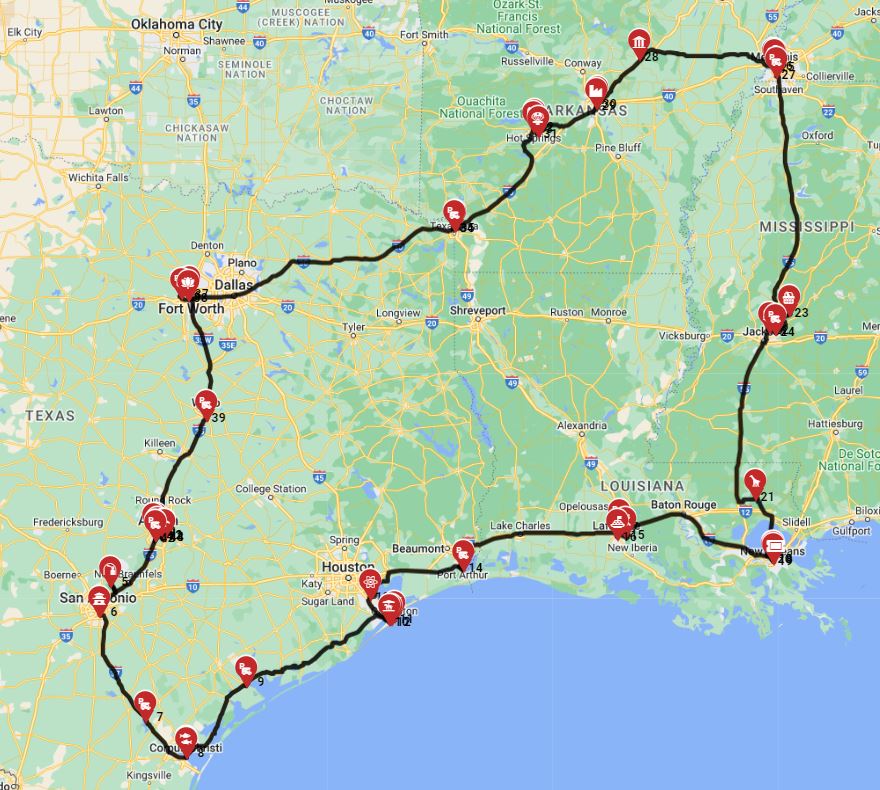
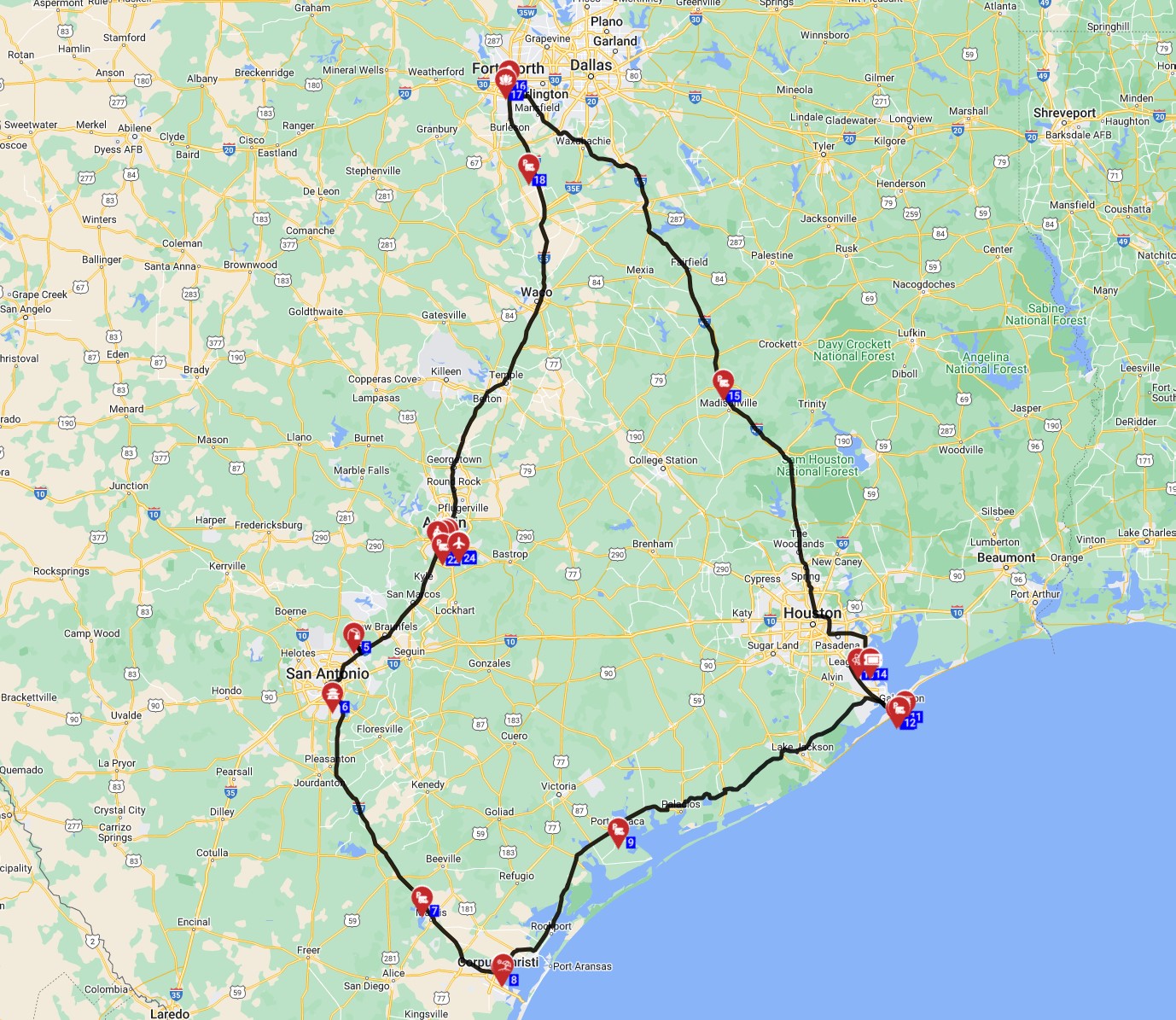
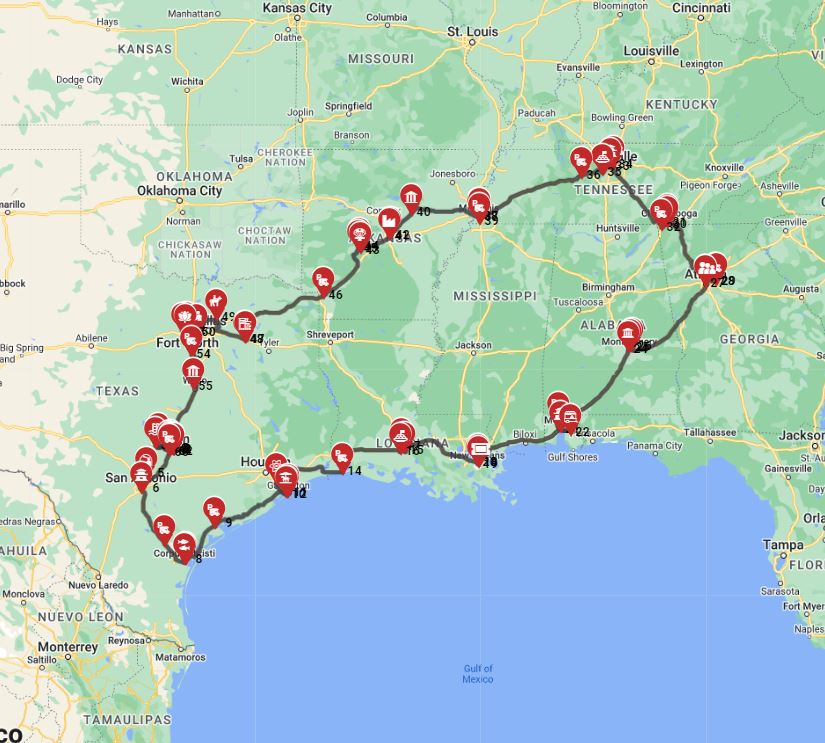
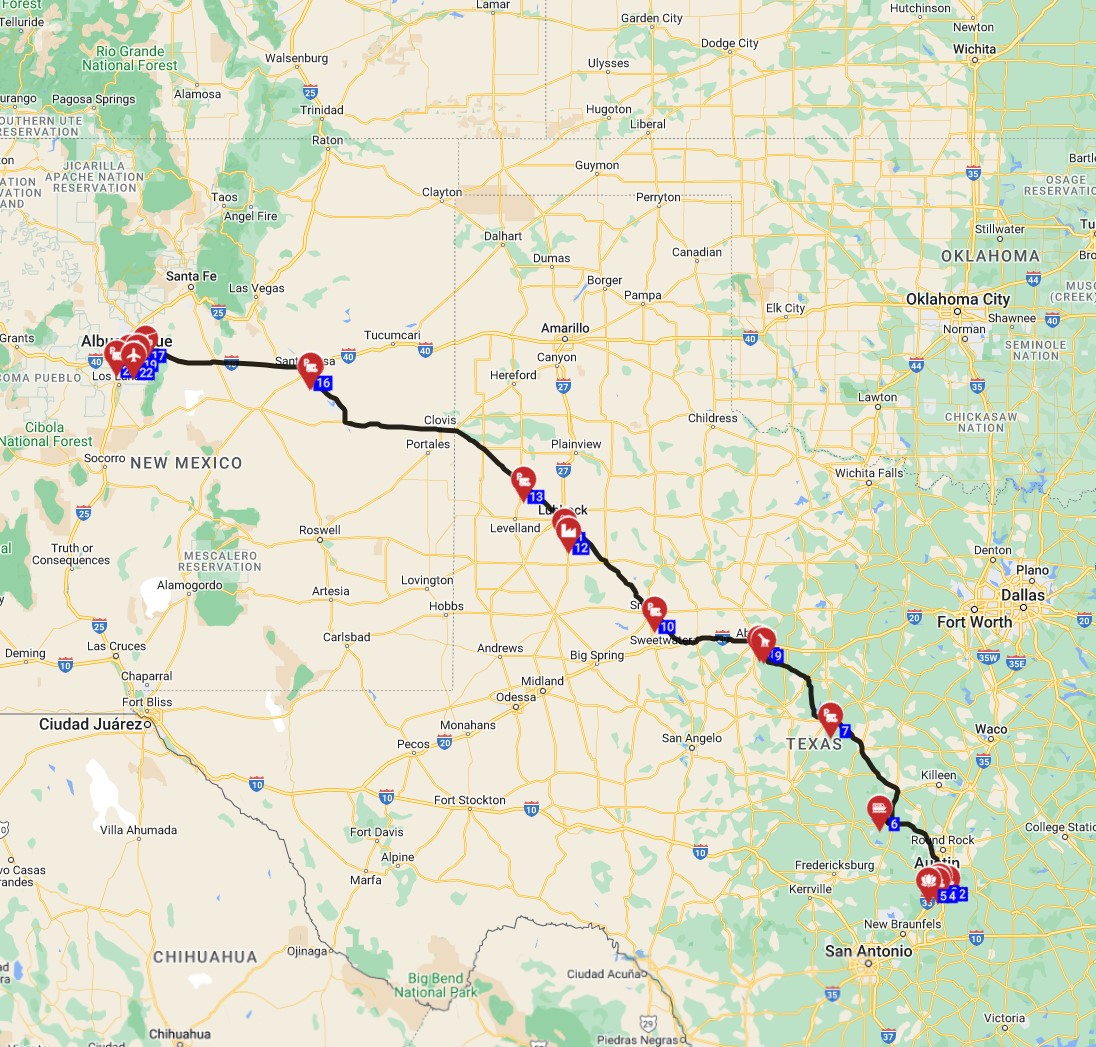
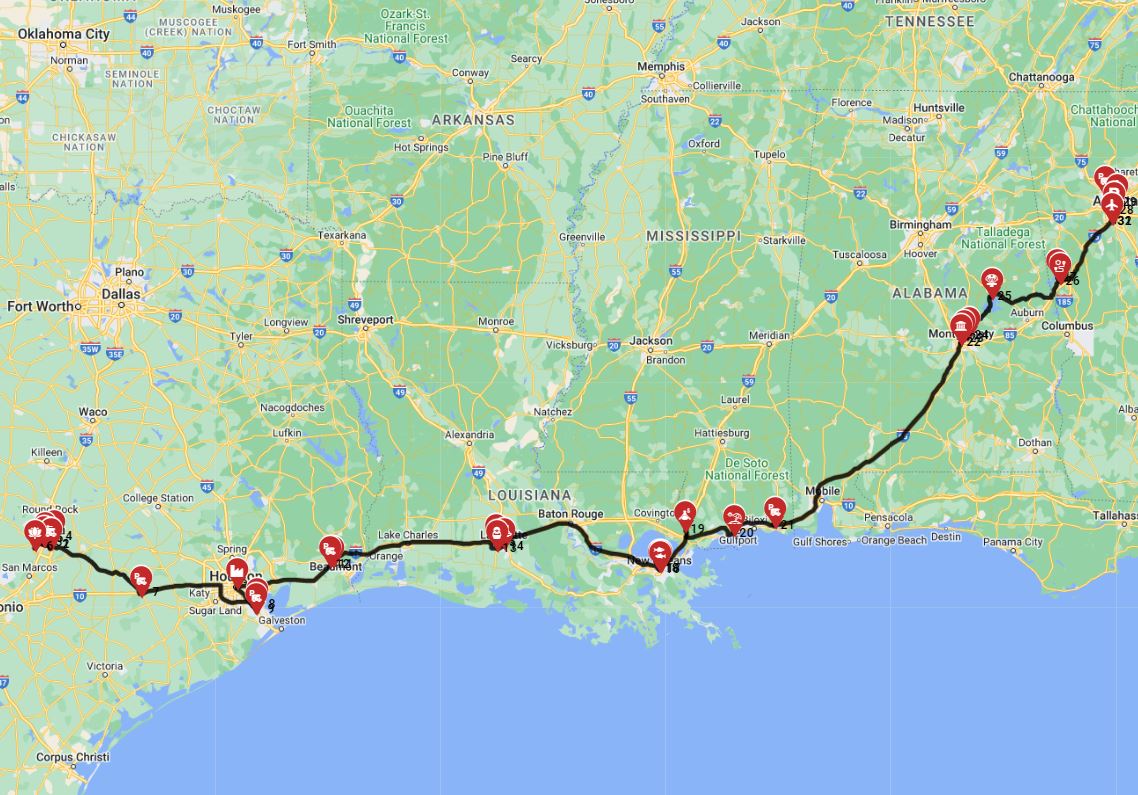
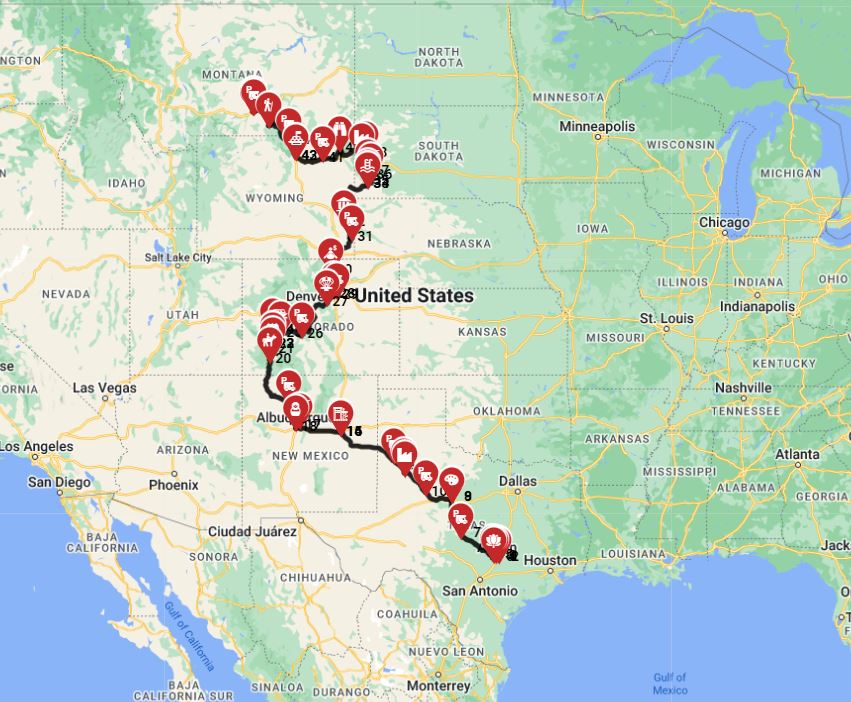
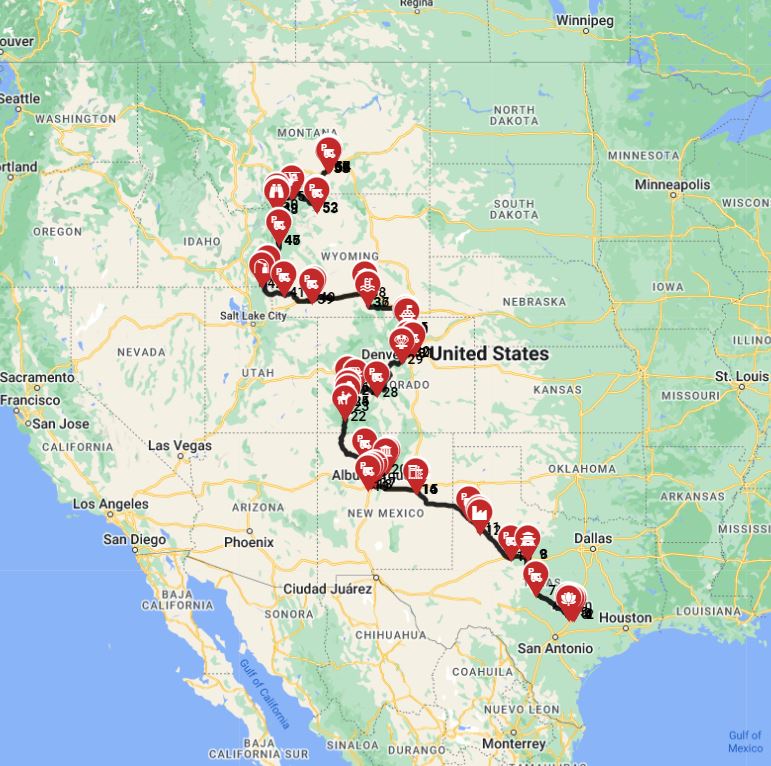
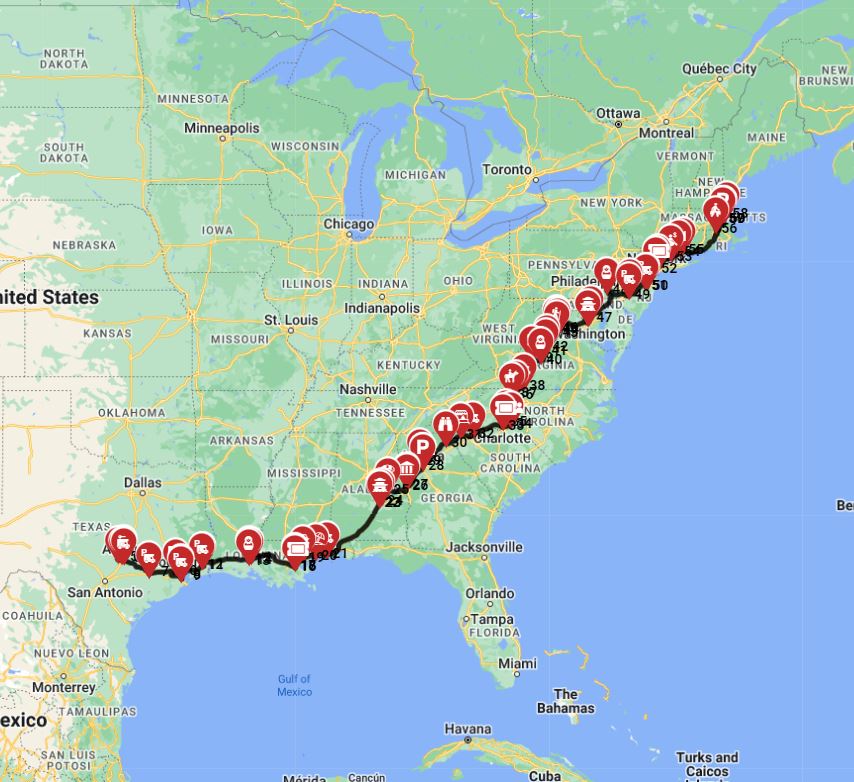
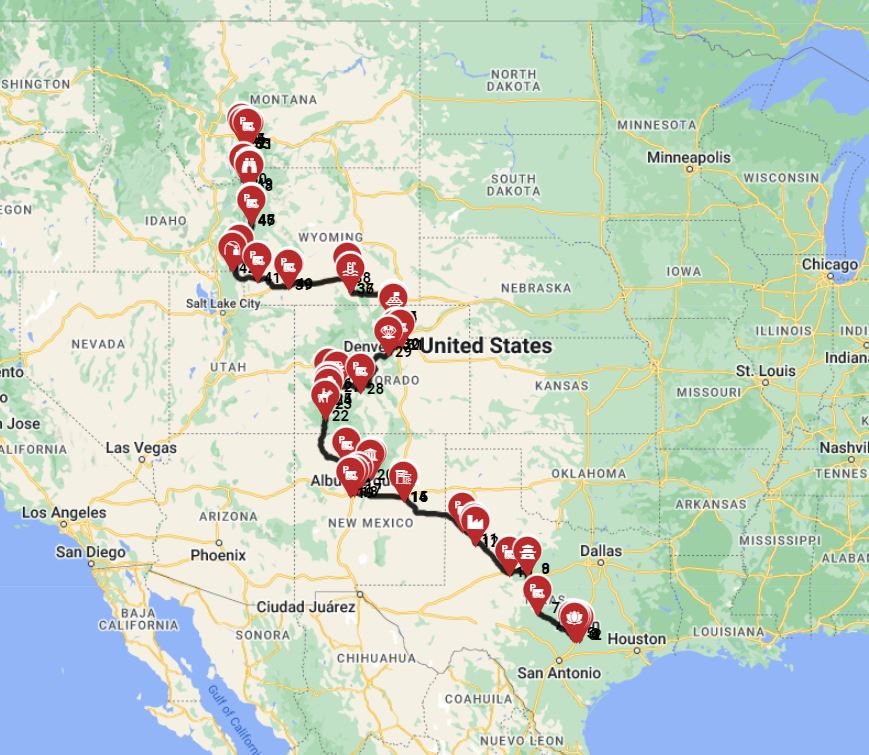
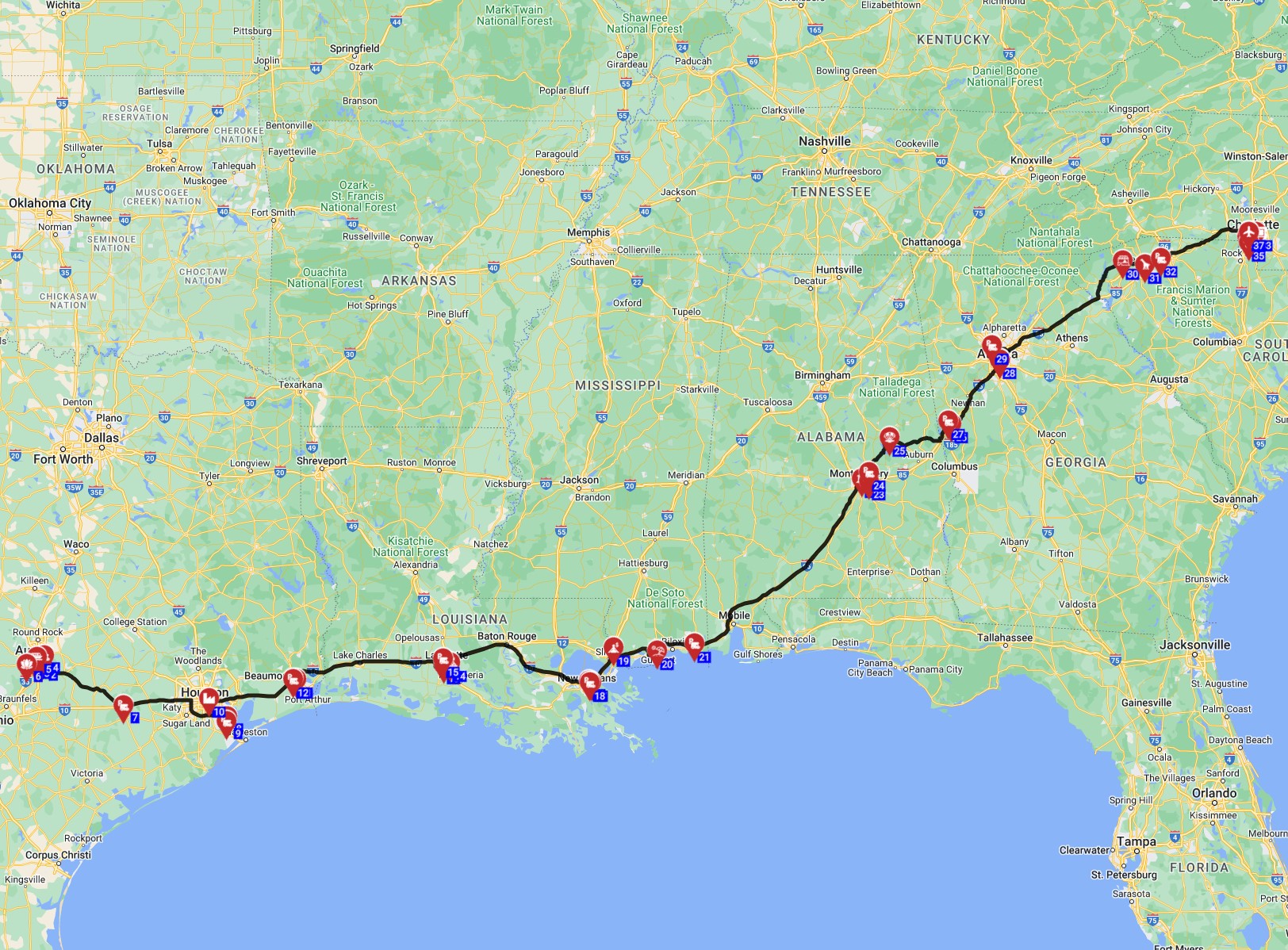
Beyond popular state parks, Texas offers unique RV destinations such as the remote, artsy town of Marfa, known for its mysterious Marfa Lights, the charming German heritage towns of the Hill Country like Fredericksburg with its wineries, and the breathtaking canyons of Palo Duro Canyon State Park. You can discover hidden gems like the historic square and lakeside charm of Granbury, or the ancient dinosaur footprints preserved at Dinosaur Valley State Park near Glen Rose. Imagine cooking up a delicious meal in your rental motorhome after a day of exploring these fascinating sites. Explore Texas's vibrant local culture through specific food trails, such as the renowned Texas BBQ Trail, or the growing wine trails in the Hill Country, many of which feature RV-friendly stops and parking. Attend unique local festivals, from world-famous music events in Austin to quirky chili cook-offs in Terlingua, to experience authentic Texan experiences directly from your RV base. Seek out distinctive roadside attractions like the iconic Cadillac Ranch near Amarillo or the 'World's Largest Pecan' in Seguin, adding memorable and distinctly Texan flavor to your road trip itinerary. For pre-planned route itineraries that cover these and more, look to RV PLANET. For example, the
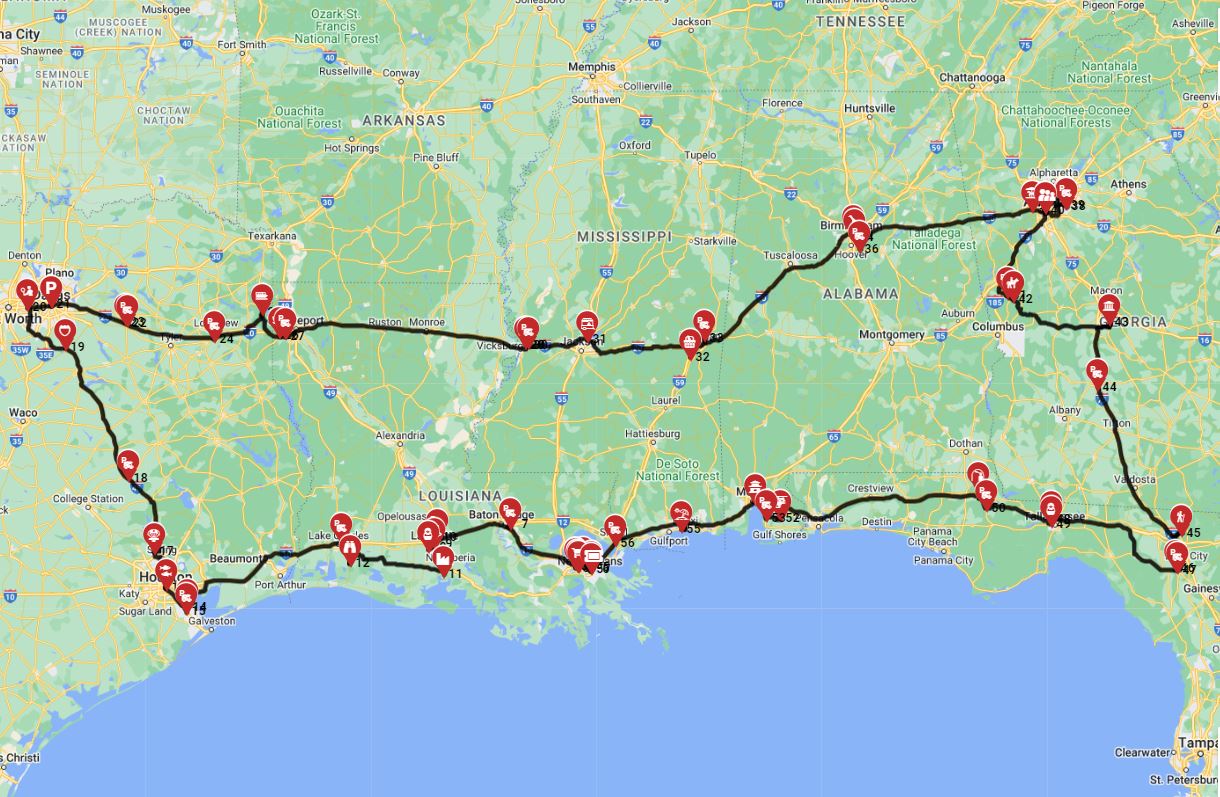
Another fantastic option for a long adventure is the

Where to Find RV Repair and Service in Texas?
Reliable RV repair and service centers are readily available in Texas's major metropolitan areas and along popular travel corridors, but availability can be sparse in less populated, remote regions, necessitating advance planning. Before embarking on an extended road trip, it is advisable to locate certified RV service centers or dealerships along your planned route or near your primary destinations, particularly in West Texas where distances between services are significant. It is highly recommended to have emergency roadside assistance coverage or a membership that specifically includes RV-centric towing and mobile repair services for unexpected breakdowns. Dealerships specializing in particular RV brands often provide the most comprehensive service, while independent repair shops may offer more generalized maintenance and potentially quicker turnaround times. For minor issues encountered on the road, many larger RV campgrounds offer basic repair assistance or can recommend trusted local mobile technicians; always inquire upon check-in if you experience or anticipate problems. Remember, being prepared is key to a stress-free RV rental in Texas.
What You Shouldn't Miss
- **Big Bend National Park:** Explore the vast, rugged beauty of this remote national park, offering spectacular hiking, stargazing, and scenic drives along the Rio Grande. Its remote location makes for truly dark skies, ideal for campers.
- **The Texas Hill Country Wine Trail:** Discover charming towns like Fredericksburg and Wimberley, dotted with wineries, breweries, and distilleries. The rolling hills and spring-fed rivers offer beautiful scenery and refreshing swims.
- **San Antonio's River Walk & The Alamo:** Immerse yourself in history and vibrant culture. The iconic River Walk offers unique dining and entertainment, while the Alamo stands as a powerful symbol of Texan independence.
- **Palo Duro Canyon State Park:** Experience the 'Grand Canyon of Texas,' the second-largest canyon in the U.S. It offers stunning geological formations, hiking, and equestrian trails, with RV camping sites available right in the canyon.
- **Austin's Live Music Scene & Barton Springs Pool:** Dive into Austin's eclectic atmosphere. Enjoy live music on South Congress Avenue and take a dip in the naturally spring-fed Barton Springs Pool, which maintains a refreshing 68-70°F year-round.
- **Galveston Island State Park:** Enjoy Gulf Coast beaches, birdwatching, and fishing. This park offers diverse camping options, from beachfront to bay-side, providing a unique coastal RV experience.
Looking for expert insights from Avi Bandana? Top 5 Adventures - recommendations from Avi Bandana RV PLANET routes to guide your exploration.
Final Thoughts
Exploring Texas by rented RV is an adventure unlike any other. From the bustling streets of its major cities to the tranquil beauty of its national and state parks, a motorhome provides the flexibility and comfort to truly immerse yourself in the diverse landscapes and rich culture of the Lone Star State. Imagine waking up to a different view each morning, savoring freshly prepared meals in your mobile home, and sharing incredible moments with your loved ones.
We're here to support you every step of the way, offering transparent pricing, expert advice, and a selection of quality RVs from trusted suppliers. Our goal is to make your Texas road trip dreams a reality, ensuring you have all the information and assistance you need before, during, and after your booking. So, pack your bags, set your sights on Texas, and get ready for an unforgettable journey on the open road.
Discover top destinations, planning tips, all in one place! Plan a trip itinerary in advance with minimal effort and maximum enjoyment. Get inspired for your next trip!