In This Guide
- Can You Drive an RV in Tennessee? License & Age Rules
- Road Conditions & Terrain in Tennessee
- RV Size Limits, Bridges & Restricted Zones
- Fuel: Diesel vs. Petrol & Cost per 100 km
- Tolls, Vignettes & Border Rules
- Driving Tips for rv rental Travelers
- Recommended RV Class for Tennessee Roads
- Should I Choose a Compact Van Instead of a Large RV in Tennessee?
- Can I Park Anywhere? Free & Wild Camping Rules in Tennessee
- Can I Drive an RV Into the City Center? Heights, Tunnels & Local Signage
- How much does it cost to rent an RV in Tennessee?
- Is it cheaper to rent an RV or stay in a hotel in Tennessee?
- What is the best time of year to RV in Tennessee?
- What are the best places to visit in Tennessee in an RV?
- Can you boondock in Tennessee?
- Where can I boondock for free in Tennessee?
- What are the rules for camping in Tennessee?
- How do I find cheap RV rentals?
- What kind of RV can you rent?
- Are there luxury RV rentals in Tennessee?
- What is the best RV rental company in Tennessee?
- Where can I rent an RV in Tennessee?
- Where to Find RV Services & Amenities in Tennessee
- Tennessee for Full-Time RVers: Considerations for Long Stays
Can You Drive an RV in Tennessee? License & Age Rules
In Tennessee, most recreational vehicles (RVs) under 26,001 pounds Gross Vehicle Weight Rating (GVWR) can be driven with a standard Class D driver's license. This means that the majority of rental motorhomes available will fall under this category, making them accessible with a regular driver's license.
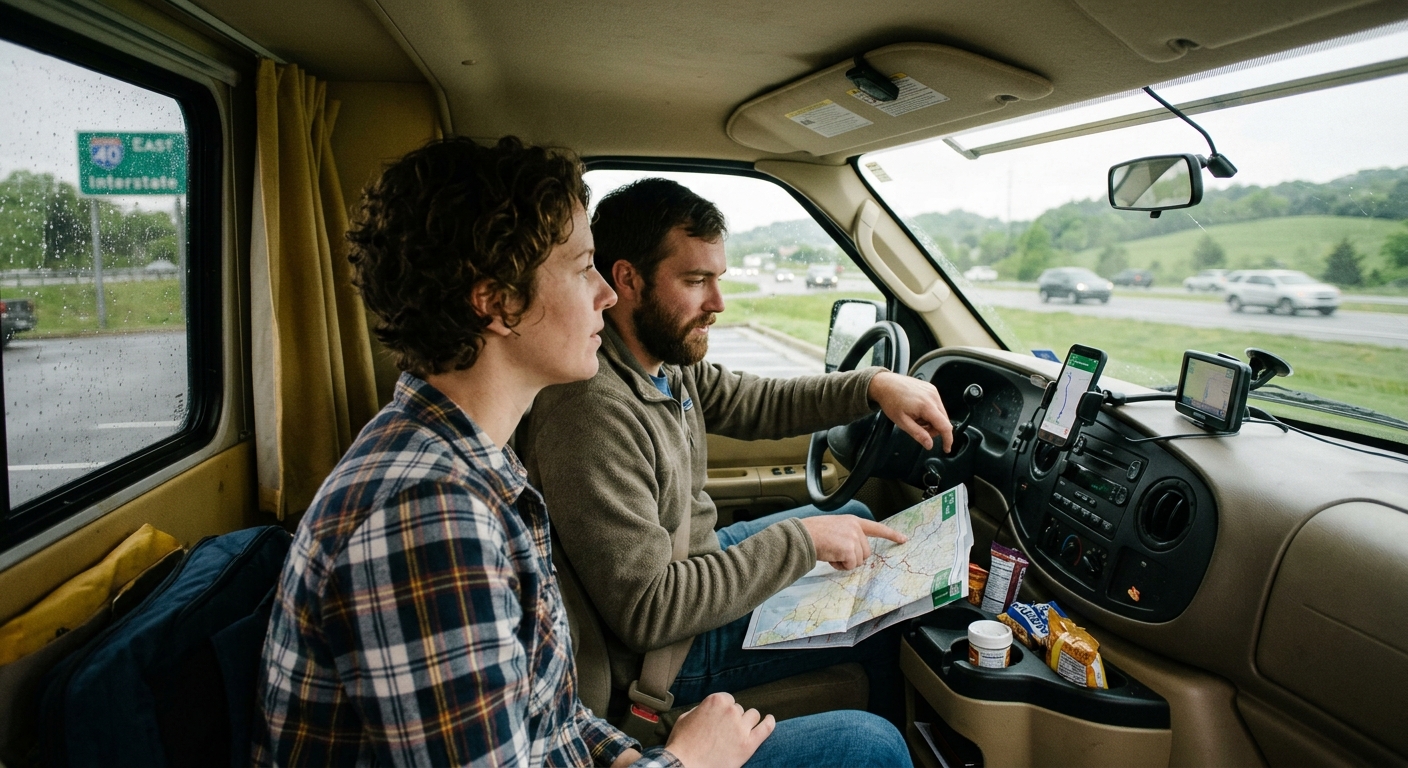
Drivers must be at least 21 years old to rent an RV from most companies in Tennessee, which is a common requirement across the RV rental industry for insurance and operational reasons. While 18 is the legal driving age for a Class D license, rental companies often implement higher age restrictions.
Foreign drivers can typically use their valid home country license for up to 6 months, and an International Driving Permit (IDP) is recommended as a helpful translation document, though not always mandatory. It's always a good idea to check with your specific rental provider regarding their requirements for international licenses.
A Commercial Driver's License (CDL) is rarely required for private RV rentals in Tennessee, as it's typically only mandated for RVs exceeding 26,001 pounds GVWR or those carrying hazardous materials, which are outside the scope of standard recreational rentals.
Road Conditions & Terrain in Tennessee
Tennessee offers diverse road conditions, ranging from well-maintained interstate highways that are smooth and accessible for RVs, to winding mountain roads in the Appalachian foothills and sometimes rural gravel paths. RVs of all sizes can navigate these roads, but larger motorhomes will benefit from slower speeds and careful maneuvering.
Drivers should expect varying terrain, including the flat farmlands of West Tennessee, the picturesque rolling hills of Middle Tennessee, and the more challenging steep inclines and declines found in East Tennessee's mountainous regions, especially around the Great Smoky Mountains National Park. While navigating these, remember to allow extra braking distance, particularly when descending grades.
Urban areas like Nashville, Memphis, and Chattanooga can feature heavy traffic and tighter streets, so planning your route and considering parking ahead of time is advisable. Conversely, rural routes often provide incredibly scenic, slower-paced driving experiences perfect for soaking in the Tennessee landscape.
Exercising caution, reducing speed, and allowing extra braking distance are crucial on mountain passes and winding rural roads, particularly for larger RVs, ensuring a safe and enjoyable journey through the state's varied topography.
RV Size Limits, Bridges & Restricted Zones
While Tennessee generally accommodates RVs of all common sizes on its major routes and interstates, drivers should be aware of specific restrictions that might be encountered on secondary roads or within historic districts. Paying attention to signage is key for a smooth journey.
The maximum RV length in Tennessee is typically around 45 feet for a single vehicle, with the combined length for an RV and a towed vehicle generally capped at 65 feet. These dimensions are standard for most rental RVs, ensuring compliance on most roadways.
Low bridges are less common on interstates but can be found on older state routes or local roads; drivers should always observe height clearance signs and be mindful of their RV's height, especially in urban or older rural areas. Planning your route with an RV-specific GPS can help avoid potential clearance issues.
Environmental zones or specific weight limits are rare for private RVs in Tennessee. However, some park roads or historic areas might impose restrictions on vehicle size or type, so it’s always wise to check local signage before proceeding, especially in popular tourist destinations or sensitive natural areas.
Fuel: Diesel vs. Petrol & Cost per 100 km
Both diesel and petrol (gasoline) are widely available across Tennessee, with diesel typically found at larger gas stations and truck stops, which are well-suited for RVs, while petrol is ubiquitous. Ensuring your rental RV uses the correct fuel type is crucial for engine health.
Based on global fleet averages, a Class SI Semi-integrated RV typically consumes 10-11 liters per 100 km, a Class C Alcove RV consumes 10-12 liters per 100 km, and a Class B Camper Van is more efficient, using 8-10 liters per 100 km. These figures provide a good baseline for estimating fuel expenses during your trip.
The average cost per 100 km will vary with current fuel prices, but using these consumption figures, travelers can estimate their budget. For example, if fuel is $1/liter, a Class C motorhome might cost $10-$12 per 100 km to operate.
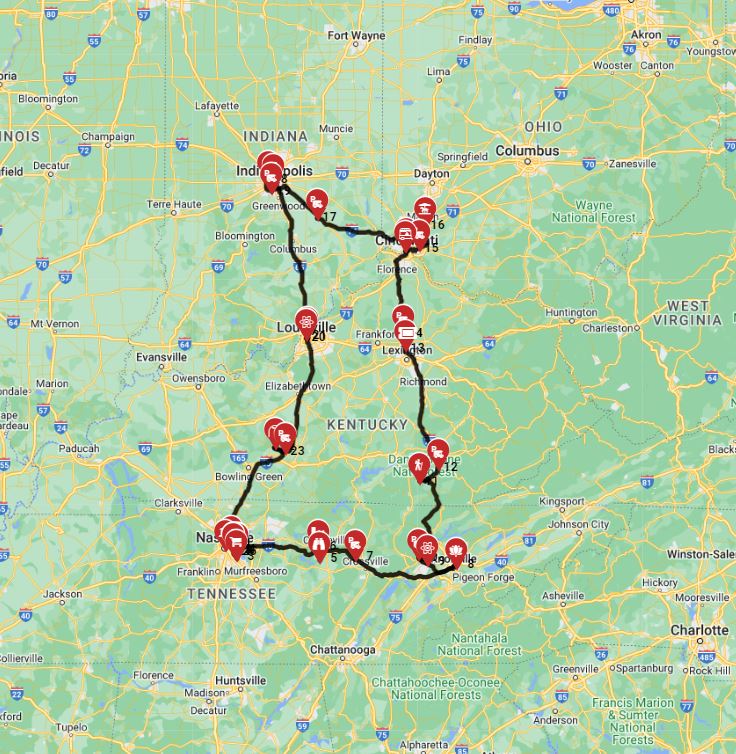
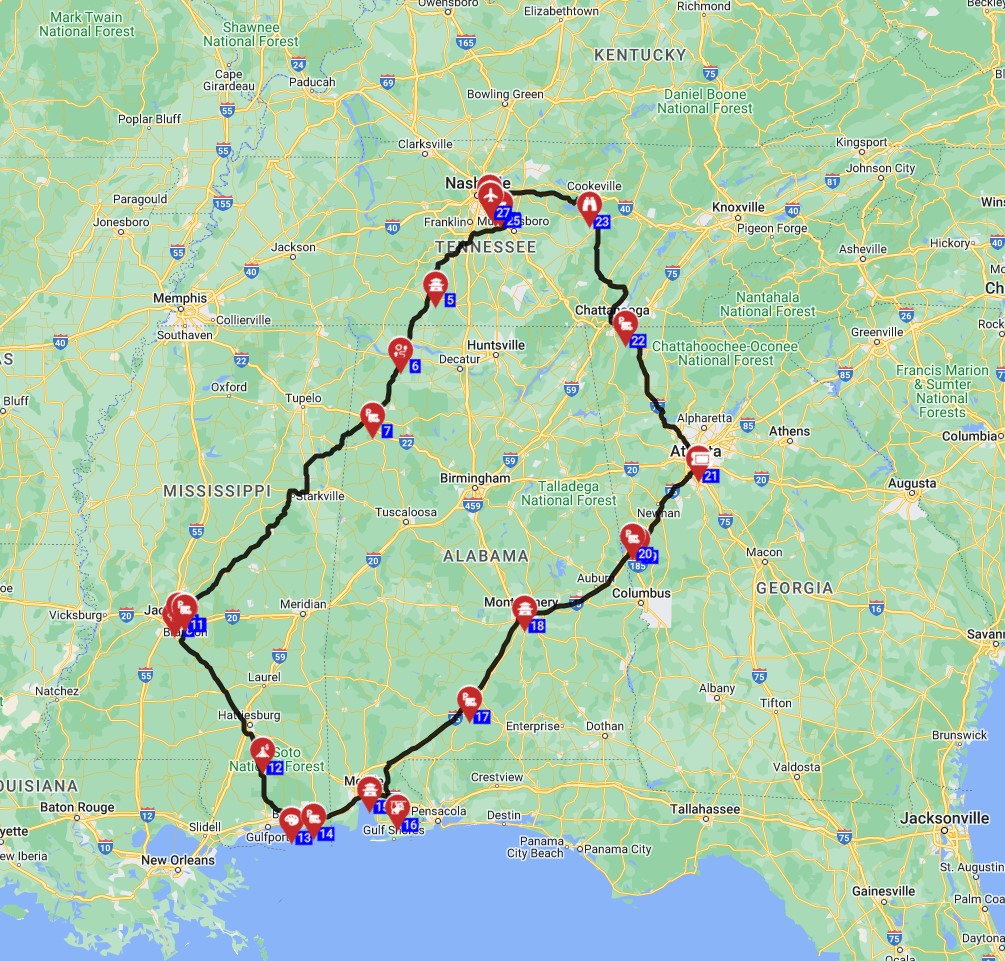
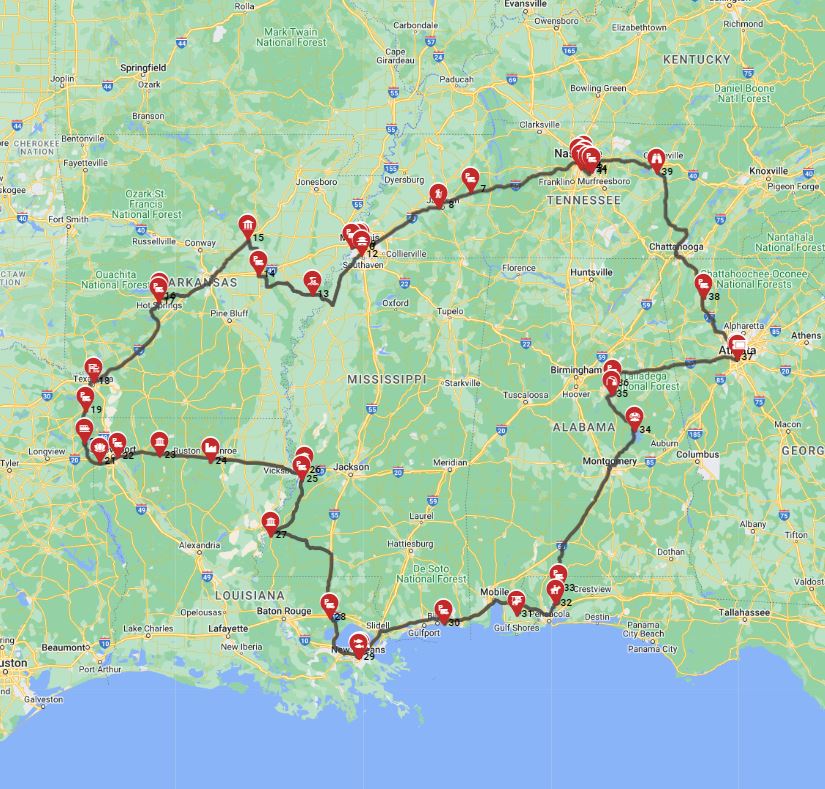
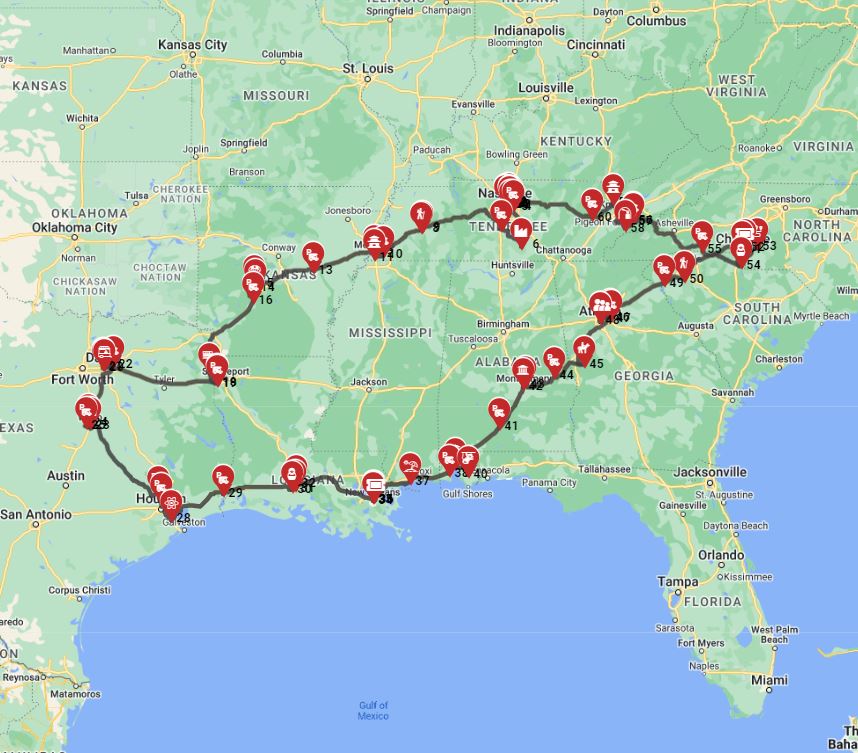
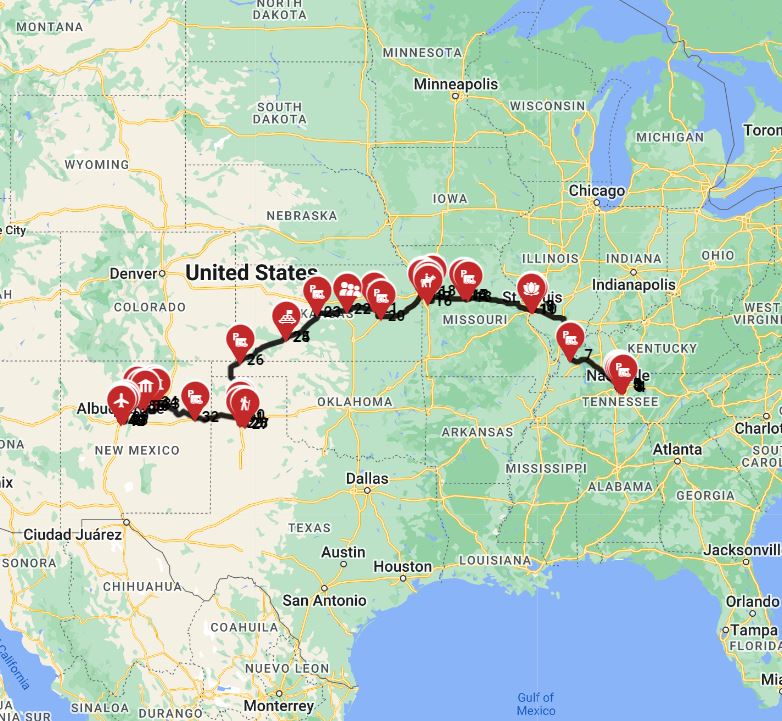
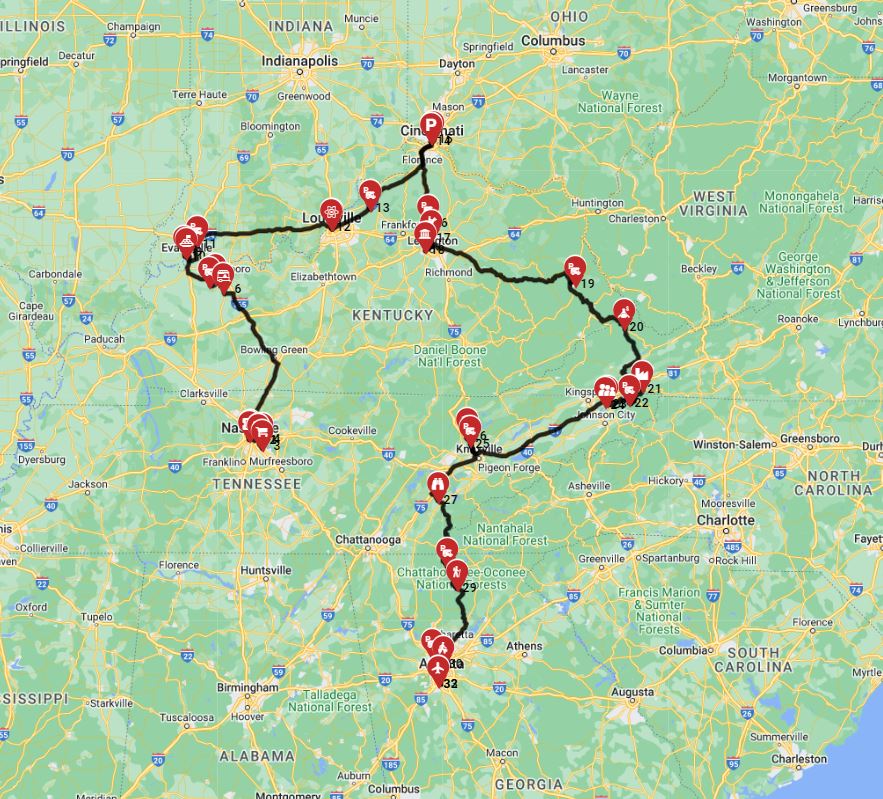
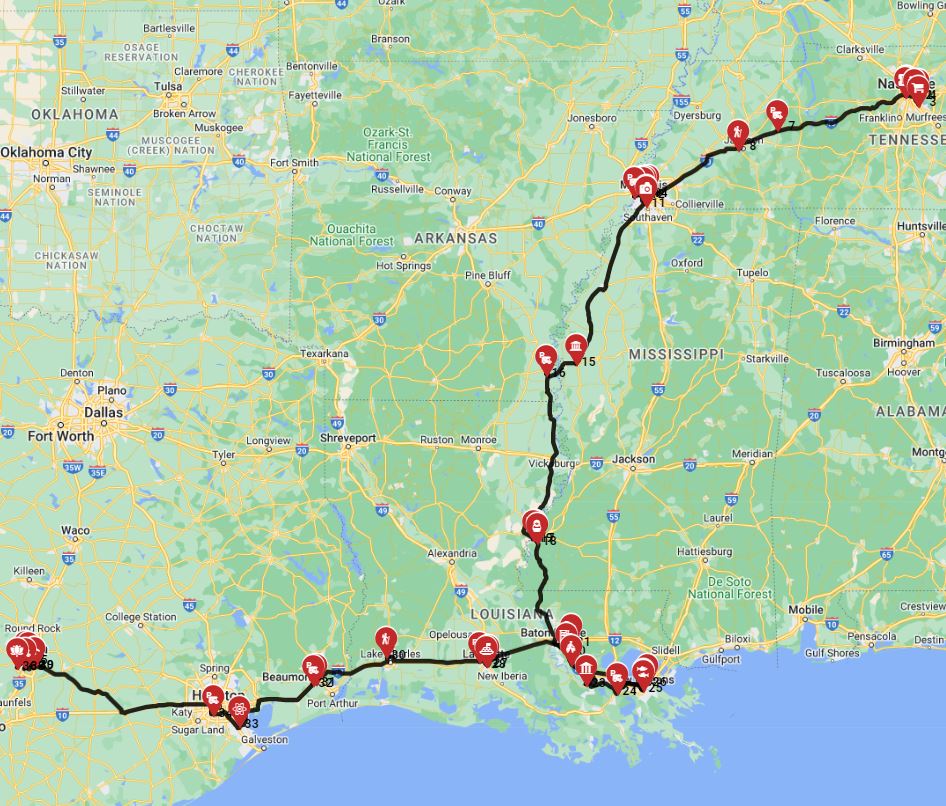
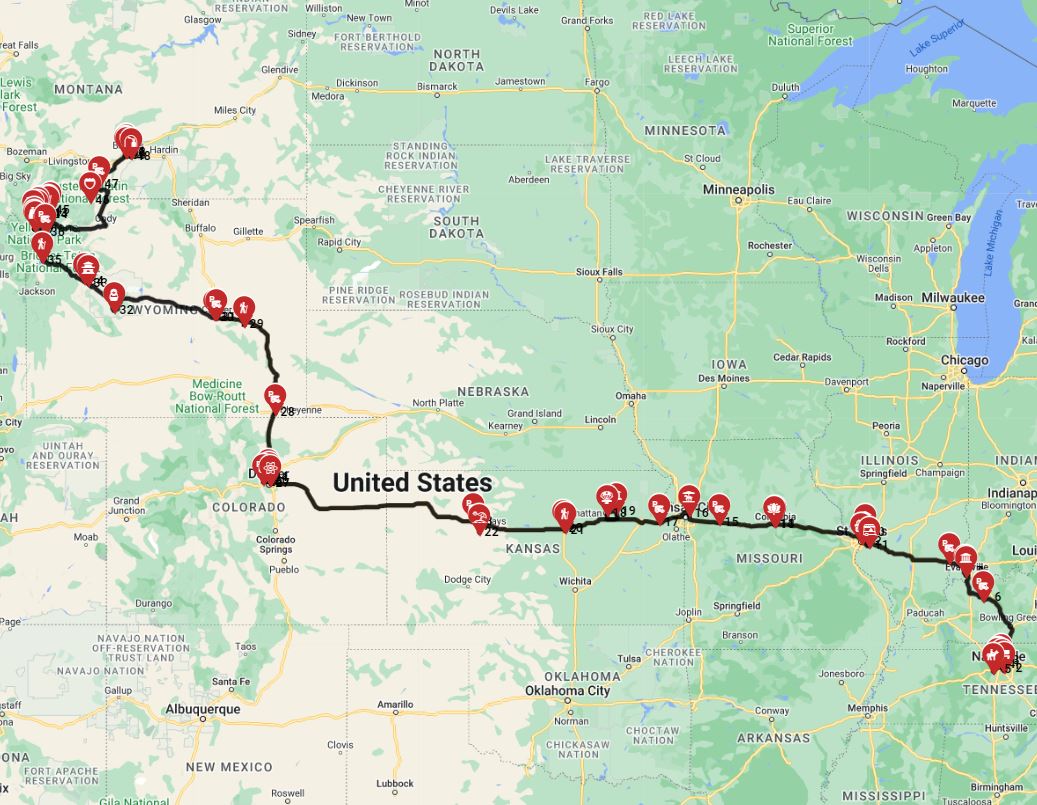
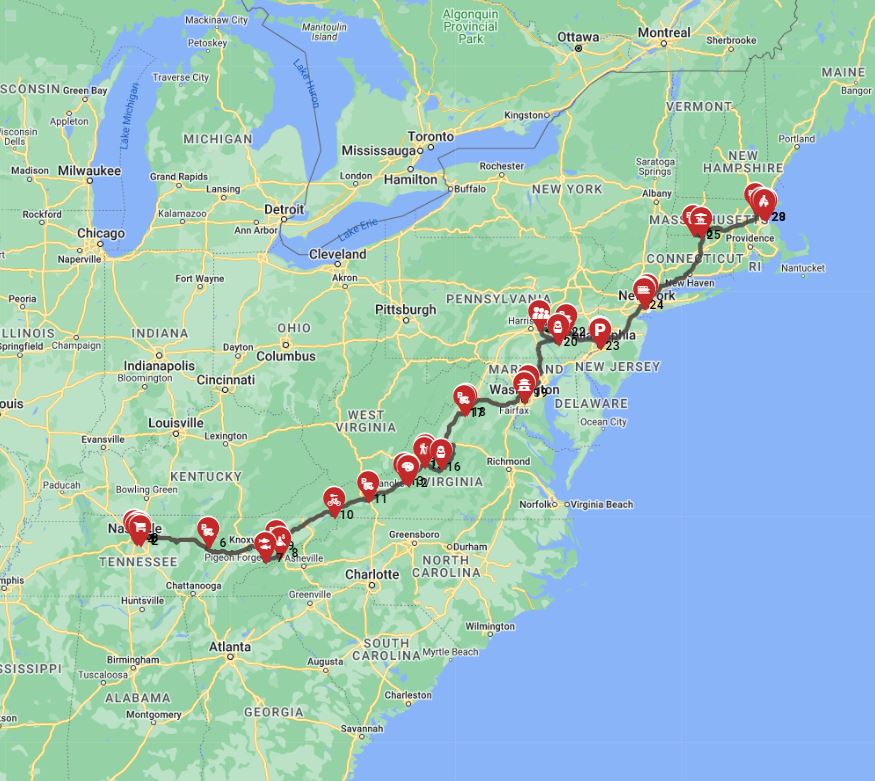
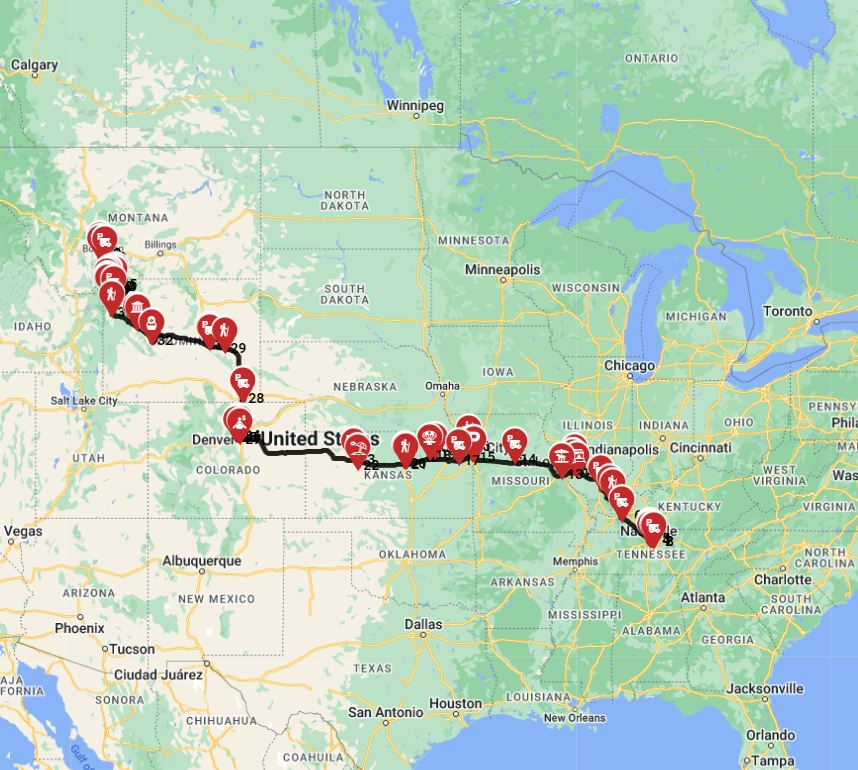
Renting an RV through providers like Bandana may offer perks such as fuel discount cards or loyalty program benefits that can help reduce overall fuel costs, making your journey more economical. Always compare rental packages to maximize savings. On the routes offered through RV PLANET routes, you can itemize and track every expense along the way for easy budgeting.
Tolls, Vignettes & Border Rules
Tennessee boasts a very traveler-friendly road system, with the vast majority of its highway network being toll-free for RV travelers. This allows for smoother and more predictable budgeting for your road trip.
There are no state-wide vignettes or specific border crossing rules for RVs when traveling between Tennessee and its neighboring U.S. states, simplifying interstate travel. You can move freely across state lines without needing special permits.
While rare, some individual bridges or tunnels might have tolls, and drivers should be prepared for cash or electronic payment methods if encountered. Keeping a small amount of cash handy can be useful for these infrequent toll situations.
Some RV rental companies, including Bandana, offer options to pre-purchase toll passes or provide transponders, which can significantly simplify travel through any tolled sections and help avoid potential fines by ensuring proper payment.
Driving Tips for rv rental Travelers
Plan Your Route Carefully: Utilize GPS apps designed specifically for RVs to identify low bridges, steep grades, and narrow roads, especially when venturing off interstates in Tennessee's beautiful but sometimes challenging terrain. This proactive planning can prevent unexpected obstacles.
Pace for Scenery: Tennessee's scenic byways and mountain roads are best enjoyed at a slower pace; allow extra time for travel and frequent stops. This is particularly important if you're traveling with family, ensuring everyone can appreciate the journey.
Monitor Your Fuel: Especially in rural or mountainous regions of Tennessee, plan your fuel stops in advance, as distances between full-service stations can be greater than anticipated. Running low on fuel can be stressful and inconvenient.
Urban Navigation: When entering cities like Nashville or Memphis, research RV-friendly parking in advance. Consider using public transport or ride-shares for city center exploration if parking is particularly challenging for larger vehicles.
Pre-Book Campgrounds: During peak seasons (spring and fall), popular Tennessee campgrounds, especially those near national parks or major attractions, can fill up quickly. Reserving your spot well ahead of time is highly recommended to secure your preferred location.
Recommended RV Class for Tennessee Roads
For navigating Tennessee's diverse roads, including its interstates, winding state routes, and occasional mountain passes, both Class SI - Semi-integrated and Class B - Camper Van RVs are highly recommended. These classes offer a good balance of maneuverability and comfort.
Class SI Semi-integrated RVs, with an average length of 6.9 meters (approximately 22.6 feet) from Bandana's global fleet, offer a comfortable living space and a manageable size for most Tennessee roads, typically providing sleeping accommodations for an average of 3.8 people.
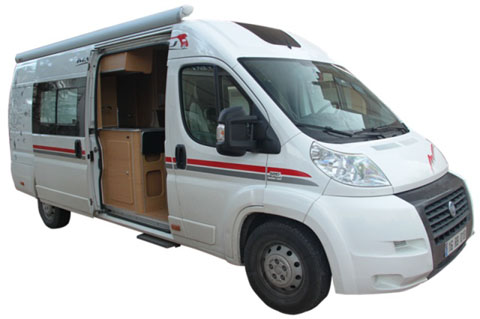
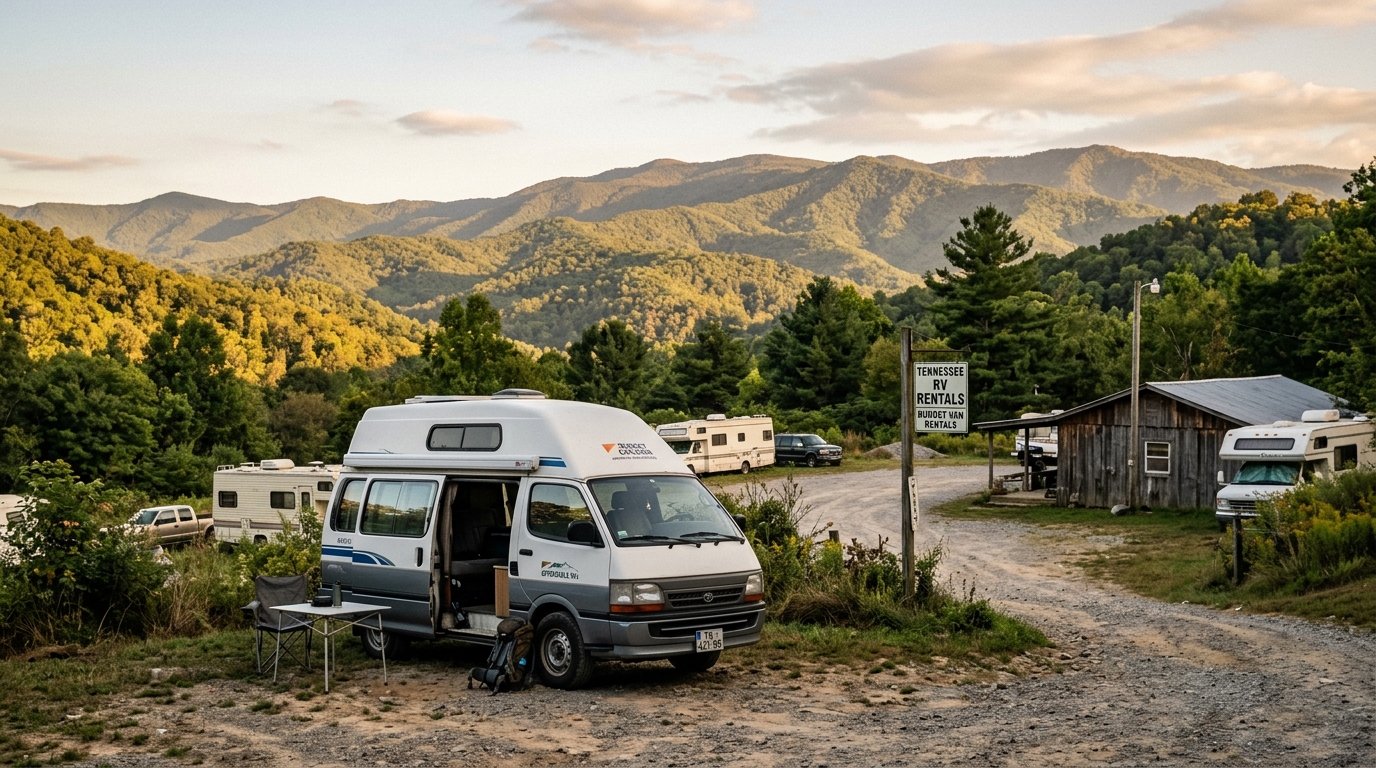
Class B Camper Vans, averaging 5.8 meters (approximately 19 feet) in length, are particularly adept for narrower mountain roads and urban exploration due to their compact size, while still offering sleeping accommodations for an average of 3.2 people, making them ideal for couples or small families.
While larger Class C and Class A RVs are also suitable for Tennessee's main arteries, the slightly smaller footprint of Semi-integrated and Camper Vans can significantly enhance maneuverability and ease of access on less-traveled, scenic routes, allowing you to explore more freely.
Should I Choose a Compact Van Instead of a Large RV in Tennessee?
While a compact van, like a Class B Camper Van, offers superior maneuverability in tight city streets and on very narrow, winding mountain roads, a larger RV generally presents no significant driving issues on most Tennessee routes, thanks to well-maintained roads and ample infrastructure.
Opting for a compact van can genuinely enhance the experience when planning extensive urban exploration in cities like Nashville or Gatlinburg, or if your itinerary heavily features very remote, unpaved forest roads where tighter clearance is beneficial. This can offer greater flexibility in tight spots.
However, the increased comfort, additional indoor living space, larger kitchen facilities, and separate sleeping areas offered by a larger RV often outweigh the minor maneuverability benefits of a compact van for the typical Tennessee RV trip, which often involves significant time spent at campgrounds and enjoying the amenities. For ideas you can prep on the road, watch our RV-friendly recipes playlist on YouTube.
Ultimately, the choice depends on your travel priorities: if extreme flexibility and urban access are paramount, a compact van is an excellent choice; if comfort, amenities, and extended stays at scenic locations are preferred, a larger RV remains a fantastic option for a comprehensive Tennessee adventure.
Can I Park Anywhere? Free & Wild Camping Rules in Tennessee
Free and wild camping, also known as dispersed camping or boondocking, in Tennessee is generally restricted to specific public lands, primarily within National Forests and certain Wildlife Management Areas (WMAs), where strict adherence to regulations is mandatory.
Dispersed camping is permitted in many designated areas within the Cherokee National Forest, where campers must follow 'Leave No Trace' principles, camp at least 200 feet from water sources, and observe any posted fire restrictions. Always check the specific ranger district for current rules.
Overnight parking in store parking lots, such as Walmart, may be tolerated at the discretion of individual store managers, but it is not officially permitted state-wide. It's always best to confirm with store personnel beforehand and be prepared to move if asked.
Rules vary significantly by region within Tennessee—always check local regulations, signage, and follow local law before parking overnight, as illegal camping can result in fines or towing, disrupting your travel plans.
Can I Drive an RV Into the City Center? Heights, Tunnels & Local Signage
Yes, it is generally possible to drive an RV into city centers in Tennessee, but drivers must pay close attention to local signage, especially concerning height limits, tunnels, and restricted parking zones, which are common in urban environments.
While major cities like Nashville and Memphis are accustomed to larger vehicles, specific historical districts or older parts of town might have narrow streets or lower overhead clearances (e.g., low bridges or building overhangs) that could pose challenges for very large RVs. Always be mindful of your RV's dimensions.
Always be vigilant for signs indicating height restrictions, weight limits, or 'no RV' parking zones, particularly around downtown areas and popular tourist attractions. These are crucial for preventing damage to your rental RV and avoiding fines.
Planning your route in advance and utilizing RV-specific navigation tools can help identify potential obstacles and locate suitable RV-friendly parking options or designated overnight spots outside the immediate city core, ensuring a smoother urban experience.
How much does it cost to rent an RV in Tennessee?
The cost to rent an RV in Tennessee varies significantly based on factors such as RV class, rental duration, the season of travel, and specific amenities included. Generally, booking further in advance or during off-peak times can lead to better rates.
On average, daily rental prices can range from $75-$150 for smaller Class B camper vans, $120-$250 for Class C motorhomes or Semi-integrated models, and $250-$400+ for luxury Class A coaches. These are base rates and do not include additional fees.
Additional costs typically include insurance, mileage fees (if not unlimited), preparation fees, cleaning fees, and propane refills, which can add between 15-30% to the base rental rate. Understanding these potential add-ons is key to accurate budgeting.
Renting during off-peak seasons (late fall to early spring, excluding holidays) or booking for longer durations often provides more favorable rates. Flexibility with your travel dates can lead to significant savings on your Tennessee RV adventure.
Is it cheaper to rent an RV or stay in a hotel in Tennessee?
Deciding whether RV rental or hotel stays are cheaper in Tennessee depends heavily on your group size, travel style, and the length of your trip, often favoring RVs for groups or longer durations where the combined cost of accommodation and transport becomes more economical.
For families or groups of three or more people, an RV can often be more cost-effective than booking multiple hotel rooms, especially when factoring in the ability to cook meals in the RV and save on restaurant expenses. This self-sufficiency greatly impacts overall trip cost.
While the upfront RV rental cost might seem higher than a single night at a budget hotel, an RV combines transportation and accommodation, and allows for cheaper camping fees compared to daily hotel rates. This integrated approach offers excellent value.
However, if you are a solo traveler or a couple planning a short trip with minimal cooking, and you can find good hotel deals, hotels might sometimes be less expensive overall when accounting for fuel, campground fees, and additional RV rental charges. Always compare the total trip costs.
What is the best time of year to RV in Tennessee?
The best time of year to RV in Tennessee is generally during the spring (April-May) and fall (September-October) when the weather is mild, humidity levels are lower, and the natural beauty of the state is at its peak, offering comfortable travel conditions.
Spring in Tennessee offers blossoming wildflowers, comfortable temperatures ideal for hiking, and vibrant green landscapes, although occasional rain showers can occur. This season provides a beautiful introduction to the state's scenery.
Fall in Tennessee provides breathtaking foliage, especially in the Great Smoky Mountains, making it an incredibly popular but also a potentially crowded time for RV travel. Booking campgrounds in advance is essential during this vibrant season.
Summer (June-August) is ideal for enjoying Tennessee's lakes and rivers and participating in water activities, but temperatures can be hot and humid, and campgrounds tend to be the busiest during these months. Plan for heat and crowds during summer RV trips.
What are the best places to visit in Tennessee in an RV?
Tennessee offers a wealth of diverse destinations perfectly suited for RV travel, from stunning natural wonders to vibrant cultural hubs and charming hidden gems, providing a rich tapestry of experiences for every RVer.
The Great Smoky Mountains National Park is an absolute must-visit, providing breathtaking mountain scenery, abundant hiking trails, and plentiful wildlife viewing opportunities, with numerous RV-friendly campgrounds available in nearby Gatlinburg and Pigeon Forge for easy access to attractions.
Nashville, the state's capital and 'Music City,' offers a unique blend of country music history, delicious Southern cuisine, and vibrant nightlife, with several RV parks conveniently located just outside the city center, allowing for easy access to all the city has to offer.
For unique cultural experiences beyond mainstream attractions, consider exploring the small towns along the Tennessee Music Pathways, such as Leipers Fork for its charming art and antique shops, or Lynchburg, home of the Jack Daniel's Distillery, which often offers charming local markets and events accessible by RV.
Other excellent RV destinations include Chattanooga for its scenic beauty and outdoor adventures, Memphis for its rich blues music heritage and iconic BBQ scene, and the Natchez Trace Parkway for a leisurely, historic drive through some of Tennessee's most scenic countryside, perfect for slow travel.
Can you boondock in Tennessee?
Yes, boondocking, also known as dispersed camping or dry camping, is legally permitted in specific areas of Tennessee, primarily within the vast Cherokee National Forest, offering a fantastic way to experience nature with your RV.
This type of free camping involves staying in an RV without hookups for water, electricity, or sewage, typically in undeveloped areas away from established campgrounds. It's an excellent way to immerse yourself in nature without the cost of traditional campsites.
Boondockers in the Cherokee National Forest must adhere to 'Leave No Trace' principles, camp at least 200 feet from water sources, and be aware of any fire restrictions or specific area closures. Responsible camping is paramount.
While not officially sanctioned, some private businesses, like certain casinos or Walmarts, may allow overnight parking, but permission should always be sought from management first. Always respect property and be prepared to move if necessary.
Where can I boondock for free in Tennessee?
The primary location for legal, free boondocking in Tennessee is within the expansive Cherokee National Forest, which encompasses over 650,000 acres of beautiful wilderness in East Tennessee, offering numerous opportunities for dispersed camping.
Dispersed camping is allowed in many areas of the national forest, though it's crucial to check with the specific ranger district for current regulations, road accessibility for your RV, and any seasonal closures or restrictions. Staying informed ensures a smooth experience.
Some Wildlife Management Areas (WMAs) managed by the Tennessee Wildlife Resources Agency (TWRA) may also permit primitive camping or overnight parking, but rules are highly specific to each WMA and often require a permit or hunting/fishing license. Always verify the regulations for the specific WMA you plan to visit.
Helpful resources like FreeCampsites.net, iOverlander, and detailed National Forest maps are excellent tools for finding established dispersed camping locations and reviewing recent user experiences regarding accessibility and safety, aiding your planning process.
What are the rules for camping in Tennessee?
Camping rules in Tennessee vary significantly by location, whether you're in a state park, national forest, private campground, or attempting dispersed camping. Always familiarize yourself with the specific regulations of your chosen destination.
State Parks & Private Campgrounds: These typically require reservations, adherence to designated site limits, observance of quiet hours (usually from 10 PM to 6 AM), compliance with pet policies, and adherence to fire regulations. Check individual campground rules before arrival.
National Forests (e.g., Cherokee National Forest): These areas often permit dispersed camping (boondocking) under 'Leave No Trace' principles, requiring campers to maintain specific distances from water sources and comply with fire bans or restrictions. This ensures minimal impact on the natural environment.
General Rules: Always pack out all trash, avoid disturbing wildlife, keep noise levels down to respect fellow campers, and ensure campfires (where permitted) are completely extinguished before leaving. These practices contribute to a positive camping experience for everyone.
Always check the official websites for Tennessee State Parks, the Cherokee National Forest, or individual private campgrounds for the most up-to-date and specific regulations before your trip to ensure a smooth and compliant camping experience.
How do I find cheap RV rentals?
Finding cheap RV rentals involves strategic planning, flexibility with your travel dates, and leveraging various online platforms and timing options to secure the best deals. Planning ahead is often key to saving money.
Book in Advance: Especially for popular seasons or holidays, booking your RV several months ahead can secure better rates and availability before prices inevitably increase. Early booking often unlocks discounts.
Travel Off-Peak: The shoulder seasons (spring and fall) or even winter in Tennessee typically offer significantly lower rental rates compared to the peak summer months. Traveling outside of major holidays can also yield savings.
Look for Deals & Discounts: Regularly check rental company websites for promotions, early bird discounts, or last-minute specials. Subscribing to newsletters can alert you to special offers.
Compare Platforms: Utilize online marketplaces that aggregate rentals from various providers, like Bandana, to compare prices across different RV classes and companies simultaneously. This comparison is crucial for finding the best value.
Opt for Smaller RVs or Older Models: Class B camper vans or older Class C models generally have lower rental rates and better fuel efficiency, contributing to overall savings on your trip budget. Consider what size RV truly meets your needs.
What kind of RV can you rent?
Travelers to Tennessee can rent a wide variety of RV classes, each offering different amenities, sizes, and driving experiences, catering to diverse needs and preferences for a comfortable road trip.
Class B Camper Vans, like Bandana's average 5.8m length models sleeping 3.2 people, are compact and easy to drive, making them ideal for couples or small families seeking maximum maneuverability, especially in urban areas.
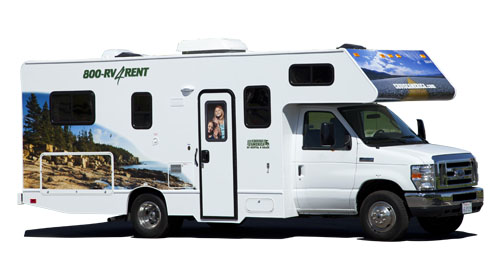
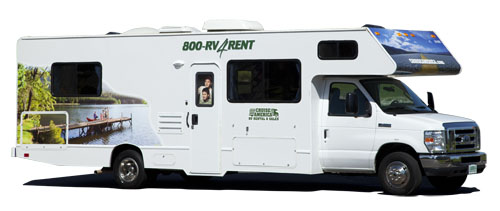
Class C Alcove Motorhomes, averaging 7.5m in length and sleeping 5.8 people, are a popular family choice, offering more space, separate sleeping areas, and often featuring a distinctive overhead bunk, providing ample room for everyone.
Class SI Semi-integrated Motorhomes, averaging 6.9m in length and sleeping 3.8 people, provide a sleek, aerodynamic design, good fuel economy, and comfortable living quarters for couples or small families, offering a refined driving experience.
Class A Integrated Motorhomes, averaging 7.5m in length and sleeping 4.4 people, represent the largest and most luxurious option, often resembling a bus and featuring extensive amenities and living space for ultimate comfort on longer journeys.
Truck Campers, averaging 5.5m in length and sleeping 2.4 people, offer a camper unit mounted on a pickup truck bed, providing excellent off-road capability and a rugged experience for adventurous couples seeking to explore beyond paved roads.
Are there luxury RV rentals in Tennessee?
Yes, luxury RV rentals are readily available in Tennessee, offering high-end amenities, spacious interiors, and sophisticated features for travelers seeking a premium travel experience on the road.
These often include top-tier Class A Integrated motorhomes, such as Bandana's average 7.5m length models sleeping 4.4 people, which resemble luxury buses and feature full kitchens, multiple sleeping areas, and high-end entertainment systems for an unparalleled experience.
Luxury RVs can also be found in upgraded Class C or even custom-built Class B vans, which boast designer interiors, premium finishes, and advanced technology, ensuring a stylish and comfortable journey.
Expect features such as residential-style appliances, multiple slide-outs for expanded living space, premium entertainment systems, private bathrooms with showers, and sometimes even concierge services or personalized trip planning, elevating your RV adventure.
What is the best RV rental company in Tennessee?
The "best" RV rental company in Tennessee truly depends on individual needs, budget, and the desired RV type, making comparison shopping across multiple platforms essential for finding the perfect match for your trip.
Reputable national brands like Cruise America and El Monte RV have established locations in Tennessee, offering a standardized fleet and proven booking processes, which can provide peace of mind for first-time renters.
Peer-to-peer rental platforms, such as Outdoorsy and RVshare, provide a wider selection of unique RVs directly from private owners across the state, often at competitive prices and offering a more personalized experience.
Companies like Bandana offer a global fleet with various classes of motorhomes and campervans, providing reliable options for different travel styles and budgets, with a strong emphasis on clear pricing and helpful booking support.
When choosing a company, consider factors such as customer service reputation, insurance options, the variety of RV classes available, pickup and drop-off locations, and importantly, transparent pricing policies that reveal all costs upfront.
Where can I rent an RV in Tennessee?
RV rentals in Tennessee are widely available from major cities and through numerous online platforms, providing a vast selection of options to suit every traveler's needs and itinerary.
Major Hubs: Nashville, Memphis, and Chattanooga are primary locations for RV rental depots, hosting branches of national companies and often serving as pickup points for peer-to-peer rentals, offering convenient starting points across the state.
Online Marketplaces: Platforms like Bandana, Outdoorsy, and RVshare allow you to browse a comprehensive inventory of RVs from various owners and companies across Tennessee, often specifying exact pickup locations or offering convenient delivery options directly to your starting point.
Local Dealerships: Some local RV dealerships also offer rentals in addition to sales, which can be a great option for specific models or if you prefer personalized service and local expertise.
It's always advisable to search for rentals based on your starting location in Tennessee and compare options across different platforms to find the best fit for your trip, ensuring a seamless and enjoyable rental experience.
Where to Find RV Services & Amenities in Tennessee
Locating essential RV services such as propane refills, potable water fill-ups, convenient dump stations, and reliable repair services is crucial for a smooth and uninterrupted RV trip across Tennessee's diverse landscapes.
Propane & Dump Stations: Most private RV parks, state park campgrounds, and some larger gas stations or truck stops (like Flying J or Pilot) offer propane refills and dump station access, often for a small fee, making it easy to stay serviced on the go.
Water Fill-ups: Potable water can typically be found at campgrounds, rest areas equipped with dump stations, or sometimes at larger grocery stores or travel centers, ensuring you have access to fresh water whenever needed.
Mobile RV Repair: In less-populated areas of Tennessee, it's wise to carry basic tools and have a roadside assistance plan, as mobile RV repair services tend to be concentrated around major cities and popular RV destinations. Planning ahead for potential issues is always a good strategy.
Utilizing apps like 'Sanidumps' or 'RV LIFE Trip Wizard' can be incredibly helpful for pinpointing nearby service locations, especially when planning routes through more remote or less-traveled parts of Tennessee, ensuring you're never far from necessary amenities.
Tennessee for Full-Time RVers: Considerations for Long Stays
Tennessee offers an attractive environment for full-time RVers due to its beautiful natural scenery, diverse regions, and relatively low cost of living, but it requires specific planning for long-term stays to ensure compliance and convenience.
Establishing domicile in Tennessee involves meeting state residency requirements, which typically include obtaining a Tennessee driver's license, registering vehicles in the state, and potentially setting up mail forwarding services to a physical address. Researching specific county requirements is advised.
Long-term parking solutions can include extended stays at private RV resorts that offer monthly or seasonal leases, or even purchasing land in RV-friendly communities, providing a stable base for extended visits.
Insurance considerations for full-time RVers differ from those for recreational use, often requiring specialized policies that cover the RV as a primary residence, providing comprehensive protection for continuous travelers.
What You Shouldn't Miss
- Explore the Great Smoky Mountains National Park: Drive scenic routes like Cades Cove Loop Road and hike to breathtaking waterfalls. Campgrounds within the park or nearby towns like Gatlinburg offer excellent RV facilities.
- Immerse Yourself in Music City, Nashville: Visit the Grand Ole Opry, the Country Music Hall of Fame, and enjoy live music on Broadway. Find RV parks on the outskirts for easy city access.
- Discover Chattanooga's Scenic Beauty: Explore Lookout Mountain, the Tennessee Aquarium, and enjoy outdoor activities like riverboat cruises or hiking. Several RV parks offer convenient access to the city and surrounding natural attractions.
- Experience Memphis Blues & BBQ: Visit Beale Street for live blues music, tour Graceland, and indulge in world-famous BBQ. RV parks are available just outside the city, making exploration easy.
- Drive the Natchez Trace Parkway: This historic scenic byway is perfect for slow travel in an RV, offering beautiful vistas, historical sites, and peaceful campgrounds along its 444-mile route through Tennessee, Alabama, and Mississippi.
- Explore Appalachian Caverns: With over 10,000 caves, Tennessee offers incredible opportunities for RVers to explore underground wonders like the Lost Sea Adventure or Ruby Falls, providing a unique adventure and a cool escape from the heat.
Final Thoughts
Renting an RV in Tennessee opens up a world of possibilities for exploration, allowing you to connect deeply with the state's diverse landscapes and rich culture at your own pace. From the Great Smoky Mountains to the vibrant music cities, an RV provides the ultimate freedom and comfort for your adventure.
By planning ahead, understanding the road conditions, and choosing the right RV for your needs, your Tennessee RV journey is sure to be an unforgettable experience. Remember to embrace slow travel, savor the scenic routes, and discover the unique charm of the Volunteer State.
We encourage you to start planning your Tennessee RV adventure today! Explore the options, compare the RVs, and get ready to create lasting memories on the open road. For inspiration and detailed itineraries, check out our RV PLANET (rvplan.net) resource.