In This Guide
- Can You Drive an RV in Seattle? License & Age Rules
- Road Conditions & Terrain in Seattle
- RV Size Limits, Bridges & Restricted Zones in Seattle
- Fuel: Diesel vs. Petrol & Cost per 100 km in Seattle
- Tolls, Vignettes & Border Rules for RVs in Seattle
- Driving Tips for Family RV Rental Travelers in Seattle
- Recommended RV Class for Seattle Roads
- Should I Choose a Compact Van Instead of a Large RV in Seattle?
- Can I Park Anywhere? Free & Wild Camping Rules in Seattle
- Can I Drive an RV Into the City Center? Heights, Tunnels & Local Signage
- What is the 3-3-3 rule for RVs?
- What is the new RV law in Washington state?
- Can your family ride in an RV while it drives?
- What is the 4-4-4 rule for RVing?
- What is the 3-3-3 rule for RV living?
- Can a 16 year old drive with passengers in Washington state?
- Who has the best rates on RV insurance in Seattle?
- How much is insurance on a $50,000 RV in Seattle?
- Is RV insurance required in Washington state?
- Does AAA cover RV insurance for Seattle rentals?
Embarking on a family rv rental adventure from Seattle offers an incredible opportunity to explore the Pacific Northwest and beyond. Whether you're planning a week-long trip to Olympic National Park or a longer journey up to Alaska, understanding the local driving rules, road conditions, and vehicle options is key to a smooth and enjoyable experience. For live availability and current prices, start with our RV Rental Seattle - Complete Guide 2026 guide.
Can You Drive an RV in Seattle? License & Age Rules
A standard Class D driver's license is sufficient for most RVs in Washington State, as long as the Gross Vehicle Weight Rating (GVWR) does not exceed 26,001 pounds. This means most Class A, Class B, and Class C motorhome rentals, even larger ones, can be driven with your regular car license, just like in many other parts of the USA. No special license, CDL, or additional permits are required for any of our rental motorhomes in Seattle.
For RV rentals in Seattle, the minimum driver age is typically 21 years old across our partner suppliers. Importantly, Bandana RV applies no young driver surcharges and no vehicle class restrictions based on age, making RV travel accessible for younger adults too. Foreign drivers from non-English speaking countries are recommended to carry an International Driving Permit (IDP) alongside their valid home country driver's license for full legality and ease of communication, though it's not strictly mandatory in most cases. Always carry your driver's license and proof of insurance when driving your rented motorhome in Seattle.
Road Conditions & Terrain in Seattle
Seattle's road conditions vary, ranging from expansive multi-lane urban highways like I-5 and I-90 to narrower, sometimes older city streets, with notable hilly terrain present in many neighborhoods, particularly around Queen Anne, Capitol Hill, and West Seattle. Expect significant inclines and descents when navigating between different areas of the city with your rented RV. While this might sound daunting, driving slowly and carefully, you can drive almost anywhere without issues. No need to stress - just use common sense and pay attention.
For family RV travel in and around Seattle, planning slower, scenic routes allows for better enjoyment and safer navigation, especially through winding roads in areas like the Olympic Peninsula or during inclement weather, which Seattle is known for, especially from October to April. The key is to take your time and enjoy the journey, allowing your family to connect with the scenery. Considering a pre-planned route through RV PLANET can help you discover less stressful, more picturesque roads. We believe in slow travel, so plan for an average of 100-150 km per day to truly immerse yourself.
RV Size Limits, Bridges & Restricted Zones in Seattle
Seattle generally accommodates various RV sizes, but drivers of rented motorhomes must be vigilant for specific height and weight restrictions on certain bridges, tunnels, and parking structures. Always pay close attention to signage indicating clearances; for instance, many parking garages in downtown Seattle have height limits well below typical RV dimensions (a Class C Alcove, for example, averages 8.2 meters in length and generally stands around 3.2 meters tall).
When planning to use Washington State Ferries, which offer scenic routes to destinations like Bainbridge Island or the San Juan Islands, be aware that RVs are priced based on length. Making reservations well in advance is highly recommended, especially for larger motorhomes, due to limited space and popular demand. Certain downtown areas, while generally accessible, might have tighter turns or designated commercial vehicle routes. Our internal guide, "RV Travel Guide to Seattle - Tips and Top Spots 2026," provides more localized advice on navigating Seattle with a motorhome.
Fuel: Diesel vs. Petrol & Cost per 100 km in Seattle
Most larger motorhome rentals, such as Class C Alcove models (averaging 8.2m in length with about 5.5 sleeping places), typically run on diesel fuel, consuming between 25-35 liters per 100km. Smaller RVs, like some Class B Camper Vans (which often consume 13 to 19.5 liters per 100km), might use petrol (gasoline). Both diesel and petrol are widely available at fuel stations throughout Seattle and across Washington State. To estimate your fuel cost per 100km, you can multiply your RV's average consumption (e.g., 30 liters/100km) by the current price per liter (e.g., $1.50/liter), which would total $45 per 100km. Keep in mind that fuel prices fluctuate, so checking local station prices, perhaps via apps, is always a smart move. When planning your budget for your RV adventure, remember that RV PLANET routes allow you to itemize and track every expense along the way for easy budgeting. On the routes offered through RV PLANET routes, you can itemize and track every expense along the way for easy budgeting.
Tolls, Vignettes & Border Rules for RVs in Seattle
Seattle has a few electronic toll roads and express lanes, primarily on SR 520 (the world's longest floating bridge across Lake Washington) and SR 99 (the Downtown Tunnel). These tolls require a "Good To Go!" pass or are handled via Pay By Mail, which incurs additional surcharges. Washington State does not utilize a vignette system for its roadways; tolls are specific to these bridges and express lanes. Some Bandana RV rental partners may offer options for pre-purchasing toll passes, which can help renters avoid pay-by-mail fines.
If your RV trip extends beyond Washington, such as to neighboring Canada, ensure all passengers have valid passports or appropriate travel documents well in advance. Be prepared for customs inspections, which can sometimes involve waiting times, especially at the Peace Arch or Blaine border crossings north of Seattle. Understanding these rules is part of the full transparency we offer, ensuring no surprises on your journey.
Driving Tips for Family RV Rental Travelers in Seattle
Planning frequent stops is crucial for family RV rental trips in Seattle. Schedule breaks every 2-3 hours to allow children to stretch, use restrooms, and explore, making the journey more enjoyable for everyone. Always be mindful of your rented motorhome's height, width, and length, especially when navigating Seattle's urban areas, tunnels (like the SR 99 tunnel with its 14.5-foot clearance), and lower bridges. Before driving, ensure all cupboards are latched, items are stowed, and appliances are secured to prevent shifting or damage on Seattle's sometimes uneven or hilly roads.
Seattle is known for rain, so adjust your driving speed and increase your following distance significantly in wet conditions, which are common outside of summer months. For urban parking, research RV-friendly parking options near attractions like Pike Place Market or the Space Needle, or consider parking further out and utilizing Seattle's efficient public transit (bus, light rail, streetcar) once your RV is safely parked. For finding campsites and campgrounds during your trip, we recommend using RV PLANET (rvplan.net) - a great resource for locating available spots along your route. Remember to travel slowly, max 100-150 km per day on average, to fully feel the place, connect to the culture, the food, and the scenery.
Recommended RV Class for Seattle Roads
For a comfortable balance of family space and urban maneuverability in Seattle, a Class C - Alcove RV is often recommended, with Bandana's fleet offering models averaging 8.2 meters in length and accommodating about 5.5 sleeping places. These vehicles provide ample living space, a full kitchen, and a bathroom, perfect for families of 4-6 people. If you plan to prepare meals, remember to check our RV-friendly recipes playlist for inspiration!
Alternatively, a Class B - Camper Van (averaging 6.4 meters in length and 4 sleeping places) offers greater agility for navigating Seattle's narrower streets and finding parking in denser areas. While Class A - Integrated RVs (averaging 10.3 meters) provide luxurious, expansive space, their larger footprint can make urban driving and parking more challenging in Seattle's denser areas and on some of its historic streets. Our true RV specialists can help you compare final prices and vehicle types to find the perfect motorhome for your Seattle adventure, ensuring what you see is what you pay.
Should I Choose a Compact Van Instead of a Large RV in Seattle?
While a compact van, like a Class B Camper Van (with an average length of 6.4m), can offer easier parking and navigation in Seattle's dense urban core, for family RV rentals, a larger RV often provides superior comfort, living space, and amenities that genuinely enhance the overall travel experience. A Class B Camper Van helps in tight historic centers or for quick day trips where parking is scarce, but it sacrifices interior room and dedicated sleeping areas.
For families seeking a more comfortable base with dedicated sleeping, cooking, and bathroom facilities, sticking with a larger RV (such as a Class C Alcove, averaging 8.2m) is generally the better trade-off. Careful route planning, perhaps using itineraries from rvplan.net, can mitigate most maneuverability concerns even with a larger vehicle. Remember, you're not just driving, you're creating a mobile home for your journey.
Can I Park Anywhere? Free & Wild Camping Rules in Seattle
Wild camping and free overnight parking are generally prohibited within Seattle city limits and on most public lands in Washington state, particularly in urban or developed areas. Finding designated RV parks or campgrounds, even those outside the immediate city like the Seattle / Tacoma KOA Journey in Kent or Manchester State Park across Puget Sound, is crucial for legal and safe overnight stays. While some private businesses, such as certain Walmart locations or casinos, may permit overnight parking for a rented motorhome, always ask for permission first and never assume it is allowed.
Rules vary by region, so always check local regulations and follow local laws before parking overnight to avoid fines or other issues. For finding specific campsites and planning your stops, RV PLANET (rvplan.net) is an excellent resource, providing detailed information on campgrounds and amenities along your chosen route. This transparency in regulations ensures you have no surprises during your family rv trip.
Can I Drive an RV Into the City Center? Heights, Tunnels & Local Signage
Driving an RV into Seattle's city center is generally permissible for your family rv rental, though drivers must remain vigilant for specific height restrictions, particularly for the State Route 99 tunnel (with a clearance of 14 feet 6 inches) and various downtown parking garages. Always pay close attention to local signage, which will clearly indicate height limits, low bridges, and potential environmental zones (though these are not common in Seattle). Be prepared for urban traffic congestion, especially during peak hours, and consider the difficulty of maneuvering a larger vehicle on some of Seattle's narrower city streets.
It's advisable to research your destination and potential parking ahead of time, utilizing online maps to identify any problematic height restrictions or complex intersections. You can absolutely drive almost anywhere without issues, just use common sense and pay attention. Many travelers choose to park their motorhome on the outskirts of downtown, perhaps near a light rail station, and use public transportation to explore attractions like the Space Needle or Pike Place Market.
🎬 Video coming soon
What is the 3-3-3 rule for RVs?
The "3-3-3 rule for RVs" is a popular guideline suggesting that RV travelers, especially those in a family rv rental, drive no more than 300 miles (approximately 480 km) a day, arrive at their destination by 3 PM, and stay for a minimum of 3 nights. This rule is designed to promote a relaxed travel pace, significantly reduce driving fatigue for all family members, and allow ample time to enjoy each location rather than constantly being on the move. Adhering to the 3-3-3 rule helps minimize stress for families, provides sufficient time for campsite setup, and allows for local exploration without feeling rushed, making your Seattle RV adventure more enjoyable.
What is the new RV law in Washington state?
As of 2026, there isn't one singular "new RV law" that drastically alters general RV operation across Washington State; however, regulations surrounding specific topics like overnight parking, waste disposal, and licensing are periodically updated or clarified at both state and local levels. For instance, municipalities within King County (where Seattle is located) might amend rules regarding vehicle residency or parking on city streets. Travelers should regularly consult the Washington State Department of Licensing (DOL) and local municipal websites for the most current information regarding RV-specific laws. Key areas of regulation that may see updates include rules for occupying an RV on public streets, environmental guidelines for dumping (which can incur fees at designated dump stations), and requirements for RV registration and safety inspections.
Can your family ride in an RV while it drives?
Yes, family members are generally permitted to ride in the main living area of a rented RV while it is in motion in Washington State, provided they are properly secured with seatbelts in designated seating positions. Washington State law, like most US states, requires all occupants to use seatbelts if the vehicle is equipped with them, and children must be in appropriate child safety seats or booster seats according to age, height, and weight requirements, typically adhering to national safety standards. For safety, it's always recommended that passengers remain seated and belted while the RV is in motion, as unsecured items and individuals can be dangerous during sudden stops or turns, especially on Seattle's hilly terrain.
What is the 4-4-4 rule for RVing?
The "4-4-4 rule for RVing" is a travel guideline recommending that RVers, particularly those on longer family rv trips from Seattle, drive no more than 400 miles (approximately 640 km) a day, stop by 4 PM, and stay a minimum of 4 nights at each location. Similar to the 3-3-3 rule, this guideline aims to prevent driver fatigue, ensure safe arrival at campsites before dark (allowing for easier setup), and encourage longer, more immersive stays at each destination. This rule is particularly beneficial for larger families or those with younger children who might require a slightly longer daily travel distance but still benefit greatly from extended stays to fully enjoy their surroundings.
What is the 3-3-3 rule for RV living?
The "3-3-3 rule for RV living," while often used interchangeably with the travel rule, specifically suggests driving no more than 300 miles per day, stopping travel by 3 PM, and staying a minimum of 3 nights in one location to maintain a relaxed and sustainable RV lifestyle. For rental travelers exploring Seattle and Washington State, adhering to this rule helps prevent burnout and fosters a more enjoyable and less hurried experience. This approach aligns with our philosophy of slow travel, encouraging you to take time to feel the place, connect to the culture, the food, and the scenery.
Can a 16 year old drive with passengers in Washington state?
A 16-year-old in Washington State who holds an Intermediate Driver License (IDL) has specific restrictions on driving with passengers under 20 years old. Typically, they are prohibited from driving with any non-immediate family passengers under 20 for the first six months of licensure. After this initial period, an IDL holder can carry up to three passengers under 20 who are not immediate family members. These restrictions are designed to reduce distractions for new drivers and promote safety. These limitations are lifted once the driver turns 18 or meets other specific requirements for a full license, but they apply to personal vehicles, not generally to family RV rentals which require a minimum age of 21.
Who has the best rates on RV insurance in Seattle?
Finding the "best rates" on RV insurance in Seattle depends heavily on individual factors such as the RV's value, the driver's history, desired coverage limits, and usage (e.g., occasional recreational use vs. frequent extended road trips). Competitive rates are often found from major insurers like Progressive, GEICO, National General, and Good Sam Insurance. It is crucial to obtain multiple quotes from different providers and compare not only premiums but also coverage limits, deductibles, and specialized RV coverages (ee.g., personal effects coverage, roadside assistance). Remember, Bandana Caravan offers top-level deductible reimbursement as an optional upgrade for extra peace of mind, allowing you to travel confidently without surprises. Our full transparency means you know all costs upfront.
How much is insurance on a $50,000 RV in Seattle?
Insurance costs for a $50,000 RV in Seattle can vary significantly but generally range from approximately $800 to $2,000 annually. This cost is influenced by factors such as the RV's class (a Class C motorhome like the 'cruise america rv rental example Explorer' might fall in this range), its age, the renter's driving record, and the chosen coverage limits. For example, a newer recreational Class C motorhome might be at the lower end, while a driver with incidents on their record could see higher premiums. Factors like the specific Washington State rates, chosen deductible amounts, and any additional coverages for personal belongings or roadside assistance will also impact the final premium. These are considerations that highlight Bandana's full transparency ethos, ensuring you understand all potential costs.
Is RV insurance required in Washington state?
Yes, RV insurance is required in Washington State for all registered motor vehicles, which includes rented motorhomes and campervans. Washington State law mandates specific minimum liability coverage to be carried by drivers as proof of financial responsibility. The minimum coverage typically includes $25,000 for bodily injury or death to one person, $50,000 for bodily injury or death to two or more persons, and $10,000 for property damage in any one accident. Most Bandana RV rentals will include basic liability coverage, and additional optional insurance products, like our top-level deductible reimbursement, are available for increased peace of mind.
Does AAA cover RV insurance for Seattle rentals?
Yes, AAA generally offers RV insurance coverage, typically through partnerships with other insurance providers, providing policies that can include liability, comprehensive, collision, and specialized RV coverages for its members in Seattle and throughout Washington State. AAA members can often benefit from competitive rates and additional perks, such as roadside assistance specifically tailored for RVs, which can be invaluable during a family trip through the Pacific Northwest. It's always recommended to contact your local AAA club directly to inquire about their specific RV insurance offerings, as coverage and partnerships may vary by region and individual membership benefits.
What You Shouldn't Miss
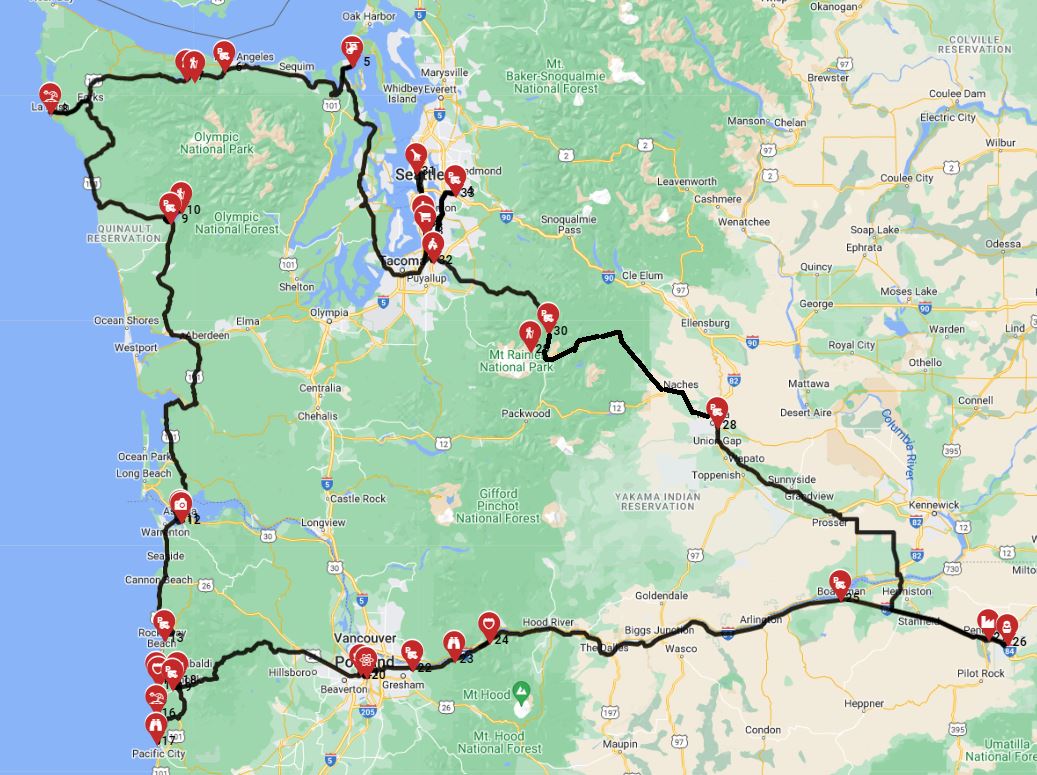
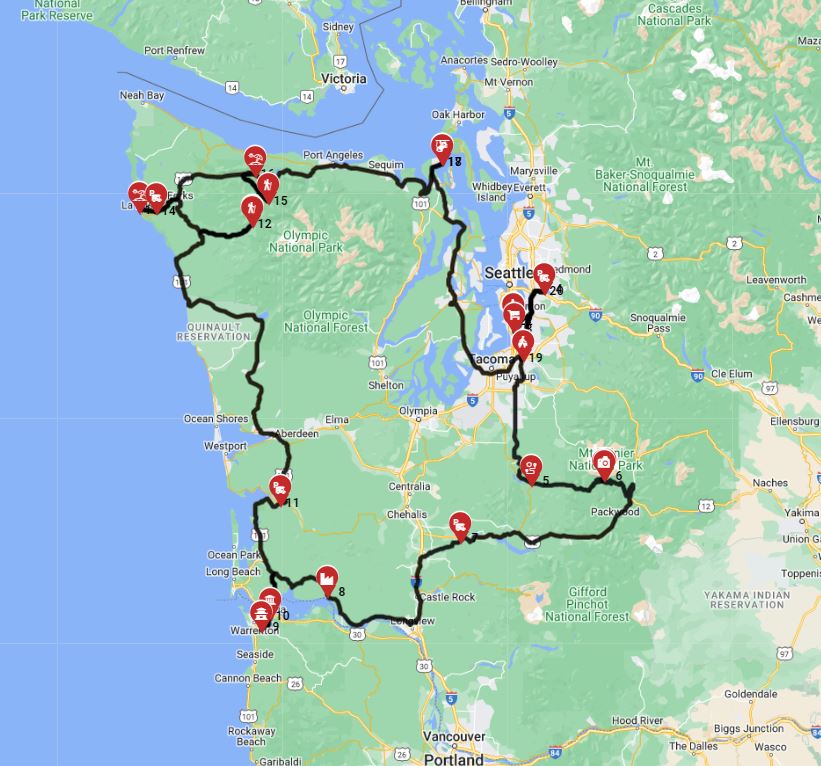
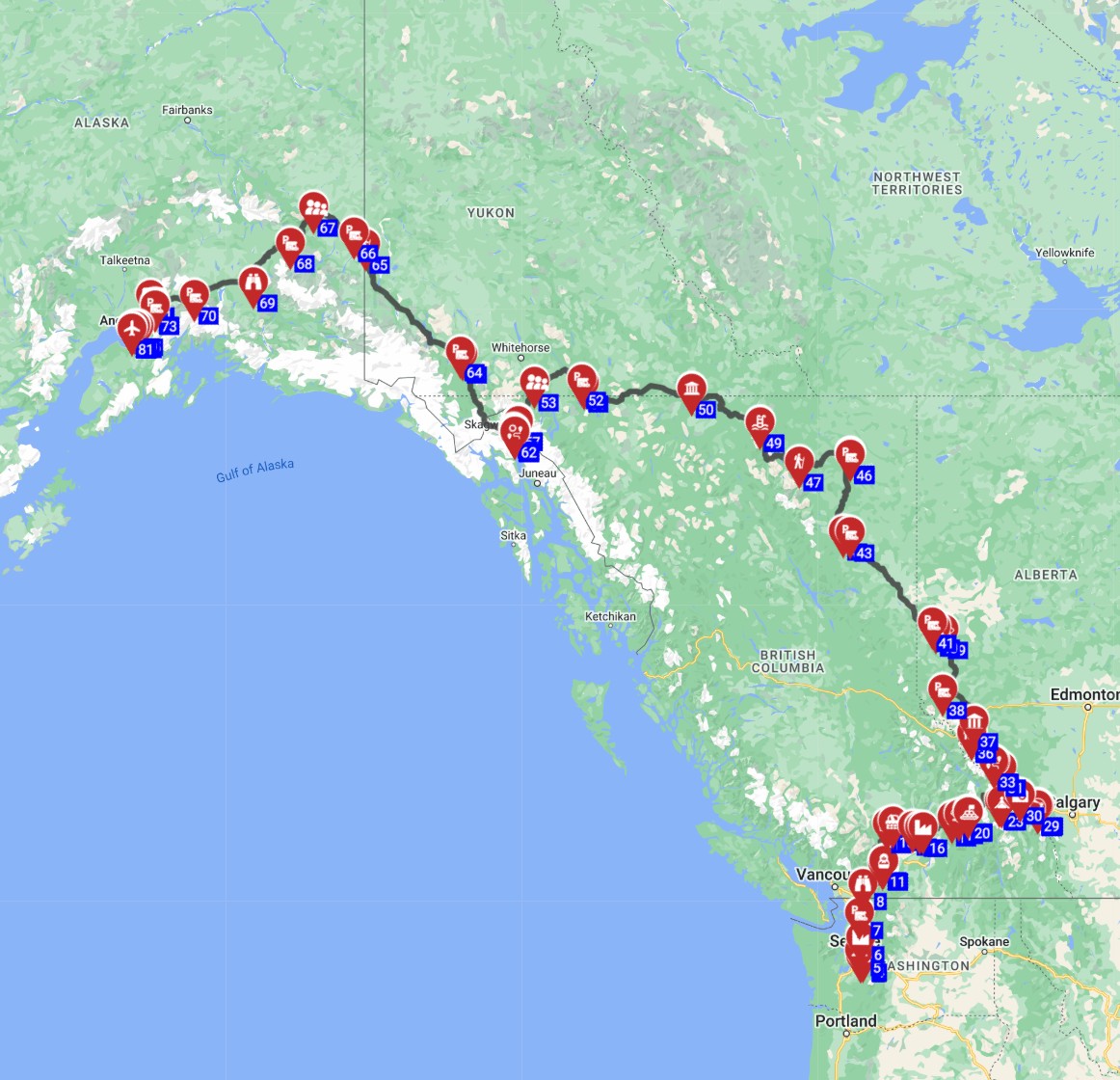
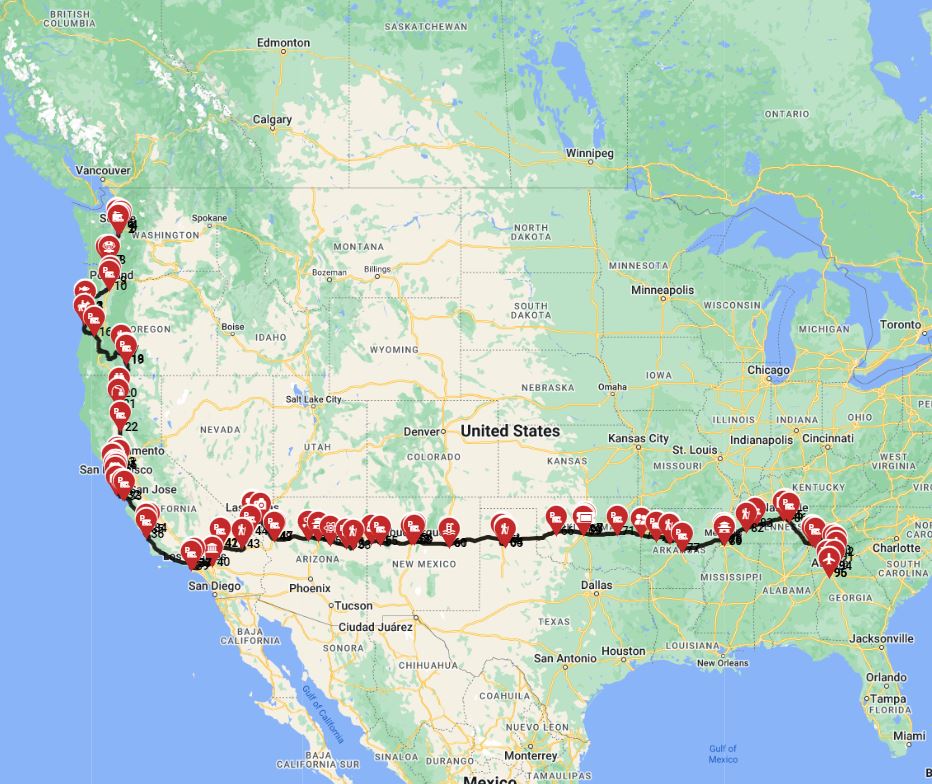
- Explore Olympic National Park: Just a ferry ride from Seattle, this UNESCO World Heritage site offers diverse ecosystems, from rugged coastlines to ancient rainforests, with plenty of RV-friendly campgrounds. Consider the Explore this routeroute plan, a 16-day, 2640 km journey that includes hiking areas and natural features perfect for an extended road trip.
- Visit Mount Rainier National Park: Drive your family RV south to witness the majestic Mount Rainier, an active volcano and the most glaciated peak in the contiguous U.S. Enjoy scenic drives, numerous hiking trails, and beautiful overlooks.
- Discover the San Juan Islands: Take a Washington State Ferry with your RV to explore charming island towns, go whale watching, or enjoy sea kayaking. Reservations are a must for RVs!
- Wander through Pike Place Market: Park your RV outside downtown Seattle and take public transit to immerse yourself in the vibrant atmosphere of this historic market, famous for flying fish and local crafts.
- Experience the Museum of Flight: Located just south of Seattle, near Boeing Field, this museum offers an incredible collection of aircraft and spacecraft, easily accessible from RV routes around the airport area.
Looking for expert insights from Avi Bandana? Top 5 Adventures - recommendations from Avi Bandana
Final Thoughts
A family RV rental in Seattle offers an unparalleled way to experience the vibrant city and the stunning natural beauty of Washington State. With careful planning, a clear understanding of local driving rules, and the flexibility of your own mobile home, you're set for an unforgettable adventure. Whether you choose a nimble campervan or a spacious Class C motorhome, remember to embrace slow travel, savoring every moment and discovering hidden gems along the way.
At Bandana Caravan, we're passionate about making your RV dreams a reality. We handle the details, you live the journey, with personal service from day one until your booking is confirmed. We're true RV specialists, dedicated to ensuring your Seattle family RV rental is nothing short of fantastic. Get inspired for your next trip!
Find Motorhome Rentals in Seattle