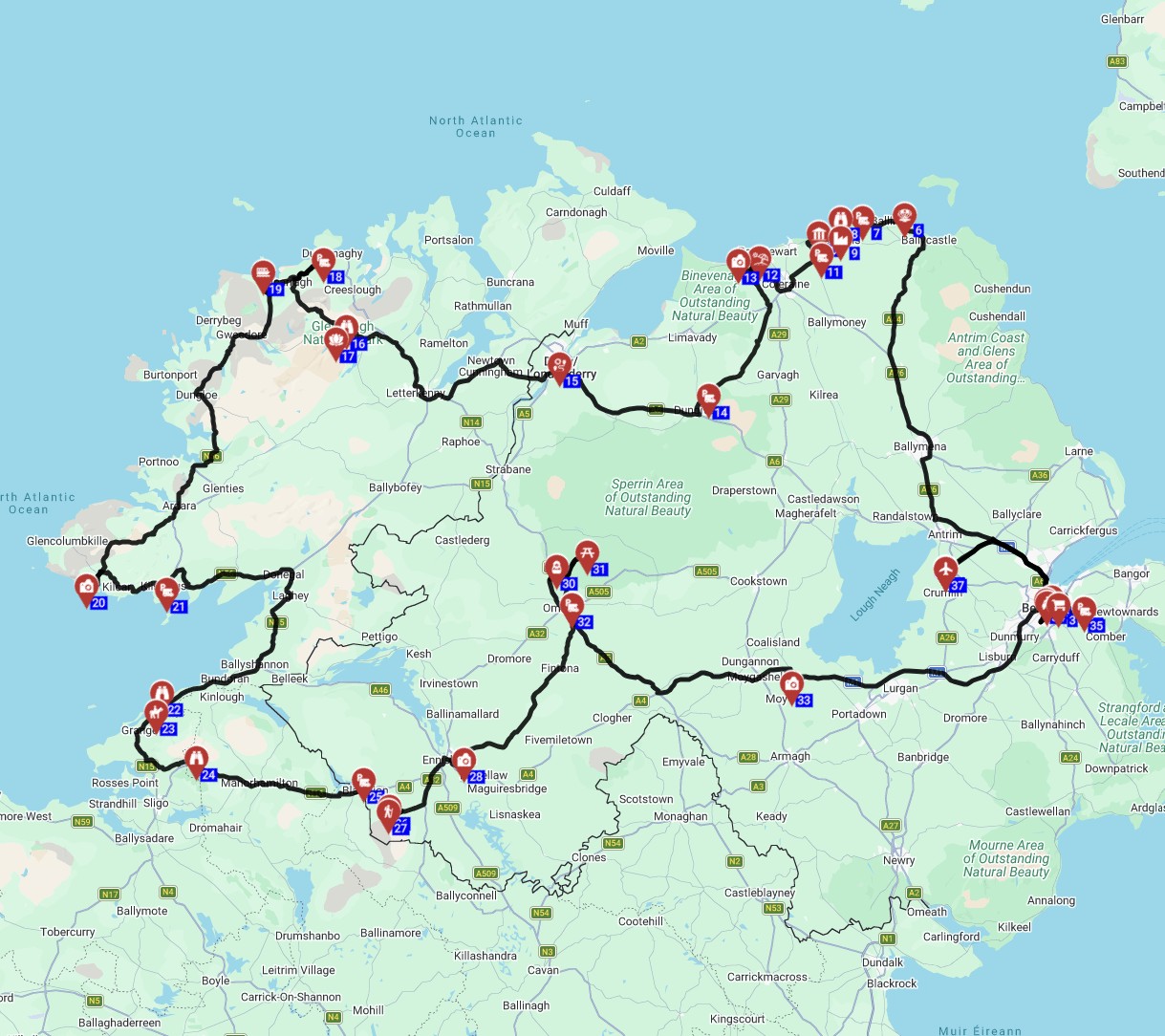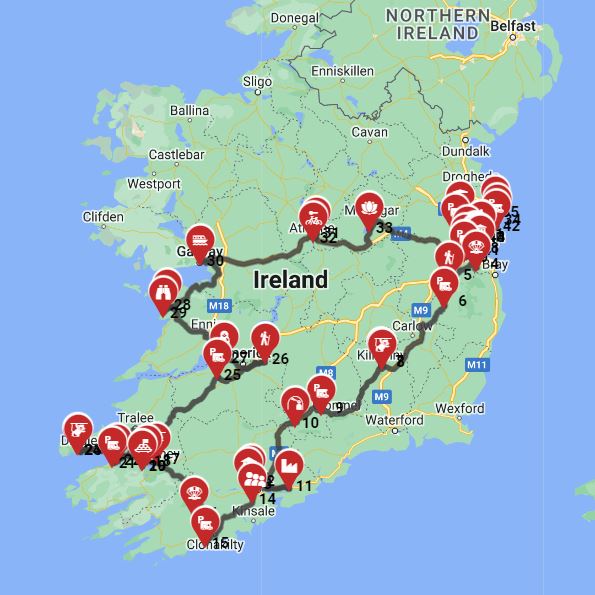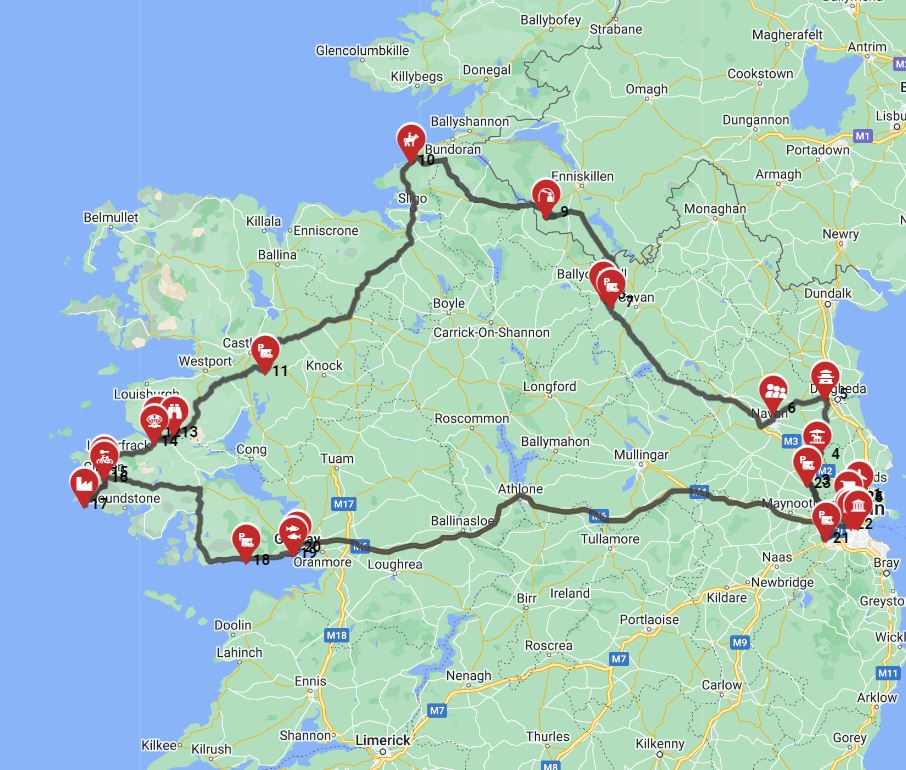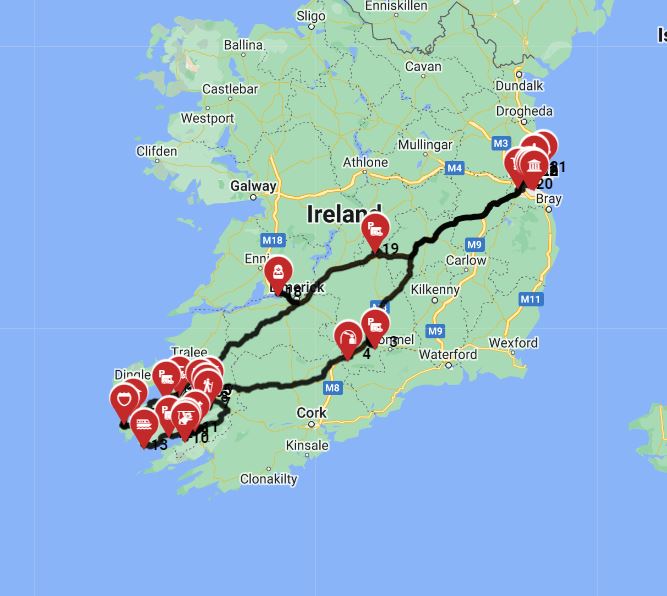
In This Guide
- Can You Drive an RV in Ireland? License & Age Rules
- Road Conditions & Terrain in Ireland
- RV Size Limits, Bridges & Restricted Zones
- Fuel: Diesel vs. Petrol & Cost per 100 km
- Tolls, Vignettes & Border Rules
- Driving Tips for RV Rental Travelers
- Recommended RV Class for Ireland Roads
- Should I Choose a Compact Van Instead of a Large RV in Ireland?
- Can I Park Anywhere? Free & Wild Camping Rules in Ireland
- Can I Drive an RV Into the City Center? Heights, Tunnels & Local Signage
- How Much Does an RV Trip in Ireland Cost Beyond the Rental Fee?
- What Are the Practicalities of RV Life on the Road in Ireland?
- How to Choose the Right RV Size for Ireland's Unique Road Network?
- Should I Bring My Own RV or Rent One in Ireland?
- What Specific Challenges Do American RVers Face in Ireland?
- What are the Benefits and Challenges of RVing in Ireland During Off-Season?
- Can I Travel with Pets in an RV in Ireland?
- What Emergency Preparedness and Roadside Assistance Are Available for RVs in Ireland?
- What Cultural Etiquette Should RVers Observe in Ireland?
Ireland, the Emerald Isle, is a dream destination for a motorhome adventure, offering breathtaking landscapes, ancient history, and vibrant culture. Imagine waking up to the sound of waves along the Wild Atlantic Way or the gentle bleating of sheep in a green valley, all from the comfort of your rented RV. Getting started with your Irish RV journey, perhaps straight from one of Ireland's airports, requires understanding some local specifics. For live availability and current prices, you can start with our RV Rental Ireland - Complete Guide 2026 guide, which provides a wealth of information to help you plan. At Bandana RV, we're true RV specialists, dedicated to making your vacation seamless and unforgettable by comparing options from top suppliers like El Monte, Cruise America, Apollo, and Britz to ensure you find the perfect campervan or motorhome.
Can You Drive an RV in Ireland? License & Age Rules
A standard B driving license typically covers RVs up to 3,500 kg (7,700 lbs) in Ireland, which is suitable for the majority of rental campervans and smaller motorhomes. For vehicles exceeding this weight, such as larger Class C or Class A motorhomes, a Category C1 license (for vehicles up to 7,500 kg) or a Category C license (for over 7,500 kg) would theoretically be required by Irish law. However, almost all recreational motorhomes available for rental fall within the standard B license weight category, meaning you won't need a special license for your rented RV. The minimum driver age for RV rentals in Ireland is generally 21 years old across our partner suppliers, with no young driver surcharges or vehicle class restrictions based on age, making it accessible for a wider range of adventurers. If you hold a license from a non-EU country, an International Driving Permit (IDP) is recommended to supplement your domestic license, especially for American or Canadian drivers, to ensure smooth interactions with local authorities and rental agencies, although it's not strictly mandatory in all cases. Our aim is to make your booking process as transparent as possible, so there are no hidden fees or surprises when it comes to licensing requirements.Road Conditions & Terrain in Ireland
Ireland's road network offers a mix of well-maintained motorways (M-roads), national primary routes (N-roads), and narrower regional/local roads (R-roads and L-roads), providing diverse driving experiences for RVers. While motorways are excellent for covering long distances between major cities like Dublin, Cork, or Galway, many of Ireland's most scenic routes, particularly along the iconic Wild Atlantic Way or through charming rural areas, feature narrow, winding roads, blind turns, and occasional single-track sections with passing places. The terrain varies significantly, from flat agricultural plains in the midlands to rolling hills, and even mountainous regions in areas like Kerry and Wicklow, often necessitating cautious driving and lower speeds. Driving a rented RV in Ireland encourages a slower, more immersive travel pace, which is exactly how we recommend you travel- max 100-150 km per day on average- allowing you to truly feel the place, connect to the culture, enjoy the food, and soak in the scenery without rushing.RV Size Limits, Bridges & Restricted Zones
While Ireland doesn't have a blanket RV size limit, drivers must be highly mindful of vehicle dimensions for specific routes, low bridges, and urban areas. Common height restrictions for bridges and multi-story car park entrances often range from 2.0 to 3.0 meters, which larger motorhomes like a Class C Alcove, measuring around 7.5 meters long, can easily exceed. Always check signage carefully for height, width, and weight restrictions before proceeding. Weight restrictions are less common for standard rental RVs, but they can appear on older, picturesque stone bridges or smaller country roads; always ensure your vehicle's Gross Vehicle Weight (GVW) is compliant. There are no widespread environmental or Low Emission Zones (LEZs) specifically targeting RVs in Ireland's major cities at this time, but it's always prudent to verify local regulations for specific areas closer to your travel dates. The key is to drive slowly and carefully, and you can navigate almost anywhere without issues. No need to stress - just use common sense and pay attention to signage.Fuel: Diesel vs. Petrol & Cost per 100 km
Most rental motorhomes and campervans in Ireland, consistent with Bandana's global fleet, run on diesel fuel, which is widely available at service stations across the country. Based on our global fleet averages, a typical Semi-integrated RV (Class SI), such as a "Category Medium" with 100 Liter fresh water tank, consumes around 10-11 Liters/100 km. Larger Alcove (Class C) RVs, like a "6 Berth Deluxe" or "MH-A" with a 208 Liter fuel tank, average 10-12 Liters/100 km due to their increased size and weight. More fuel-efficient Class B Camper Vans, for example, a "Happy 1" or "Active Classic", typically consume 8-10 Liters/100 km, offering lower running costs for budget-conscious travelers. Fuel prices in Ireland, like anywhere, can fluctuate daily, so budgeting for a cost per 100 km, based on current diesel prices (which can be checked via local apps or petrol station signage), is essential for comprehensive trip planning. When creating your RV PLANET routes, you can itemize and track every expense, including fuel, for easy budgeting throughout your Irish adventure.Tolls, Vignettes & Border Rules
Ireland operates a system of toll roads, primarily on motorways, with no vignette system similar to some other European countries. The M50 orbital motorway around Dublin uses a barrier-free eFlow toll system, which means there are no toll booths; instead, cameras record vehicle registration numbers. Drivers are required to pay this toll online or at designated Payzone retail outlets before 8 PM the day after travel to avoid fines. Other toll roads across Ireland, such as sections of the M1, M3, M4, M7, M8, M9, N25, and the Dublin Port Tunnel, have manned booths or automatic coin machines; it's always wise to have some euro coins or a credit/debit card ready. When traveling between the Republic of Ireland and Northern Ireland (part of the UK), there are no physical border controls or immigration checks. However, ensure your rented RV insurance coverage extends to both jurisdictions, which is typically the case with our partner suppliers.Driving Tips for RV Rental Travelers
Driving a rented RV in Ireland offers incredible freedom, but there are a few key tips to ensure a smooth journey. Firstly, remember that traffic drives on the left-hand side of the road, as in the UK. If you're unfamiliar with this, practice in less congested areas, perhaps just outside the airport, before tackling busier routes. Secondly, Ireland's scenic routes often feature narrow roads, so mind your width; drive cautiously, especially around bends, and be prepared to yield to oncoming traffic, utilizing the frequent "passing places" to pull in and allow others to pass. Thirdly, anticipate tolls by planning your routes in advance to identify toll roads and their payment methods, or inquire if your rental includes pre-paid toll options. Lastly, families should factor in frequent stops every 2-3 hours at designated rest areas or scenic viewpoints to prevent driver fatigue and keep passengers comfortable, allowing everyone to enjoy the journey. Our priority at Bandana RV is supporting you before, during, and after your booking, providing you with the peace of mind to focus on these important driving nuances.Recommended RV Class for Ireland Roads
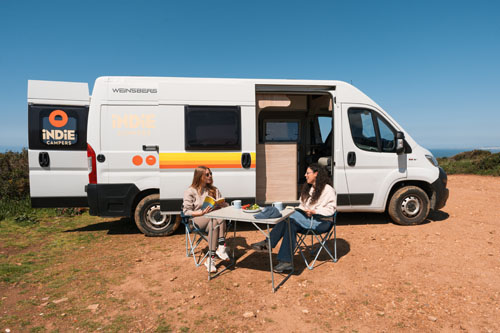
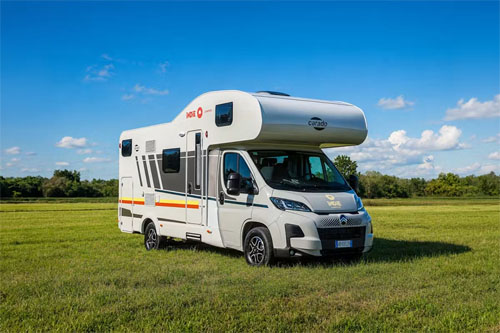
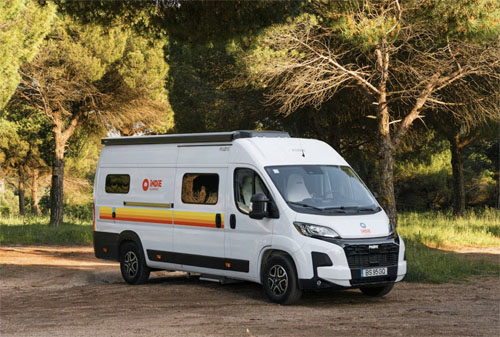
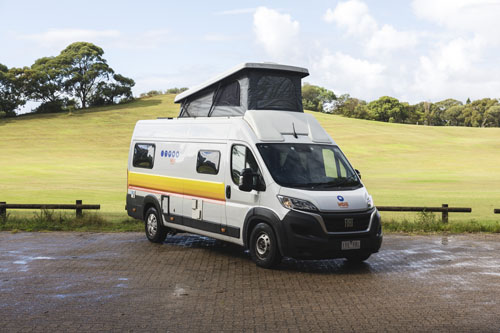
For navigating Ireland's diverse road network while balancing comfort and maneuverability, the Class B Camper Van and Class SI Semi-integrated RVs are highly recommended. Class B Camper Vans, averaging 5.8 meters in length, such as a "Combi Van" or "Active Pop Top" with a 60 Liter fresh water tank, offer excellent agility for narrow country roads and easier parking, making them ideal for couples or small families with an average of 3.2 sleeping places. Class SI Semi-integrated RVs, with an average length of 6.9 meters, like a "Group D" with its 125 Liter fresh water tank and 90 Liter waste water tank, provide a good balance of interior space and relative compactness, comfortably accommodating small families (avg. 3.8 sleeping places) without being overly cumbersome. While larger Class C Alcove (7.5m avg.) and Class A Integrated (7.5m avg.) RVs offer more living space and features such as the "MH-A" with its 302 Liter refrigerator, their increased length can make navigating very tight roads, rural lanes, and village centers more challenging. However, remember, drive slowly and carefully, and you can drive almost anywhere without issues. No need to stress - just use common sense and pay attention. When considering your ideal vehicle, our platform allows you to effortlessly compare Motorhome Prices for Ireland, ensuring you find the best fit for your adventure.Should I Choose a Compact Van Instead of a Large RV in Ireland?
Choosing a compact van, like a Class B Camper Van, instead of a large RV in Ireland often involves balancing maneuverability with desired interior comfort and amenities. Compact vans, such as a "Category Van" (95 Liter fresh water tank) genuinely help when navigating very tight historic village centers, narrow mountain passes like those in Kerry, and seeking easier parking in bustling towns and at popular attractions. However, for many travelers, the enhanced comfort, larger living spaces, and more extensive facilities (including a more spacious kitchen for preparing your meals, a dedicated bathroom, and ample storage for a family of 2+2) of a larger RV, such as a Class C Alcove like the "Group E" (125 Liter fresh water tank, 90 Liter waste water tank, 97 Liter refrigerator), outweigh the minor maneuverability challenges on most primary and national routes. For cooking on the road, don't forget to check out our RV-friendly recipes playlist for delicious and easy meal ideas. Ultimately, the decision depends on your travel style, the number of occupants, and how much time you plan to spend on extremely narrow or urban roads versus exploring the open countryside.Can I Park Anywhere? Free & Wild Camping Rules in Ireland
While the concept of 'wild camping' or free overnight parking is not as freely permitted in Ireland as in some other countries, it is generally tolerated in very remote areas with the landowner's explicit permission. The core principle is always to practice Leave No Trace: take all rubbish with you, do not disturb wildlife or livestock, minimize noise, and avoid open fires. Designated campsites, caravan parks, and informal 'stopovers' (often at pubs or restaurants) are the primary legal and responsible options for overnight RV parking. Campsites like Killarney Fossa Caravan & Camping Park or Roundstone Caravan & Camping Park typically offer serviced pitches for €25-€50 per night, providing essential amenities such as fresh water and waste disposal facilities. Rules regarding overnight parking vary by region, so always check local regulations, respect private property signage, and follow local law before parking overnight to ensure a hassle-free trip. We recommend using RV PLANET (rvplan.net) for finding campsites and campgrounds during your trip, as it's a great resource for locating available spots along your route.Can I Drive an RV Into the City Center? Heights, Tunnels & Local Signage
In most cases, you can drive a rented RV into Ireland's city centers; however, specific local signage regarding height restrictions, tunnels, low bridges, or environmental zones must always be observed. Major cities like Dublin, Cork, and Galway may have areas with limited access for larger vehicles, pedestrianized zones, or residents-only streets. Always pay close attention to road signs, especially those indicating maximum vehicle height (e.g., 2.0-3.0 meters for many car parks), width, or weight, particularly when approaching multi-story car parks or older urban infrastructure. For instance, parts of Dublin city center have restricted access for larger vehicles. While driving through city centers is often possible, finding suitable and affordable RV parking can be challenging, frequently requiring the use of peripheral car parks or public transport to reach the city's core attractions. Remember our advice: drive slowly and carefully, and you can drive almost anywhere without issues. No need to stress - just use common sense and pay attention.How Much Does an RV Trip in Ireland Cost Beyond the Rental Fee?
Beyond the daily rental fee, an RV trip in Ireland incurs significant ancillary costs for fuel, tolls, campsite fees, groceries, and activities, requiring comprehensive budgeting. Fuel will likely be a primary expense, with most diesel motorhomes consuming 8-12 Liters per 100 km, depending on the model like the more efficient "Category Van" or a larger "C-30" with its 208 Liter fuel tank; factor in current diesel prices (around €1.70-€1.90 per liter) for an accurate estimate. Tolls, especially on key motorways and the M50 in Dublin, can add up, so budget for these and consider pre-paid options if available from your rental provider. Campsite fees typically range from €25-€50 per night for a serviced pitch, varying by season, location, and included facilities. Food costs will depend on whether you utilize your RV's kitchen for cooking meals or choose to dine out frequently. Additionally, allocate funds for attractions, unique experiences, and a contingency for unexpected expenses like laundry services or purchasing a local SIM card for better connectivity. For detailed financial planning, RV PLANET routes allow travelers to itemize and track every expense along the way for easy budgeting. For even more insights into budgeting, explore our "Cheap RV Rental in Ireland - Budget Guide 2026" to find smart savings.What Are the Practicalities of RV Life on the Road in Ireland?
Managing waste disposal, water refills, and laundry are key practicalities for RV life on the road in Ireland, requiring planning and resourcefulness. Most campsites and caravan parks offer facilities for 'grey water' (sink/shower waste) and 'black water' (toilet waste) disposal, as well as fresh water refills. These are essential services that you'll want to plan your route around. For groceries, major supermarket chains like SuperValu, Tesco, Dunnes Stores, and Lidl are widespread and offer good value, with larger stores often having ample parking for a rented motorhome or campervan. Internet and cell service is generally reliable in populated areas and along major routes, though it can be spotty in very remote regions; consider purchasing a local SIM card (e.g., from Vodafone or Three) for better data coverage. Laundry facilities are available at larger campsites or dedicated launderettes in towns, allowing travelers on extended road trips to manage their clothes. "God is in the small details, and we take care of them," ensuring your RV experience is comfortable and well-supported, long before you ever pick up your keys.🎬 Video coming soon
How to Choose the Right RV Size for Ireland's Unique Road Network?
Choosing the right RV size for Ireland's unique road network involves balancing interior comfort with exterior maneuverability, considering the narrower and winding nature of many scenic routes. Compact Class B Camper Vans, such as the "Active Original" or the "rv rental denver example Category Van" (typically 5-6 meters in length, with sleeping places for 2-4 and a 75-100 Liter fresh water tank), are ideal for navigating tight roads, small villages, and provide easier parking, making them perfect for couples or solo travelers. Mid-sized Class SI Semi-integrated RVs (around 6-7.5 meters), like a "Comfort Standard" or "MH6 - FREYJA" which offers a 150 Liter refrigerator, provide a good compromise, delivering more living space and amenities for small families (e.g., 2+2) while still being manageable on most Irish roads. Larger Class C Alcove or Class A Integrated RVs (typically 7.5 meters or more), such as the "Euro Deluxe" which can accommodate up to 6 people, offer maximum comfort and space but require more caution on very narrow routes, in urban centers, and for parking. Remember our advice: drive slowly and carefully, and you can drive almost anywhere without issues. No need to stress - just use common sense and pay attention to road signs, especially for vehicle dimensions. For families, checking out "Family RV Rental in Ireland - Pricing Guide 2026" can help clarify vehicle choices and costs.Should I Bring My Own RV or Rent One in Ireland?
Deciding whether to bring your own RV or rent one in Ireland depends on logistics, cost, and personal convenience, with renting generally offering more simplicity and peace of mind for international visitors. Bringing your own RV involves significant logistical planning, including potentially expensive ferry bookings from mainland Europe, complex customs declarations, and ensuring your personal vehicle meets specific Irish road regulations and insurance requirements. Renting an RV locally, on the other hand, eliminates the hassle of transatlantic shipping, customs procedures, and the need to adapt to left-hand driving in an unfamiliar vehicle, as rental RVs are already compliant and typically right-hand drive. While bringing your own might seem cheaper for very extended stays (e.g., several months), factoring in ferry costs (which can be over €500 each way for a large RV), insurance, and potential unexpected maintenance issues often makes renting a more straightforward, hassle-free, and often comparable financial option for typical week-long or two-week vacations. As true RV specialists, Bandana RV, founded in 2001, has over 20 years of experience helping tens of thousands of travelers explore the world by RV, and we simplify the rental process significantly.What Specific Challenges Do American RVers Face in Ireland?
American RVers often face specific challenges in Ireland including adapting to left-hand driving, navigating metric measurements, and understanding different electrical hookups and road dimensions. Driving on the left side of the road, often with a right-hand drive vehicle, requires a period of adjustment for drivers accustomed to the right; it's advisable to practice in less congested areas first, perhaps by taking a shorter route from Dublin Airport. Speed limits, distances, and fuel consumption are all measured in the metric system (km/h, km, Liters/100 km), which differs from the imperial system Americans are accustomed to, requiring a mental conversion. Roads in Ireland are generally narrower and often windier than typical American highways, demanding greater vigilance and slower speeds, especially for larger motorhomes like the "rv rentals utah example Sunrise Escape" which has a length of 7.6 meters. Electrical hookups at Irish campsites are typically 230V, 50Hz with a CEEform 'blue plug' system, differing from the 120V system in the US, potentially requiring adapters or reliance on the RV's internal 12V system and gas appliances.What are the Benefits and Challenges of RVing in Ireland During Off-Season?
RVing in Ireland during the off-season (November-February) or shoulder season (March-May, September-October) offers significant benefits like fewer crowds and lower prices, but also comes with weather-related challenges. Benefits typically include reduced RV rental rates, sometimes offering savings up to 30%, quieter roads, easier access to popular attractions without queues, and more readily available campsite pitches. Challenges primarily revolve around unpredictable weather, with colder temperatures (often 5-10°C), increased rainfall, and shorter daylight hours (as little as 8 hours in December), requiring appropriate packing of waterproof clothing and layers, and general weather preparedness. Some smaller campsites, attractions, or services may have reduced hours or be completely closed during the deep off-season, necessitating careful planning of your route itineraries. Tips for off-season travel include packing waterproof clothing, booking campsites with good facilities (many offer heated washrooms), and being flexible with your itinerary to accommodate sudden weather changes. For those looking for the "Cheap RV Rental in Ireland - Budget Guide 2026", off-season is an excellent time to explore.Can I Travel with Pets in an RV in Ireland?
Traveling with pets in a rented RV in Ireland is generally possible, but it requires careful planning regarding entry requirements, pet-friendly accommodations, and attractions. Pets entering Ireland from certain countries, particularly from outside the EU, must comply with strict regulations, including microchipping, rabies vaccinations, and obtaining a pet passport or official health certificate from a vet at least 21 days before travel. While many RV rental companies offer pet-friendly vehicles, it's crucial to confirm their specific pet policies and any associated cleaning fees (which can range from €50-€150) or restrictions (e.g., maximum pet weight or breed limitations) prior to booking your "Acer" or "Comfort Family" motorhome. A growing number of campsites and outdoor attractions in Ireland are pet-friendly, but always check in advance, as access may be restricted in some indoor areas, specific nature reserves, or even parts of national parks. Ensure your pet is comfortable with long journeys, has adequate food and water, and is properly restrained for safety while the RV is in motion.What Emergency Preparedness and Roadside Assistance Are Available for RVs in Ireland?
Emergency preparedness for RV travel in Ireland should include understanding local emergency numbers and having access to comprehensive roadside assistance. The national emergency number for Ireland is 112 or 999, which connects you to police (An Garda Síochána), ambulance, fire, and coast guard services. Most reputable RV rental companies in Ireland provide 24/7 roadside assistance as part of their rental package, which is crucial for handling breakdowns, flat tires, or accidents with your rented motorhome or campervan. It's advisable to carry a basic emergency kit, including a first-aid kit, reflective vest, warning triangle, and a fully charged mobile phone. Familiarize yourself with your rental RV's basic mechanics (e.g., checking tire pressure, fluid levels) and know where to find the owner's manual for troubleshooting common issues. At Bandana RV, our support extends from pre-booking comparisons and booking assistance to post-booking coordination, ensuring you have clear instructions on how to access your rental supplier's 24/7 roadside assistance should any issues arise during your trip. We prioritize giving you all the information you need before you even start your adventure, so there are no surprises.What Cultural Etiquette Should RVers Observe in Ireland?
RVers in Ireland should observe local cultural etiquette to ensure respectful and pleasant interactions with locals, which generally involves politeness, acknowledging greetings, and respecting privacy. Greeting locals with a simple 'hello' or 'good morning/afternoon' in passing, especially in rural areas, is common and appreciated. When parking or camping your rented motorhome, always prioritize minimizing your impact; avoid blocking scenic views, access points, or disturbing local residents and livestock, particularly in agricultural areas. Patrolling local businesses like traditional pubs, small village shops, and family-run restaurants is a wonderful way to support communities and engage authentically with Irish culture. Always ask for explicit permission before entering private land or attempting to park overnight, and be mindful of noise levels, especially in quiet residential or natural areas. Embracing these small gestures of respect enhances your journey and deepens your connection to the Emerald Isle.What You Shouldn't Miss
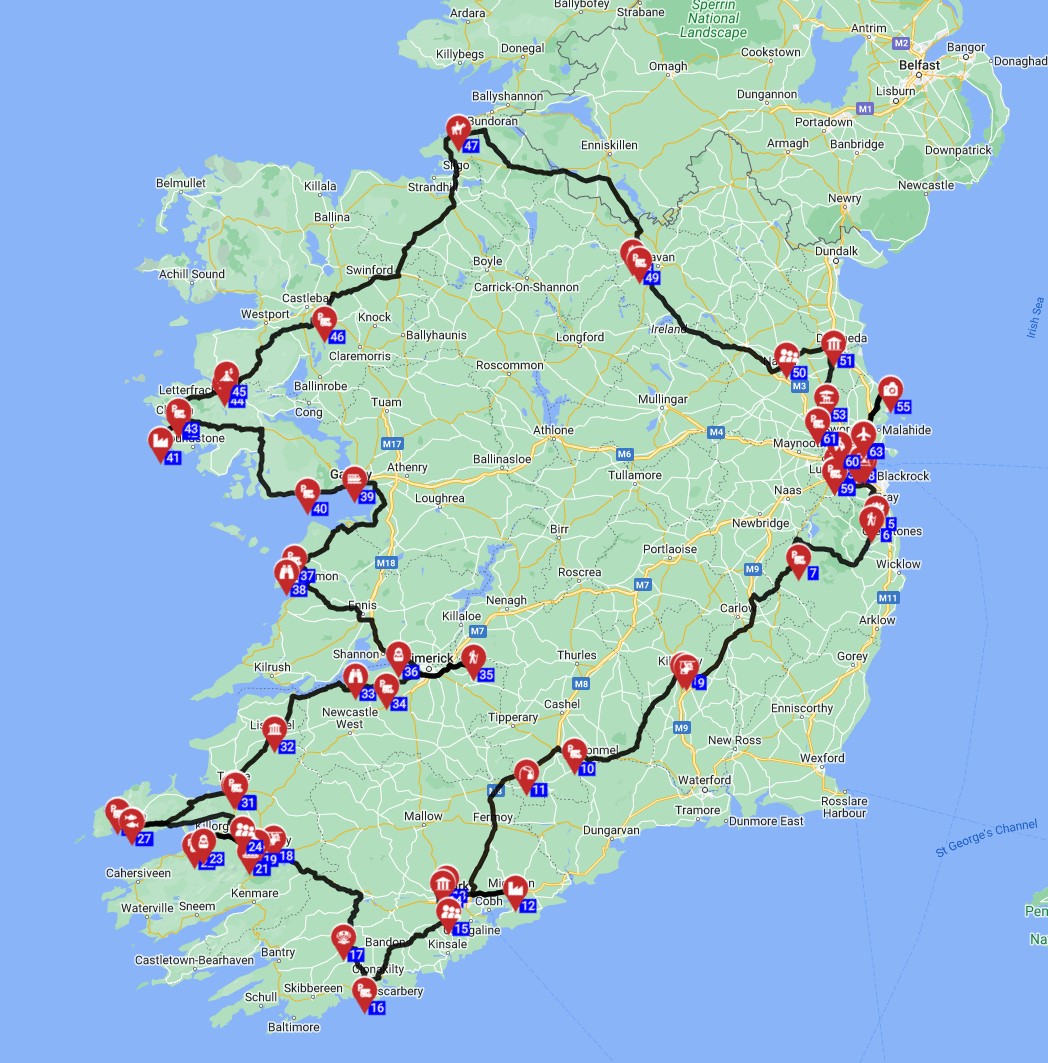
- **Drive the Wild Atlantic Way:** This 2,500 km (1,550 miles) coastal route stretches from Donegal to Cork, offering dramatic cliffs, golden beaches, and charming villages. Plan to take your time, traveling only 100-150 km per day, to fully experience its beauty.
- **Explore Killarney National Park:** Home to stunning lakes, mountains, and woodlands, including Muckross House & Gardens. There are excellent campsites nearby, like Killarney Fossa Caravan & Camping Park.
- **Visit the Cliffs of Moher:** Stand atop these majestic cliffs rising 214 meters (702 feet) above the Atlantic Ocean in County Clare for unforgettable panoramic views.
- **Discover the Ring of Kerry:** A scenic 179 km (111 miles) drive around the Iveragh Peninsula, featuring picturesque towns, ancient monuments, and incredible coastal vistas. Remember to drive slowly and savor each moment.
- **Wander Through Galway City:** Experience the lively atmosphere, traditional music, and delicious seafood in this cultural hub on the west coast. It’s a great place to park your RV on the outskirts and explore on foot or by public transport.
- **Immerse Yourself in Dublin's History:** Explore historic sites like Dublin Castle, Trinity College, and the Guinness Storehouse. Use park-and-ride options to access the city center easily with your rented campervan.
Looking for expert insights from Avi Bandana? Top 5 Adventures - recommendations from Avi Bandana