In This Guide
- Can You Drive an RV in California? License & Age Rules
- Road Conditions & Terrain in California
- RV Size Limits, Bridges & Restricted Zones
- Fuel: Diesel vs. Petrol & Cost per 100 km
- Tolls, Vignettes & Border Rules
- Driving Tips for Rv rental Travelers
- Recommended RV Class for California Roads
- Should I Choose a Compact Van Instead of a Large RV in California?
- Can I Park Anywhere? Free & Wild Camping Rules in California
- Can I Drive an RV Into the City Center? Heights, Tunnels & Local Signage
- What is the best time of year to RV in California?
- How much does it cost to RV in California?
- What are the RV laws in California?
- What is the best route for an RV in California?
- What is the best RV for California?
- Is it hard to drive an RV in California?
- Are RVs allowed on California beaches?
- What are the best RV campgrounds in California?
- What You Shouldn't Miss
- Why Book with Bandana Caravan
- Final Thoughts
- Frequently Asked Questions
Embarking on a motorhome adventure from a California airport opens up a world of possibilities, from sun-drenched beaches to towering redwood forests and majestic mountain ranges. California is truly a dream destination for RV travelers, offering unparalleled diversity and scenic routes. Our aim is to make your journey planning as seamless and enjoyable as possible, providing you with the authoritative information and supportive guidance you need.
For live availability and current prices, start with our RV Rental California - Complete Guide 2026 guide, where you can compare options from 50+ leading RV suppliers worldwide, including trusted names like El Monte, Cruise America, Apollo, and Britz. We’re true RV specialists, not just a travel agency side department, ensuring you get transparent pricing with no hidden fees and dedicated support before, during, and after your booking.
Can You Drive an RV in California? License & Age Rules
Most motorhomes in California can be driven with a standard Class C driver's license, provided their gross vehicle weight rating (GVWR) is 26,000 pounds or less. This covers the vast majority of rental campervans, Class C, and Class A motorhomes you’ll find available for your adventure. You won't need any special permits or a Commercial Driver's License (CDL) for a typical recreational vehicle rental. For international visitors, a valid driver's license from your home country is generally sufficient for up to 90 days of travel in California, though an International Driving Permit (IDP) is highly recommended as a helpful translation document.
The minimum age to rent an RV in California is typically 21 years old across most suppliers. Unlike some rental categories, there are no young driver surcharges for RVs, and no vehicle class restrictions based on age, meaning a 21-year-old can rent a Class A motorhome just as easily as a Class B campervan, assuming they meet the general licensing requirements. This full transparency ensures you won't encounter any surprises when planning your trip. If you're planning a broader RV adventure across the country, our comprehensive RV Rental USA - Complete Guide 2026 offers a wealth of information for your journey.
Road Conditions & Terrain in California
California presents incredibly diverse road conditions, ranging from multi-lane interstate highways to winding coastal routes, and challenging mountainous passes. RV travelers should be prepared for this variety, which includes navigating dense urban areas like Los Angeles and San Francisco, expansive desert landscapes, and high-elevation mountain roads found in the Sierra Nevada. Embracing a slow, scenic driving style allows RVers to safely navigate challenging sections and fully appreciate California's breathtaking natural beauty without rushing. Taking your time, perhaps traveling an average of 100-150 km per day, allows you to truly feel the place, connect to the culture, the food, and the scenery.
For example, the dramatic coastline along Highway 1 demands attention with its curves and elevation changes, offering stunning vistas that are best enjoyed at a leisurely pace. Conversely, the open desert roads around Death Valley or Joshua Tree offer long, straight stretches, but require awareness of temperature extremes and potential dust storms. Planning ahead with tools like RV PLANET (rvplan.net) can help you anticipate the terrain of your chosen RV PLANET routes, ensuring your rented motorhome is well-suited for the journey.
RV Size Limits, Bridges & Restricted Zones
Most standard rental RVs can easily navigate California's extensive road network, though specific height and length restrictions may apply in certain, usually well-marked areas. You'll typically encounter these advisories on historic bridges, within older town centers, or on particularly winding scenic routes. Always pay close attention to posted signage for tunnel heights, bridge weight limits, and length restrictions, especially when planning routes through popular national parks like Yosemite or along the narrow sections of coastal areas like Big Sur, which occasionally have advisories for larger vehicles.
Fortunately, California generally does not implement extensive environmental zones that restrict RV access based on emissions, unlike some European cities. This means you have more freedom to explore without worrying about your vehicle type, as long as you respect local signage and size limitations. Our commitment to full transparency ensures you receive all necessary vehicle dimensions and specifications from your chosen supplier, empowering you to plan your route confidently.
🎬 Video coming soon
Fuel: Diesel vs. Petrol & Cost per 100 km
Both diesel and petrol (gasoline) are widely available across California, with most rental motorhomes running on one of these two common fuel types. Understanding your vehicle's fuel efficiency is key to budgeting for your road trip. Based on Bandana's global fleet averages, fuel consumption typically ranges: On the routes offered through RV PLANET routes, you can itemize and track every expense along the way for easy budgeting.
- **Class B Camper Vans:** 8-10 L/100 km
- **Class SI Semi-integrated RVs:** 10-11 L/100 km
- **Class C Alcove RVs:** 10-12 L/100 km
- **Class A Integrated RVs:** 8-12 L/100 km
Assuming an average fuel price of $5.00 per gallon (approximately $1.32 per liter) in California, the cost per 100 km could range from approximately $10.56 for a fuel-efficient Class B Camper Van to about $15.84 for a larger Class A or Class C motorhome. Utilizing fuel discount cards or loyalty programs, sometimes offered by rental providers or available via apps, can help manage these expenses. For a detailed breakdown of all your travel costs, including fuel, tolls, and campground fees, remember that RV PLANET routes allow you to itemize and track every expense for easy budgeting throughout your trip.
Tolls, Vignettes & Border Rules
California primarily features toll roads on specific bridges, such as the iconic Golden Gate Bridge, and certain express lanes, rather than a statewide vignette system found in some European countries. Many toll facilities in California use electronic tolling systems (FasTrak), so having a plan for payment is important to avoid fines. Some RV rental companies, including Bandana's trusted partners, offer pre-purchased toll passes as an optional add-on, which can simplify your travel and ensure smooth passage on toll routes.
One of the great advantages of RV travel within the United States is the complete freedom of movement: there are no border rules to consider for motorhome travel within California or between California and neighboring U.S. states. You can effortlessly transition from the beaches of California to the deserts of Nevada or Arizona, or venture further to the Pacific Northwest, as highlighted in itineraries like
Driving Tips for Rv rental Travelers
Successfully navigating California in a rented RV involves a few key practices that ensure both safety and enjoyment. First, always plan your route in advance, carefully considering your motorhome's dimensions and any potential restrictions on narrow roads, such as certain sections of Highway 1, or in dense urban areas. Second, take frequent breaks, especially if you're traveling with family or on a long journey, to combat driver fatigue and allow everyone to stretch their legs and explore. This aligns with our recommendation to travel slowly, averaging a maximum of 100-150 km per day, allowing you to immerse yourself fully in the California experience.
Maintain a safe following distance, as RVs require more space to stop, and adjust your speed for California's varied terrain, particularly on mountain descents and winding coastal highways. Before you hit the road, secure all interior items to prevent shifting and potential damage during travel. Finally, consider utilizing a GPS system specifically designed for RVs; these systems can help identify suitable routes and proactively warn you of low clearances, bridge weight limits, or other vehicle-restricted roads. Remember: Drive slowly and carefully, and you can drive almost anywhere without issues. No need to stress - just use common sense and pay attention.
Recommended RV Class for California Roads
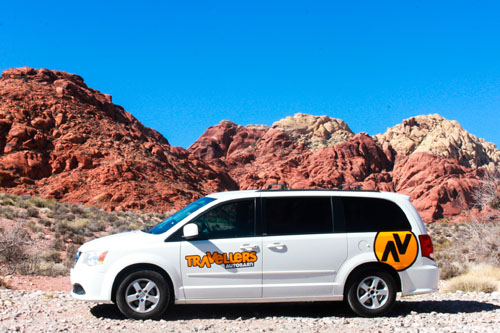
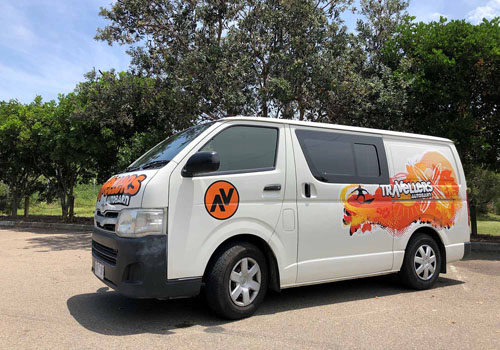
For optimal versatility and comfort on California's diverse roads, Class B Camper Vans and Class SI Semi-integrated RVs are highly recommended. These vehicle classes strike an excellent balance between maneuverability and onboard amenities, making them suitable for a wide range of itineraries. For example, a "rv rental denver example Category Van" (Class B) with features like front air conditioning, shower, and toilet, is ideal for couples seeking agility in cities and on winding coastal paths.
Class B Camper Vans, boasting an average global fleet length of 5.8 meters, offer superb maneuverability for navigating tight coastal roads, finding parking in quaint small towns, and accessing more remote campsites. If you need a bit more living space but still value ease of driving, Class SI Semi-integrated RVs, averaging 6.9 meters in length, provide a comfortable middle ground. Vehicles such as the "2 Berth Rover" (Class SI), equipped with roof air conditioning and a shower, or a "4 Berth Deluxe" (Class C) offer ample space for families of 2+2, making them well-suited for longer trips through national parks and varied terrains while still being manageable on California's highways.
Should I Choose a Compact Van Instead of a Large RV in California?
The choice between a compact van and a larger RV for your California adventure truly depends on your travel style, group size, and planned itinerary. While all RV sizes are generally manageable in California, understanding their distinct advantages can help you make the best decision. Compact vans, like a Class B "Combi Van" or "VW California Ocean," excel in maneuverability, making them ideal for navigating narrow coastal roads, like certain portions of Highway 1 where larger vehicles might face restrictions or tight turns. Their smaller footprint also simplifies finding parking in bustling city centers and grants access to more remote or compact campsites.
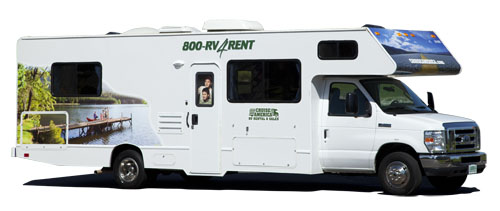
On the other hand, larger RVs, such as a Class C "cruise america rv rental example Explorer" or even a Class A motorhome, offer significantly more indoor living space, amenities, and overall comfort. These are often preferable for longer week-long trips, two-week adventures, or extended road trips, especially for families or larger groups. They provide spacious kitchens, multiple sleeping areas (e.g., the "24 Class C Motorhome" with a bed over the cab, a rear double bed, and a dinette conversion), and more storage, creating a genuine home-away-from-home experience. If cooking onboard is a key part of your travel plan, a larger motorhome generally offers more extensive kitchen facilities, allowing you to prepare a wider range of meals. Discover new ideas with our RV-friendly recipes playlist.
Can I Park Anywhere? Free & Wild Camping Rules in California
Free and wild camping, often referred to as boondocking, is permitted in many areas of California, particularly on vast lands managed by the Bureau of Land Management (BLM) and within National Forests, provided you adhere strictly to 'Leave No Trace' principles. These areas offer incredible opportunities for secluded and immersive nature experiences, but require careful planning for water, waste, and supplies. Always check specific regional and local regulations, as rules can vary significantly.
However, overnight RV parking is generally prohibited on public streets in California cities and towns, as well as in most state and national park day-use areas. It’s crucial to look for posted signage and be respectful of local communities. For finding campsites and campgrounds during your trip, we recommend using RV PLANET (rvplan.net) — a great resource for locating available spots along your route, including both developed campgrounds and designated boondocking sites with detailed information on amenities and regulations. When full hookup campgrounds are booked, many national and state parks still reserve 25-30% of their spots for first-come-first-serve arrivals. Reassure yourself: You'll find a spot. If not at the first campground, then the next one. Always call ahead before driving to confirm availability.
Can I Drive an RV Into the City Center? Heights, Tunnels & Local Signage
Yes, you can drive a rental RV into almost any California city center, but it requires careful attention and common sense to navigate successfully. Always be particularly aware of posted height restrictions for tunnels, low bridges, and parking garage entrances, especially when driving taller Class C or Class A motorhomes. Major cities like San Francisco have numerous hills and winding streets, while Los Angeles can have dense traffic and limited parking, making a compact campervan like a "hire campervan example Paradise S/T" a more nimble choice for urban exploration.
While extensive environmental zones are not common in California, narrow streets, residents-only parking, and limited public parking spaces can make navigating and parking larger RVs challenging in dense urban areas. The key is to drive slowly and carefully, paying close attention to signs and your surroundings. No need to stress - just use common sense and pay attention. For instance, if your trip includes an urban stop such as
What is the best time of year to RV in California?
The best time of year to RV in California generally depends on your desired activities and destinations, with spring (April-May) and fall (September-October) offering the most pleasant weather for diverse travel. During these shoulder seasons, wildflowers bloom in spring, and fall brings comfortable temperatures for wine country visits, national park explorations, and coastal drives, often with fewer crowds. Summer is excellent for higher elevations like the Sierra Nevada and popular coastal areas, but requires significant advance booking due to peak tourist season and school holidays.
Winter is ideal for escaping to the desert landscapes of Southern California or enjoying snow sports in the mountains, but some mountain passes and campgrounds may be closed. Whether you prefer to plan everything organized months ahead or enjoy the spontaneity of day-to-day decisions, both approaches work for RV travel in California. While many popular national and state parks reserve 25-30% of their spots in advance, the majority are often available on a first-come-first-serve basis, especially outside peak season. Don't stress too much about booking 6-12 months out unless your dates are absolutely fixed on a popular holiday. You'll find a spot. If not at the first campground, then the next one. Always call ahead before driving to confirm availability, particularly for popular areas like Yosemite or Big Sur.
How much does it cost to RV in California?
The cost of a rented RV trip in California varies widely based on factors such as RV type, rental duration, season, and your travel style, typically encompassing rental fees, fuel, campground expenses, food, and activities. RV rental prices can range from an average of $100-$200 per night for a smaller Class B campervan, like an "Active Compact Select" or "Camper Van Plus - V600", to $300-$500+ for larger Class A motorhomes or premium Class C models, with peak season rates generally being significantly higher. For more detailed pricing options, explore our RV Rental in California - Prices and Best Deals 2026 and Luxury RV Rental in California - Premium Prices 2026 guides.
For a week-long trip, anticipate total costs including a rental fee (e.g., $700-$3500+), fuel (see "Fuel: Diesel vs. Petrol & Cost per 100 km" section for estimates), and campground fees, which can range from $30-$50 per night for basic sites to $75-$100+ for full hookups or premium locations in popular national parks. Groceries for cooking onboard can save money compared to dining out, while activities and tours are additional variable expenses. Total trip costs can fluctuate greatly; a modest week-long trip for a couple in a campervan might start around $1000-$2000, while a two-week family adventure in a larger motorhome could easily reach $4000-$8000+. Being flexible with your travel dates and considering off-peak seasons can significantly reduce rental costs. For comprehensive financial planning, remember that RV PLANET routes allow you to itemize and track every expense along the way for easy budgeting. You can also explore options for a Weekly RV Rental in California - Pricing 2026 or look for RV Rental Deals in California - Latest Offers 2026.
What are the RV laws in California?
RV laws in California encompass various regulations concerning driver's licenses, vehicle size and weight, speed limits, and parking restrictions to ensure safe and orderly travel. As mentioned, most rental motorhomes (Class B, Class C, and Class A up to 26,000 lbs GVWR) can be operated with a standard Class C driver's license. However, if you were to rent a heavier Class A motorhome with a GVWR exceeding 26,000 lbs, a non-commercial Class B license would be required. This applies to less common, very large private RVs and typically not standard rentals.
Key laws include observing posted speed limits, which can be lower for larger vehicles on certain roads. It is illegal to have an open container of alcohol in the driver's compartment of an RV, even if parked. Additionally, local ordinances dictate specific rules for overnight parking and generator use, particularly in residential areas or quiet zones of campgrounds, so always be mindful of posted regulations wherever you stop. These laws are designed to ensure everyone enjoys California's beautiful landscapes responsibly.
What is the best route for an RV in California?
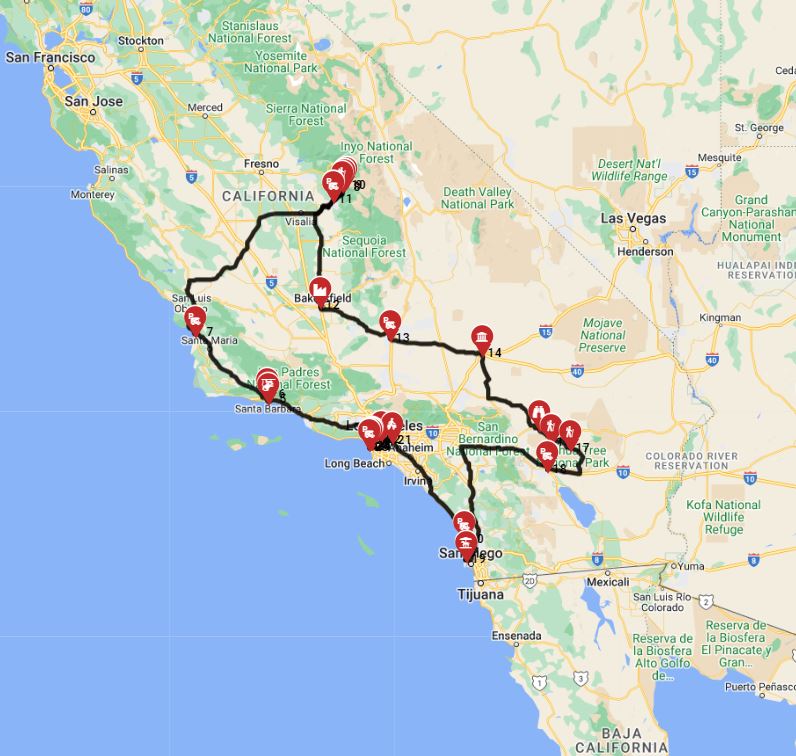
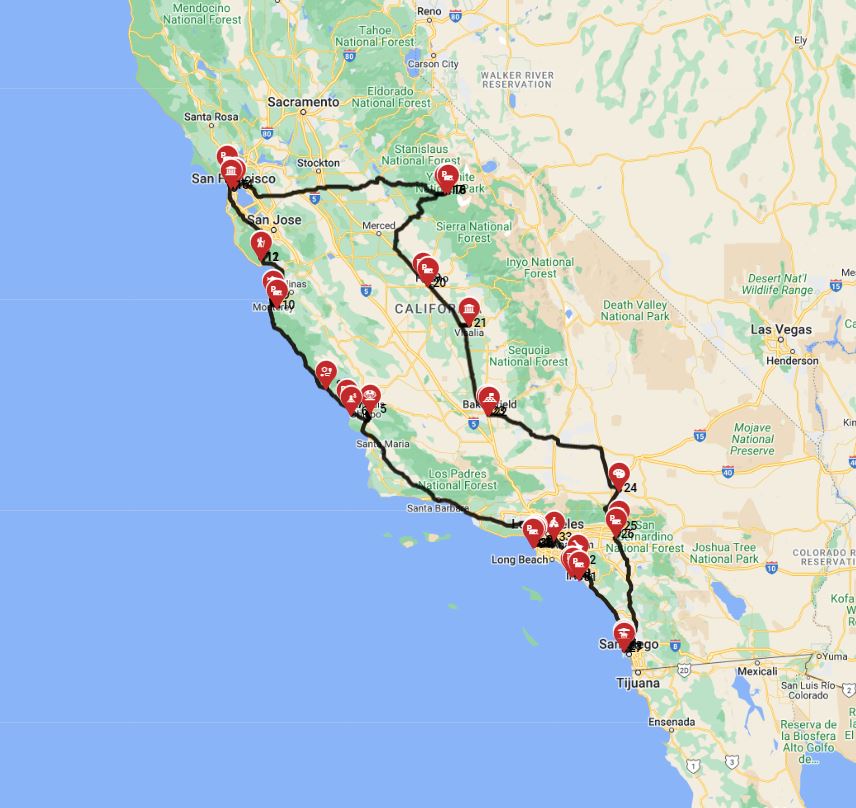
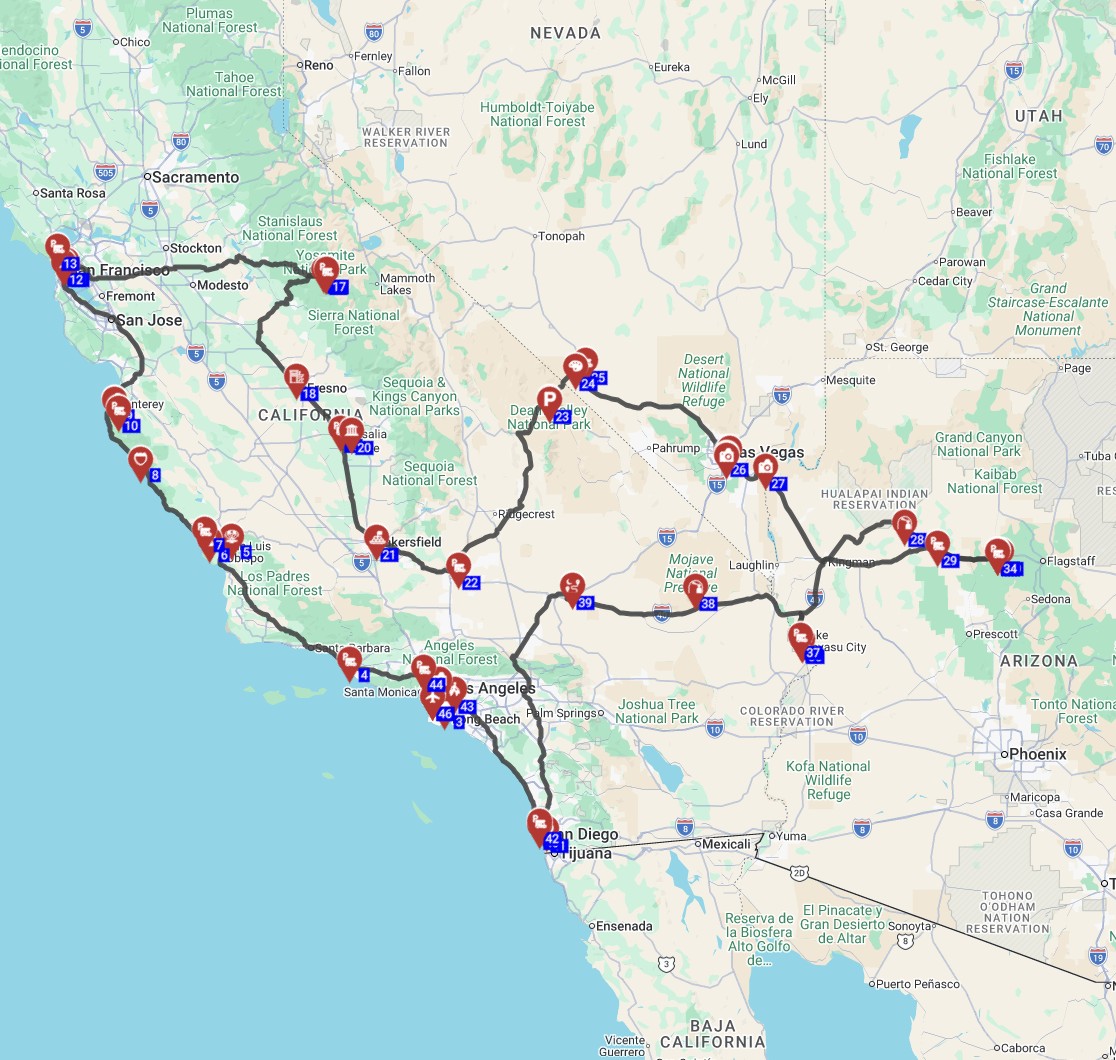
California offers countless scenic RV routes, with the "best" route ultimately depending on your personal interests, trip duration, and the type of experience you seek. For coastal beauty, a drive along Highway 1 is a classic choice, offering stunning ocean views, though you should always check for any RV restrictions on specific narrow sections, such as parts of Big Sur. For nature enthusiasts, a loop through California's iconic National Parks, including Yosemite, Sequoia, and Death Valley, promises diverse landscapes and unforgettable sights. Alternatively, a Southern California desert tour through Joshua Tree and Anza-Borrego offers unique geological formations and vibrant desert flora.
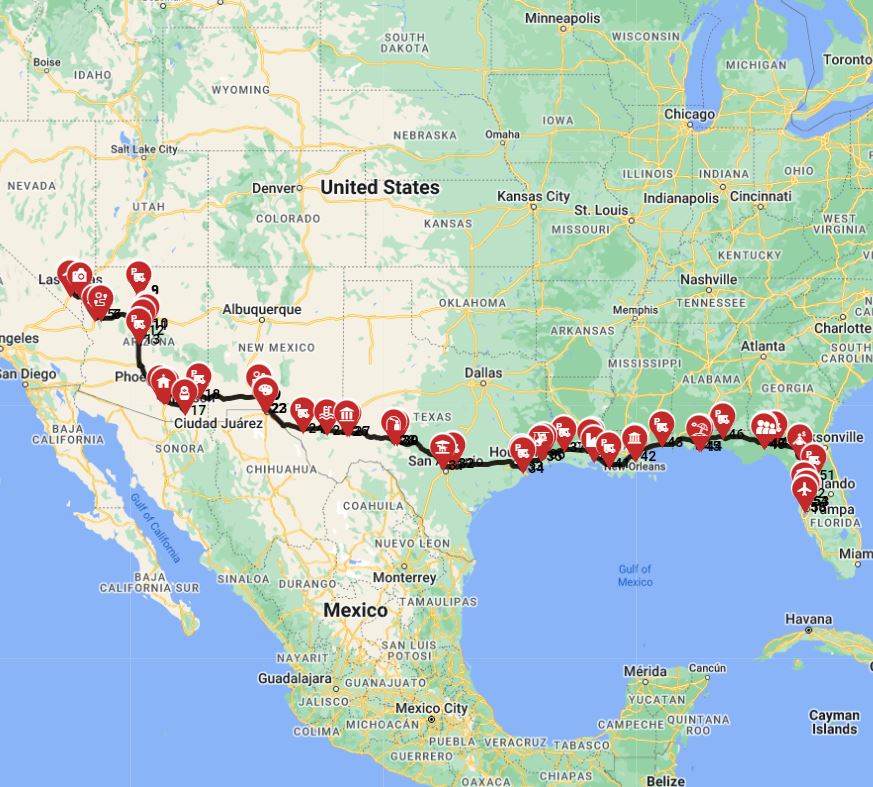
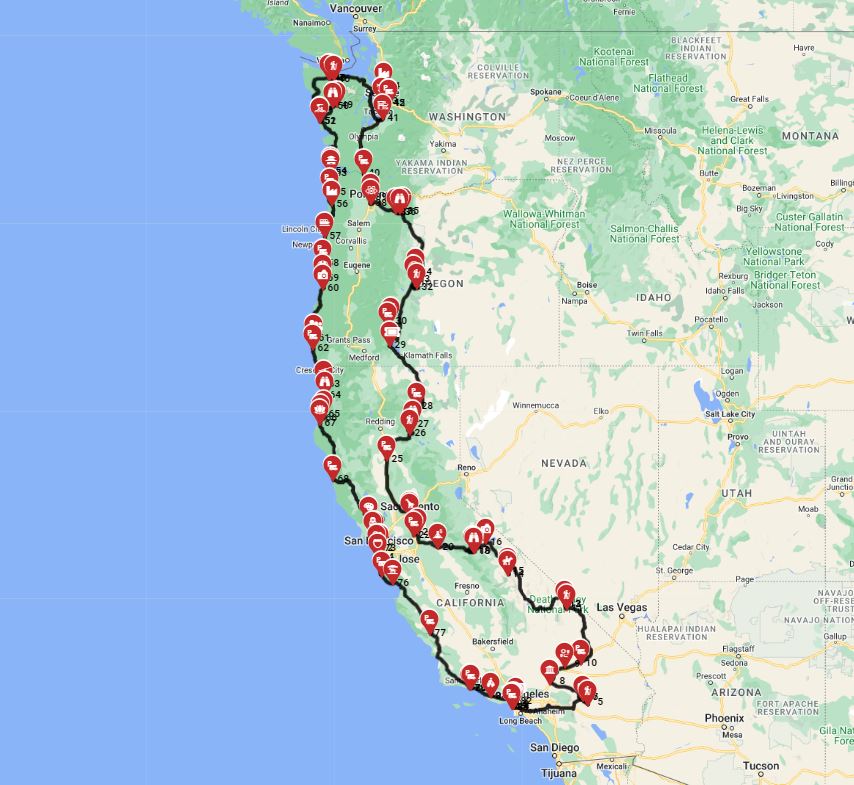
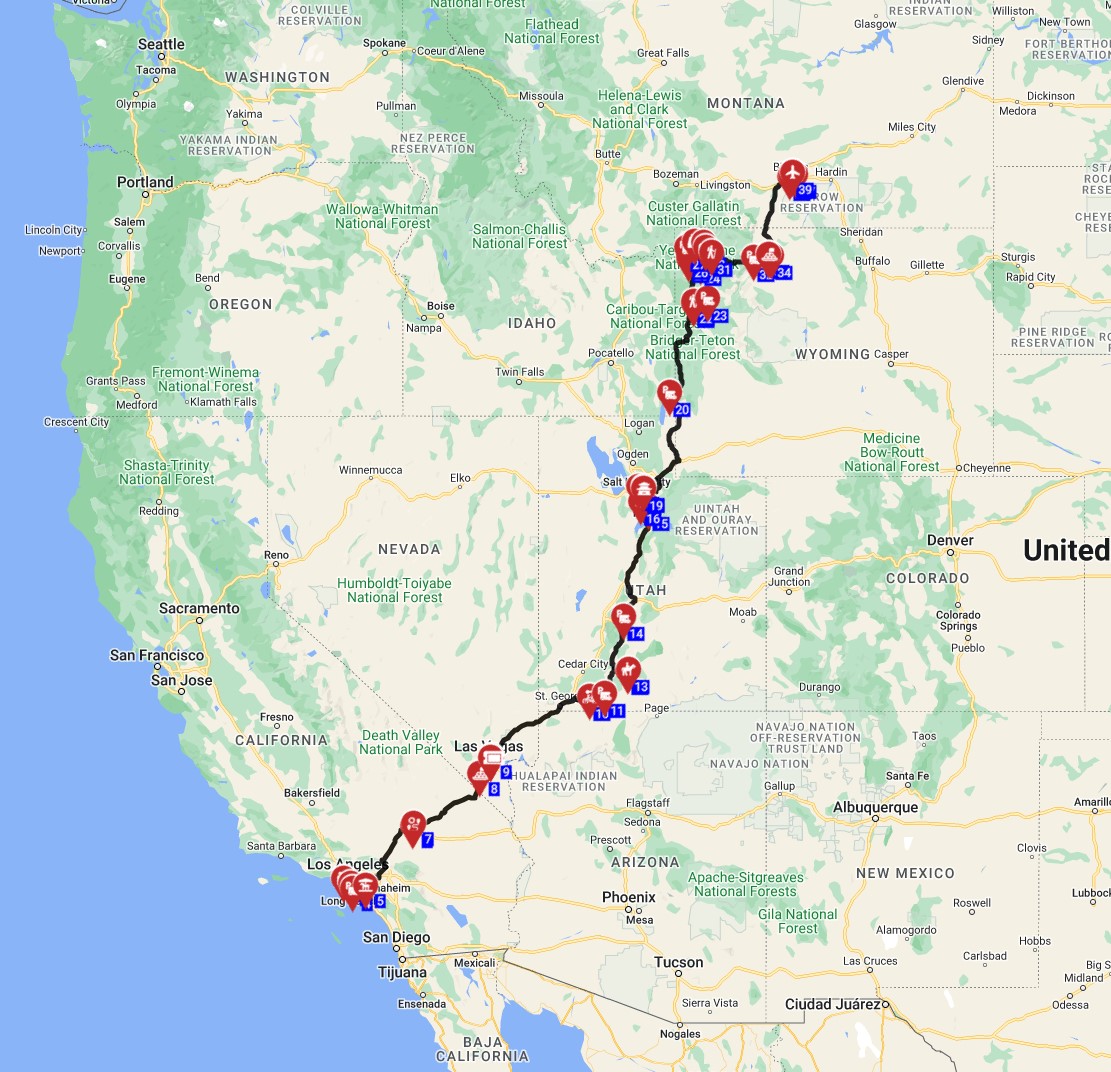
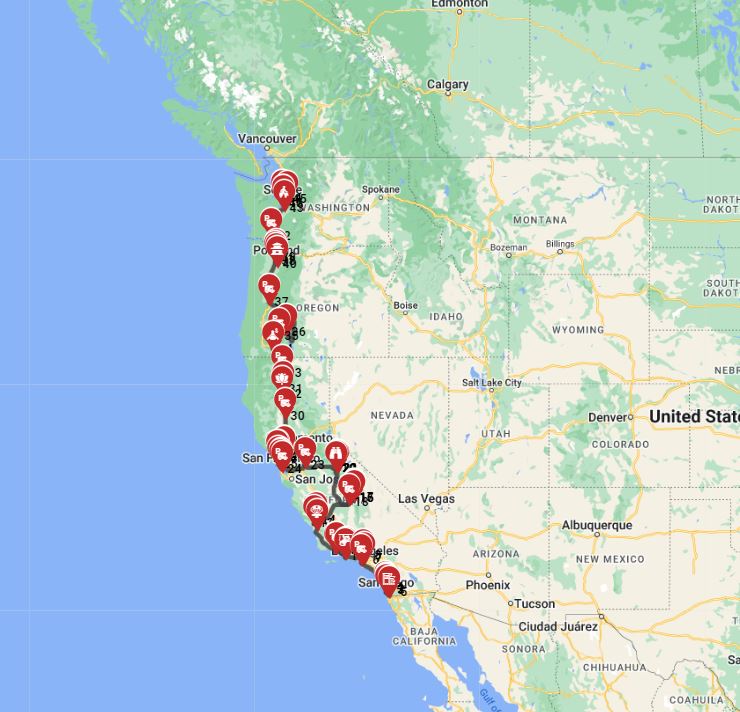
For a particularly adventurous and comprehensive itinerary, consider the San diego to Seattle - California to the Pacific Northwest route. This extended road trip, spanning 18 days and covering over 3,370 km, offers an incredible array of experiences from amusement parks and aquariums to hiking areas and historical sites. For those looking for pre-planned routes designed by professionals, RV PLANET (rvplan.net) offers over 1,300 itineraries across 5 continents, including many specific to California. Remember to travel slowly, averaging a maximum of 100-150 km per day, to fully savor each destination along your chosen path.
What is the best RV for California?
The best RV for your California travels depends heavily on your group size, planned itinerary, and comfort preferences, though Class B Camper Vans and Class C Alcove RVs are consistently popular choices for their balance of maneuverability and amenities. For couples or solo travelers who plan to explore winding coastal roads, bustling small towns, and diverse terrains, a Class B Camper Van, like the "2 Berth Hi Top" or the "Combi Van", with an average length of 5.8 meters, offers exceptional agility and ease of parking.
Families or those desiring more living space, a full kitchen, and additional amenities might prefer a Class C Alcove, such as the "24' Class C Motorhome" or "4 Berth Deluxe," which typically averages 7.5 meters in length. These motorhomes provide comfortable sleeping for 4-5 adults and are still well-suited for most California highways and campgrounds. For a balance between space and drivability, a Class SI Semi-integrated RV, with an average length of 6.9 meters, offers comfortable living areas without being overly large, exemplified by the "2 Berth Rover". Consider your trip's primary focus: are you aiming for rugged, off-the-beaten-path experiences or comfortable, amenity-rich campground stays? Your choice of RV will perfectly match your vision.
Is it hard to drive an RV in California?
Driving an RV in California is generally manageable for most drivers with proper preparation and awareness, though it certainly presents unique challenges compared to piloting a standard passenger car. Practical advice for navigating California includes anticipating mountain passes in regions like the Sierra Nevada, which require careful speed and gear management on ascents and descents. You'll also encounter potentially narrow coastal roads, such as some sections of Big Sur, which may have advisories for larger RVs. For urban exploration, preparing for city navigation where parking and tight turns can be difficult is crucial.
First-time RV drivers should definitely take time to practice maneuvering their rented motorhome in open parking lots to familiarize themselves with its dimensions and handling characteristics. It's also wise to plan your routes in advance, utilizing RV-specific navigation tools to avoid specific vehicle restrictions or overly challenging urban environments. Ultimately, driving an RV in California is an incredibly rewarding experience that allows you to carry your home with you. Drive slowly and carefully, and you can drive almost anywhere without issues. No need to stress - just use common sense and pay attention to make the most of your adventure.
Are RVs allowed on California beaches?
Generally, RVs are not allowed to drive or park directly on the sand of California beaches, with exceptions being extremely rare and always subject to strict local regulations and specific permits. Most sandy beaches are protected areas, and vehicle access is restricted to preserve the natural environment and ensure public safety. However, this doesn't mean you can't enjoy a beach-side RV experience in California.
Many California State Parks and some private campgrounds offer designated RV campsites located directly adjacent to or overlooking beautiful beaches, providing convenient beach access without requiring you to park on the sand. Always research the specific beach or park you plan to visit for their exact RV rules, as overnight parking on public streets near beaches is typically prohibited and actively enforced by local authorities. Checking official park websites or using resources like RV PLANET (rvplan.net) will provide the most up-to-date information on permissible RV access and camping options.
What are the best RV campgrounds in California?
California boasts a wide array of exceptional RV campgrounds, from rustic sites nestled within national parks to amenity-rich private resorts, catering to every preference and budget. Some of the top choices frequently include iconic destinations like Yosemite National Park (Curry Village, Upper Pines), Big Sur State Parks (Pfeiffer Big Sur, Kirk Creek), or sites near the stunning Lake Tahoe, all of which often require reservations months in advance, especially during the peak spring and fall seasons. These popular spots offer breathtaking scenery and access to incredible outdoor activities.
For family-friendly trips, look for private campgrounds or KOA resorts that often feature amenities such as swimming pools, playgrounds, and organized activities, providing entertainment for all ages. For those seeking a more secluded, off-grid experience, ample boondocking opportunities exist on Bureau of Land Management (BLM) and National Forest lands throughout the state. To help you find the perfect spot, always remember that for finding campsites and campgrounds during your trip, we recommend using RV PLANET (rvplan.net) — a great resource for locating available spots along your route, complete with details on hookups, facilities, and nearby attractions. While many prime spots book up, don't forget that many national/state parks reserve 25-30% of spots for first-come-first-serve arrivals. You'll find a spot. If not at the first campground, then the next one. Always call ahead before driving to confirm availability.
What You Shouldn't Miss
- Drive Highway 1 (Pacific Coast Highway): Experience one of the most scenic drives in the world, stretching over 1,000 miles. Be sure to check for any road closures or RV advisories, especially in the Big Sur area, and take your time to enjoy the breathtaking ocean vistas and charming coastal towns.
- Explore California's National Parks: Dedicate a week-long trip to Yosemite National Park, Sequoia and Kings Canyon National Parks, or Death Valley National Park. Each offers unique landscapes, hiking trails, and RV-friendly campgrounds (remember to book well in advance for peak seasons).
- Visit the Ancient Bristlecone Pine Forest: Near the popular Highway 395 RV route, discover some of the world's oldest living trees, including Methuselah (over 4,850 years old), offering a profound connection to ancient nature.
- Indulge in Wine Country: Take your rented motorhome through Napa Valley or Sonoma County for world-class wineries, or explore the less crowded but equally delightful Paso Robles wine region for a more relaxed experience. Many vineyards offer RV parking or nearby campgrounds.
- Experience the Desert Bloom: If traveling in spring, head to the Anza-Borrego Desert State Park or Joshua Tree National Park to witness stunning wildflower displays, a truly magical experience in an RV.
- Discover Top Cities for RV Rental:
- San Francisco: Explore iconic landmarks like the Golden Gate Bridge and Alcatraz. While city driving needs careful planning, a nearby campground allows easy access.
- Los Angeles: From Hollywood to Santa Monica beaches, LA offers endless entertainment. Park your RV in a nearby resort and use public transport or ride-shares for urban exploration.
- San Diego: Enjoy beautiful beaches, Balboa Park, and the world-famous San Diego Zoo. It's a very RV-friendly city with numerous coastal campgrounds.
- Sacramento: Explore California's capital, with its historic Old Sacramento waterfront and vibrant culinary scene.
- Fresno: A central hub for accessing Yosemite, Sequoia, and Kings Canyon National Parks, offering convenient RV facilities.
- Palm Springs: A desert oasis known for its mid-century modern architecture, art scene, and beautiful golf courses, with many RV resorts.
Looking for expert insights from Avi Bandana? Top 5 Adventures – recommendations from Avi Bandana
Avi Bandana, the founder of Bandana Caravan, has personally explored California by RV many times. His top recommendations include taking an extended road trip from San Diego all the way up to Seattle to fully experience the Pacific Coast, dedicating at least 10 days to exploring California's national parks, and always seeking out local, family-owned eateries in small towns for authentic culinary experiences. He emphasizes the joy of slow travel, allowing for spontaneous stops at roadside attractions and hidden gems.
Final Thoughts
Exploring California by rented RV is an unforgettable experience, offering the freedom to roam diverse landscapes from vibrant cities to serene national parks. With the right preparation, understanding of local driving nuances, and the perfect motorhome for your journey, you're set for an incredible adventure. Remember to embrace slow travel, allowing yourself to soak in the beauty and culture at every turn.
Whether you're planning a quick week-long trip or an extended road trip across the state, Bandana Caravan is here to support you with full transparency, expert advice, and a wide selection of motorhomes. We’re committed to making your RV rental process as easy, safe, and affordable as possible, comparing final prices across 50+ suppliers so you don't have to. Your open road awaits!
Get inspired for your next trip and discover top destinations, planning tips, all in one place!