In This Guide
- Top 5 Tips for cheap rv rental RV Rental in Tennessee
- Before You Book - Class, Dates, Insurance
- Pre-Trip Prep - Packing Checklist for Tennessee
- On the Road - Driving, Fueling, Navigation
- At the Campground - Setup, Hookups & Etiquette
- cheap rv rental-Specific Tips for Tennessee
- Common Mistakes to Avoid in Tennessee
- Is Tennessee RV friendly?
- What is the best time of year to RV in Tennessee?
- How much does it cost to RV in Tennessee?
- What are the RV rules in Tennessee?
- Is it hard to drive an RV in Tennessee?
- What is the best RV route through Tennessee?
- Is it safe to boondock in Tennessee?
- Where can you RV camp for free in Tennessee?
- Are there long-term parking rules for an RV rental in Tennessee?
Imagine yourself cruising through the scenic landscapes of Tennessee, from the rolling hills of the Cumberland Plateau to the majestic peaks of the Great Smoky Mountains. With a rented RV, this dream is easily within reach, offering you the freedom and flexibility to explore at your own pace. Discovering America's natural beauty and vibrant culture from the comfort of your own mobile home is an experience unlike any other. At Bandana Caravan, we're dedicated to making your RV adventure seamless and affordable, providing full transparency with no hidden fees and 24/7 support from real people.
To start planning your perfect journey and find live availability and current prices, begin with our RV Rental Tennessee - Complete Guide 2026. For those looking for the easiest, safest, and most affordable way to rent an RV, we compare final prices across 50+ suppliers so you don't have to. We've been helping tens of thousands of travelers explore the world by RV since our founding in 2001, forging direct partnerships with leading RV suppliers worldwide including El Monte, Cruise America, Apollo, and Britz to ensure you get the best options.
Top 5 Tips for cheap rv rental RV Rental in Tennessee
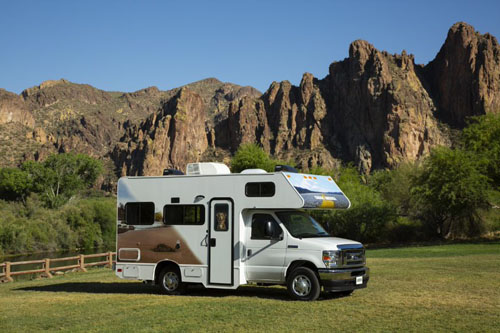
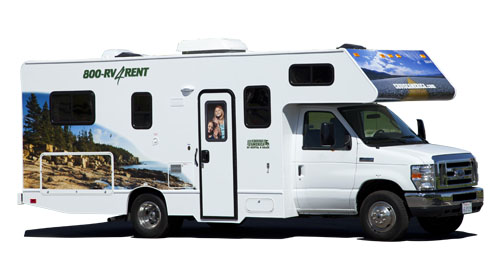
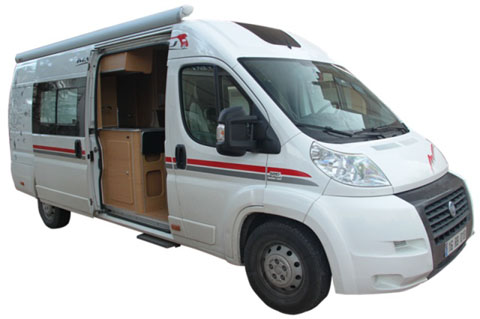
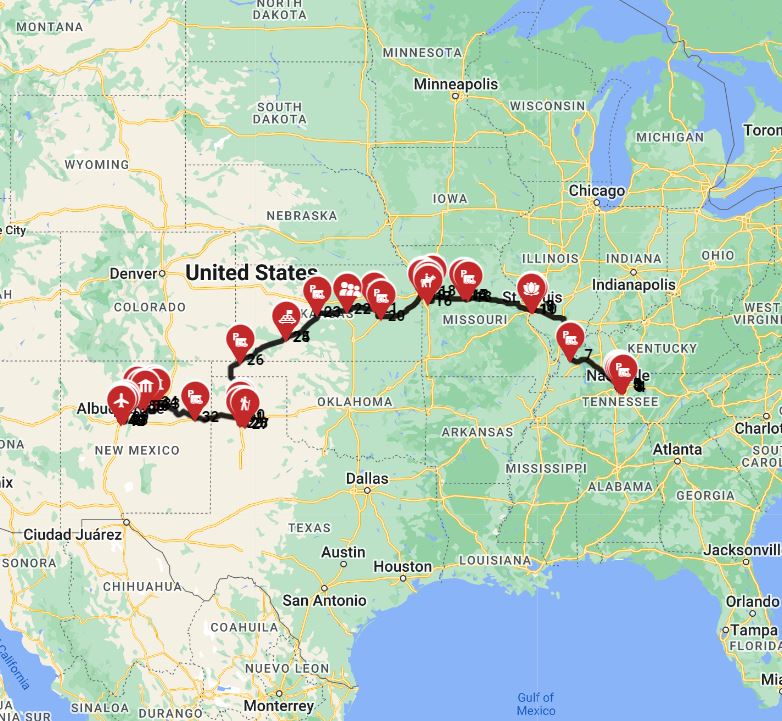
To secure better rates and availability for your cheap rv rental in Tennessee, book well in advance, especially for popular seasons and destinations like the Great Smoky Mountains National Park. Renting a smaller RV class, such as a Class B campervan or a compact Class C motorhome like an "rv rental denver example Category Van" or "hire campervan example Paradise S/T", often comes with lower rental costs and better fuel efficiency, making them easier to navigate on Tennessee's diverse roads which can range from flat highways to winding mountain passes. Seeking out off-season or weekday rentals typically offers significantly cheaper rates compared to peak weekends or summer months; for instance, a week-long rental could see daily rates drop by 15-30% in the spring or fall. Additionally, actively searching for free or low-cost camping options, such as dispersed camping in national forests, can substantially reduce accommodation expenses from an average of $40-$60 per night down to $0. Thoroughly calculate and budget for all potential costs, including rental fees, mileage charges, fuel, campground fees, food, and attractions, to avoid unexpected expenses; RV PLANET routes allows travelers to itemize and track every expense along the way for easy budgeting. Finally, consider one-way options available through suppliers like Cruise America or El Monte, which can range from $150-$500 in relocation fees but offer flexibility for exploring more of the USA. On the routes offered through RV PLANET routes, you can itemize and track every expense along the way for easy budgeting.
Before You Book - Class, Dates, Insurance
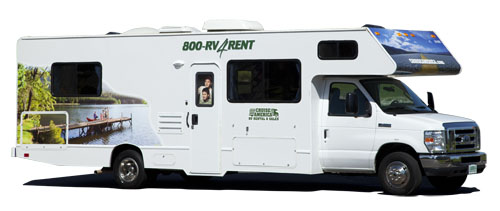
Choosing the right RV class significantly impacts both your rental cost and driving experience in Tennessee, with smaller units like a Class B campervan such as a "2 Berth Hi Top" often being more economical and easier to maneuver through urban areas like Nashville or winding country roads. For families, a Class C motorhome like the "24' Class C Motorhome" provides ample space with beds such as a 152/203cm bed over the cab, plus an additional 114/208cm single bed and 152/203cm double bed. Locking in your rental dates as early as possible, particularly 3-6 months out, can lead to better pricing and ensures availability for your desired travel period, especially if you're eyeing peak seasons or specific events like music festivals. Understanding your RV rental insurance options is crucial; basic liability is typically included, but selecting comprehensive coverage or upgrading to a top-level deductible for extra peace of mind provides transparent pricing and full protection against unexpected incidents. For detailed pricing insights, explore our "RV Rental in Tennessee - Prices and Best Deals 2026" guide.
Pre-Trip Prep - Packing Checklist for Tennessee
Packing versatile clothing suitable for Tennessee's varied climate is key, including layers for cool mornings and evenings, and essential rain gear, as weather can change quickly, especially in mountainous regions. Bringing essential kitchen supplies like basic cooking utensils, a good cooler for extra food storage, and reusable water bottles can save on dining costs during your week-long or two-week adventure; our RV-friendly recipes playlist offers great ideas for meals on the go. Include safety items such as a well-stocked first-aid kit, roadside assistance contacts, and a basic tool kit for minor repairs. Organize important documents including your standard car driver's license (no special license or CDL is required for any rental motorhome), rental agreements, campground reservations, and insurance information. Remember that an International Driving Permit (IDP) is recommended for visitors from non-English speaking countries, though not mandatory in most cases.
On the Road - Driving, Fueling, Navigation
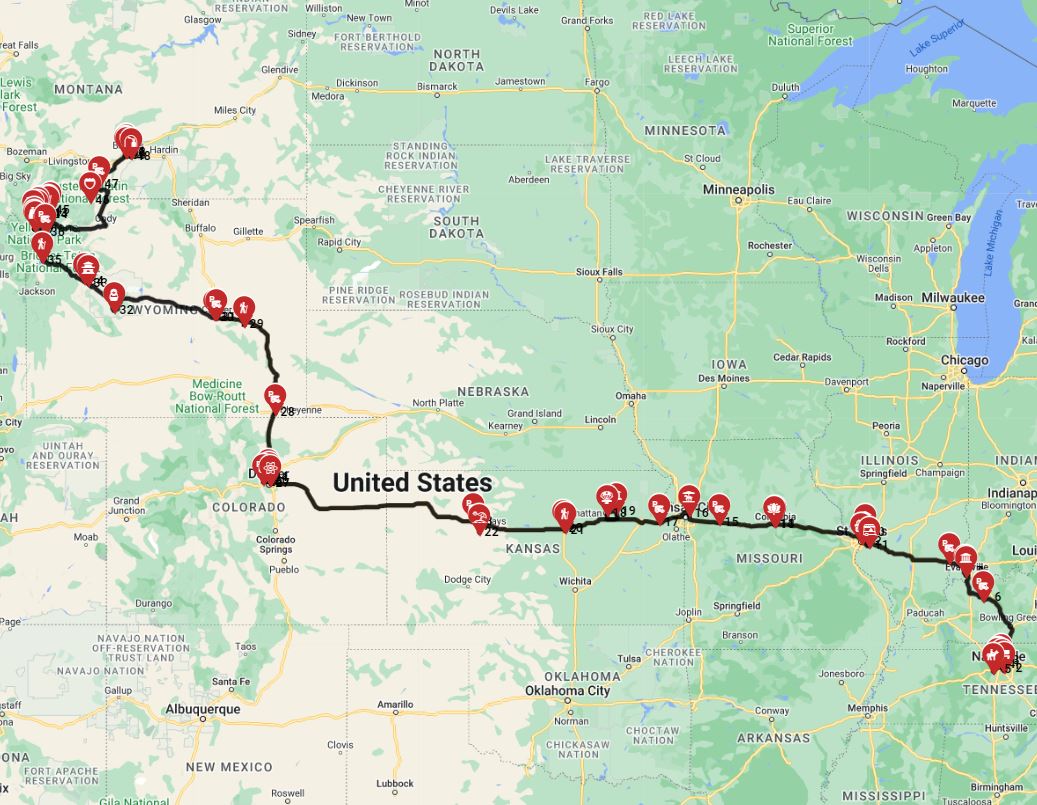
Driving a rented RV in Tennessee requires attention to its varied terrain, from flat interstates like I-40 to winding mountain roads in the eastern part of the state, so adjust your speed and driving style accordingly; always remember to drive slowly and carefully, and you can drive almost anywhere without issues. No need to stress - just use common sense and pay attention. Plan your fueling stops in advance, especially for larger Class A or Class C motorhomes with fuel tanks of 200+ liters, as rural areas might have fewer stations equipped for big rigs, and fuel costs, typically around $3-$4 per gallon, are a significant budget item. Utilize RV-specific navigation apps or GPS devices that account for vehicle height and weight restrictions (e.g., maximum length of 60-65 feet for RVs in Tennessee), helping avoid unsuitable roads and ensuring a smoother journey. You'll find cities like Nashville and Memphis have good infrastructure for larger vehicles, but always allow extra time for maneuvering and parking. For comprehensive routing assistance, consider using RV PLANET (rvplan.net), which offers 1,300+ pre-planned routes across 5 continents, including many tailored for the USA.
At the Campground - Setup, Hookups & Etiquette
Upon arrival at your chosen campground in Tennessee, carefully back your rented motorhome into your site, ensuring enough clearance around all sides and a level parking spot, using leveling blocks if necessary, a common practice to ensure comfort and proper drainage for your RV's 100+ liter fresh and waste water tanks. Properly connect utility hookups in the correct order: sewer hose first (if applicable, ensuring a secure seal), then your fresh water hose (using a pressure regulator is recommended), and finally your electrical power cord (30-amp or 50-amp, depending on your RV and site availability), checking all connections for security. Observe campground etiquette by respecting quiet hours (typically 10 PM to 7 AM), keeping campsites tidy by properly disposing of trash in designated receptacles, managing pet waste promptly, and being mindful of your neighbors' privacy and space. Many Tennessee campgrounds, especially in state parks, offer a mix of full hookup, electric-only, and primitive sites, with prices varying from $20-$70 per night.
cheap rv rental-Specific Tips for Tennessee
To maximize savings on your RV rental in Tennessee, look for smaller, fuel-efficient RV models which are often more affordable to rent and operate, such as a compact Class B campervan that might average 15-20 MPG. Prioritize free or low-cost activities like hiking in the numerous state parks, visiting public lakes, or exploring free museums and historical sites to keep your daily activity budget in check. Planning your meals to cook most of them in your RV's kitchen, buying groceries from local supermarkets rather than eating out at restaurants, can reduce food expenses by 50% or more, allowing for a more budget-friendly adventure. Consider visiting during the shoulder seasons (spring or fall) when rental prices and campground fees are typically lower than peak summer rates, potentially saving you 10-20% on overall costs and offering pleasant weather for outdoor activities.
Common Mistakes to Avoid in Tennessee
A common mistake first-time RV renters make in Tennessee is failing to book campsites in advance, especially for popular destinations like Great Smoky Mountains National Park, where sites can fill up 6 months ahead; instead, research and reserve your spots early to avoid disappointment. Don't underestimate Tennessee's diverse terrain; instead, research routes carefully to anticipate mountain passes or winding roads, adjusting your travel time estimates from the typical 100-150 km per day average to ensure a relaxed journey. Refrain from ignoring weather forecasts; instead, regularly check conditions, especially during spring for sudden thunderstorms or fall for cooler mountain temperatures that may require different packing strategies. Avoid overpacking, which can reduce fuel efficiency by up to 10-15% and make living in the RV uncomfortable; instead, create a minimalist packing list tailored to essentials, utilizing the ample storage provided by your rented motorhome but not overfilling it. Always remember to check for specific road closures or warnings, especially for high-elevation roads in the Smokies during winter months.
🎬 Video coming soon
Is Tennessee RV friendly?
Tennessee is highly RV friendly, offering extensive infrastructure for RV travelers with plenty of access to amenities and services across the state. The state features numerous state parks (such as Fall Creek Falls and Big Ridge), private campgrounds, and national park access points equipped for motorhomes and campervans, providing a range of hookup options from electric-only to full sewer/water/electric sites. Its diverse geography, from the Appalachian Mountains to the Mississippi River, provides a wide range of scenic routes and destinations suitable for RV exploration. Increasing numbers of towns and attractions, including many along the "Tennessee Music Pathway," are becoming more accommodating to RVs, with designated parking and services, making it easy to find suitable spots for your rented RV.
What is the best time of year to RV in Tennessee?
The best time of year to RV in Tennessee largely depends on your desired activities and tolerance for crowds, with spring and fall often being the most popular due to mild weather. Spring (April-May) offers average temperatures of 60-75°F (15-24°C), blooming wildflowers, and fewer crowds than summer, ideal for hiking and exploring. Fall (September-October) is exceptional for leaf peeping, particularly in the Great Smoky Mountains where foliage peaks in mid-October, though popular areas can be very busy and RV rental rates for a "Luxury RV Rental in Tennessee - Premium Prices 2026" can increase by 20-40%. Summer (June-August) is perfect for water activities and lake camping, but brings hotter weather (75-90°F / 24-32°C) and peak tourist crowds and prices. Winter (November-March) can offer peaceful experiences with fewer tourists and potentially lower costs (up to 30% savings on rentals), though some facilities may close and mountain roads can be challenging with ice or snow.
How much does it cost to RV in Tennessee?
The cost to RV in Tennessee varies significantly, with a week-long rental for a small campervan starting from around $500-$700 (or $75-$100 per night), while a larger Class C motorhome for a family of four might cost $1,400-$2,800 for two weeks (or $100-$200 per night), plus mileage and preparation fees. Fuel costs are a major expense, with larger RVs getting 6-10 MPG (23-39 L/100km); for example, a 1,000-mile trip could cost $300-$500 in gasoline at $3.50/gallon. Campground fees in Tennessee can range from free (dispersed camping in Cherokee National Forest) to $30-$70+ per night for full hookup sites in popular state or private parks, or up to $100+ for premium resorts. Additional expenses include groceries (budget $75-$150 per day for a family), dining out, attraction entry fees, and potential ancillary costs like dumping fees ($5-$15) or propane refills ($20-$40). For a more tailored breakdown, check our "RV Rental in Tennessee - Prices and Best Deals 2026" guide or create a detailed budget using RV PLANET routes for comprehensive expense tracking.
What are the RV rules in Tennessee?
RV rules in Tennessee cover various aspects including driver's license requirements, vehicle dimensions, and specific campground regulations to ensure a safe and enjoyable journey. A standard Class D driver's license is typically sufficient for operating most recreational vehicles up to 26,000 pounds Gross Vehicle Weight Rating (GVWR), meaning no special license or CDL is required for almost all rental motorhomes. Tennessee has specific legal limits for RV length (60 feet for a single vehicle, 65 feet for a combination) and width (102 inches), which should be noted when selecting your rental unit, such as a "cruise america rv rental example Explorer" measuring 7.1 meters (approx. 23 feet). State parks and private campgrounds enforce their own rules regarding quiet hours, generator usage, pet policies, and fire restrictions, which must be observed for community harmony. Proper waste disposal at designated dump stations is legally mandated, and illegal dumping carries significant penalties, often fines of $250 or more.
Is it hard to drive an RV in Tennessee?
Driving a rented RV in Tennessee presents varying levels of difficulty depending on the region and the size of your vehicle, but with common sense and attention, it's very manageable. Interstate highways like I-40, I-65, and I-75 are generally well-maintained and straightforward for all sizes of RVs, making cross-state travel smooth. Mountainous areas, particularly in East Tennessee around the Great Smoky Mountains National Park, feature winding roads, steep grades (up to 10% on some routes), and sharp curves that can be challenging for larger Class A or Class C motorhomes, necessitating slower speeds and careful navigation. Smaller cities and towns typically have manageable roads, but navigating larger urban centers like Nashville or Memphis requires extra caution due to traffic and tighter streets; however, you can drive slowly and carefully almost anywhere without issues. Preparation, including pre-mapping routes to avoid unsuitable roads and understanding your rented RV's capabilities, significantly reduces any perceived difficulty, making your journey enjoyable.
What is the best RV route through Tennessee?
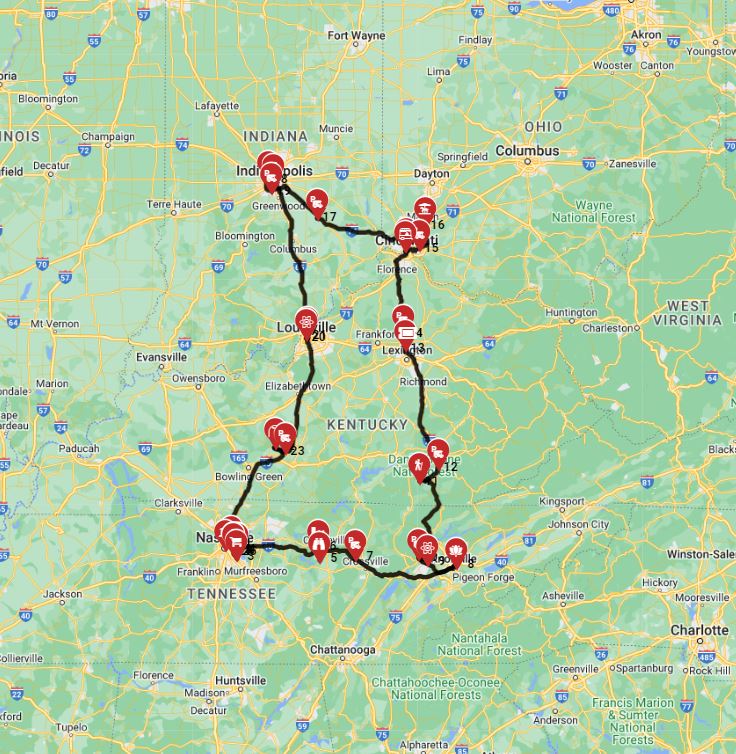
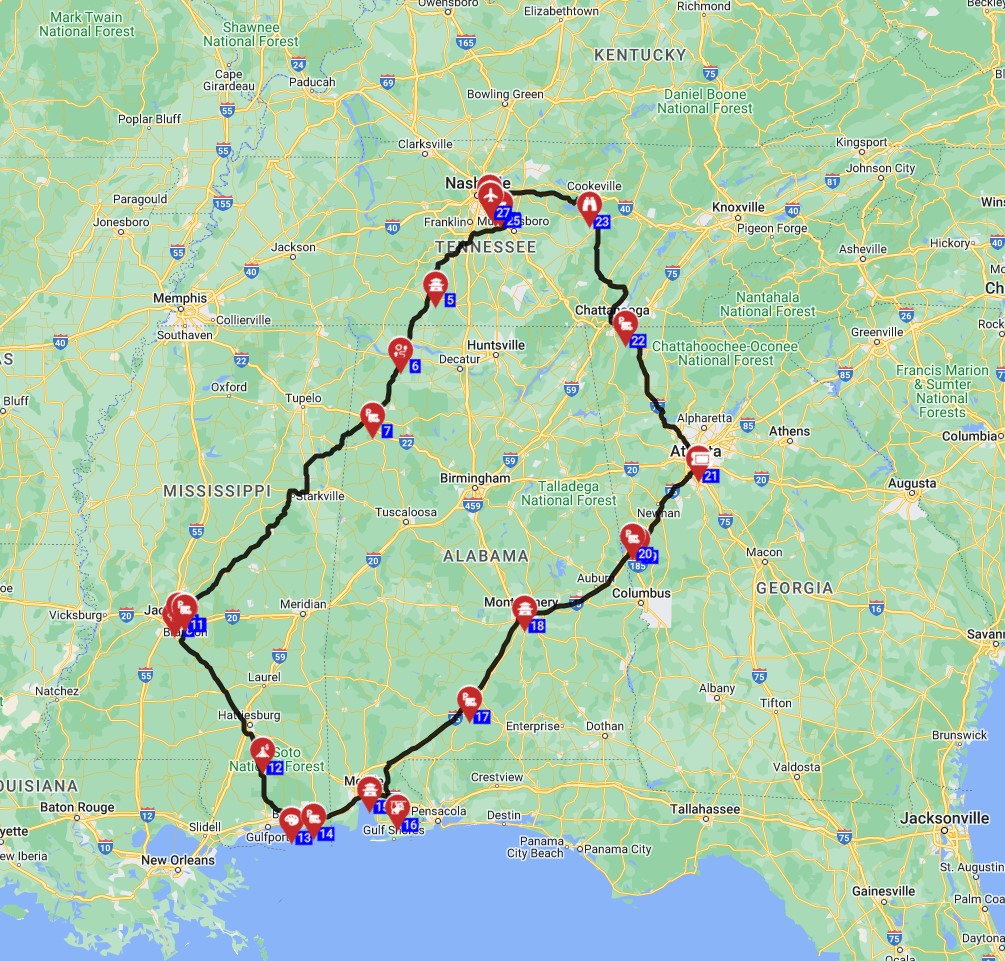
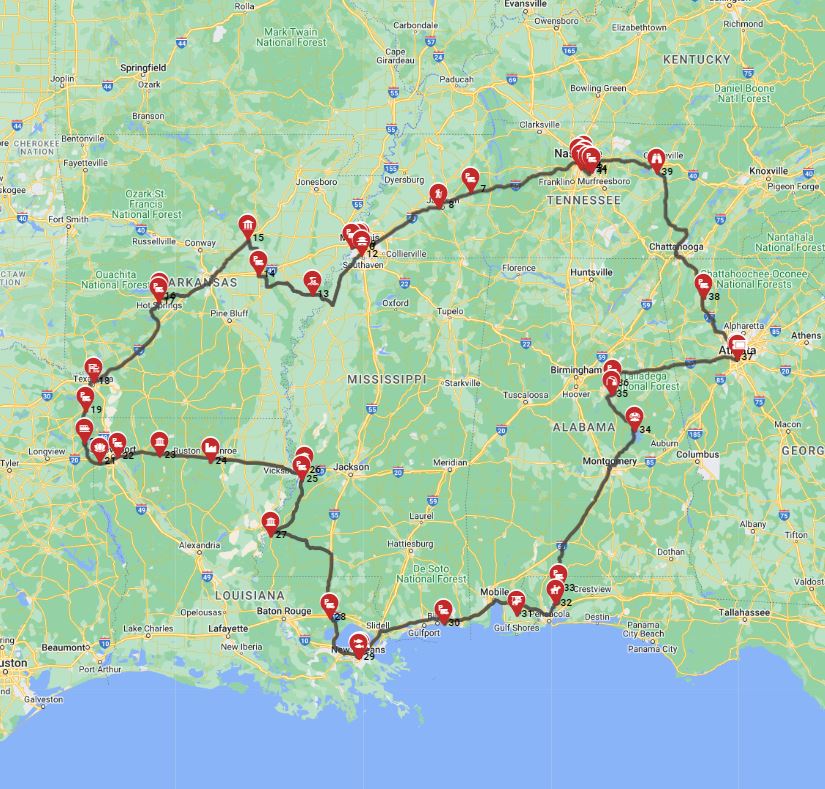
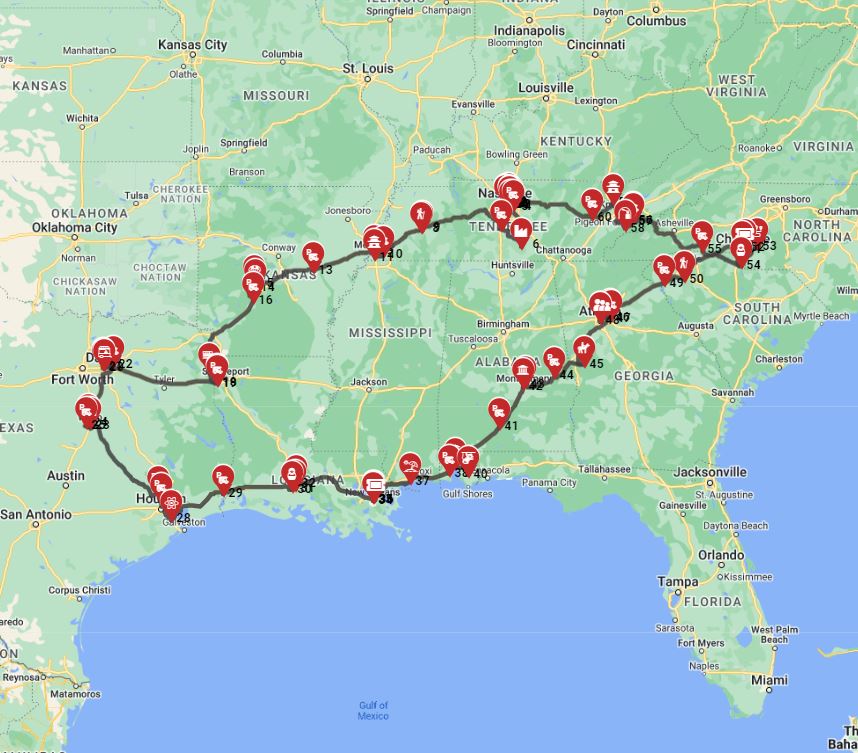
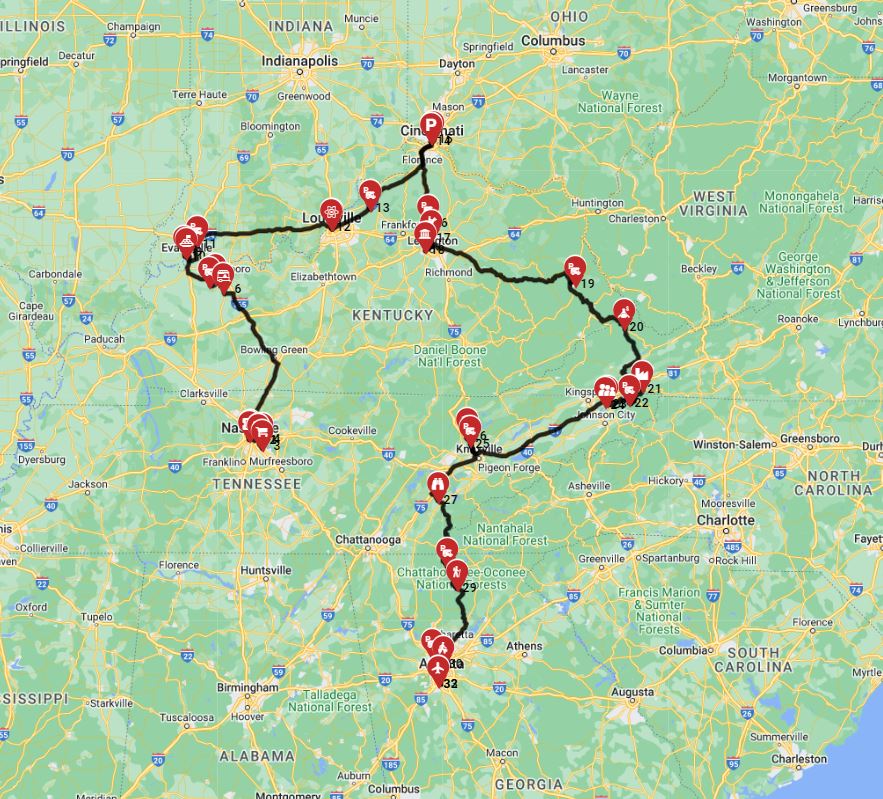
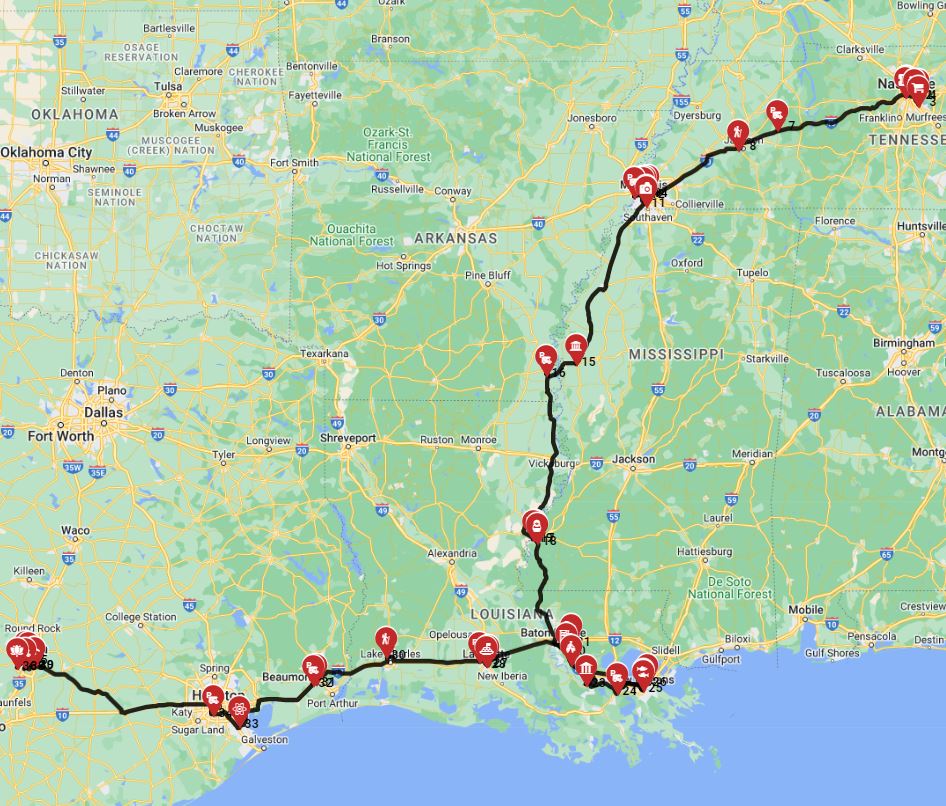
The best RV route through Tennessee depends heavily on your interests, with popular options ranging from scenic parkways to historical and cultural pathways, all easily accessible with a rented motorhome. For nature and mountain scenery, a route through the Great Smoky Mountains National Park, utilizing US-441/Newfound Gap Road (with careful driving for steep grades and curves), is iconic, offering breathtaking vistas and access to numerous hiking trails. History enthusiasts might prefer the Natchez Trace Parkway, offering a serene, 444-mile journey through scenic landscapes and historical sites with a consistent 50 MPH speed limit and numerous RV-friendly pull-offs and campgrounds. The Tennessee Music Pathway connects travelers to the state's rich musical heritage, from Memphis blues to Nashville country and East Tennessee bluegrass, covering over 1,000 miles and featuring hundreds of attractions. Alternatively, a 'Cross-State Scenic Route' can combine highlights, starting with Memphis's history, moving through Nashville's vibrant music scene, and concluding in the East Tennessee mountains, providing a diverse week-long or two-week adventure. You can find more detailed route plans on RV PLANET (rvplan.net), which offers 1,300+ options for your journey.
Is it safe to boondock in Tennessee?
Boondocking, or dispersed camping, in Tennessee can be safe when practiced responsibly and in designated legal areas, offering an excellent way to save on campground fees, which average $30-$70 per night. Safety largely depends on choosing appropriate locations, such as established dispersed camping sites within national forests (e.g., Cherokee National Forest allows free camping for up to 14 days in many areas). Always research specific areas beforehand, check for local restrictions or fire bans, and look for signs indicating permissible overnight parking or camping, as rules vary by jurisdiction. Employ standard safety practices, including securing your rented vehicle, being aware of your surroundings, and avoiding isolated or poorly lit areas, especially when traveling alone. Using community-sourced resources like iOverlander or Campendium can help identify safe and legal boondocking spots reviewed by other RVers, providing valuable real-time information.
Where can you RV camp for free in Tennessee?
RV camping for free in Tennessee is primarily found on designated public lands and through specific private business permissions, offering significant savings from typical campground fees. The Cherokee National Forest, covering over 650,000 acres in East Tennessee, offers extensive opportunities for dispersed camping, allowing RVers to park free for up to 14 days in undeveloped areas, requiring adherence to Leave No Trace principles (e.g., packing out all trash and waste). Certain retail chains, like Walmart and Cracker Barrel, often permit overnight RV parking in their lots across Tennessee, though it's crucial to always call ahead and confirm with store management as policies can vary by individual location. Limited options may exist on other state or federal lands, but these are less common and require thorough research into local regulations before setting up camp. Apps such as iOverlander and Campendium are excellent resources for finding user-submitted free camping locations and recent reviews for your rented motorhome or campervan.
Are there long-term parking rules for an RV rental in Tennessee?
Long-term parking rules for an RV rental in Tennessee are not explicitly prohibited by a statewide law, but they are heavily influenced by local county and municipal ordinances, which can vary significantly. While you can generally register an RV with a standard driver's license and travel long durations in it across Tennessee, specific zoning laws often regulate where you can park a rented RV for extended periods, particularly on private residential lots or city streets. Many jurisdictions have regulations against parking oversized vehicles for more than a few days in residential zones. Long-term RV parks or storage facilities are often the most straightforward and legal option for extended stays, as they are zoned for such use and provide necessary hookups and amenities. It is highly recommended to consult with local county or city planning and zoning departments to understand specific regulations before committing to an extended parking arrangement for your rented RV in a particular area of Tennessee.
What You Shouldn't Miss
- **Explore Great Smoky Mountains National Park**: Drive scenic routes like Cades Cove Loop Road (11 miles) for wildlife viewing and historic sites. Remember, a valid entrance pass is now required for parking in the park.
- **Immerse in Nashville's Music Scene**: Visit the Country Music Hall of Fame and Museum, take a backstage tour of the Grand Ole Opry, and stroll Honky Tonk Highway. For a unique experience, consider an RV campsite near Goodlettsville, just a short drive from the city.
- **Discover Memphis's Rich History**: Explore Graceland, the home of Elvis Presley, and visit the National Civil Rights Museum at the Lorraine Motel. Don't forget to savor some authentic Memphis BBQ.
- **Hike Fall Creek Falls State Park**: Witness Fall Creek Falls, the tallest free-fall waterfall east of the Mississippi River, plunging 256 feet. The park offers over 20,000 acres of stunning natural beauty and plenty of RV camping.
- **Drive the Natchez Trace Parkway**: Experience this historic 444-mile scenic byway, perfect for slow travel (max 50 MPH). Enjoy overlooks, historical markers, and short hikes along the way, with multiple RV-friendly stops.
- **Looking for expert insights from Avi Bandana?** Top 5 Adventures - recommendations from Avi Bandana
Final Thoughts
Embarking on a cheap rv rental adventure in Tennessee offers an incredible opportunity to explore the state's diverse beauty, from its iconic music cities to its stunning natural parks. By implementing smart booking strategies and understanding the nuances of RV travel, you can craft an unforgettable journey that fits your budget perfectly. Remember, planning is part of the fun, and we're here to support you every step of the way, from comparing prices for a "Family RV Rental in Tennessee - Pricing Guide 2026" to navigating the booking process.
At Bandana Caravan, we are true RV specialists, not just a travel agency side department. We love helping people discover the magic of motorhome travel, and our commitment to full transparency and genuine support means you can book with confidence. So, get ready to hit the road, create lasting memories, and experience the Volunteer State on your terms!
Compare Motorhome Prices for Tennessee and find your perfect cheap rv rental in Tennessee today!