In This Guide
- Top 5 Tips for cheap rv rental RV Rental in Santiago
- Before You Book - Class, Dates, Insurance
- What kind of RV is best for Chilean terrain and high altitudes?
- Pre-Trip Prep - Packing Checklist for Santiago
- What are the key safety considerations for RV travel in Chile?
- On the Road - Driving, Fueling, Navigation
- Can I wild camp (boondock) in an RV in Chile? What are the rules?
- At the Campground - Setup, Hookups & Etiquette
- How do I manage water, waste, and propane refills for my RV in Chile?
- What do I need to know about border crossings from Argentina to Chile with an RV?
- Where can I park my RV long-term in Santiago and explore the city?
- What are the best connectivity options for RVers in Chile?
- Cheap rv rental-Specific Tips for Santiago
- Common Mistakes to Avoid in Santiago
Embarking on an RV adventure from Santiago, Chile, promises an incredible journey through diverse landscapes, from the soaring Andes to the Pacific coast. Exploring this vibrant region with a rented motorhome offers unparalleled freedom, allowing you to discover hidden gems and immerse yourself in local culture at your own pace. For live availability and current prices, start with our RV Rental Santiago - Complete Guide 2026 guide.
Top 5 Tips for cheap rv rental RV Rental in Santiago
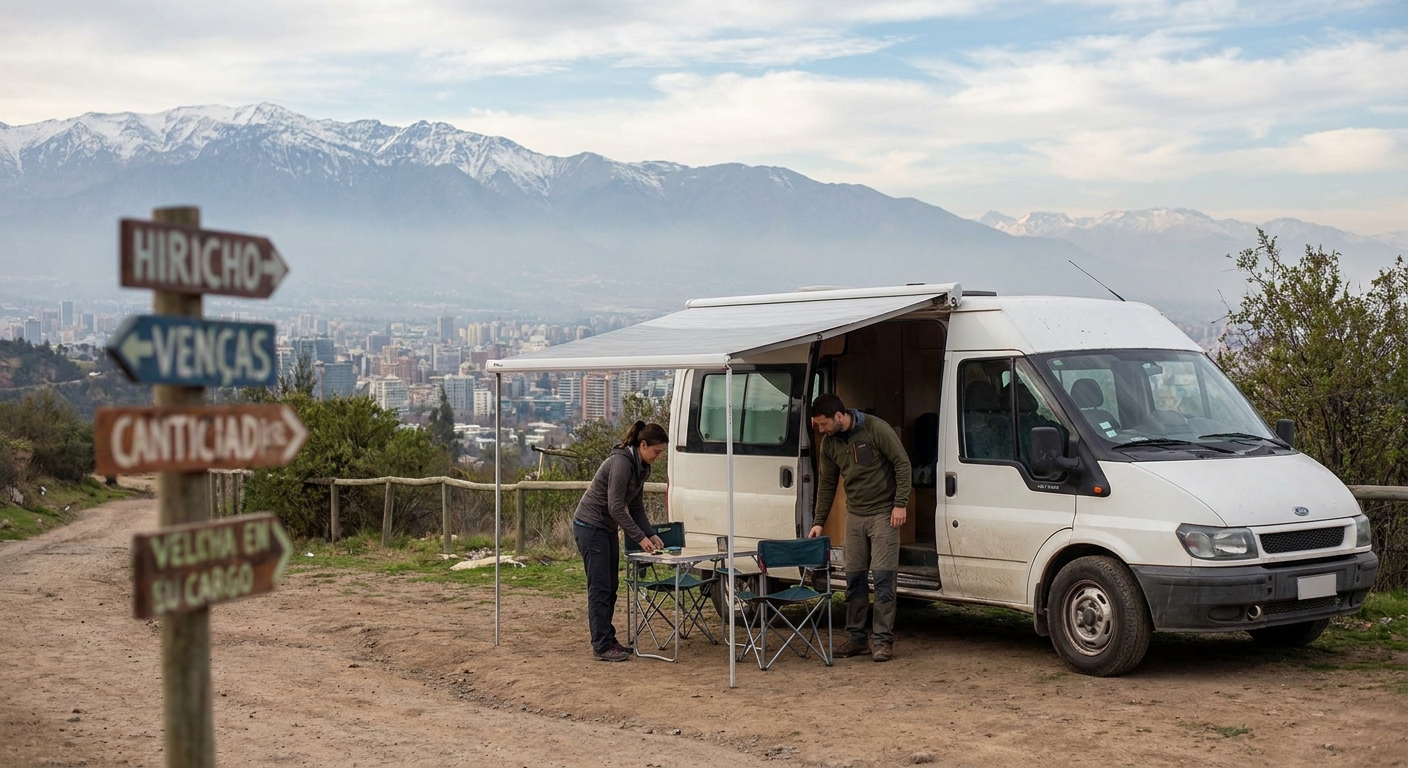
To secure a truly cheap RV rental in Santiago, advance planning is essential, as booking at least 3 to 6 months ahead can significantly reduce rates, especially for trips during Chile's popular summer season (December-February). Imagine yourself already on the road, with your booking confirmed and the details handled, letting you focus on the breathtaking scenery ahead. Choosing a smaller, more fuel-efficient RV model, such as a campervan ideal for a couple, drastically cuts down on both rental costs and fuel expenses, often saving renters 15-20% on overall trip expenditure. Our platform helps you compare these options with full transparency, so there are no hidden fees or surprises.
Traveling during Santiago's shoulder or off-peak seasons, like September-November or March-May, is another smart strategy, as rental prices can drop by up to 30%, and popular attractions will be less crowded. Many suppliers also offer long-term rental discounts, so if your adventure extends beyond a week or two, be sure to inquire about potential savings. For instance, a two-week adventure might be more cost-effective per day than a shorter rental. Finally, utilizing free or low-cost overnight parking options, such as designated public areas or private land with permission, can greatly reduce your campground fees, making your overall trip more budget-friendly. Remember, prices are dynamic and change daily based on availability and seasonality, so finding the cheapest RV rental in Santiago often comes down to early planning and flexibility. On the routes offered through RV PLANET routes, you can itemize and track every expense along the way for easy budgeting.
Before You Book - Class, Dates, Insurance
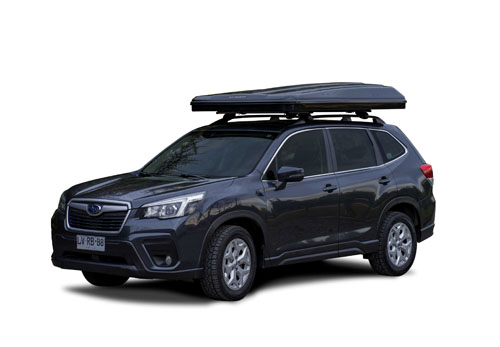
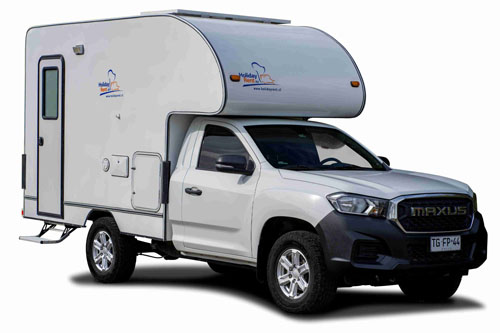
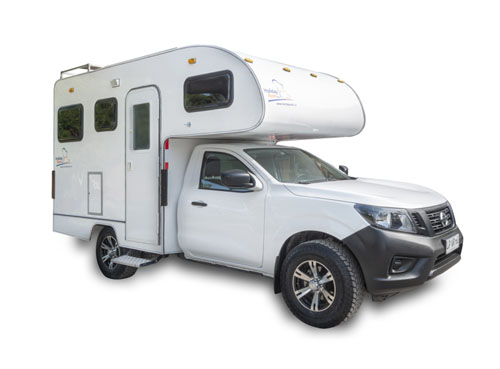
Before finalizing an RV rental in Santiago, carefully consider the RV class that best suits your travel itinerary, budget, and the terrain you plan to cover, as choosing the right vehicle can optimize your experience and costs. For example, a compact campervan like a 'hire campervan example Paradise S/T' with automatic transmission, front air condition, shower, and toilet, is ideal for a couple and offers agility for navigating both city streets and winding mountain passes. Alternatively, a larger Class C motorhome like an 'rv rentals example Comfort Class' might be better for families of 2+2 or groups of friends, offering three double beds and more interior space. Locking in your travel dates as early as possible often provides access to a wider selection of vehicles and more favorable rental rates, helping you secure a cheaper RV rental in Santiago.
Basic insurance is always included with your rental; however, for comprehensive protection, thoroughly review and select additional insurance options during your search, as these cover a broader range of incidents and provide greater peace of mind on Chilean roads. You can upgrade to a top-level deductible for extra peace of mind, ensuring your adventure is protected from unexpected costs. Remember, we pride ourselves on full transparency with no hidden fees, so what you see in your comparison is truly what you pay. We're here to help you compare all final prices across various suppliers, making your decision straightforward and worry-free. For more details on budgeting and understanding all potential trip costs, exploring RV PLANET routes can help you itemize and track every expense along the way.
What kind of RV is best for Chilean terrain and high altitudes?
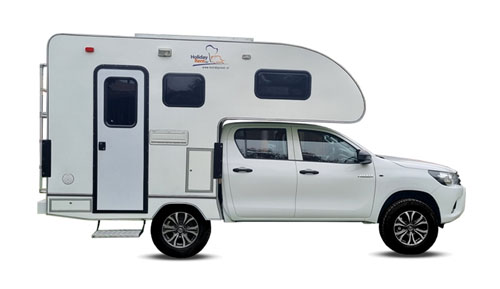
For navigating Chilean terrain, especially mountainous regions like the Andes and high altitudes, a compact, robust motorhome or a 4x4 campervan is often recommended due to narrower winding roads, varying surface conditions (paved and gravel), and the performance demands of higher elevations. Vehicles designed for diverse landscapes, such as a 'Patagonia Camper 4x4 double cab' with four-wheel drive, offer enhanced traction and stability on unpaved roads and steep ascents found on routes like the Carretera Austral. Smaller RVs or campervans provide greater maneuverability, making it easier to negotiate tight turns and smaller towns. Consider a vehicle with adequate engine power for altitude changes, as some routes in the Andes can exceed 4,000 meters (13,000 feet), affecting vehicle performance and requiring a confident, slow driving style. No need to stress about vehicle size in cities - drive slowly and carefully, and you can drive almost anywhere without issues.
Pre-Trip Prep - Packing Checklist for Santiago
A comprehensive packing checklist for an RV trip from Santiago should include versatile clothing layers for varied climates, essential kitchenware for self-catering, emergency safety gear, and all necessary travel and vehicle documents. Chile's diverse geography means you might experience warm city days in Santiago and surprisingly cold mountain nights in the Andes, so pack clothing for all eventualities, along with sturdy footwear for exploring. Essential items typically included with your rental motorhome are basic kitchen setups (pots, pans, cutlery), but bringing your favorite coffee maker or specialized cooking tools can enhance your on-the-road culinary experiences; check out our RV-friendly recipes playlist for inspiration. Prepare physical and digital copies of your passport, driver's license, international driving permit (recommended for non-Spanish speakers), and RV rental agreement, keeping them secure and accessible.
- Layers of clothing (warm, cool, rainproof)
- Sturdy walking shoes/hiking boots
- Sunscreen, hat, sunglasses
- Basic toiletries & personal medications
- Reusable water bottles
- Local power adapter (Type L)
Kitchen Essentials:
- Basic cooking utensils & pots/pans
- Dinnerware for your group
- Coffee/tea making supplies
- Non-perishable food items for first few days
- Biodegradable dish soap & sponges
Safety & Emergency:
- First-aid kit (well-stocked)
- Headlamps or flashlights with extra batteries
- Roadside emergency kit (jumper cables, tools)
- Reflective vest & warning triangle
- Portable power bank for devices
- Printed maps & offline GPS access
Documents & IDs:
- Passport & Visa (if applicable)
- International Driving Permit (recommended)
- RV Rental agreement & insurance papers
- Credit/Debit cards & some local currency (Chilean Pesos)
- Emergency contact list (local & international)
What are the key safety considerations for RV travel in Chile?
Ensuring safety during RV travel in Chile involves being aware of varied road conditions, understanding emergency procedures for vehicle breakdowns, and identifying safer areas for overnight stops, particularly in remote regions. Chilean roads can range from well-maintained Route 5 highways to challenging gravel roads in rural or mountainous areas; always check current road conditions, especially when planning routes through the Andes or Patagonia, using local sources or the official MOP website. Familiarize yourself with emergency contacts for vehicle assistance and local authorities; having a physical list and digital copies on your phone is highly recommended. When stopping overnight, prioritize secure campgrounds or designated RV parks near Santiago, like Camping Las Chilcas, which often offer amenities and added security, rather than relying solely on undesignated spots. It is important to exercise common sense and pay attention to your surroundings, especially in urban centers like Santiago where local driving customs may differ.
On the Road - Driving, Fueling, Navigation
When driving a rented RV in Santiago and beyond, prioritize careful navigation, plan fuel stops in advance, especially in rural areas, and always adhere to local traffic laws, including speed limits and signage. Imagine the open road stretching before you, but remember that Chile's diverse landscapes mean driving conditions can vary greatly, from bustling city traffic around Plaza de Armas in Santiago to winding mountain passes like those leading to Farellones. Take your time, maintain a safe following distance, and adapt to local driving styles. Fuel stations can be sparse in remote regions, particularly in Patagonia, so keep your tank topped up whenever possible. Utilize offline maps or GPS systems, as cellular service can be intermittent outside urban centers. For broader itineraries, consider exploring our "RV Travel Guide to Santiago - Tips and Top Spots 2026" to get local insights on popular routes. We recommend slow travel, averaging a maximum of 100-150 km per day, allowing you to truly feel the place, connect to the culture, the food, and the scenery.
Can I wild camp (boondock) in an RV in Chile? What are the rules?
Wild camping, or boondocking, is generally tolerated in many remote areas of Chile, but it's crucial to respect private property, leave no trace, and be aware of specific local regulations or protected areas where it might be prohibited. While not explicitly illegal in many non-designated areas, always seek permission from landowners if you are unsure if land is private, especially near towns or agricultural zones outside Santiago. Practice 'Leave No Trace' principles rigorously: pack out all trash, dispose of human waste properly in designated dump stations, and avoid disturbing wildlife or natural habitats. National Parks and reserves typically require camping only in designated sites, which may incur a fee; research specific park rules before arrival. For finding campsites and campgrounds during your trip, we recommend using RV PLANET (rvplan.net) - a great resource for locating available spots along your route, including some wild camping suggestions with local reviews.
At the Campground - Setup, Hookups & Etiquette
Upon arriving at an RV campground near Santiago, follow a systematic setup process by first leveling your RV, connecting utilities like electricity and water in the correct order, and adhering to local etiquette, especially regarding quiet hours. Start by parking your rented motorhome on level ground or using leveling blocks to ensure comfort and proper appliance function. Connect your water hose to a potable source, then securely attach your electrical shore power cable (standard Chilean outlets are Type L), followed by your sewer hose to the dump station connection, ensuring a watertight seal. Respect quiet hours, typically from late evening to early morning, keep noise to a minimum, and always clean up your campsite thoroughly before departing, leaving no trace behind. Most campgrounds in Chile are family-friendly and appreciate respectful behavior. Remember, our "Weekly RV Rental in Santiago - Pricing 2026" and "RV Rental in Santiago - Prices and Best Deals 2026" guides can help you budget for these fees as part of your overall trip cost.
How do I manage water, waste, and propane refills for my RV in Chile?
Managing water, waste, and propane refills for an RV in Chile typically involves locating designated dump stations at campgrounds or service areas, purchasing bottled water for refills, and finding authorized propane distributors, often found in larger towns. Dump stations for grey and black water tanks are commonly available at established campgrounds, such as those along Ruta 68 towards Valparaíso, but can be less frequent in remote areas; plan your route to ensure access. For fresh water, potable sources can be found at campgrounds, some gas stations, municipal water points, or by purchasing large bottles of purified water from supermarkets in Santiago. Propane (LPG) refill stations are available in most larger cities and towns, but it's advisable to refill when possible and monitor your tank levels, as connections might differ, requiring an adapter. Always aim to fill up before heading into very remote regions to avoid any last-minute stress.
What do I need to know about border crossings from Argentina to Chile with an RV?
Crossing the border from Argentina to Chile with an RV requires meticulous preparation of documentation for both vehicle and passengers, adherence to strict customs regulations regarding food imports, and awareness of specific vehicle import/export procedures. Ensure you have original vehicle registration documents, proof of ownership (or a notarized authorization from the rental company if the vehicle is not in your name), an international driving permit, and a 'permiso de salida' from Argentina if applicable for your vehicle. Chile has stringent biosecurity laws, enforced by the SAG (Servicio Agrícola y Ganadero); most fresh fruits, vegetables, meats, and dairy products are prohibited from entry to prevent agricultural pests and diseases, so consume or dispose of these before approaching the border. Be prepared for thorough vehicle inspections at customs, especially at major crossings like Paso Los Libertadores near Santiago, and allow ample time (several hours) for the crossing process, which can vary in length depending on the season and border post. Our "One-Way RV Rental in Santiago - Price Guide 2026" can provide insights if you're planning an international one-way journey.
Where can I park my RV long-term in Santiago and explore the city?
For long-term RV parking in Santiago while exploring the city, consider secure campgrounds or designated RV parks on the outskirts with good public transport links, or research commercial parking facilities that accommodate larger vehicles. RV parks like Camping Las Chilcas (north of Santiago near Colina) or sites further south near Pirque offer secure parking with amenities such as electricity and water hookups, and are typically connected to Santiago via buses or collectivos, making city exploration convenient. Exploring Santiago without your RV is often more practical due to city traffic and parking restrictions, particularly in the bustling city center around the Palacio de La Moneda or Barrio Lastarria; utilize ride-sharing services (Uber, Cabify) or the efficient Metro system from your parking location. Some private properties or agricultural plots on the city's periphery might offer long-term parking solutions, though these require advance arrangements and verification of security. Drive slowly and carefully, and you can drive almost anywhere without issues. No need to stress - just use common sense and pay attention, even if driving in Santiago's central areas.
What are the best connectivity options for RVers in Chile?
Reliable connectivity for RVers in Chile typically involves purchasing a local SIM card from providers like Entel, Movistar, or Claro upon arrival, considering a portable Wi-Fi device, and for very remote areas, exploring satellite internet solutions as a backup. Local SIM cards offer the most cost-effective solution for data and calls; purchase them at Santiago's Arturo Merino Benítez International Airport (SCL) or official stores in the city center and ensure your phone is unlocked. Portable Wi-Fi devices (MiFi) can provide internet to multiple devices, useful for families or groups, but still rely on cellular network coverage which can be spotty in remote regions outside major cities. For truly remote expeditions in places like Patagonia where cellular signals are non-existent, satellite internet solutions or emergency satellite messengers are the only reliable options for staying connected. Planning your route with connectivity in mind, perhaps using RV PLANET routes, can help you anticipate dead zones.
Cheap rv rental-Specific Tips for Santiago
To maximize a cheap RV rental experience originating in Santiago, focus on selecting smaller, more fuel-efficient models like campervans, such as the 'rv rental denver example Category Van', which are easier to drive, consume less fuel (around 11 L/100 km), and are generally more economical to rent. Imagine the freedom of navigating Santiago's bustling streets and surrounding valleys with ease. Plan your routes strategically to minimize costly highway tolls, especially when traveling in and out of the Santiago metropolitan area; many tolls can be paid cash or with a tag that your rental company will often provide details on. Bypass expensive tourist restaurants by utilizing Santiago's vibrant local markets, such as La Vega Central or Mercado Central, for fresh, affordable provisions to cook delicious meals in your RV. Actively seek out free or low-cost camping opportunities outside major cities, leveraging local tips or apps like iOverlander, rather than relying solely on commercial campgrounds to keep costs down. Remember, the journey is about discovery, and finding those budget-friendly alternatives can be part of the adventure. For families, consider our "Family RV Rental in Santiago - Pricing Guide 2026" for tailored advice on larger vehicles and group budgeting.
Common Mistakes to Avoid in Santiago
To ensure a smooth RV trip from Santiago, avoid common mistakes such as underestimating driving times, neglecting comprehensive insurance, failing to check road conditions suitable for your RV class, or overlooking local customs and etiquette. Chilean road conditions can vary significantly, so relying solely on estimated GPS times might lead to delays, particularly on less-traveled or mountainous routes like those connecting to Cajón del Maipo. While basic insurance is included, opting for minimal coverage can leave you vulnerable to high out-of-pocket costs in case of an accident or breakdown; consider upgrading to a top-level deductible for full peace of mind. Always research specific road conditions, especially if traveling to high altitudes or remote areas, to ensure your chosen Class B campervan or Class C motorhome is suitable. Familiarize yourself with Chilean cultural nuances, such as polite greetings and respectful interactions, particularly when engaging with local communities in rural settings, to enhance your experience. Drive slowly and carefully, and you can drive almost anywhere without issues. No need to stress - just use common sense and pay attention to make your Santiago RV adventure unforgettable.
🎬 Video coming soon
What You Shouldn't Miss
- Explore Cajón del Maipo: Just outside Santiago, this Andean canyon offers stunning scenery, hot springs, and hiking trails. A rented campervan allows you to easily explore small villages and find serene spots to overnight.
- Valparaíso and Viña del Mar Coast: Drive your motorhome west for an hour to experience the colorful, bohemian port city of Valparaíso and the upscale beach resort of Viña del Mar. Enjoy fresh seafood and vibrant street art.
- Maipo Valley Wine Route: Discover Chile's renowned wine country right on Santiago's doorstep. Visit vineyards for tastings and tours, easily accessible with your RV for a leisurely day trip.
- Santiago's Cerro San Cristobal: Park your RV on the city outskirts and take public transport to this iconic hill for panoramic views of Santiago and the Andes, a must-do for any visitor.
- Andes Mountains Drives: Head towards the ski resorts like Valle Nevado (during summer for hiking) for incredible high-altitude scenery and challenging but rewarding drives.
- Local Gastronomy: Indulge in traditional Chilean cuisine, from empanadas to curanto. Visit local markets like La Vega Central for fresh ingredients to cook in your RV.
Looking for expert insights from Avi Bandana? Top 5 Adventures - recommendations from Avi Bandana
Final Thoughts
A cheap RV rental in Santiago opens up a world of discovery, offering the flexibility to explore Chile's stunning landscapes on your terms. From the vibrant city life to the majestic Andes and the serene coastline, a rented motorhome provides a comfortable and economical way to experience it all. Remember, smart planning, choosing the right vehicle like a compact campervan, and being aware of local tips will enhance your adventure and help you stick to your budget.
We're here to support you every step of the way, from comparing prices across top suppliers to offering transparent booking experiences. Embrace the spirit of the open road, travel slowly to soak in every moment, and create lasting memories. Your unforgettable Chilean RV journey begins with a great deal and the confidence that you're well-prepared.
Find Motorhome Rentals in Santiago