In This Guide
- Best North Canada RV Itinerary for cheap rv rental - Overview
- 7-Day Classic Route in North Canada
- 14-Day Extended Journey in North Canada
- Recommended RVPlan Trip for North Canada
- Must-See Stops Along the Way (Avi Bandana Picks)
- Daily Driving Distances & Drive Times in North Canada
- Best RV Class for This Itinerary - Couple & Family Picks
- What is the 3-3-3 rule for RV travel?
- What is the 4-4-4 rule for RV travel?
- Is it cheaper to RV or stay in hotels?
- What is the 3-3-3 rule for RVs?
- Where can I park my RV for free in Canada?
- What is the 4 4 4 rule for RV?
- What is the best RV route planner in Canada?
- What are the best places to visit in Northern Canada?
- What is the most scenic drive across Canada?
- What are some good one-day trips in Canada?
- What You Shouldn't Miss
- Why Book with Bandana Caravan
- Final Thoughts
- Frequently Asked Questions
Embarking on a cheap RV rental adventure in North Canada is an unparalleled way to discover some of the world's most pristine wilderness and rugged beauty. Imagine navigating vast landscapes, spotting incredible wildlife, and witnessing the magic of the midnight sun, all from the comfort of your rented motorhome or campervan. As true RV specialists, we at Bandana are here to help you plan an unforgettable and affordable journey with full transparency, ensuring no hidden fees or surprises.
For live availability and current prices, start with our RV Rental North Canada - Complete Guide 2026 guide. We are committed to providing you with supportive service before, during, and after your booking, so you can focus on the adventure ahead.
Best North Canada RV Itinerary for cheap rv rental - Overview
A unique RV journey through North Canada often focuses on the Yukon and Northwest Territories, renowned for their remote wilderness and majestic scenery. A typical itinerary covers approximately 1,000-2,000 km (600-1,200 miles) over a week-long trip to two-week adventure, offering a deep dive into the raw northern landscapes. The best season for RV travel in North Canada is from late May to early September, providing mild temperatures, extended daylight due to the midnight sun, and accessible roads before winter closures begin. Travelers should prepare for limited services, gravel roads, and incredible wildlife viewing opportunities, requiring careful planning for fuel and supplies. Remember, driving slowly, around 100-150 km per day on average, allows you to truly feel the place, connect to the unique culture, local food, and breathtaking scenery. For finding campsites and campgrounds during your trip, we recommend using RV PLANET (rvplan.net) - a great resource for locating available spots along your route and tracking ancillary costs for easy budgeting.7-Day Classic Route in North Canada
A classic 7-day RV route through North Canada provides a perfect introduction to the Yukon's highlights, offering manageable daily drives and iconic experiences.- Day 1: Whitehorse, Yukon (Arrival & Prep). Pick up your rented RV, stock up on groceries, and explore Whitehorse's historical sites like the S.S. Klondike National Historic Site. Sleep comfortably at a Whitehorse area campground.
- Day 2: Whitehorse - Haines Junction (150 km / 93 miles). Drive the scenic Alaska Highway to Haines Junction, the impressive gateway to Kluane National Park. A highlight along this route is a stop at Takhini Hot Springs. Sleep at Pine Lake Campground or similar, enjoying the quiet wilderness.
- Day 3: Haines Junction - Destruction Bay (100 km / 62 miles). Spend the day exploring Kluane National Park and Reserve, with ample opportunities for short hikes and wildlife viewing. The Sheep Mountain lookout offers stunning vistas. You can sleep at a basic campground or consider boondocking nearby on Crown land.
- Day 4: Destruction Bay - Burwash Landing (50 km / 31 miles). This shorter drive allows for more in-depth exploration of Kluane's diverse ecosystems. Visit the Kluane Museum of Natural History to learn about the region's natural and cultural heritage. Find a lakeside pullout or small campground for the night.
- Day 5: Burwash Landing - Whitehorse (270 km / 168 miles). Begin your return journey towards Whitehorse. This is a longer driving day, but the roads are generally well-maintained. Consider consulting a "RV Travel Guide to North Canada - Tips and Top Spots 2026" for any last-minute scenic stops.
- Day 6: Whitehorse - Skagway, Alaska (USA) - Optional Day Trip (175 km / 109 miles one way). For an added international flavor, drive the stunning South Klondike Highway, crossing into Alaska for a day to explore Skagway, a historic gold rush town. *Remember: A valid passport and border crossing preparation are required.* Return to Whitehorse for the night.
- Day 7: Whitehorse (Departure). Return your rented motorhome and depart, or extend your stay to explore more local attractions around Whitehorse.
14-Day Extended Journey in North Canada
For those seeking a more extensive North Canada adventure, a 14-day RV journey allows for deeper exploration, including a taste of the legendary Dempster Highway. This itinerary offers a balance of iconic sights and remote wilderness. Planning your stops thoroughly is key, and our pre-booking support is available 24/7 to help coordinate your trip details.- Days 1-3: Whitehorse & Southern Yukon. Arrive in Whitehorse, pick up your rented RV, and spend two days exploring the territorial capital. Visit nearby Takhini Hot Springs, and take the scenic loop to Carcross and Emerald Lake. Use this time to prepare your provisions for the longer journey ahead.
- Days 4-7: Kluane National Park & Reserve Exploration. Drive to Haines Junction (150 km). Spend three full days hiking, wildlife viewing, and exploring the vast landscapes of Kluane National Park, moving between Haines Junction, Destruction Bay, and Burwash Landing (averaging 50-100 km/day). Explore the various campgrounds or boondocking spots within or near the park.
- Days 8-10: Dempster Highway Introduction & Dawson City. Return to Whitehorse (approx. 270 km), then drive towards Dawson City (530 km). You can break this journey with an overnight stop in Carmacks. Arrive in Dawson City, the vibrant heart of the Klondike Gold Rush, and explore its historic streets, try your luck at Diamond Tooth Gerties casino, and enjoy panoramic views from Midnight Dome. Sleep at one of Dawson City's campgrounds. For typical costs, consult our RV Rental in North Canada - Prices and Best Deals 2026 guide.
- Days 11-13: Dempster Highway Adventure (Partial). From Dawson City, embark on a portion of the legendary Dempster Highway. Drive as far as Eagle Plains (365 km / 227 miles one way), or even Inuvik, NWT, if time and conditions permit (a further 400 km beyond Eagle Plains). This is a gravel road demanding careful driving; expect true Arctic wilderness, limited services, and potential wildlife sightings. Overnight at designated campgrounds or pullouts along the Dempster.
- Day 14: Return to Whitehorse. Begin the long drive back from Dawson City (530 km) to Whitehorse, or from your farthest point on the Dempster, soaking in the changing scenery. Plan for frequent fuel stops as services are sparse. Return your motorhome rental in Whitehorse, reflecting on an incredible two-week adventure.
Recommended RVPlan Trip for North Canada
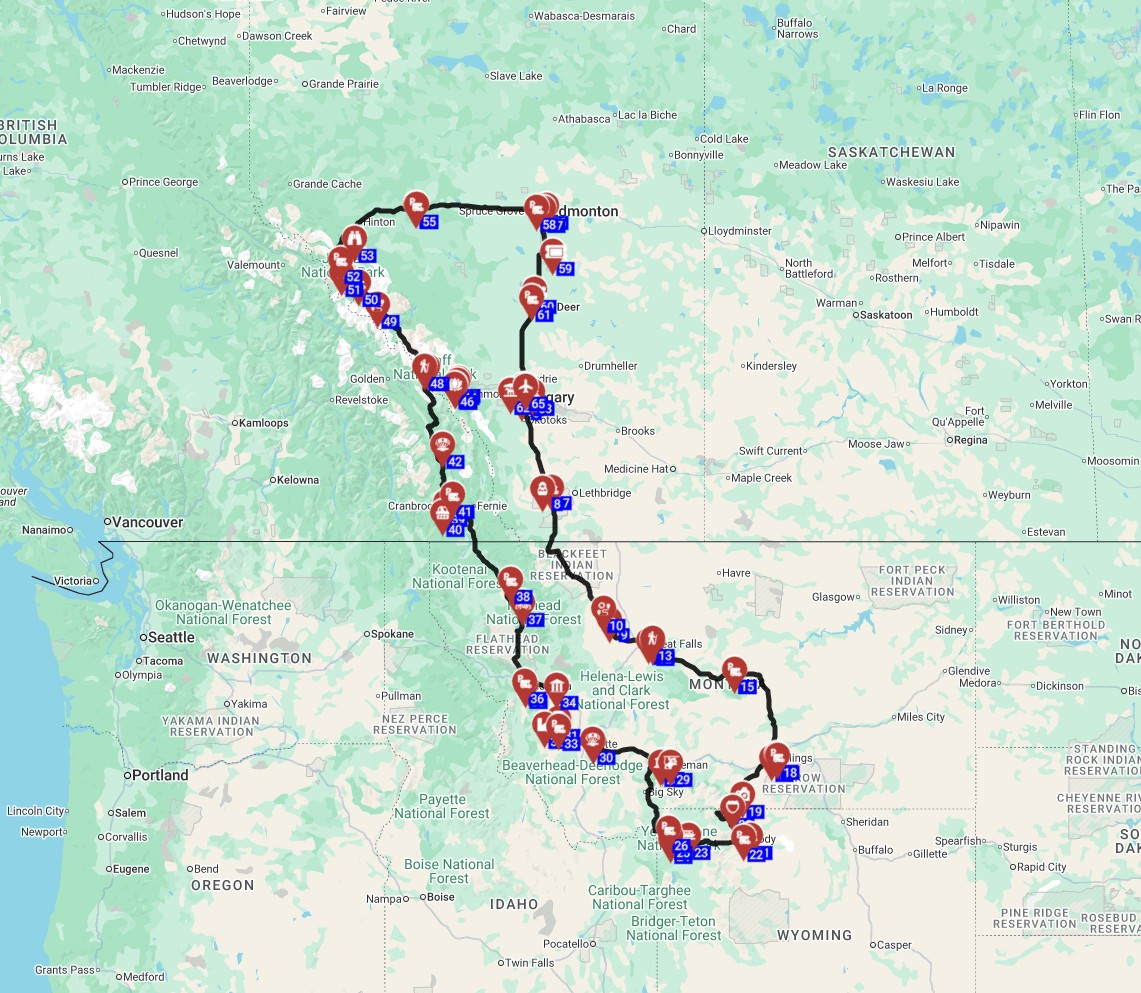
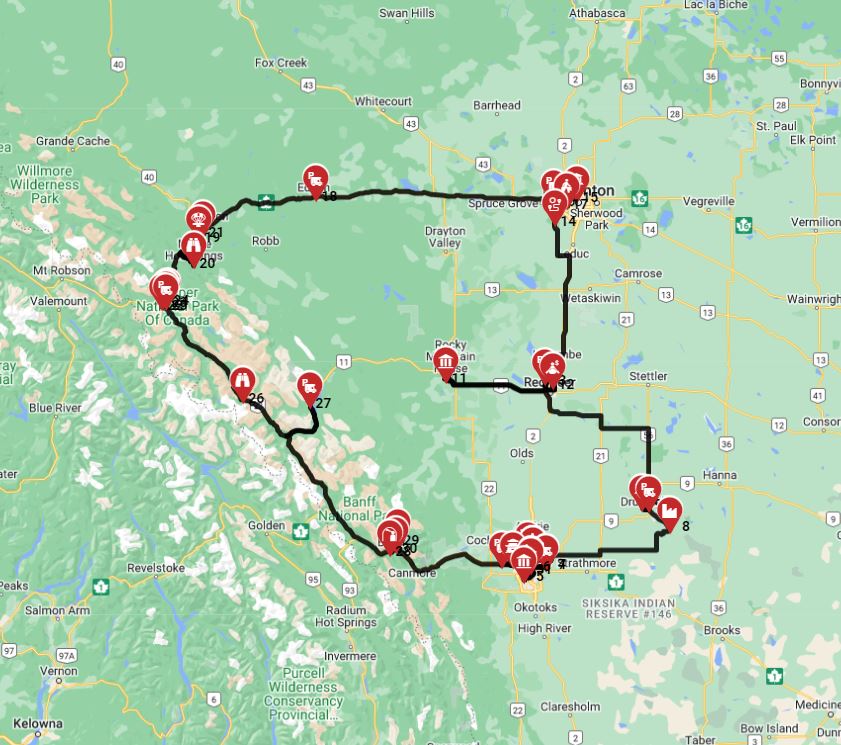
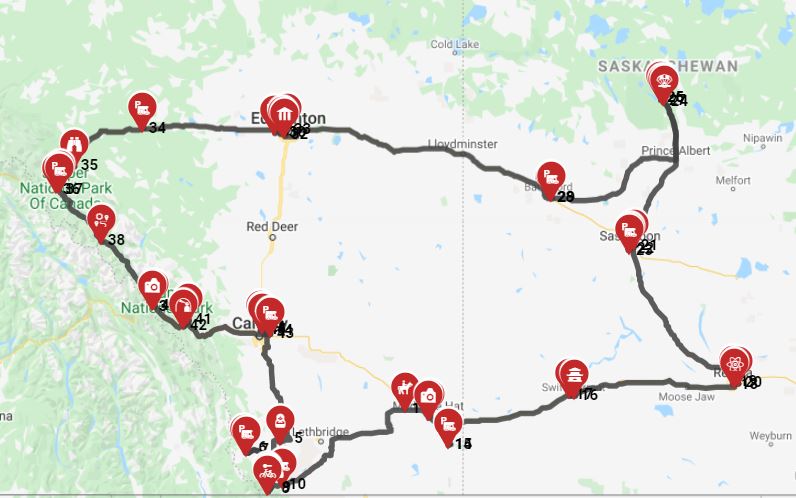
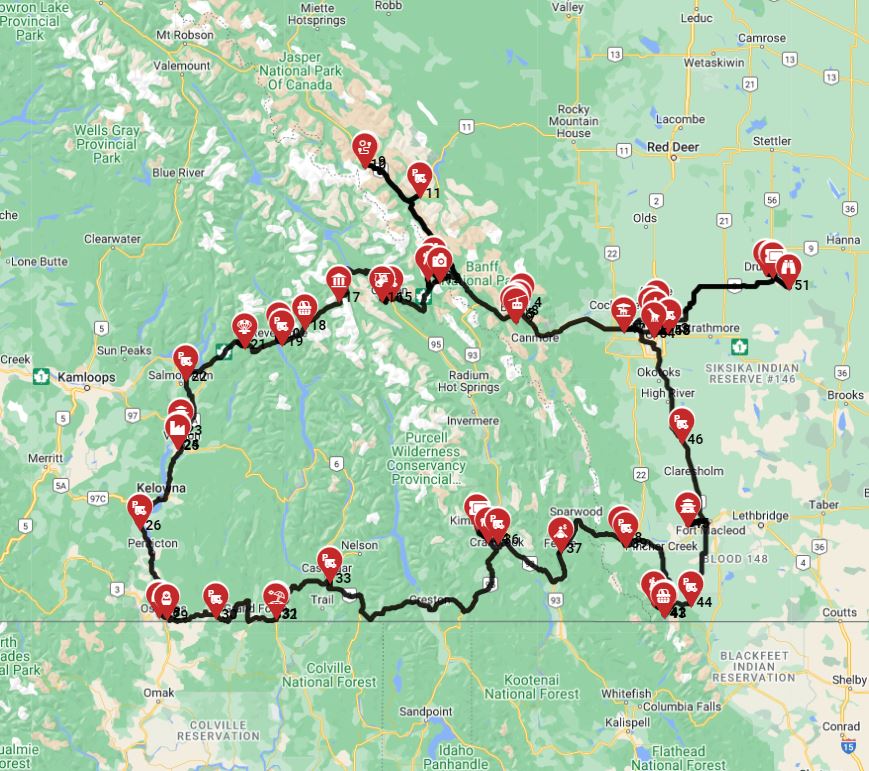
For a truly seamless and stress-free RV adventure in North Canada, Avi Bandana highly recommends exploring RV PLANET's expert-curated itineraries. These tailored route plans simplify your journey, offering pre-vetted routes, suggested stops, and essential tips for navigating the unique challenges of the northern wilderness. Using RV PLANET's intuitive trip-planning software, you can easily customize your route, find suitable campsites, and itemize every expense along the way for easy budgeting, ensuring a smooth and memorable adventure. Plus, when you use rvplan.net to plan your trip, you'll receive a 25% planning discount on your route plan, making your cheap RV rental even more affordable. We pride ourselves on full transparency, so you'll have no hidden fees or surprises throughout your planning and booking process.Must-See Stops Along the Way (Avi Bandana Picks)
North Canada offers a treasure trove of incredible experiences for those traveling by rented RV, combining natural wonders with rich history. Looking for expert insights from Avi Bandana? Top 5 Adventures - recommendations from Avi Bandana:- Kluane National Park and Reserve: A UNESCO World Heritage Site, Kluane offers stunning glacier-capped mountains, vast icefields, and a chance to spot Dall sheep, grizzlies, and caribou. Avi Bandana particularly loves the serene hikes around Kathleen Lake and the panoramic views from Sheep Mountain.
- Dawson City: Step back in time to the Klondike Gold Rush era. Visit the S.S. Keno National Historic Site, stroll the charming boardwalks, and try your luck at Diamond Tooth Gerties casino, Canada's oldest gambling hall. Don't miss the breathtaking panoramic views from Midnight Dome, especially under the midnight sun!
- Dempster Highway: This iconic gravel highway leads towards the Arctic Ocean. While a full round trip to Inuvik or Tuktoyaktuk is a major undertaking, even embarking on a portion offers unparalleled wilderness, unique permafrost landscapes, and a profound sense of remoteness. Avi recommends getting a certificate for crossing the Arctic Circle if your adventure takes you that far.
- Carcross Desert: Near the historic town of Carcross, you'll find North America's smallest desert. This unique geological anomaly, with its sand dunes and surrounding lakes, is definitely worth a quick stop and a photo opportunity.
- Yukon Wildlife Preserve: Just outside Whitehorse, this preserve offers an excellent opportunity to view native northern animals like moose, elk, caribou, and muskox in their natural, spacious habitats, providing an up-close and ethical wildlife experience.
🎬 Video coming soon
Daily Driving Distances & Drive Times in North Canada
To truly savor the remote beauty and account for the unique road conditions of North Canada, Avi Bandana consistently recommends a maximum of 100 miles or 150 km per day on average for RVing. This slower pace is crucial due to extensive gravel sections, unexpected frost heaves from permafrost, and the constant possibility of wildlife on the road. Prioritizing a leisurely pace also helps manage fuel consumption and prevents driver fatigue, which is vital given the vast distances between services like fuel stations.For example, driving from Whitehorse to Haines Junction, a distance of 150 km (93 miles), typically takes around 2 hours, allowing ample time for scenic stops and short hikes. A longer journey like Dawson City to Eagle Plains on the Dempster Highway (365 km / 227 miles) is considered a full day's drive, potentially 5-7 hours due to unpaved roads and the need for frequent breaks and wildlife spotting. This conservative approach is essential for a safe and enjoyable adventure. For specific considerations about driving in colder months, refer to our Winter RV Driving in North Canada - Safety Guide 2026 to ensure you are well-prepared for any conditions.
Best RV Class for This Itinerary - Couple & Family Picks
Choosing the right rented RV is crucial for a comfortable and safe journey through North Canada's unique terrain.For a couple seeking adventure, Avi Bandana highly recommends a **Class B - Camper Van** such as a "Category Van" or "Active Bunk Auto". These nimble units, with Bandana's global fleet typically averaging 5.8 meters in length and designed to sleep 3.2 people (ideal for 2 adults), offer superior maneuverability on winding northern roads and extensive gravel sections. Their smaller size also contributes to better fuel efficiency (around 10 Liters/100 km) and easier parking in remote spots, making them perfect for agile exploration and boondocking. You can find detailed pricing comparisons for smaller rentals in our RV Rental in North Canada for Couples - Pricing 2026 guide.
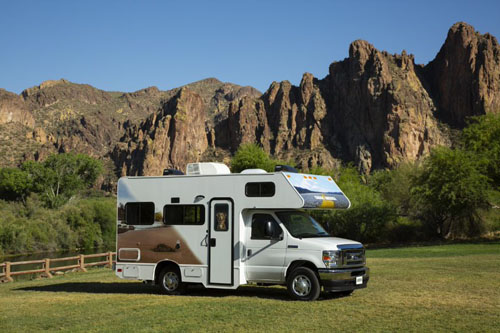
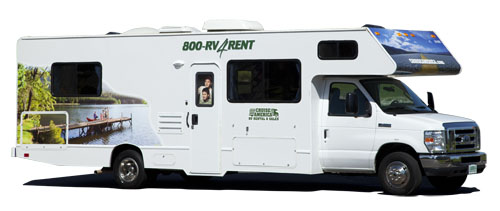
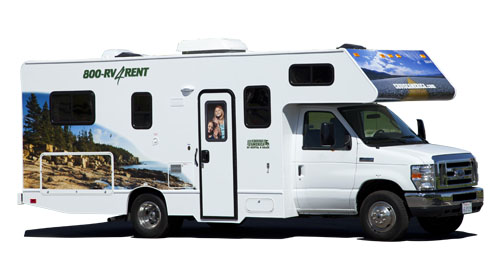
For a family exploring North Canada, Avi Bandana suggests a **Class C - Alcove RV**, like the "24' Class C Motorhome" or "Category Family 5". With Bandana's global fleet averaging 7.5 meters in length and accommodating 5.8 sleeping places (ideal for 4 adults), Class C motorhomes provide ample living and sleeping space. This extra room is invaluable on longer trips in remote areas, offering comfort and storage for supplies, while still being manageable on North American roads. Fuel consumption typically ranges from 10-12 Liters/100 km. You can compare family-friendly options and costs with our Family RV Rental in North Canada - Pricing Guide 2026. Whichever you choose, you can upgrade to a top-level deductible for extra peace of mind, ensuring a worry-free journey.
To remove the planning headache entirely, consider RV PLANET's 'Rent & Plan' service. This unique offering combines your RV rental with a ready-made itinerary, expertly crafted by travel specialists. You gain full access to intuitive trip-planning software, ensuring a seamless and worry-free North Canada adventure, perfectly tailored to your chosen RV class and travel style.
What is the 3-3-3 rule for RV travel?
The 3-3-3 rule for RV travel recommends driving no more than 300 miles (approximately 480 km) in a day, arriving at your destination by 3 PM, and staying for at least 3 nights to ensure a relaxed and safe journey. This guideline is particularly pertinent for RV trips in North Canada, where long stretches between services, variable road conditions (including gravel and frost heaves), and abundant wildlife necessitate a slower, more deliberate pace, often making even 300 miles an ambitious daily target. Adhering to this rule helps prevent driver fatigue, allows ample time for setting up camp before dusk, and provides opportunities to truly immerse oneself in the remote northern landscape and its unique experiences, crucial for a fulfilling North Canada adventure.What is the 4-4-4 rule for RV travel?
The 4-4-4 rule is a variation of RV travel advice, suggesting traveling no more than 400 kilometers (approximately 250 miles) per day, stopping by 4 PM, and staying for a minimum of 4 nights at each location. For Northern Canada's unique challenges, including extensive gravel roads, permafrost issues, and limited fuel availability, even this rule might be too aggressive for maximum enjoyment and safety. Avi Bandana often suggests a more conservative pace for the North, focusing on 100-150 km (60-90 miles) per day, arriving much earlier than 4 PM, and extending stays to truly experience the remote landscape, manage potential mechanical issues, and enhance wildlife safety protocols.Is it cheaper to RV or stay in hotels?
RV travel can indeed be cheaper than staying in hotels, particularly for families or longer trips, as it consolidates accommodation and transportation costs while enabling significant savings through self-catering and potentially free camping. However, in North Canada, the cost equation shifts due to significantly higher fuel prices stemming from remote supply chains, increased rental costs for specialized cold-weather RVs, and potentially fewer readily available free camping options near popular routes compared to more developed regions. Realistic cost breakdowns for northern RV travel must account for these elevated expenses, emphasizing that while initial rental and fuel are higher, the ability to cook your own meals, such as with these RV-friendly recipes playlist, and find boondocking spots on Crown land can still lead to overall savings compared to daily hotel stays and restaurant dining. Remember, on RV PLANET routes, travelers can itemize and track every expense along the way for easy budgeting.What is the 3-3-3 rule for RVs?
The 3-3-3 rule for RVs advises limiting daily drives to 300 miles (about 480 km), settling into camp by 3 PM, and staying at least 3 nights at each location to promote a relaxed and safer travel experience, minimizing driving fatigue and maximizing exploration time. When applied to North Canada, Avi Bandana finds that travelers often benefit from an even more conservative approach, such as a '3-2-3' or '2-2-3' rule (reducing daily mileage to 200 miles / 320 km and aiming for a 2 PM arrival), due to the vast distances between services, unpaved road sections, and the importance of securing remote camping spots early. This adjusted rule helps account for unique northern road conditions, the need for increased vigilance for wildlife, and allows ample daylight for crucial preparations like checking tire pressure, topping up water, and ensuring satellite communication devices are ready for use in areas with no cell service.Where can I park my RV for free in Canada?
In Canada, RVers can often find free parking in designated rest areas, some less developed provincial parks, retail parking lots (like Walmart, with prior permission), and extensively through dispersed camping (boondocking) on Crown land, which is particularly abundant in remote northern regions like Yukon and the Northwest Territories. For Northern environments, specific advice on boondocking involves identifying suitable spots using apps like iOverlander, adhering strictly to Leave No Trace principles, and prioritizing safety considerations, including awareness of large northern animals (bears, muskox, caribou) and ensuring adequate provisions for remoteness. Always confirm local regulations, especially when traveling through Indigenous territories or protected areas where permits or specific protocols might apply, and ensure you have reliable emergency communication methods given the widespread lack of cell service in the North.What is the 4 4 4 rule for RV?
The 4-4-4 rule for RV travel suggests driving no more than 400 kilometers (250 miles) daily, stopping to set up camp by 4 PM, and spending a minimum of four nights in each spot to fully experience the area and avoid travel fatigue. Given the challenging and often remote nature of northern roads in North Canada, Avi Bandana strongly suggests an even more conservative approach, perhaps aiming for 150-250 km (90-150 miles) daily and arriving well before 4 PM. This modified pace allows for careful navigation of gravel roads and frost heaves, increased time for wildlife spotting, and ample opportunity to scout and secure prime wilderness camping spots before dusk, critical for safety and enjoyment in these vast landscapes.What is the best RV route planner in Canada?
The best RV route planners for Canada include specialized apps like RV Trip Wizard for detailed trip building, iOverlander for finding dispersed camping and services, and Google Maps (especially with downloaded offline maps) for navigation. These are often supplemented by official provincial tourism guides for real-time road conditions. For remote northern RV travel, integrating comprehensive fuel availability and planning into your route is paramount, as services can be hundreds of kilometers apart; apps with offline capabilities and physical maps are essential where cell service is non-existent. Additionally, platforms like RV PLANET offer pre-curated itineraries by travel experts, providing ready-made routes that consider specific vehicle requirements, road conditions unique to the North (like gravel sections and permafrost issues), and essential logistics, simplifying complex northern planning. You can also gain valuable insights from an RV Travel Guide to North Canada - Tips and Top Spots 2026.What are the best places to visit in Northern Canada?
The best places to visit in Northern Canada for RVers typically include the Yukon's Kluane National Park and Reserve (for stunning mountains, glaciers, and wildlife), Dawson City (rich in Klondike Gold Rush history), and the Dempster Highway (offering access to the Arctic Ocean in Yukon and NWT). These unique destinations offer experiences like viewing the midnight sun, witnessing the Northern Lights (in shoulder seasons), encountering large northern animals, and engaging with vibrant Indigenous cultures. Unlike more southern regions of Canada, these specific destinations require detailed logistics and preparation, including understanding local permits or cultural sensitivities, planning for limited services, and preparing for road conditions like extensive gravel and permafrost issues. For those considering a more upscale experience, our Luxury RV Rental in North Canada - Premium Prices 2026 guide offers suitable options for exploring these pristine areas.What is the most scenic drive across Canada?
While the Icefields Parkway in Alberta is often lauded as Canada's most iconic scenic drive, for truly unique northern wilderness and adventure, the Dempster Highway (Yukon/NWT) and the Alaska Highway (stretching through BC and Yukon) offer unparalleled remote beauty, wildlife viewing, and vast landscapes defining North Canada. These northern routes present distinct challenges and rewards, including extensive gravel sections, permafrost issues causing frost heaves, seasonal closures, and potential ferry crossings, which all contribute to an adventurous and memorable journey. Driving these routes demands specific vehicle preparation (e.g., appropriate tires), careful fuel planning due to sparse services, and an appreciation for the raw, untamed nature of the Canadian North, far removed from urban centers. Remember to drive slowly and carefully, and you can drive almost anywhere without issues. No need to stress - just use common sense and pay attention.What are some good one-day trips in Canada?
While Northern Canada is generally best experienced over extended road trips due to its vastness and remote nature, good one-day RV trips can be found radiating from hubs like Whitehorse, Yukon, offering a taste of the northern landscape within a manageable distance. Examples include a day trip loop to Kluane National Park's Visitor Centre in Haines Junction (approximately 150 km one-way) for day hikes and scenic viewpoints, or exploring the historic Carcross Desert and Emerald Lake (south of Whitehorse, approximately 70 km one-way). It's crucial to remember that what constitutes a 'one-day trip' in the North might involve longer driving times than expected due to varying road conditions, and true immersion in the region's unique experiences, wildlife, and Indigenous cultures typically requires a longer duration.What You Shouldn't Miss
- Flightseeing Tour over Kluane: Witness the scale of the world's largest non-polar icefields and Mount Logan, Canada's highest peak, from the air - a truly unforgettable perspective.
- Canoeing the Yukon River: Paddle a section of the historic Yukon River, tracing the paths of gold seekers. Many outfitters in Whitehorse offer guided or self-guided options.
- Visiting Indigenous Cultural Centers: Immerse yourself in the rich history and vibrant cultures of the First Nations people of the North. The Kwanlin Dün Cultural Centre in Whitehorse and the Da Ku Cultural Centre in Haines Junction are excellent starting points.
- Northern Lights Viewing: If you're traveling in the shoulder seasons (late August/early September), plan for clear nights away from city lights to witness the spectacular Aurora Borealis dancing across the sky.
- Gold Panning in Dawson City: Try your hand at panning for gold in the creeks around Dawson City, keeping the spirit of the Klondike Gold Rush alive. Some local operations offer guided experiences.
Looking for expert insights from Avi Bandana? Top 5 Adventures - recommendations from Avi Bandana
Final Thoughts
Exploring North Canada by rented RV is more than just a trip; it's an immersive experience into vast, untamed wilderness and rich cultural heritage. By planning carefully and embracing the spirit of slow travel - averaging 100-150 km per day - you'll discover hidden gems and create memories that last a lifetime. Whether you opt for a compact campervan for agile exploration or a spacious Class C motorhome for family comfort, Bandana Caravan is here to ensure your journey is seamless and transparent.We understand the unique challenges of northern travel, and our expert insights and 24/7 pre-booking support are designed to give you complete confidence. Let us help you craft your perfect budget RV itinerary in North Canada, where every mile brings a new wonder.
Get inspired for your next trip! Discover top destinations, planning tips, all in one place!
Check North Canada RV Rental Deals NowOn the routes offered through RV PLANET routes, you can itemize and track every expense along the way for easy budgeting.