In This Guide
- Can You Drive an RV in Ireland? License & Age Rules
- Road Conditions & Terrain in Ireland
- RV Size Limits, Bridges & Restricted Zones
- Fuel: Diesel vs. Petrol & Cost per 100 km
- Tolls, Vignettes & Border Rules
- Driving Tips for cheap rv rental Travelers
- Recommended RV Class for Ireland Roads
- Should I Choose a Compact Van Instead of a Large RV in Ireland?
- Can I Park Anywhere? Free & Wild Camping Rules in Ireland
- Can I Drive an RV Into the City Center? Heights, Tunnels & Local Signage
- What are the specific challenges of driving an RV in Ireland?
- What are the hidden costs of an RV rental in Ireland?
- How can I find authentic local experiences with an RV in Ireland?
- How can I stay connected in rural Ireland with an RV?
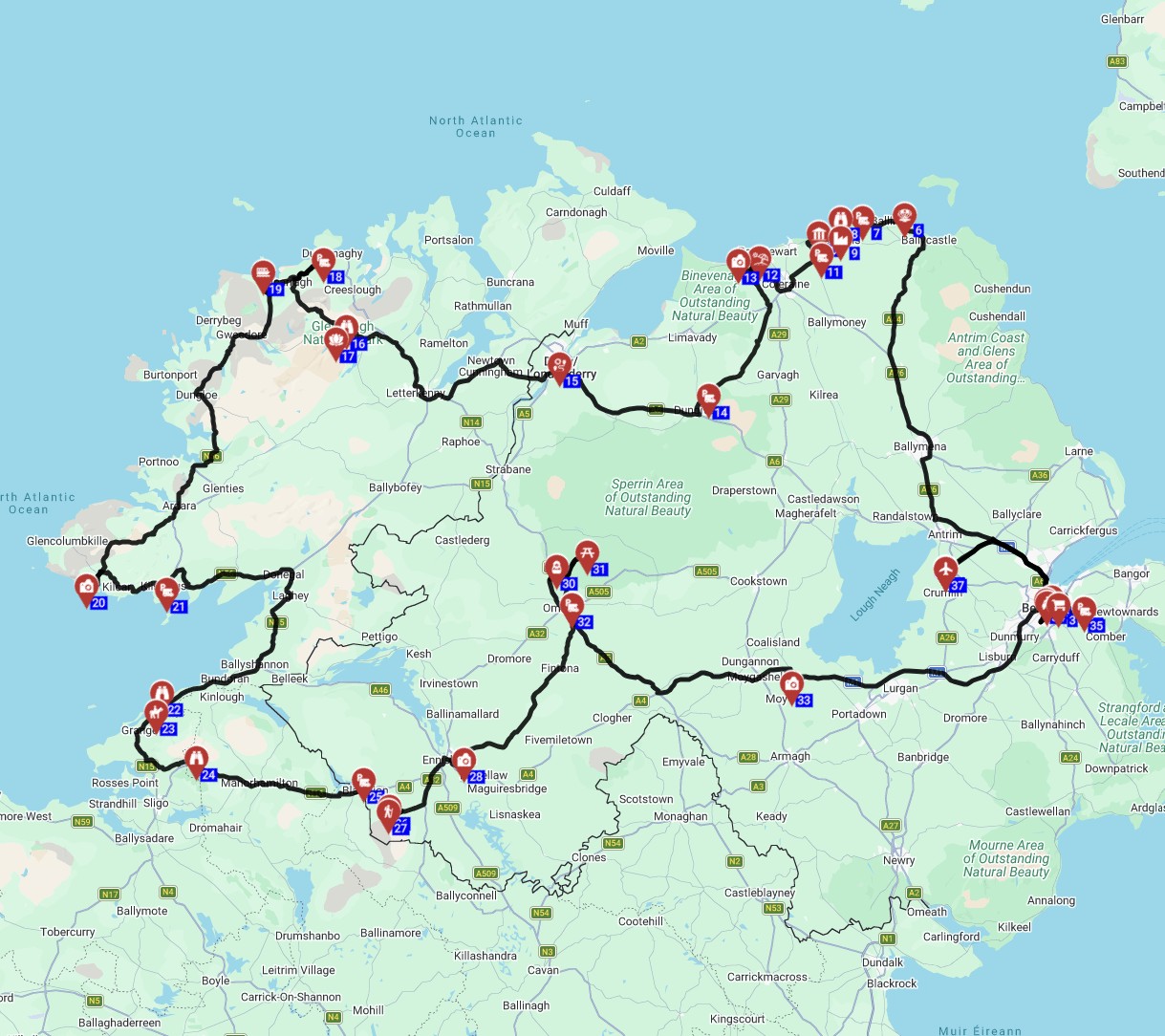
- What are some off-the-beaten-path RV itineraries in Ireland?
- Can I travel with pets in an RV in Ireland?
- How can I practice responsible RV tourism in Ireland?
Imagine yourself winding through the emerald landscapes of Ireland, with every turn revealing ancient castles, dramatic coastlines, and charming villages. A rented RV offers the ultimate freedom to explore this incredible country at your own pace, creating unforgettable memories without the rush of fixed itineraries. At Bandana RV, we believe that discovering the magic of Ireland in a comfortable motorhome or campervan should be accessible and stress-free. From understanding local driving nuances to uncovering the best routes, we're here to share our expertise, ensuring your budget RV driving in Ireland - save on fuel 2026 adventure is nothing short of spectacular.
For live availability and current prices, start with our RV Rental Ireland - Complete Guide 2026 guide.
Can You Drive an RV in Ireland? License & Age Rules
Yes, you can absolutely drive a rented RV in Ireland, and a standard Category B driving license typically allows you to operate an RV up to 3,500 kg Maximum Authorised Mass (MAM). This covers most campervans and smaller Class C motorhomes, making RV travel straightforward for many visitors. For those considering larger RVs exceeding 3,500 kg MAM, a Category C1 license is generally required. Most RV rental companies in Ireland stipulate a minimum driver age of 21 years old, regardless of the legal licensing age, and notably, there are no young driver surcharges or vehicle class restrictions based on age with Bandana's partners. Foreign drivers must possess a valid driver's license from their home country and, while not strictly mandatory in all cases, an International Driving Permit (IDP) is highly recommended for visitors from non-English-speaking countries to assist with language barriers if stopped by authorities.
Navigating the various licensing requirements can seem daunting, but it's often simpler than anticipated. Our true RV specialists have helped tens of thousands of travelers since 2001, making sure they understand all the local rules and feel confident before hitting the road. We provide transparent information, so there are no hidden fees or surprises when it comes to licensing or age restrictions. We’re committed to supporting travelers before, during, and after their booking, ensuring every detail is clear for your Irish adventure.
Road Conditions & Terrain in Ireland
Ireland's road network varies significantly, from well-maintained motorways (M-roads) connecting major cities to an extensive network of narrow, winding regional (R-roads) and local (L-roads) routes that crisscross the countryside. The terrain spans flat farmlands, rolling hills, rugged coastal paths along the Wild Atlantic Way, and mountainous regions, especially in the west. Driving a rented RV in Ireland truly encourages a slower, more scenic pace, allowing travelers to fully appreciate the dramatic landscapes and vibrant local culture. You'll want to average no more than 100-150 km per day to truly immerse yourself.
On rural roads, especially those charmingly known as 'boreens,' you'll often encounter 'passing places' (lay-bys) on single-track sections. Drivers of larger RVs must be vigilant and prepared to pull over courteously to allow oncoming traffic to pass. This is a common and expected part of driving in rural Ireland, emphasizing common sense and attentiveness over speed. The roads may be narrower than what some drivers are used to, but with a cautious approach, they present no major issues for any RV size. Embrace the slower pace, it's all part of the authentic Irish experience.
RV Size Limits, Bridges & Restricted Zones
RV drivers in Ireland must be mindful of height, width, and weight restrictions, particularly when navigating historic towns, quaint villages, and older road infrastructure. Low bridges and narrow archways are common in older areas and on some regional roads; always pay close attention to posted height limits to avoid costly mishaps. Certain city centers or environmentally sensitive areas, such as some national parks, may have restrictions on vehicle size or require specific permits for larger RVs. Always observe local signage for specific limits and environmental zones to prevent fines or challenging maneuvers, but remember, you can drive almost anywhere without issues if you proceed slowly and carefully.
For example, exploring the narrow streets of a historic town like Kilkenny or Galway with a larger motorhome will require patience and careful planning. You might consider parking your rented RV on the outskirts and using public transport or cycling into the center. While large Class A motorhomes might feel more expansive, even a substantial Class C motorhome like the "MHC30" with 9 sleeping places and 9 seatbelts, or the "C-30" which is 9.1 meters long, can be managed with care. The key is to be prepared and aware of your vehicle's dimensions. Our full transparency means we provide all the details you need to make an informed choice, ensuring no surprises when you arrive.
Fuel: Diesel vs. Petrol & Cost per 100 km
The vast majority of rented RVs available for hire in Ireland, including Bandana's diverse fleet, operate on diesel fuel, making it the primary consideration for your budget. Diesel is widely available at service stations across Ireland and is generally comparable in price to petrol, sometimes even slightly cheaper. To budget effectively for your cheap RV rental trip, it's crucial to calculate approximate fuel costs based on your chosen RV's consumption and your planned mileage. For instance, a compact Class B campervan like the "V3" typically consumes 11-13 Liters/100 km, while a larger Class C Alcove RV might use 10-12 Liters/100 km. Some rental providers may offer fuel discount cards, which can lead to additional savings. On the routes offered through RV PLANET routes, you can itemize and track every expense along the way for easy budgeting.
Understanding these fuel efficiencies is key to managing your trip expenses. When planning your route, factor in regular fuel stops, especially if venturing into more remote areas where stations might be less frequent. Our Rent&Plan service can provide pre-planned routes that consider fuel stops and budget considerations, helping you save. Remember that prices are dynamic, fluctuating daily based on availability and supplier decisions, so while you can estimate, the final price is set at the actual booking time. For managing all your ancillary trip costs beyond the RV rental itself, such as fuel, campground fees, and groceries, you can itemize and track every expense along the way with RV PLANET routes for easy budgeting.
Tolls, Vignettes & Border Rules
Ireland operates a system of toll roads, predominantly on its motorways, but unlike some other European countries, it does not use vignettes. Tolls can typically be paid at manned booths with cash or card, through electronic tags, or online for specific roads such as the M50 motorway around Dublin. For the M50, it is critical to pay the toll online before 8 PM on the day following your journey to avoid significant late payment penalties, which can be upwards of €60. Our commitment to full transparency means we'll always inform you about potential toll charges so there are no hidden fees or surprises.
When planning your route, be aware that many major routes, especially those connecting cities like Dublin, Cork, and Limerick, include toll sections. You can research these in advance on websites like EFlow.ie. As an island nation, border rules primarily concern ferry crossings if you plan to extend your adventure to Great Britain or continental Europe, which will require valid passports and all necessary vehicle documentation. Our true RV specialists can offer advice on planning longer routes that might involve cross-border travel within Europe; for broader travel, consider our RV Rental Europe - Complete Guide 2026 to prepare.
Driving Tips for cheap rv rental Travelers
When driving a rented RV in Ireland, always remember to drive on the left-hand side of the road, and roundabouts are taken clockwise. Factor in extra travel time, especially on scenic routes like parts of the Wild Atlantic Way, as average speeds will naturally be lower than on motorways, often around 50-80 km/h on rural roads. Actively use passing places (boreen lay-bys) on single-track roads to facilitate oncoming traffic and maintain local courtesy; this is a hallmark of Irish country driving. Drive slowly and carefully, and you can drive almost anywhere without issues. No need to stress - just use common sense and pay attention.
Planning your parking ahead is also essential, particularly in popular towns and tourist sites, as suitable spaces for larger RVs can be scarce and may incur fees. Many towns offer dedicated RV parking, but always check local signage. For budget-conscious travelers, considering pre-purchasing or managing toll payments promptly can prevent unexpected fines. Remember to travel slowly, averaging no more than 100-150 km per day, to truly feel the place, connect to the culture, the delicious food, and the stunning scenery.
Recommended RV Class for Ireland Roads
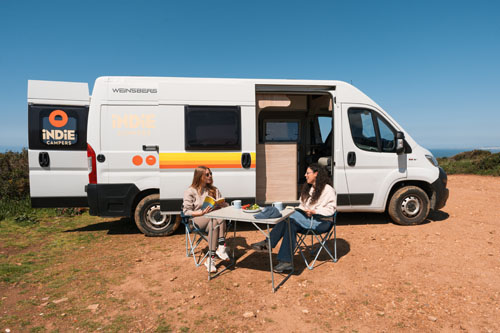
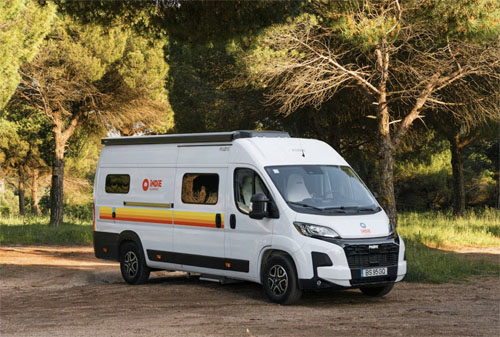
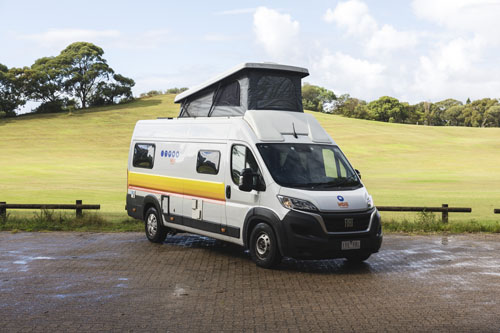
For optimal navigation of Ireland's diverse road network, a Class B Camper Van or a Class SI Semi-integrated RV is generally recommended due to their balanced size and maneuverability. Class B Camper Vans, with an average length of 5.8 meters from Bandana's fleet, like the "Active Pop Top" which is 5.99 meters long, offer excellent agility for narrow country lanes and easier parking in towns. These vehicles typically include a shower and toilet, ideal for couples or small families of 2-3 people. Class SI Semi-integrated RVs, averaging 6.9 meters in length, such as the "Euro Quest," strike a good balance between interior comfort and manageable size, making them suitable for families or longer trips with 3-4 people.
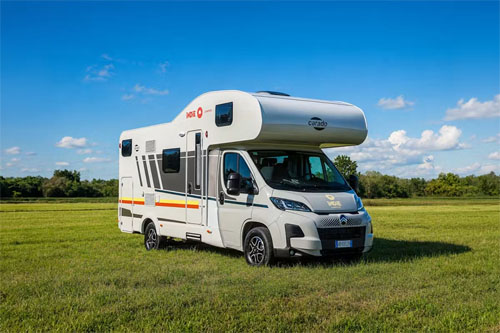
While larger Class C motorhomes, such as the "Glamys 265" which offers berths for multiple people, are perfectly capable on Ireland's main roads, their size may require more caution on very tight rural routes. Ultimately, the best choice depends on your group size and desired level of onboard comfort. For couples, our RV Rental in Ireland for Couples - Pricing 2026 provides tailored options, while our Family RV Rental in Ireland - Pricing Guide 2026 has insights for larger groups. Regardless of your choice, our goal is to help you find the easiest, safest, and most affordable way to rent an RV, comparing final prices across 50+ suppliers.
Should I Choose a Compact Van Instead of a Large RV in Ireland?
While most RV sizes can be driven in Ireland without major issues on primary routes and with careful navigation on secondary ones, a compact campervan like a Class B offers distinct advantages for extremely tight spaces. A compact van genuinely aids maneuverability in very narrow historic town centers, on highly unpaved routes, or on specific mountain passes where space is at a premium. For instance, a "Category Van" or "Active Standard" campervan, often around 5-6 meters long, can feel much more nimble. Conversely, larger Class C motorhomes often provide superior comfort, more indoor living space, and better amenities such as larger refrigerators and separate showers, which many travelers find a worthwhile trade-off for an extended road trip.
The decision balances the desire for ultimate flexibility in restricted areas against the enhanced comfort and convenience of a larger, more spacious vehicle for your journey. If you prioritize parking ease and access to the smallest villages, a compact campervan is excellent. If you're a family of 2+2 or a group of friends wanting a bit more room for cooking delicious meals and relaxing, a medium-sized Class C motorhome like a "Group D" (5.99m long, 5 sleeping places) might be more suitable. We handle the details, so you can focus on living the journey, confident in your vehicle choice.
Can I Park Anywhere? Free & Wild Camping Rules in Ireland
Wild camping for rented RVs in Ireland is generally tolerated in remote, unpopulated areas, but it is not officially legal on private land without explicit permission from the landowner or within designated National Parks. Many public car parks, local pub car parks (with prior permission), and designated overnight spots in villages often welcome RVs for short stays, making a unique cultural immersion possible. Always adhere strictly to 'Leave No Trace' principles, removing all waste, including greywater, and leaving the site as found or better, to maintain the beauty of Ireland's landscapes.
Rules vary by region - it's always best to check local regulations and follow local law before parking overnight. Many communities actively discourage indiscriminate overnight parking to prevent environmental damage and nuisance. Consider utilizing official campsites for guaranteed facilities, security, and legality. These often include waste disposal points, fresh water, and electrical hookups. While Bandana does not help find campsites during your rental, for finding campsites and campgrounds during your trip, we recommend using RV PLANET (rvplan.net) - a great resource for locating available spots along your route and even planning your entire journey.
Can I Drive an RV Into the City Center? Heights, Tunnels & Local Signage
Yes, you can generally drive a rented RV into Irish city centers, though careful observation of local signage and a measured approach are paramount. Pay close attention to posted height and weight restrictions, particularly for multi-story car parks, tunnels, and low bridges prevalent in older city areas like Dublin, Galway, or Cork. Many city centers have limited large vehicle parking, so planning your parking strategy in advance is highly advisable. Drive slowly and carefully, and you can drive almost anywhere without issues. No need to stress - just use common sense and pay attention.
Be aware of specific environmental zones, residents-only parking areas, or bus lanes that may restrict RV access or movement in certain cities. Researching your intended city destinations with an RV-specific GPS or pre-researching parking options online can prevent unexpected difficulties and detours. For instance, Dublin has several park-and-ride options outside the city center that are suitable for larger vehicles, allowing you to easily access the heart of the city via public transport. Our helpful guides, such as Cheap RV Rental in Ireland - Budget Guide 2026, can offer more localized advice.
What are the specific challenges of driving an RV in Ireland?
Navigating Ireland's extremely narrow, winding country roads (often called boreens) with oncoming traffic requires constant vigilance and patience, often with limited shoulders. These picturesque routes, while offering stunning scenery, demand a slower pace and attentive driving. The effective use of 'passing places' is crucial on single-track roads to allow vehicles to pass each other courteously, a skill quickly learned and appreciated by locals. Finding suitable parking in popular historic towns, charming villages, and at major tourist attractions can also be challenging due due to limited space for larger vehicles, necessitating early arrival or parking slightly outside the main areas.
Understanding distinct Irish road signs, including those indicating dead ends, boreens, and specific width or height restrictions, is essential for safe travel and avoiding unexpected detours. Additionally, drivers, especially from right-hand-drive countries, must remember to drive on the left side of the road. While these are considerations, they are manageable with a relaxed, common-sense approach, making for an enjoyable and authentic Irish adventure. Remember, traveling slowly and soaking in the atmosphere is part of the charm of an Irish RV trip.
What are the hidden costs of an RV rental in Ireland?
Beyond the base RV rental fee and fuel, hidden costs of an RV trip in Ireland can include toll roads, which can quickly add up depending on your route and can vary between €1.90 and €10.50 per toll. Camping fees also vary significantly, from potentially free overnight parking spots (with landowner permission, often in pub car parks) to fully equipped commercial campsites charging €20-€50 per night for a pitch with electrical hookups and facilities. You should budget for potential ferry costs if planning to visit islands like the Aran Islands or travel to/from the UK, as well as considering an insurance deductible for unexpected repairs or damages, which you can upgrade to a top-level deductible for extra peace of mind through Bandana.
While self-catering in your rented motorhome's kitchen saves money on dining out, account for grocery costs and occasional treats. Don't forget propane/gas refills for cooking and heating, typically €20-€30 per cylinder. Other potential costs include dump fees at service stations (if not included with your campsite), and occasional parking fees in towns. We ensure full transparency in our pricing, so there are no hidden fees from our end. Our RV Rental in Ireland - Prices and Best Deals 2026 provides more detailed cost breakdowns, and with RV PLANET routes, you can itemize and track every expense for easy budgeting.
How can I find authentic local experiences with an RV in Ireland?
A rented RV provides unparalleled flexibility to attend local festivals, immerse yourself in traditional music sessions ('trad sessions') in smaller, less touristy pubs, and discover vibrant farmers' markets across the country. These spontaneous stops are where the real magic of Ireland often happens. Engage with locals in pubs, shops, and villages; they are often the best source for recommendations on hidden gems, unadvertised events, and the warmest hospitality.
Utilize designated overnight parking opportunities, such as pub car parks (always ask permission first), to immerse yourself directly in local nightlife and culture. This is a fantastic way to meet people and hear incredible stories. Explore less-trafficked towns and coastal villages for unique craft studios, local eateries, and genuine interactions that go beyond typical tourist attractions. Preparing meals in your RV's kitchen using local ingredients from markets also enhances the authentic experience; check out our RV-friendly recipes playlist for inspiration. Remember to travel slowly, max 100-150 km per day, to truly connect with the culture, the food, and the scenery.
How can I stay connected in rural Ireland with an RV?
Purchasing a local Irish SIM card from providers like Vodafone, Three, or Eir upon arrival is often the most reliable way to ensure mobile data coverage in rural areas throughout Ireland. These prepaid SIMs can offer generous data allowances for reasonable prices, typically starting from €10-€20 for a month's validity. Consider using a portable mobile WiFi hotspot, especially if you need consistent internet access for multiple devices, though it still relies on the strength of the underlying mobile signal, which can vary. While some rental RVs may offer integrated Wi-Fi as an add-on, using your smartphone as a hotspot is a viable alternative where a strong mobile signal is available.
Be prepared for intermittent or no signal in very remote, mountainous, or deeply coastal regions, and plan for potential offline periods. Downloading offline maps (like Google Maps or Maps.me) for your planned routes is a smart strategy to avoid navigation issues. You can also research apps that identify Wi-Fi hotspots in towns and villages. For budgeting tips for your connectivity costs, check our Cheap RV Rental in Ireland - Budget Guide 2026.
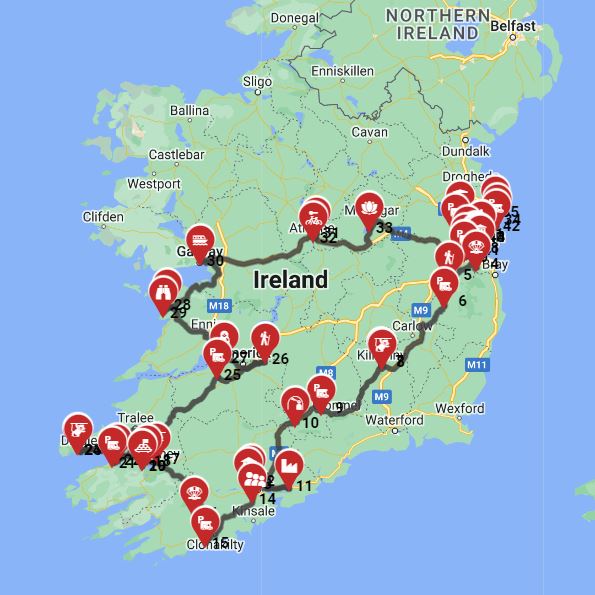
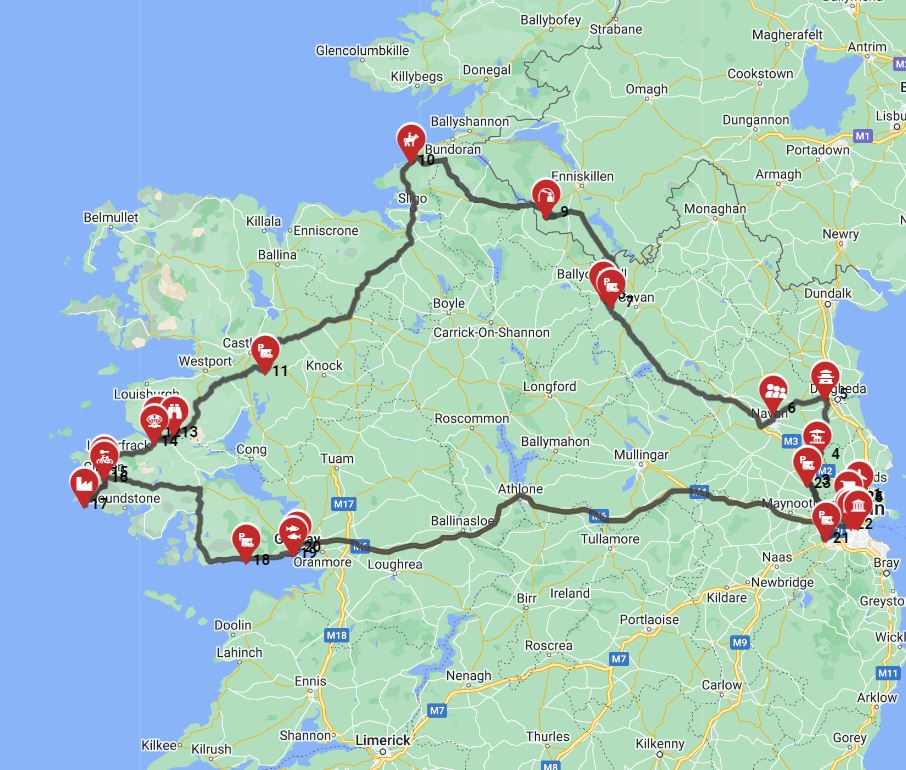
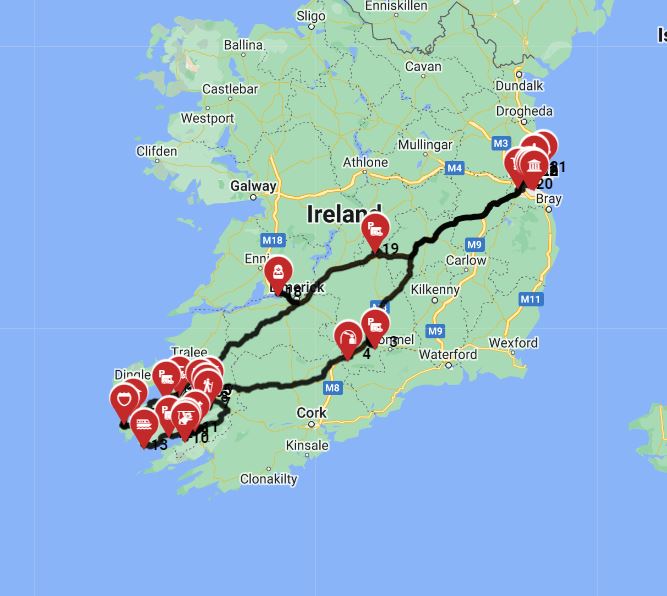
What are some off-the-beaten-path RV itineraries in Ireland?
An RV opens up a world of less-traveled paths in Ireland, allowing you to craft unique itineraries beyond the typical tourist circuit. Explore the lesser-known peninsulas along the Wild Atlantic Way, such as Sheep's Head or the Beara Peninsula, for stunning, less crowded coastal drives that are perfect for a rented campervan. You could devise routes focused on ancient historical sites beyond the mainstream, like the megalithic tombs of Sligo or the early Christian monastic settlements in the midlands, using your motorhome as a mobile base.
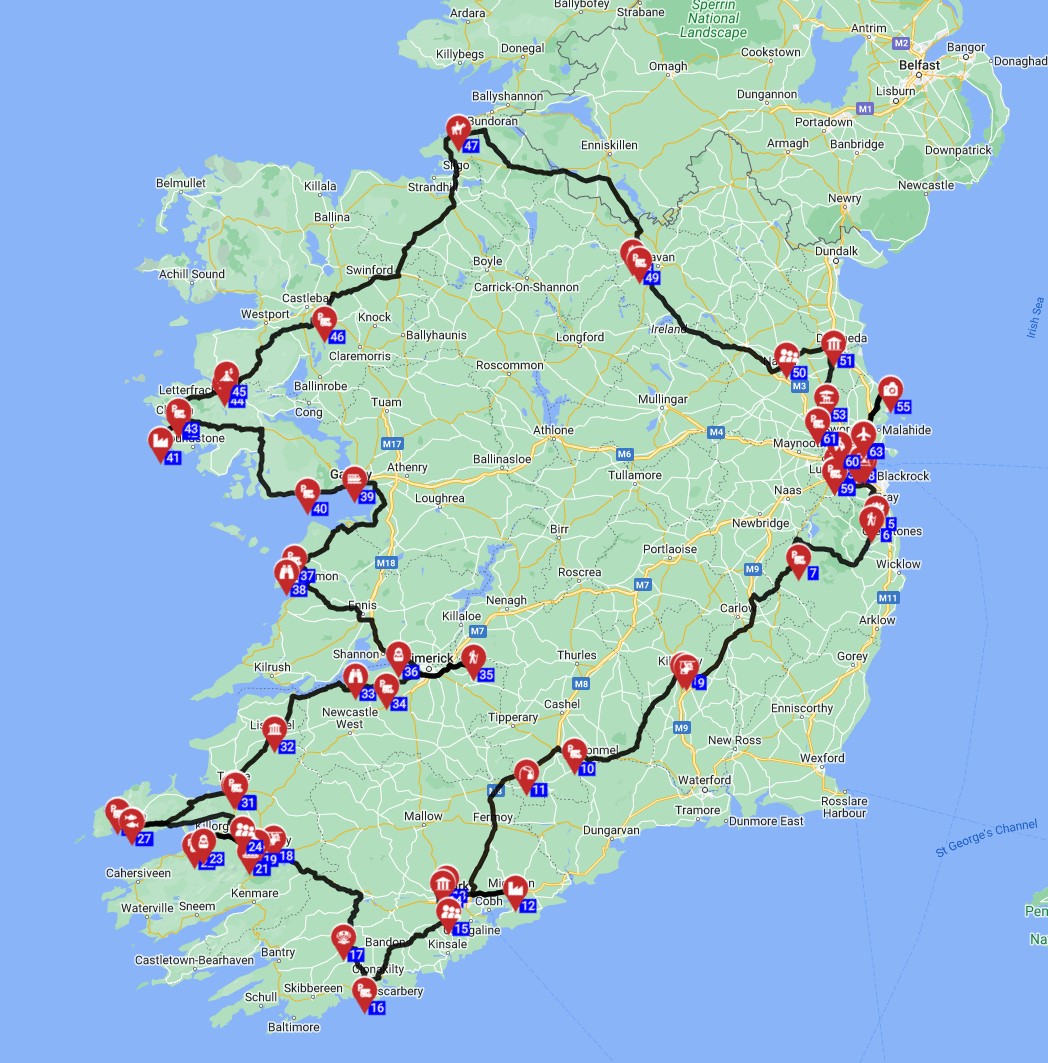
Follow literary trails through Yeats Country in Sligo or discover James Joyce's Dublin, using your RV as a flexible base for exploration before retreating to a tranquil campsite. Discover areas known for unique geology, such as the karst landscape of the Burren in County Clare, or plan a trip around specific foraging or cycling trails in less-visited national parks. With RV PLANET (rvplan.net), you can access 1,300+ pre-planned routes across 5 continents, including Ireland, designed by professionals to inspire your unique adventure. These itineraries focus on slow travel, encouraging you to spend maximum 100-150 km per day, allowing you to connect deeply with each place.
Can I travel with pets in an RV in Ireland?
Many RV rental companies in Ireland offer pet-friendly vehicles, although this often incurs an additional cleaning or pet fee, typically ranging from €50-€150. It’s important to ensure your pet complies with all Irish entry requirements, which generally include microchipping, rabies vaccination, and a valid EU Pet Passport or official health certificate. These regulations are in place to ensure the health and safety of both your pet and local animals, and checking these well in advance of your trip is critical.
Research pet-friendly attractions, pubs, and accommodation options in advance, as rules for pets in public places vary widely across Ireland. Many pubs, especially in rural areas, welcome well-behaved dogs, but always ask first. Always keep your pet on a leash in public areas, clean up after them diligently, and identify local veterinary services along your planned route for any emergencies. Traveling with your furry friend in a rented motorhome can add immense joy to your journey, and with a little planning, it’s entirely feasible.
How can I practice responsible RV tourism in Ireland?
Practicing responsible RV tourism in Ireland involves several key considerations to preserve its natural beauty and respect local communities. Strictly adhere to 'Leave No Trace' principles, ensuring all waste, including greywater, is disposed of correctly at designated facilities and official campsites. Never dump waste illegally, as this can harm sensitive ecosystems and incur heavy fines. Conserve water and energy resources within your rented RV, utilizing eco-friendly campsites when possible, and minimizing generator use in quiet, natural areas to reduce noise pollution.
Support local communities by purchasing groceries from local shops and markets, dining at independent restaurants, and visiting artisan producers; this helps the local economy thrive and provides authentic experiences. Respect local residents and wildlife by parking responsibly, avoiding noise pollution, and staying on designated roads and paths to protect sensitive ecosystems and farmlands. Traveling slowly, enjoying each area for a longer duration, and engaging respectfully with locals will enhance your experience and contribute positively to sustainable tourism in Ireland. Our RV specialists, having traveled across 50+ countries, are dedicated to helping you plan a trip that is both unforgettable and sustainable.
What You Shouldn't Miss
- Drive the Ring of Kerry: This 179 km scenic route in County Kerry offers breathtaking coastal views, charming towns like Kenmare and Sneem, and opportunities for stops at historical sites and craft shops. Allow at least 2-3 days for a relaxed exploration by rented motorhome.
- Explore the Burren: Located in County Clare, this unique karst landscape of limestone pavement is home to rare flora and ancient monuments like the Poulnabrone Dolmen. It’s a striking contrast to Ireland’s usual green, perfect for an afternoon hike from your campervan.
- Visit a Traditional Irish Pub: Seek out a local pub, particularly in a smaller town, for an authentic 'trad session' (traditional music session). Many pubs welcome RVs to park overnight if you patronize them, offering a fantastic cultural immersion.
- Cliffs of Moher at Sunset: Experience the dramatic 214-meter-high cliffs in County Clare, stretching for 8 kilometers. Visit during the late afternoon or sunset to avoid crowds and witness truly spectacular views from your rented RV.
- Discover Ancient History at Newgrange: Located in County Meath, this 5,200-year-old passage tomb is older than Stonehenge and the Egyptian pyramids. It’s an incredible insight into Ireland's ancient past, easily accessible from a motorhome.
- Looking for expert insights from Avi Bandana? Top 5 Adventures - recommendations from Avi Bandana
Final Thoughts
Embarking on a cheap RV rental adventure in Ireland is a truly transformative way to experience the Emerald Isle. With a rented motorhome or campervan, you have the flexibility to chase the sunshine, discover hidden gems, and immerse yourself in the rich tapestry of Irish culture at your own leisurely pace. Forget the stress of tight schedules and expensive hotels; your mobile home is your ticket to freedom and authentic experiences.
From navigating winding country roads with common sense and attentiveness to embracing the local traditions, we're here to support you every step of the way. Our commitment to full transparency and unparalleled expertise ensures that your Irish road trip is exactly what you dreamed of: affordable, joyful, and utterly unforgettable. So, pack your bags, prepare for adventure, and let the open roads of Ireland call to you.
Compare Motorhome Prices for Ireland and start planning your journey today!