In This Guide
- Can You Drive an RV in California? License & Age Rules
- Road Conditions & Terrain in California
- RV Size Limits, Bridges & Restricted Zones
- Fuel: Diesel vs. Petrol & Cost per 100 km
- Tolls, Vignettes & Border Rules
- Driving Tips for RV Rental Travelers
- Recommended RV Class for California Roads
- Should I Choose a Compact Van Instead of a Large RV in California?
- Can I Park Anywhere? Free & Wild Camping Rules in California
- Can I Drive an RV Into the City Center? Heights, Tunnels & Local Signage
- What is the best time of year to RV in California?
- Where can you go RVing in California?
- What are the rules for RV camping in California?
- Can you boondock in California with an RV?
- Is it worth it to rent an RV in California?
- How much does it cost to rent an RV in California?
- What is the cheapest way to RV in California?
- How much does it cost to rent an RV for a month in California?
- Do you need a special license to drive an RV in California?
- What You Shouldn't Miss
- Why Book with Bandana Caravan
- Final Thoughts
- Frequently Asked Questions
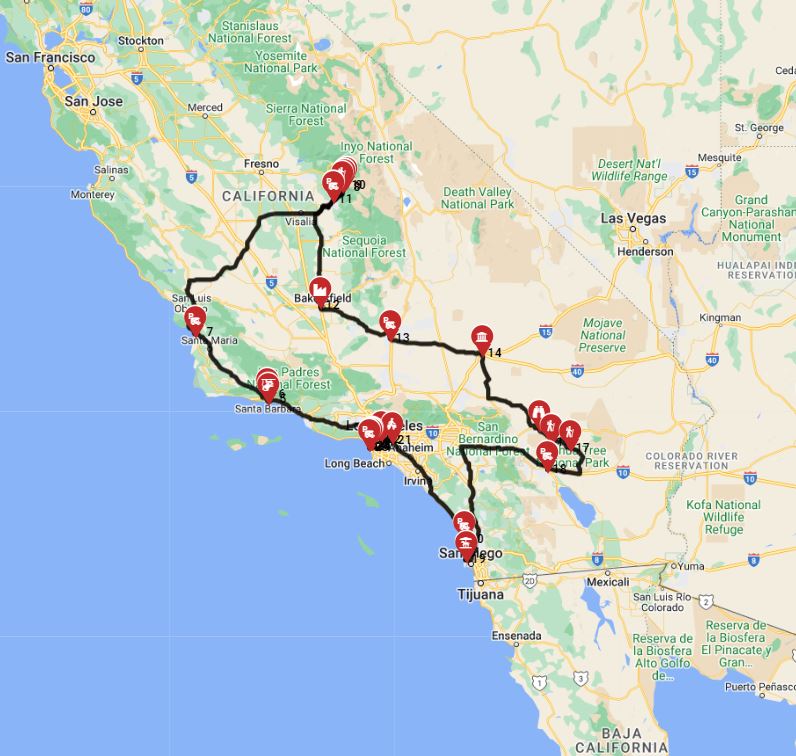
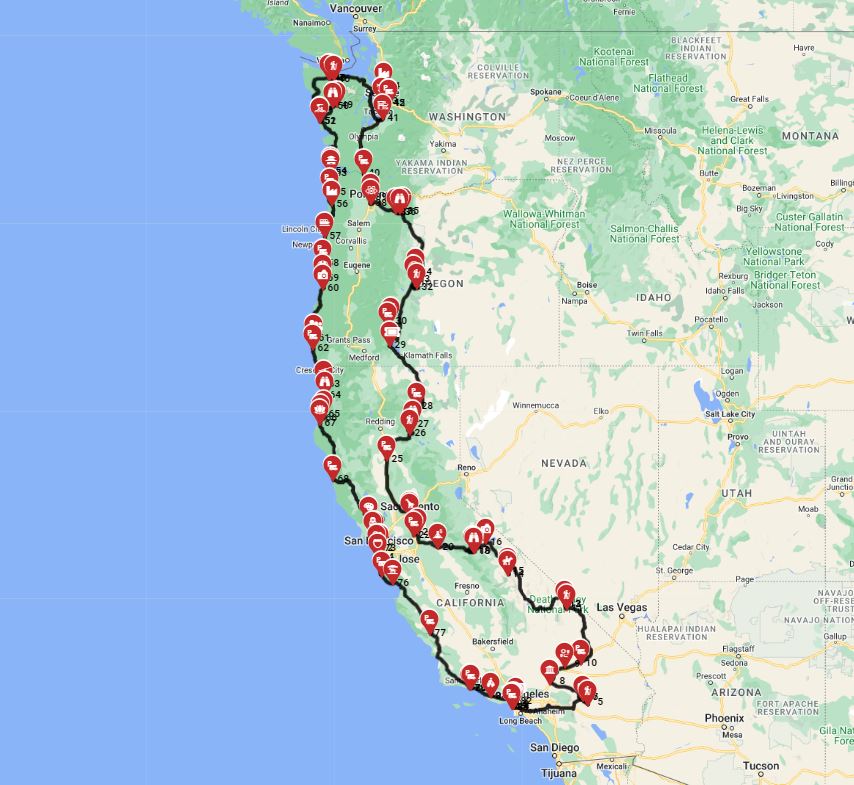
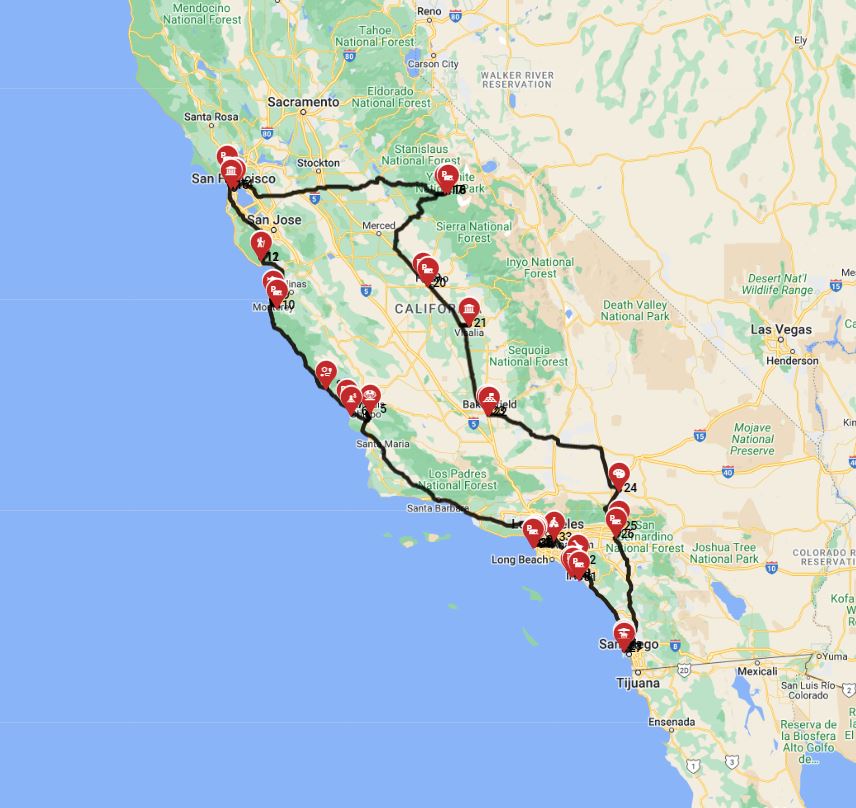
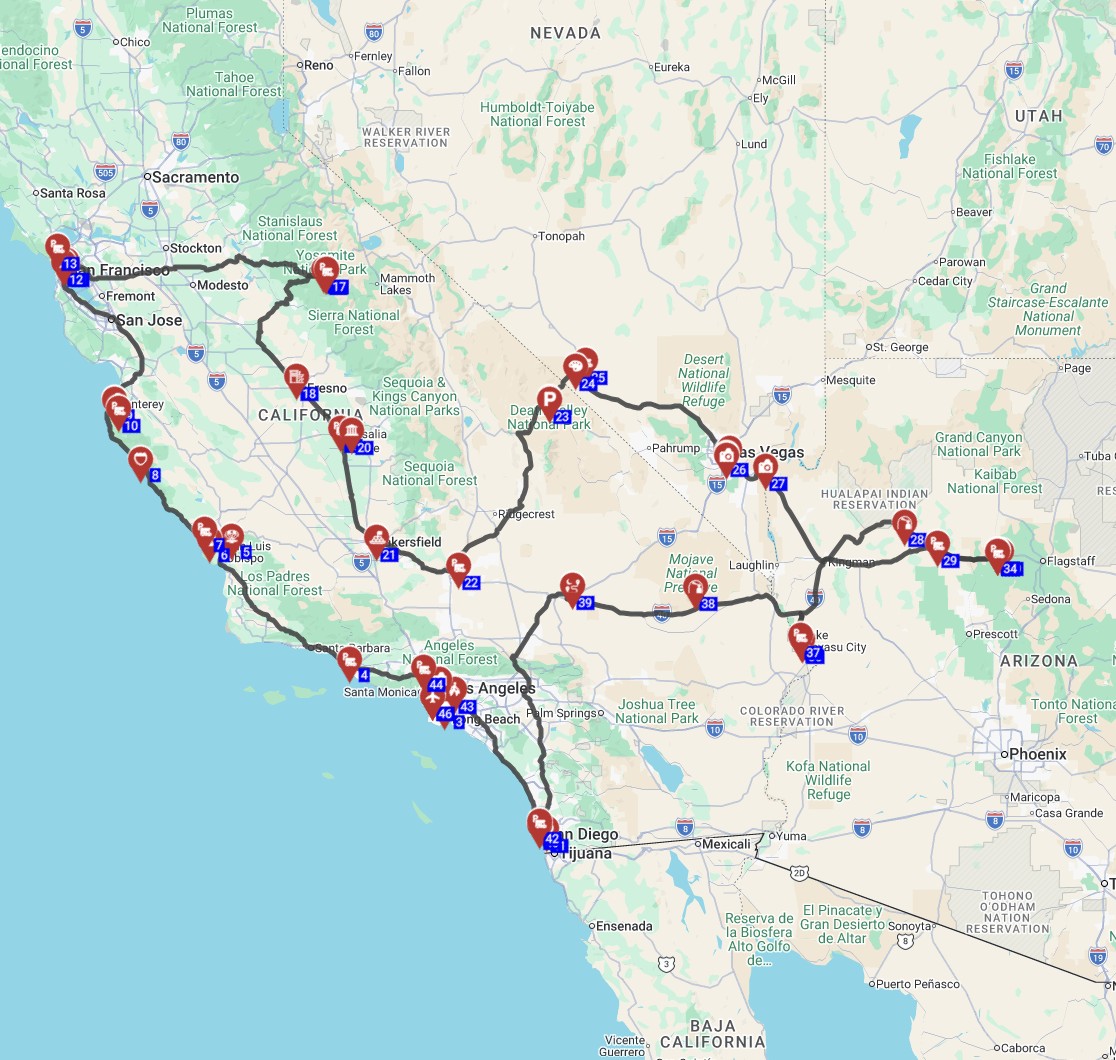
Embarking on a rented RV adventure in California promises an unforgettable journey through diverse landscapes, from sun-drenched beaches to majestic mountain ranges and bustling cities. This guide is your ultimate resource for navigating the Golden State by motorhome, focusing on budget-friendly driving and maximizing your fuel efficiency. For live availability and current prices, start with our RV Rental California - Complete Guide 2026 guide, where you'll find comprehensive information to plan your perfect trip.
Can You Drive an RV in California? License & Age Rules
Most standard rented RVs in California, including popular Class B campervans and Class C motorhomes (typically under 26,000 lbs Gross Vehicle Weight Rating or GVWR), can be driven with a regular Class C driver's license. Drivers must generally be at least 21 years old to rent an RV, and Bandana RV proudly maintains this minimum age requirement across its fleet without additional young driver surcharges or vehicle class restrictions. Foreign drivers should carry their valid home country driver's license; an International Driving Permit (IDP) is highly recommended for easy translation, though not mandatory in most cases. You don't need a special commercial driver's license (CDL) for any motorhome or campervan rental from our partners, ensuring a straightforward and accessible booking process.
Road Conditions & Terrain in California
California offers diverse road conditions, ranging from well-maintained interstate highways like I-5 to winding mountain passes in the Sierra Nevada, scenic coastal routes such as Highway 1, and occasionally unpaved desert roads in areas like Death Valley. RV travelers should expect varied terrain, including steep inclines and descents, which require careful driving and awareness of your vehicle's capabilities. Slower, scenic driving is highly encouraged in a rented motorhome, especially on winding routes and through national parks, to safely navigate varying conditions and fully appreciate California's breathtaking views. Remember, a relaxed pace of about 100-150 km per day allows you to truly immerse yourself in the culture, food, and scenery, making the journey as rewarding as the destination.
RV Size Limits, Bridges & Restricted Zones
When planning your rented RV adventure in California, be aware that RVs must adhere to general vehicle size limits, typically a maximum length of 40 feet for a single motorhome and a height of 14 feet. While most major routes, including interstates and state highways, are designed to accommodate larger vehicles, it's always wise to watch for signage indicating low bridges, tunnels, or weight-restricted roads. These restrictions are particularly common in older towns, national parks, or historic districts. Additionally, certain areas in California may have environmental zones or specific park restrictions where vehicle size or emissions standards apply, necessitating advanced planning for specific destinations. Always consult local regulations before venturing off the main roads.
Fuel: Diesel vs. Petrol & Cost per 100 km
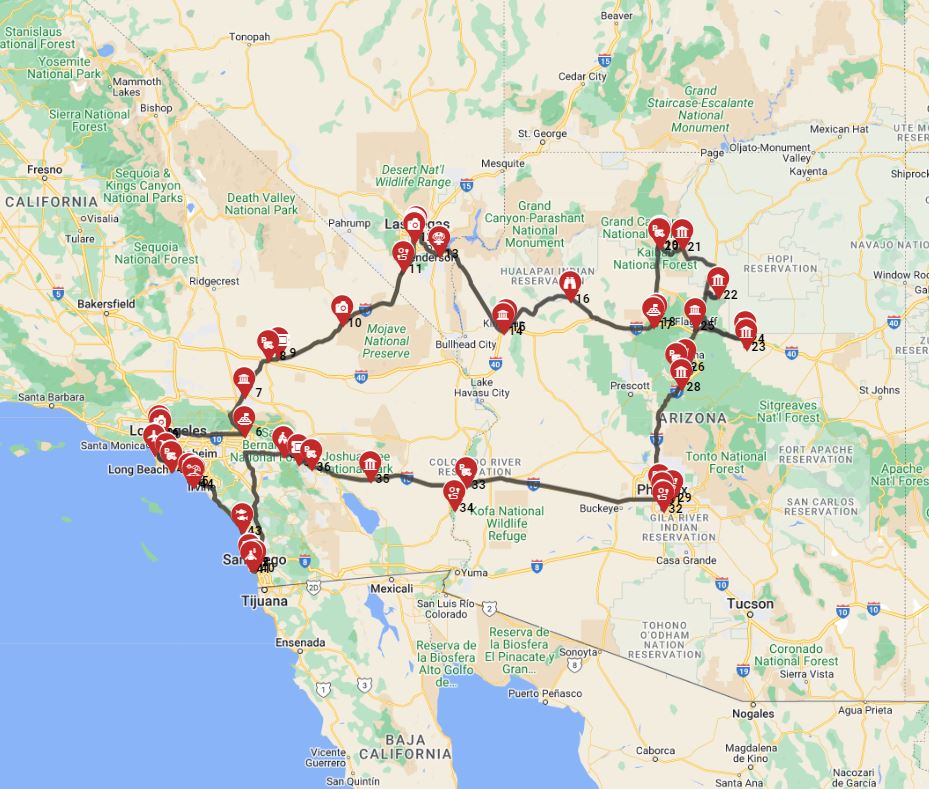
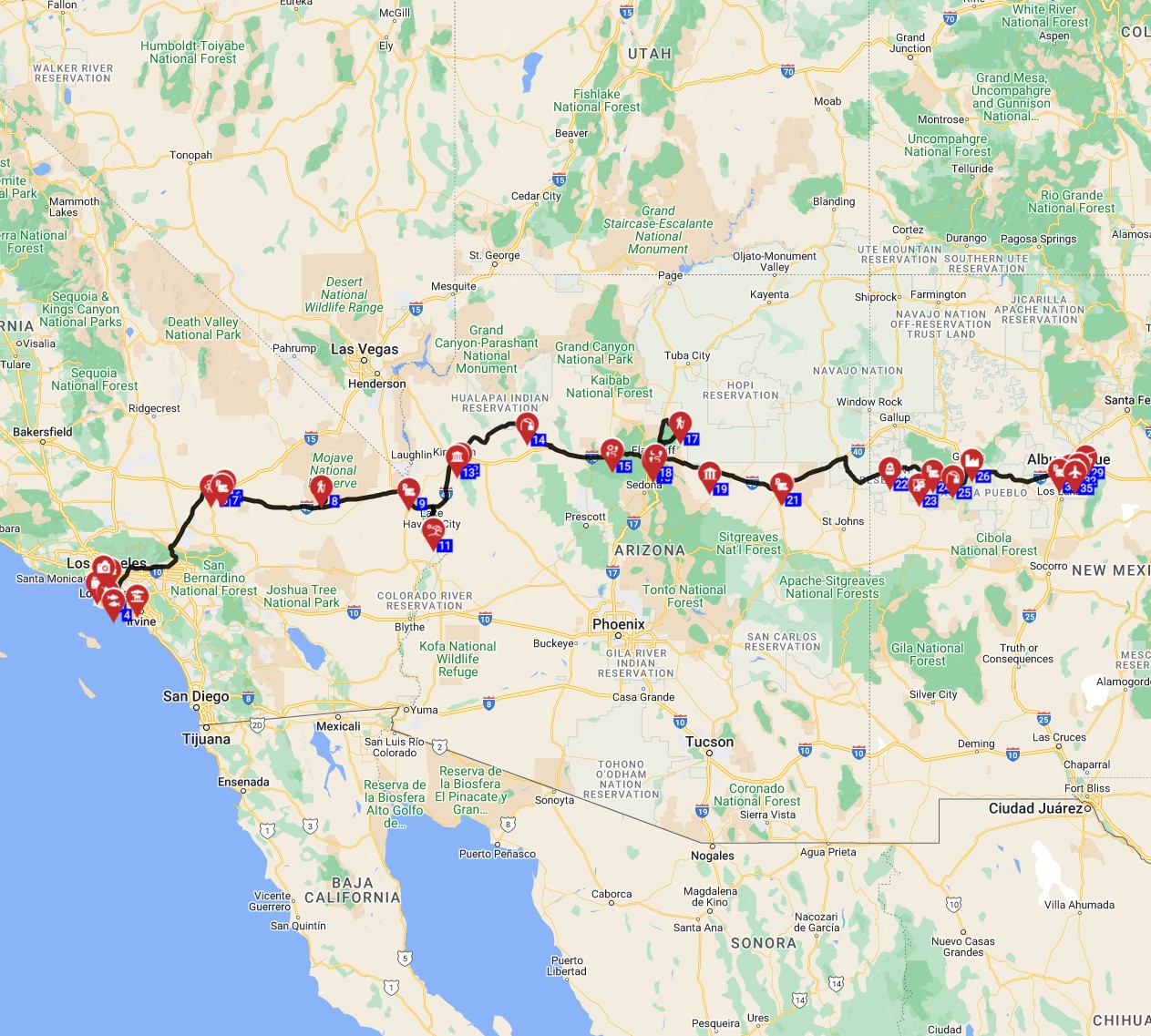
Fuel costs are a significant part of any RV trip budget, and in California, both petrol (gasoline) and diesel are widely available, though prices are generally higher than the national average. Larger rented RVs, particularly many Class A motorhomes, often run on diesel, while smaller campervans or Class C RVs frequently use petrol. Based on Bandana's global fleet averages, common fuel consumption for a rented motorhome can range from 8-10 Liters/100 km for a Class B Camper Van (like the "Active Compact Select") to 12-17 Liters/100 km for a larger Class C. For a typical Class C RV, you should budget for an average of 10-12 Liters/100 km, which translates to roughly $15-20 per 100 km given current dynamic fuel prices. To help manage these costs and itemize every expense for easy budgeting, consider planning your route using RV PLANET routes, which allow detailed tracking of your trip budget. On the routes offered through RV PLANET routes, you can itemize and track every expense along the way for easy budgeting.
Tolls, Vignettes & Border Rules
California primarily utilizes electronic tolls on specific bridges (e.g., Golden Gate Bridge, Bay Area bridges) and express lanes on certain freeways, rather than a vignette system for general road access. Tolls are typically collected via FasTrak transponders or license plate recognition, and travelers can manage payments through online accounts or by using services provided by their rental vehicle company. When renting an RV through Bandana, many suppliers offer pre-purchased toll passes or provide transponders, which can significantly streamline your travel and help you avoid potential fines. For border rules, travel is typically within California or to neighboring US states; international border crossings into Mexico require specific documentation, vehicle insurance, and may not be covered by standard RV rental agreements, so always verify beforehand.
Driving Tips for RV Rental Travelers
Planning your route meticulously is crucial for an enjoyable RV trip in California. Use RV-specific navigation apps to identify suitable roads and avoid low clearances, steep grades, and narrow passes that might challenge your rented motorhome. Practice wide turns and extended braking in a safe, empty lot before encountering traffic, as RVs require more room for turns and significantly longer stopping distances. It's important to adhere to speed limits; posted limits for RVs and vehicles towing trailers are often lower on California highways (typically 55 mph or 88 km/h) than for passenger cars. Always perform pre-trip checks before each drive, inspecting tire pressure, fluid levels, and ensuring all interior items are secured to prevent shifting. Finally, for a comfortable journey, integrate frequent breaks every 2-3 hours to stretch, re-energize, and allow everyone, especially families, to safely enjoy the scenery.
Recommended RV Class for California Roads
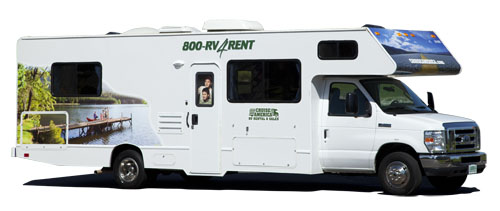
For most California road trips, a Class SI - Semi-integrated or Class C - Alcove rented RV is highly recommended due to their balanced blend of comfort and maneuverability across diverse terrains. Class SI RVs, with an average length of 6.9 meters (22.6 feet), provide comfortable living for typically 3-4 adults and offer good fuel efficiency, making them versatile for both scenic routes and national parks. Class C - Alcove RVs, averaging 7.5 meters (24.6 feet) in length, are excellent for families (often accommodating 4-5 adults) needing more space and amenities, capable of handling California's highways and most park roads with relative ease. For example, the "cruise america rv rental example Explorer" is a popular Class C model, ideal for a family of four. While Class B Camper Vans (avg. 5.8m/19ft, like the "Active Pop Top") offer ultimate maneuverability for tight spots, and Class A RVs (avg. 7.5m/24.6ft+, but wider) provide luxury, the SI and C classes generally strike the optimal balance for the varied California experience, offering plenty of space without being overly cumbersome.
🎬 Video coming soon
Should I Choose a Compact Van Instead of a Large RV in California?
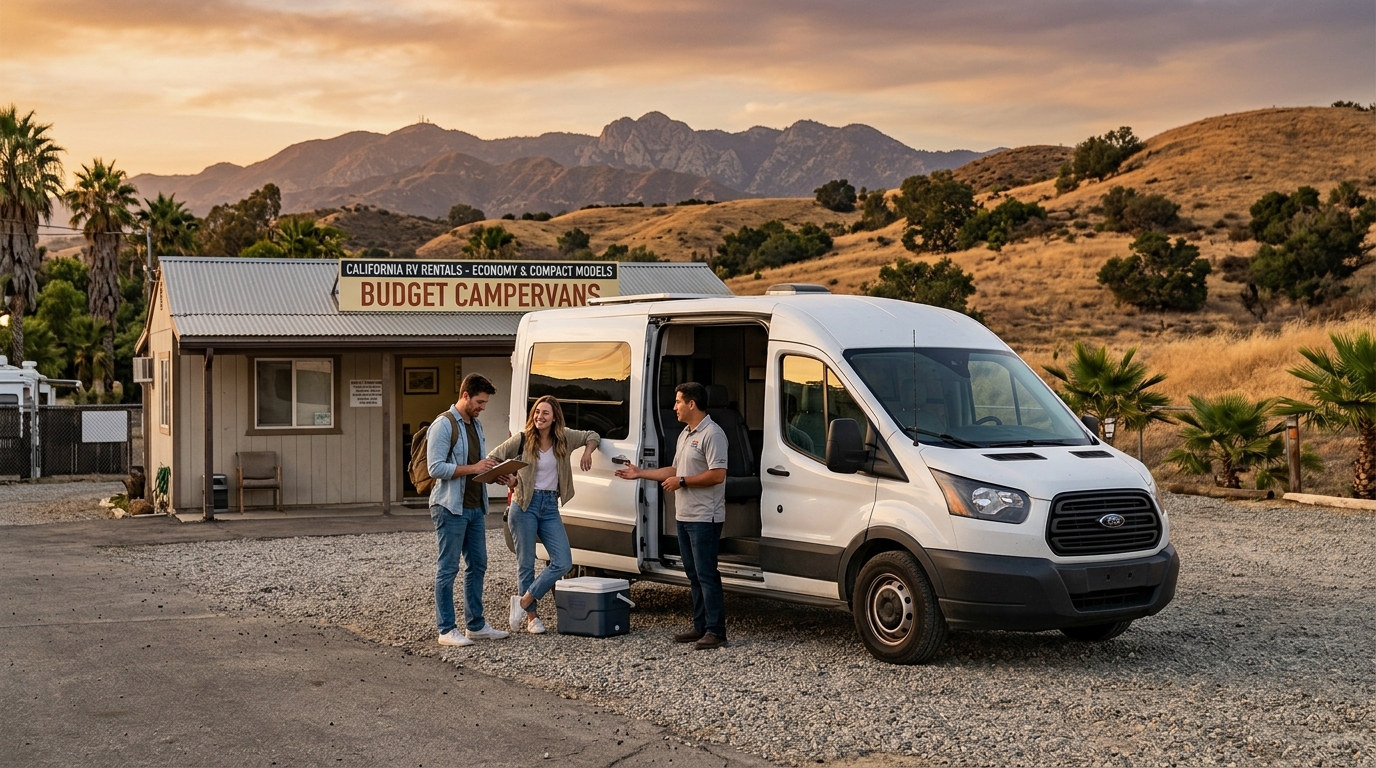
Generally, there is no inherent issue driving almost any RV size in California, as the state's infrastructure can accommodate most recreational vehicles; the choice between a compact campervan and a larger motorhome primarily depends on your personal preference for comfort, amenities, and specific travel plans. A compact Class B - Camper Van (averaging 5.8 meters long), such as a "VW California Ocean" model, offers superior maneuverability and easier parking, making it ideal for navigating urban centers, narrow mountain passes, or accessing smaller, more rustic campsites. However, larger RVs (like a Class C or Class A, such as the "Family Sleeper (FS)") provide significantly more indoor living space, greater storage, larger holding tanks, and enhanced amenities, which can greatly improve comfort for longer trips or family travel. While a compact van genuinely helps in very tight historic areas, for most of California's expansive national parks and scenic routes, the added comfort and space of a larger RV often represents a better trade-off for many travelers seeking a comprehensive vacation experience. Remember, drive slowly and carefully, and you can drive almost anywhere without issues. No need to stress - just use common sense and pay attention.
Can I Park Anywhere? Free & Wild Camping Rules in California
In California, "free camping" or "wild camping" (more formally known as dispersed camping or boondocking) is generally permissible on designated public lands managed by the Bureau of Land Management (BLM) and in most National Forests, provided you adhere to specific regulations. Overnight parking is typically prohibited in most city limits, state parks (outside of designated campgrounds), and on private property without explicit permission. Always practice Leave No Trace principles, pack out all trash, and be vigilant about fire restrictions, especially during California's dry seasons. Rules vary significantly by region and specific land management agency, so always check local regulations and follow local law before parking overnight. For instance, some popular BLM areas in Southern California allow stays of up to 14 days within a 28-day period.
Can I Drive an RV Into the City Center? Heights, Tunnels & Local Signage
Yes, you can almost always drive a rented RV into California city centers, but it requires diligent attention to local signage, which often indicates specific height limits, tunnel restrictions, and parking regulations. Major cities like San Francisco, Los Angeles, and San Diego present unique challenges such as dense traffic, limited RV-friendly parking, and some older infrastructure with lower bridge clearances or narrow streets. Always watch carefully for posted height and weight limits, particularly when approaching underpasses, bridges, or considering parking garages, which are generally unsuitable for RVs. Pay close attention to 'no overnight parking' or 'residents permit only' signs, as well as any environmental zones that might restrict older or larger vehicles, to avoid fines and ensure a smooth urban experience. Drive slowly and carefully, and you can drive almost anywhere without issues. No need to stress - just use common sense and pay attention.
What is the best time of year to RV in California?
The best time to RV in California highly depends on your desired activities and regions, as the state offers diverse climates and experiences year-round. Late spring (April-May) and early fall (September-October) generally offer ideal weather for coastal trips, such as along Highway 1, and ensure accessibility to most national parks like Yosemite and Sequoia (before or after snow closures). These periods provide comprehensive seasonal planning advice to avoid extreme summer heat in deserts or peak winter crowds. Summer is excellent for high-elevation mountain escapes and offers warmer coastal temperatures but brings larger crowds and significantly hotter temperatures to deserts and inland valleys. Winter allows for unique desert exploration (e.g., Death Valley, Joshua Tree) and avoids peak crowds in popular areas, though many mountain roads will be closed due to snow. Our "RV Rental USA - Complete Guide 2026" also provides broader seasonal advice for cross-country trips.
Where can you go RVing in California?
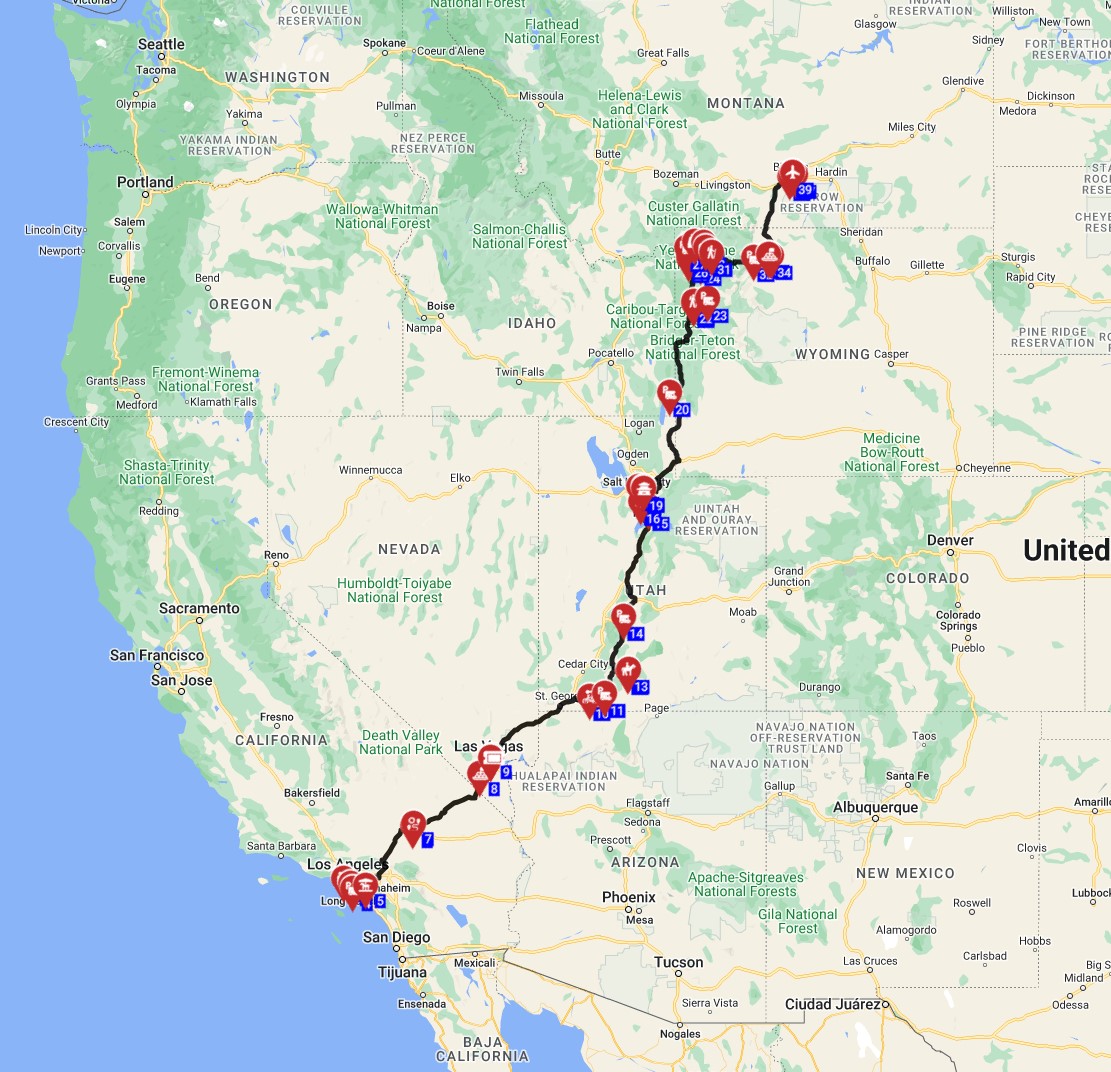
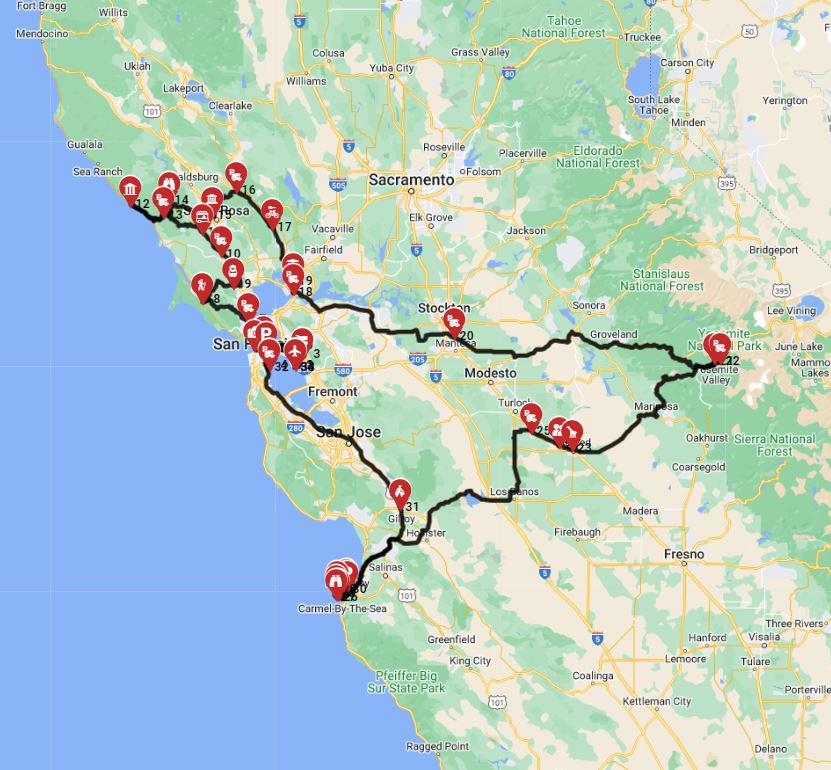
California offers an unparalleled range of RV destinations, from world-renowned national parks like Yosemite, Joshua Tree, and Redwood, to stunning scenic coastal drives along Highway 1. Beyond major attractions, exploring less-traveled routes such as the Eastern Sierra's Highway 395, the rugged Lost Coast, or the serene wine regions like Paso Robles and Temecula can offer unique local experiences. The state boasts a vast network of state parks, national forests, Bureau of Land Management (BLM) lands, and private campgrounds, providing diverse options for every type of RVer, from luxury resorts to rustic boondocking sites. Consider specialized routes like the 'Volcanic Legacy Scenic Byway' in Northern California or segments of the 'Historic Route 66' in Southern California for distinct adventures that go beyond typical tourist traps. For instance, the
What are the rules for RV camping in California?
RV camping in California is governed by specific rules that vary significantly between state parks, national parks, national forests, BLM lands, and private campgrounds. Most campgrounds, especially in popular state and national parks like those in Yosemite, require reservations, often months in advance, and have strict quiet hours, generator restrictions, and check-in/check-out times. Proper waste disposal using designated dump stations is mandatory, and adherence to fire safety regulations (including burn bans, which are common during dry seasons) is critical, particularly during California's often dry summer and fall. For detailed pet-specific travel advice, many California state and national parks have strict pet policies, often limiting dogs to paved roads, campgrounds, and specific trails; always verify individual park regulations before arriving to ensure a smooth trip for your furry friends. You can find more comprehensive details in our "RV Rental in California - Prices and Best Deals 2026" article.
Can you boondock in California with an RV?
Yes, boondocking (also known as dispersed camping without hookups) is widely available and permitted in California on lands managed by the Bureau of Land Management (BLM) and in most National Forests, offering free and wild camping opportunities. Specific guidance on boondocking involves finding designated areas, often identified through mapping apps or agency websites, and understanding local regulations regarding length of stay (typically up to 14 days), fire restrictions, and proper waste disposal. Always practice 'Leave No Trace' principles, pack out all trash, and utilize accessible dump stations and water refill points, which are crucial for in-depth logistical support for RVers beyond just campgrounds. While boondocking is a cost-effective way to RV, remember that city and county ordinances often prohibit overnight street parking or camping outside of designated campgrounds, requiring specific knowledge to navigate complex state and local regulations.
Is it worth it to rent an RV in California?
Renting an RV in California is widely considered worthwhile for travelers seeking flexibility, immersive outdoor experiences, and the freedom to explore diverse landscapes at their own pace. The 'worth' comes from the ability to combine accommodation and transportation, offering a unique way to visit national parks, coastal towns, and scenic routes without the constant packing and unpacking of traditional travel. For comprehensive guides for first-time RV travelers, the upfront investment in a rental includes not just the vehicle but also the opportunity for an unforgettable adventure, supported by advice on pre-trip checklists, basic RV operations, and common pitfalls, all readily available through Bandana RV. While costs can add up, the unparalleled freedom to cook your own meals, bring pets (with appropriate planning), and discover both famous landmarks and 'hidden gems' often makes it a highly valuable and memorable experience.
RV-friendly recipes playlistHow much does it cost to rent an RV in California?
The cost to rent an RV in California varies significantly based on RV size, rental duration, season, amenities, and insurance, typically ranging from $100-$300+ per night. Prices are dynamic, similar to flight tickets, changing daily based on availability, seasonality, and supplier marketing decisions; the final price is always set at the actual booking time. A detailed budget breakdown should account for the base rental fee, insurance, mileage charges (some rentals include limited free miles, like many Class C models), generator usage fees, cleaning fees, and potential add-ons like kitchen kits or linen packages. For example, a smaller Class B Camper Van might be on the lower end, while a larger Class A Integrated RV will command higher prices due to its size and luxury, aligning with the need for transparent cost estimates. Our "Weekly RV Rental in California - Pricing 2026" guide offers more specific breakdowns for longer trips.
What is the cheapest way to RV in California?
The cheapest way to RV in California involves strategic planning around vehicle choice, camping locations, and diligent management of daily expenses, incorporating effective cost-saving strategies. Opting for a smaller, more fuel-efficient rented RV like a Class B Camper Van (averaging 8-10 Liters/100 km) can significantly reduce fuel costs compared to larger, less efficient models like a Class C "rv rentals utah example Sunrise Escape" which consumes 20-25 Liters/100 km. Prioritize free camping (boondocking) on BLM or National Forest lands over paid campgrounds whenever possible, and utilize apps or resources to find free or low-cost overnight parking options. Cooking your own meals in the RV galley rather than dining out, traveling during the off-season (like November or March) to take advantage of lower rental rates, and carefully comparing rental insurance options are all effective strategies to minimize overall trip expenses. Don't forget that you can upgrade to a top-level deductible for extra peace of mind, ensuring no surprises in case of an incident.
How much does it cost to rent an RV for a month in California?
Renting an RV for a month in California typically offers a lower daily rate compared to shorter rentals, with total costs ranging from approximately $2,500 to $7,000+ depending on the RV class, season, and included amenities. This comprehensive cost includes the base rental, but travelers should still budget for detailed expense breakdowns covering fuel, campground fees (if not boondocking), food, activities, and potential hidden fees like extended mileage packages or additional driver fees. A Class C - Alcove RV, popular for families, might cost around $3,500-$5,500 for a month, while a Class A - Integrated RV, such as the "luxury rv rentals example Carthago Malibu 600", could be significantly more, reflecting its larger size and luxury amenities. To reduce monthly costs, inquire about long-term rental discounts, plan routes to minimize fuel consumption, and strategically integrate free camping options where available. Remember that prices are dynamic and subject to change based on availability.
Do you need a special license to drive an RV in California?
For most RV rentals in California, including popular Class C and Class B models, you typically do not need a special license beyond a standard Class C driver's license. This means that if you're qualified to drive a car, you're likely qualified to drive most rented motorhomes. A non-commercial Class B license is generally only required for operating RVs with a Gross Vehicle Weight Rating (GVWR) over 26,000 pounds or for towing a trailer over 10,000 pounds when the combined weight exceeds 26,000 pounds. For a more detailed explanation of California's license and age rules for RVs, including specific weight thresholds and foreign driver requirements, please refer to the 'Can You Drive an RV in California? License & Age Rules' section above. First-time RV travelers should always confirm the specific license requirements for their chosen RV type directly with their rental provider to ensure full compliance before their trip.
What You Shouldn't Miss
- **The Pacific Coast Highway (Highway 1):** This iconic drive offers breathtaking ocean views, charming coastal towns, and plenty of opportunities to pull over and soak it all in. Don't rush; travel slowly, max 100-150 km per day, and savor every mile.
- **Yosemite National Park:** A must-see for its towering granite cliffs, giant sequoias, and stunning waterfalls. Book campsites well in advance, especially for popular spots like Upper Pines, or explore first-come-first-serve options in surrounding national forests.
- **Joshua Tree National Park:** Experience the unique desert landscape where two distinct desert ecosystems meet. It’s particularly beautiful for winter RV trips, offering fantastic hiking among the Joshua trees and rock formations.
- **Redwood National and State Parks:** Drive through ancient forests of the tallest trees on Earth. Many pull-offs and smaller campgrounds allow you to park your rented motorhome right amidst these natural giants.
- **Lake Tahoe:** Enjoy the crystal-clear waters and surrounding mountains, perfect for summer activities like kayaking and hiking, or winter skiing. There are numerous RV parks and campgrounds around the lake.
Looking for expert insights from Avi Bandana? Top 5 Adventures - recommendations from Avi Bandana.
Final Thoughts
Exploring California by rented RV offers unparalleled freedom and a chance to experience its diverse beauty up close. From the towering redwoods to the sun-kissed deserts and vibrant cities, every turn can bring a new adventure. By understanding the road rules, managing your fuel wisely, and leveraging expert planning resources like RV PLANET, you're well on your way to an incredible journey without breaking the bank.
At Bandana Caravan, we are true RV specialists, committed to making your planning process as smooth and transparent as possible. We provide the tools and support you need to confidently embark on your California road trip. Imagine waking up to a new scenic view every day, with all the comforts of home right there with you. That's the magic of RV travel in California.
So, what are you waiting for? Get inspired for your next trip and discover the open roads of California. Plan a trip itinerary in advance with minimal effort and maximum enjoyment.
Compare Motorhome Prices for California