In This Guide
- The 5 RV Families Compared for Santiago
- Price Comparison by RV Class in Santiago
- Class TC (Truck Camper) - Best For
- Side-by-Side Comparison Table
- Our Recommendation for airport rv rental Travelers in Santiago
- What RV modifications and gear are essential for Chilean road conditions?
- How can I experience local culture and etiquette while RVing in Chile?
- How can I RV responsibly and sustainably in Chile's diverse ecosystems?
- What are key health, safety, and insurance considerations for RVing in Chile?
- What are the best connectivity options for RVers in remote Chile?
- What are the rules for RV travel with pets in Chile?
- Where can I find emergency services and RV support in Chile?
Embarking on an airport RV rental adventure from Santiago opens up the incredible landscapes of Chile, from the majestic Andes to the rugged coastline. Understanding the various motorhome options and their costs is the first step to planning your unforgettable journey. At Bandana Caravan, we specialize in making this process transparent and easy, helping you compare prices and features from trusted suppliers, ensuring no hidden fees or surprises.
The 5 RV Families Compared for Santiago
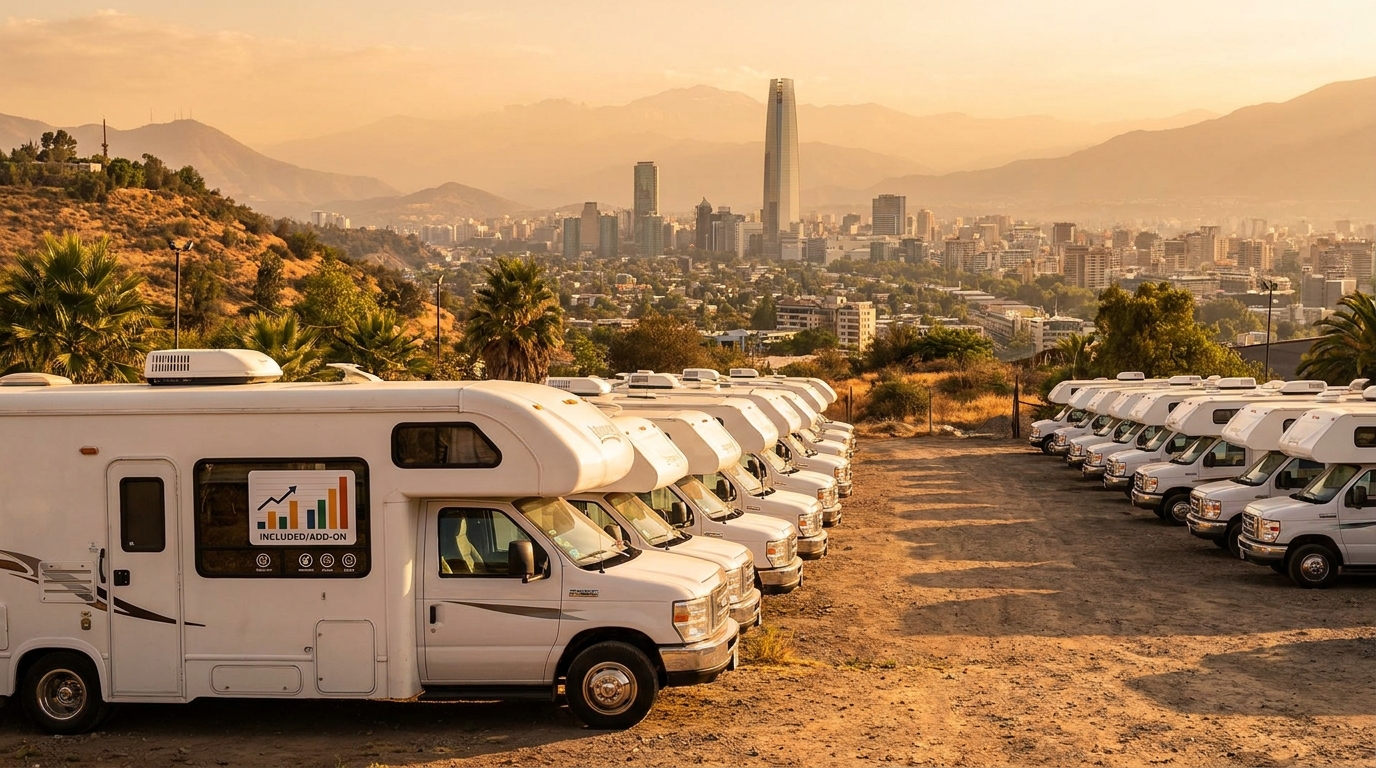
RV family choice significantly impacts trip success due to Santiago's diverse terrain and climate, necessitating careful consideration of vehicle size, sleeping capacity, and fuel efficiency. While the broader RV market offers Class A, Class B, Class C motorhomes, and campervans, Bandana's Santiago fleet primarily features robust Class TC (Truck Campers), ideal for varied Chilean conditions. For live availability and current prices, start with our RV Rental Santiago - Complete Guide 2026 guide. Imagine yourself easily navigating both bustling city outskirts and remote mountain passes with a versatile rented RV, offering the freedom to explore Chile at your own pace. Other common RV categories you might find generally include Class B campervans, typically smaller, agile vehicles perfect for couples or solo travelers, and Class C motorhomes, which provide more space and amenities for families, often featuring an alcove sleeping area over the cab. While Class A motorhomes are the largest and most luxurious, they are less common for rental in Chile due to their size and the country's varied road infrastructure. Our true RV specialists are always ready to help you discern which option best suits your travel style and itinerary, ensuring you have the right mobile home for your adventure.
Price Comparison by RV Class in Santiago
Pricing for RV rentals in Santiago varies significantly based on vehicle class, rental duration, and time of year, operating on a dynamic flex-rate system that updates daily, similar to flight tickets. For instance, a compact Class TC (Truck Camper) might start from around $120 USD per day in the low season (May-September), whereas larger Class C motorhomes could range from $180-$350 USD per day during peak summer months (December-February). Week-long RV rental in Santiago - pricing 2026 shows these fluctuations clearly. Truck Campers generally offer a cost-effective entry into versatile Chilean RV travel, combining maneuverability with essential amenities, making them a popular choice for couples and small families. Renting a motorhome for a two-week adventure, for example, typically yields a lower daily rate compared to shorter trips, providing better value for extended explorations. Remember that prices are dynamic, influenced by real-time availability and supplier marketing decisions, so comparing options through our platform is key to finding the best deals for your specific travel dates. You can check current prices and compare different vehicles to find the ideal airport RV rental for your Santiago trip.
Class TC (Truck Camper) - Best For
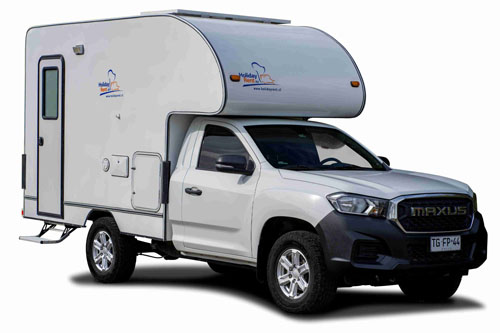
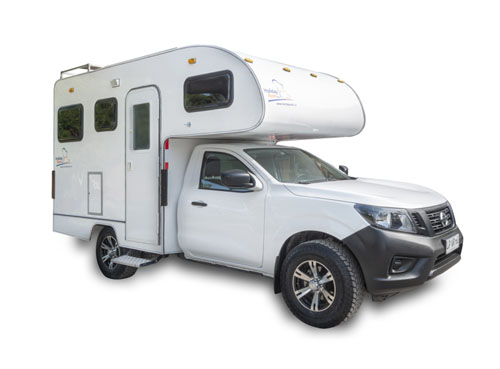
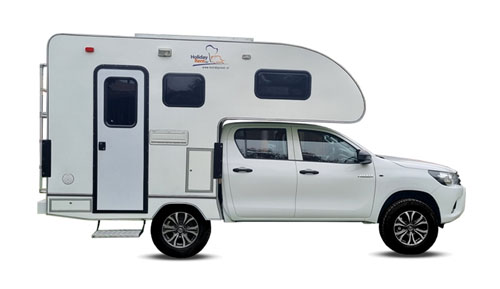
Truck Campers are best for adventurers seeking flexibility and access to more remote Chilean landscapes from Santiago due to their robust design and typically 4x4 capabilities. These RVs, averaging 5.6 meters in length, are highly maneuverable on winding roads leading into the Andes or along unpaved sections of the Carretera Austral. A Patagonia Camper 4x4 double cab, for example, often sleeps 2-3 people, making it ideal for couples or small families eager to venture beyond conventional tourist routes. With an average fuel consumption of 13 liters per 100 km, they offer reasonable efficiency for exploring remote areas where fuel stations may be sparse. Their robust build and detachability make them particularly suitable for diverse Chilean terrain, from high-altitude passes over 3,000 meters to coastal trails, allowing you to drive almost anywhere without issues if you drive slowly and carefully. This vehicle class provides a perfect balance of comfort and ruggedness for an authentic Chilean road trip experience.
Side-by-Side Comparison Table
This table offers a quick overview of key specifications for RV classes typically available for airport RV rental in Santiago, helping you consider average length, sleeping capacity, and estimated fuel efficiency against your travel group and itinerary. For Santiago, the Truck Camper stands out as the primary available option, blending compactness with off-road capability. Other motorhome types, while potentially available in limited numbers, might not offer the same versatility for exploring Chile's diverse landscapes. When planning your trip, consider options like the '4x4 Scout Adventure Truck Camper Gold' which features automatic transmission and is a recent model. Remember that our platform allows you to effortlessly compare airport RV rental in Santiago - pickup suppliers 2026 to find the best fit for your needs.
| RV Class (Santiago Focus) | Typical Length | Sleeping Capacity | Fuel Consumption (Avg.) | Best For |
|---|---|---|---|---|
| Class TC (Truck Camper) | 4.5m - 6.5m | 2-4 people | 10-14 L/100km | Adventurous couples/small families, off-road exploration, remote access. Example: Patagonia Camper 4x4 double cab. |
| Class B (Campervan) | 5m - 7m | 2-3 people | 9-12 L/100km | Couples, solo travelers, city mobility, moderate off-road. Example: Active Compact Select (if available). |
| Class C (Alcove Motorhome) | 6.5m - 9.5m | 4-6 people | 14-18 L/100km | Families, groups, highway comfort, established campgrounds. Example: Elnagh Baron 37 (if available). |
Our Recommendation for airport rv rental Travelers in Santiago
For airport RV rental travelers in Santiago, the Class TC (Truck Camper) is our primary recommendation due to its exceptional versatility and suitability for Chilean adventures. Its compact size, typically around 5.6 meters, allows for easier navigation on diverse roads, including gravel tracks (ripio) to national parks like Parque Nacional Radal Siete Tazas and remote boondocking spots. Sleeping an average of 2-3 people, a Truck Camper like the 'Andino 4x4' is ideal for couples or small groups seeking an authentic, off-the-beaten-path experience. The Truck Camper's robust nature, often with 4x4 capability, aligns perfectly with the desire for exploration that often accompanies RV travel from Santiago's airport. While exploring options like Family RV Rental in Santiago - Pricing Guide 2026 for larger groups is valuable, the Truck Camper offers unmatched flexibility for navigating both the bustling streets of Santiago, such as around the Mercado Central, and the challenging terrain found in much of Chile. Drive slowly and carefully, and you can drive almost anywhere without issues; no need to stress-just use common sense and pay attention. We handle the details, you live the journey, ensuring you have the right vehicle to truly experience Chile.
What RV modifications and gear are essential for Chilean road conditions?
Essential RV modifications and gear for Chilean road conditions, especially when renting an RV from Santiago airport, include robust tires suitable for gravel, supplemental solar setups for remote boondocking, and a clear understanding of vehicle height/width limitations for specific routes. Chile's diverse geography, from the arid Atacama Desert to the glacial regions of Patagonia, features varying road surfaces including paved highways like Ruta 5 Sur, extensive unpaved gravel roads (ripio), and steep mountain passes like Paso Los Libertadores. For Truck Campers, extra fuel capacity or jerry cans are highly advisable for long stretches without services in areas like the Carretera Austral, alongside a complete spare tire and comprehensive repair kit. Navigation tools with offline map capabilities are crucial, as cell service can be intermittent in remote areas outside of major cities such as Santiago or Valparaíso. Always inquire with your rental provider, like those found through airport RV rental comparison in Santiago - pickup suppliers 2026, about specific vehicle capabilities and recommended routes to ensure a safe journey and prevent unexpected issues.
How can I experience local culture and etiquette while RVing in Chile?
To experience local culture and etiquette while RVing in Chile, engage respectfully with local communities, embrace traditional food experiences, and observe customs at campgrounds and markets. Campgrounds near Santiago, such as Camping La Parcela, often provide wonderful opportunities to interact with Chilean families; a simple "Buenos días/tardes" (good morning/afternoon) and a smile go a long way in fostering connections. Support local economies by purchasing fresh produce, handmade crafts, and regional meals from small businesses and roadside vendors, especially at bustling spots like La Vega Central market in Santiago. Politeness and patience are highly valued in Chilean culture; a willingness to learn basic Spanish phrases can significantly enhance your interactions and show respect. Research regional customs, particularly regarding meal times (lunch is the main meal, often eaten later) and social greetings (a handshake is common, a light kiss on the cheek between women or close friends), to foster positive cultural exchanges throughout your RV journey. For finding local markets and cultural stops, RV PLANET routes can help itemize and track every expense along the way, making budgeting for these authentic experiences easy. On the routes offered through RV PLANET routes, you can itemize and track every expense along the way for easy budgeting.
🎬 Video coming soon
How can I RV responsibly and sustainably in Chile's diverse ecosystems?
RVing responsibly and sustainably in Chile's diverse ecosystems requires adherence to Leave No Trace principles, mindful waste management, and unwavering respect for protected areas and local flora and fauna. Always dispose of all waste, including greywater and blackwater, properly at designated dump stations, which can be found at larger campgrounds or sometimes in industrial areas near cities like Santiago or Concepción; never discharge into natural environments. Stick to established roads and trails, especially in national parks like Parque Nacional Torres del Paine and reserves, to minimize impact on delicate ecosystems and prevent erosion. Conserve water and electricity, as resources can be scarce in remote regions; even boiling water for cooking RV-friendly recipes playlist should be done mindfully. Support eco-friendly campgrounds and tour operators, and educate yourself on local conservation efforts to contribute positively to Chile's pristine natural heritage, ensuring its preservation for future generations of travelers.
What are key health, safety, and insurance considerations for RVing in Chile?
Key health, safety, and insurance considerations for RVing in Chile include comprehensive travel insurance that covers vehicle accidents and medical emergencies, awareness of local road safety practices, and preparation for highly varying weather conditions. Ensure your travel insurance explicitly covers RV rentals, including specific clauses for vehicle damage, and any adventurous activities you plan to undertake, such as hiking in the Andes. Familiarize yourself with local emergency numbers: 131 for ambulance (SAMU), 132 for fire (Bomberos), and 133 for police (Carabineros), and have a basic first-aid kit readily accessible, especially when traveling in remote areas far from Santiago. Be extremely cautious of road conditions, particularly unpaved sections and mountain passes where weather can change rapidly, and prioritize avoiding driving at night, when visibility can be poor and nocturnal wildlife, like guanacos, is active. Stay informed about local health recommendations from the Chilean Ministry of Health and ensure you have any necessary vaccinations for your specific travel regions in Chile.
What are the best connectivity options for RVers in remote Chile?
The best connectivity options for RVers in remote Chile often involve a combination of local SIM cards, portable Wi-Fi devices, and satellite communication for truly off-grid areas. Purchasing a local SIM card from providers like Entel, Movistar, or Claro upon arrival at Santiago airport or in major towns like Coyhaique is crucial for basic cell service and data access, which is generally reliable in populated corridors. Consider a portable Wi-Fi hotspot or MiFi device with a local data plan for better internet access for multiple devices, which can be particularly useful for navigating cities or staying connected in more accessible rural areas. For extremely remote regions, particularly in vast stretches of Patagonia or the Atacama Desert where cell towers are absent, a satellite phone or satellite messenger (like a Garmin InReach) is highly recommended for emergency communication and peace of mind. Always download offline maps and essential information, such as campground locations from rvplan.net, before venturing into areas with limited or no connectivity, as relying solely on cell service is imprudent.
What are the rules for RV travel with pets in Chile?
RV travel with pets in Chile involves specific regulations for entry, required documentation, and restrictions in national parks and public areas. Pets entering Chile typically require an international health certificate from a licensed veterinarian, proof of current rabies vaccination, and often a microchip for identification, so plan this well in advance of your departure from Santiago. Many national parks and protected areas in Chile, including iconic ones like Parque Nacional Conguillío, do not allow pets, or have strict leash rules and designated pet-friendly zones, to protect local wildlife and fragile ecosystems. Always research pet-friendly campgrounds and attractions in advance, and carry sufficient pet waste bags to maintain cleanliness and respect local communities, especially in urban parks in Santiago. Consult with your specific RV rental company, such as El Monte or Apollo partners, regarding their pet policies and any additional requirements or fees before booking to ensure a smooth trip for all members of your family, furry ones included.
Where can I find emergency services and RV support in Chile?
Finding emergency services and RV support in Chile involves knowing key local emergency numbers, utilizing online RV communities, and identifying major towns for mechanical assistance. For immediate emergencies, dial 131 for an ambulance (SAMU), 132 for firefighters (Bomberos), and 133 for police (Carabineros) from any phone. Major cities like Santiago, Concepción, Valdivia, and Puerto Montt have a higher concentration of RV mechanics and service centers, though services can be sparse in remote, rural areas, making prior planning essential. Online forums and social media groups dedicated to RV travel in Chile or South America can provide invaluable recommendations for reputable mechanics and support networks, often sharing real-time advice. It is highly advisable to carry a basic toolkit and know common RV issues for minor roadside repairs, especially when traveling extensively in remote regions, as prompt self-reliance can prevent significant delays. Additionally, consider having a satellite communication device for areas without cell service to ensure you can always call for assistance.
What You Shouldn't Miss
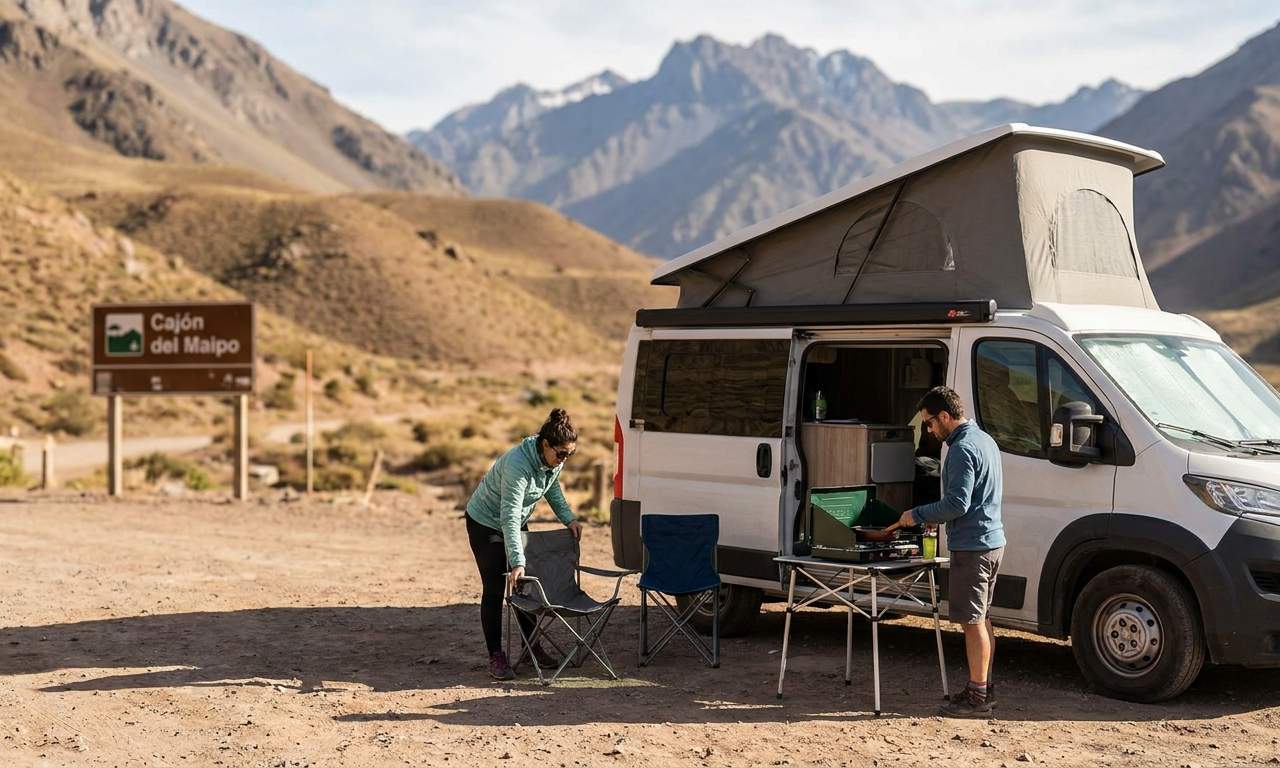
- **Drive the Cajón del Maipo:** Just southeast of Santiago, this Andean canyon offers stunning mountain scenery, hot springs like Baños Morales, and picturesque villages. It’s perfect for a day trip or an overnight stay in your rented RV.
- **Explore Valparaíso's Vibrant Hills:** Park your RV in a secure lot outside the main city center and take public transport or a taxi into this UNESCO World Heritage port city. Wander its labyrinthine hills, ride historic funiculars, and admire the colorful street art.
- **Visit Wine Valleys near Santiago:** Chile is a world-renowned wine producer. Take your motorhome to the Maipo, Casablanca, or Colchagua valleys for tastings and vineyard tours. Many vineyards offer RV-friendly parking or nearby campgrounds.
- **Hike in La Campana National Park:** A couple of hours north of Santiago, this national park, a UNESCO Biosphere Reserve, boasts diverse flora and fauna, including Chile's national tree, the Chilean palm. Hike to the summit for panoramic views of the Andes and the Pacific.
- **Experience Coastal Towns:** Head west from Santiago to charming coastal towns like Algarrobo or Zapallar. Enjoy fresh seafood, stroll along the beaches, and watch the sunset over the Pacific Ocean from your comfortable campervan.
- Looking for expert insights from Avi Bandana? Top 5 Adventures - recommendations from Avi Bandana.
Final Thoughts
Exploring Santiago and the breathtaking landscapes of Chile with a rented RV is an adventure unlike any other. Whether you're a couple seeking a nimble Truck Camper for off-road excursions or a family looking for a comfortable Class C motorhome for extended travel, our platform connects you with the best options and transparent pricing. We empower you to plan a trip itinerary in advance with minimal effort and maximum enjoyment, offering peace of mind every step of the way.
Remember that the beauty of RV travel lies in its flexibility and the freedom it offers. Travel slowly, averaging max 100-150 km per day, allowing yourself time to truly feel the place, connect to the culture, savor the food, and immerse yourself in the stunning scenery, from the bustling streets of Santiago to the serene beaches of Viña del Mar. With our support and expert guidance, your Chilean road trip promises to be an unforgettable journey.
Find Motorhome Rentals in Santiago