In This Guide
- The 5 RV Families Compared for Japan
- Class A (Integrated) - Best For
- Price Comparison by RV Class in Japan
- Class SI (Semi-Integrated) - Best For
- Class C (Alcove) - Best For
- Class B (Campervan) - Best For
- Class TC (Truck Camper) - Best For
- Side-by-Side Comparison Table
- Our Recommendation for rv rental Travelers in Japan
- When is the best time to RV in Japan?
- What are the rules for driving an RV in Japan?
- Do you need an International Driving Permit for RV rental in Japan?
- What are the challenges of driving an RV in Japan?
- What is the average cost of an RV rental in Japan?
- What are the hidden costs of RV rental in Japan?
- What cultural etiquette should I know for RV travel in Japan?
- Can you wild camp in Japan in an RV?
- What is a Michi-no-eki and how do I use it for RV travel in Japan?
- How do I deal with language barriers and navigation while RVing in Japan?
- What are the best tips for cooking and eating in an RV in Japan?
- Can I bring my pet on an RV rental trip in Japan?
- What should I do in an RV emergency in Japan?
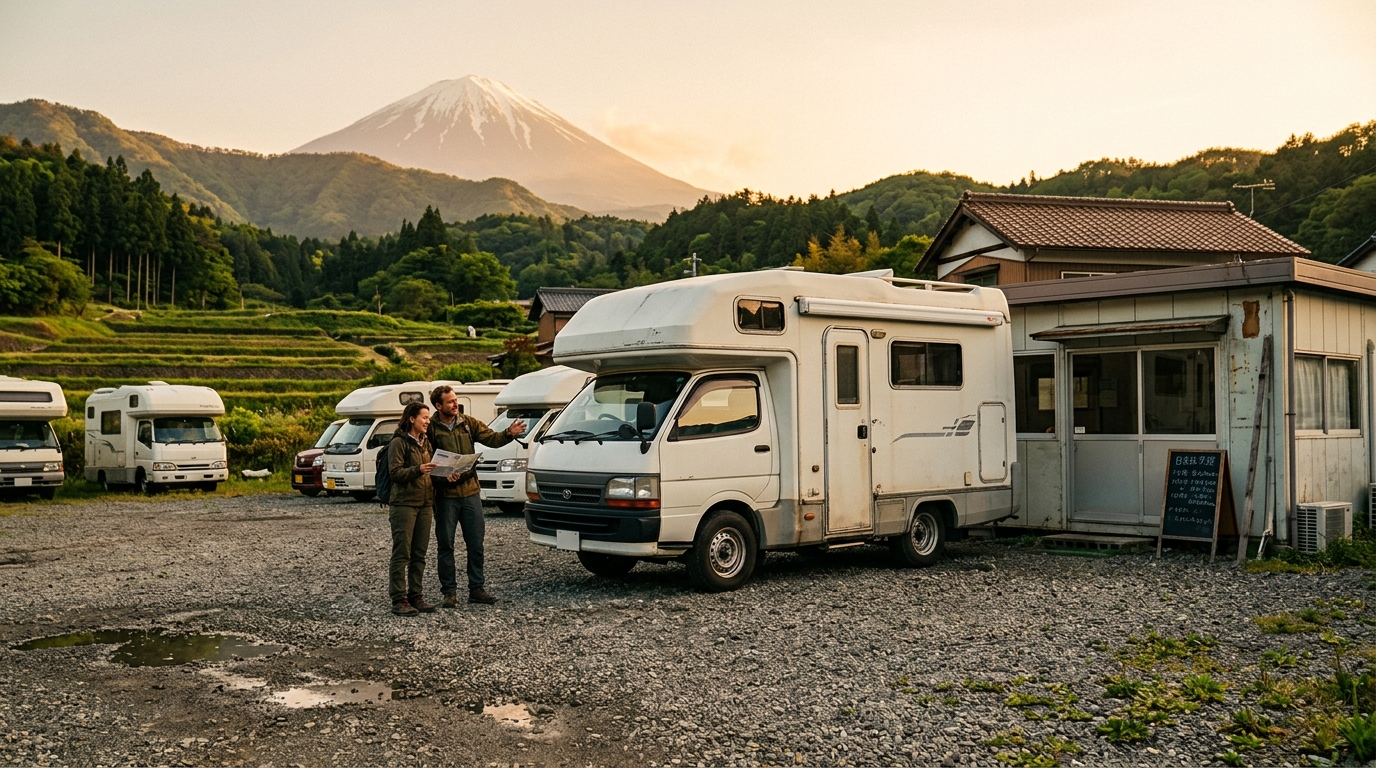
Imagine yourself traversing the scenic landscapes of Japan, from the bustling streets of Tokyo to the tranquil temples of Kyoto and the majestic peaks of Hokkaido. An RV rental in Japan offers an unparalleled way to experience this captivating country, blending freedom, comfort, and cultural immersion. With a rented motorhome, you have a mobile headquarters to venture out to national parks like Fuji-Hakone-Izu and Shiretoko, coastal routes, and remote onsen towns, all at your own pace.
At Bandana RV, we specialize in helping you find the perfect motorhome for your Japanese adventure. We've been assisting tens of thousands of travelers since 2001, providing direct partnerships with over 50 leading RV suppliers worldwide, including trusted names like Apollo and Britz. Our focus is exclusively on RV travel, ensuring unmatched personal experience and attention to the smallest details. For live availability and current prices, start with our RV Rental Japan - Complete Guide 2026 guide.
🎬 Video coming soon
The 5 RV Families Compared for Japan
Choosing the right RV family significantly impacts your travel experience in Japan due to its varied terrain and road sizes. Different classes of rental motorhomes offer distinct advantages for navigating urban areas, scenic routes, and parking, so it's essential to consider your trip length, group size, and desired amenities.
For a week-long trip or an extended road trip across the country, a specific type of campervan or motorhome might be more suitable. Factors like fuel efficiency, onboard facilities, and overall maneuverability play a crucial role when exploring Japan. We're true RV specialists at Bandana RV, offering full transparency with no hidden fees and 24/7 support from real people to help you make the best choice.
Class A (Integrated) - Best For
Class A motorhomes, averaging 7.5 meters in length and comfortably sleeping 4-6 people, offer spacious luxury best suited for larger groups or families seeking maximum comfort and amenities on longer trips in Japan. These integrated RVs typically consume around 11-12 liters per 100 km (based on Bandana's global fleet average) and boast a high load capacity of approximately 209.5 kg, allowing for ample luggage and supplies.
While offering expansive living spaces, private bathrooms, and full kitchens, trade-offs include challenging maneuverability on Japan's narrower urban and rural roads, potential difficulty with parking in popular tourist areas, and higher fuel costs compared to smaller models. These RVs are best for travelers prioritizing onboard comfort and minimal setup at campgrounds, especially when sticking to main highways and designated larger parking areas. On the routes offered through RV PLANET routes, you can itemize and track every expense along the way for easy budgeting.
Price Comparison by RV Class in Japan
RV rental prices in Japan vary significantly by class, rental duration, and seasonality, with larger, more amenity-rich motorhomes generally incurring higher costs. For example, a compact Class B campervan might start from ¥12,000 per day in the low season, while a large Class A motorhome could easily exceed ¥40,000 per day during peak times like cherry blossom season in April or autumn foliage in October.
You should budget for various trip lengths, as per-day rates often decrease for longer rental periods; a two-week adventure could see daily rates drop by 10-15% compared to a single week. Utilize Bandana's live pricing comparison tool to find current flex-rates for your specific travel dates and preferred RV class in Japan. Remember, prices are dynamic and set at actual booking time, similar to flight tickets, so comparing options thoroughly is key.
Class SI (Semi-Integrated) - Best For
Class SI motorhomes, averaging 6.9 meters in length and sleeping around 3-4 people, are an ideal balanced choice for RV rental in Japan, offering a blend of comfort and reasonable maneuverability. These models, exemplified by a "2 Berth Rover" or "Active Compact Select" type with automatic transmission, typically feature a fresh water tank of around 100 liters and consumption of 10-11 liters per 100 km.
With an average load capacity of 72.2 kg, they suit small families or couples desiring more space and amenities (like a toilet and shower) than a campervan without the bulk of a Class A. They generally outperform Class A in navigating Japan's tighter roads while providing more living space and storage than smaller Class B campervans, making them excellent for exploring a mix of cities and countryside. Renting a motorhome in Japan with this class offers great versatility.
Class C (Alcove) - Best For
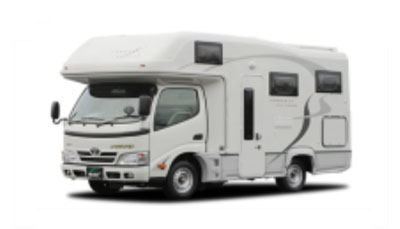
Class C alcove motorhomes, averaging 7.5 meters in length and sleeping up to 6 people, are an excellent choice for families or larger groups traveling in Japan, thanks to the distinctive extra sleeping space above the cab. Vehicles like a "29' Class C Motorhome" typically offer large fresh water tanks (e.g., 160 liters) and fuel consumption of 10-12 liters per 100 km, with a load capacity of approximately 42.4 kg.
These RVs combine ample living space, a full kitchen (often with a 3-burner gas stove and a large refrigerator), and a comfortable dining area, with a relatively cost-efficient profile for their capacity. While their size can be a consideration on Japan's narrower roads, drive slowly and carefully, and you can drive almost anywhere without issues. No need to stress - just use common sense and pay attention. They are well-suited for family-focused itineraries outside of dense urban centers, providing a great base for multi-week adventures, as detailed in "Weekly RV Rental in Japan - Pricing 2026".
Class B (Campervan) - Best For
Class B campervans, averaging 5.8 meters in length and sleeping 2-3 people, are highly recommended for RV rental in Japan due to their exceptional maneuverability, fitting well on narrow roads and into smaller parking spaces. A model like the "Active Pop Top" offers features such as a 2-burner gas stove, a 90-liter refrigerator, and typically consumes around 10 liters per 100 km, making them very fuel-efficient.
These compact vehicles, with a load capacity of 37 kg, boast superior fuel economy and are ideal for solo travelers, couples, or small groups prioritizing agility and accessibility over expansive living space. They excel in scenarios requiring navigation through smaller towns, national park access, and overall flexibility, allowing you to easily access more remote, beautiful spots. For those considering a "Cheap RV Rental in Japan - Budget Guide 2026", campervans often offer the most economical daily rates.
Class TC (Truck Camper) - Best For
Class TC truck campers, averaging 5.5 meters in length and sleeping 2-3 people, are suited for adventurous RV renters in Japan who prioritize flexibility and light off-grid capabilities. These units, often like a "4x4 Truck Camper Gold", typically consume 12-17 liters per 100 km due to their 4x4 capabilities and can be a fantastic choice for accessing more rugged terrain, though in Japan, this is less about extreme off-roading and more about reaching less-traveled areas.
With a sleeping capacity of 2-3 people and an average load capacity of 30-40 kg, they are best for couples or solo travelers seeking a versatile vehicle for exploring Japan's diverse landscapes. While less common for rental in Japan, they offer a balance between vehicle size and potential for unique exploration, often seen in regions like Hokkaido. Remember that for the best rates, exploring "RV Rental Deals in Japan - Latest Offers 2026" can be beneficial.
Side-by-Side Comparison Table
A direct comparison table helps highlight the trade-offs between RV classes in terms of size, sleeping capacity, and fuel efficiency for your Japan trip. Understanding these differences is crucial for selecting the best rented RV to match your travel style and budget. Here’s a general overview of the motorhome types available:
| RV Class | Average Length (meters) | Sleeping Capacity | Typical Fuel Consumption (L/100 km) | Ideal For |
|---|---|---|---|---|
| Class A (Integrated) | 7.5 m | 4-6 people | 11-12 L | Large groups, luxury, long trips on main routes |
| Class SI (Semi-Integrated) | 6.9 m | 3-4 people | 10-11 L | Small families, couples, balanced comfort/maneuverability |
| Class C (Alcove) | 7.5 m | 5-6 people | 10-12 L | Families with kids, groups needing extra beds |
| Class B (Campervan) | 5.8 m | 2-3 people | 8-10 L | Solo travelers, couples, city navigation, agility |
| Class TC (Truck Camper) | 5.5 m | 2-3 people | 12-17 L | Adventurous couples, reaching remote spots |
When selecting your motorhome, analyze average length for navigating Japan's specific road network and parking availability. Consider fuel consumption and sleeping capacity against your travel budget and group size to ensure a comfortable journey. For comprehensive pricing and availability, check out "RV Rental in Japan - Prices and Best Deals 2026".
Our Recommendation for rv rental Travelers in Japan
For most RV rental travelers in Japan, the **Class B (Campervan)** is highly recommended due to its unparalleled maneuverability on narrow Japanese roads and ease of parking, ideal for experiencing both urban and rural areas. These compact vehicles, often under 6 meters, are nimble enough to navigate city streets and blend into regular parking spots, a significant advantage in Japan where space is at a premium.
A strong runner-up for those desiring more comfort is the **Class SI (Semi-integrated)**, offering a good balance of amenities and a reasonable size for small families or couples. Models around 6.5-7 meters long provide a more spacious interior with a dedicated bathroom and kitchen, without the intimidating size of a Class A. Both options provide a practical and enjoyable way to explore Japan, catering to different group sizes and comfort preferences, ensuring a memorable road trip.
When is the best time to RV in Japan?
The best time to RV in Japan typically depends on your desired experiences, with spring (March-May) for cherry blossoms and autumn (September-November) for vibrant fall foliage being peak seasons. During these times, temperatures are mild, and the scenery is spectacular, making for ideal driving and camping conditions across most of the country.
Summer (June-August) offers opportunities for Hokkaido exploration and mountain escapes, though it coincides with high humidity and typhoon season, which can bring heavy rain. Winter (December-February) is ideal for those seeking snow activities in regions like Hokkaido and the Japanese Alps, though it presents challenges for camping and road conditions in certain regions, requiring careful planning and potentially winterized vehicles. Consider flexible dates to find the cheapest RV rental in Japan.
What are the rules for driving an RV in Japan?
Driving an RV in Japan requires adherence to local traffic laws, including driving on the left side of the road and understanding specific Japanese road signs, many of which use unique pictograms. Speed limits are rigorously enforced, typically 40 km/h in urban areas, 60 km/h on national roads, and 80-100 km/h on expressways, varying for larger vehicles. All passengers must wear seatbelts, and it's illegal to use a mobile phone while driving.
Strict rules apply regarding parking; overnight stays are generally restricted to designated campgrounds or Michi-no-eki (roadside stations), not public streets or temple grounds. Drive slowly and carefully, and you can drive almost anywhere without issues. No need to stress - just use common sense and pay attention. For additional details on driving regulations in Asia, refer to our comprehensive "RV Rental Asia - Complete Guide 2026".
Do you need an International Driving Permit for RV rental in Japan?
Yes, an International Driving Permit (IDP) is legally required for RV rental and driving in Japan for most foreign visitors, issued in your home country prior to travel. The IDP must be based on the 1949 Geneva Convention and presented alongside your valid original driver's license from your home country. Without both documents, rental companies will not release a vehicle.
Ensure your IDP is current and valid for the entire duration of your RV trip in Japan, as expired permits are not accepted. While a standard car driver's license is sufficient for all motorhome classes (Class A, Class B, and Class C), the IDP acts as an official translation and verification of your driving privileges in Japan. This is a critical requirement to avoid any issues with law enforcement or rental agencies.
What are the challenges of driving an RV in Japan?
Driving an RV in Japan presents challenges such as navigating narrow urban roads and parking spaces, which can be particularly tight for larger motorhomes. While you can drive almost anywhere without issues if you drive slowly and carefully, paying attention to signage and road width is important.
The toll road system is extensive and can be confusing for foreigners; an Electronic Toll Collection (ETC) card is highly recommended, offering smoother passage and sometimes discounts, but requires specific setup with rental vehicles. Adjusting to driving on the left side of the road can also be an initial hurdle for drivers accustomed to right-hand traffic. However, with careful planning and common sense, these challenges are easily manageable, allowing for a rewarding RV journey.
What is the average cost of an RV rental in Japan?
The average cost of an RV rental in Japan typically ranges from ¥15,000 to ¥35,000 per day (2026), varying significantly based on RV class, rental duration, season, and specific amenities. Smaller campervans (Class B) generally fall on the lower end, starting from ¥12,000-¥18,000 per day, while larger Class C or SI models command higher prices, especially during peak travel periods like cherry blossom season in April or autumn foliage in October, where they might cost ¥25,000-¥40,000 per day.
For a two-week adventure, per-day rates often decrease, making extended trips more cost-effective. Last-minute RV rental deals in Japan can sometimes be found, but prices are dynamic like flight tickets, so booking well in advance (3-6 months) is often recommended to secure better rates and availability, saving up to 15-20% on peak season rates. For a detailed breakdown, explore "RV Rental in Japan - Prices and Best Deals 2026".
What are the hidden costs of RV rental in Japan?
Hidden costs for RV rental in Japan often include tolls, which can be substantial on Japan's extensive highway network, and fuel, which can be higher priced than in some Western countries, typically around ¥170-¥185 per liter for regular gasoline. Additional expenses encompass campsite fees, which range from free Michi-no-eki to paid campgrounds (¥2,000-¥5,000 per night), comprehensive rental insurance (often recommended beyond basic coverage, adding ¥1,500-¥3,000 per day), and daily food budgets.
Be aware of potential charges for additional drivers (sometimes ¥1,000-¥2,000 per day), excess mileage (if not on an unlimited plan, around ¥30-¥50 per km), cleaning fees (if the RV is not returned clean, ¥5,000-¥15,000), and any optional equipment rentals (e.g., GPS, bedding packages, child seats). For easy budgeting and tracking every expense along your route, check out RV PLANET routes, where professional itineraries allow for itemized cost estimation.
What cultural etiquette should I know for RV travel in Japan?
RVers in Japan should observe strict cultural etiquette, including minimizing noise, properly disposing of all waste, and adhering to designated parking areas to respect local communities and maintain Japan's renowned cleanliness. Public displays of affection are generally discreet, and speaking loudly in public is often frowned upon.
When interacting with locals, politeness, a slight bow, and showing respect for personal space are highly valued, particularly in rural settings. Specific etiquette applies to *onsen* (hot springs), requiring showering thoroughly before entering the baths and being mindful of noise levels and modesty within communal bathing areas. Always take off your shoes before entering an RV, just as you would in a Japanese home, to maintain cleanliness inside your rented mobile home.
Can you wild camp in Japan in an RV?
Strictly speaking, 'wild camping' or 'boondocking' in an RV is generally not permitted in Japan due to land ownership laws and cultural norms, which prioritize order and cleanliness. Attempting to wild camp on private land or undesignated public areas can lead to fines or conflict with local residents.
However, overnight parking is often allowed and culturally acceptable at Michi-no-eki (roadside stations) and some large parking lots, though these are not true campgrounds and usually lack dedicated RV services like water hookups or dump stations. For proper waste disposal, reliable facilities, and a stress-free experience, RVers should primarily utilize official campgrounds, which are well-maintained and offer amenities like electricity, fresh water, and dumping stations.
What is a Michi-no-eki and how do I use it for RV travel in Japan?
A Michi-no-eki is a roadside station in Japan that provides travelers with a range of amenities including clean restrooms, local produce and souvenir shops, restaurants, and often 24-hour parking, serving as a primary and legal overnight solution for RVers. These stations, boasting over 1,100 locations, are an invaluable resource for budget-conscious or spontaneous travelers.
To use a Michi-no-eki for RV travel, simply park in an available space; while overnight parking is generally allowed, it is not considered camping. Activities like setting up awnings, grilling outdoors, or extending slide-outs beyond your vehicle's footprint are typically frowned upon and best reserved for formal campgrounds. Amenities often include free Wi-Fi, electric vehicle charging stations, and sometimes even onsen or foot baths, but do not expect hookups for water or electricity at most locations. Always call ahead if unsure.
How do I deal with language barriers and navigation while RVing in Japan?
Dealing with language barriers while RVing in Japan can be managed effectively using translation apps like Google Translate, which often offer camera translation for signs and real-time voice interpretation, making road signs and menu deciphering much easier. For connectivity, consider purchasing a local SIM card (e.g., from an airport kiosk or online) or renting a portable Wi-Fi hotspot to ensure consistent internet access for navigation and communication, crucial for checking campground availability.
Navigation is best handled with apps like Google Maps or Japan-specific GPS systems, ensuring they can process Japanese addresses or phone numbers, as some locations may only be listed with Japanese characters. Having a physical map as a backup is also a good idea. Many Michi-no-eki and tourist centers offer English-speaking staff or helpful resources. Our true RV specialists are also here to support you before and after your booking, offering full transparency and guidance.
What are the best tips for cooking and eating in an RV in Japan?
To optimize cooking and eating in an RV in Japan, plan meals that utilize fresh, seasonal ingredients readily available at local supermarkets, Michi-no-eki markets, and specialized produce stores. Many roadside stations are renowned for their fresh, regional produce, fish, and prepared foods, offering a fantastic opportunity to savor local flavors economically.
Integrating with local cuisine is made easy by trying regional specialties, fresh seafood, or *bento* boxes, which can often be prepared simply in a well-equipped RV kitchen, featuring a gas stove and refrigerator. Consider bringing a basic set of reusable containers and utensils to minimize waste and ensure you have essentials for spontaneous picnics or on-the-go meals. For inspiration, check out our RV-friendly recipes playlist.
Can I bring my pet on an RV rental trip in Japan?
Bringing a pet on an RV rental trip in Japan is possible but requires careful planning, as regulations for pet entry are strict and vary by rental company and specific locations. Ensure your pet meets all import regulations for Japan, including microchipping, vaccinations (especially rabies, with specific waiting periods), and health certificates, which must be completed well in advance of your travel date.
While some RV rental companies may permit pets for an additional cleaning fee (often ¥5,000-¥10,000), many campgrounds, restaurants, and attractions in Japan do not allow animals, so always check pet policies ahead of time for every stop on your itinerary. Having your pet's vaccination records and a copy of their health certificate accessible at all times is highly recommended.
What should I do in an RV emergency in Japan?
In an RV emergency in Japan, the first step is to ensure safety by moving the vehicle to a safe location if possible, activating hazard lights, and setting up warning triangles if available. Contact your RV rental company's emergency roadside assistance immediately, as they can provide specific instructions and dispatch local support or towing services.
For medical emergencies, dial 119 for ambulance or fire services, and for police, dial 110; having a Japanese phrasebook or translation app can be crucial for clear communication. Keep essential documents, including your IDP and rental agreement, readily accessible. You can also upgrade to a top-level deductible for extra peace of mind, minimizing financial stress in unforeseen circumstances. Our team provides 24/7 support throughout your booking process and pre-trip coordination, so you'll always have real people behind you.
What You Shouldn't Miss
- **Mount Fuji and the Fuji Five Lakes:** Rent a motorhome and embark on a scenic route around Lake Kawaguchiko or Lake Ashi for breathtaking views of Mount Fuji, especially during cherry blossom or autumn foliage seasons. Many campgrounds offer stunning vantage points.
- **Kyoto's Ancient Temples and Gardens:** Spend a few days exploring Kyoto, parking your RV at a nearby city campground or Michi-no-eki, and using public transport to visit iconic sites like Kinkaku-ji (Golden Pavilion), Fushimi Inari-taisha, and Arashiyama Bamboo Grove.
- **Hokkaido's Wilderness:** Head north to Hokkaido for an expansive and wilder RV adventure. Explore national parks like Daisetsuzan, enjoy fresh seafood, and discover fields of lavender in summer. The wider roads here are more forgiving for larger RVs.
- **Shikoku Island Pilgrimage:** Drive a campervan along parts of the Shikoku 88 Temple Pilgrimage route. Even if you don't complete the full pilgrimage, driving between a few temples offers a unique cultural experience and stunning coastal and mountain scenery.
- **Onsen Towns Exploration:** Immerse yourself in Japan's hot spring culture by visiting various onsen towns. Many auto-campsites are located near or even integrate natural hot springs, offering a perfect way to relax after a day of driving.
Looking for expert insights from Avi Bandana? Top 5 Adventures - recommendations from Avi Bandana.
Final Thoughts
Renting an RV in Japan opens up a world of discovery, offering an intimate and flexible way to explore this incredible country. From vibrant cityscapes to serene natural wonders, your rented motorhome becomes your personal gateway to authentic Japanese experiences. Remember to embrace slow travel, averaging 100-150 km per day, allowing yourself to truly feel the place, connect to the culture, savor the food, and immerse in the stunning scenery.
While unique aspects like driving on the left, understanding toll roads, and utilizing Michi-no-eki require a little preparation, these are all part of the adventure. With Bandana RV's commitment to full transparency, dedicated support, and extensive network of top suppliers, you have all the tools and confidence to plan an unforgettable RV journey. So, pack your bags, get your IDP ready, and prepare to create lasting memories in Japan.
Ready to start your Japanese RV adventure? Compare Motorhome Prices for Japan and find your perfect ride today!