In This Guide
- The 5 RV Families Compared for France
- Class A (Integrated) — Best For
- Price Comparison by RV Class in France
- Class SI (Semi-Integrated) — Best For
- Class C (Alcove) — Best For
- Class B (Campervan) — Best For
- Class TC (Truck Camper) — Best For
- Side-by-Side Comparison Table
- Our Recommendation for rv rental Travelers in France
- What's the best time of year to rent an RV in France
- What are the requirements for renting an RV in France
- What do I need to know before driving an RV in France
- How much does it cost to rent an RV in France
- What is the best route for an RV trip in France
- What are the best destinations for an RV trip in France
- How long does it take to drive around France in an RV
- Are there any RV parks in France
- Can you wild camp in France in an RV
Imagine yourself cruising along the sun-drenched French Riviera, parking up next to a charming vineyard in Bordeaux, or waking up to views of the majestic Alps. An RV rental in France offers an unparalleled sense of freedom and flexibility, transforming your travel dreams into reality. At Bandana RV, we're not just about bookings; we're about empowering you to discover the magic of motorhome adventures. We’ve been helping tens of thousands of travelers explore the world by RV since 2001, and our direct partnerships with over 50 leading RV suppliers worldwide, including trusted names like El Monte, Cruise America, Apollo, and Britz, ensure you have the best selection at your fingertips. For live availability and current prices, start with our RV Rental France - Complete Guide 2026 guide.
France, with its diverse landscapes, rich history, and world-renowned cuisine, is perfectly suited for exploration by campervan or motorhome. This guide dives deep into everything you need to know about airport RV rental comparison in France, from understanding the different vehicle classes available for pickup at French airports to practical tips for navigating the country's unique road and camping systems. We'll help you compare prices, understand local regulations, and plan an unforgettable adventure, offering full transparency with no hidden fees and 24/7 support before, during, and after your booking.
The 5 RV Families Compared for France
Choosing the right RV family is a crucial decision for an enjoyable French adventure, directly influencing maneuverability on varied terrain, comfort in different climates, and your overall trip cost. France presents unique considerations for RV travelers, from narrow village roads and specific city access restrictions to diverse landscapes such as the coastal paths of Brittany, the rolling hills of Provence, and the towering peaks of the Alps. Understanding the distinctions between Class A, SI (Semi-Integrated), C (Alcove), B (Campervan), and TC (Truck Camper) helps tailor your rental to your group size, travel style, and desired level of amenities. This comparison will ensure you select a rented motorhome that perfectly matches your French exploration desires.
Class A (Integrated) — Best For
Class A integrated motorhomes are ideal for those prioritizing luxury, spacious living, and maximum comfort on their French RV rental trip. These impressive vehicles, typically averaging 7.5 meters in length according to Bandana’s global fleet data, offer expansive interiors, often resembling a small apartment. They are perfectly suitable for longer trips or larger groups, comfortably accommodating an average of 4.4 sleeping places and 4 adults. While offering superior amenities and a panoramic view from the driver’s seat, their larger size can be a consideration when navigating France’s charmingly narrow village roads and finding parking in historic town centers. Drive slowly and carefully, and you can drive almost anywhere without issues. No need to stress - just use common sense and pay attention. Fuel consumption for Bandana’s fleet typically ranges from 11-12 Liters/100 km, reflecting their robust build and ample amenities, like the "Exclusive" features seen in some luxury RV rentals example Carthago I 142. With an average load capacity of 209.5 kg, they easily accommodate significant luggage and supplies for extended journeys. For luxury seekers, Class A motorhomes like the how much does it cost to rent a rv example E3 or the El Monte RV rentals example Elite Traveller are fantastic options.
Price Comparison by RV Class in France
Understanding the financial outlay is a key step in planning your French RV adventure, with rental prices fluctuating based on RV class, season, and duration. Because pricing is dynamic and subject to demand, the table below provides real example prices from Bandana's live search for various durations and RV classes to give you a realistic idea. These prices are estimates based on specific dates and may vary. For the most current and personalized pricing, always use the live search box at the top of the page. You can find more detailed pricing information in our "RV Rental in France - Prices and Best Deals 2026" guide.
Live April Price Comparison — RV Class × Trip Length
| Trip length | Class A | Class B | Class C | Class SI | Class TC |
|---|---|---|---|---|---|
| 1 week 15/04 → 22/04 | Check prices | 747.20 € EUR | 2,556.00 € EUR | 926.40 € EUR | Check prices |
| 2 weeks 15/04 → 29/04 | Check prices | 1,296.00 € EUR | 5,112.00 € EUR | 1,632.00 € EUR | Check prices |
| 1 month 01/04 → 30/04 | Check prices | 2,472.00 € EUR | 6,547.74 € EUR | 3,144.00 € EUR | Check prices |
Estimates only — flex-rate prices change daily based on availability and season.
Class SI (Semi-Integrated) — Best For
Class SI semi-integrated motorhomes are a popular and balanced choice for RV rental in France, merging comfort with more manageable dimensions. Bandana’s global fleet data shows these vehicles average 6.9 meters in length, making them easier to maneuver on French secondary roads than larger Class A models, while still offering ample living space for small families or couples. They typically accommodate an average of 3.8 sleeping places and 3.4 adults. These motorhomes typically outperform Class C in aerodynamics, often presenting a more streamlined profile, which can be advantageous on longer drives. With an average fuel consumption of 10-11 Liters/100 km, they strike a good balance between size and efficiency for touring France. An average load capacity of 72.2 kg supports practical travel without excessive bulk. Vehicles like the Exclusive Classic or Auto-Trail F60 are excellent examples of semi-integrated RVs, offering a comfortable yet agile experience.
Class C (Alcove) — Best For
Class C alcove motorhomes are an excellent option for families or larger groups seeking a cost-efficient RV rental solution for France, characterized by their distinctive over-cab sleeping area. Bandana’s global fleet averages these at 7.5 meters in length, providing generous space with an average of 5.8 sleeping places and accommodation for 4.4 adults, making them ideal for multi-person trips. Their robust build and ample storage are well-suited for family travel across diverse French landscapes, offering comfort without the premium price tag of a Class A. Fuel consumption typically ranges from 10-12 Liters/100 km, reflecting their capacity and amenities. While offering plenty of space, their height can be a consideration for low bridges or certain urban access points. They have a slightly lower average load capacity of 42.4 kg compared to Class A. For families, a Class C motorhome like the 24' Class C Motorhome or the Glamys 265 provides a comfortable and practical base.
Class B (Campervan) — Best For
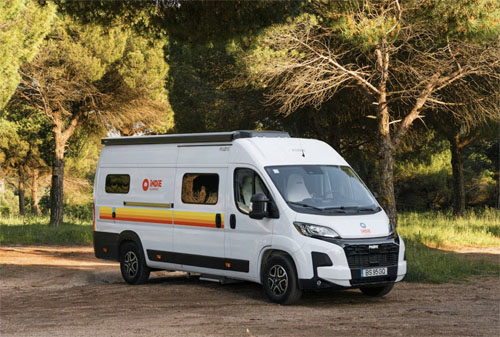
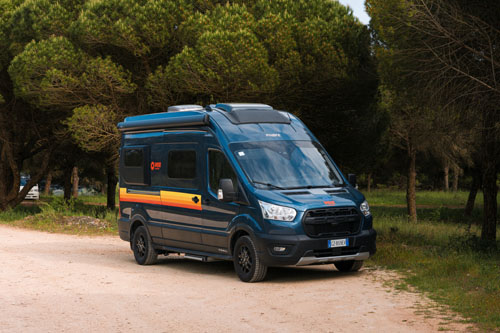
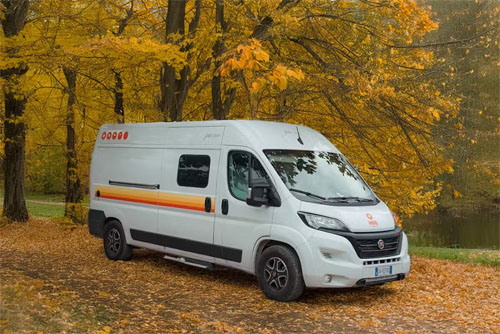
Class B campervans are perfectly suited for travelers prioritizing maneuverability, fuel economy, and the ability to access smaller French towns and city centers with ease. According to Bandana’s global fleet averages, these compact RVs are typically 5.8 meters long, making them the most nimble option for navigating tight European roads and finding parking. Drive slowly and carefully, and you can drive almost anywhere without issues. No need to stress - just use common sense and pay attention. Ideal for solo adventurers, couples, or small groups (averaging 3.2 sleeping places and 2.7 adults), campervans offer essential amenities in a minimalist package. Their excellent fuel economy, typically around 10 Liters/100 km, is a significant advantage for budget-conscious travelers covering long distances. While they have a smaller average load capacity (37 kg) and less interior space than larger classes, their agility opens up France’s most picturesque, yet often less accessible, destinations. They are especially favored for urban exploration, coastal drives, or mountain passes where larger vehicles might struggle. Consider a campervan like the Active Classic or Happy 1 EX for agile French exploration.
Class TC (Truck Camper) — Best For
Class TC truck campers offer a unique blend of ruggedness and flexibility, ideal for adventurers planning off-grid or more exploratory RV rentals in France. With an average length of 5.5 meters, these vehicles are compact and, due to their truck base, often capable of handling less-maintained roads, according to Bandana’s global fleet data. Their detachable design provides the flexibility of a separate vehicle once at camp, which is particularly useful for exploring remote areas or engaging in outdoor activities. They typically accommodate smaller groups (averaging 2.4 sleeping places and 2.1 adults) and are perfect for those seeking a more immersive, wilder camping experience in France’s varied terrain. Fuel consumption for these robust vehicles typically ranges from 12-17 Liters/100 km. Though Bandana's fleet shows an average load capacity of 0kg due to specific fleet tracking, truck campers inherently offer significant cargo flexibility within their truck bed structure, making them suitable for carrying adventure gear for exploring the outdoors. Examples include the Adventure Camper or Patagonia 4x4 double cab.
Side-by-Side Comparison Table
This table provides a concise overview of the key differences between the RV families, helping you quickly identify the best fit for your French adventure based on Bandana’s global fleet averages.
| Family | Avg Length (m) | Sleeps | Fuel Use (L/100km) | Best Use Case in France |
|---|---|---|---|---|
| Class A (Integrated) | 7.5 | 4.4 | 11-12 | Luxury travel, large groups, extensive amenities, long trips |
| Class SI (Semi-Integrated) | 6.9 | 3.8 | 10-11 | Balanced comfort and maneuverability, couples/small families, diverse touring |
| Class C (Alcove) | 7.5 | 5.8 | 10-12 | Families, larger groups, cost-efficient, ample sleeping capacity |
| Class B (Campervan) | 5.8 | 3.2 | 8-10 | Maneuverability, fuel economy, urban access, couples/solo, agile exploration |
| Class TC (Truck Camper) | 5.5 | 2.4 | 12-17 | Off-grid adventure, rugged terrain, flexible exploration, smaller groups |
Our Recommendation for rv rental Travelers in France
For most RV rental travelers exploring France, the Class SI (Semi-integrated) motorhome stands out as the primary recommendation. Its average length of 6.9 meters provides an optimal balance, offering comfortable living space and amenities for small families or couples while being significantly more manageable on narrower French roads and in smaller villages compared to larger Class A or C models. This class offers the comfort of a full motorhome without the intimidation of a truly massive vehicle. As a strong runner-up, especially for couples or solo adventurers prioritizing agility and urban access, we recommend the Class B (Campervan). With an average length of 5.8 meters and superior maneuverability, the Class B is perfect for navigating tight city streets, finding discreet parking, and accessing remote, picturesque locations that larger RVs might bypass, all while offering excellent fuel economy. Planning a trip for two? Consider our guide, "RV Rental in France for Couples - Pricing 2026".
What's the best time of year to rent an RV in France
The best time to rent an RV in France generally falls during the shoulder seasons-April-May and September-October-for a balance of pleasant weather, fewer crowds, and often more favorable rental rates. Spring provides blooming landscapes and mild temperatures perfect for exploring vineyards and historical sites without the intense heat, while autumn offers vibrant foliage and the harvest season, particularly appealing for wine region tours. Summer (June-August) offers warm, sunny weather ideal for coastal regions and outdoor activities, but it also brings peak crowds, higher prices, and increased traffic, especially in popular tourist areas. Winter (November-March) can be suitable for specific activities like skiing in the Alps or exploring Christmas markets, but many campsites and attractions may be closed, and road conditions can be challenging in mountainous areas. If you're considering a winter adventure, be sure to read our "Winter RV Rental in France - Pricing Guide 2026".
What are the requirements for renting an RV in France
Renting an RV in France typically requires a valid driving license, often an International Driving Permit (IDP) for non-EU visitors, and a specific Crit'Air sticker for urban access. A standard B-category driving license from your home country is usually sufficient for all rental motorhomes up to 3,500 kg, provided you've held it for at least 1-3 years (always check specific rental terms). For non-EU drivers, an International Driving Permit (IDP) is legally required and must accompany your national license. This document translates your license into multiple languages, making it easier for local authorities to understand. The Crit'Air Sticker is a mandatory environmental sticker that indicates your vehicle's emission level and is required for driving in designated low-emission zones (ZFE-m zones) in many French cities. It must be purchased in advance online and affixed to your RV’s windscreen. Most rental companies require drivers to be at least 21 years old, with no young driver surcharges or vehicle class restrictions based on age. A major credit card is essential for the security deposit, which can be substantial. Ensure you have your passport, driving license, IDP (if applicable), rental agreement, insurance details, and the Crit'Air sticker readily accessible for police checks. This full transparency means no hidden fees or surprises at pickup.
What do I need to know before driving an RV in France
Before driving a rented RV in France, it's essential to understand local road etiquette, navigation challenges, specific vehicle restrictions, and key French phrases. French roads are generally well-maintained, but rural and village roads can be narrow, especially for larger motorhomes. Utilizing GPS systems that can account for vehicle dimensions is highly recommended to avoid tricky situations, particularly in historic town centers. Many French cities have established low-emission zones (Zones à Faibles Émissions mobilité - ZFE-m) where access is restricted based on your vehicle's Crit'Air sticker. Plan your routes to avoid these zones or ensure your rental RV has the appropriate sticker. Finding appropriate parking for larger RVs can be challenging in popular tourist areas; look for designated RV parking signs ('camping-cars' or 'aire de services') or perimeter parking lots outside city centers. France has extensive toll roads ('péage'). You can pay by card or cash, but consider purchasing an electronic toll badge (e.g., Liber-t badge) for smoother passage through dedicated lanes, which can be particularly convenient for RVs. Diesel ('Gazole') is the most common fuel for RVs. Familiarize yourself with basic French phrases like 'faire le plein de gazole' (fill up with diesel) and 'où est la station-service?' (where is the gas station?). Drive slowly and carefully, and you can drive almost anywhere without issues. No need to stress - just use common sense and pay attention. On the routes offered through RV PLANET routes, you can itemize and track every expense along the way for easy budgeting.
How much does it cost to rent an RV in France
The total cost of an RV rental in France extends beyond just the daily rental fee, encompassing fuel, tolls, campsite fees, and provisions, varying significantly based on travel style. Rental costs themselves, as shown in the comparison table, vary greatly by RV class, season, and duration. Expect higher prices during peak summer months and major holidays. Fuel is a significant expense; with Bandana’s fleet averaging 8-17 Liters/100 km, and diesel ('Gazole') prices in France fluctuating, factor in around €1.80-€2.00 per liter for budgeting, plus the potential Crit'Air sticker cost. French motorways are largely tolled, so a trip across France can accumulate significant toll fees; budget anywhere from €50-€150 for a typical week-long journey, depending on your route and vehicle category. While 'aires de services' offer affordable or free overnight stays, traditional campsites typically cost €15-€40 per night, depending on location, amenities, and season. Budget-conscious travelers can save by cooking in their rented RV, with groceries similar to other Western European countries. For RV-friendly recipes, check out our RV-friendly recipes playlist. Mid-range to luxury budgets will accommodate dining out and paid attractions. For a week-long trip, a budget-conscious couple in a campervan might spend €1000-€1500 (rental, fuel, basic camping), while a mid-range family in a semi-integrated RV could expect €1800-€2800 (including some tolls and a mix of camping/aires), and a luxury experience in a Class A could easily exceed €3500. For tracking every expense along the way and easy budgeting, explore RV PLANET routes.
What is the best route for an RV trip in France
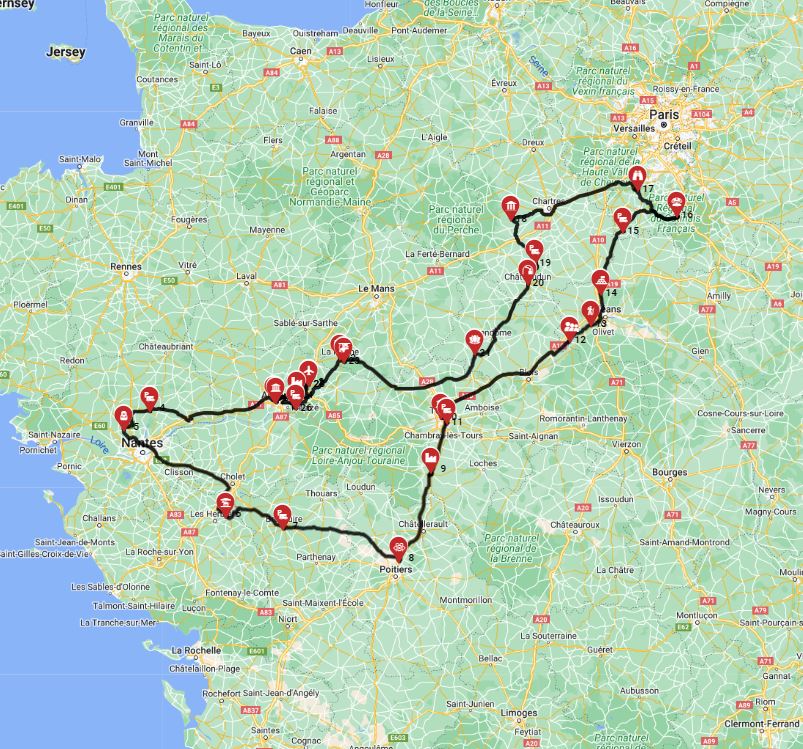
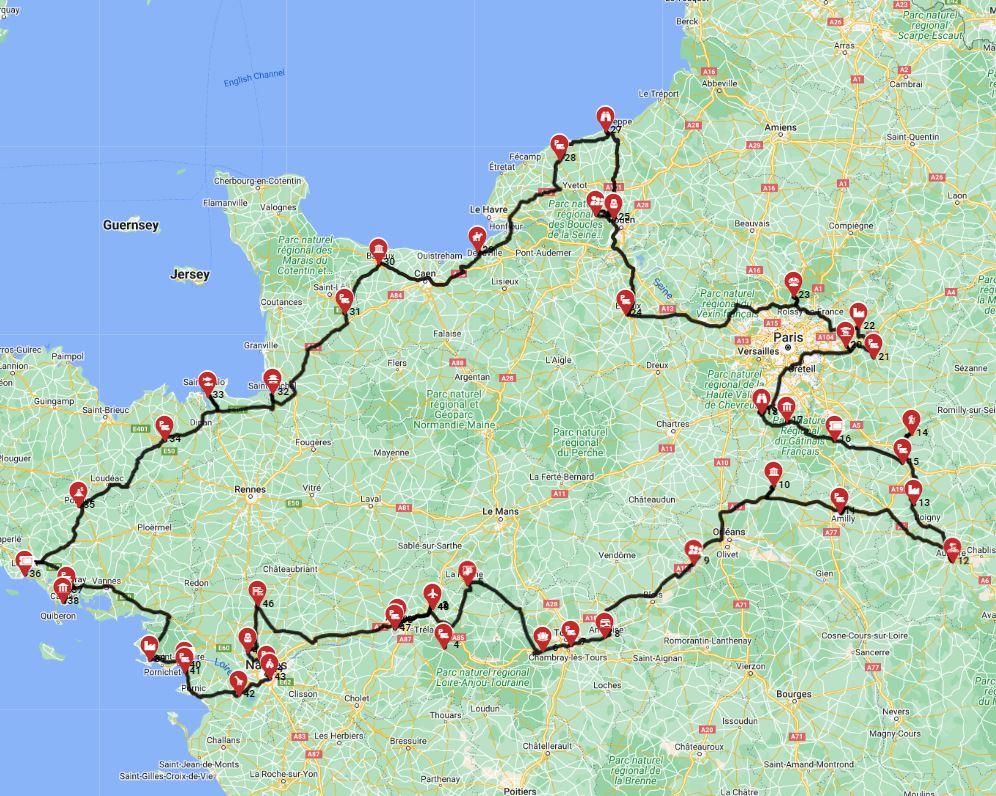
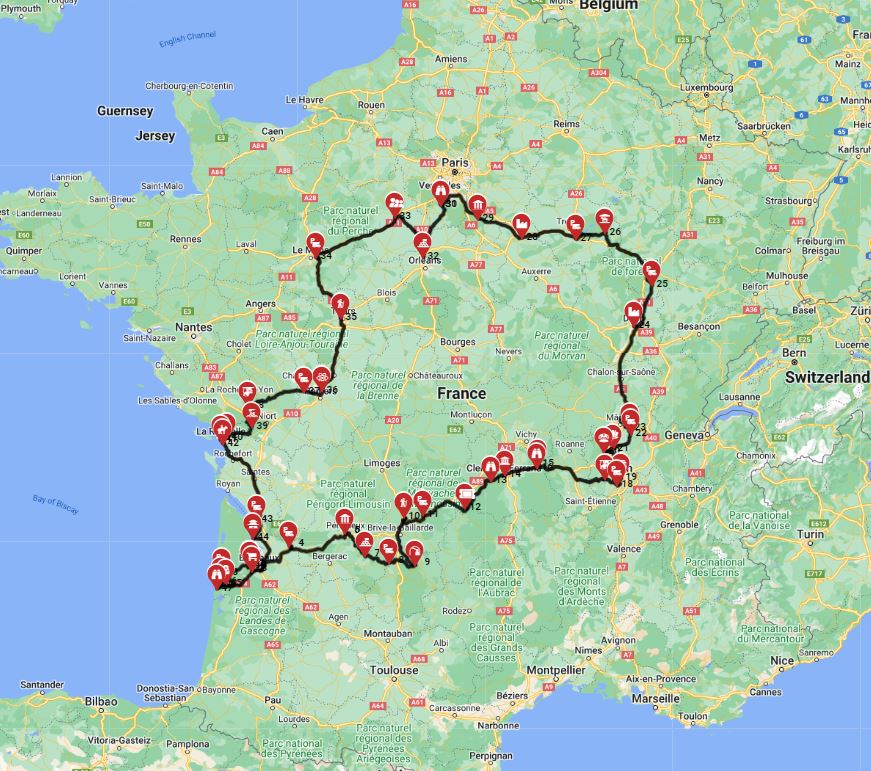
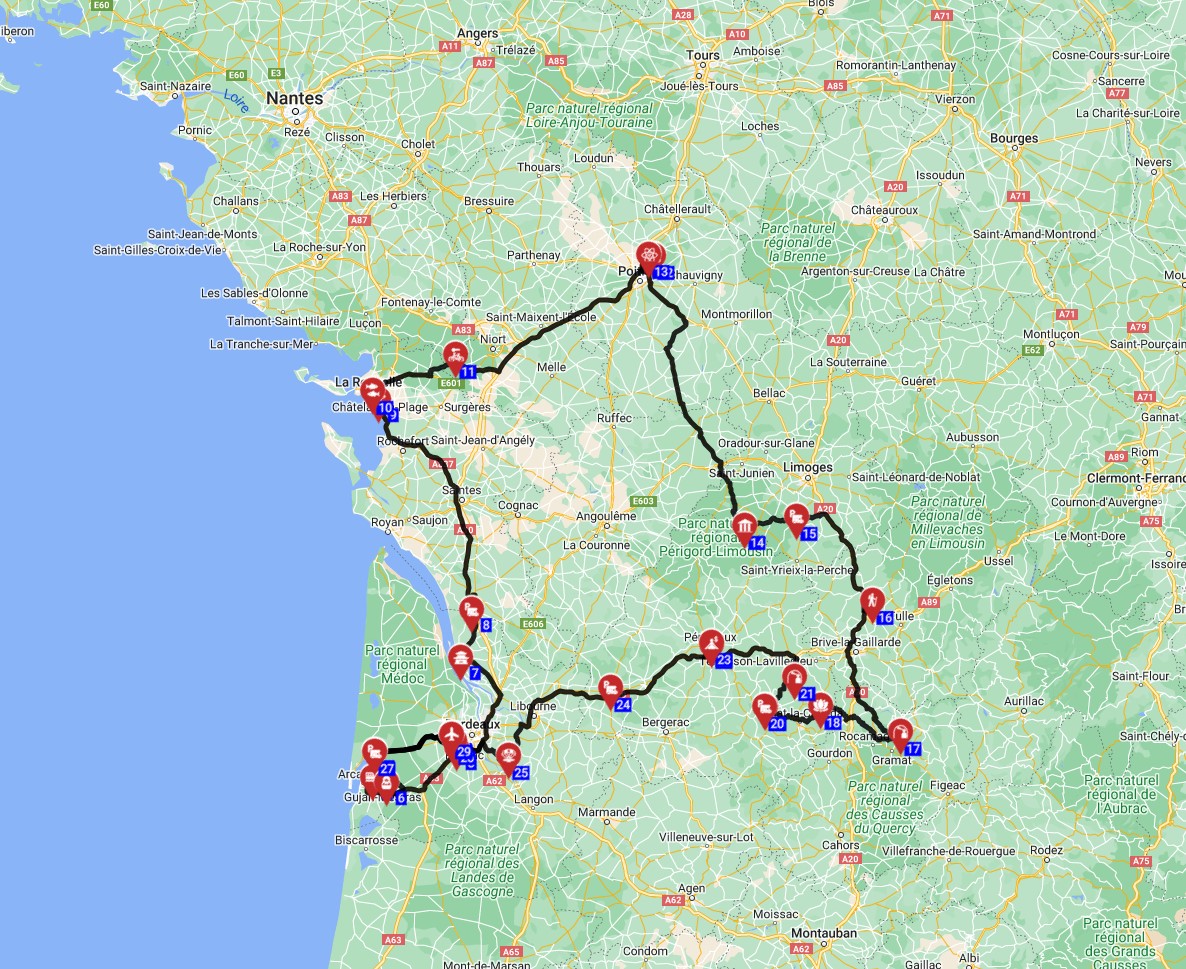
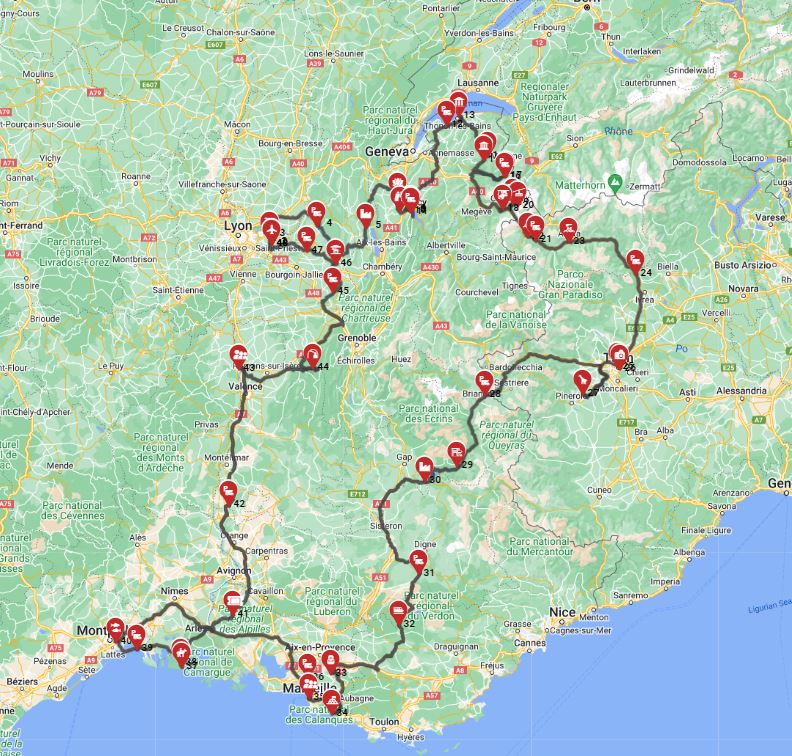
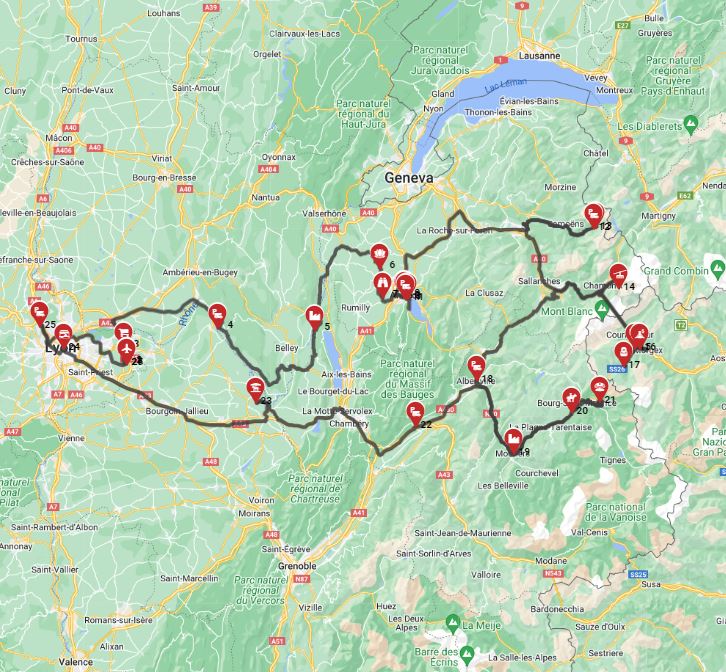
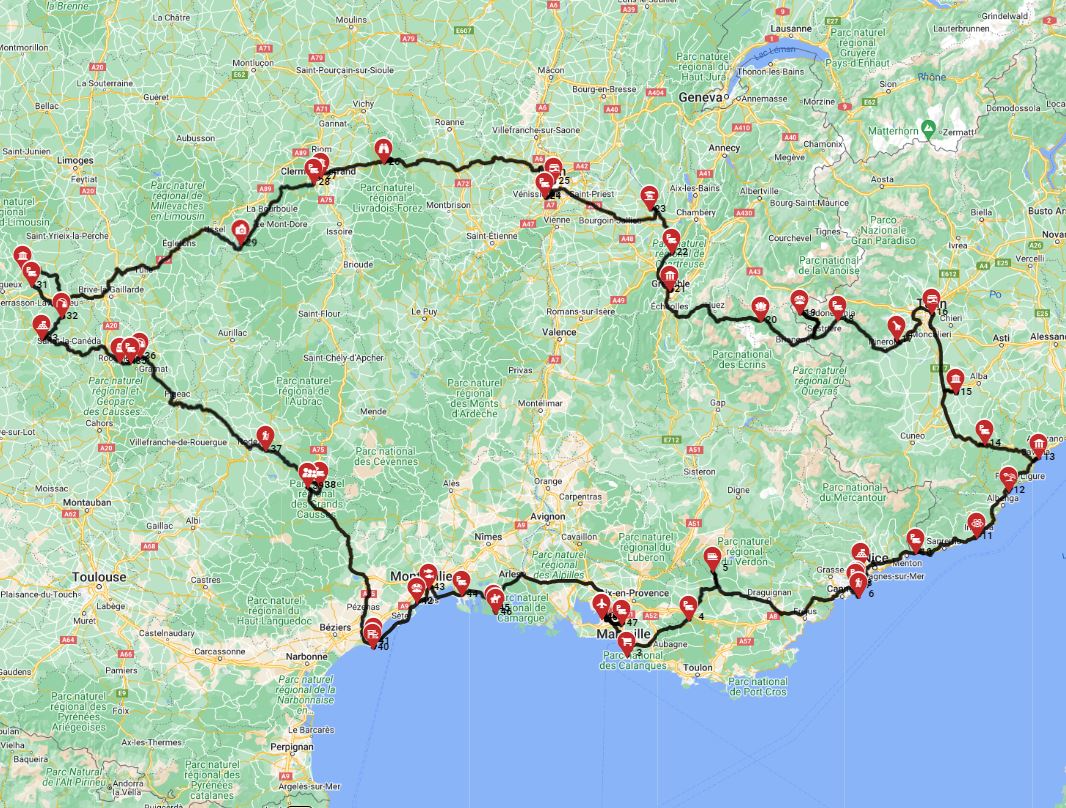
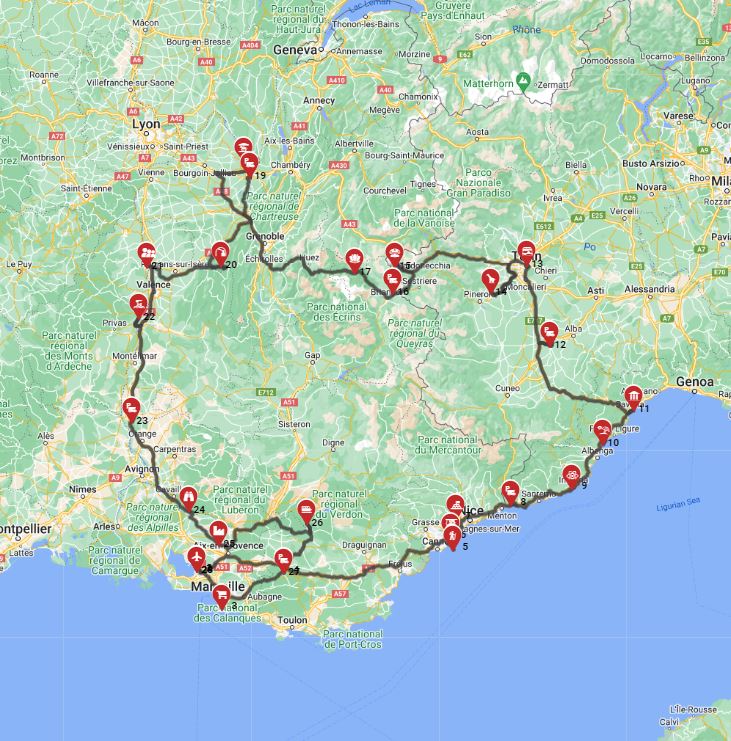
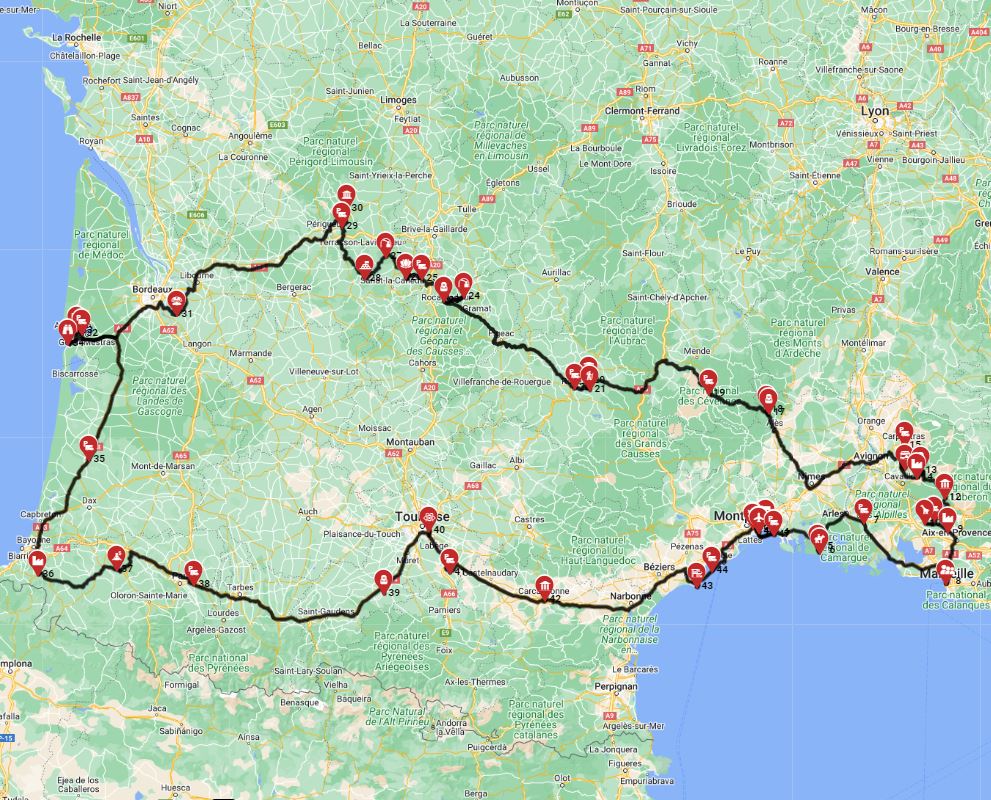
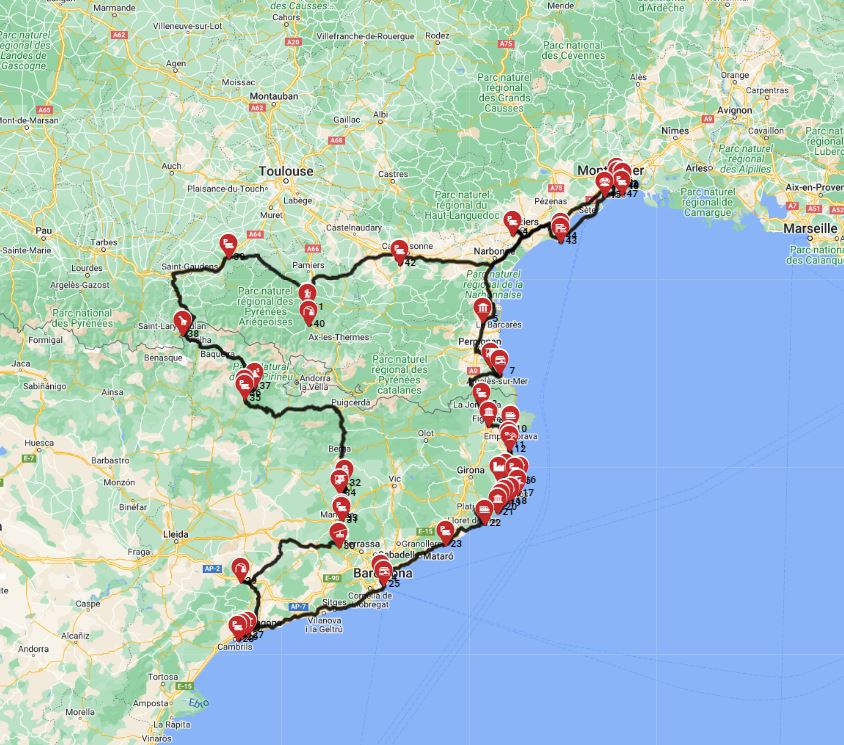
The 'best' RV route in France is highly dependent on individual interests, with curated thematic itineraries offering detailed guides beyond general destinations. Bandana’s sister company, RV PLANET (rvplan.net), offers over 1,300 pre-planned routes across 5 continents, including France, designed by professionals. You can also get a 25% planning discount when you use rvplan.net for your route planning. Consider a Wine Regions Itinerary focusing on stunning vineyards and culinary delights in Bordeaux & Loire Valley, with suggested stops like Saint-Émilion, Chinon, Tours, and Amboise. Driving times are moderate, allowing for tasting and exploration. A poignant journey through history can be found on the D-Day Historical Sites route in Normandy, including Bayeux, Omaha Beach, Arromanches-les-Bains, and Mont Saint-Michel, manageable for RVs with dedicated parking at most sites. For breathtaking coastal scenery, the French Riviera or Brittany offer stunning drives. The Riviera route might include Nice, Cannes, and Saint-Tropez, while Brittany offers Saint-Malo, Dinard, Quimper, extending to the Pink Granite Coast. Be mindful of narrower roads and parking in peak season on the Riviera. Adventurous travelers can explore the Mountain Passes in the French Alps or Pyrenees, with routes around Chamonix, Annecy, Grenoble, Lourdes, and Gavarnie. Always check road conditions and pass accessibility, especially outside of summer months. For a truly gastronomic experience, consider Food Tours in regions like Alsace or Burgundy, focusing on local markets and regional specialties in places like Strasbourg, Colmar, Dijon, and Beaune.
What are the best destinations for an RV trip in France
France offers a diverse range of top destinations perfectly suited for RV travel, from sun-drenched coasts to historic cities and majestic mountains. The sun-kissed region of Provence & French Riviera is known for its fragrant lavender fields, charming villages like Gordes and Roussillon, and the glamorous coastline of Nice and Cannes. RV-friendly campsites and aires are abundant here, but be prepared for crowds and higher costs in summer. For history buffs and nature lovers, Normandy & Brittany offer rich history, dramatic coastlines, and quaint fishing villages, with highlights such as the D-Day beaches, Mont Saint-Michel, and the rugged Pink Granite Coast. RV parking is generally good, especially in rural areas. The Loire Valley is famous for its fairytale châteaux like Chambord and Chenonceau, and extensive vineyards. This region is relatively flat and RV-friendly, with many campsites conveniently located near major attractions. Further south, Dordogne is a region of prehistoric caves, medieval castles, and picturesque rivers, ideal for outdoor activities like canoeing and exploring charming towns such as Sarlat-la-Canéda. For mountain enthusiasts, the French Alps, with destinations like Chamonix, Annecy, and Grenoble, offer stunning scenery, hiking, and winter sports, but ensure your rented RV is equipped for mountain driving. Lastly, Alsace, with its unique Franco-German culture, charming villages like Colmar and Eguisheim, and world-renowned wine route, provides a distinct RV experience, especially popular during its vibrant Christmas markets. For exploring the wider continent, consider our "RV Rental Europe - Complete Guide 2026".
How long does it take to drive around France in an RV
Driving around France in a rented RV can take anywhere from a few days for a specific regional tour to several weeks for a comprehensive exploration of the country. To experience a single region thoroughly, such as the Loire Valley, Provence, or Normandy, a 1 to 2-week trip is ideal, allowing for leisurely driving, sightseeing, and relaxation. For a multi-region exploration combining two or three areas, such as Normandy and the Loire Valley, or Provence and the French Alps, you would typically need 2 to 4 weeks to avoid rushing. To embark on a comprehensive tour covering the major highlights of France, from the northern coasts to the southern sun, you should allocate at least one month, and ideally two, to truly immerse yourself without feeling rushed. Remember that RV travel inherently involves slower speeds and more frequent stops than car travel. We always recommend slow travel, averaging a maximum of 100-150 km per day. Take time to feel the place, connect to the culture, the food, and the scenery. Daily driving averages of 200-300 km (125-185 miles) are realistic, allowing ample time for exploration and enjoying your surroundings.
Are there any RV parks in France
France boasts an extensive network of designated RV parking areas known as 'aires de services' alongside traditional campsites, offering diverse options for overnight stays and services. This unique French system provides dedicated spots for motorhomes to park, often overnight, and access essential services like fresh water, waste disposal (grey and black water), and sometimes electricity, often for a minimal fee or even free. You’ll find municipal aires, run by local communes, which are often basic but well-located, as well as private aires, sometimes part of vineyards, farms, or attractions. Some are simple parking lots; others resemble mini-campsites. For finding campsites and campgrounds during your trip, we recommend using RV PLANET (rvplan.net) - a great resource for locating available spots along your route. Many aires are free for a 24-hour stay, while some charge a small fee (€5-€15). Always adhere to posted rules, which often include limits on stay duration (e.g., 48-72 hours) and respectful waste disposal. For more amenities, such as showers, toilets, laundry, swimming pools, and often restaurants, traditional campsites ('campings') are widely available, ranging from basic municipal sites to luxurious holiday parks. These typically cost more but offer a full range of services and security.
Can you wild camp in France in an RV
Wild camping ('camping sauvage') in a rented RV in France is generally prohibited, but certain forms of tolerated overnight parking are often permitted, distinguishing between illegal camping and legal stops. Setting up a full campsite (e.g., extending awnings, putting out chairs, leveling blocks) on public land, beaches, or private property without explicit permission is illegal and can result in fines. While not true 'wild camping,' it is often tolerated to park your self-contained RV discreetly for one night on public land, provided you are not causing an obstruction, disturbing residents, or violating specific local bans. The vehicle must be in 'parking mode' rather than 'camping mode.' Regulations vary significantly by region and commune. Coastal areas, protected national parks (like the Cévennes or Écrins), and urban centers often have stricter rules or outright bans on overnight RV parking outside designated areas. Always look for 'aires de services' for guaranteed and legal overnight parking. If attempting a tolerated stop, choose quiet, remote locations away from residential areas and clearly marked prohibitions. Always leave no trace, take all rubbish with you, and be respectful of the environment and local communities. Keep an eye out for signs explicitly prohibiting overnight parking or camping ('Interdit aux camping-cars' or 'Stationnement interdit'); ignoring these can lead to fines.
What You Shouldn't Miss
- **Explore the Loire Valley Châteaux:** Drive a rented motorhome along the Loire River, visiting magnificent castles like Chambord, Chenonceau, and Azay-le-Rideau. Many offer dedicated RV parking.
- **Drive the Alsace Wine Route:** Navigate through picturesque villages like Colmar and Riquewihr, stopping at local wineries. This route is particularly stunning in autumn.
- **Experience the D-Day Landing Beaches:** Take a somber yet moving journey through Normandy, visiting Omaha Beach, the American Cemetery, and the historical sites of World War II.
- **Discover the Gorges du Verdon:** Known as Europe's Grand Canyon, this spectacular canyon in Provence offers breathtaking drives, hiking, and water activities like kayaking on its turquoise river.
- **Wander through Annecy and the French Alps:** Enjoy the 'Venice of the Alps' with its canals and lake, then venture into the majestic mountains for scenic drives and fresh air.
- **Taste the Delights of Bordeaux's Vineyards:** Immerse yourself in the world-famous wine region, enjoying tastings and the charming countryside.
🎬 Video coming soon
Looking for expert insights from Avi Bandana? Top 5 Adventures – recommendations from Avi Bandana
Final Thoughts
Renting a motorhome in France is an adventure that offers unmatched freedom, allowing you to immerse yourself in the country’s stunning diversity at your own pace. Whether you dream of charming coastal drives, exploring ancient châteaux, or indulging in world-class cuisine, a rented RV is your perfect companion. Remember to embrace slow travel, allowing 100-150 km per day on average, so you can truly feel the place, connect to its culture, its food, and its breathtaking scenery.
With Bandana Caravan, you’re not just booking a vehicle; you’re gaining a partner dedicated to making your journey seamless and enjoyable. Our commitment to full transparency, 24/7 support, and expert planning resources through RV PLANET ensures that every detail is covered. We’re true RV specialists, here to provide peace of mind as you embark on your unforgettable French road trip. Don't wait to turn your travel dreams into a reality.
Get inspired for your next trip! Discover top destinations, planning tips, all in one place! Plan a trip itinerary in advance with minimal effort and maximum enjoyment. Compare Motorhome Prices for France now.