In This Guide
- Top 5 Tips for RV Rental in Oslo
- Before You Book - Class, Dates, Insurance
- Pre-Trip Prep - Packing Checklist for Oslo
- On the Road - Driving, Fueling, Navigation
- At the Campground - Setup, Hookups & Etiquette
- RV-Specific Tips for Oslo
- Common Mistakes to Avoid in Oslo
- Is Norway RV friendly?
- What are the drawbacks of renting an RV in Oslo?
- How much per day does it cost to rent a camper van in Norway?
- Can you park a motorhome anywhere in Oslo?
- Is a campervan in Norway worth it?
Top 5 Tips for RV Rental in Oslo
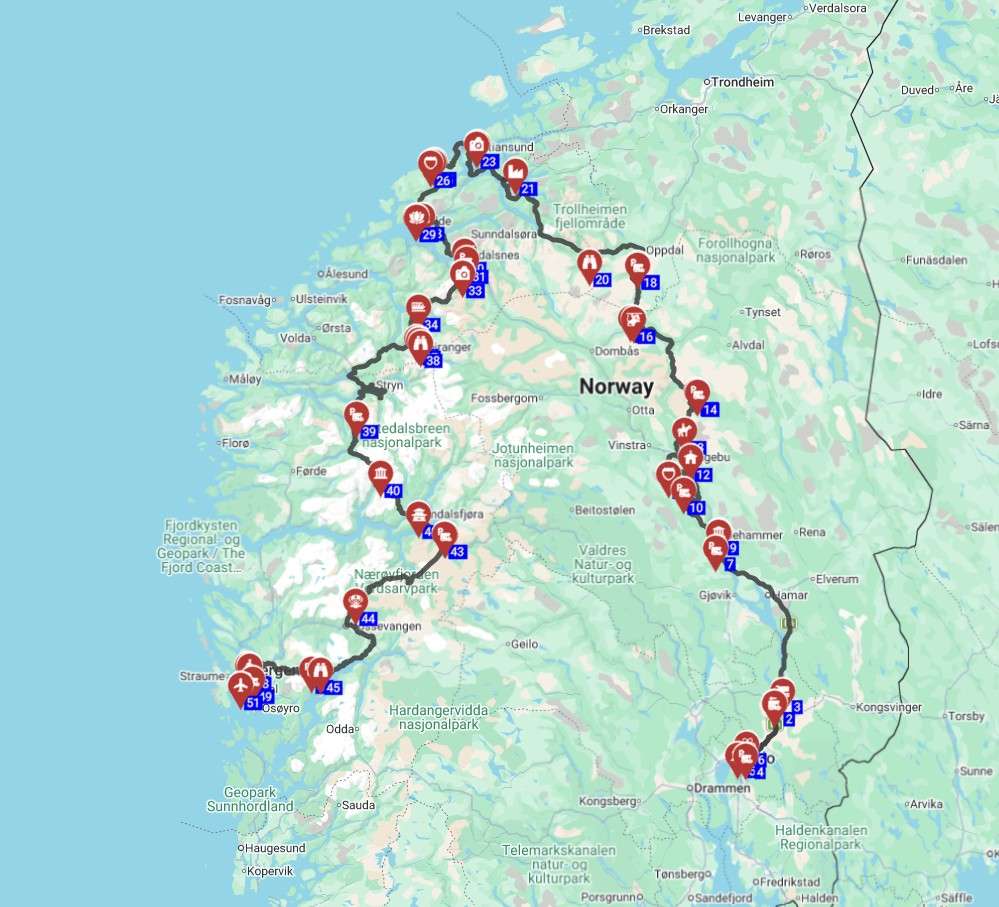
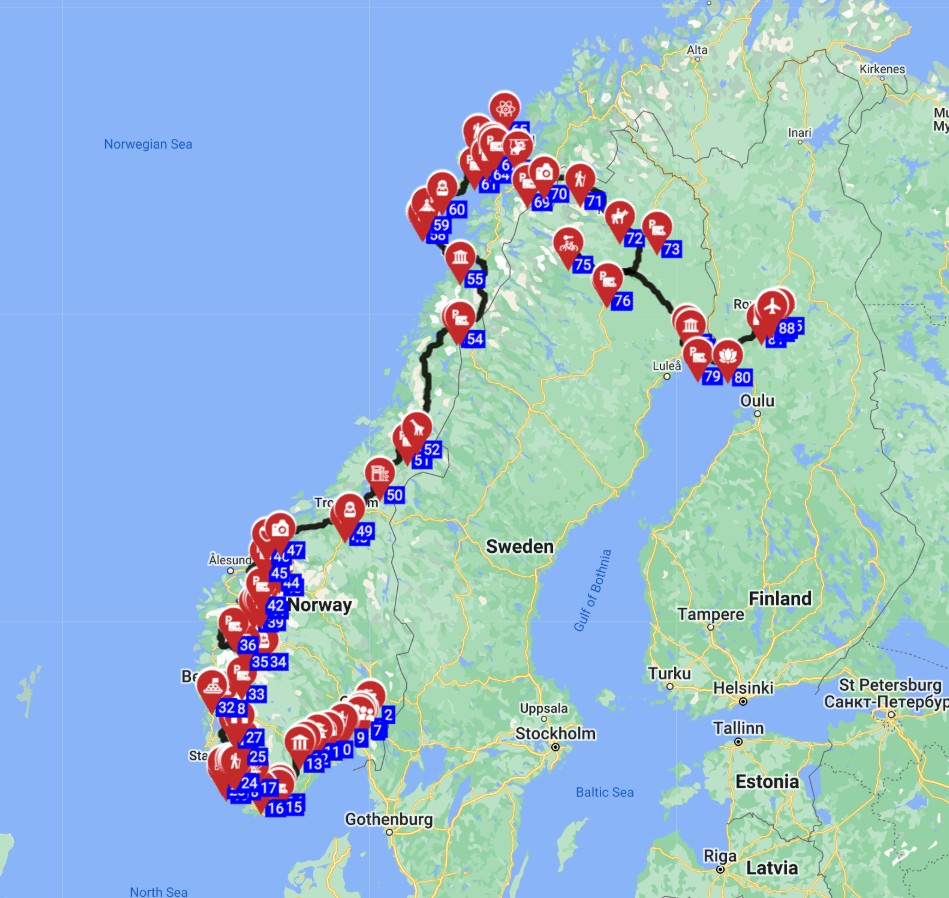
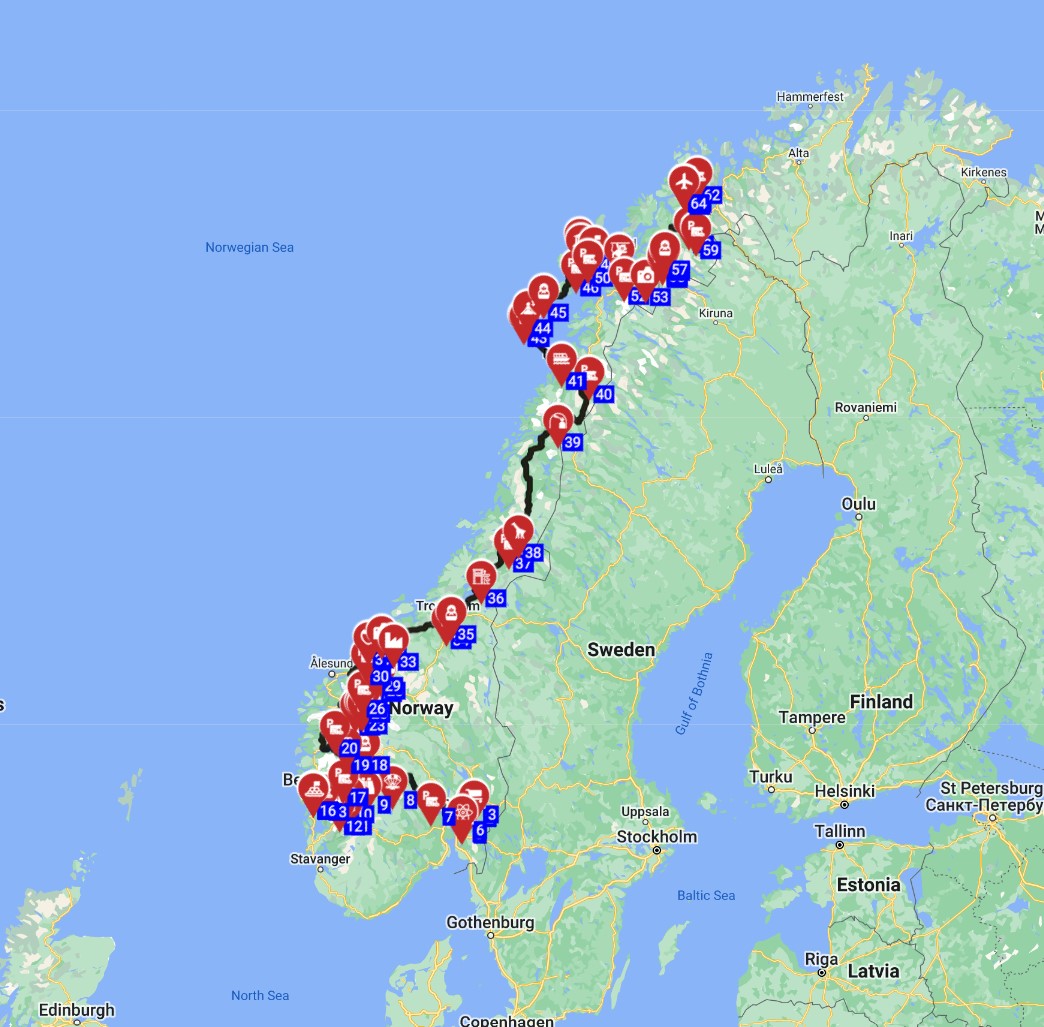
To maximize your RV rental experience in Oslo, Norway, familiarize yourself with key planning aspects such as early booking, understanding local tolls, and utilizing public transport for city exploration. On the routes offered through RV PLANET routes, you can itemize and track every expense along the way for easy budgeting.
1. Book your RV well in advance, especially for summer travel, to secure the best selection and rates; spontaneous travelers can still find spots, but popular models, like the family-friendly "MHC28" (a motorhome with 7 sleeping places and a length of 7.3m), are snapped up quickly. 2. Familiarize yourself with Norway's road toll system (Autopass), particularly Oslo's extensive city tolls, to avoid unexpected charges; charges are based on time of day and emissions class. 3. Plan to utilize Oslo's efficient public transport system from RV parks located on the city's periphery, as central city driving and parking for RVs are challenging. Drive slowly and carefully, and you can drive almost anywhere without issues. No need to stress - just use common sense and pay attention. 4. Understand Norway's 'right to roam' (allemannsretten) but always respect private property and leave no trace, especially in cultivated areas around Oslo. 5. Budget for all potential costs, including rental fees, fuel (averaging NOK 20-25/litre), city tolls, specific ferry costs for RVs in the Oslofjord area (based on vehicle length and weight), and urban campground fees (typically NOK 300-600 per night).
As true RV specialists, we pride ourselves on providing 24/7 support before, during, and after your booking, ensuring you have real people behind you every step of the way. Compare final prices across 50+ suppliers - what you see is what you pay, with no surprise fees at pickup.
Before You Book - Class, Dates, Insurance
Carefully consider your RV class, travel dates, and insurance coverage to ensure a comfortable and secure trip around Oslo.
Choosing the right RV class is crucial for your Oslo adventure. Smaller campervans, such as a "Category Van" (ideal for a couple, with features like front air conditioning and shower), are more agile for navigating areas around Oslo, offering easier maneuvering on smaller roads and in parking areas. Larger motorhomes, like a "4 Berth Adventurer" (sleeps 4, with 125 liter fresh water tank and a 190 liter refrigerator), offer more amenities and space, making them ideal for longer trips with families or groups. The best times to visit Oslo by RV are during the shoulder seasons (May-June, September) for milder weather, fewer crowds, and easier access to city attractions and less congested traffic. Summer (July-August) is peak, with more events and longer daylight hours, but also higher demand for RVs and potential for road and city congestion. Lock in your dates early, especially for peak season rentals, to ensure availability of your preferred RV model and often better rental rates. Rental prices are dynamic, changing daily based on availability, seasonality, and supplier marketing decisions, so booking early usually offers more competitive pricing. Basic insurance is always included with your rental. For comprehensive peace of mind, you can upgrade to a top-level deductible for extra security during your journey in Oslo. For more insights on costs, you can consult our RV Rental in Oslo - Prices and Best Deals 2026 guide.
Pre-Trip Prep - Packing Checklist for Oslo
A well-prepared packing list will ensure you're ready for Oslo's varied weather and your RV's living needs.
When packing for your Oslo RV adventure, focus on versatility and practicality. Norway's weather can be unpredictable, even in summer, so layers are key. Here’s a basic checklist:
- Waterproof and windproof jacket/trousers: Essential for exploring the fjords or city in any weather.
- Layers (thermals, fleece, light tops): Allows you to adapt to temperature changes throughout the day.
- Comfortable walking shoes: Crucial for exploring Oslo's vibrant neighborhoods and numerous hiking trails.
- Hat, gloves, and a scarf: Even in summer, evenings can be cool, especially by the water or in higher elevations.
For your RV's living space, consider these items:
- Reusable water bottle: Stay hydrated and reduce plastic waste.
- Basic spices, cooking oil, and non-perishable food items: Essential for preparing delicious meals in your RV kitchen. Explore our RV-friendly recipes playlist for inspiration.
- Biodegradable dish soap and sponges: Environmentally friendly options for washing up.
Safety and navigation:
- Comprehensive first-aid kit: Always be prepared for minor scrapes or emergencies.
- Reflective vest: Mandatory in certain roadside situations in Norway.
- GPS with updated Norway maps: Offline capabilities are a lifesaver in areas with limited cell service.
- Headlamp or flashlight: Useful for evening walks or campground tasks.
Finally, your essential documents:
- Valid driver's license: A standard car driver's license is sufficient for all motorhome classes; an International Driving Permit (IDP) is recommended for non-English speakers but not mandatory.
- Passport or other valid identification.
- Rental agreement and insurance details: Keep these easily accessible.
- Autopass toll registration details: If you pre-arranged this, have the information handy.
On the Road - Driving, Fueling, Navigation
Navigating Norway's roads with a rented RV, particularly around Oslo, requires awareness of local customs, toll systems, and fuel prices.
Driving in Oslo's urban environment with larger RVs, such as a 7.6-meter "Jayco Escape" or a "Class C - Alcove" like the "CA-25" (7.6m length, 151-liter fresh water tank), requires attention to narrow streets, one-way systems, and potential limited access zones, especially during peak traffic hours. Drive slowly and carefully, and you can drive almost anywhere without issues. No need to stress - just use common sense and pay attention. Oslo's city tolls are automated and managed by the Autopass system. Ensure your rental RV is properly registered or that you understand the payment process post-trip to avoid fines, as these can significantly add to your budget. Fueling stations are widely available across Norway, offering both diesel and gasoline; be prepared for higher fuel prices compared to many other European countries, typically averaging NOK 20-25 per liter. Utilize reliable GPS navigation, preferably with real-time traffic updates, and consider using apps like Google Maps for public transport directions from RV parks into Oslo city center. Factor in specific ferry costs for RVs if your itinerary includes crossings across the Oslofjord or other fjords, as charges are based on vehicle length and weight. For navigating these and other ancillary costs during your trip, RV PLANET routes allow you to itemize and track every expense for easy budgeting.
At the Campground - Setup, Hookups & Etiquette
Proper campground setup and adherence to etiquette ensures a comfortable and respectful experience for all RV travelers in Oslo.
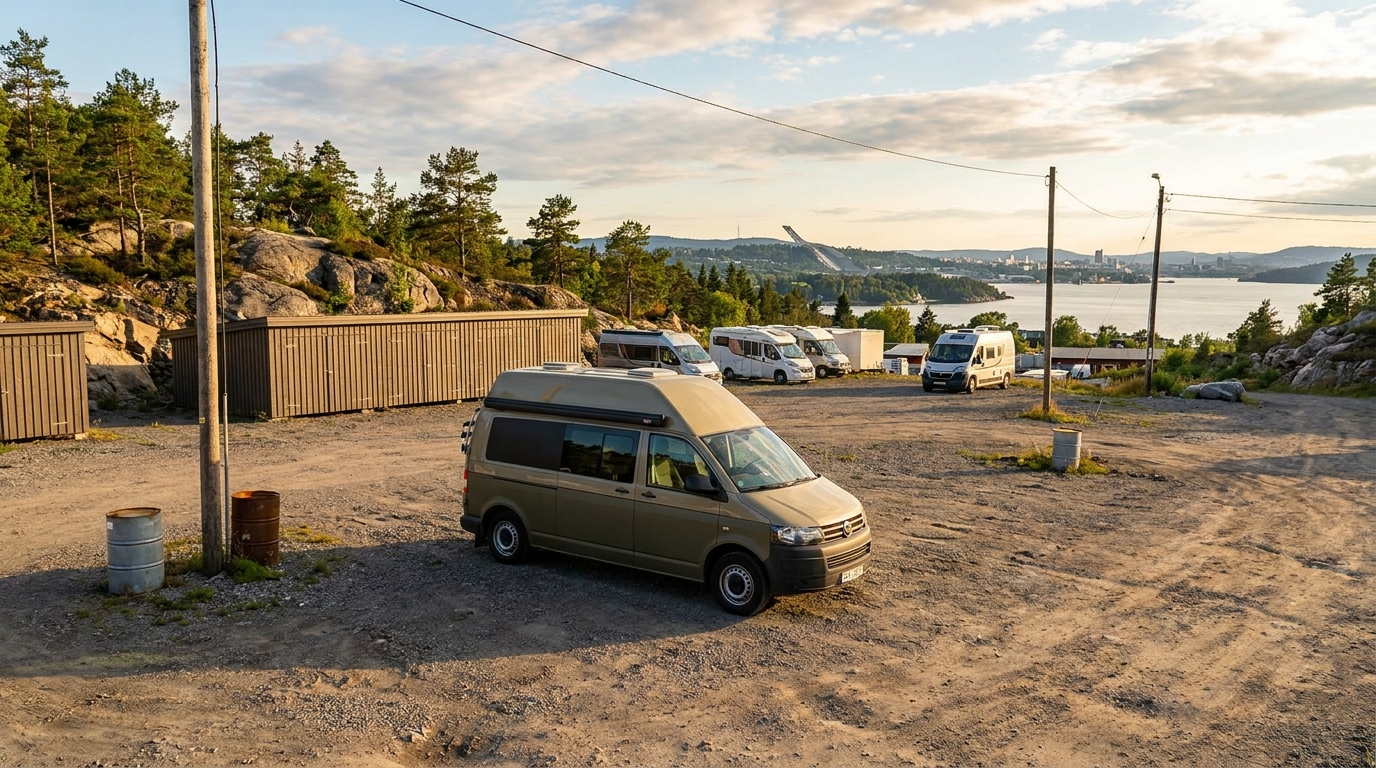
Upon arrival at a campground near Oslo, first level your RV using blocks or an automatic leveling system to ensure comfort and proper functioning of onboard systems. Then, proceed to connect electrical hookups, typically requiring a CEE 16A blue plug common across Europe, followed by fresh water, and finally, grey and black water hoses to designated disposal points. Most Norwegian campgrounds provide electrical hookups and convenient points for fresh water refill and waste disposal. For finding campsites and campgrounds during your trip, we recommend using RV PLANET (rvplan.net) - a great resource for locating available spots along your route. Observe campground quiet hours, usually from 10 PM to 7 AM, to ensure a peaceful environment for all campers. Always maintain a tidy site and dispose of all waste properly in designated bins. Expect to pay urban campground fees ranging from NOK 300-600 per night for a serviced pitch at RV parks located conveniently near Oslo, like Ekeberg Camping or Bogstad Camping.
RV-Specific Tips for Oslo
Tailoring your RV trip to Oslo with specific considerations for family activities and vehicle choice can greatly enhance your adventure.
For kid entertainment during drives or downtime in your rented motorhome, pack a selection of travel games, books, or pre-loaded tablets, especially when navigating city areas or during ferry waits across the Oslofjord. Plan nap-friendly drives by incorporating shorter travel segments and scheduling stops at parks or child-friendly attractions around Oslo, balancing urban exploration with family comfort. Explore RV-friendly attractions in and around Oslo, such as the expansive Ekebergparken Sculpture Park, which offers convenient parking for larger vehicles, or take a scenic drive to the charming fjord town of Drøbak, often with RV parking available on its periphery. Consider an RV model with ample storage for family gear and possibly an extra bed or flexible sleeping arrangements to accommodate everyone comfortably; a "Group G" motorhome, for instance, can sleep up to 7 people with bunk beds and a 140-liter fresh water tank. Our team of experts are ready to help you choose the best vehicle for your needs. Plan a trip itinerary in advance with minimal effort and maximum enjoyment. Get inspired for your next trip!
🎬 Video coming soon
Common Mistakes to Avoid in Oslo
Prevent common first-timer errors in Oslo by planning for tolls, city access, and campground bookings.
One common mistake RV renters make in Oslo is underestimating Oslo's city tolls; instead, research the Autopass system and confirm your rental RV's registration to budget accurately and avoid unexpected charges. Another pitfall is attempting to drive a large RV directly into Oslo's city center; instead, utilize peripheral RV parks and leverage Oslo's excellent public transport system for central city access. Drive slowly and carefully, and you can drive almost anywhere without issues. No need to stress - just use common sense and pay attention. Not booking campgrounds in advance, especially during peak season (July-August) and around popular spots like Ekeberg Camping, can lead to disappointment; secure your desired camping spots to prevent arriving without a place to stay. While many national/state parks reserve only 25-30% of spots, leaving the rest first-come-first-serve, it's always wise to call ahead for availability if you're traveling spontaneously. Forgetting to budget for Norway's higher prices is another error; instead, meticulously plan for fuel (NOK 20-25/litre), food, specific ferry costs for RVs, urban campground fees, and attraction entry costs. Finally, ignoring specific RV parking rules in Oslo is a mistake; always check local signage carefully, as designated RV parking is rare in the city core, so rely on campgrounds or park-and-ride facilities. You'll find a spot. If not at the first campground, then the next one. Call ahead before driving.
Is Norway RV friendly?
Norway is exceptionally RV friendly, offering stunning scenic routes, numerous well-equipped campgrounds, and the unique 'right to roam' (allemannsretten) for responsible wild camping in uncultivated areas.
The country boasts breathtaking landscapes and well-maintained roads, though some in fjord areas can be narrow and winding. Numerous campsites are available across Norway, providing modern facilities, electrical hookups, and waste disposal points. Allemannsretten (the right to roam) permits responsible wild camping in uncultivated land for up to two nights, typically enhancing the RV experience by allowing unique overnight stops, provided you maintain a distance of at least 150 meters from inhabited houses or cabins and leave no trace. While generally friendly, navigating Norway with a rented RV, especially larger models like a 6-berth "Euro Deluxe" (equipped with a 190-liter refrigerator and 125-liter fresh water tank), requires careful driving on mountain passes and through city centers like Oslo. For a broader overview of RV travel in the country, explore our RV Rental Norway - Complete Guide 2026.
What are the drawbacks of renting an RV in Oslo?
While offering unparalleled freedom, renting an RV for an Oslo trip can involve significant costs, challenges with urban navigation and parking, and the ongoing responsibility of vehicle maintenance and waste disposal.
High rental costs, particularly during peak summer season, are compounded by Norway's generally high prices for fuel (averaging NOK 20-25/litre), road tolls, and specific ferry costs for RVs in the Oslofjord area. Navigating Oslo's urban environment with an RV presents challenges due to narrow streets, restricted access zones, and very limited dedicated RV parking in the city center. There can be traffic congestion in popular tourist areas and cities during peak travel times, which can slow down travel and make driving less enjoyable. The responsibility of vehicle management, including emptying grey/black water tanks, refilling fresh water, and general upkeep, falls to the renter. Compared to traditional car rental, rented RVs offer less flexibility for spontaneous city parking, often requiring planned stays at peripheral campgrounds with public transport links. For instance, a "Luxury" motorhome, while offering 100 liters of fresh water and a 86 liter refrigerator, still faces the same city parking limitations.
How much per day does it cost to rent a camper van in Norway?
The daily cost to rent a camper van in Norway can range from approximately €100-€150 in the off-season to €200-€350+ during peak summer months (2026), before factoring in additional expenses like insurance, fuel, tolls, and specific Oslo-area costs.
Rental prices fluctuate significantly based on the season, the size and model of the RV, and the duration of your rental period. For example, a compact "Category Van" might be on the lower end, while a larger "Koru Star 4 Freedom" with a 100-liter fresh water tank and 280-watt MPPT controlled solar system would be higher. A detailed breakdown of *all* potential costs for an Oslo-centric RV trip includes city tolls, specific ferry costs for RVs, fuel, urban campground fees, and public transport integration. Oslo has an extensive system of automatic toll roads (Autopass) where RVs are charged based on vehicle category, significantly adding to the daily operational cost. Specific ferry costs for RVs, particularly across the Oslofjord or other fjords, can be substantial as charges are calculated based on vehicle length and sometimes weight. Norway has some of Europe's highest fuel prices (Diesel/Gasoline averages NOK 20-25/litre), which will be a significant ongoing expense. Urban campground fees around Oslo typically range from NOK 300-600 per night for a serviced pitch, which should be budgeted separately from the rental rate. Remember, prices are dynamic like flight tickets, changing daily based on availability, seasonality, and supplier decisions. The final price is set at actual booking time. For the latest deals, check out our RV Rental Deals in Oslo - Latest Offers 2026.
Can you park a motorhome anywhere in Oslo?
While Norway's 'right to roam' (allemannsretten) allows for overnight stays in uncultivated areas, specific rules apply to motorhomes, particularly concerning parking within urban zones like Oslo, where general street parking is very restricted.
The Allemannsretten allows for wild camping in uncultivated land for up to two nights, provided you maintain a distance of at least 150 meters from inhabited houses or cabins and leave no trace. However, this right typically applies to non-motorized camping and does not automatically extend to parking a rented motorhome just anywhere; discretion and local signage are crucial. In cities like Oslo, street parking for large RVs is extremely restricted or often prohibited, and vehicles may face fines or towing if parked illegally on major thoroughfares like Karl Johans gate or near popular landmarks. For visiting Oslo's city center, it is highly recommended to utilize official campsites or designated RV parks located on the periphery, which often have good public transport connections, such as Bogstad Camping or Ekeberg Camping, both offering bus or tram access. Specific RV parking challenges within Oslo's city center mean that suitable spots are very rare; prioritize planning your stops at campgrounds outside the immediate urban core and rely on Norway's excellent public transport. For more detailed driving advice, consult our Driving an RV in Oslo - Complete Guide 2026.
Is a campervan in Norway worth it?
A campervan in Norway is generally considered worthwhile for travelers seeking flexibility, immersive nature experiences, and the ability to explore beyond conventional tourist routes, provided they are prepared for the associated costs and urban navigation challenges in places like Oslo.
The primary advantage of renting a campervan, such as a "Combi Van" (sleeps 4, with 60 liter fresh water tank) or a smaller "Active Pop Top" (sleeps 4, 90 liter fresh water tank), is the unparalleled freedom to explore Norway's breathtaking landscapes at your own pace, stopping at scenic viewpoints and staying in diverse locations. It can offer cost savings on accommodation compared to hotels, especially if you utilize the 'right to roam' for responsible wild camping, though this is balanced by high rental, fuel, and toll costs. A realistic assessment of RVing *in an urban setting like Oslo* indicates that while excellent for broader Norwegian exploration, an RV is less ideal for direct city center access and is better used as a base camp outside the city, relying on public transport for urban visits. The value of a campervan experience in Norway largely depends on your travel style: it is ideal for those prioritizing scenic beauty, outdoor activities, and independent travel, but less so for a purely city-focused trip. For more planning advice and top spots, refer to our RV Travel Guide to Oslo - Tips and Top Spots 2026.
What You Shouldn't Miss
Oslo and its surroundings offer a rich tapestry of experiences for RV travelers.
- Explore the Bygdøy Peninsula: Home to the Viking Ship Museum, Fram Museum, and Kon-Tiki Museum. Park your RV at a nearby campground and take public transport or cycle to these world-class attractions.
- Wander through Vigeland Sculpture Park: This incredible outdoor sculpture park in Frogner Park is a unique artistic marvel and offers ample space for a relaxing afternoon.
- Hike in Oslomarka: Just outside the city, the Oslomarka forest offers vast recreational areas perfect for hiking, biking, and even designated wild camping spots.
- Visit Akershus Fortress: A historic medieval castle and royal residence overlooking Oslo Fjord, offering stunning views and a glimpse into Norway's past.
- Indulge in a Floating Sauna Experience: A distinctly Oslo activity, book a session in one of the floating saunas in the city harbor for a unique blend of relaxation and refreshing dips in the fjord.
Looking for expert insights from Avi Bandana? Top 5 Adventures - recommendations from Avi Bandana
Final Thoughts
Embarking on an RV trip to Oslo offers an incredible blend of urban exploration and natural beauty, providing a unique way to experience Norway. While city driving and parking require a bit more planning, the freedom of having your accommodation and kitchen on wheels allows you to discover hidden gems around the Oslofjord and beyond. Remember to travel slowly, averaging max 100-150 km per day, to truly immerse yourself in the culture, food, and stunning scenery that Oslo and its surroundings have to offer.
Whether you're a seasoned RV enthusiast or a first-timer, preparation is key to a memorable journey. At Bandana RV, we're dedicated to making your RV rental in Oslo as seamless and enjoyable as possible, offering full transparency and expert support every step of the way. So, pack your bags, choose your ideal motorhome, and get ready for an unforgettable Nordic adventure!
Find Motorhome Rentals in Oslo