In This Guide
- Top 5 Tips for Airport RV Rental in North Canada
- Before You Book - Class, Dates, Insurance
- Pre-Trip Prep - Packing Checklist for North Canada
- On the Road - Driving, Fueling, Navigation
- At the Campground - Setup, Hookups & Etiquette
- Airport RV Rental-Specific Tips for North Canada
- Common Mistakes to Avoid in North Canada
- What do I need to know before renting an RV in North Canada?
- What is the 3-3-3 rule for RV travel in North Canada?
- What are the drawbacks of renting an RV in North Canada?
- How much does it cost to rent an RV in North Canada for a week?
- Is renting an RV cheaper than flying for North Canada travel?
- What do you need to enter Canada with an RV?
- Do RVs get searched at the Canadian border?
Embarking on an RV adventure in North Canada is an unforgettable journey, offering vast wilderness, stunning landscapes, and unparalleled opportunities for wildlife viewing and exploration. Flying into a northern city and picking up your rented RV directly from the airport offers maximum convenience, immediately launching you into the heart of your Canadian wilderness experience. To help you plan your journey, consider our RV Rental North Canada - Complete Guide 2026 for detailed information on the region.
Top 5 Tips for Airport RV Rental in North Canada
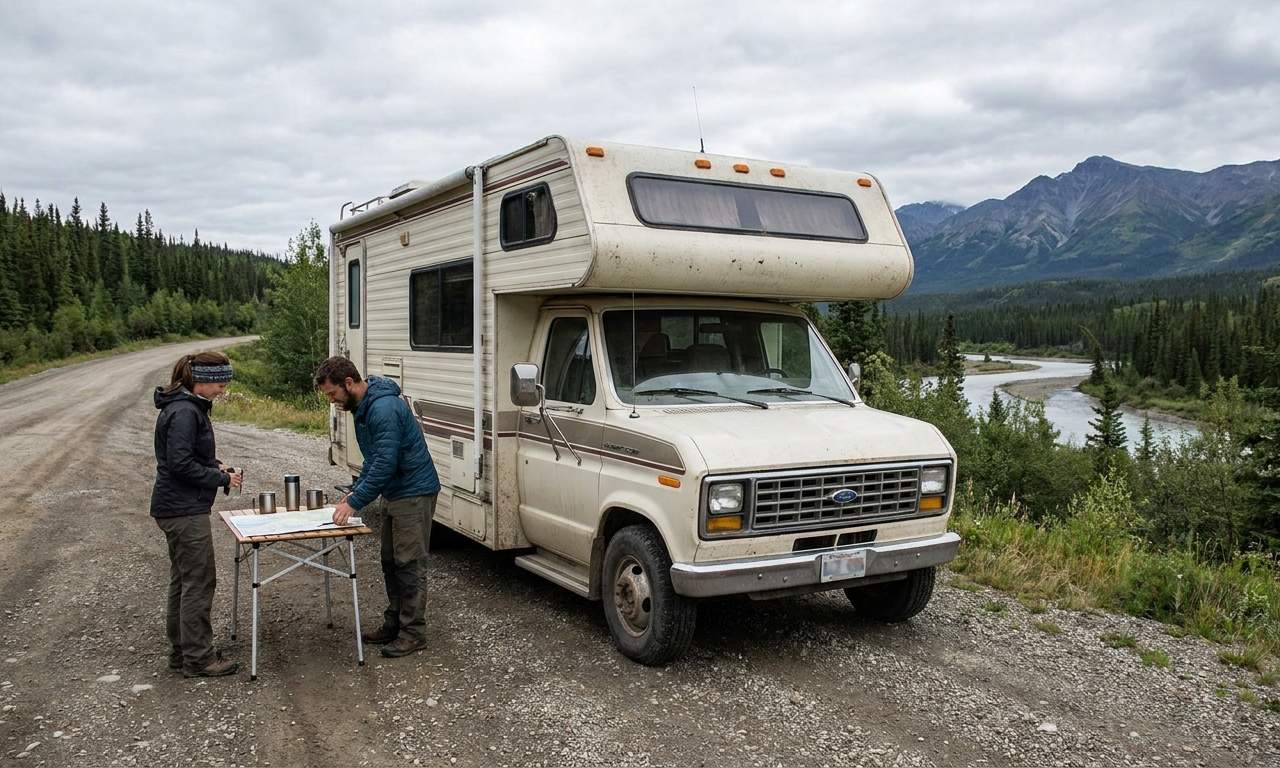
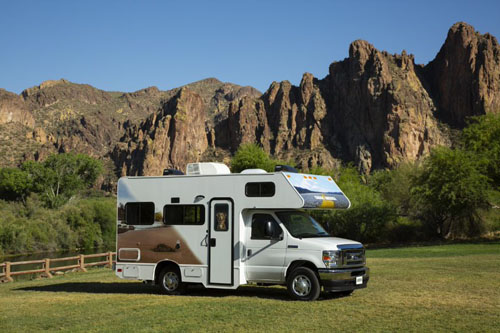
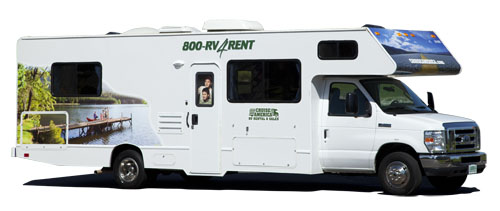
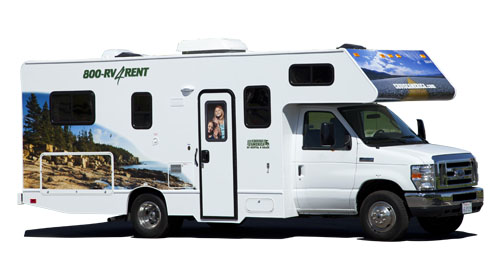
Planning for extensive driving distances and limited services in Canada's North is paramount, often requiring self-sufficiency for extended periods on routes like the Alaska Highway. First, always carry extra fuel and water, as gas stations can be over 300 km apart. Second, choose an RV class suitable for northern conditions, prioritizing maneuverability and ground clearance, such as a Class C motorhome like the 24' Class C Motorhome (with automatic transmission and generator), rather than focusing solely on sheer size for potential gravel roads. Third, pack for extreme weather fluctuations, including thermal layers, fleece, and waterproof outerwear, as temperatures can drop significantly even in summer. Fourth, secure comprehensive insurance coverage for remote travel, because standard policies might not cover all northern risks, giving you peace of mind during your adventure. Finally, familiarize yourself with wildlife safety protocols, especially regarding bears and moose, as encounters are much more common in this expansive wilderness.
Before You Book - Class, Dates, Insurance
Selecting the right rented RV class for North Canada depends on your comfort needs, group size, and desired maneuverability on potentially unpaved roads. For couples seeking a nimble vehicle for varied terrain, a campervan like the Patagonia Camper 4x4 double cab offers ideal features like 4-wheel drive and front air conditioning. Families or larger groups might prefer a Class C motorhome, providing more living space and amenities for a comfortable journey. Lock in your RV rental dates well in advance, especially for peak summer travel from June to September to North Canada, to ensure availability and better rates, as popular models can book up quickly. Understanding your insurance options is also crucial; basic insurance is always included with Bandana RV rentals, but comprehensive coverage is highly recommended for northern adventures due to the remoteness and varied road conditions. Our partners, including trusted suppliers like El Monte and Cruise America, offer clear breakdowns of coverage.
Insider tip: Basic insurance is always included. To see prices including the most comprehensive coverage, select that option during your search, then all relevant insurance options will be shown transparently. Our platform provides full transparency on all costs, so you see what you pay with no hidden fees or surprises at pickup.
Pre-Trip Prep - Packing Checklist for North Canada
A comprehensive packing checklist for North Canada ensures you are prepared for varying weather, remote living, and wildlife safety in this incredible region. Always ensure you have all necessary travel documents and multiple copies for border crossings into Canada and for emergency situations. Consider bringing satellite communication devices, such as a Garmin InReach, for areas with no cell service, which are common across vast stretches of the Canadian North.
- Layers of clothing (thermal, fleece, waterproof/windproof outer shells)
- Sturdy hiking boots
- Warm hat, gloves, and wool socks
- Cooking utensils and basic spices
- Non-perishable food items for several days
- Water bottles/filtration system
- First-aid kit (comprehensive, including insect repellent)
- Bear spray and knowledge of how to use it
- Satellite phone or Garmin InReach device
- Extra fuel canisters (check rental agreement)
- Spare tire, tire repair kit, and air compressor
- Roadside assistance contact info
- Maps (physical and offline digital)
- Binoculars for wildlife viewing
- Headlamp or flashlight with extra batteries
- Passport or enhanced driver's license
- Vehicle registration and insurance documents
- Emergency contact information
When preparing meals on the road, having a well-stocked pantry makes all the difference. For inspiring meal ideas, check out our RV-friendly recipes playlist.
On the Road - Driving, Fueling, Navigation
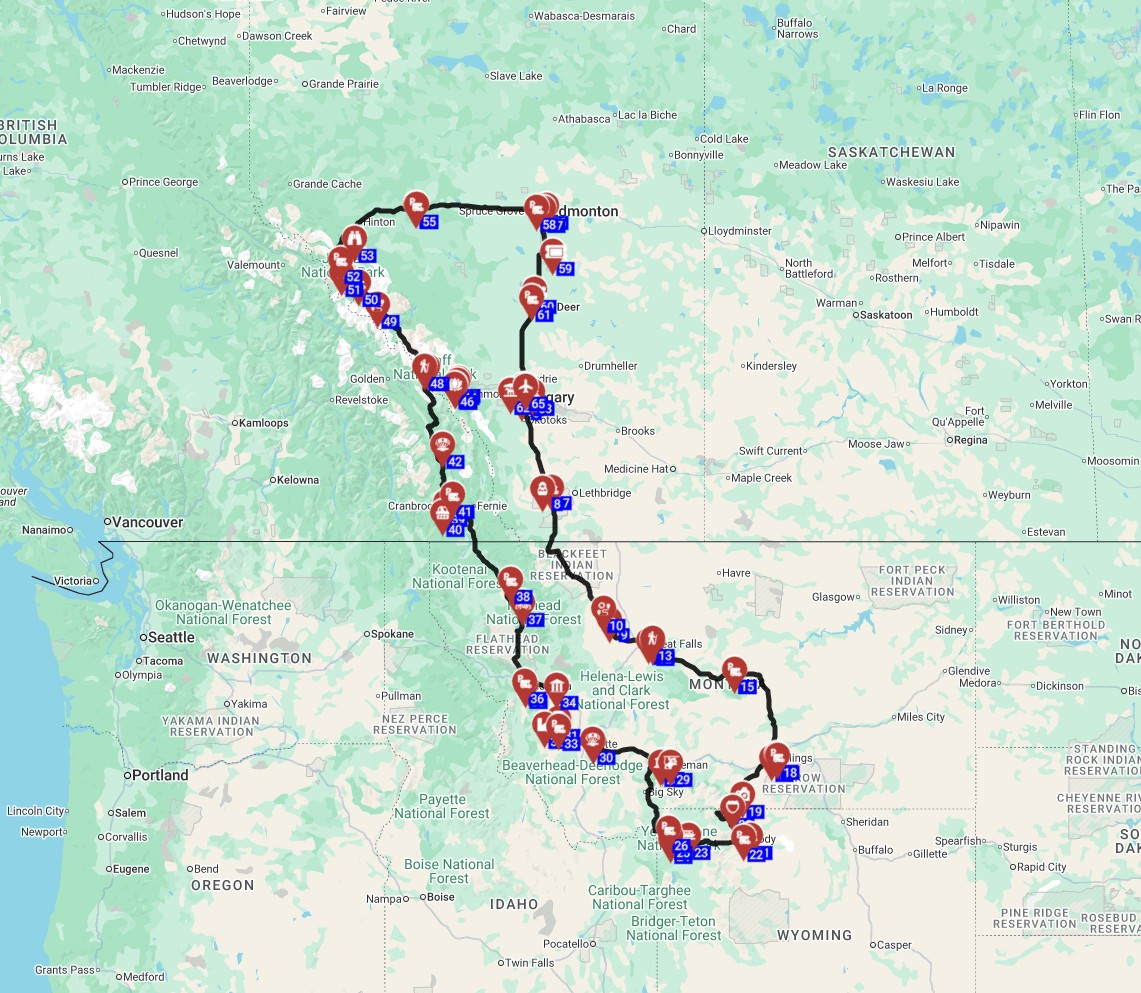
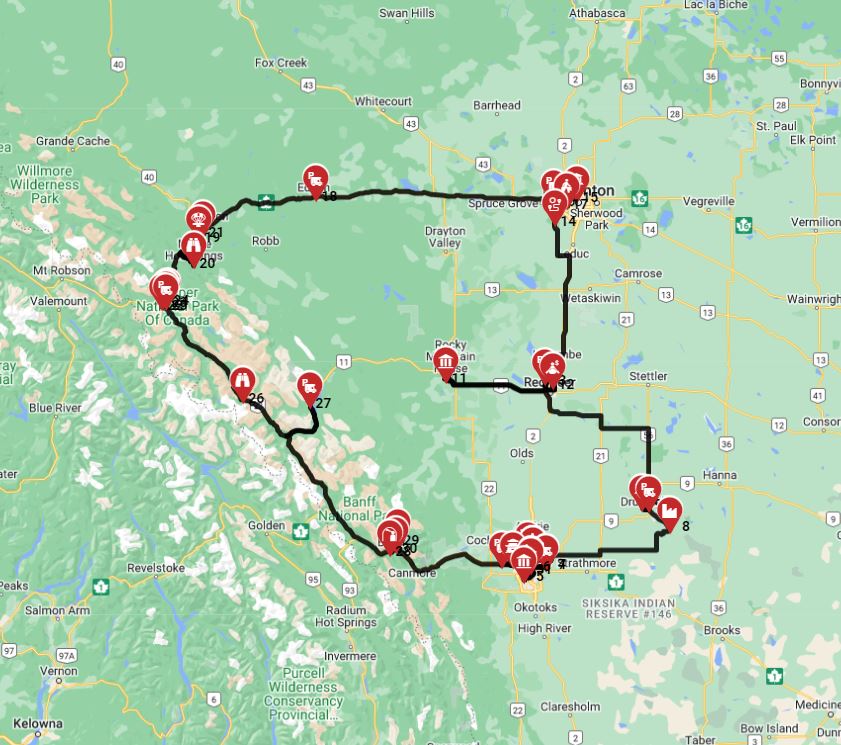
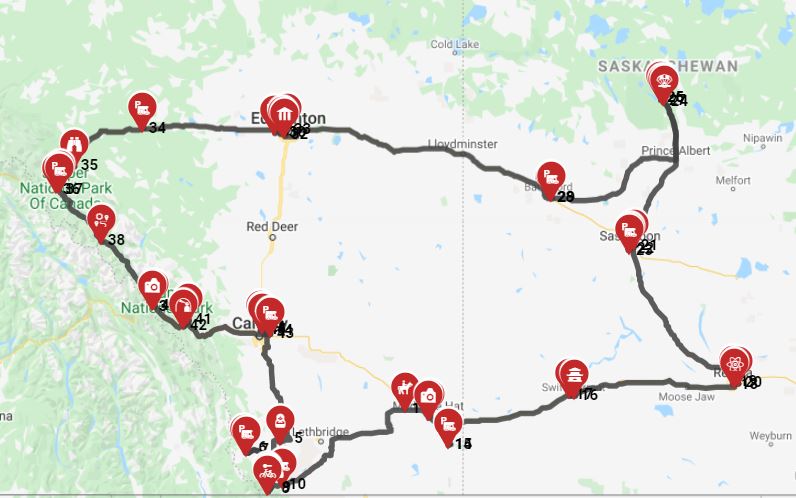
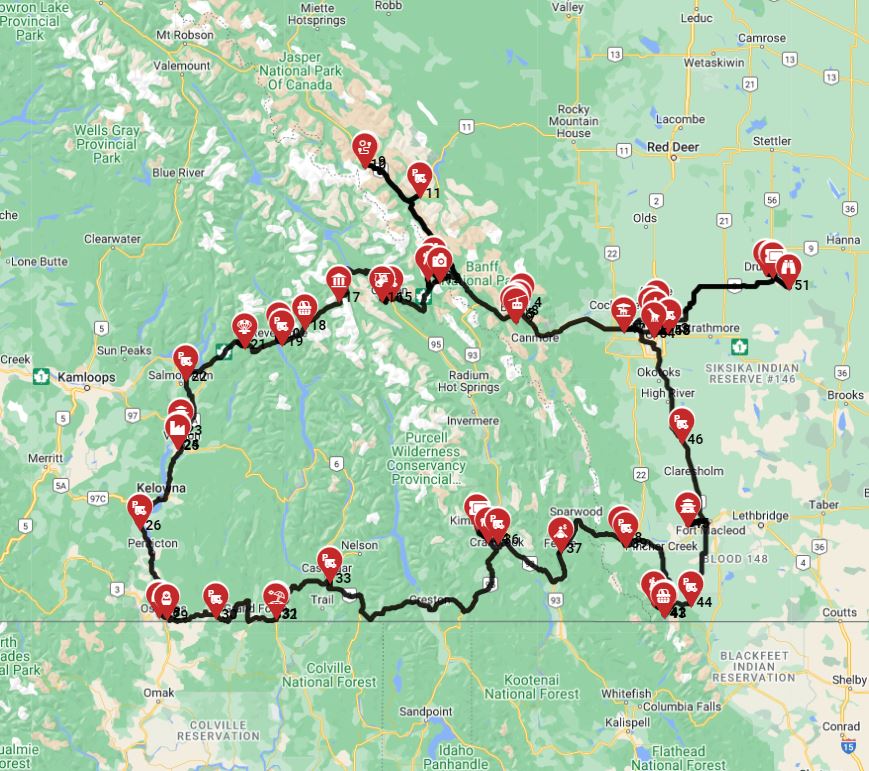
Navigating North Canada requires careful planning for long stretches between fuel stations and understanding unique road conditions like frost heaves and gravel sections. Always keep your fuel tank topped up, as gas stations can be hundreds of kilometers apart in remote northern regions. Be prepared for gravel roads and varying surfaces; drive cautiously and maintain a safe speed to prevent damage. Remember, you can drive almost anywhere without issues, just use common sense and pay attention. Carry physical maps and use offline GPS, as cell service is unreliable or nonexistent across much of the Canadian North. For routes, RV PLANET routes offer detailed planning where you can itemize and track every expense, including fuel stops and distances, ensuring easy budgeting for your journey. Many travelers find that exploring the region slowly, averaging max 100-150 km per day, allows them to truly connect with the culture and breathtaking scenery. On the routes offered through RV PLANET routes, you can itemize and track every expense along the way for easy budgeting.
At the Campground - Setup, Hookups & Etiquette
Setting up your RV at a North Canadian campground involves a specific sequence for hookups, ensuring a safe and comfortable stay. Always connect electricity first, then water, and finally sewage, reversing the order when disconnecting to maintain hygiene and prevent issues. Practice Leave No Trace principles by packing out everything you pack in, and adhere to quiet hours, typically from 10 PM to 7 AM, to respect fellow campers and the pristine northern environment. Be especially mindful of wildlife; store all food securely inside your RV and never leave attractants like garbage or toiletries outside. For finding campsites and campgrounds during your trip, we recommend using rvplan.net, a great resource for locating available spots along your route. Many national and provincial parks only reserve 25-30% of spots, leaving the majority available on a first-come, first-served basis, so you'll usually find a spot. If not at the first campground, then the next one. Always call ahead before driving long distances.
Airport RV Rental-Specific Tips for North Canada
For airport RV rental in North Canada, consider selecting a motorhome or campervan class that balances living space with maneuverability for the unique northern roads and potential gravel stretches. A Class C motorhome like the 24' Class C Motorhome, featuring automatic transmission and generator, provides comfort for families while remaining relatively easy to drive. Plan your daily driving distances conservatively, allowing ample time for scenic stops, wildlife viewing, and unexpected delays inherent in northern travel. Prioritize an RV with robust heating for chilly northern nights and sufficient storage for gear and supplies. A smaller campervan, such as the Patagonia Camper 4x4 double cab with its four-wheel-drive capability and front air conditioning, is an excellent choice for navigating more rugged terrain. Look for rental companies offering one-way rentals if you plan to explore a specific region without backtracking to your pickup airport, which can save valuable travel time.
When picking up your vehicle at the airport, our RV Rental in North Canada - Prices and Best Deals 2026 guide offers tips on understanding rental agreements. As true RV specialists, we offer direct partnerships with over 50 leading RV suppliers worldwide, including popular choices like El Monte and Cruise America, ensuring you find the perfect rental for your North Canada journey.
Common Mistakes to Avoid in North Canada
Many first-time RV renters in North Canada make a few common mistakes that are easily avoided with a little foresight. Do not underestimate driving distances or fuel requirements; instead, always start with a full tank and consider carrying extra fuel in approved containers, as services can be sparse. Avoid relying solely on cell service for navigation, as coverage is notoriously spotty; instead, carry physical maps and utilize offline GPS tools. Do not ignore wildlife safety protocols; educate yourself on bear country rules, store food properly, and carry appropriate deterrents like bear spray. Avoid overpacking; instead, focus on essential, multi-purpose items and layers suitable for extreme northern weather changes, which can occur rapidly. Finally, do not neglect vehicle preparedness; ensure your rented RV's tires are in good condition before setting out and know how to perform basic checks. For more specific insights on navigating colder climates, refer to our Winter RV Driving in North Canada - Safety Guide 2026.
What You Shouldn't Miss
- Drive the Dempster Highway: This iconic gravel road is North America's only highway crossing the Arctic Circle, leading to Tuktoyaktuk and the Arctic Ocean.
- Experience the Midnight Sun: During summer, enjoy 24 hours of daylight in Yukon and Northwest Territories, allowing for endless exploration.
- Explore Kluane National Park: Witness Canada's highest peaks, vast icefields, and abundant wildlife along the Alaska Highway in Yukon.
- Visit Whitehorse, Yukon: The territorial capital offers a perfect blend of wilderness access and essential services, making it a key hub for RVers. For families, consider our Family RV Rental in North Canada - Pricing Guide 2026 for trip ideas starting here.
- Witness the Northern Lights: While summer offers midnight sun, late fall and early spring provide prime opportunities to see the Aurora Borealis dance across the northern sky.
- Discover Indigenous Culture: Visit local cultural centers and engage with Indigenous communities to learn about their rich history and traditions in the North.
🎬 Video coming soon
Looking for expert insights from Avi Bandana? Top 5 Adventures - recommendations from Avi Bandana.
Final Thoughts
A rented RV adventure through North Canada promises an extraordinary experience, connecting you deeply with nature and offering breathtaking sights you won't find anywhere else. From the convenience of picking up your campervan right at the airport to the freedom of exploring at your own pace, every detail is designed for your enjoyment. Remember to embrace the slower pace of travel, truly allowing yourself to soak in the vastness and unique culture of this incredible region. Whether you're a seasoned RVer or planning your first mobile home journey, North Canada welcomes you.
Bandana is here to support you every step of the way, from comparing the best deals on motorhome rentals to helping you prepare for your journey. We're committed to making your trip easy, safe, and truly unforgettable. Discover top destinations, planning tips, all in one place, and plan a trip itinerary in advance with minimal effort and maximum enjoyment.
Ready to embark on your epic northern adventure? Compare Airport RV Rental Prices for North Canada now and start planning your journey today!