In This Guide
- Top 5 Tips for Winter RV Rental in Europe
- Before You Book - Class, Dates, Insurance
- Pre-Trip Prep - Packing Checklist for Europe
- On the Road - Driving, Fueling, Navigation
- At the Campground - Setup, Hookups & Etiquette
- Winter RV Rental-Specific Tips for Europe
- Common Mistakes to Avoid in Europe
- What is the 3-3-3 rule for RV travel?
- What is the 333 rule for campervan?
- What is the 444 rule for RV camping?
- What is the 444 rule for RV?
- Is Europe RV friendly?
- How much does it cost to rent an RV in Europe?
- Is it cheaper to rent an RV or stay in hotels?
- What is the 2 2 2 rule for RV travel?
- How cold is too cold for an RV?
- What You Shouldn't Miss
- Why Book with Bandana Caravan
- Final Thoughts
- Frequently Asked Questions
Imagine stepping off your flight in Europe, ready to embark on a winter adventure across snowy landscapes and charming towns, all from the comfort of your rented motorhome. Flying into your destination and picking up an RV is a fantastic way to start your journey. This "Fly and Drive Guide" will provide essential Airport RV Pickup Tips for Europe, ensuring your winter RV rental in Europe is smooth and memorable. For live availability and current prices, start with our RV Rental Europe - Complete Guide 2026 guide.
Top 5 Tips for Winter RV Rental in Europe
Successfully navigating a winter RV rental in Europe involves careful preparation and awareness of the unique challenges and opportunities this season brings. First, prioritize a well-insulated RV with proper heating for winter conditions; modern Class C motorhomes or integrated (A-Class) models often come equipped with superior thermal comfort and efficient heating systems crucial for cold climates. Second, book campsites equipped with electrical hookups for continuous heating and to keep your RV’s systems, including any on-board refrigerator or hot water, running smoothly, especially when temperatures drop below freezing.
Third, pack layered clothing, waterproof gear, and thermal blankets to adapt to varying temperatures inside and outside the RV. Fourth, familiarize yourself with country-specific winter driving laws, including mandatory winter tire requirements and the use of snow chains, which are essential for safety in many European regions. Fifth, plan shorter daily distances, averaging max 100-150 km per day, to account for fewer daylight hours and potential weather delays, allowing you ample time to set up camp and relax.
Before You Book - Class, Dates, Insurance
Choosing the right RV class, booking dates, and understanding insurance options are crucial steps for a smooth winter RV rental in Europe, especially when coordinating an airport pickup. For winter travel, consider well-insulated Class C motorhomes or integrated models (A-Class), which generally offer better thermal comfort and ample storage for winter gear; campervans (Class B) are more agile for city driving but may provide less insulation for extreme cold. It's wise to book your preferred model well in advance for popular winter holiday periods, such as Christmas or New Year's, to secure better rates and ensure availability, though last-minute deals can sometimes be found due to dynamic pricing.
Regarding insurance, basic coverage is always included with your rental. However, you can upgrade to a top-level deductible for extra peace of mind, which covers a wider range of incidents. Always review the included coverage and consider additional options like collision damage waivers, supplementary liability, and personal effects coverage. For a transparent overview of costs, including comprehensive insurance options, select those filters during your search on Bandana RV. Many travelers also explore Luxury RV Rental in Europe - Premium Prices 2026 or look for Cheap RV Rental in Europe - Budget Guide 2026 to fit their travel style and budget.
Pre-Trip Prep - Packing Checklist for Europe
A comprehensive packing checklist tailored for European winter RV travel ensures comfort and readiness for diverse conditions and regulations after you fly in and pick up your mobile home. Essential clothing includes thermal base layers (tops and bottoms), fleece sweaters or mid-layers, waterproof and windproof outer jackets and pants, warm hats, gloves, scarves, insulated, waterproof boots, and wool or synthetic socks. Don't forget indoor slippers or warm socks for cozy evenings inside the caravan.
For your rented RV’s kitchen, pack basic cooking utensils, small pots and pans, non-perishable food items, and your favorite spices. Reusable water bottles and coffee mugs are also practical additions. For cooking inspiration, check out our RV-friendly recipes playlist.
Safety and practical items should include a well-stocked first-aid kit, headlamps or flashlights with extra batteries, reflective vests (mandatory in many European countries), a warning triangle (also mandatory in many areas), snow chains (if traveling in mountainous or snowy regions), a small shovel, and traction mats. Always confirm with your rental provider about the inclusion of safety equipment. Important documents are your valid driving license (and an International Driving Permit if your license is not in English), passport/visa, RV rental agreement and insurance papers, vehicle registration copies, pre-purchased motorway vignettes or toll passes, European power adapters, and an eSIM or local SIM card for internet connectivity and navigation. On the routes offered through RV PLANET routes, you can itemize and track every expense along the way for easy budgeting.
On the Road - Driving, Fueling, Navigation
Navigating European roads in an RV requires careful attention to diverse driving regulations, efficient fueling strategies, and reliable navigation tools. Be aware of country-specific speed limits for RVs, mandatory winter driving laws (such as winter tires or snow chains in alpine regions), and environmental zones (ZFE/LEZ) in cities, which might require specific permits or vehicle standards. Drive slowly and carefully, and you can drive almost anywhere without issues. No need to stress - just use common sense and pay attention.
Plan fueling stops strategically, as diesel prices vary significantly across Europe, and most stations are self-service, sometimes requiring a card only. Utilize RV-specific GPS systems or apps that account for your vehicle’s dimensions to avoid narrow roads, low bridges, or restricted city centers. Familiarize yourself with common European road signs, which are often pictorial, and consider an eSIM or local SIM card for reliable data and navigation across different countries. Remember, on RV PLANET routes, you can itemize and track every expense along the way for easy budgeting.
At the Campground - Setup, Hookups & Etiquette
Setting up your rented RV at a European campground involves understanding hookup procedures and adhering to local etiquette for a respectful and enjoyable stay. Upon arrival, check in at the reception, carefully position your motorhome, and use leveling ramps for comfort and optimal appliance function. Connect electricity first using a European adapter, then fresh water, and finally, greywater and blackwater drainage; in winter, take extra care to protect water hoses from freezing by insulating them or disconnecting them when not in use.
Observe quiet hours, typically from late evening to early morning, respect your neighbors' privacy, and always dispose of waste responsibly in designated recycling and dumping facilities (known as 'Service Points' or 'Ver- und Entsorgungsstation'). Many campsites offer amenities like heated sanitary blocks, laundry facilities, and sometimes even restaurants, ensuring a comfortable experience even in colder months. For finding campsites and campgrounds during your trip, we recommend using RV PLANET (rvplan.net) - a great resource for locating available spots along your route.
🎬 Video coming soon
Winter RV Rental-Specific Tips for Europe
Tailoring your winter RV rental experience in Europe involves specific considerations for colder climates, ensuring comfort and safety throughout your journey. Ensure your rental motorhome is properly winterized, meaning it has appropriate insulation, effective heating systems (like a Truma or Alde system), and an antifreeze solution in its water pipes and tanks. Most reputable suppliers like El Monte, Cruise America, Apollo, and Britz offer winter-ready models, such as a "2 Berth Rover" or "24' Class C Motorhome" which typically include these features.
Plan routes in regions known for winter-friendly infrastructure, such as ski areas with dedicated winter campsites or regions with well-maintained roads. Prioritize campsites with reliable electrical hookups to keep your heating running continuously without draining your battery. Manage your RV’s water system carefully to prevent freezing; consider using bottled water for drinking and minimal use of onboard tanks, or ensure your rental has heated tanks. Pack an extended emergency kit with extra blankets, non-perishable food, and fully charged communication devices. Embrace the unique opportunities of winter RVing, such as fewer crowds at popular attractions and stunning snowscapes, while remaining flexible with your itinerary due to potential weather changes. Exploring One-Way RV Rental in Europe - Price Guide 2026 can offer flexible travel plans.
Common Mistakes to Avoid in Europe
Avoiding common pitfalls during your European RV adventure can significantly enhance your experience and prevent unnecessary stress or expenses. A frequent mistake is not thoroughly researching country-specific rules; instead, diligently investigate driving laws, environmental zones, mandatory safety equipment (like reflective vests or spare bulb kits), and parking regulations for *each* European country you plan to visit. Another error is underestimating the budget beyond rental costs; create a comprehensive budget that includes dynamic fuel costs (which vary greatly by country, often €1.50-€2.00 per liter), highway tolls/vignettes (e.g., a 10-day Austrian vignette for under €10), specific camping fees (ranging from €15-€50+ per night), local taxes, and provisioning. For budgeting and finding routes, don't forget to check RV PLANET.
Ignoring RV dimensions for navigation is a common oversight; instead, use RV-specific GPS or apps that account for your vehicle’s height (e.g., a 3-meter tall Class C motorhome), width, and weight to avoid unsuitable routes like narrow village roads or low underpasses. Neglecting insurance details can lead to unexpected costs; carefully review your rental’s basic insurance and consider additional coverage like Collision Damage Waiver (CDW) to reduce your liability. Poor internet planning can hinder your trip; instead, purchase an eSIM or local SIM card upon arrival for reliable and affordable data connectivity across different countries. Lastly, always check the winterization status of your motorhome rental, ensuring it's fully equipped with antifreeze and appropriate heating for cold weather travel. Before you hit the road, ensure you check out RV Rental Deals in Europe - Latest Offers 2026 for current promotions.
What is the 3-3-3 rule for RV travel?
The 3-3-3 rule for RV travel is a widely adopted guideline encouraging safe and enjoyable road trips by limiting driving to roughly 300 km (or 3 hours) a day, arriving at your destination by 3 PM, and staying for at least 3 nights. The '300 km (or 3 hours) a day' component aims to prevent driver fatigue and allows for spontaneous stops and relaxed sightseeing. 'Arrive by 3 PM' provides ample daylight to comfortably set up camp, explore the immediate area, and address any unforeseen issues before nightfall. The 'stay for 3 nights' aspect encourages a slower pace of travel, allowing renters to fully experience a location without constantly packing up and moving, aligning with our recommendation to travel slowly and connect with the local culture.
What is the 333 rule for campervan?
The 333 rule for campervans, which is identical to the 3-3-3 rule for larger motorhomes, suggests driving no more than 300 km (or 3 hours) daily, arriving at your campsite by 3 PM, and staying for at least 3 nights. This rule is universally applicable to various recreational vehicles, including smaller campervans like a "hire campervan example Paradise S/T", promoting a relaxed travel pace and reducing stress on European roads. For smaller campervans, the emphasis on driving hours rather than miles might be more practical given potential speed limitations or scenic, winding European roads that naturally slow your pace.
What is the 444 rule for RV camping?
The 4-4-4 rule for RV camping is a variant of travel pacing guidelines, recommending driving no more than 400 km, arriving by 4 PM, and staying at least 4 nights at a location. This rule offers a slightly more flexible or longer-distance alternative to the 3-3-3 rule for those comfortable with longer drives or who wish to cover more ground. It still emphasizes arriving with sufficient daylight for easy setup and extended stays for deeper exploration, aligning with the principles of relaxed RV travel. This might be suitable for travelers exploring larger regions in a rented motorhome, such as those covered in RV Rental in Europe - Prices and Best Deals 2026.
What is the 444 rule for RV?
The 444 rule for RVs is a popular travel guideline that recommends driving a maximum of 400 km per day, reaching your destination by 4 PM, and staying for at least 4 nights. Similar to the 3-3-3 rule, this mnemonic helps RVers plan their itinerary to avoid over-scheduling and ensure sufficient time for setup, relaxation, and exploring each destination in Europe. The slightly increased parameters (400 km, 4 PM, 4 nights) can be suitable for travelers who prefer a slightly faster pace while still avoiding burnout, particularly when traversing longer distances between major cities or regions.
Is Europe RV friendly?
Europe is generally RV-friendly, offering a vast network of campsites, diverse landscapes, and the freedom to explore multiple countries, though specific regulations and infrastructure vary significantly by region. Europe boasts a well-developed network of official campsites and designated overnight parking spots, often called 'aires de service' in France or 'Stellplätze' in Germany, for rented RVs. These spots provide services like water, electricity, and waste disposal for a minimal fee or sometimes for free, enhancing the convenience of mobile home travel.
While main highways are excellent, navigating historical city centers, narrow village roads, and environmental zones with a larger Class C motorhome requires careful planning. Each country has unique rules regarding driving licenses (a standard car license is sufficient for all rental motorhomes, though an IDP is recommended for non-English licenses), mandatory equipment (like reflective vests), speed limits, and wild camping legality, which RVers must research. Despite potentially higher fuel and toll costs, the flexibility to self-cater and choose budget-friendly campsites can make RV travel more economical compared to hotels and restaurants, especially for families or groups on an extended road trip of one week or more.
How much does it cost to rent an RV in Europe?
The cost to rent an RV in Europe varies widely depending on the vehicle class, rental season, duration, pickup location, and included amenities, typically ranging from €70 to €200+ per day. Smaller campervans (Class B) are generally cheaper, often falling between €70-€120 per day, perfect for a couple. Larger Class C motorhomes or integrated (A-Class) models, like a "Group I" motorhome, usually range from €120-€200+ per day, offering more space for families or groups.
Winter rentals outside of peak holidays (e.g., late January to early March) can sometimes be more affordable, and longer rental periods often result in lower daily rates. Factor in additional costs such as compulsory cleaning fees (often €100-€150), linen kits (€20-€50 per person), extra insurance (you can upgrade to a top-level deductible for peace of mind, not included by default), and specific winterization packages or snow chains (which may be an additional €50-€100). A comprehensive budget must also include variable expenses like fuel (expect 10-15 L/100km fuel consumption), highway tolls/vignettes, campsite fees (from €15 to €50+ per night), and daily provisioning. Prices are dynamic like flight tickets and change daily based on availability and supplier decisions, so the final price is set at actual booking time. For more pricing details, consult our Luxury RV Rental in Europe - Premium Prices 2026 or our One-Way RV Rental in Europe - Price Guide 2026.
Is it cheaper to rent an RV or stay in hotels?
Renting an RV can be more economical than staying in hotels, particularly for families or groups on week-long trips or longer, as it combines accommodation and transportation costs while offering significant savings on food through self-catering. RV campsite fees typically range from €15 to €50 per night, which is often less than a mid-range hotel room, especially when accommodating multiple people (e.g., a family of 4-6 in a "Category Family 5" motorhome). The ability to cook your own meals in a rented RV kitchen can drastically reduce food expenses compared to eating out for every meal in Europe, saving potentially hundreds of euros on a two-week adventure.
While RV rentals have upfront costs, fuel, and tolls, they eliminate the need for separate car rentals, inter-city trains, or multiple taxis, streamlining your travel expenses. For solo travelers or very short trips, hotels might be more economical; however, for families, groups, or extended road trips, RV travel often presents better overall value and a unique, flexible experience. Don't forget to consider our RV Rental Deals in Europe - Latest Offers 2026 to maximize your savings.
What is the 2 2 2 rule for RV travel?
The 2-2-2 rule for RV travel is another pacing guideline, suggesting driving no more than 200 km (or 2 hours) a day, stopping by 2 PM, and staying for at least 2 nights, promoting a very relaxed and immersive travel style. This rule is ideal for travelers who want to maximize their time exploring each location, are traveling with young children or seniors, or prefer a significantly slower pace to truly soak in the European experience. It minimizes driving stress and provides extensive daylight hours for sightseeing, hobbies, or simply relaxing at the campsite. This approach is perfect for those who want to "feel the place, connect to the culture, the food, and the scenery," as we always recommend slow travel.
How cold is too cold for an RV?
For a typical rented RV, temperatures consistently below freezing (0°C or 32°F) can pose significant challenges to the water system and overall comfort if the vehicle is not adequately winterized and heated. The primary concern in cold weather is the freezing of water pipes, tanks, and wastewater systems, which can lead to burst pipes and costly damage if the RV lacks proper insulation and antifreeze. For example, a "cruise america example Explorer" with a 82-liter fresh water tank would be vulnerable without proper winterization.
A robust heating system is essential for maintaining comfortable interior temperatures, ideally powered by consistent electrical hookups at campsites rather than solely relying on the RV's propane or battery, especially during overnight lows around -5°C (23°F). Modern, four-season RVs or those specifically built for colder climates offer superior insulation and often include heated tanks, making them more suitable for sustained sub-zero temperatures down to -10°C (14°F). While some specialized RVs can operate in very low temperatures (-20°C or -4°F) with advanced features, most standard rentals are best suited for above-freezing conditions or occasional dips just below freezing, especially if not fully 'four-season' capable. Always confirm winter readiness with your rental supplier.
What You Shouldn't Miss
Europe offers an incredible tapestry of experiences for RV travelers, even in winter. Don't miss the chance to explore the enchanting Christmas markets in Central Europe. Picture yourself driving through the snow-dusted Alps, then settling into a cozy campsite, ready to explore ancient cities and enjoy festive atmospheres.
- Christmas Markets in Vienna: Experience the magic of Eastern European Christmas markets with charming stalls and festive cheer. This is part of the "
" route, a 15-day, 2762 km journey including 10 traditional markets and 2 historical sites.
 Vienna Roundtrip - The epic Eastern European Christmas markets
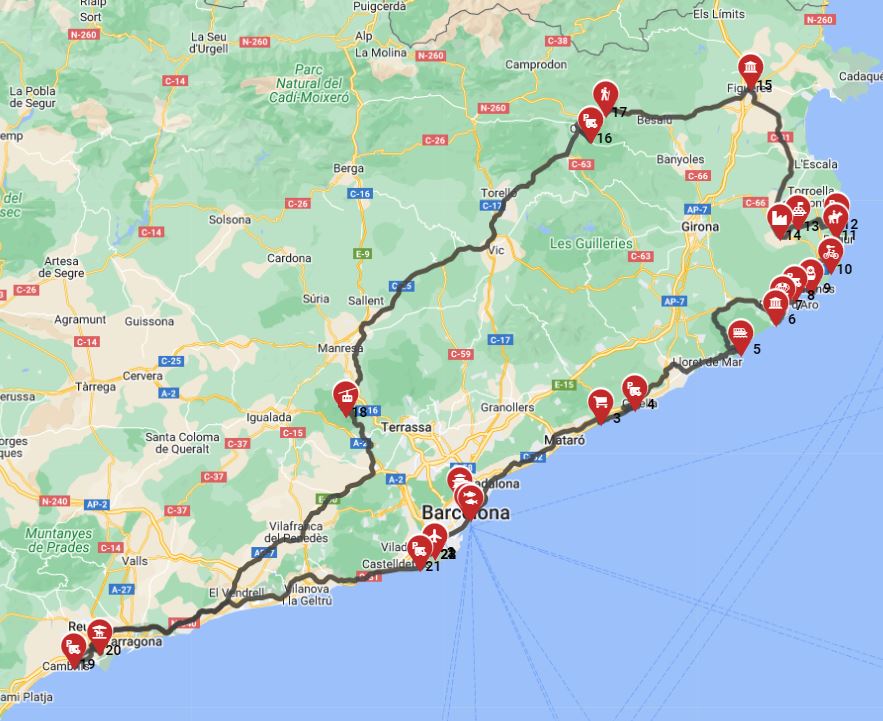
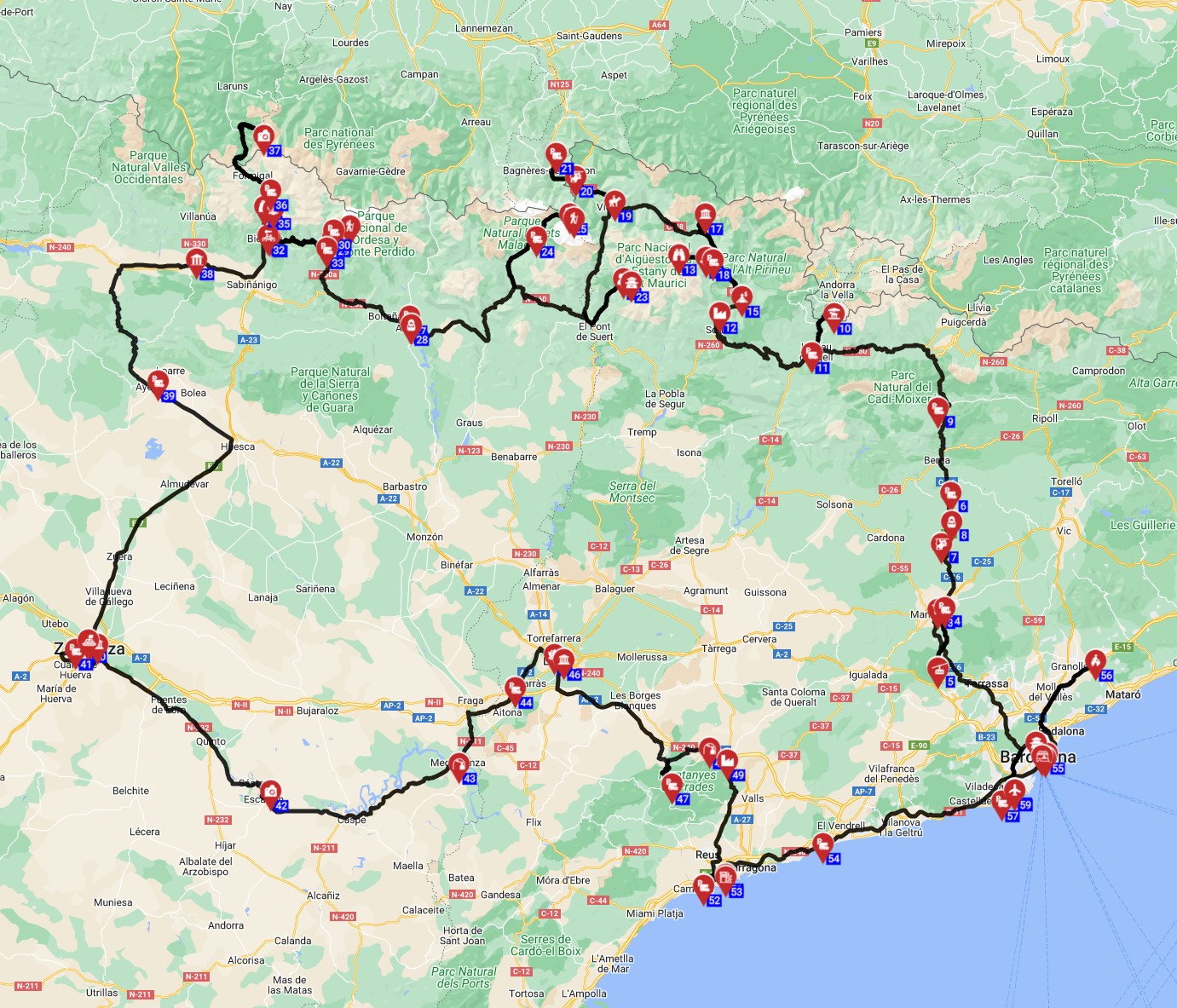
 - French & Spanish Borderlands: Discover the unique charms and family-friendly delights around Toulouse, from thrilling amusement parks to ancient caves. The "Toulouse Round trip - European Charms & Family Delights" route, spanning 15 days and 2088.7 km, includes 1 amusement park, 2 caves, and 2 family activities.
- Lapland's Winter Wonderland: Embark on an epic journey to the end of Europe's scenic roads, witnessing breathtaking winter landscapes and potentially the Northern Lights. The "
" covers 18 days and 3579 km, featuring 3 wildlife watches and 3 natural features.
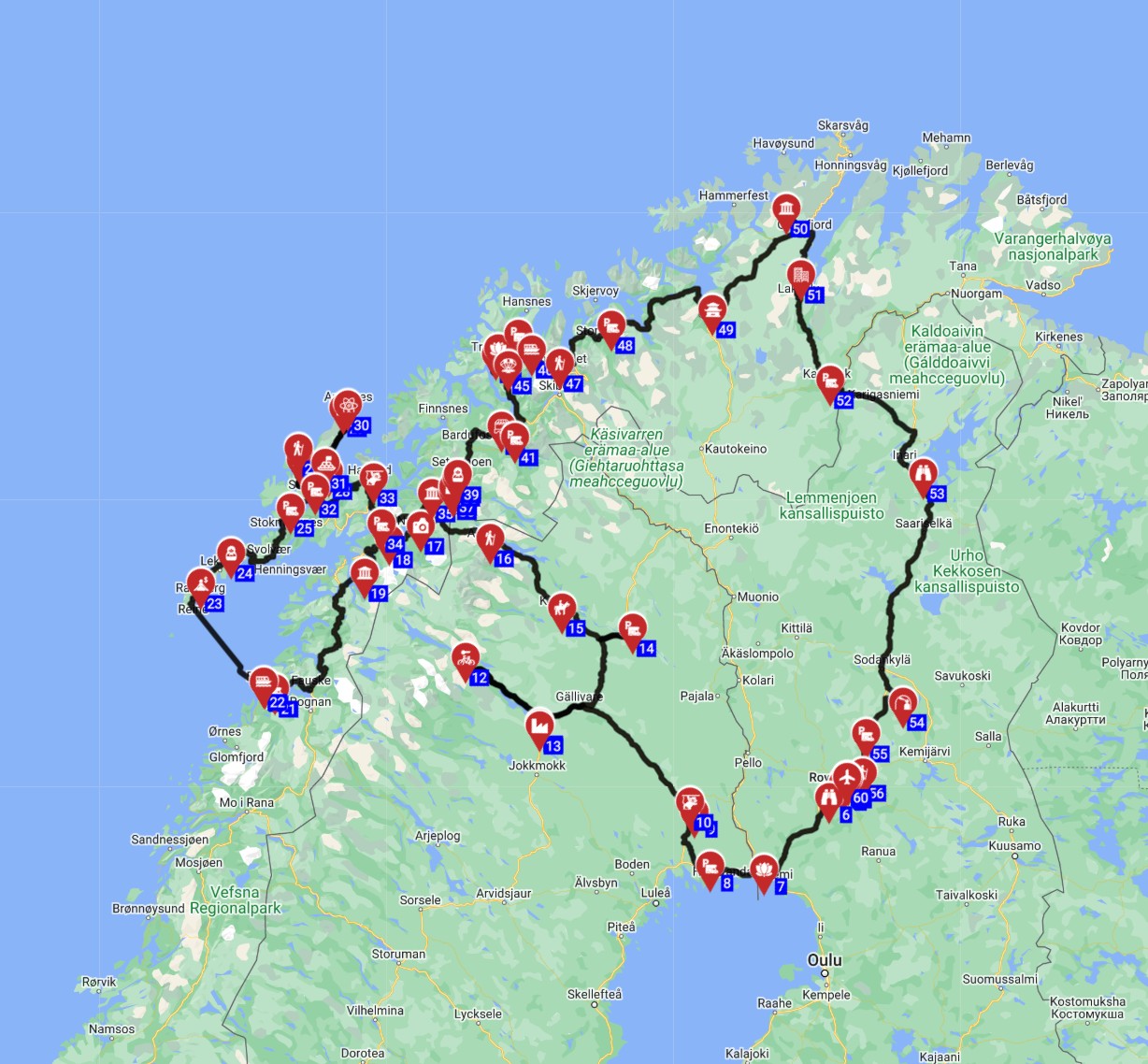 Rovaniemi Roundtrip - End of Europe scenic roads
 - Alpine Ski Adventures: Rent a winter-ready motorhome and head to the ski resorts of Austria, France, or Switzerland. Many campsites offer direct access to slopes and ski bus services, providing a flexible and often more affordable way to enjoy winter sports.
- Coastal Serenity in Southern Europe: For a milder winter experience, consider the sunnier coasts of Portugal, Spain, or Italy. While not snowy, these regions offer pleasant temperatures, fewer crowds, and stunning ocean views.
Looking for expert insights from Avi Bandana? Top 5 Adventures - recommendations from Avi Bandana.
Final Thoughts
Embarking on a winter RV adventure in Europe is an experience unlike any other, offering breathtaking scenery and a unique way to discover diverse cultures. With these airport pickup tips and detailed guidance for your journey, you're well-equipped to plan a memorable and comfortable road trip. Remember, the key is preparation, flexibility, and a willingness to embrace the journey, whether you're a meticulous planner or a spontaneous traveler. Many national and state parks reserve only 25-30% of spots for advance booking, with the rest available first-come-first-serve, so you’ll find a spot; if not at the first campground, then the next one. Just call ahead before driving.
At Bandana RV, we're with you before, during, and after your booking, providing personal service from day one until your booking is confirmed. We believe that God is in the small details, and we take care of them, making all the difference for your adventure. So, pack your bags, choose your winter-ready motorhome, and get ready to create incredible memories on the snowy roads of Europe!
Discover top destinations, planning tips, all in one place! Compare Winter RV Rental Prices for Europe