In This Guide
- Top 5 Tips for RV Rental in Chile
- Before You Book - Class, Dates, Insurance
- Pre-Trip Prep - Packing Checklist for Chile
- On the Road - Driving, Fueling, Navigation
- At the Campground - Setup, Hookups and Etiquette
- RV Rental-Specific Tips for Chile
- Common Mistakes to Avoid in Chile
- How much does it cost to rent an RV in Chile?
- What do I need to rent an RV in Chile?
- Can you camp anywhere in Chile?
- Is it safe to drive an RV in Chile?
- Do you need a 4x4 for Patagonia?
- Can you cross the border from Chile to Argentina with a rental RV?
- Is there a lot of wild camping in Patagonia?
- What are the road conditions like in Chile?
- How long does it take to RV through Chile?
- Where can I rent an RV in Chile?
- Is Chile good for RVing?
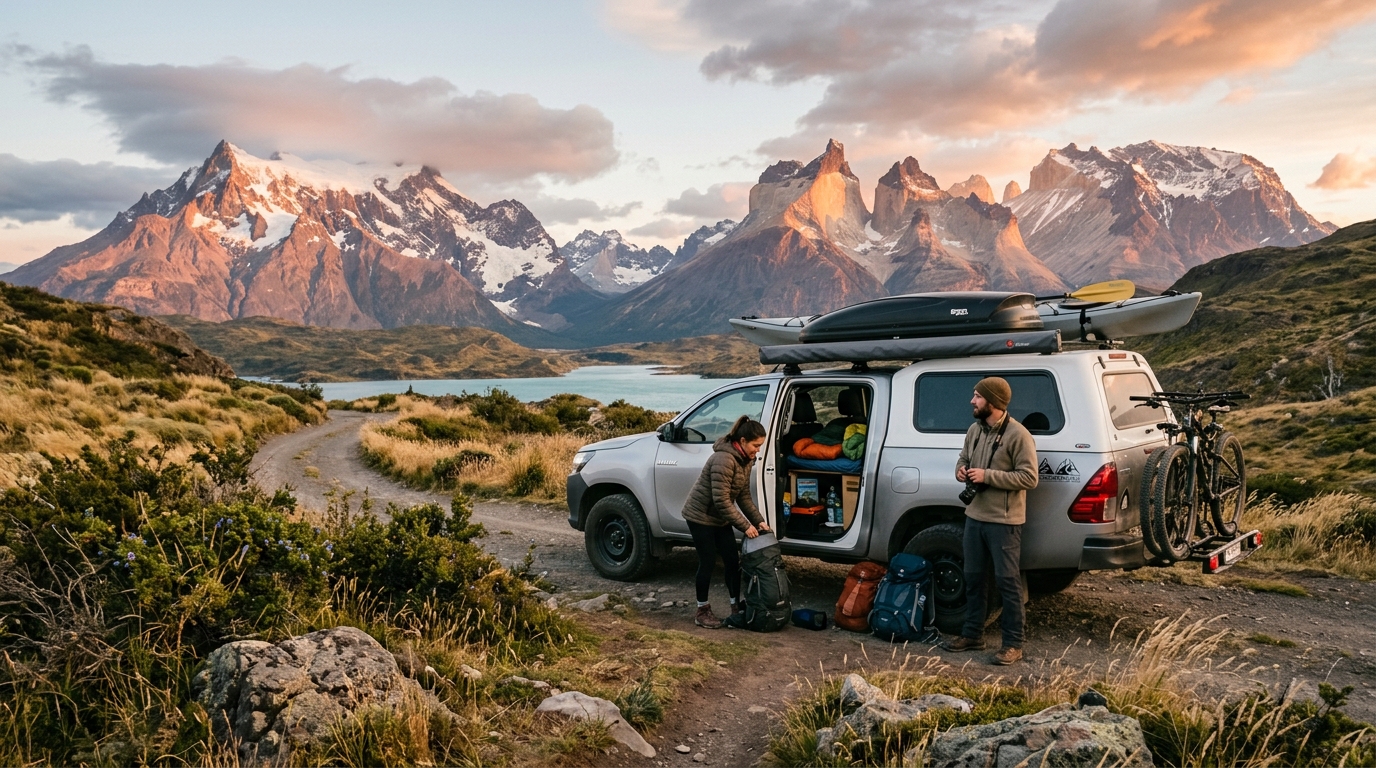
Chile offers an extraordinary adventure for those exploring its diverse landscapes by motorhome. From the lunar valleys of the Atacama Desert to the majestic glaciers of Patagonia, a rented RV provides the ultimate freedom to discover this incredibly long and varied country at your own pace. At Bandana Caravan, we've helped tens of thousands of travelers since 2001, making RV travel accessible and transparent. For live availability and current prices, start with our RV Rental Chile - Complete Guide 2026 guide.
Top 5 Tips for RV Rental in Chile
To ensure a smooth and enjoyable journey when planning your RV rental in Chile, consider these top five tips. Booking your RV early is crucial, particularly if you're traveling during the high season between December and February, as popular models can sell out quickly. Selecting the appropriate RV class is vital; for instance, a 4x4 RV like the "Patagonia Camper 4x4 double cab" is ideal for rougher Patagonian roads, while a smaller campervan suits paved routes. Always opt for comprehensive insurance coverage that extends beyond the basic options to protect your investment and provide peace of mind; you can upgrade to a top-level deductible for extra peace of mind. Familiarize yourself with local driving regulations and be aware that road conditions can vary significantly, from modern highways to unpaved rural tracks. Finally, anticipate that internet and cellular connectivity can be spotty in remote areas, so prepare with offline navigation tools and alternative communication methods. Our true RV specialists genuinely know RV travel and are here to support you before, during, and after your booking.
Before You Book - Class, Dates, Insurance
Before finalizing your RV rental in Chile, carefully consider your vehicle class, travel dates, and insurance coverage. Choosing the right RV class involves assessing your group size, comfort needs, and the type of roads you plan to traverse; a larger, more robust vehicle like a Class C motorhome might be necessary for rougher Patagonian routes, while a compact campervan like an "rv rental denver example Category Van" (ideal for a couple with front air conditioning and shower) is suitable for coastal drives. Locking in your travel dates as early as possible is highly recommended, especially if your trip falls within Chile's peak tourist season from December to February, when demand and prices are highest. Regarding insurance, while basic third-party liability is typically included, it is prudent to explore additional comprehensive coverage options offered by rental companies for greater financial protection against potential damages or incidents. Basic insurance is always included; to see prices including the most comprehensive coverage, select that option during search.
Pre-Trip Prep - Packing Checklist for Chile
Thorough pre-trip preparation, including a tailored packing checklist, will significantly enhance your RV adventure in Chile. Due to Chile's vast latitudinal spread, climates can range from the extreme aridity of the Atacama Desert to the icy conditions of Patagonia, making layered clothing essential. Beyond personal items, consider packing specifics for your RV journey, including kitchen essentials for self-catering, comprehensive safety gear, and all necessary documents for a smooth trip. Imagine preparing a delicious breakfast in your rented motorhome with stunning Patagonian views just outside your window - for inspiration, check out our RV-friendly recipes playlist. Remember, our full transparency means no hidden fees or surprises.
- Layers of clothing (thermal base, fleece, waterproof/windproof outer shell)
- Comfortable walking/hiking shoes
- Sunscreen, hat, and sunglasses
- Insect repellent
- Reusable water bottle/filter
- Basic cooking utensils and spices
- Food storage containers
- First-aid kit (including personal medications)
- Headlamp or flashlight
- Multi-tool or basic repair kit
- Roadside safety kit (warning triangle, reflective vest)
- Spare tire and jack (check rental condition)
- Copies of Passport and Visa (if applicable)
- International Driving Permit (IDP) and home country driver's license
- RV rental agreement and insurance details
- Emergency contact numbers (rental company, local police, embassy)
- Offline maps (e.g., Maps.me, Google Maps downloaded regions)
- Portable power bank for electronics
- Spanish phrasebook or translation app
On the Road - Driving, Fueling, Navigation
When driving an RV in Chile, practical tips for navigating, fueling, and general road awareness are essential for a smooth journey. Chilean roads vary greatly; while major highways are well-maintained, expect gravel or unpaved sections, especially on routes like the Carretera Austral or in more remote areas, requiring cautious and defensive driving. Drive slowly and carefully, and you can drive almost anywhere without issues. No need to stress - just use common sense and pay attention. Fueling your RV demands foresight, as gas stations can be widely spaced in less populated regions; always top up your tank when opportunities arise. For navigation, relying solely on online maps may be problematic due to intermittent cellular service, so download offline maps and consider purchasing a local SIM card for more consistent connectivity. Always observe posted speed limits, which are typically 100-120 km/h on highways and 50 km/h in urban areas, and be prepared to interpret road signs that are predominantly in Spanish. You can find excellent pre-planned routes for Chile, complete with itemized expense tracking, at RV PLANET routes.
At the Campground - Setup, Hookups and Etiquette
Setting up your RV at a Chilean campground involves a few key steps and a mindful approach to shared spaces. Upon arrival, the first step is to level your rented motorhome, which is crucial for comfort, proper drainage, and the efficient operation of onboard appliances like refrigerators. Next, proceed with connecting your hookups: connect electricity first, then water, and finally the sewer hose, ensuring all connections are secure to avoid leaks or electrical issues. When at the campground, adhering to etiquette is important; observe designated quiet hours, typically from late evening until morning, and respect the privacy and space of other campers. Always utilize designated waste disposal facilities for gray water, black water, and trash, leaving your campsite cleaner than you found it. Remember that many national/state parks reserve only 25-30% of spots; the rest are first-come-first-serve. You'll find a spot. If not at the first campground, then the next one. Call ahead before driving.
RV Rental-Specific Tips for Chile
For those embarking on an RV rental adventure in Chile, several specific considerations can enhance your experience. If your itinerary involves exploring rugged terrain or venturing deep into Patagonia, a 4x4 RV, such as the "Patagonia Camper 4x4 double cab" with 4 Wheel Drive, offers superior capability and peace of mind over a standard 2WD vehicle. Travelers intending to bring pets must meticulously research Chile's specific pet import regulations, including vaccinations and microchipping requirements, and understand the additional documentation needed for border crossings into neighboring countries like Argentina. Connectivity solutions are crucial in remote Chilean areas where mobile signal is limited; consider purchasing a local SIM card upon arrival, renting a portable WiFi hotspot, or for truly off-grid travel, exploring satellite communication options. Lastly, go beyond the main tourist routes to engage with local communities, sample regional cuisine, and learn basic Spanish phrases, which can significantly enrich your cultural immersion and overall journey. For finding campsites and campgrounds during your trip, we recommend using RV PLANET (rvplan.net) - a great resource for locating available spots along your route.
Common Mistakes to Avoid in Chile
To ensure a smooth RV trip in Chile, being aware of common pitfalls allows you to plan proactively. A frequent mistake is underestimating driving times, particularly on the unpaved or winding roads characteristic of regions like the Carretera Austral; instead, allocate generous extra time for your daily routes. Failing to obtain an International Driving Permit (IDP) before your trip is another common oversight; ensure you have one, as it complements your home country's driver's license. Many travelers also underbudget, neglecting to account for fluctuating fuel prices, varied camping fees (from national parks to private sites), specific permits, or comprehensive insurance beyond basic coverage; instead, create a detailed financial plan. Overlooking local cultural nuances and etiquette can lead to misunderstandings; instead, make an effort to learn some basic Spanish phrases and show respect for local traditions and environments. Finally, over-reliance on cellular data for navigation in Chile's expansive, often remote landscapes can leave you stranded; instead, download offline maps and explore local SIM cards or portable WiFi solutions for consistent connectivity. We handle the details, so you can live the journey, with personal service from day one until your booking is confirmed.
🎬 Video coming soon
How much does it cost to rent an RV in Chile?
The cost of renting an RV in Chile can vary significantly based on several factors, including the type of vehicle, the time of year, and the duration of your rental. Basic campervans like an "rv rental denver example Category Van" might start from $100-$150 USD per day in low season, while larger, more luxurious motorhomes can cost upwards of $250-$400+ USD per day during peak season (December-February). Remember that prices are dynamic like flight tickets and change daily based on availability, seasonality, and supplier marketing decisions, with the final price set at actual booking time. Beyond the base rental fee, a comprehensive cost breakdown should include fuel, which can be substantial given Chile's vast geography and varying prices. Camping fees, which differ between national parks, private campgrounds, and potential boondocking options, also contribute to the overall budget. Don't forget to factor in insurance specifics, any necessary permits for national parks or activities, and daily expenses for food, groceries, and any excursions. For those looking for transparency, Bandana RV prides itself on no hidden fees, no surprises, just honest pricing. On the routes offered through RV PLANET routes, you can itemize and track every expense along the way for easy budgeting.
What do I need to rent an RV in Chile?
To rent an RV in Chile, you typically need a valid driver's license from your country of origin and an International Driving Permit (IDP). The IDP is strongly recommended by Chilean authorities and often required by rental companies, as it translates your license into multiple languages, although it is not mandatory in most cases for a standard car driver's license. A major credit card is essential for both payment and the security deposit, which can be substantial. Most rental agencies also have age restrictions, usually requiring drivers to be at least 21 years old for all motorhome classes (Class A, Class B, and Class C), with no young driver surcharges or vehicle class restrictions based on age. Additionally, if you plan to cross borders into neighboring countries like Argentina with your rental RV, specific authorization and notarized documents from the rental company will be necessary.
Can you camp anywhere in Chile?
While not as formally regulated as some countries, wild camping or boondocking in Chile is generally tolerated in unpopulated, non-private areas, but it is not legal everywhere and often lacks amenities. National parks and other protected areas strictly enforce camping within designated campgrounds, which typically incur fees and may require advance booking. For areas outside these parks, it's crucial to respect private property, and if unsure, always seek permission from landowners. Practicing sustainable and responsible RVing means adhering to 'Leave No Trace' principles, ensuring all waste is packed out, and minimizing your environmental impact. Safe locations for wild camping are often found away from urban centers or major highways, and utilizing apps or local advice can help identify suitable spots. For finding campsites and campgrounds during your trip, we recommend using RV PLANET (rvplan.net) - a great resource for locating available spots along your route.
Is it safe to drive an RV in Chile?
Driving an RV in Chile is generally considered safe, but like any extensive travel, it requires preparedness and an awareness of local conditions. Personal safety is paramount; while violent crime against tourists is rare, petty theft can occur in urban areas, so always secure your rented RV and valuables. Chile is situated in an active seismic zone, making natural disaster preparedness, including knowledge of earthquake and tsunami protocols, important. When venturing into natural areas, particularly Patagonia, be mindful of wildlife safety, as encounters with local fauna (e.g., pumas) are possible; observe from a distance and secure food waste. Ensure you have clear instructions on how to contact emergency services (131 for ambulance, 132 for fire, 133 for police) and your RV rental company's roadside assistance. Our 24/7 support means real people are behind you every step of the way, providing peace of mind.
Do you need a 4x4 for Patagonia?
While a 4x4 RV is not strictly essential for all of Patagonia, it is highly recommended for travelers seeking to explore challenging terrains and maximize their flexibility in this rugged region. Many primary routes, including significant stretches of the Carretera Austral, are now paved, making them accessible to 2WD vehicles. However, numerous side roads leading to breathtaking national parks, remote trailheads, and less-visited attractions are often unpaved gravel or dirt, prone to washouts and potholes. A 4x4 provides crucial advantages like increased ground clearance, better traction in adverse conditions, and overall greater durability for rougher roads. Before booking, evaluate your itinerary: if venturing off the main arteries is a a key part of your journey, a 4x4 like the "Patagonia Camper 4x4 double cab" will offer a more secure and comfortable experience. Always perform a comprehensive vehicle check and ensure you have necessary spare parts for challenging routes. For comparing options like the robust "Patagonia Camper 4x4 double cab" versus standard Class C motorhomes, visit our page on Cheap RV Rental in Chile - Budget Guide 2026.
Can you cross the border from Chile to Argentina with a rental RV?
Yes, crossing the border from Chile to Argentina with a rental RV is generally possible, but it requires specific logistics and documentation from your rental provider. The most crucial requirement is a notarized permit or 'Permiso de Salida Temporal' (Temporary Exit Permit) issued by the rental company, explicitly authorizing you to take the vehicle out of Chile. Obtaining this document often incurs additional fees, typically ranging from $150-$400 USD, and can take several weeks to process, so it's vital to arrange this well in advance of your trip. At the border, expect thorough checks of all vehicle documents, insurance papers, and your personal identification. It's imperative to confirm with your RV rental company upfront whether they allow international border crossings and what their precise requirements and costs are, as policies can vary. Our direct partnerships with 50+ leading RV suppliers worldwide ensure you get clear information on such policies.
Is there a lot of wild camping in Patagonia?
Yes, Patagonia is renowned for offering abundant opportunities for wild camping, or boondocking, especially outside the confines of national parks and major towns. This vast and sparsely populated region often provides stunning, remote locations for self-sufficient RVers to set up camp. However, identifying legal and safe wild camping spots requires research and discretion; it's crucial to respect private property and local regulations. Many wild camping sites are undeveloped, meaning you'll need to be prepared with your own water, waste management, and power solutions. Adhering to sustainable and responsible RVing principles, especially 'Leave No Trace,' is paramount to preserving Patagonia's pristine ecosystems. While wild camping is a highlight for many, official campgrounds are also available for those seeking amenities or more structured environments. For finding campsites and campgrounds during your trip, we recommend using RV PLANET (rvplan.net) - a great resource for locating available spots along your route.
What are the road conditions like in Chile?
Road conditions in Chile are incredibly diverse, ranging from well-maintained modern highways to rugged gravel and dirt tracks, requiring adaptability from RV drivers. The primary Pan-American Highway (Ruta 5) that spans much of the country is generally in excellent condition, with an average speed limit of 100-120 km/h. However, venture off the main routes, particularly in regions like the Carretera Austral or towards many national park entrances, and you'll encounter extensive unpaved, winding, and sometimes challenging roads where average speeds might drop to 40-60 km/h. Mountain passes in the Andes can be particularly demanding, with steep grades and switchbacks, and may even require snow chains or face seasonal closures during winter (June-September). It's crucial to prepare your vehicle for varied terrains and to drive defensively, adjusting your speed to the conditions. Always consult up-to-date road reports before setting out, especially for longer journeys. Drive slowly and carefully, and you can drive almost anywhere without issues. No need to stress - just use common sense and pay attention.
How long does it take to RV through Chile?
The duration required to RV through Chile is entirely dependent on your chosen itinerary, desired pace, and the depth of exploration you seek across its vast and diverse landscapes. A comprehensive journey from the northern Atacama Desert down to the Patagonian fjords could easily take 4 to 8 weeks for a thorough and relaxed experience, covering approximately 4,300 km. If focusing on a specific region, like the popular Lake District or just Chilean Patagonia, a 2 to 3-week trip can be highly rewarding. It's essential to factor in slower travel speeds, especially on unpaved roads, and allow ample time for spontaneous stops at stunning viewpoints or local towns for cultural immersion. A realistic daily driving distance for an RV in Chile is often around 100-150 km, leaving plenty of time for sightseeing and relaxation. Our Rent&Plan service offers pre-planned routes by professionals, making your planning easier.
Where can I rent an RV in Chile?
The main locations for renting an RV in Chile are Santiago, the capital city, and Punta Arenas, located in Chilean Patagonia, which serve as the largest hubs for a diverse range of vehicles. Santiago offers convenient access for exploring Central and Northern Chile, while Punta Arenas is the gateway for Patagonian adventures, including Torres del Paine. You might also find smaller rental options in cities like Puerto Montt, a popular starting point for the Lake District and Carretera Austral. Both international and local Chilean rental companies operate in these cities, each offering different fleet sizes, vehicle types, and service models. For example, you might find a "cruise america rv rental example Explorer" a 4-berth motorhome with a 75L fuel tank and 82L fresh water tank, or a compact "rv rental denver example Category Van". Booking online through comparison sites like Bandana Caravan or directly with providers allows you to explore the best options for your trip. For extensive north-south journeys, consider one-way rentals between Santiago and Punta Arenas, though these often incur an additional fee, usually between $200-$800 USD. Check out RV Rental in Chile - Prices and Best Deals 2026 for more details on pricing across various cities.
Top Cities for RV Rental in Chile
- Santiago: As Chile's capital, Santiago offers the largest selection of Class A, Class B, and Class C motorhomes, making it an ideal starting point for exploring the central wine regions and northern deserts. The Santiago - Airport is a convenient pickup location.
- Punta Arenas: Located in Chilean Patagonia, this city is the prime gateway for adventures to Torres del Paine National Park and further south, with diverse 4x4 campervan options often available.
- Puerto Montt: A popular hub in the Lake District, offering convenient access to the Carretera Austral and surrounding national parks, perfect for nature lovers seeking a tranquil RV experience.
- Calama - Airport: Serving the Atacama Desert region, this location is excellent for those looking to explore the driest desert in the world and its unique landscapes, often with smaller, rugged campervans.
- Arica: In the far north, Arica provides access to Chile's altiplano and border regions, offering a unique cultural and historical perspective, often with more budget-friendly RV rentals.
Is Chile good for RVing?
Yes, Chile is an excellent destination for RVing, offering an incredibly diverse and breathtaking landscape that spans deserts, mountains, lakes, and glaciers. An RV provides unparalleled flexibility, allowing you to immerse yourself in stunning national parks like Torres del Paine, explore remote areas off the beaten path, and adapt your itinerary to weather or whim. Imagine yourself driving along the coastal roads or through the Andes, with your mobile home as your base. While the main infrastructure, including roads and some campgrounds, is good, be prepared for limited internet and connectivity solutions in remote areas, and fewer amenities in some rural regions. The RV experience in Chile is enriched by cultural immersion, interacting with local communities, and trying authentic Chilean cuisine. Moreover, practicing sustainable and responsible RVing, particularly regarding waste management and respecting local ecosystems and cultures, ensures the preservation of Chile's pristine beauty for future travelers. Our expertise in over 50 countries means we have local insights to make your trip unforgettable.
What You Shouldn't Miss
- Atacama Desert Stargazing: Witness some of the clearest night skies on Earth at the Atacama Desert, a designated International Dark Sky Sanctuary. Many observatories offer tours, and your RV provides a perfect base for unparalleled views.
- Driving the Carretera Austral: Embark on an epic road trip along this iconic route in Chilean Patagonia. While sections are unpaved, the reward is breathtaking scenery of fjords, glaciers, and ancient forests. Remember to plan for ferry crossings.
- Hiking in Torres del Paine National Park: Experience world-class trekking amidst granite peaks, emerald lakes, and diverse wildlife. Designate several days to fully explore the famous 'W' or 'O' treks, with designated RV camping sites available.
- Exploring the Lake District: Discover a region of pristine lakes, snow-capped volcanoes (like Villarrica and Osorno), and charming German-influenced towns. Enjoy water sports, hiking, and soaking in natural hot springs.
- Discovering Chiloé Island: Visit this unique island known for its colorful wooden churches (UNESCO World Heritage Sites), palafitos (stilt houses), and distinct local culture. A rented RV allows you to explore its quaint fishing villages and enjoy fresh seafood.
- Looking for expert insights from Avi Bandana? Top 5 Adventures – recommendations from Avi Bandana
Final Thoughts
A motorhome rental in Chile truly opens up a world of discovery, offering the freedom to roam from the stark beauty of the Atacama to the wild expanse of Patagonia. We understand that planning such an epic journey requires careful consideration, and that's exactly what we're here for. We're with you every step of the way, making sure your booking experience is as smooth and stress-free as the open road ahead.
Imagine the sunsets over the Andes, the fresh air of the national parks, and the joy of spontaneous detours. That's the magic of RV travel in Chile, and with Bandana Caravan, you're in expert hands. Don't let the details overwhelm you; we make it easy, safe, and affordable to compare motorhome rental prices and find your perfect mobile home for an unforgettable adventure.
Ready to hit the road? Discover top destinations, planning tips, all in one place!
Check Chile RV Rental Prices Now and start planning your dream trip.