In This Guide
- Top 5 Tips for winter rv rental RV Rental in Switzerland
- Before You Book - Class, Dates, Insurance
- Pre-Trip Prep - Packing Checklist for Switzerland
- On the Road - Driving, Fueling, Navigation
- At the Campground - Setup, Hookups & Etiquette
- Winter RV Rental-Specific Tips for Switzerland
- Common Mistakes to Avoid in Switzerland
- Is it expensive to RV in Switzerland?
- Can you just pull over and sleep anywhere?
- Is it worth RVing in Switzerland?
- What is the best way to travel Switzerland?
- Can I free camp in Switzerland?
- What is the best month to RV in Switzerland?
- How long does it take to drive through Switzerland?
- Do you need an international driving permit for Switzerland?
- Top Cities for RV Rental in Switzerland
- Practical Information for RV Travel in Switzerland
- What You Shouldn't Miss
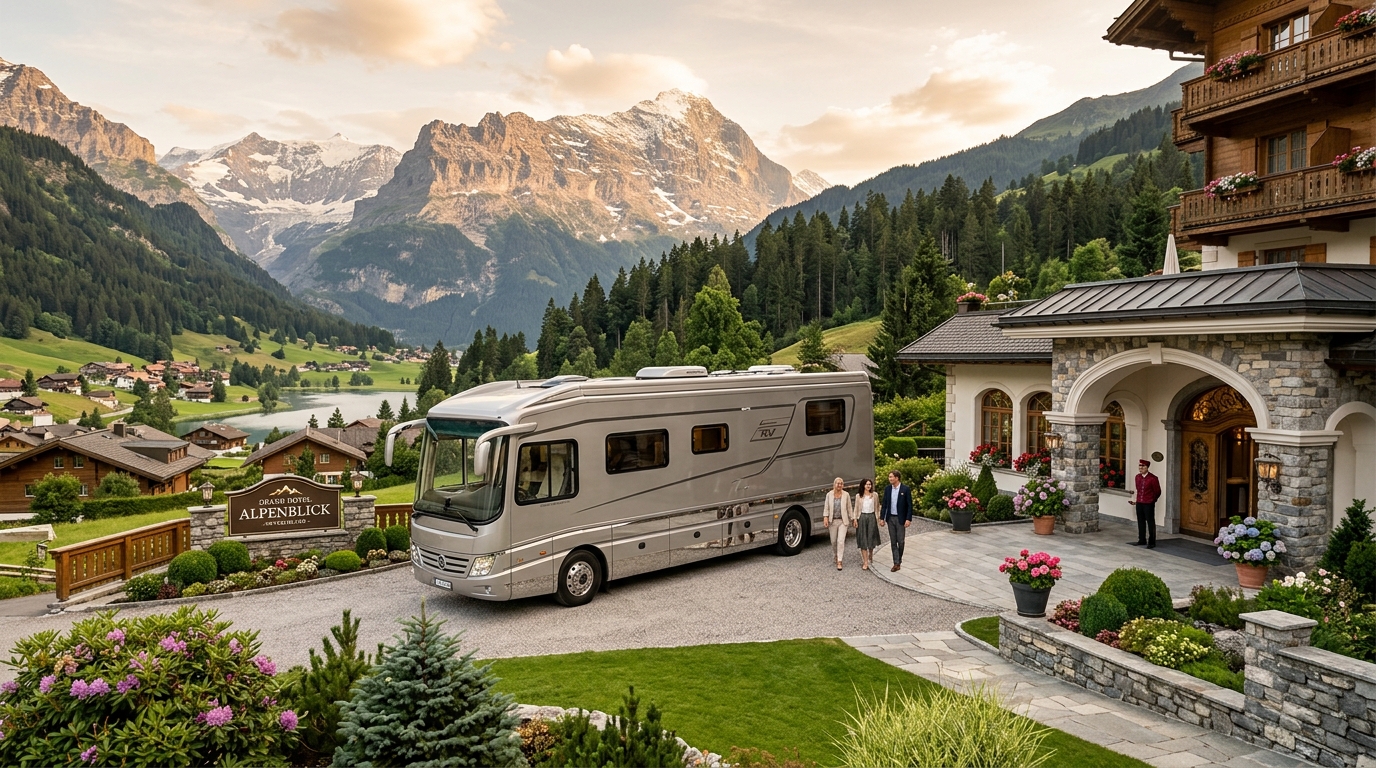
Imagine waking up to fresh Alpine snow, the crisp mountain air filling your lungs as you sip hot cocoa from the warmth of your rented motorhome. Winter RV travel in Switzerland offers an unparalleled adventure, combining stunning snowy landscapes with the comfort and flexibility of your own mobile home. From hitting the ski slopes to exploring charming Christmas markets, a winter RV trip promises unforgettable memories. For live availability and current prices, start with our RV Rental Switzerland - Complete Guide 2026 guide. We're here to share all the insider tips to ensure your cold-weather adventure is smooth, warm, and utterly magical.
Top 5 Tips for winter rv rental RV Rental in Switzerland
Successfully navigating a winter RV rental in Switzerland requires careful preparation and adherence to specific guidelines to ensure a comfortable and safe journey. First, prioritize selecting a fully winterized RV model for optimal comfort and safety, featuring enhanced insulation, robust heating systems, and often a heated water tank to withstand temperatures below freezing.
Second, booking your RV and campsites well in advance, especially for peak winter season dates like Christmas, New Year's, or school holidays, is essential to secure availability and often better rates. Remember that even in national parks, only 25-30% of spots are reservable, with the rest being first-come, first-served, so calling ahead before driving is always wise.
Third, familiarize yourself with specific Swiss road rules, including the mandatory requirements for winter tires and carrying snow chains, which are legally required on certain mountain passes. Fourth, pack comprehensive warm clothing layers, including waterproof outer shells, thermal underwear, and sturdy waterproof boots, as temperatures can drop significantly, especially at higher altitudes. Finally, meticulously plan your routes, taking note of potential mountain pass closures, which often occur from October to June, and research alternative tunnels or lower-altitude routes to avoid unexpected delays.
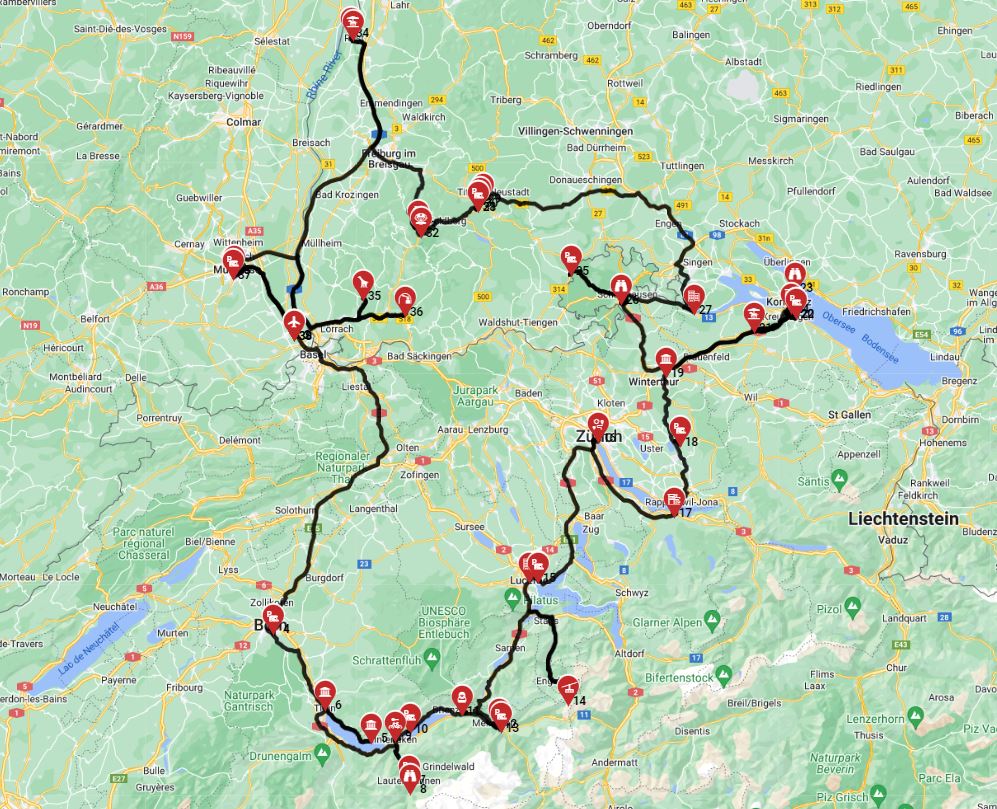
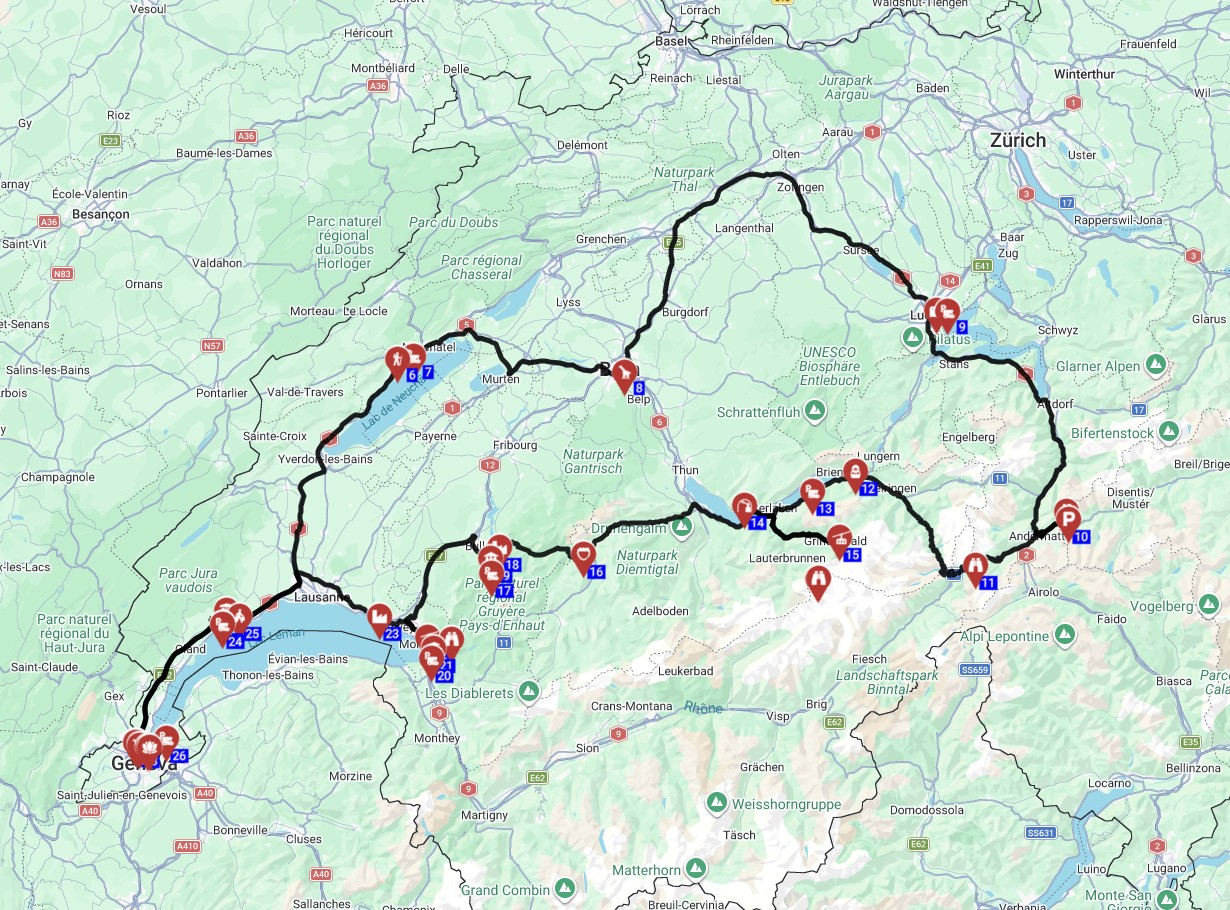
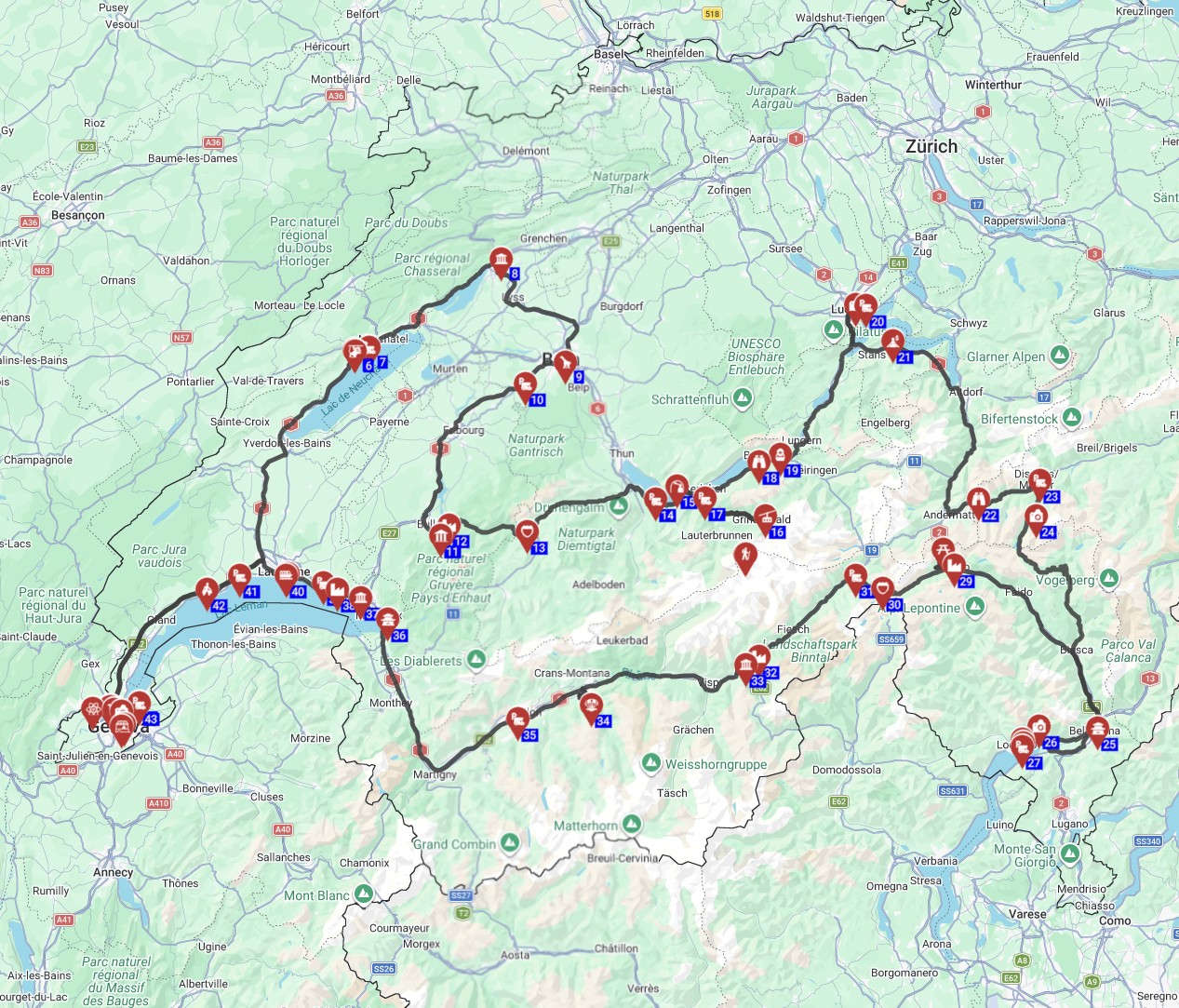
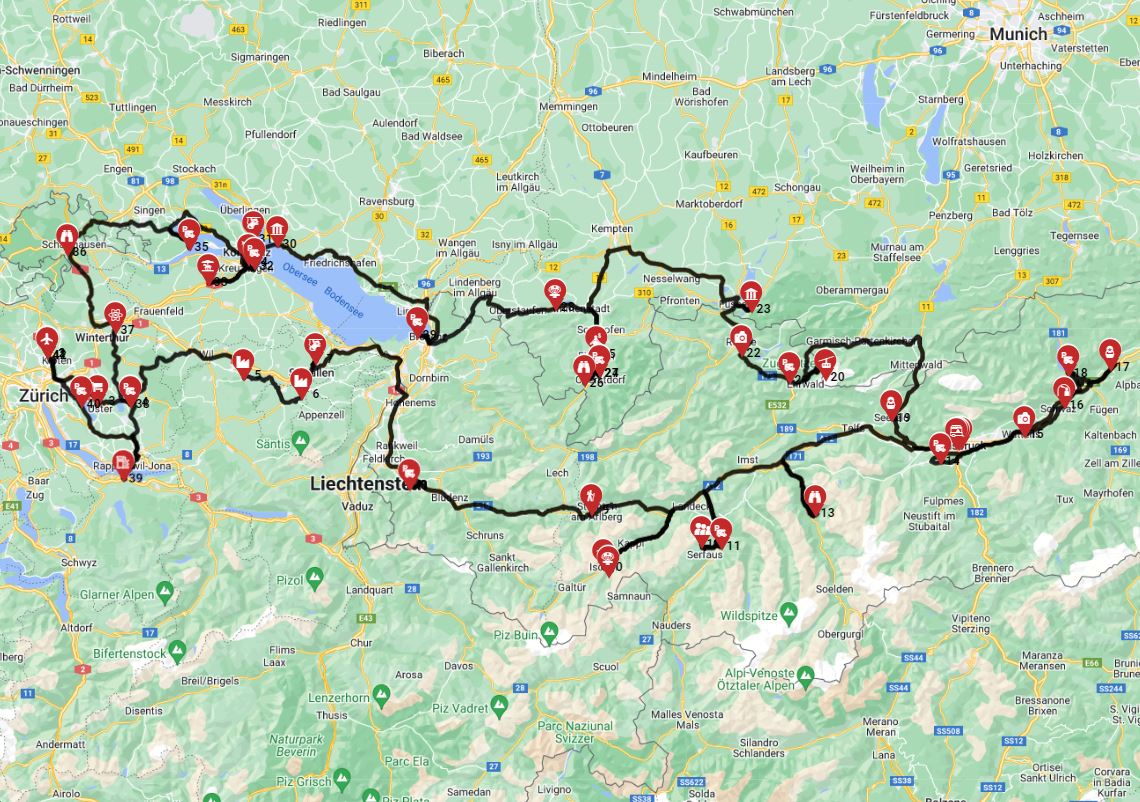
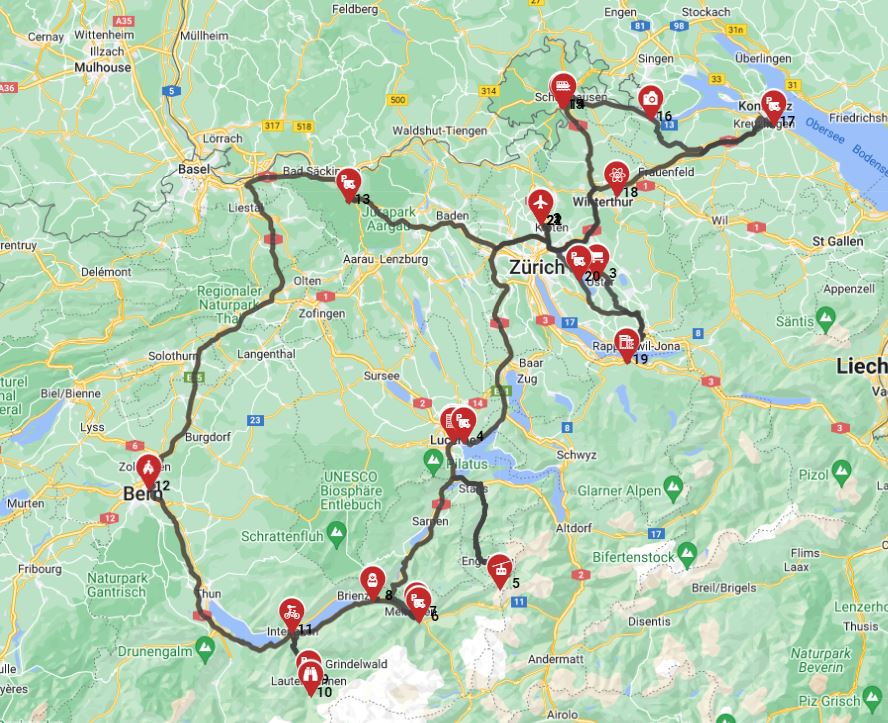
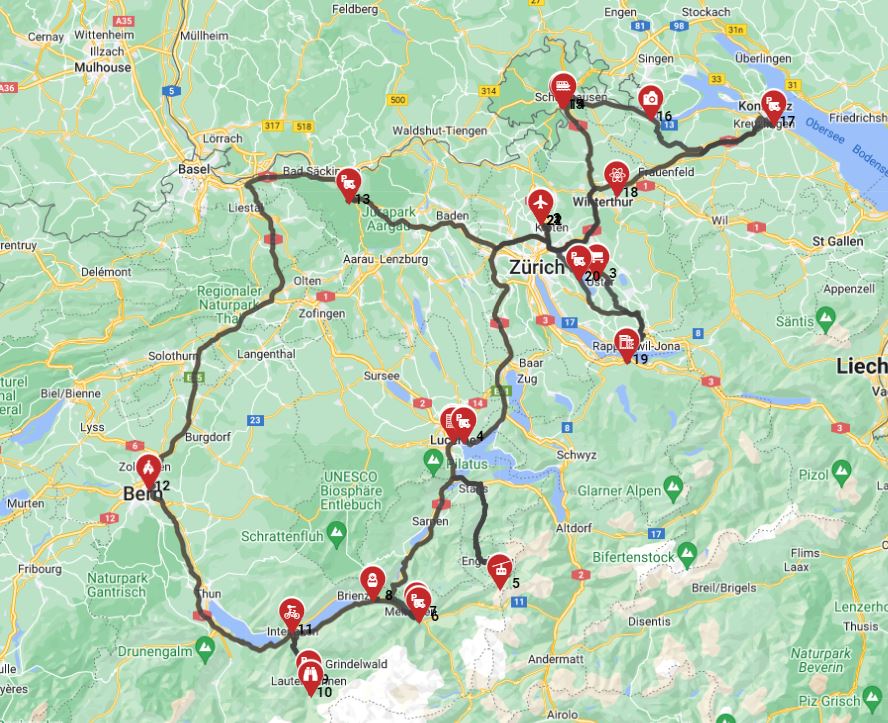
For those looking for a planned route, consider the
Before You Book - Class, Dates, Insurance
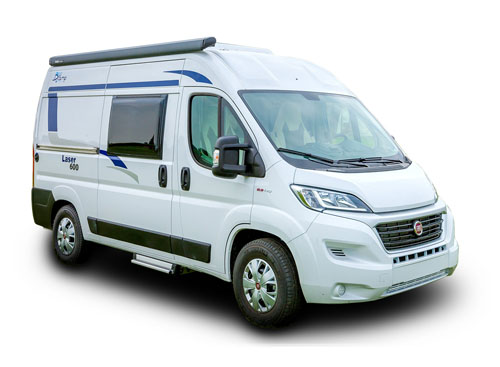
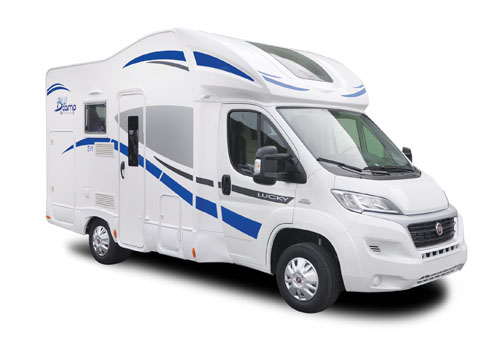
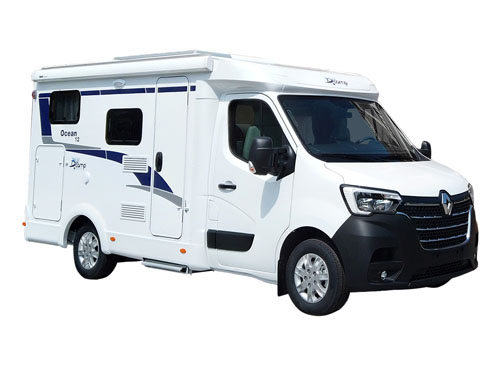
When selecting a winter RV rental in Switzerland, choosing a fully winterized motorhome or campervan is paramount for comfort and safety. RVs equipped for winter typically feature enhanced insulation, powerful heating systems for the living area and tanks, and often double-glazed windows. Class B campervans, like the "Active Pop Top" or a "Combi Van", often come with good insulation, making them ideal for couples or small families, while larger Class C motorhomes, such as a "Category Large 5 AT" with features like a heated waste water tank and efficient heating, offer more space and amenities for families of 2+2 or groups of up to 6 people.
Locking in your rental dates early, particularly for popular winter periods like Christmas, New Year's, and school holidays, is crucial for ensuring availability and securing better rates. Prices are dynamic, similar to flight tickets, changing daily based on availability and seasonality. By booking your rented motorhome or campervan 3-6 months ahead, you can often find a wider selection and more competitive pricing. Consider researching available options using a comparison platform to see the RV Rental in Switzerland - Prices and Best Deals 2026.
Understanding insurance options is vital for peace of mind. Basic insurance is always included with your rental, but it's important to review what it covers. Many travelers opt to upgrade to a top-level deductible reimbursement for extra peace of mind, which covers the deductible in case of an accident or damage. We believe in full transparency: what you see is what you get, with no hidden fees or surprises.
Pre-Trip Prep - Packing Checklist for Switzerland
A well-prepared packing checklist is essential for a successful winter RV trip in Switzerland, ensuring you are comfortable and ready for any conditions. For clothing, focus on layers: thermal base layers, fleece mid-layers, and a waterproof, windproof outer jacket and pants are indispensable. Don't forget a warm hat, waterproof gloves, wool socks, and sturdy, waterproof boots, especially for exploring snowy trails or ski resorts.
In your rented RV's kitchen, bring basic cooking utensils, non-perishable food items, insulated mugs, and perhaps a small coffee maker if one isn't included in your specific model, such as the "Euro Deluxe" which often comes with a refrigerator, gas stove, and ample dining seats. Preparing your own meals in your camper or motorhome is a fantastic way to save on costs and enjoy cozy evenings. For inspiration, check out our RV-friendly recipes playlist.
For safety, ensure your RV is equipped with proper winter tires (which are usually included with winter rentals) and carry snow chains, as they are legally mandatory on certain mountain roads and passes. A first-aid kit, reflective vest, headlamp, portable shovel, and booster cables are also critical additions. Essential documents include your valid national driving license, an International Driving Permit (IDP) if applicable (recommended for non-English speaking countries), your RV rental agreement, and insurance details. Remember to purchase a Swiss motorway vignette (CHF 40 for a year) before or immediately upon entering Switzerland for lighter RVs, or check for Heavy Vehicle Charges for RVs over 3.5 tonnes. Budgeting for these items helps avoid unexpected expenses, and you can track every expense along the way on RV PLANET routes. On the routes offered through RV PLANET routes, you can itemize and track every expense along the way for easy budgeting.
On the Road - Driving, Fueling, Navigation
Driving a rented RV in Switzerland during winter demands extra vigilance and adherence to local traffic laws. Drive slowly and carefully, and you can drive almost anywhere without issues. No need to stress - just use common sense and pay attention. Speed limits are strictly enforced, typically 120 km/h on motorways for lighter vehicles, but reduced to 80 km/h for motorhomes exceeding 3.5 tonnes. Always display your Swiss motorway vignette prominently on your windshield if your RV is under 3.5 tonnes; larger RVs require a Heavy Vehicle Charge Card (LSVA) or equivalent permit.
Planning your fuel stops in advance is particularly important in mountainous regions where stations can be sparse, and be prepared for typically higher fuel prices in Switzerland compared to neighboring countries. Diesel is widely available. Utilize reliable GPS or navigation apps that include real-time traffic and road condition updates, which are crucial for winter travel to identify road closures, especially for high mountain passes that are seasonally inaccessible. Practicing driving your rented motorhome or campervan, especially on winding mountain roads, ensures you are comfortable with its size and handling in potentially icy or snowy conditions.
🎬 Video coming soon
As true RV specialists, we understand the nuances of driving in different conditions. We hand-pick our suppliers, including reputable names like El Monte and Apollo, ensuring their vehicles are well-maintained for winter travel. Remember, our 24/7 support is with you before and after your booking, providing peace of mind as you plan your journey through the stunning Swiss winter landscape.
At the Campground - Setup, Hookups & Etiquette
Setting up your rented RV at a Swiss winter campground involves specific considerations to maximize comfort and prevent cold-weather issues. First, always level your motorhome or campervan using chocks or leveling blocks, which is essential for proper appliance function (like the refrigerator or stove) and overall comfort, especially on the often-terraced pitches of mountain campsites. Second, connect your hookups in the correct order: electricity first to power your heating, then fresh water (if available and not frozen), and finally waste disposal.
In winter, it is crucial to protect your water hose from freezing if temperatures drop below zero; insulated hoses or disconnecting after filling can prevent damage. Observing campground quiet hours, typically from late evening to early morning, respects fellow campers and helps maintain the serene winter atmosphere. Properly disposing of grey and black water at designated dump stations is mandatory, never in unauthorized areas, to preserve Switzerland's pristine environment. Many winter-friendly campsites offer heated sanitary facilities, which are a welcome luxury after a day of outdoor activities.
Winter RV Rental-Specific Tips for Switzerland
Ensuring your rented RV is properly equipped for the Swiss winter is critical for a safe and enjoyable journey. Every winter RV rental should be fitted with appropriate winter tires, which provide better traction on snow and ice and are legally required during certain periods or on specific roads. Additionally, carrying snow chains is legally mandatory on certain mountain passes, indicated by road signs, and knowing how to install them before you encounter icy conditions is highly recommended.
Actively managing your RV's heating system is vital to maintain a comfortable interior temperature and prevent the water pipes and tanks from freezing. Modern RVs, such as the "Koru Star 4 Freedom" or "Knaus BoxDrive 680ME", feature robust heating, sometimes running on diesel or propane, ensuring your fresh water tank (which can hold up to 100-140 liters) and waste water tanks remain operational. Insulate external water hoses and tanks where possible, and consider using anti-freeze for your grey and black water systems if temperatures are expected to drop significantly below freezing. Prioritize booking campsites that offer heated facilities, reliable electricity hookups for consistent heating, and easy access to winter sports areas or public transport routes for seamless exploration.
Common Mistakes to Avoid in Switzerland
One common mistake for first-time RV renters in Switzerland is underestimating the total trip costs. Instead, create a detailed budget covering fuel (which can be expensive at CHF 1.80-2.00 per liter), mandatory road tolls like the annual motorway vignette (CHF 40 for vehicles under 3.5 tonnes) or Heavy Vehicle Charge for larger RVs, campsite fees (CHF 30-70+ per night), and potential activities like ski passes or scenic train rides. Being transparent about all potential costs is part of our commitment at Bandana RV, ensuring no hidden fees or surprises.
Another frequent error is ignoring wild camping rules. Instead, plan to stay in official campgrounds or designated overnight parking areas (Stellplätze) to avoid substantial fines and to respect local regulations, which generally prohibit free camping. Not preparing for unpredictable mountain weather is also a common pitfall; instead, always pack layers, carry essential safety gear like snow chains and a shovel, and regularly check weather forecasts and road conditions. Finally, skipping necessary permits like the Swiss motorway vignette for your rented motorhome or campervan can lead to fines, so purchase it beforehand or immediately upon entering the country. We want your adventure to be worry-free, and our 25% planning discount for using rvplan.net is designed to help you organize every detail efficiently.
Is it expensive to RV in Switzerland?
RVing in Switzerland can indeed be considered expensive, primarily due to higher fuel prices, mandatory road tolls, and often pricey campsites, but it offers significant control over food and accommodation costs compared to traditional hotel stays. Fuel costs average around CHF 1.80-2.00 per liter for diesel and gasoline. Budgeting for daily campsite fees ranging from CHF 30-70+ is essential, with premium spots offering lake views or ski-in/ski-out access often exceeding CHF 80-100 per night. Additionally, RVs under 3.5 tonnes require an annual motorway vignette costing CHF 40, while heavier motorhomes are subject to a distance and weight-based Heavy Vehicle Charge. These ancillary costs can be itemized and tracked easily on RV PLANET routes.
Cost-saving strategies include cooking most meals in your rented motorhome's kitchen, choosing campsites slightly outside popular tourist hubs to find lower rates, and utilizing Switzerland's excellent public transport system with passes if you plan to explore cities extensively without moving your RV. We compare final prices across 50+ suppliers so you don't have to, helping you find the most affordable winter RV Rental in Switzerland - Prices and Best Deals 2026 for your adventure. Our full transparency means you'll know exactly what you're paying for from the start.
Can you just pull over and sleep anywhere?
No, pulling over and sleeping anywhere in a rented RV is generally not permitted in Switzerland, as wild camping is largely prohibited or highly regulated across cantons and municipalities. Regulations vary significantly by canton; while some areas may tolerate a single overnight stay in certain parking lots if no 'no camping' signs are present and you are not causing disturbance, it is rarely officially condoned. For example, national parks and nature reserves strictly forbid it.
To avoid potential fines, which can be substantial (sometimes hundreds or even thousands of CHF), and to ensure a legal and safe overnight stay, travelers should always use official campgrounds or designated overnight parking areas (often called Stellplätze). These facilities, widely available across the country, provide essential services like fresh water, waste disposal, and electricity hookups, which are particularly important during winter. It's always best to call ahead to a campground before driving there, especially during peak season, to confirm availability.
Is it worth RVing in Switzerland?
RVing in Switzerland is highly worthwhile for travelers seeking flexibility, direct access to stunning natural landscapes, and the freedom to create a personalized itinerary, offering a distinct experience compared to other travel methods. A rented motorhome or campervan allows you to wake up to breathtaking mountain views, like those found in the Bernese Oberland or the Engadin Valley, and enjoy the convenience of a mobile headquarters for winter sports or scenic drives. This self-sufficiency is invaluable for families or groups who prefer to cook their own meals (saving significantly on Swiss food costs) and enjoy a more intimate connection with nature.
The value is particularly high for those who enjoy outdoor activities such as skiing, snowboarding, or snowshoeing, as an RV offers easy access to trailheads and ski resorts without the daily hassle of checking in and out of hotels. With our deep experience since 2001, we know that RV travel offers unparalleled freedom to explore the 1,322 km of Swiss roads at your own pace. Discover top destinations and planning tips by checking our RV Rental Europe - Complete Guide 2026.
What is the best way to travel Switzerland?
The best way to travel Switzerland largely depends on your priorities, but renting an RV offers unique benefits for those who value flexibility, access to remote natural beauty, and a self-sufficient travel experience. While Switzerland's extensive and efficient train network is excellent for accessing major cities and towns with scenic routes, an RV provides the freedom to venture off the beaten path, discover hidden gems, and linger longer in picturesque spots that public transport might not reach directly.
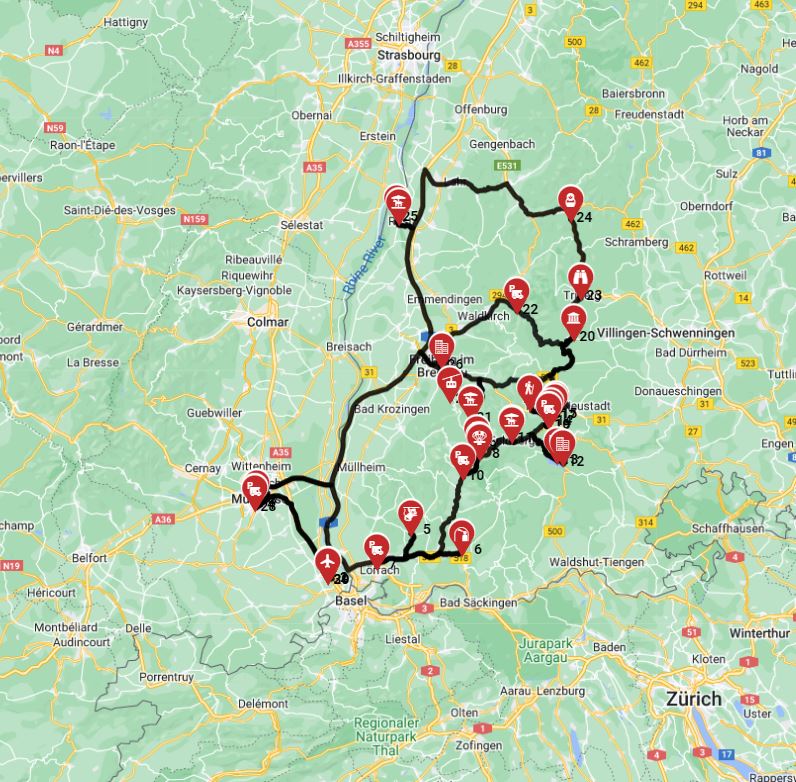
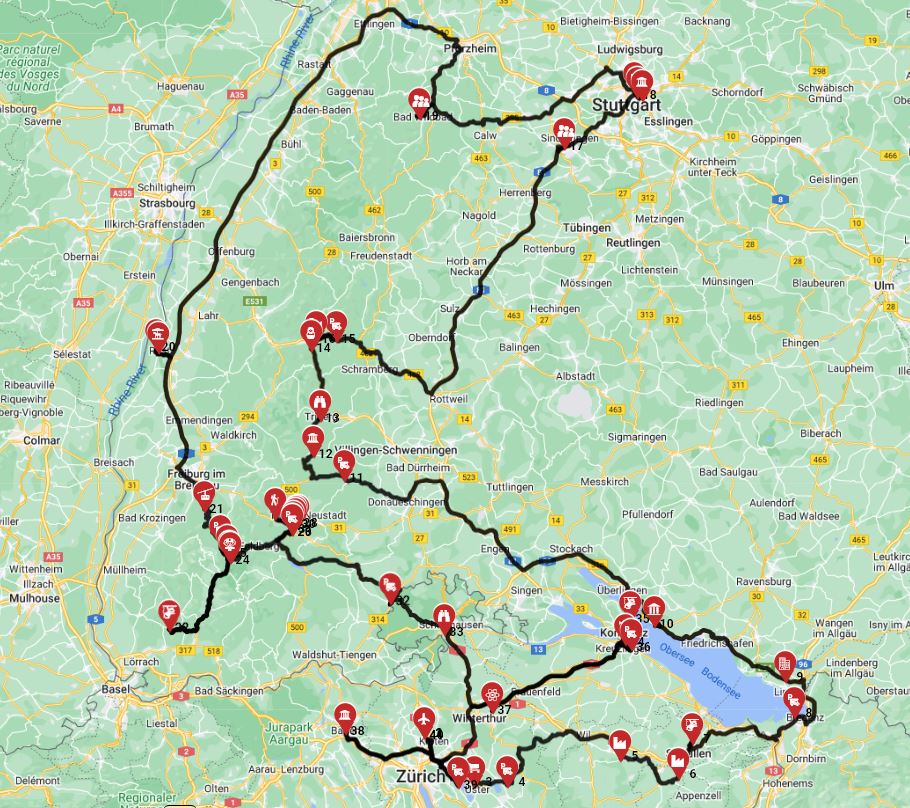
For budget-conscious travelers focusing on specific regions or city-to-city travel without the hassle of vehicle maintenance, a combination of public transport passes and day trips might be ideal. However, if your goal is to immerse yourself in the Alpine landscape, enjoy winter sports, and have the convenience of your accommodation always with you, a rented motorhome or campervan is unrivaled. It's perfect for families of 4-6 people, allowing them to carry all their gear and enjoy home-cooked meals. Consider the Basel Roundtrip - Switzerland & Black Forest for a 16-day journey covering 1233.4 km, including 2 amusement parks, 5 natural features, and multiple museums.
Can I free camp in Switzerland?
Free camping, often referred to as wild camping or boondocking, is largely restricted or prohibited throughout Switzerland, making it crucial for RV renters to adhere to local regulations that typically require overnight stays in designated campgrounds or authorized parking areas. While some communes or cantons might have slightly more lenient rules for single nights in very remote areas or above the tree line (always verify locally!), these are exceptions rather than the norm. National parks, nature reserves, and agricultural lands are typically off-limits for free camping.
Ignoring these regulations can lead to substantial fines, which can range from a few hundred to several thousand Swiss Francs, depending on the location and severity of the infraction. Therefore, prioritizing official campgrounds, which are numerous and well-equipped with amenities like heated restrooms, electricity, and waste disposal points, is the safest and most responsible approach for RV travel in Switzerland. We believe in providing honest and transparent advice, ensuring you have a hassle-free journey without unexpected legal issues.
What is the best month to RV in Switzerland?
For winter RVing in Switzerland, the best months are typically late December through early March, as this period offers optimal snow conditions for winter sports and transforms the landscape into a picturesque wonderland. During these months, ski resorts across regions like the Valais and Graubünden are fully operational, and charming Christmas markets extend into early January, providing unique cultural experiences. Travelers should be prepared for cold weather, with average temperatures ranging from -5°C to 5°C, and potential road closures on high mountain passes.
Conversely, summer (June to September) is ideal for hiking, lake activities, and warmer weather, with temperatures averaging 15°C to 25°C. The shoulder seasons (April-May, October-November) offer fewer crowds and potentially lower prices for a rented motorhome or campervan, but can have unpredictable weather, with some mountain passes potentially remaining closed or closing early due to snowfall. Ultimately, the "best" month depends on your activity preferences, but winter sports enthusiasts will find late December to early March most rewarding.
How long does it take to drive through Switzerland?
While driving directly through Switzerland from border to border can theoretically be accomplished in a matter of hours (e.g., 4-6 hours for a cross-country journey like Geneva to St. Gallen), an RV trip is best planned over several days to weeks to fully experience the diverse landscapes and attractions at a leisurely pace. We always recommend slow travel, averaging a maximum of 100-150 km per day. This approach allows you to take time to feel the place, connect to the local culture, savor the food, and truly appreciate the stunning scenery.
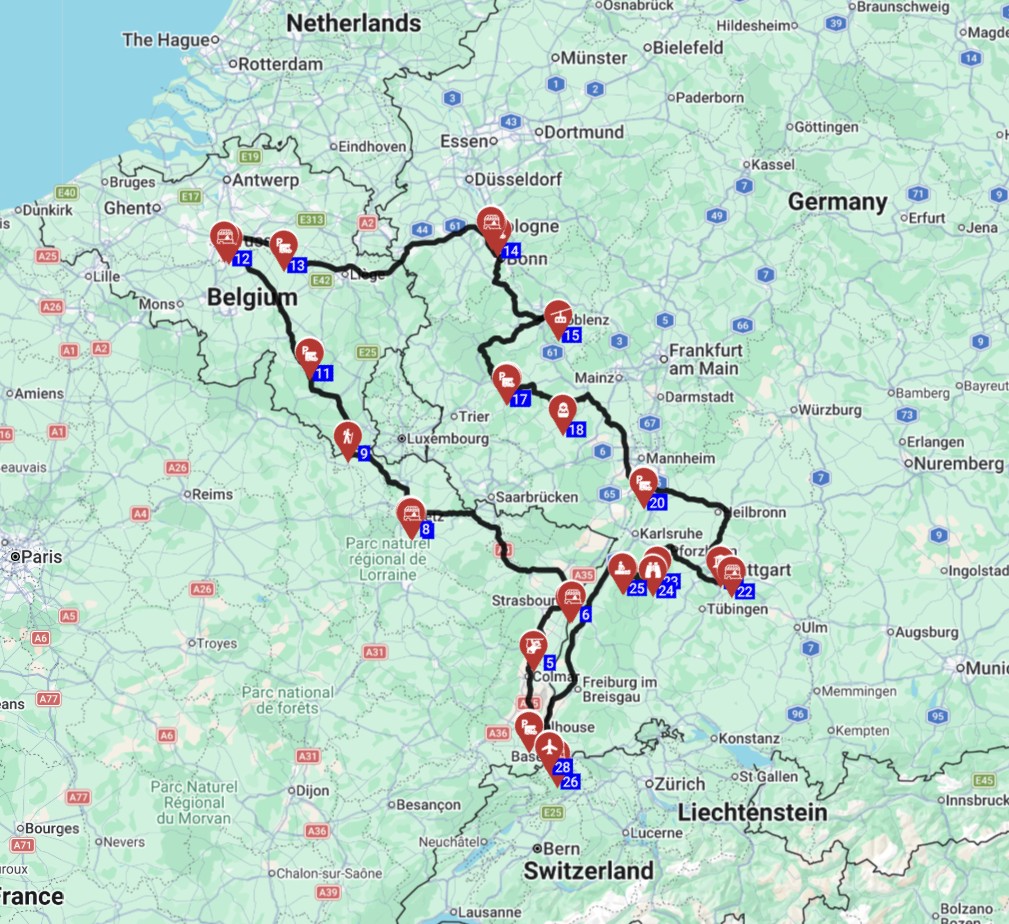
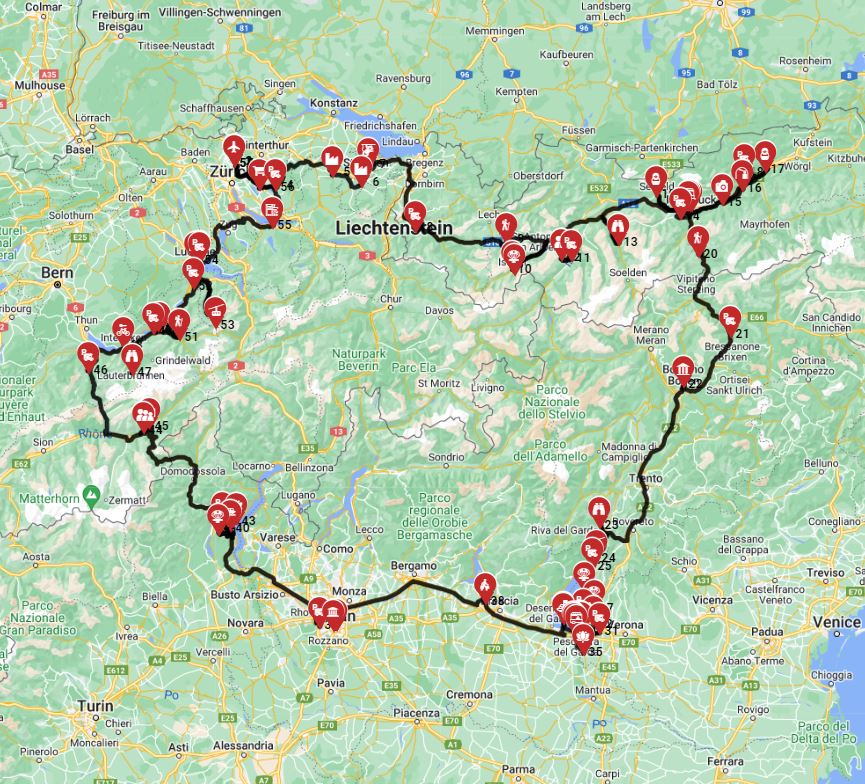
To truly enjoy the Swiss Alps and explore regions like the Bernese Oberland, Ticino, or the Engadin, allocate at least 7-14 days for your rented motorhome adventure. This timeframe allows for shorter daily driving distances, accommodating the winding mountain roads, frequent scenic stops, and time for activities like hiking, skiing, or exploring charming villages. In winter, driving times can extend significantly due to snow, ice, or the necessity of using snow chains on certain routes, making slower, more deliberate travel planning essential. Our Rent&Plan service offers pre-planned routes by professionals, like the Nice Roundtrip - French Riviera toward North Italy, Switzerland, and the French Alps, a 15-day itinerary covering 1742.8 km and featuring 2 animals shows, 2 historical sites, and 1 scenic route, ensuring you don't miss a thing.
Do you need an international driving permit for Switzerland?
An International Driving Permit (IDP) is recommended for most non-EU/EFTA drivers in Switzerland and is legally required for some nationalities, serving as an official translation of your national driving license. While a standard car driver's license is sufficient for driving all motorhome classes (Class A, Class B, and Class C) in Switzerland, an IDP provides an extra layer of official documentation that can be incredibly helpful. Drivers with a valid national driving license from an EU/EFTA country generally do not need an IDP for short visits.
It is always advisable to obtain an IDP alongside your national license, as it can be helpful for rental agencies (some suppliers may require it), police checks, or in the event of an accident, providing universally understood documentation in 10 languages. An IDP must always be carried with your valid national driving license. There are no special licensing requirements or CDLs needed for any rented motorhome or campervan in Switzerland. For more details on various rental options, including one-way trips, you might want to explore our One-Way RV Rental in Switzerland - Price Guide 2026.
Top Cities for RV Rental in Switzerland
Switzerland offers several excellent pickup and drop-off locations for your winter RV rental, making it easy to start and end your adventure. Each city provides convenient access to different regions of this beautiful country.
- Basel: Situated at the tri-border with France and Germany, Basel is a fantastic starting point for exploring both the Swiss Jura and the nearby Black Forest. Its well-connected network makes it easy to pick up your motorhome or campervan and head straight for winter activities.
- Bern: As the capital city, Bern offers a central location and is close to the stunning Bernese Oberland, a prime region for winter sports and scenic drives. Renting an RV here provides a convenient base to access some of Switzerland's most iconic landscapes.
- Bern - Airport: Picking up your rented RV directly from Bern Airport can save time and hassle, especially if you're flying in. This allows for a quick transition to your winter road trip, getting you onto the open road faster.
- Brig: Located in the Valais canton, Brig is an excellent gateway to the high Alps, offering access to numerous ski resorts and thermal baths. It's a strategic point for those looking to immerse themselves in serious mountain adventure with their camper.
- Chiasso: Positioned in the Italian-speaking canton of Ticino, Chiasso is ideal for exploring the warmer, more Mediterranean-influenced side of Switzerland, with access to stunning lakes and mountain vistas, even in winter.
- Geneva - Airport: A major international hub, Geneva Airport offers a wide range of rental options and is perfect for starting a trip that covers the western side of Switzerland and the nearby French Alps. It provides flexibility for international travelers to begin their motorhome journey.
These locations offer not only practical access but also diverse starting points for whatever kind of Swiss winter adventure you envision for your rented RV.
Practical Information for RV Travel in Switzerland
Navigating Switzerland with a rented RV requires familiarity with specific local rules and practical considerations to ensure a smooth journey. Swiss roads are well-maintained, but winter conditions demand respect; always drive on the right side of the road, and overtaking is only permitted on the left. As mentioned, speed limits are strictly enforced: 120 km/h on motorways for vehicles under 3.5 tonnes, 100 km/h on expressways, and 80 km/h on ordinary roads outside towns, with motorhomes over 3.5 tonnes limited to 80 km/h on motorways. City driving is manageable: drive slowly and carefully, and you can drive almost anywhere without issues. No need to stress - just use common sense and pay attention.
Emergency numbers in Switzerland are: 112 for general emergencies, 117 for police, 118 for fire services, and 144 for ambulance. For connectivity, purchasing a local SIM card (e.g., from Swisscom, Sunrise, or Salt) upon arrival provides reliable mobile data coverage, even in many mountainous regions. Many campsites offer Wi-Fi, though quality can vary. Water and dump stations are readily available at official campgrounds, which are well-equipped to handle waste disposal. Propane refills can be found at larger gas stations or specialized RV centers, which is crucial for heating and cooking in your rented campervan or motorhome during colder months. We pride ourselves on offering service from day one until your booking is confirmed, ensuring you have all the information you need for a comfortable trip.
What You Shouldn't Miss
- Skiing and Snowboarding in Zermatt: Experience world-class slopes with the iconic Matterhorn as your backdrop. Zermatt offers extensive pistes and a vibrant après-ski scene.
- Explore Lucerne's Old Town: Wander through charming cobbled streets, visit the Chapel Bridge (Kapellbrücke), and enjoy traditional Swiss fondue in a cozy restaurant.
- Relax in the Thermal Baths of Leukerbad: After a day of winter activities, soothe your muscles in Switzerland's largest alpine thermal spa.
- Drive the Furka Pass (in summer or early autumn): While closed in winter, this legendary pass, famous from James Bond films, offers breathtaking views and thrilling bends in warmer months.
- Visit the Christmas Markets: Immerse yourself in festive cheer at the Basel Christmas Market (Barfüsserplatz & Münsterplatz) or the Montreux Noël market along Lake Geneva.
Final Thoughts
A winter RV rental in Switzerland is an extraordinary way to experience the magic of the Alps, combining breathtaking scenery with the comfort and flexibility of your own space. With a little careful planning, the right winterized motorhome or campervan, and an understanding of local driving and camping rules, you're set for an adventure of a lifetime. From glistening snowy peaks to cozy evenings nestled in charming villages, Switzerland awaits your exploration.
Don't let the thought of cold weather deter you; with the right preparation and our expert advice, you'll find that winter RVing is uniquely rewarding. Embrace the serene beauty of Switzerland's snow-covered landscapes and create cherished memories with your family or loved ones. Life is now - so why not make your next adventure a spectacular winter journey through the heart of Europe?