In This Guide
- Top 5 Tips for Winter RV Rental in Sweden
- Before You Book — Class, Dates, Insurance
- Pre-Trip Prep — Packing Checklist for Sweden
- On the Road — Driving, Fueling, Navigation
- At the Campground — Setup, Hookups & Etiquette
- Winter RV Rental-Specific Tips for Sweden
- Common Mistakes to Avoid in Sweden
- Can you winter camp in Sweden?
- What is the best month for winter in Sweden?
- How cold does it get in Sweden in winter?
- What is the best vehicle for winter in Sweden?
- Is it safe to drive in Sweden in winter?
- Can I wild camp in Sweden with a campervan?
- What are the rules for wild camping in Sweden?
- Is it expensive to rent an RV in Sweden?
- How many days do you need for Sweden in winter?
- What is the best way to travel Sweden in winter?
Top 5 Tips for Winter RV Rental in Sweden
Embarking on a winter RV adventure in Sweden offers a unique perspective on its stunning natural beauty, from snow-dusted forests to the magical Northern Lights. For a truly comfortable and memorable experience, follow these essential tips:
- Choose a Winterized RV: Select an RV specifically winterized for sub-zero temperatures, ensuring robust insulation and heating. Models designated as 'Arctic' or 'Winter Ready' are equipped to handle the cold.
- Book in Advance: Secure your RV well in advance, particularly for peak winter travel periods (December to March) and popular destinations like Swedish Lapland, as availability can be limited.
- Understand Winter Driving Laws: Familiarize yourself with specific Swedish winter driving laws, including mandatory winter tires (required December 1 to March 31) and adherence to reduced speed limits on icy or snowy roads.
- Prioritize Campgrounds with Hookups: Plan your route to include campgrounds with electrical hookups for continuous heating and access to heated amenities, which is crucial for maintaining a comfortable interior temperature and preventing water systems from freezing.
- Pack Appropriately: Pack multiple layers of warm, waterproof clothing suitable for extreme cold, including thermal wear, insulated outerwear, wool socks, waterproof boots, and insulated gloves and hats.
Before You Book — Class, Dates, Insurance
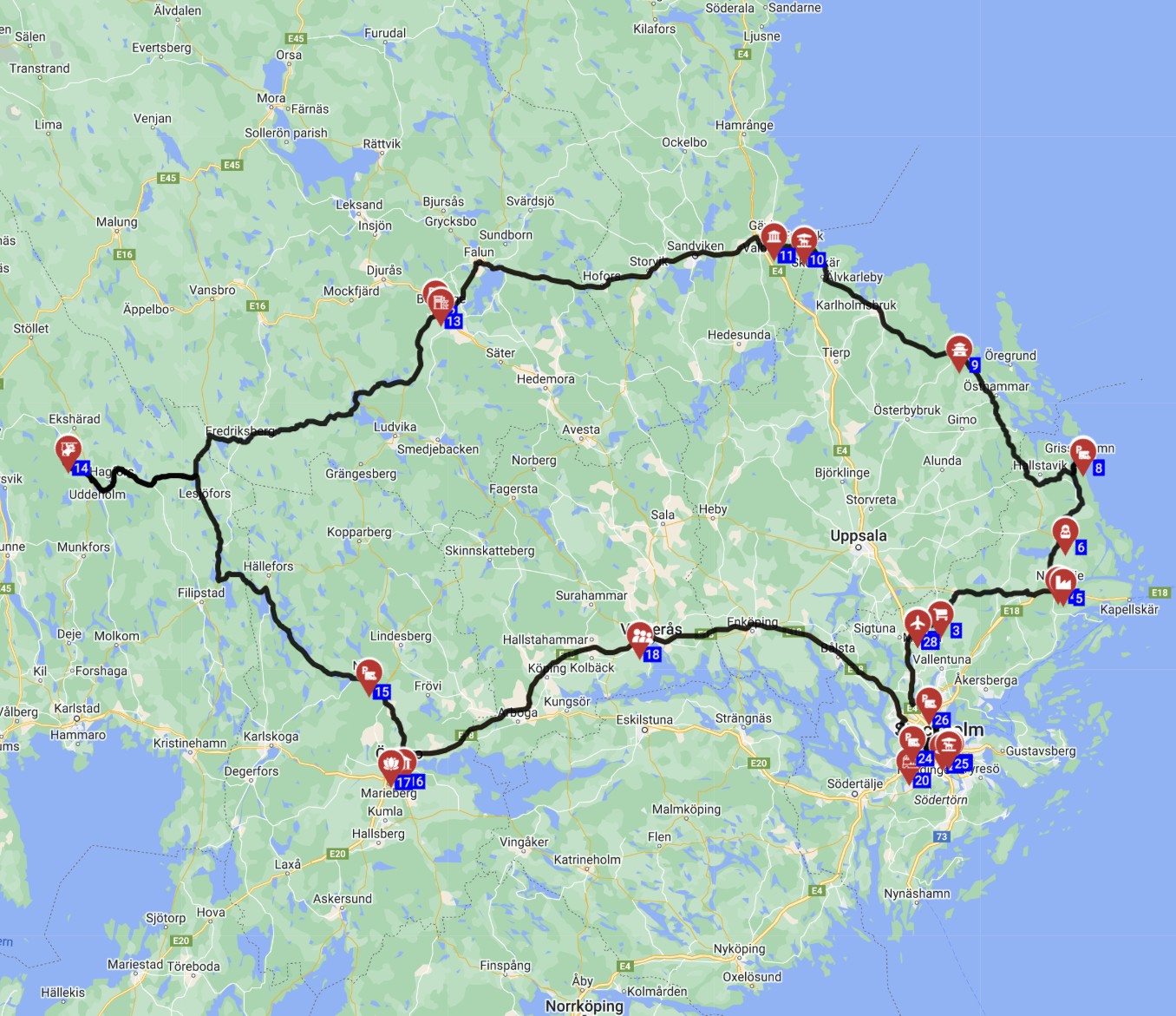
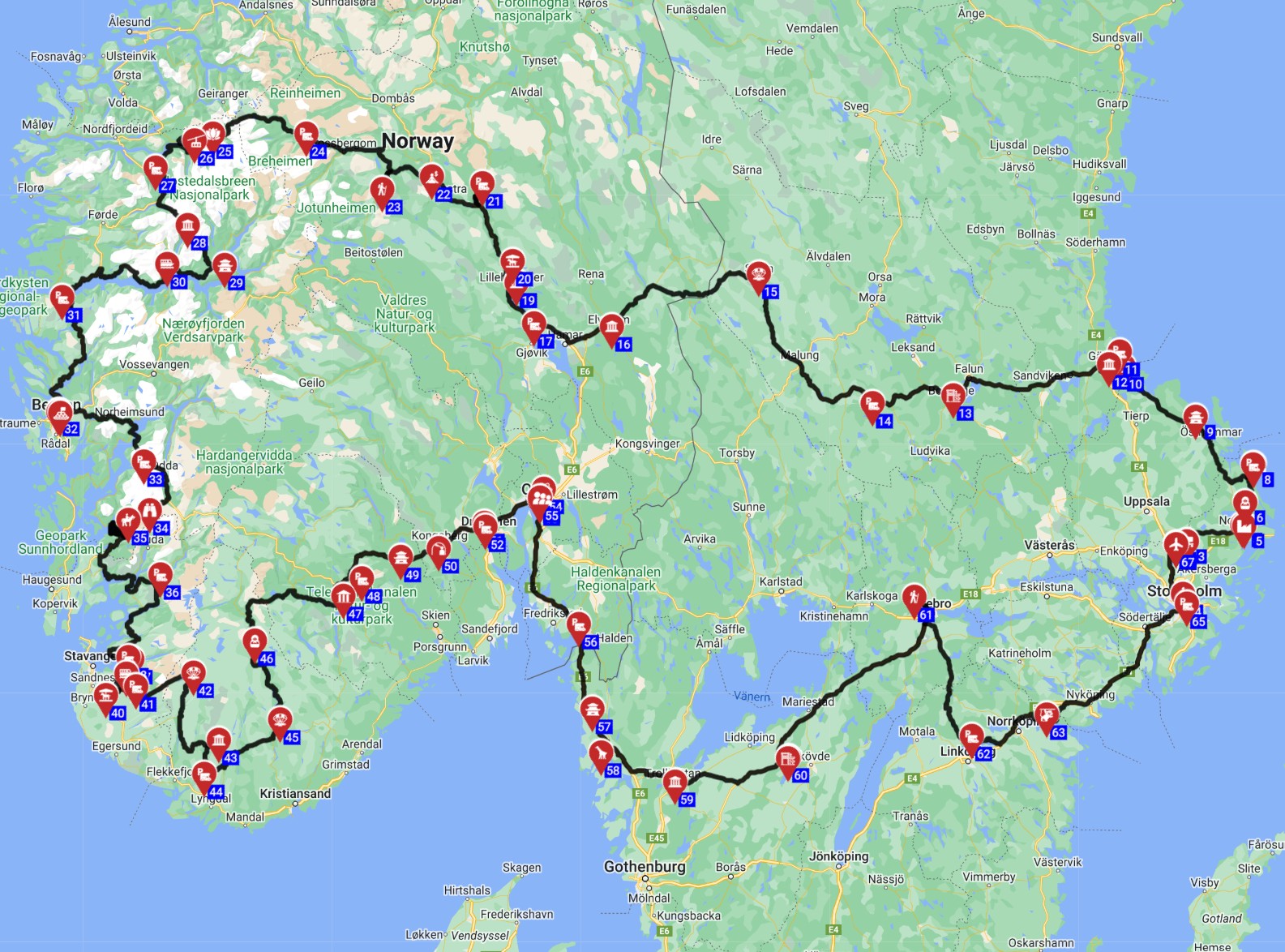
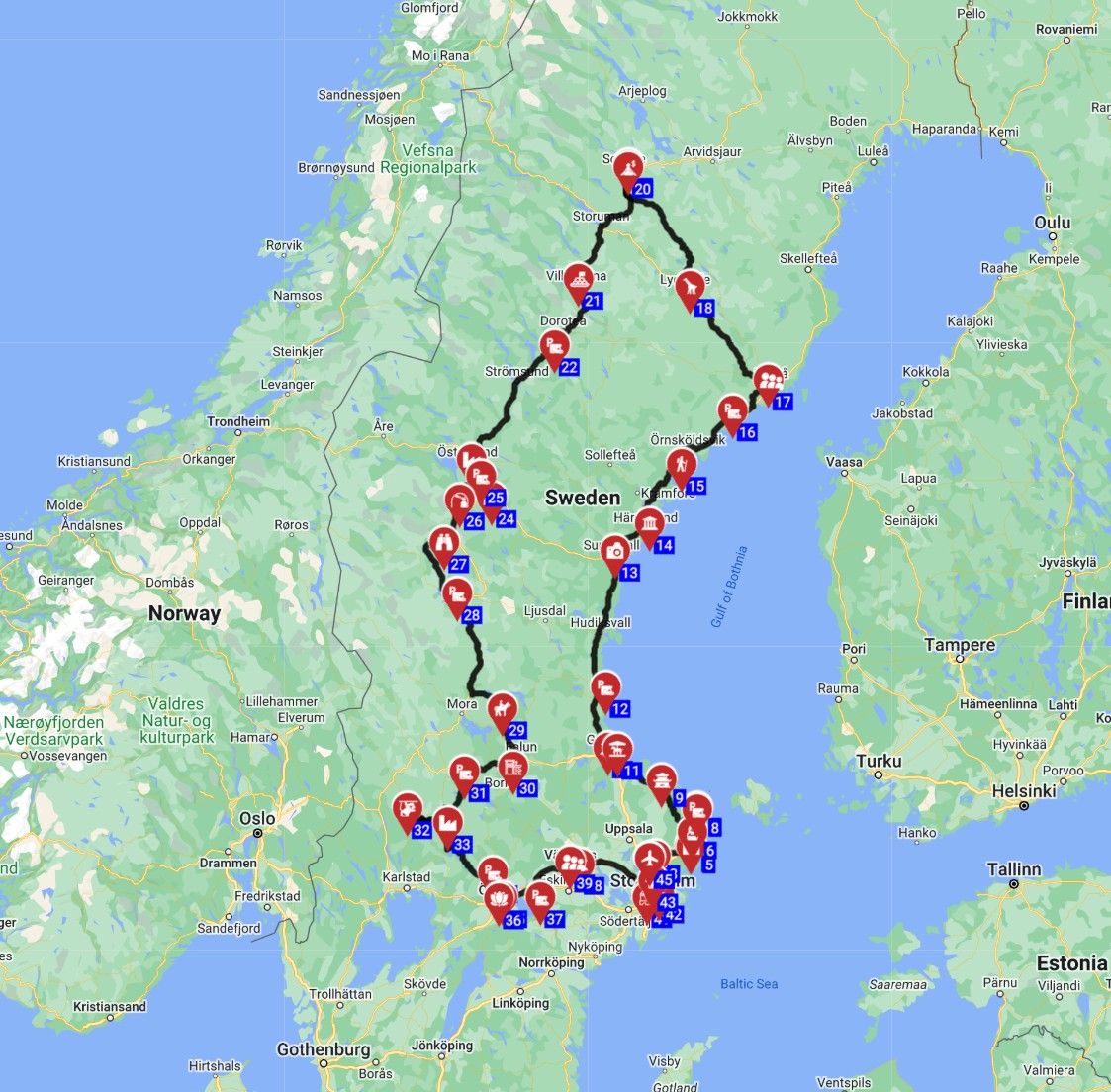
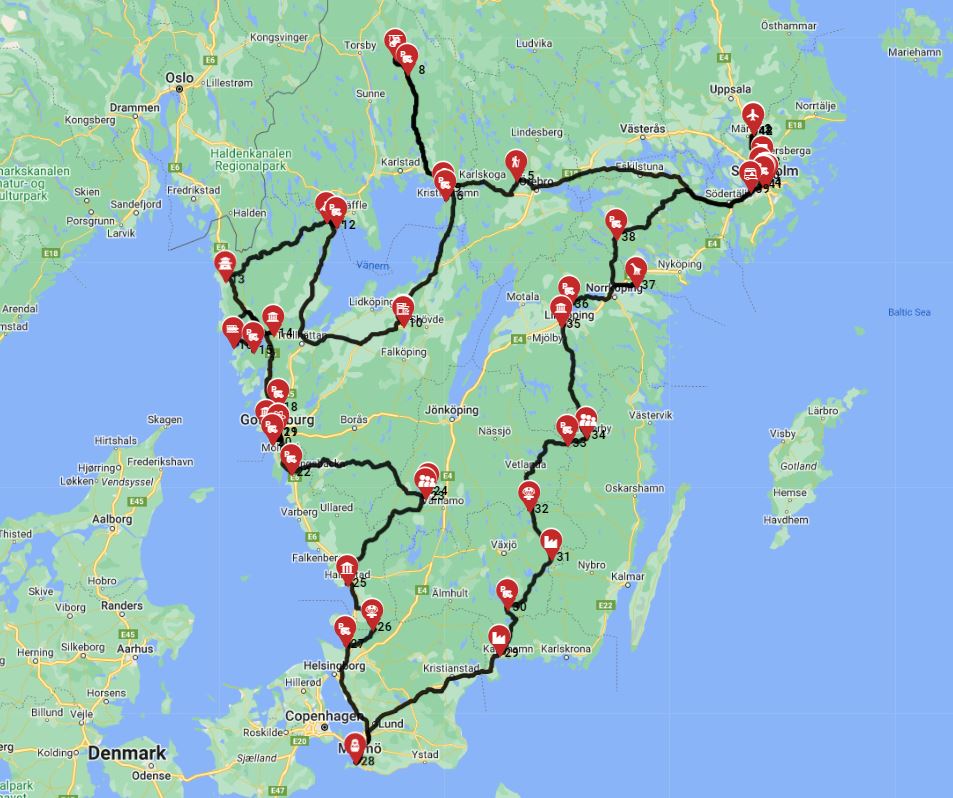
Selecting the right RV and understanding the booking details are key to a successful winter trip in Sweden. For live availability and current prices, start with our RV PLANET routes.
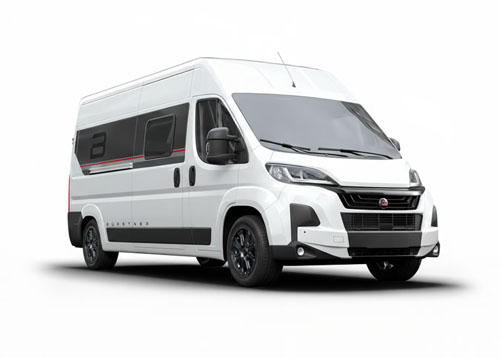
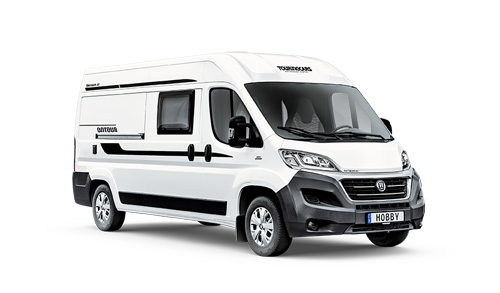
- RV Class for Winter: When choosing an RV class for winter in Sweden, prioritize models with excellent insulation, powerful heating systems, double-glazed windows, and winter tires. Many rental companies offer vehicles specifically designated as 'winterized' or with an 'Arctic package.' For families, a Class C motorhome often provides more space for winter gear and comfortable indoor living, while a Class B campervan is ideal for couples seeking agility.
- Booking Dates: To secure the best selection and rates, it is advisable to lock in your rental dates several months in advance. Popular winter periods, such as Christmas and the Northern Lights season, see high demand, making early booking essential.
- Insurance Coverage: Basic insurance is always included with your rental. During the booking process, you can view prices including comprehensive coverage options, allowing you to choose the level of protection that best suits your trip and peace of mind.
- Group Size and Comfort: Consider the size and layout of the RV for your group. Ensure there's enough space for everyone and their winter gear. Models with separate sleeping areas and a comfortable lounge can make extended indoor time much more enjoyable during darker winter days.
Pre-Trip Prep — Packing Checklist for Sweden
Preparing your packing list is crucial for a comfortable winter RV journey through Sweden. Here’s a comprehensive checklist to ensure you have everything you need:
- Clothing Essentials:
- Thermal base layers (tops and bottoms)
- Fleece or wool mid-layers
- Waterproof and windproof outer shell jacket and pants
- Insulated winter jacket and warm trousers
- Wool socks (multiple pairs)
- Waterproof, insulated winter boots
- Warm hat, scarf, and insulated gloves or mittens
- Swimsuit (for saunas or hot tubs at campgrounds)
- Kitchen & Food Supplies:
- Basic cooking utensils and cutlery
- Non-perishable food items and snacks
- Thermos for hot drinks
- Reusable water bottles
- Coffee/tea supplies
- Safety & Emergency Gear:
- First-aid kit with extra cold-weather essentials
- Reflective vest
- Headlamp or flashlight with spare batteries
- Portable phone charger/power bank
- Small snow shovel and brush
- Jump starter cables (optional, but recommended)
- Important Documents:
- Valid driving license and International Driving Permit (if required)
- RV rental agreement and insurance details
- Passport or ID
- Printed travel itinerary and contact information
For tips tailored to your specific trip, talk to rent-motorhome.
On the Road — Driving, Fueling, Navigation
Navigating Sweden in a rented RV during winter requires awareness of specific driving practices and regulations to ensure a safe and smooth journey. For travelers planning a broader trip, our guide RV PLANET routes covers everything you need to know about planning your adventures.
- Headlights and Visibility: In Sweden, it is mandatory to drive with headlights on 24 hours a day, regardless of weather conditions or time of year, to enhance visibility for all road users. This is a crucial safety measure, especially during the shorter daylight hours of winter.
- Winter Tires: All RVs used in Sweden during winter (December 1 to March 31) must be equipped with approved winter tires, either studded or non-studded friction tires. Rental companies typically provide these, but always confirm they are fitted and in good condition before you depart.
- Safe Driving Practices: Always maintain a safe following distance and reduce your speed significantly on icy, snowy, or slushy roads, as stopping distances increase dramatically in winter conditions. Be aware of potential black ice, particularly on less-trafficked roads.
- Fueling and Navigation: Fueling stations are generally accessible along main routes, but it's wise to plan your fuel stops carefully in more remote northern areas. Ensure you are using winter-grade diesel (if applicable), which is less prone to freezing. Utilize a reliable GPS navigation system with updated maps for Sweden and consider downloading offline maps for areas where mobile signal might be weak or unavailable.
At the Campground — Setup, Hookups & Etiquette
Setting up your RV at a Swedish winter campground involves a few specific considerations to ensure comfort and respect for fellow campers. For campground options, check out RV PLANET routes for detailed recommendations.
- Site Selection: Upon arrival at a winter campground, select a level pitch, ideally sheltered from strong winds, and ensure easy access for connecting utilities.
- Utility Hookups: Connect your electrical hookup first to power your RV's heating system immediately. Then, if available and unfrozen, connect your fresh water hose (ensuring it's insulated) and finally your waste water hose to designated disposal points.
- Campground Etiquette: Always adhere to campground quiet hours, typically from 10 PM to 7 AM, respecting the peace and privacy of other campers by keeping noise levels down. Properly dispose of all greywater and blackwater at designated service stations to prevent environmental contamination, a key aspect of sustainable RVing in Sweden.
- Snow Management: Be mindful of snow accumulation around your RV and clear paths to your doors and utility connections as needed, using a provided or personal snow shovel.
Winter RV Rental-Specific Tips for Sweden
Tailoring your Swedish winter RV experience to your specific travel style and interests can greatly enhance your trip. Sweden offers diverse experiences, from the magical Aurora Borealis in the north to cozy, snow-covered landscapes in the south. If you're looking for a unique itinerary, our guide RV PLANET routes offers pre-planned adventures across Europe.
- For Families: Choose an RV that offers ample interior space for playtime and comfortable sleeping arrangements, ensuring entertainment options for long winter evenings. Many Class C models, like the Jayco Atlas, provide family-friendly layouts.
- For Budget Travelers: Identify and utilize permitted free overnight parking spots ('Ställplats' or designated areas), while always respecting local regulations and Allemansrätten. These spots offer a more economical alternative to paid campgrounds.
- For Luxury Seekers: Consider premium RVs equipped with advanced amenities like underfloor heating, integrated entertainment systems, and gourmet kitchen facilities for enhanced comfort and convenience. Look for models often described as 'Premium' or 'Deluxe.'
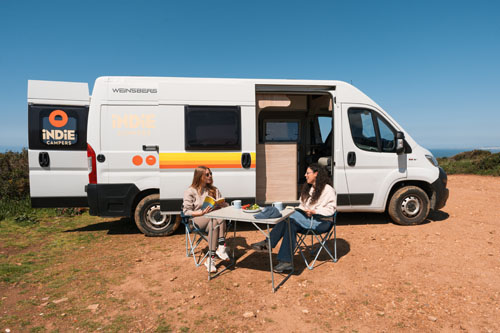
- Cultural Immersion: Embrace local experiences by seeking out traditional 'fika' (coffee and cake break) experiences, visiting local handicraft markets, or participating in unique Sami cultural encounters, especially in the northern regions.
- Sustainable Practices: Prioritize eco-friendly practices during your winter RV trip, such as conserving water, meticulously sorting waste, and supporting local businesses and environmentally certified campgrounds.
Common Mistakes to Avoid in Sweden
To ensure a smooth and enjoyable winter RV trip in Sweden, it's helpful to be aware of common pitfalls that first-time renters might encounter. For broader travel planning, our guide RV PLANET routes offers numerous itinerary suggestions.
- Underestimating Winter Weather: Many underestimate the severity of Swedish winter conditions. Pack more layers than you anticipate needing, consistently check the weather forecast, and ensure your rented RV is truly winterized with adequate heating.
- Ignoring Driving Regulations: Swedish winter driving regulations are strict for safety. Prioritize caution by adhering to speed limits, maintaining significant distances, and ensuring your vehicle has the mandatory winter tires.
- Daylight Hours in the North: In the northern parts of Sweden, daylight hours are extremely limited in mid-winter. Schedule longer drives during the brightest parts of the day and embrace night-time activities like Northern Lights hunting or indoor cultural experiences.
- Misunderstanding Allemansrätten for RVs: While Allemansrätten is a wonderful right, it has nuances for motorized vehicles. Familiarize yourself with the specific restrictions for RVs, recognizing that extensive wild camping is generally not permitted without landowner permission.
- Neglecting Battery and Water Management: Cold temperatures can impact RV systems. Consistently run your heating to prevent pipes from freezing, regularly check battery levels, and plan for frequent electrical hookups at campgrounds to maintain power for heating and appliances.
Can you winter camp in Sweden?
Yes, winter camping in Sweden is not only possible but also offers unique and memorable experiences, particularly with a properly equipped RV or campervan. Many official campgrounds across Sweden, especially those in popular winter sports regions and near the Arctic Circle, remain open year-round and provide essential services like heated facilities and electrical hookups.
For a comfortable and safe winter camping experience, renting a purpose-built winterized RV with robust insulation, an efficient heating system, and appropriate winter tires is crucial. While wild camping (fricamping) with an RV is generally restricted by Allemansrätten, there are designated 'Ställplats' (motorhome pitches) that cater to overnight stays even in winter conditions, offering a great way to experience the Swedish winter landscape.
What is the best month for winter in Sweden?
The best month for winter in Sweden largely depends on your desired activities and the specific winter experience you seek, as conditions vary significantly from December to March.
- December: Ideal for experiencing traditional Swedish Christmas markets, festive lights, and the initial snowfall, though daylight hours are at their shortest.
- January and February: Typically offer the coldest temperatures and most abundant snow cover, making them prime months for winter sports like skiing, snowmobiling, and dog sledding, especially in northern Sweden.
- March: Often provides longer daylight hours combined with excellent snow conditions, making it a popular choice for those hoping to combine winter activities with increased chances of seeing the Northern Lights and slightly milder weather.
How cold does it get in Sweden in winter?
Winter temperatures in Sweden can get quite cold, with significant variations depending on the geographical region and elevation.
- Southern Sweden: Including major cities like Stockholm and Gothenburg, average winter temperatures typically range from 0°C (32°F) to -5°C (23°F), occasionally dropping lower during cold snaps.
- Central Sweden: Generally experiences colder conditions, with averages between -5°C (23°F) and -15°C (5°F).
- Swedish Lapland: Above the Arctic Circle, winter temperatures frequently fall to -15°C (5°F) to -30°C (-22°F), and extreme lows can reach below -40°C (-40°F), especially in January and February.
Properly insulated clothing and a fully winterized RV are essential to ensure comfort and safety in all Swedish winter conditions.
What is the best vehicle for winter in Sweden?
The best vehicle for winter in Sweden is typically a modern, well-insulated motorhome or campervan specifically designed and equipped for cold weather, often referred to as 'winterized.' These vehicles offer the necessary features to combat the harsh conditions.
- Essential Features: Look for robust heating systems (e.g., Alde or Truma Combi), double-glazed windows, superior insulation in walls, floor, and roof, and heated water tanks and pipes to prevent freezing.
- Tires: The vehicle must be fitted with approved winter tires (either studded or non-studded friction tires) between December 1 and March 31, which most reputable rental companies will provide.
- Practical Considerations: Consider an RV with good ground clearance and a reliable engine, possibly with an engine pre-heater, to ensure smooth operation in snow and extreme cold. For families, a larger Class C motorhome like a '29' Class C Motorhome' might offer more space and amenities.
Is it safe to drive in Sweden in winter?
Driving in Sweden during winter can be safe, provided drivers exercise caution, adapt to conditions, and ensure their vehicle is appropriately prepared for snow and ice. Swedish roads are generally well-maintained and efficiently cleared of snow and ice, but challenging conditions such as black ice or heavy snowfall can still occur, especially in rural and northern areas.
Key safety measures include maintaining significantly reduced speeds, increasing following distances, ensuring the RV has mandatory winter tires, and being aware of the 24/7 headlight rule. International travelers should familiarize themselves with specific Swedish traffic laws and emergency procedures, and carry an emergency kit including a reflective vest, shovel, and jump starter cables. Many winter RV rentals come equipped with suitable safety gear, contributing to a secure driving experience.
Can I wild camp in Sweden with a campervan?
Wild camping with a campervan in Sweden is generally more restricted than traditional tent camping, as Allemansrätten (the 'Right of Public Access') applies differently to motorized vehicles. While Allemansrätten grants extensive rights for non-motorized activities like hiking and tent camping for a night or two on uncultivated land, it does not typically extend to parking RVs or campervans overnight on private property without the owner's explicit permission.
Motorized vehicles are generally not permitted to drive off-road, and local municipal regulations often prohibit overnight parking of RVs in public areas or along roadsides. Instead, travelers with campervans should utilize designated 'Ställplats' (motorhome pitches), which are specific parking areas for RVs, often with basic amenities and sometimes a small fee, or stay at official campgrounds. Always respect local signage, avoid disturbing residents, and meticulously practice 'leave no trace' principles to uphold Sweden's strong environmental ethos.
What are the rules for wild camping in Sweden?
The fundamental rule for wild camping (fricamping) in Sweden, governed by Allemansrätten, permits pitching a tent for a night or two on uncultivated private land without permission, as long as you do not disturb the landowner or harm nature. However, for RVs and campervans, Allemansrätten does not grant the same broad rights as for tents; motorized vehicles are subject to stricter rules regarding parking and overnight stays.
You should not park an RV overnight on private land without the landowner's consent, nor should you park in sensitive natural areas, agricultural fields, or close to residential buildings. Instead, RVs are encouraged to use designated 'Ställplats' (motorhome pitches) or official campgrounds, which often provide services like electricity, water, and waste disposal. Beyond specific rules, the spirit of Allemansrätten mandates responsible waste management, water conservation, respect for wildlife, avoidance of open fires in dry conditions, and ensuring you leave absolutely no trace of your presence.
Is it expensive to rent an RV in Sweden?
Renting an RV in Sweden can incur varying costs depending on several factors, but specific winter rentals can sometimes offer competitive rates outside of peak summer demand. Typical daily rental fees for a winterized motorhome might range from €100 to €250, with prices escalating for larger, more luxurious models or during specific high-demand winter periods like Christmas or the Northern Lights season.
Beyond the base rental cost, a detailed budgeting breakdown should include significant expenses for fuel (Sweden has relatively high fuel prices), potential road tolls (e.g., Öresund Bridge), and ferry costs if planning island hopping or international travel. Account for campground fees, which typically range from €20-€40 per night for a pitch with electricity, and additional costs for activities such as ski passes, dog sledding tours, or museum entries. Furthermore, factor in your food budget (groceries can be moderately expensive), and any extra insurance or winter equipment rentals to ensure a comprehensive financial plan for your Swedish RV adventure. For travel planning and expense tracking, explore the RV PLANET routes, where you can itemize and track every expense along the way. On the routes offered through RV PLANET routes, you can itemize and track every expense along the way for easy budgeting.
How many days do you need for Sweden in winter?
The ideal duration for an RV trip in Sweden during winter highly depends on the scope of your desired itinerary and activities, typically ranging from 5-7 days for a regional focus to 10-14 days or more for a comprehensive exploration. For instance, if you are interested in a dedicated Northern Lights experience in Swedish Lapland, a minimum of 7-10 days is recommended to allow for travel time, buffer days for clear skies, and participation in activities like snowmobiling or Sami cultural visits.
A shorter 5-7 day trip could be suitable for exploring a specific region, such as the winter wonderland around Dalarna or a focused coastal archipelago tour, requiring less driving and allowing for a more relaxed pace. To combine different regions, perhaps starting in southern Sweden for cultural sites and then venturing north for winter landscapes, 10-14 days or longer would allow for a more relaxed pace and account for slower winter travel speeds. Consider planning themed itineraries, such as a 'Historic Viking Trails in Winter' or a 'Swedish Wilderness & Wildlife' route, to make the most of your time and interests.
What is the best way to travel Sweden in winter?
Traveling Sweden in winter by RV or campervan is arguably the best way for adventurous travelers, offering unparalleled freedom, flexibility, and direct access to remote winter landscapes and attractions. While public transport, including Sweden's efficient train and bus networks, can be reliable for intercity travel, it may limit your ability to reach off-the-beaten-path winter destinations or chase phenomena like the Northern Lights at your leisure.
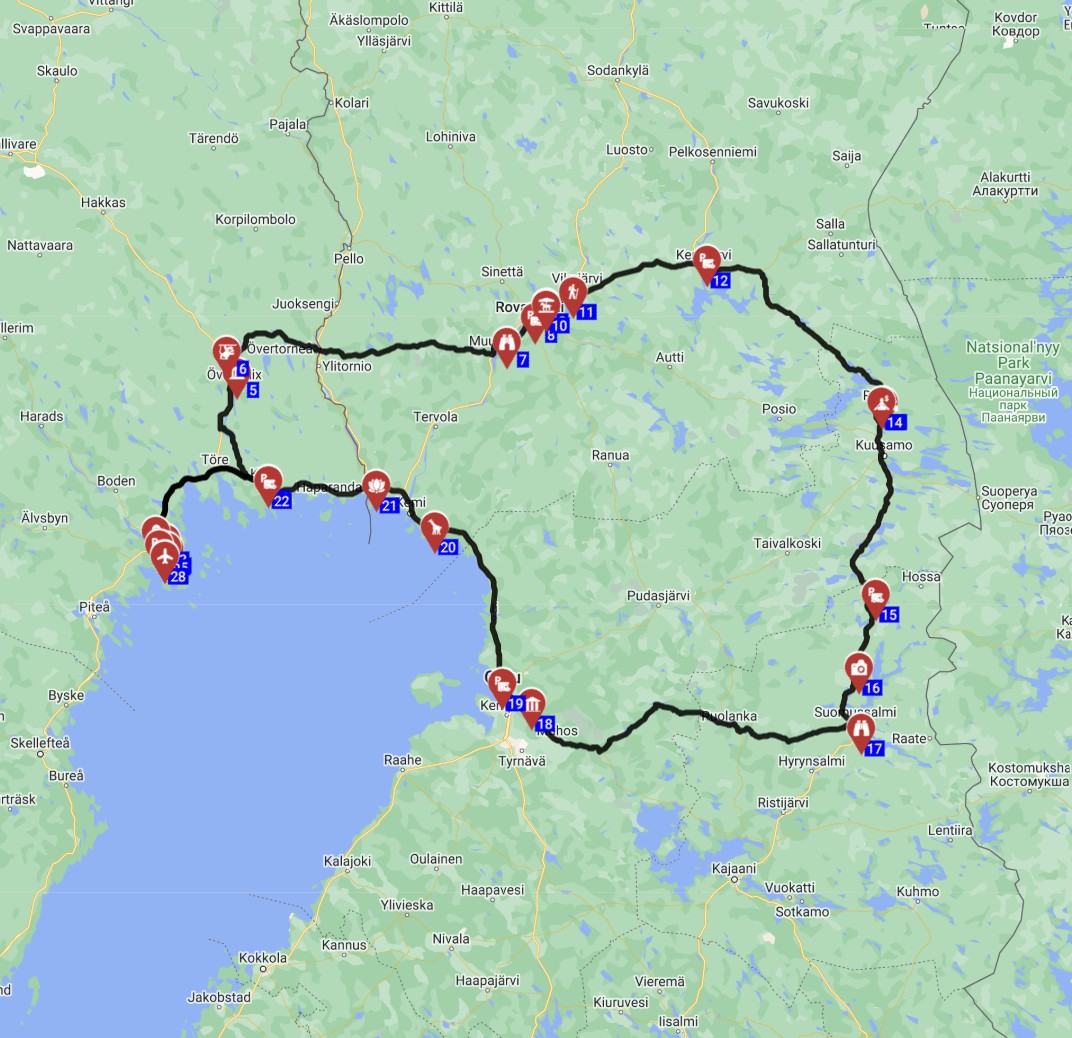
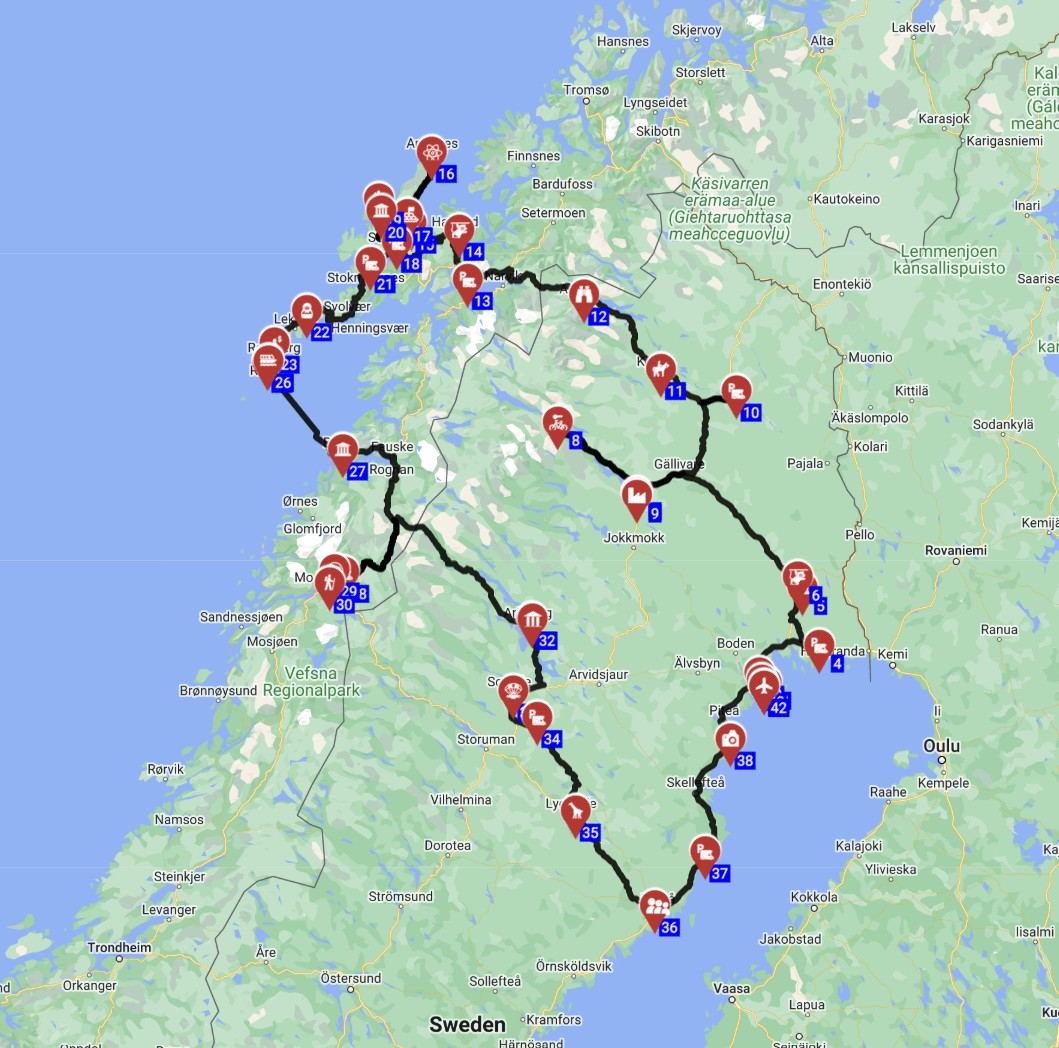
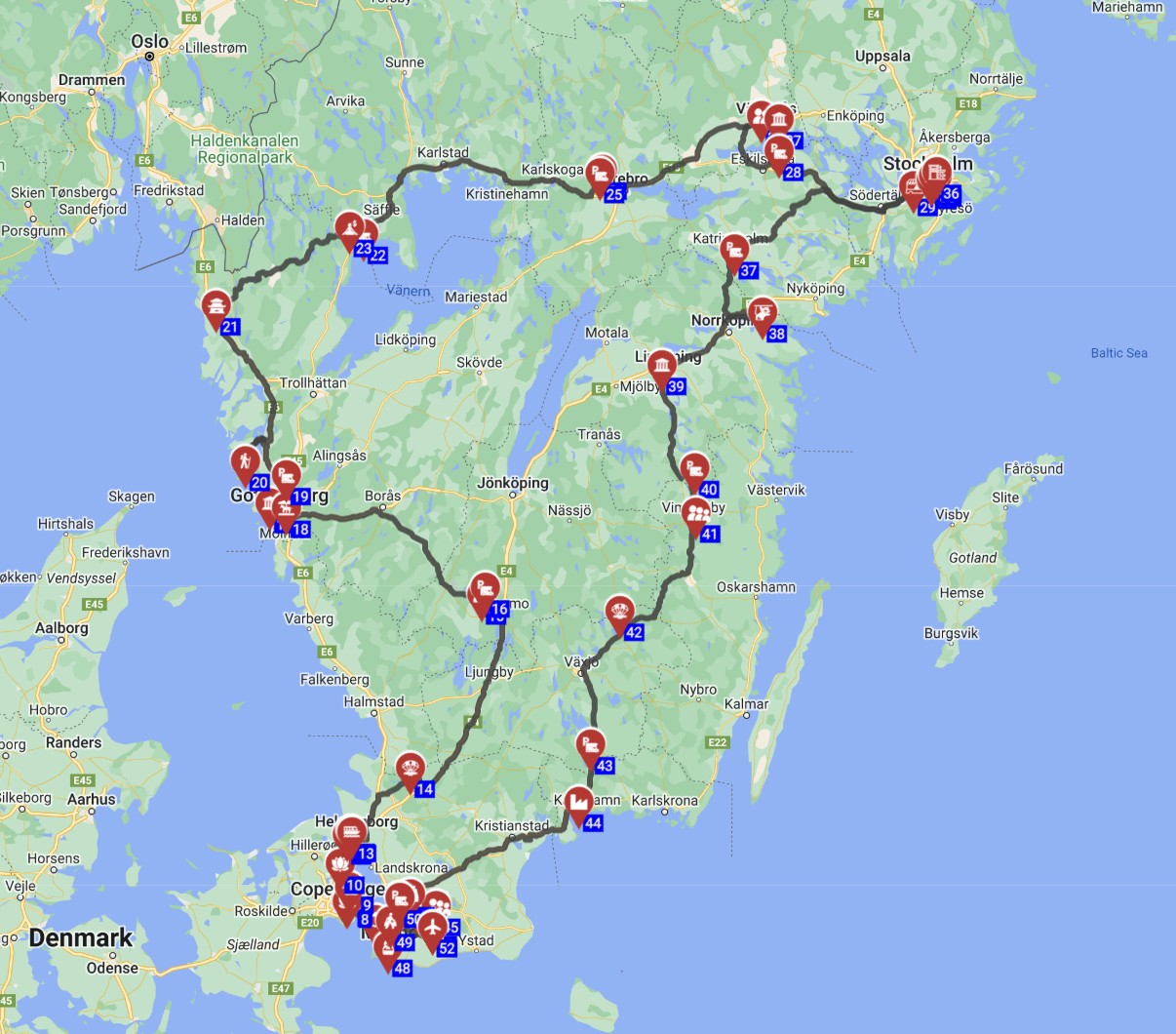
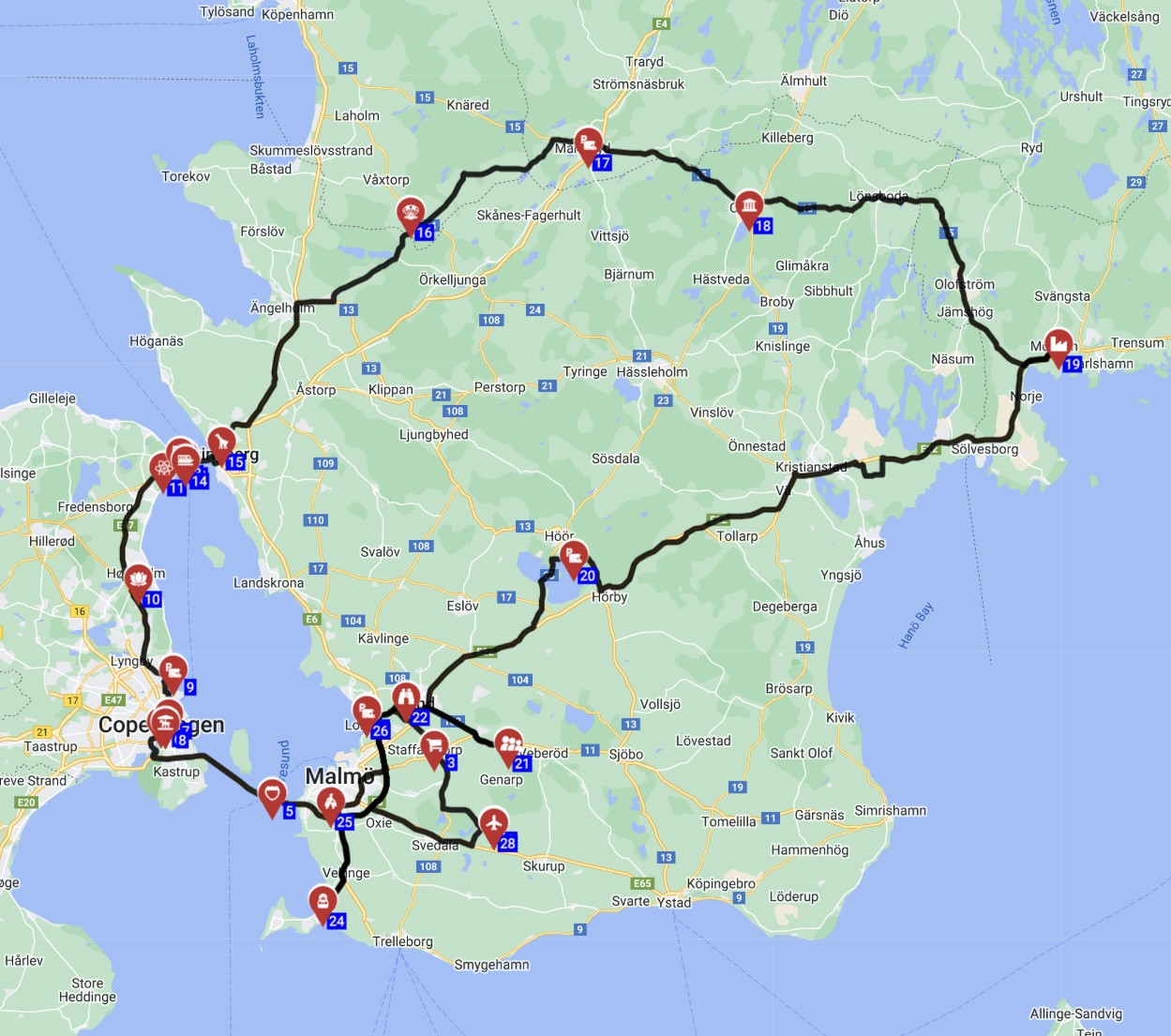
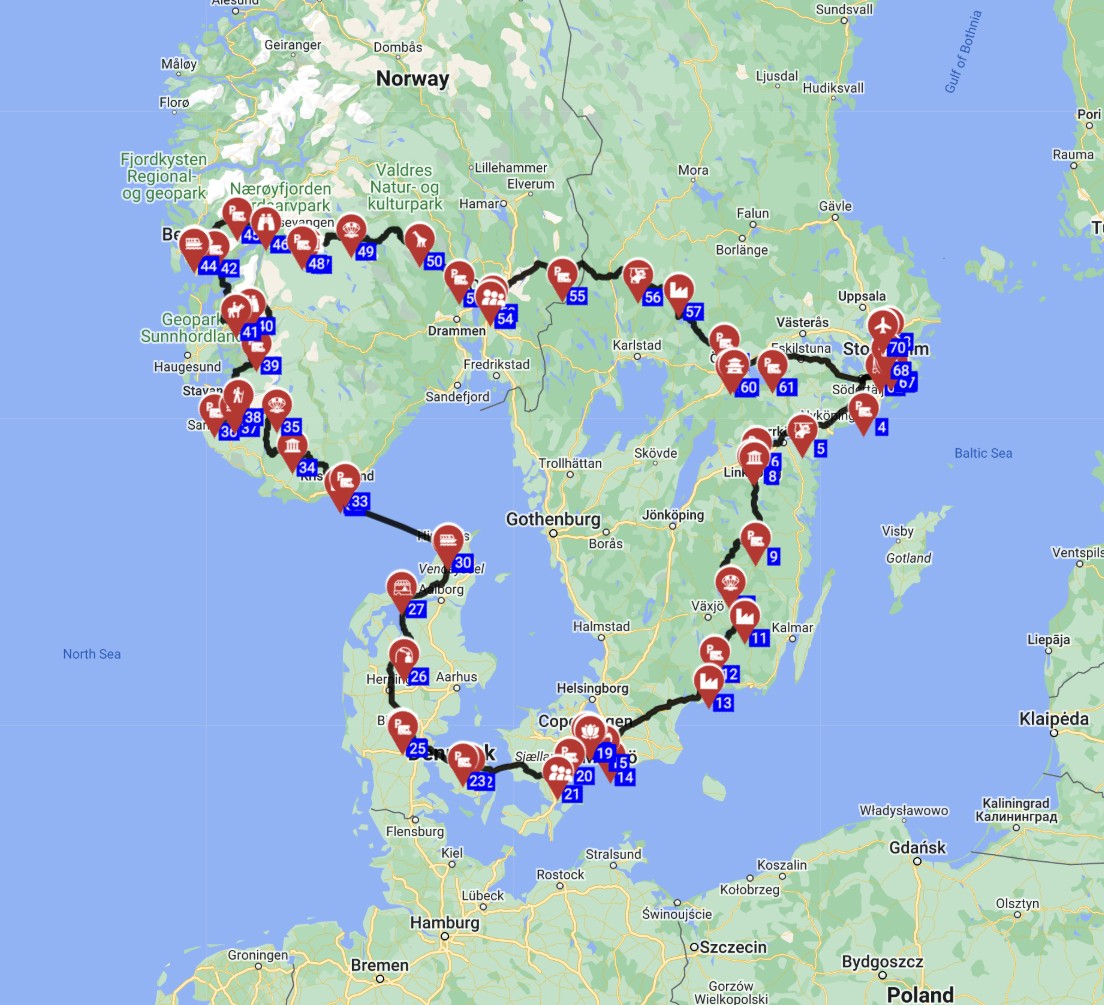
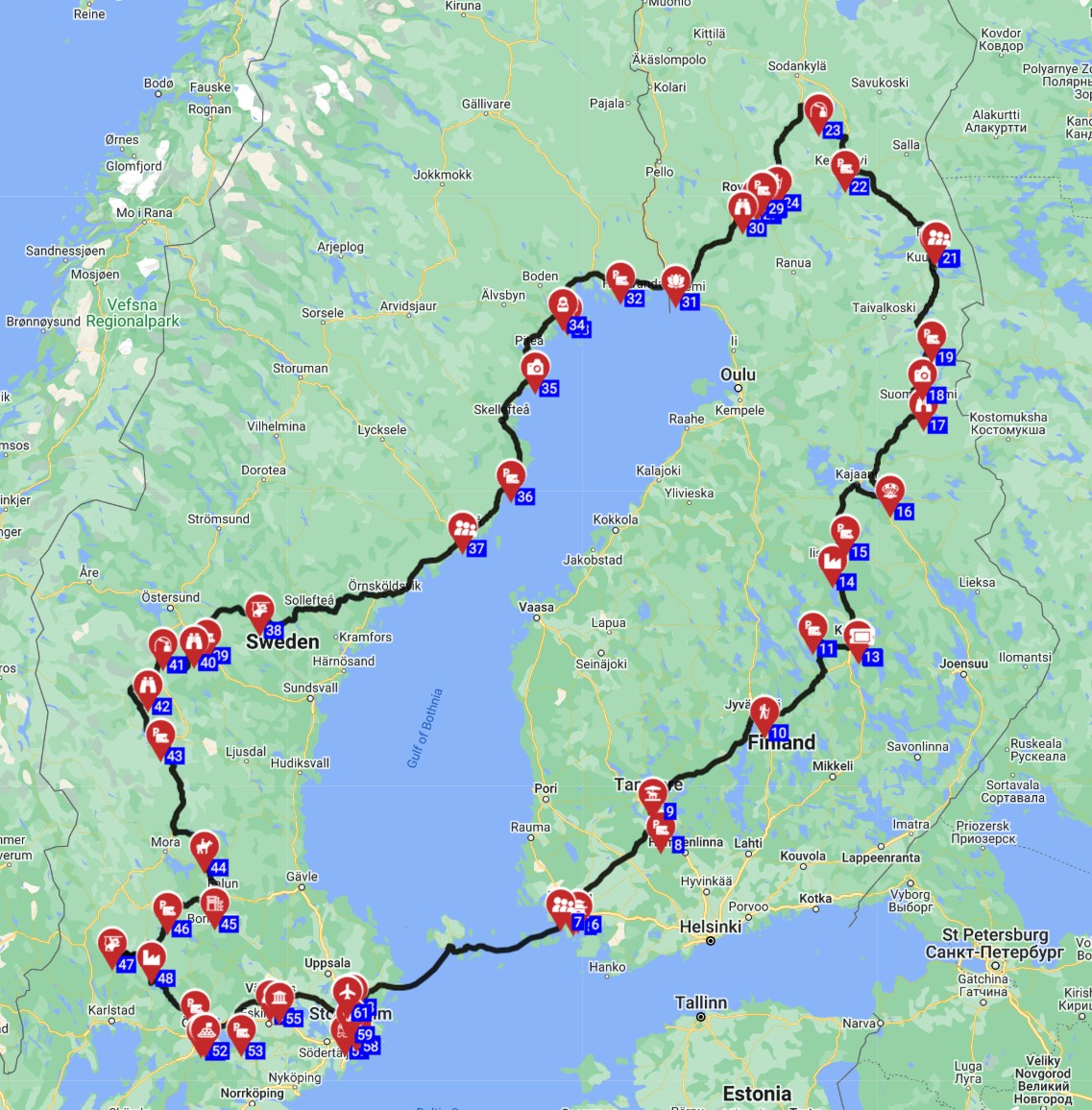
Flying is the fastest option for covering long distances, particularly to the far north, but typically requires subsequent car rental or reliance on organized tours to explore locally. An RV provides the unique advantage of bringing your accommodation with you, allowing you to wake up to stunning snowy vistas, adjust your itinerary based on weather and Northern Lights forecasts, and easily access winter sports resorts and national parks. Though other modes of transport have their merits, an RV uniquely combines the comfort of home with the thrill of a winter expedition, making it ideal for an immersive and self-paced Swedish winter adventure. For route planning inspiration, consider exploring itineraries like the "Rovaniemi Round trip - Fjord Dreams: A Northern Road Trip through Finland & Sweden" for a comprehensive Scandinavian winter experience.
What You Shouldn't Miss
- Chase the Northern Lights: Head north to Swedish Lapland (e.g., Abisko or Kiruna) during the winter months for the best chances to witness the magical Aurora Borealis.
- Explore the Icehotel in Jukkasjärvi: Experience the world-renowned Icehotel, a unique artistic creation rebuilt each year from ice and snow.
- Go Dog Sledding or Snowmobiling: Embrace the winter landscape with thrilling activities like dog sledding through snowy forests or snowmobiling across frozen lakes in areas like Åre or Idre.
- Experience Swedish Fika and Local Cuisine: Warm up with a traditional 'fika' (coffee and pastry break) in cozy towns and sample local delicacies like reindeer or elk.
- Visit the High Coast (Höga Kusten) in Winter: While popular in summer, the dramatic winter landscapes of the High Coast, a UNESCO World Heritage site, offer a serene and beautiful experience with fewer crowds.
- Discover the Charm of Smaller Towns: Venture off the main routes to explore picturesque towns like Falun or Sigtuna, which offer historical insights and a glimpse into traditional Swedish life.
Final Thoughts
Renting an RV in Sweden during winter offers a unique opportunity to experience the country's dramatic landscapes and cozy culture in a truly immersive way. While the cold and darkness present challenges, with the right preparation and vehicle, it's an incredibly rewarding adventure.
Embrace the slower pace of winter travel, savor the crisp air, and don't forget to look up for the chance to witness the mesmerizing Northern Lights. Remember, planning is key, from choosing a well-equipped RV to packing appropriately and understanding local driving customs.
We're here to help you every step of the way, from comparing options to coordinating your booking. Get inspired for your next trip and discover the magic of a Swedish winter RV adventure!
For ideas you can prep on the road, watch our RV-friendly recipes playlist on YouTube.