In This Guide
- Top 5 Tips for winter rv rental RV Rental in Spain
- Before You Book - Class, Dates, Insurance
- Pre-Trip Prep - Packing Checklist for Spain
- On the Road - Driving, Fueling, Navigation
- At the Campground - Setup, Hookups and Etiquette
- winter rv rental-Specific Tips for Spain
- Common Mistakes to Avoid in Spain
- What do you need for RV travel in Spain?
- What is the best month to RV in Spain?
- What is the most beautiful part of Spain for an RV?
- Is Spain RV friendly?
- How much does it cost to RV in Spain?
- What is the best way to travel around Spain?
- Is Spain motorhome friendly?
- Top Cities for RV Rental in Spain
- Practical Information for RV Travel in Spain
Imagine swapping frosty mornings for sun-drenched coastal drives, or crisp mountain air for cozy evenings in your mobile home. Winter RV rental in Spain offers a uniquely charming way to explore this diverse country, allowing you to chase the sun, discover quiet cultural gems, and experience stunning landscapes without the summer crowds. From the mild temperatures of Andalusia to the snow-capped peaks of the Pyrenees, Spain’s winter season provides a rich tapestry of experiences for those venturing out in a rented motorhome or campervan. For live availability and current prices, start with our RV Rental Spain - Complete Guide 2026 guide, offering comprehensive insights into planning your journey.
Top 5 Tips for winter rv rental RV Rental in Spain
Planning your route to consider regional winter weather and road conditions is essential for a smooth winter RV rental in Spain. Spain's climate varies dramatically from north to south and coast to interior, with regions like Andalusia offering mild winters (average 15°C/59°F) while the Pyrenees experience heavy snowfall and freezing temperatures (often below 0°C/32°F). Before setting out, always check forecasts for your chosen itinerary. Bandana RV specializes in connecting travelers with suppliers who provide well-maintained motorhomes and campervans, ensuring your vehicle is equipped for diverse winter conditions. Our role as true RV specialists means we understand these nuances, helping you find the perfect rental caravan for your winter adventure, be it a compact Class B campervan for nimble city exploration or a spacious Class C motorhome for family comfort. Drive slowly and carefully, and you can drive almost anywhere without issues. No need to stress - just use common sense and pay attention.
Confirming your RV rental includes adequate heating and insulation for cold nights is a top priority, especially if you plan to venture beyond the southern coasts. Most modern rental motorhomes, such as the "Adventure Camper" or "Euro Deluxe" models, come with robust heating systems and good insulation. Don't assume all campervans have the same level of winterization; always verify details with your chosen supplier through Bandana. Researching and booking campsites in advance is crucial, as some coastal and mountain campsites may have limited winter availability or operate reduced services. While many national and state parks reserve only 25-30% of spots, leaving the rest for first-come-first-serve, calling ahead is always a smart move to avoid disappointment. You'll find a spot; if not at the first campground, then the next one. For finding campsites and campgrounds during your trip, we recommend using RV PLANET (rvplan.net) - a great resource for locating available spots along your route. Understanding local Spanish driving laws, especially for varying road conditions in winter, will ensure a safe journey. For instance, in mountainous areas, snow chains might be mandatory, and speed limits can be reduced to 90 km/h on certain roads. Finally, packing versatile layers and waterproof outerwear suitable for diverse Spanish microclimates ensures you're prepared for anything from sunny coastal walks to chilly mountain hikes. With full transparency and no hidden fees, Bandana helps you prepare for every aspect of your trip.
Before You Book - Class, Dates, Insurance
Selecting an RV class with sufficient insulation and heating is paramount for winter comfort in Spain, while also considering its size for potentially narrower roads in some regions. A Class C motorhome, like the "MHC28" or "Comfort Family 6", typically offers more living space and better climate control, making it ideal for families or longer winter trips. Smaller campervans, such as the "Active Classic" or "Juliette 2-3" models, are easier to maneuver through historic town centers and winding village roads, though they might have less extensive heating. When selecting your preferred vehicle, you can upgrade to a top-level deductible for extra peace of mind, a popular choice for winter conditions. Our direct partnerships with 50+ leading RV suppliers worldwide, including trusted names like El Monte and Apollo, mean you have a wide range of winter-ready motorhomes and campervans to compare through Bandana. This ensures you find a rental vehicle that perfectly balances comfort, size, and your travel style, backed by our expertise as true RV specialists.
Locking in your rental dates early is always recommended, especially if your travel overlaps with holiday periods like Christmas, New Year's, or local festivals, to secure the best selection and potentially take advantage of off-peak winter discounts. While you don't need to book 6-12 months in advance, early booking can offer more competitive prices and a wider choice of motorhome or campervan models. Our pricing is dynamic, much like flight tickets; it changes daily based on availability, seasonality, and supplier marketing decisions, so the final price is set at actual booking time. Basic insurance is always included with your rental. To see prices including the most comprehensive coverage, simply select that option during your search on Bandana; all relevant insurance options will then be shown, offering enhanced peace of mind for your winter journey. For understanding additional charges, our full transparency policy ensures no hidden fees or surprises, covering everything from one-way rental options (check our One-Way RV Rental in Spain - Price Guide 2026 for details) to potential drop-off fees, which can range from €150-€500 depending on the route and distance. We're with you before, during, and after your booking, providing personal service and support every step of the way.
Pre-Trip Prep - Packing Checklist for Spain
Packing appropriate clothing is critical for a winter RV rental in Spain, as temperatures and conditions can range from mild coastal sunshine to freezing mountain snow. Layers are key: thermals, fleece jackets, and a waterproof outer shell will keep you comfortable across diverse microclimates. Don't forget warm socks and comfortable walking shoes for exploring, a hat, gloves, and a scarf for colder evenings or higher altitudes, and quick-drying towels. For your RV's kitchen, consider bringing reusable water bottles and coffee cups, basic cooking spices, and non-perishable food items. A collapsible washing-up bowl can also be incredibly useful for managing dishes efficiently. Our RV-friendly recipes playlist on YouTube offers great ideas for easy meals on the go, making cooking in your rental camper a joy.
For safety and navigation during your winter RV adventure in Spain, a first-aid kit, along with any personal medications, is essential. Legally, all vehicles in Spain must carry reflective vests for each occupant and a warning triangle, which your rental provider should supply, but it's always good to double-check. A headlamp or flashlight is indispensable for setting up camp in the dark or navigating unlit areas. A reliable GPS device with updated maps or offline map apps is crucial for navigating, especially if you plan to explore less-traveled routes. Consider a local SIM card or eSIM plan for consistent connectivity, vital for checking weather updates, campsite availability, and staying in touch. Lastly, ensure all your documents are in order: your passport or valid ID, an International Driving Permit (IDP) alongside your national license (recommended for non-EU visitors, though not always mandatory), and all RV rental and insurance documents. It's a good practice to have both digital and physical copies of all important paperwork. We handle the details of comparing and booking, allowing you to focus on living the journey.
On the Road - Driving, Fueling, Navigation
Familiarizing yourself with Spanish speed limits and road signs is crucial for safe driving in your rented motorhome across Spain, especially when encountering varied mountain driving conditions that may include snow or ice in winter months. Spain drives on the right side of the road, and speed limits are typically 120 km/h on motorways, 90 km/h on national roads, and 50 km/h in urban areas, with potential reductions in adverse weather. Toll roads (peajes) are common on major highways, and while some accept card or cash, others are electronic, so research your route's toll requirements or consider a "Via-T" device for seamless passage. For navigating, a reliable GPS or an app like Park4night is invaluable, helping you identify suitable overnight parking spots and avoiding unnecessary stress about finding a place to stop. Bandana provides detailed support during the pre-booking and booking process, ensuring you have all the information you need for a confident journey. On the routes offered through RV PLANET routes, you can itemize and track every expense along the way for easy budgeting.
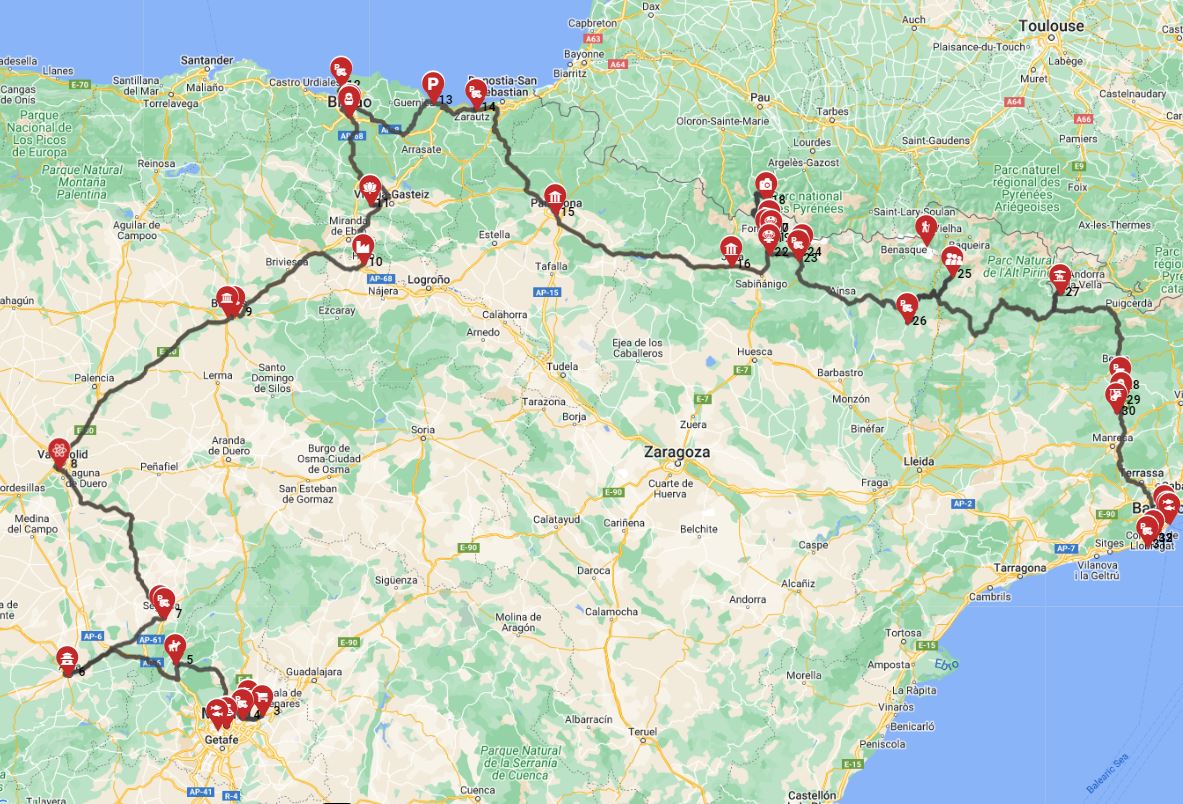
Spain primarily uses 'Gasolina' (petrol) and 'Diesel' fuel, so ensuring you know your rented RV's fuel type is important. Diesel is generally more common and often slightly cheaper than petrol. Plan your fueling stops, as fuel stations can be sparser in rural winter areas or on less-traveled routes, particularly inland. We recommend slow travel, averaging a maximum of 100-150 km per day. This approach allows you to truly feel the place, connect to the culture, the food, and the scenery, making your trip more about the journey than just the destination. For example, explore the picturesque Andalusian coast or the quieter charm of inland villages at your own pace. With Bandana's 25% planning discount when using rvplan.net for route planning, you can craft detailed itineraries, including fuel stops and points of interest, minimizing surprises on the road. Remember, emergency services can be reached by dialing 112 anywhere in Spain, a critical number to have on hand for any unforeseen circumstances.
At the Campground - Setup, Hookups and Etiquette
Upon arrival at a campsite or área de autocaravanas in Spain, the typical setup sequence for your rented motorhome involves leveling your RV first to ensure comfort and proper functioning of onboard appliances. Next, connect to shore power (electricity) and then to the fresh water supply. Managing waste disposal is done at designated points, often called "grey water" and "black water" stations. This organized approach helps maintain hygiene and respect for the environment, crucial aspects of responsible RV travel. Our commitment to full transparency extends to preparing you for these practicalities, ensuring you're confident even before you pick up your rental camper. Many Spanish campgrounds remain open in winter, particularly along the Mediterranean coast, offering heated facilities and welcoming communities of fellow travelers.
Respecting quiet hours, usually from late evening to early morning, is essential campsite etiquette in Spain. Additionally, dispose of all waste responsibly, separating recycling where facilities are available. Many campgrounds offer dedicated bins for different types of waste. For winter camping, it is vital to ensure your water tanks and pipes are adequately protected from freezing, especially if overnight temperatures drop significantly. This might involve using tank heaters (if equipped on your rental motorhome) or simply keeping your heating system running at a low level. Use your RV's heating system judiciously to conserve power and propane; most modern rental motorhomes, like the "MH-A" or "Luxury" models, are designed with efficient heating systems. Keeping warm and conserving resources are important aspects of an enjoyable winter RV trip. While Bandana does not provide in-trip support for finding campsites, our partner RV PLANET (rvplan.net) offers comprehensive routes and tools where travelers can itemize and track every expense along the way for easy budgeting, including campsite fees and utilities. This allows for excellent pre-planning and hassle-free camping.
winter rv rental-Specific Tips for Spain
Verifying your rented RV's heating system is fully functional and understanding how to operate it efficiently is crucial for a comfortable winter RV rental in Spain. Modern motorhomes and campervans are typically equipped with efficient gas or diesel heaters that provide warmth and hot water. Take a moment during pick-up to ensure you know how to operate the thermostat, adjust fan speeds, and monitor fuel levels for heating. Many rental vehicles also feature a "Winter Ready" badge, indicating enhanced insulation and systems designed for colder climates, such as the "2 Berth Hi Top" or "4x4 Camper B - TYR" models. Bandana's dedicated team of true RV specialists can help clarify these features during your booking process, ensuring you select a vehicle that meets your specific winter travel needs. Our personal service is with you from day one until your booking is confirmed, ensuring a smooth start to your journey.
Consider an RV with good insulation and potentially a heated waste tank if you plan to visit mountainous or colder inland regions of Spain, where temperatures can regularly fall below freezing overnight. While most rental motorhomes are adequately insulated, some premium models offer enhanced cold-weather packages. Packing additional blankets, warm sleeping bags, and even a hot water bottle can provide extra comfort on chilly winter nights, supplementing your RV's heating system. Always check local weather forecasts and road conditions, especially when traveling through mountain passes like those in the Sierra Nevada or Pyrenees. Be prepared to adjust your routes to avoid potential ice or snow, opting for coastal or southern regions if conditions become too challenging. Remember that a standard car driver's license is sufficient for driving all classes of motorhomes (Class A, Class B, and Class C) in Spain, making winter RV travel accessible to many. However, for visitors from non-English speaking countries, an International Driving Permit (IDP) is recommended, though not mandatory in most cases, to avoid any language barriers with local authorities.
Common Mistakes to Avoid in Spain
A common mistake for winter RV renters in Spain is not booking campsites in advance; instead, always secure your spots, particularly in popular coastal areas like the Costa del Sol or during holiday periods, to ensure availability and a smooth arrival. While winter generally sees fewer crowds, some prime locations can still fill up. Another frequent oversight is ignoring local driving regulations; familiarize yourself with Spanish traffic laws, speed limits, and legally required safety equipment, such as reflective vests and a warning triangle, to avoid fines and ensure safe travel. Drive slowly and carefully, and you can drive almost anywhere without issues. No need to stress - just use common sense and pay attention.
Underestimating Spain's diverse winter weather is another common pitfall. Instead, prepare for varied conditions, from mild coastal days reaching 18°C (64°F) to cold mountain nights dropping below 0°C (32°F), with appropriate clothing and an RV that has a reliable heating system. Failing to understand Spain's toll systems is also a common mistake. Instead, research the different toll roads (peajes) and their payment methods, as some are electronic while others accept cash or card. Consider acquiring a 'Via-T' device for seamless passage on electronic tolls. Lastly, improper waste disposal is a mistake that can harm the environment and lead to fines; instead, utilize designated waste and recycling points at campsites or áreas de autocaravanas to travel sustainably and respect local environments. Bandana's full transparency ensures you understand all associated costs and regulations, and our 24/7 support (for pre-booking, booking, and post-booking coordination) is always available to assist with your planning questions.
What do you need for RV travel in Spain?
For RV travel in Spain, essential items include a valid driving license from your home country (plus an International Driving Permit for non-EU licenses, which is recommended), your passport or valid ID, comprehensive travel insurance, and the RV rental agreement. These documents are fundamental for any international trip and help ensure a hassle-free journey. Beyond documents, you'll need suitable clothing for varying climates, as Spain's winter can range from mild and sunny in the south to snowy and cold in mountain regions like the Pyrenees or Sierra Nevada.
Navigation tools such as a reliable GPS device or offline maps are indispensable, particularly for exploring rural areas with limited mobile data coverage. A local SIM card or an eSIM plan for connectivity is highly advisable for checking weather updates, finding local services, and contacting emergency services (dial 112 nationwide). Basic safety gear, including reflective vests and a warning triangle, is legally required in Spain and should be provided with your rental motorhome or campervan. Finally, for winter comfort, consider packing extra blankets and ensuring your rented RV's heating system, like those found in a "Comfort Standard" Class C or a "V2L" campervan, is fully operational before you depart. Bandana ensures full transparency in what's included with your rental, so there are no surprises.
What is the best month to RV in Spain?
The best month to RV in Spain largely depends on your desired activities and preferred region, as winter months offer varied experiences from mild coastal sunshine to snow in the mountains. For instance, January and February generally present the lowest daily rental prices, often starting from around €70-€90 for a comfortable Class B campervan, and offer the quietest roads and attractions. If you seek pleasant weather for exploring cities and coastal towns without crowds, November to February can be ideal, especially in Andalusia where average daytime temperatures hover around 15-18°C (59-64°F).
For those interested in winter sports like skiing or snowboarding, the Pyrenees or Sierra Nevada mountains are best visited from December to March, when snow conditions are optimal, though you'll need a rental motorhome equipped for colder weather. Exploring less crowded landscapes in regions like Extremadura in December can reveal authentic local experiences, such as birdwatching. While pre-planners enjoy the peace of mind that comes with an organized itinerary, spontaneous travelers can often find last-minute availability and competitive deals during the quieter winter months, as many national and state parks still have first-come-first-serve spots. Our Rent&Plan service offers pre-planned route plans by professionals, which can be particularly helpful for optimizing your winter trip. You can also get a 25% planning discount when using rvplan.net to create your perfect winter itinerary.
What is the most beautiful part of Spain for an RV?
Spain offers diverse beauty for RV travel, from the sun-drenched coasts of Andalusia to the dramatic peaks of the Picos de Europa and the historical charm of Castile-La Mancha, each presenting unique winter landscapes and experiences. For winter sunshine and picturesque white villages (Pueblos Blancos), the Andalusian coast and its hinterland are popular, with routes through Cádiz and Málaga offering stunning scenery and mild climates. This region is perfect for a week-long trip, allowing ample time to explore at a slow pace, as we recommend traveling max 100-150 km per day.
The Pyrenees or Sierra Nevada mountains offer stunning snowy vistas and winter sports opportunities, appealing to adventurers in a rented campervan like a "2 Person 4WD Camper" that can handle varied terrain. For a blend of history and nature, exploring regions like Extremadura or Aragón during winter can reveal authentic local experiences and character-filled campgrounds, especially during the quieter season. The rugged coastline of Galicia in the northwest offers dramatic cliffs and a wild beauty for those prepared for cooler, wetter weather. Each region provides a unique flavor for your motorhome adventure, allowing you to connect to the culture, the food, and the scenery deeply. Finding your perfect rental caravan and route is made easy with Bandana, your true RV specialists who are founded in 2001 and have over 20 years helping tens of thousands of travelers explore the world by RV.
Is Spain RV friendly?
Spain is generally RV-friendly, with a growing and often free or low-cost network of campsites (campings) and dedicated motorhome areas (áreas de autocaravanas) that provide essential services like water, electricity, and waste disposal. Many towns and cities have embraced motorhome tourism, making it convenient for travelers to find suitable overnight spots. While navigating city centers with larger rental RVs, such as a Class A or larger Class C motorhome like the "Nexus Triumph 29T", can be challenging due to narrow streets and parking restrictions, smaller towns and rural areas are often more accessible and welcoming. Drive slowly and carefully, and you can drive almost anywhere without issues. No need to stress - just use common sense and pay attention.
Regulations for overnight parking and wild camping vary by municipality and region, so it's advisable to research specific local rules in advance for your rented campervan or motorhome. The unique 'pernocta' rule in Spain distinguishes between parking (which is generally allowed where cars can park, provided no external elements are deployed) and camping (which is restricted to designated areas). This distinction offers flexibility for overnight stays outside of official campsites, as long as travelers respect the local ordinances. Spain's infrastructure, combined with a warm welcome from locals who often appreciate RV tourism, makes it an excellent choice for a motorhome adventure. With our direct partnerships with 50+ leading RV suppliers worldwide, Bandana ensures you have access to a wide range of suitable vehicles and the local expertise to navigate Spain's RV-friendly landscape with confidence.
How much does it cost to RV in Spain?
The cost of an RV trip in Spain varies significantly based on factors like the rental class, season, duration, fuel prices, campsite fees, and personal spending habits, with winter often offering more competitive rental rates compared to peak summer. Daily rental costs for a basic campervan can start from as low as €70-€90 in the low winter season, while larger, more luxurious motorhomes, such as a "Luxury" Class A or a "K5Q" Class SI, can range from €130-€200+ per day. Our pricing is dynamic, similar to flight tickets, changing daily based on availability and demand, so the final price is confirmed at the actual booking time.
Campsite fees typically run €15-€35 per night, depending on amenities and location. Many áreas de autocaravanas might be free or charge a minimal fee of €5-€10 for services. Budgeting for fuel is a major component, with diesel generally costing €1.50-€1.70 per liter; a Class C motorhome consuming 10-12 liters per 100 km would incur about €45-€60 in fuel costs for 150 km of daily travel. Don't forget tolls, which can add €5-€20+ per day depending on your route, and groceries for onboard cooking. For a detailed breakdown, check our "RV Rental in Spain - Prices and Best Deals 2026" and "Cheap RV Rental in Spain - Budget Guide 2026" pages. Opting for a longer trip, like a two-week adventure, often provides better daily rates than shorter rentals. On our RV PLANET routes, travelers can itemize and track every expense along the way for easy budgeting, ensuring full transparency in your total trip cost.
What is the best way to travel around Spain?
For unparalleled flexibility, access to scenic routes, and the ability to discover diverse regions at your own pace, RV travel is an excellent way to explore Spain. A rented motorhome or campervan offers the freedom to spontaneously change your plans, linger longer in a captivating village, or chase the mild winter sun along the southern coasts, immersing yourself in local culture beyond typical tourist hubs. This method allows you to discover hidden gems and off-the-beaten-path experiences across Spain's varied landscapes, from the historical cities to the tranquil natural parks. We always recommend slow travel, averaging a maximum of 100-150 km per day, which perfectly complements the RV lifestyle and allows you to deeply connect with the places you visit.
While trains and buses offer connectivity between major cities, they lack the spontaneity and direct access to rural beauty that a rental RV provides. Imagine waking up to a mountain view, preparing a fresh breakfast in your campervan's kitchen, and then embarking on a gentle hike before heading to a charming small town. This flexibility is particularly advantageous in winter, as you can adapt your itinerary to weather conditions, heading to sunnier locales when needed. With a rented RV, you have a mobile headquarters to venture out to national parks, coastal trails, and cultural sites. For those planning an extended road trip, considering a one-way rental might offer even more flexibility, allowing you to pick up your motorhome in one city, such as Barcelona, and drop it off in another, like Seville, simplifying logistics and maximizing your exploration. Bandana’s expertise as true RV specialists, with over 20 years in the industry, ensures we help you find the best vehicle for your Spanish adventure.
Is Spain motorhome friendly?
Spain is progressively becoming more motorhome friendly, offering an increasing number of facilities and services specifically designed for motorhomes and campervans. The country has a well-developed network of dedicated parking and service points at áreas de autocaravanas, which often provide essential services such as water fill-up, grey water disposal, and black water emptying for free or a nominal fee. Many towns and cities, recognizing the economic benefits of RV tourism, have established these areas, reflecting a growing acceptance and accommodation of this travel style. Our direct partnerships with 50+ leading RV suppliers worldwide, including trusted brands, ensure that the rental motorhomes you find through Bandana are well-equipped to handle Spain's infrastructure.
However, urban access and specific local bylaws regarding parking and overnight stays in sensitive areas, especially within historical centers, still require advance research. For instance, while you can drive almost anywhere without issues if you drive slowly and carefully, parking a large Class A motorhome in the narrow streets of a medieval town might be challenging. Smaller campervans like the "Active Small" or "Camper Van Plus - V600" offer greater maneuverability in such areas. Always consult local regulations to ensure compliance and avoid fines. The overall trend in Spain points towards increasing support for RV travel, with a welcoming attitude towards those exploring the country in their rented mobile home. Bandana provides comprehensive pre-booking comparisons and booking support to help you plan your journey confidently, knowing all aspects are covered with full transparency.
Top Cities for RV Rental in Spain
Spain offers numerous fantastic starting points for your RV rental adventure, each providing unique access to different regions and experiences. Barcelona, with its vibrant culture and stunning architecture, is a popular pick-up location, offering excellent connections to the northeast coast, the Pyrenees, and even a gateway to "RV Rental Europe - Complete Guide 2026" for broader exploration. From Barcelona - Airport, you can easily head north towards the Costa Brava or inland to discover Catalonia's charming villages. Alicante, located on the southeastern Costa Blanca, is an ideal starting point for exploring the mild winters of the Mediterranean coast and Andalusia. Picking up your rental motorhome in Alicante - Airport allows for immediate seaside adventures.
Further south, Almeria and its airport provide access to the sunniest parts of Spain, including the unique desert landscapes of Tabernas and the beautiful Cabo de Gata-Níjar Natural Park, perfect for a peaceful winter escape. For those seeking central Spain's historical depth, Madrid is a bustling hub, though driving a rented RV in the city requires careful attention. Instead, consider starting from Madrid and quickly heading out to explore the ancient cities of Toledo or Segovia. Seville, the capital of Andalusia, is another excellent choice, offering mild winters and a rich cultural tapestry, ideal for exploring the region's famous white villages and flamenco heritage. Finally, Valencia combines stunning beaches with modern architecture, making it a great base for exploring the Levantine coast during the cooler months. These cities provide diverse entry points for an unforgettable RV rental experience, whether you choose a compact campervan or a spacious Class C motorhome.
Practical Information for RV Travel in Spain
Navigating Spain in a rented RV involves understanding specific road rules and practical logistics to ensure a smooth and enjoyable trip. Spain drives on the right-hand side of the road, and all occupants of a vehicle, including those in the living area of a motorhome, must wear seatbelts while the vehicle is in motion. Speed limits vary: typically 120 km/h on motorways, 90 km/h on national roads, and 50 km/h in urban areas. Always carry your driver's license (a standard car driver's license is sufficient for all motorhome classes), vehicle registration, and insurance documents. An International Driving Permit (IDP) is recommended for non-EU drivers. In case of emergency, the universal European emergency number is 112, accessible from any phone.
Fuel is readily available, with 'Gasolina' (petrol) and 'Diesel' being the main types. It is crucial to know your rental RV's fuel type before fueling, as mistakes can be costly. Toll roads (peajes) are present on many highways; some accept cash or card, while others operate electronically with a 'Via-T' device (which can often be rented or purchased). Planning your route using RV PLANET (rvplan.net) can help you identify toll-free alternatives. For connectivity, purchasing a local SIM card from providers like Movistar, Vodafone, or Orange offers affordable data plans. Many campsites and áreas de autocaravanas also offer Wi-Fi. Remember to travel slowly, enjoying the scenery and connecting with local culture, aiming for no more than 100-150 km per day on average. This approach lets you truly appreciate the diverse regions, from the northern coast of A Coruña to the sunny shores of Almeria.
What You Shouldn't Miss
- Explore the Coastal Beauty of Andalusia: Drive your rented motorhome along the Costa de la Luz or Costa del Sol, enjoying mild winter temperatures (often 15-18°C / 59-64°F) and fewer tourists. Visit charming white villages (Pueblos Blancos) like Ronda or Grazalema, requiring careful navigation with a campervan through narrow streets.
- Skiing or Snowshoeing in the Sierra Nevada: Head to Europe's most southerly ski resort, Pradollano, in the Sierra Nevada National Park near Granada. Experience the thrill of hitting the slopes with views of the Mediterranean, accessible by RV, and enjoy the highest paved road in Europe up to Pico del Veleta (seasonal access restrictions apply).
- Discover the Historic Heart of Castile: Venture inland with your rental RV to explore the UNESCO World Heritage cities of Toledo or Segovia, less crowded in winter. Park your motorhome on the outskirts and use public transport to navigate the historic centers, marveling at cathedrals, alcázars, and Roman aqueducts.
- Enjoy Northern Spain's Culinary Scene: Drive your campervan to the Basque Country or Galicia. Sample authentic pintxos in San Sebastián or fresh seafood along the Galician coast. Winter is an excellent time to savor hearty regional dishes and visit local markets. Prepare some of your findings in your RV's kitchen with our RV-friendly recipes playlist.
- Experience the Tranquility of National Parks: Visit natural parks like Doñana in Andalusia or Picos de Europa in Asturias/Cantabria during winter for serene landscapes and incredible wildlife viewing opportunities. These parks are less crowded, offering a peaceful experience for those traveling in a rented mobile home.
- Indulge in a Flamenco Night: In cities like Seville or Granada, attend an authentic flamenco show. Winter offers a more intimate setting to experience this passionate art form, often followed by a late dinner.
Final Thoughts
A winter RV rental in Spain is more than just a trip; it's an invitation to experience this incredible country in a whole new light. Imagine waking up to the gentle winter sun, enjoying a freshly brewed coffee in your rental motorhome, and then setting off to explore ancient cities, stunning coastlines, or majestic snowy peaks, all at your own leisurely pace. The freedom of the open road, combined with the warmth and comfort of your private mobile home, creates truly unforgettable memories.
Whether you're a seasoned RVer or planning your first adventure, Spain in winter offers a unique blend of cultural immersion, natural beauty, and fewer crowds. With Bandana as your trusted RV specialists, you're supported with full transparency, expert advice, and access to a wide selection of top-quality motorhomes and campervans. We handle the details, so you can focus on living the journey.
Don't let the thought of winter deter you; instead, embrace the magic of Spain's cooler months. Get inspired for your next trip and discover top destinations, planning tips, all in one place. Plan a trip itinerary in advance with minimal effort and maximum enjoyment. Your winter motorhome adventure in Spain awaits!