In This Guide
- Top 5 Tips for winter rv rental in Scotland
- Before You Book - Class, Dates, Insurance
- Pre-Trip Prep - Packing Checklist for Scotland
- On the Road - Driving, Fueling, Navigation
- At the Campground - Setup, Hookups & Etiquette
- Winter RV Rental-Specific Tips for Scotland
- Common Mistakes to Avoid in Scotland
- What Size RV is Best for Driving in Scotland
- How to Budget for an RV Rental Trip in Scotland Beyond Just the Rental Cost
- Where Can I Find RV Essential Services in Scotland - Water, Dump, and LPG
- How to Handle Parking for an RV in Scottish Towns and Tourist Spots
- What is Mobile and Internet Coverage Like for RVers in Remote Scotland
- How to Prepare for Emergencies During a Scotland RV Trip
- Can I Bring My Pet on an RV Rental Trip to Scotland
- Is Scotland RV-Friendly for Travelers with Mobility Concerns
- How Can RV Travelers Experience Local Scottish Culture Beyond Tourist Routes
- Top Cities for RV Rental in Scotland
- What You Shouldn't Miss
- Why Book with Bandana Caravan
- Final Thoughts
- Frequently Asked Questions
Embarking on a winter RV adventure in Scotland promises breathtaking landscapes, cozy evenings, and the unique charm of a country often blanketed in snow or touched by crisp, clear days. Imagine driving through the dramatic Highlands with mountains dusted in white, or exploring ancient castles without the summer crowds. A rented motorhome gives you the flexibility and warmth to truly immerse yourself in Scotland's rugged beauty during the colder months. For live availability and current prices, start with our RV Rental Scotland - Complete Guide 2026.
Top 5 Tips for winter rv rental in Scotland
Preparing for a winter motorhome rental in Scotland requires specific considerations to ensure a comfortable and enjoyable trip. First, always select an RV that is well-equipped for cold weather, meaning it features robust insulation and reliable heating systems, such as a "Class C - Alcove" or a "Class B - Camper Van" with a "Winter Ready" feature. Second, meticulously plan your route to prioritize major roads and confirm that your chosen campsites are open during the winter season, as some smaller routes and sites may close due to snow or limited demand. Third, pack multiple layers of warm, waterproof clothing and appropriate footwear, like waterproof hiking boots, to adapt to Scotland's often unpredictable and varied winter conditions. Fourth, be prepared for significantly shorter daylight hours by planning your driving segments accordingly, ensuring you arrive at your destinations before dusk, and utilizing indoor attractions during the long evenings. Finally, familiarize yourself with essential winter driving techniques, including how to handle potentially icy or wet roads, and consider inquiring about booking an RV with winter tires if they are available from your chosen supplier.
These proactive steps will make your winter RV journey through Scotland safer and much more pleasant, allowing you to focus on the stunning scenery rather than unexpected challenges.
Before You Book - Class, Dates, Insurance
Careful planning before booking your winter RV rental in Scotland is paramount for a smooth experience. Choosing an appropriate RV class for your winter adventure involves balancing maneuverability on Scotland's often narrow, winding roads with sufficient interior space and insulation for comfort, making a smaller, well-insulated Class C motorhome or campervan, like the "Koru Star 4 Freedom" or a "2 Berth Hi Top", frequently the ideal choice. Locking in your winter RV rental dates early, particularly for popular periods like Christmas or New Year, ensures better availability and can lead to more favorable rates.
Basic insurance coverage is always included with your rental; for peace of mind and to understand all available options, remember to select the most comprehensive coverage option during your search to view relevant insurance details and costs. Additionally, consider opting for winter-specific insurance add-ons, such as enhanced breakdown cover to assist in colder conditions or increased personal liability protection. It is also crucial to verify your rental company's policy regarding winter tires or snow chains, which may be mandatory or highly recommended for certain routes or adverse weather conditions in Scotland. You can upgrade to a top-level deductible for extra peace of mind, an optional choice that many winter travelers appreciate.
Pre-Trip Prep - Packing Checklist for Scotland
A comprehensive packing checklist tailored for a winter RV rental in Scotland is essential to ensure comfort and preparedness for its unique climate, which can include cold temperatures, persistent rain, and occasional snow. Prioritizing warm and waterproof items will make a significant difference in your enjoyment.
Clothing:
- Waterproof and windproof outer layers (jacket and trousers)
- Thermal base layers (tops and bottoms)
- Warm mid-layers (fleece or down jacket)
- Warm hats, gloves, and scarves
- Waterproof hiking boots and extra warm socks
- Comfortable indoor clothing/slippers
Kitchen:
- Non-perishable food items and hot drink supplies
- Reusable water bottles/thermos
- Basic cooking utensils and cleaning supplies
Preparing meals in your motorhome's kitchen is a great way to save money and enjoy fresh food. Consider hearty stews or warm breakfasts. You can find inspiration and ideas in our RV-friendly recipes playlist.
Safety & Comfort:
- Headlamps or torches with spare batteries
- First-aid kit with any personal medications
- Extra blankets or a warm sleeping bag
- Ice scraper and de-icer for the RV windows
- Portable power bank for devices
- Midge repellent (though less of an issue in winter, good to have if traveling late autumn/early spring)
Documents:
- Driver's license and International Driving Permit (if required)
- RV rental agreement and insurance documents
- Passport/ID
- Copies of all important documents (digital and physical)
- Campsite booking confirmations
Miscellaneous:
- UK power adapter (if bringing non-UK devices)
- Entertainment for long evenings (books, games)
On the Road - Driving, Fueling, Navigation
Practical road tips for driving a rented RV in Scotland include understanding local road conditions, planning fuel stops, and employing effective navigation strategies, which become especially crucial during the winter months. Drive slowly and carefully, and you can drive almost anywhere without issues. No need to stress - just use common sense and pay attention to signage and road conditions.
When traversing Scotland's often narrow, winding roads, particular caution is needed, especially on single-track roads where utilizing designated passing places is essential for meeting oncoming traffic; be prepared for unexpected icy patches or black ice in winter. Fueling stations can be sparse in more remote areas, so always plan to refuel whenever possible, keeping in mind that many rural stations may have limited winter operating hours or even be closed. Utilize a reliable GPS system in conjunction with a physical map or an offline mapping application, as mobile phone coverage can be intermittent in the rugged Scottish Highlands. Factor in shorter daylight hours and potential weather-related delays when planning your daily driving distances in winter, always aiming to arrive at your overnight destination before dark for safety and easier setup. Parking strategies in smaller Scottish towns and popular tourist sites, particularly for larger RVs like a "Comfort Family 6", often involve seeking out designated RV parking areas or using efficient out-of-town park-and-ride facilities, especially in cities like Edinburgh or Glasgow. Don't forget that if you are planning a One-Way RV Rental in Scotland - Price Guide 2026 to consider the return journey.
At the Campground - Setup, Hookups & Etiquette
Setting up your rented RV at a Scottish campground involves a systematic approach to ensure both safety and comfort, particularly when dealing with unpredictable winter conditions. Upon arrival, select a level pitch and position your RV to easily access hookups, keeping in mind the orientation for maximizing any available daylight and minimizing exposure to strong winds. Connect the electrical hookup first to power your RV's interior systems, followed by the fresh water supply, using an insulated or heated hose if available to prevent freezing in sub-zero temperatures, and finally attach the grey water and black water drain hoses to the designated points.
Adhere strictly to campground quiet hours, which are typically enforced between 10 PM and 7 AM, by minimizing noise from any equipment, loud music, and boisterous conversations. Maintain a tidy pitch, promptly disposing of all waste responsibly by utilizing designated bins for general refuse and recycling facilities where provided. Winter-specific considerations are vital and include ensuring that water hoses are thoroughly insulated or disconnected and stored to prevent freezing, and properly draining your water tanks if you plan to leave your RV for an extended period in freezing temperatures. For finding campsites and campgrounds during your trip, we recommend using RV PLANET (rvplan.net) - a great resource for locating available spots along your route.
Winter RV Rental-Specific Tips for Scotland
A winter RV rental in Scotland presents unique opportunities to witness stunning snow-capped landscapes and experience local charm, making tailored advice essential for a successful journey. Prioritize renting an RV with robust heating and insulation systems, like a "Category Small AT" motorhome or a "Camper Van Plus - V630", to ensure maximum comfort during cold Scottish nights and potentially chilly days. Pack extra warm clothing and thermal accessories, including waterproof outer layers, as Scotland's winter weather can be quite unpredictable, often bringing a mix of rain, sleet, and snow.
Plan your daily routes with shorter driving times to account for limited daylight hours, typically 6-8 hours, and potential slower speeds due to adverse weather conditions. Always book your campsites in advance, verifying that they are operational during winter and offer essential electrical hookups for continuous heating and power. Familiarize yourself with your rented RV's water system, including how to drain tanks and prevent pipes from freezing in sub-zero temperatures, which is a key aspect of winter RV care. Consider visiting popular attractions during off-peak winter hours to enjoy them without the usual crowds, or explore festive markets and winter events, such as Hogmanay celebrations in cities like Edinburgh, for a unique cultural experience.
Common Mistakes to Avoid in Scotland
Avoiding common mistakes during a winter RV rental trip in Scotland can significantly enhance your experience and prevent unnecessary issues. Firstly, instead of underestimating the volatile Scottish weather, be over-prepared for all conditions by packing ample layers, waterproof gear, and checking weather forecasts daily. Secondly, rather than solely relying on mobile maps, download offline maps or carry a physical map, as mobile signal can be extremely unreliable, particularly in remote Scottish Highlands. Thirdly, avoid overlooking fuel stops; strategically plan your route with designated refueling points, especially in sparsely populated areas where stations may close early in winter.
Fourthly, never ignore campsite bookings; always reserve your pitches in advance, as many sites have limited winter availability or close entirely. Next, instead of rushing your itinerary, build in flexibility for potential weather delays and shorter daylight hours, recommending traveling no more than 100-150 km per day on average, to safely enjoy the scenery at a comfortable pace. Finally, do not neglect winterization procedures for your rented motorhome; ensure you fully understand how to prevent your RV's water system from freezing, including draining tanks when necessary, to avoid costly damage. For tips on finding affordable travel in this beautiful country, check out our Cheap RV Rental in Scotland - Budget Guide 2026.
What Size RV is Best for Driving in Scotland
The best RV size for driving in Scotland generally leans towards smaller, more compact models due to the country's often narrow, winding roads and limited parking options in historic towns and rural areas. Campervans (Class B) or smaller motorhomes (Class C), typically ranging from 5.5 to 7 meters (approximately 18 to 23 feet) in length, are frequently recommended, offering greater maneuverability on single-track roads, steep mountain passes, and through quaint villages.
For instance, a "cruise america example EX-Group A" at 5.99 meters (19.6 feet) or a "V3" at 6.36 meters (20.8 feet) would offer an excellent balance of comfort and agility. Larger RVs (Class A), while luxurious, might struggle significantly with access to some remote beauty spots, require much more careful navigation, and face considerably greater difficulty finding suitable parking spaces, especially during winter when spaces can be reduced. It's important to balance your need for interior space and amenities, such as a shower and toilet, against the practicalities of driving on Scotland's challenging road network, keeping in mind that a more compact rented vehicle will offer significantly more flexibility for exploring. Compare options in our RV Rental in Scotland - Prices and Best Deals 2026 to see what works for your group.
How to Budget for an RV Rental Trip in Scotland Beyond Just the Rental Cost
Comprehensive budgeting for a winter RV rental trip in Scotland requires accounting for various expenses beyond the initial rental fee, including fuel, potential ferry costs, campsite fees, attractions, groceries, and a vital contingency fund for unexpected repairs. Scotland's fuel prices, typically around £1.50-£1.70 per liter ($7-$8 USD per gallon), can be higher than average, and RVs consume more fuel, so budget significantly for diesel, especially for extensive touring of the Highlands, anticipating approximately £200-£350 ($250-$400 USD) for a week-long trip covering 1000-1500 km. Campsite fees usually range between £25-£45 per night for a serviced pitch, with variations based on location, season, and facilities; remember that while 'wild camping' is sometimes practiced, it generally doesn't offer hookups and legal overnight parking for motorhomes is often restricted. On the routes offered through RV PLANET routes, you can itemize and track every expense along the way for easy budgeting.
If planning to visit islands like Skye (via Armadale), Mull, or the Outer Hebrides, ferry costs for a rented RV and its passengers can add up substantially, often requiring advance booking for the best rates and availability. Factor in entrance fees for historic castles, famous distilleries, museums, and other paid attractions, considering a Historic Scotland or National Trust for Scotland pass for potential savings if visiting multiple sites. Self-catering in an RV offers significant savings on food, so budget for fresh local produce from markets and supermarkets, alongside occasional restaurant meals. Always set aside an emergency fund, typically 10-15% of your total budget, for unforeseen costs like a flat tire, minor damage, or medical emergencies, which is particularly crucial during a winter trip. Other ancillary costs to include are LPG/propane refills, water fill-ups (if not at a campsite), and laundry facilities. On the RV PLANET routes, travelers can itemize and track every expense along the way for easy budgeting.
Where Can I Find RV Essential Services in Scotland - Water, Dump, and LPG
Finding RV essential services in Scotland, including water fill-up, grey/black water dump stations, and LPG/propane refill points, is crucial for a smooth and self-sufficient trip and requires some advanced planning. Most commercial campsites across Scotland, even those open in winter, readily offer fresh water hookups and designated grey and black water dump stations for paying guests; some may also offer these services for a small fee to non-guests. While less common, some public rest areas or larger service stations, particularly along major routes such as the A9 or A82, might have basic facilities, though their availability can be seasonal and less reliable in winter.
Specialized mobile applications like 'Campercontact' or 'Park4Night' are invaluable resources, often listing specific locations for water and dump stations, including some private businesses that offer services for a nominal charge. For LPG/propane refills, which are essential for heating and cooking in your rented motorhome, you can typically find these at larger petrol stations, specialized gas suppliers, or certain caravan and motorhome dealerships throughout the country. It is advisable to carry common gas bottle adapters, as fittings can sometimes differ between regions, and to locate refill points using online search tools or specialized apps before your tank runs low. Many larger campsites, such as those listed in our RV Rental Inverness 2026 guide, provide coin-operated laundry facilities, or you can find laundromats in most Scottish towns and cities; planning laundry stops into your itinerary can save time and hassle.
How to Handle Parking for an RV in Scottish Towns and Tourist Spots
Handling parking for a rented RV in Scottish towns and popular tourist spots, particularly for larger vehicles, requires strategic planning due to often limited and tight spaces. Always seek out designated RV parking areas; many larger towns and popular attractions, such as those around Loch Ness or near Edinburgh Castle, have specific car parks designed to accommodate RVs, although these might have height or length restrictions, especially for taller Class C motorhomes or longer Class A motorhomes.
For exploring smaller, historic towns with very narrow streets, like Pitlochry, Tobermory on Mull, or Oban, consider parking your motorhome on the outskirts or at a nearby campsite and utilizing public transport, walking, or cycling to navigate the town center. Apps like 'Park4Night' and 'Campercontact' are extremely useful for finding user-submitted information on suitable parking spots, including those that can accommodate larger vehicles, often with helpful reviews and photos. Arriving early in the morning at popular sites significantly increases your chances of finding an appropriate parking space before crowds gather. It is generally advisable to avoid attempting to park in busy city centers, particularly in central Edinburgh or Glasgow, unless there are explicitly designated RV spaces, as standard parking is scarce and often expensive. Always be mindful of local parking signs and restrictions, which are strictly enforced, and under no circumstances should you block access for locals or emergency services. For more local tips in Scotland's capital, our RV Rental Edinburgh 2026 guide offers great suggestions.
What is Mobile and Internet Coverage Like for RVers in Remote Scotland
Mobile and internet coverage for RVers in remote areas of Scotland can be highly variable, with significant improvements in some regions but persistent dead spots in others, particularly within the Scottish Highlands and islands. Major network providers like EE, Vodafone, and O2 generally offer the most reliable coverage in populated areas and along main routes, but even these networks often struggle in deep glens, mountainous terrain, or areas far from cellular towers. Expect intermittent or non-existent signal when traveling through secluded valleys, on many single-track roads, or in very remote coastal regions.
Many campsites, especially those larger or more modern, offer Wi-Fi access, though the quality and speed can vary, and sometimes an extra charge may apply. Consider bringing a portable Wi-Fi hotspot or MiFi device with a SIM card from a major UK provider for better connectivity, or ensure your mobile phone has a robust data roaming package. Critically, download essential resources such as maps, important documents, and entertainment like movies or podcasts before venturing into remote areas where internet access is unlikely. Finally, embrace the opportunity to disconnect; plan for periods of being offline and use it as a chance to fully immerse yourself in Scotland's breathtaking natural beauty without digital distractions. We handle the details of your booking, so you can live the journey of disconnection.
How to Prepare for Emergencies During a Scotland RV Trip
Preparing for emergencies during a Scotland RV trip involves proactive planning for potential breakdowns, medical issues, and wildlife encounters to ensure safety and minimize disruption, especially during winter. Firstly, for vehicle breakdowns, ensure your RV rental includes comprehensive breakdown cover and 24/7 roadside assistance; know the emergency contact number provided by your supplier and understand what actions to take if you experience a breakdown in a remote location. Always carry a basic toolkit, jump leads, and warning triangles, and ensure your mobile phone is fully charged for emergencies, along with an external power bank for backup.
For medical emergencies, always have a well-stocked first-aid kit, know the UK's emergency number (999), and research the nearest hospitals or medical centers along your planned route using an offline map. Keep an accessible list of any personal medications and allergies for all travelers. When encountering wildlife, be extremely cautious when driving, particularly at dawn, dusk, and night, as deer, sheep, and other animals frequently cross roads in rural areas; collisions can be serious and cause significant damage to your rented motorhome. Maintain a safe speed and be prepared to brake suddenly; if an accident occurs involving wildlife, contact the police if there's significant damage or injury. In winter, be prepared for sudden and drastic changes in weather; monitor forecasts regularly, listen to local radio for travel alerts, and be ready to alter plans or seek shelter due to heavy snow, black ice, or high winds. Carry extra warm clothing, blankets, and non-perishable food supplies in case of being stranded for an unexpected period.
Can I Bring My Pet on an RV Rental Trip to Scotland
Bringing your pet on an RV rental trip to Scotland is often possible, with many rental companies offering pet-friendly vehicles and a growing number of pet-welcoming attractions and campsites throughout the country. It is crucial to verify your specific RV rental provider's pet policy in advance, as this will outline any additional cleaning fees (typically £50-£150) or restrictions on pet size or breed, with options like the "Active Bunk Auto" often being pet-friendly. Ensure your pet has a valid EU pet passport (or equivalent documentation for non-EU travel, including microchipping, up-to-date vaccinations - particularly rabies - and recent parasite treatments) as required by UK entry regulations.
Research and book campsites in advance that explicitly welcome pets, as some may have restrictions on certain breeds or require pets to be kept on a leash at all times. If planning island excursions, diligently check the specific pet policies of ferry operators (e.g., Caledonian MacBrayne); some allow pets in designated areas of the vehicle deck or in specific pet-friendly cabins, but many require them to remain in the vehicle. While many outdoor attractions, walking trails, and some pubs are dog-friendly, typically pets are not allowed inside shops, restaurants (unless specified as pet-friendly), or historic buildings. Locate veterinary practices along your route in case of a pet emergency or for routine care, keeping their contact details readily available. Pack your pet's bed, food, water bowls, favorite toys, and plenty of waste bags; never leave pets unattended in the RV for long periods, especially in extreme weather conditions.
Is Scotland RV-Friendly for Travelers with Mobility Concerns
Scotland can indeed be RV-friendly for travelers with mobility concerns, with increasing efforts to provide accessible facilities and attractions, though careful planning and specific inquiries are essential. Some specialized RV rental companies offer adapted vehicles featuring ramps, wider doors, and modified interiors to accommodate wheelchairs or other mobility aids; inquire about the availability of such an accessible motorhome, like a "Cat B - Sky Free", well in advance of your desired travel dates. Many modern campsites and larger holiday parks in Scotland, such as those found around RV Rental Glasgow 2026, actively offer accessible pitches, barrier-free washrooms, and adapted facilities, so always confirm these features directly when making your booking.
A growing number of Scotland's top attractions, including historic castles, national museums, and visitor centers, now provide enhanced wheelchair access, accessible parking, and adapted facilities; utilize comprehensive websites like 'Euan's Guide' or 'VisitScotland' for detailed accessibility information on specific sites and activities. Plan your routes carefully to avoid excessively steep, narrow, or uneven roads where maneuvering a larger or adapted RV could be challenging. In larger towns and cities, inquire about accessible public transport options if you wish to leave your RV parked and explore by bus or tram. Consider traveling with a companion or caregiver to provide assistance where needed, particularly in less accessible rural areas or for challenging outdoor excursions, ensuring a supportive and enjoyable trip.
How Can RV Travelers Experience Local Scottish Culture Beyond Tourist Routes
RV travelers can profoundly experience local Scottish culture beyond typical tourist routes by actively seeking out authentic local festivals, engaging in genuine farm-to-table food experiences, connecting with smaller communities, and consciously supporting local businesses in a sustainable manner. Research local 'ceilidhs' (traditional Scottish social gatherings with music and dance), Highland Games (seasonal events typically held between May and September), or smaller village festivals that offer an authentic glimpse into Scottish life; these are often found in less-visited towns off major tourist circuits, offering a more intimate cultural immersion.
Seek out farmers' markets, independent farm shops, and local seafood shacks to sample fresh, seasonal Scottish produce and specialties directly from producers, such as fresh game in autumn or world-renowned seafood year-round. Look for independent pubs and small restaurants that pride themselves on using locally sourced ingredients, offering a true taste of Scotland. Engaging with local communities is key; stop in small villages, visit local pubs for a chat, or attend local church services (if comfortable) to interact with residents and gain genuine insights into daily life. Support local artisans and craft shops to purchase authentic Scottish goods, from handcrafted knitwear to unique pottery. Practice responsible and slow travel by respecting local environments, adhering to designated overnight parking guidelines, and minimizing your environmental impact. Choose to stay at smaller, independently run campsites or patronize local businesses for groceries, fuel, and souvenirs. Use detailed maps or local recommendations to discover lesser-known glens, tranquil lochs, or hidden historical sites that offer a peaceful retreat and a deeper connection to Scotland's captivating landscape and rich history.
Top Cities for RV Rental in Scotland
Scotland offers several excellent starting points for your RV rental adventure, each providing access to different facets of the country's beauty and culture. Edinburgh, the capital city, is a popular choice, with numerous RV rental suppliers available from Edinburgh and Edinburgh - Airport, offering immediate access to historic sites and vibrant city life before heading into the countryside. Glasgow, Scotland's largest city, provides another convenient pickup location from Glasgow and Glasgow - Airport, acting as a gateway to the Trossachs National Park and the west coast. Both cities are well-connected and offer a range of services for preparing your RV trip.
Further north, Inverness, often considered the capital of the Highlands, is an ideal starting point for exploring Loch Ness and the dramatic landscapes of the Scottish Highlands. RV Rental Inverness 2026 provides detailed insights for this region. For those flying into the country, airports like Aberdeen - Airport, Dundee - Airport, and Prestwick - Airport also offer rental options, giving you flexibility. Choosing your starting city depends on your itinerary; whether you plan to focus on the Lowlands, the rugged west coast, or the mystical Highlands, there's a convenient pickup spot to begin your journey. Remember, travel slowly, max 100-150 km per day on average, to take time to feel the place, connect to the culture, the food, and the scenery.
What You Shouldn't Miss
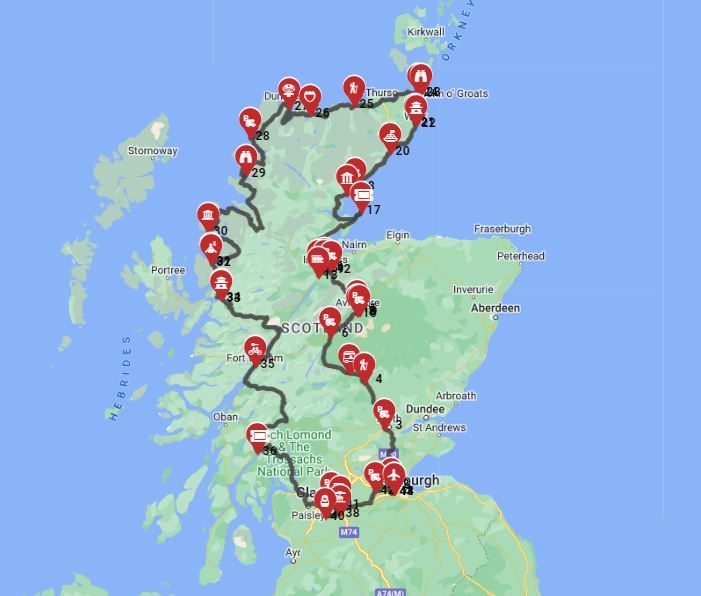
- Drive the North Coast 500: While challenging in winter, a section of this iconic 830 km (516-mile) route offers breathtaking coastal views and snow-capped peaks, though careful planning for road conditions is essential.
- Explore Edinburgh's Hogmanay Celebrations: Experience one of the world's most famous New Year's Eve festivals in Edinburgh, transforming the city into a vibrant winter wonderland.
- Visit a Whisky Distillery: Many distilleries, particularly in Speyside or on Islay, remain open in winter, offering warm tours and tastings of Scotland's national drink.
- Hike in Glencoe: The dramatic landscapes of Glencoe are even more stunning under a blanket of snow, offering incredible photography opportunities and challenging winter walks.
- Spot the Northern Lights: Scotland's northern latitudes offer a chance to see the Aurora Borealis (the "Mirrie Dancers") on clear, dark winter nights, especially in the far north or on the Outer Hebrides.
- Cozy up by a Log Fire in a Pub: Discover a traditional Scottish pub, known as a "hostelry," for a warming dram of whisky and hearty local food after a day of exploring.
Looking for expert insights from Avi Bandana? Top 5 Adventures - recommendations from Avi Bandana
🎬 Video coming soon
Final Thoughts
A winter RV rental in Scotland truly offers a magical and unforgettable experience. With proper planning and the right mindset, you'll discover a country transformed by crisp air, dramatic light, and fewer crowds. From snowy mountain passes to cozy evenings by a loch, your motorhome becomes your warm, mobile haven for exploration. Remember, flexibility and preparedness are your best travel companions in the Scottish winter.
Don't let the thought of colder weather deter you; embrace the unique beauty and tranquility that only a winter trip can offer. We at Bandana RV are here to support you in finding the perfect rental and planning your incredible journey. Get inspired for your next trip and discover top destinations, planning tips, all in one place!
Check Winter RV Rental Prices for Scotland Now and start planning your epic winter road trip!