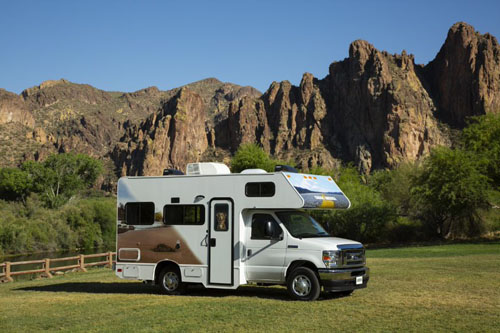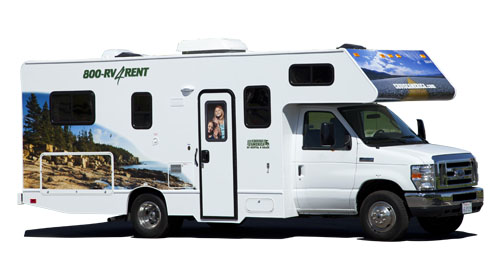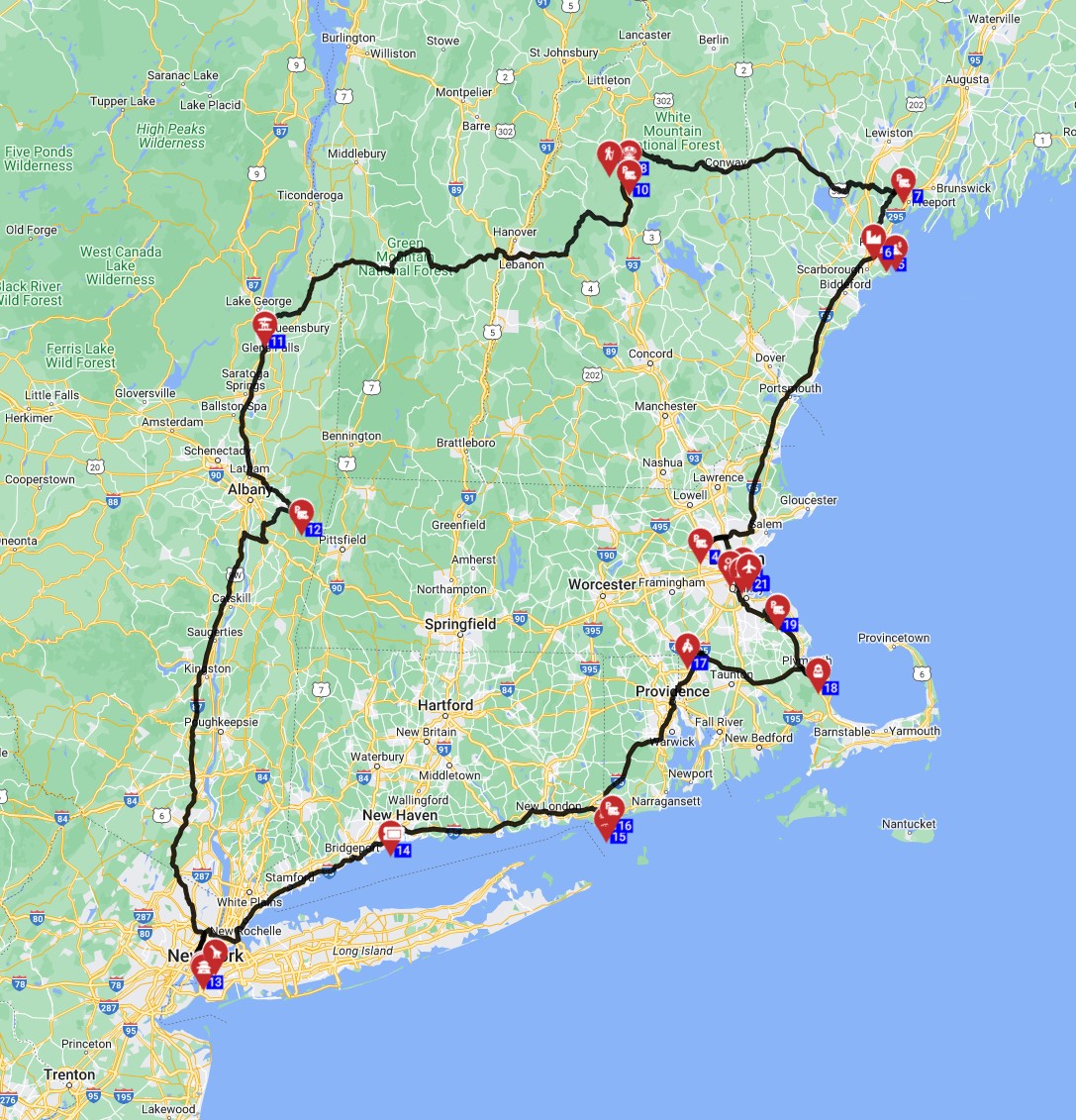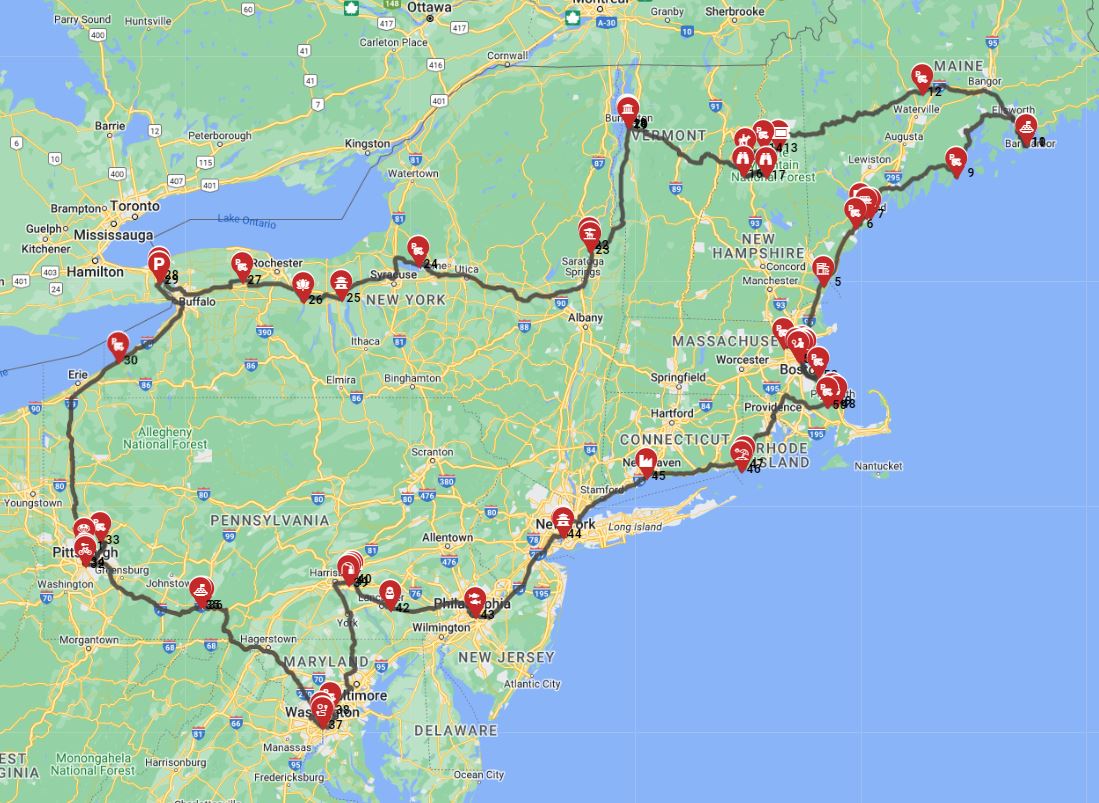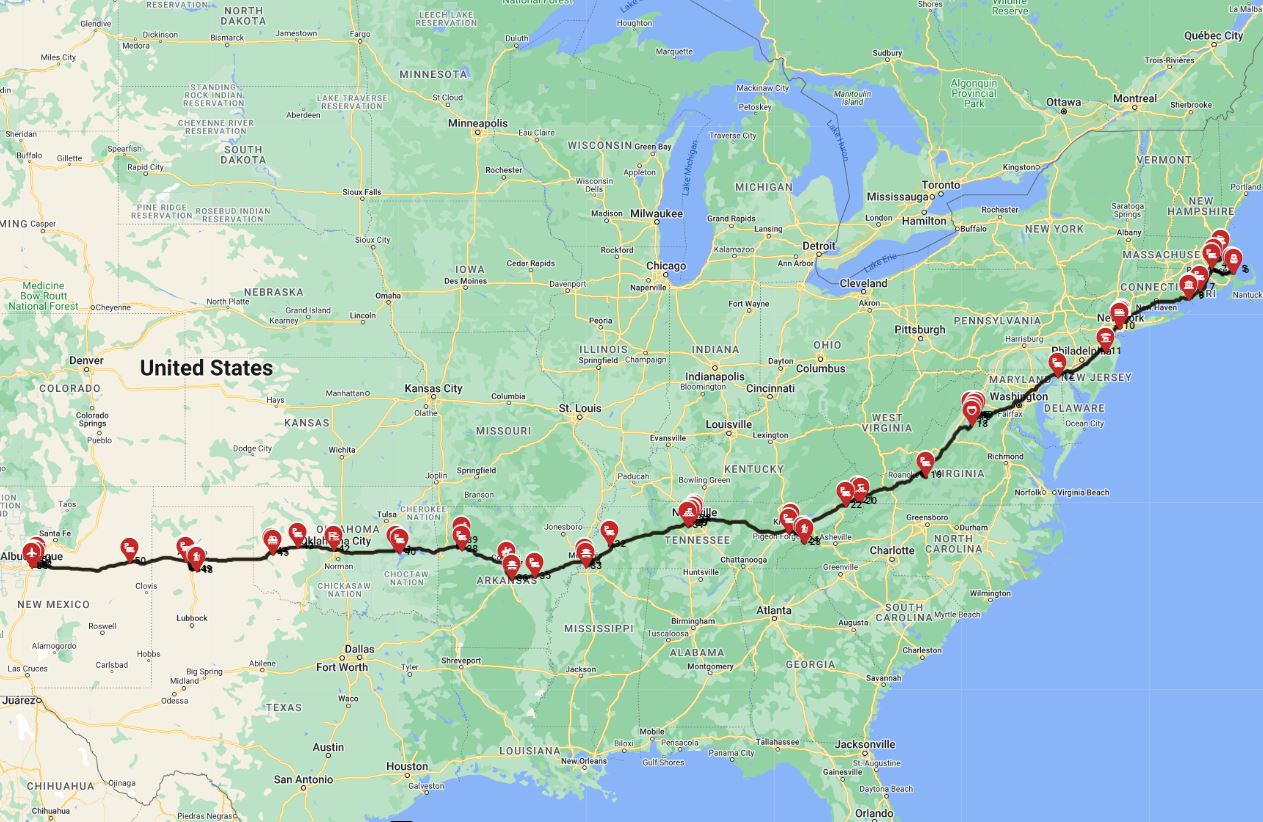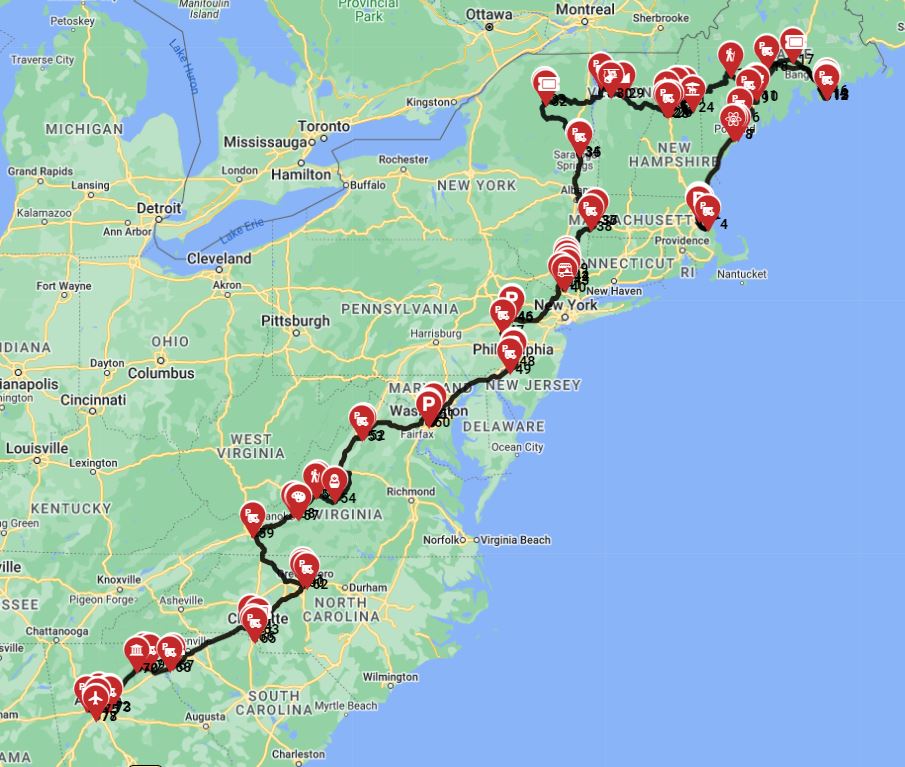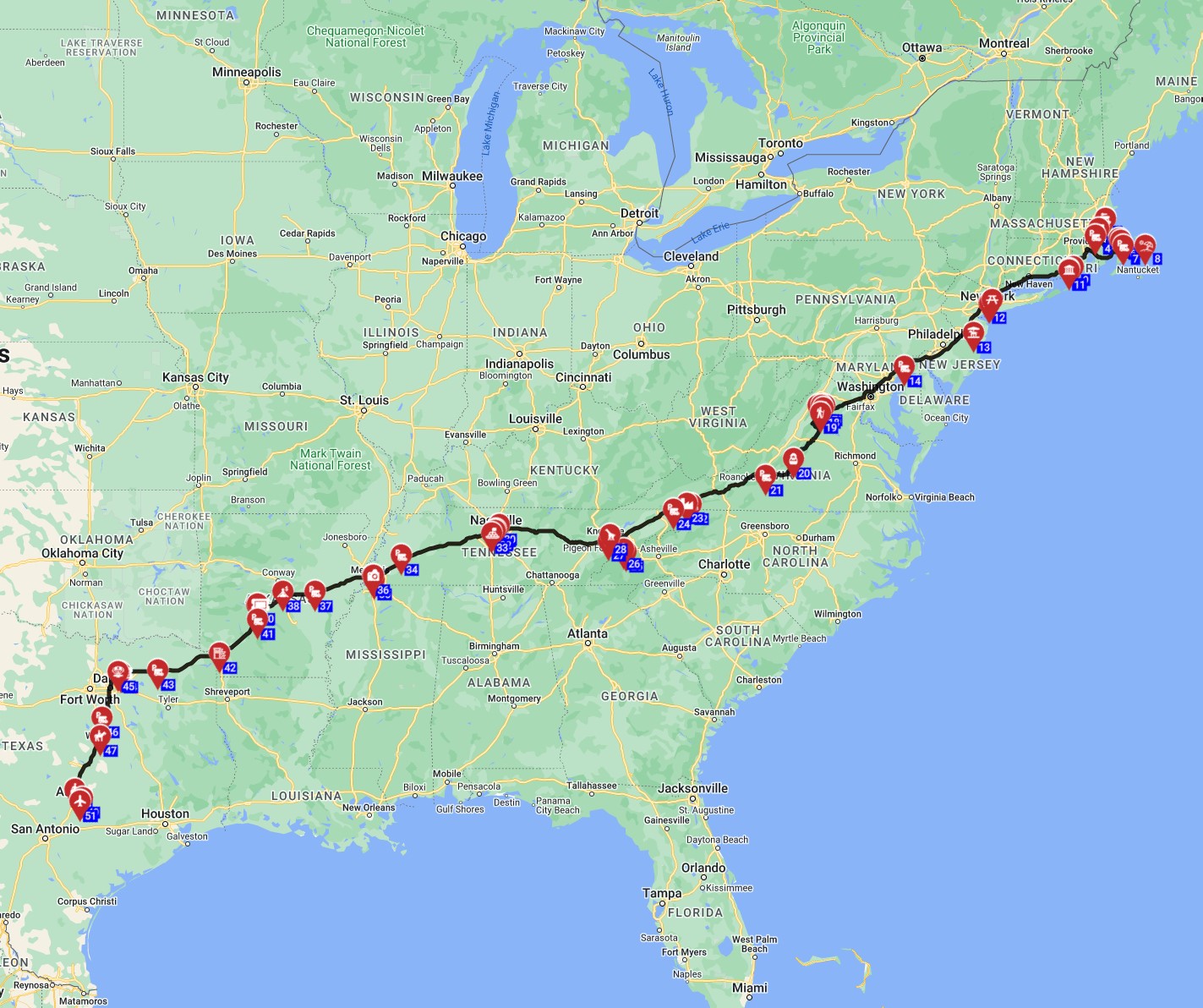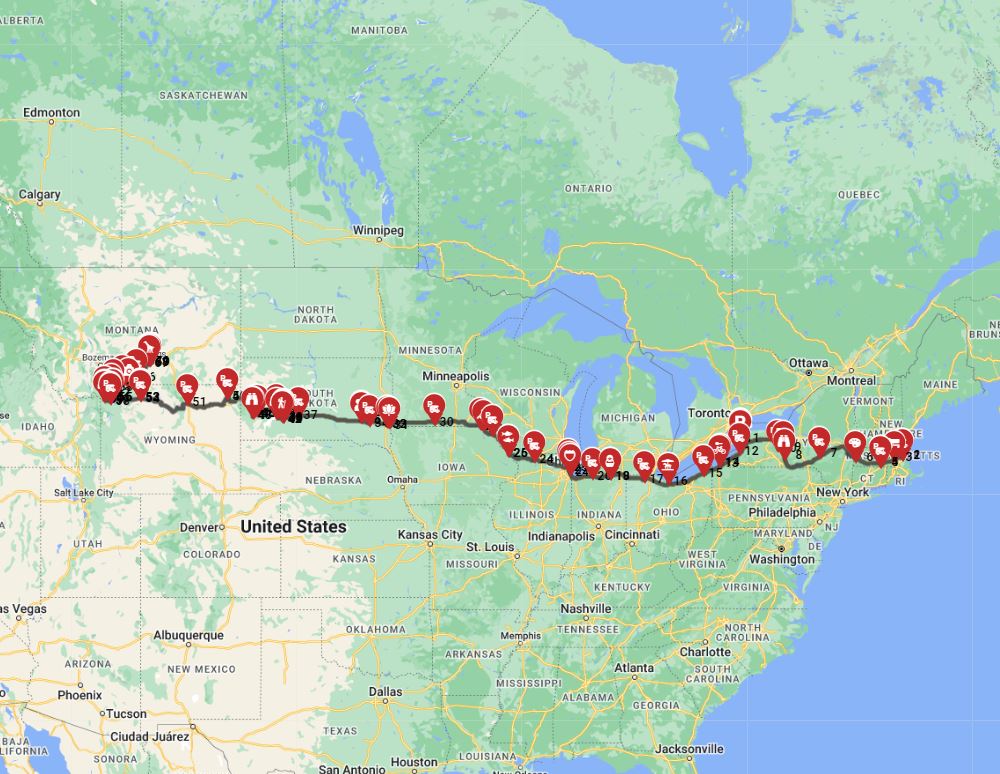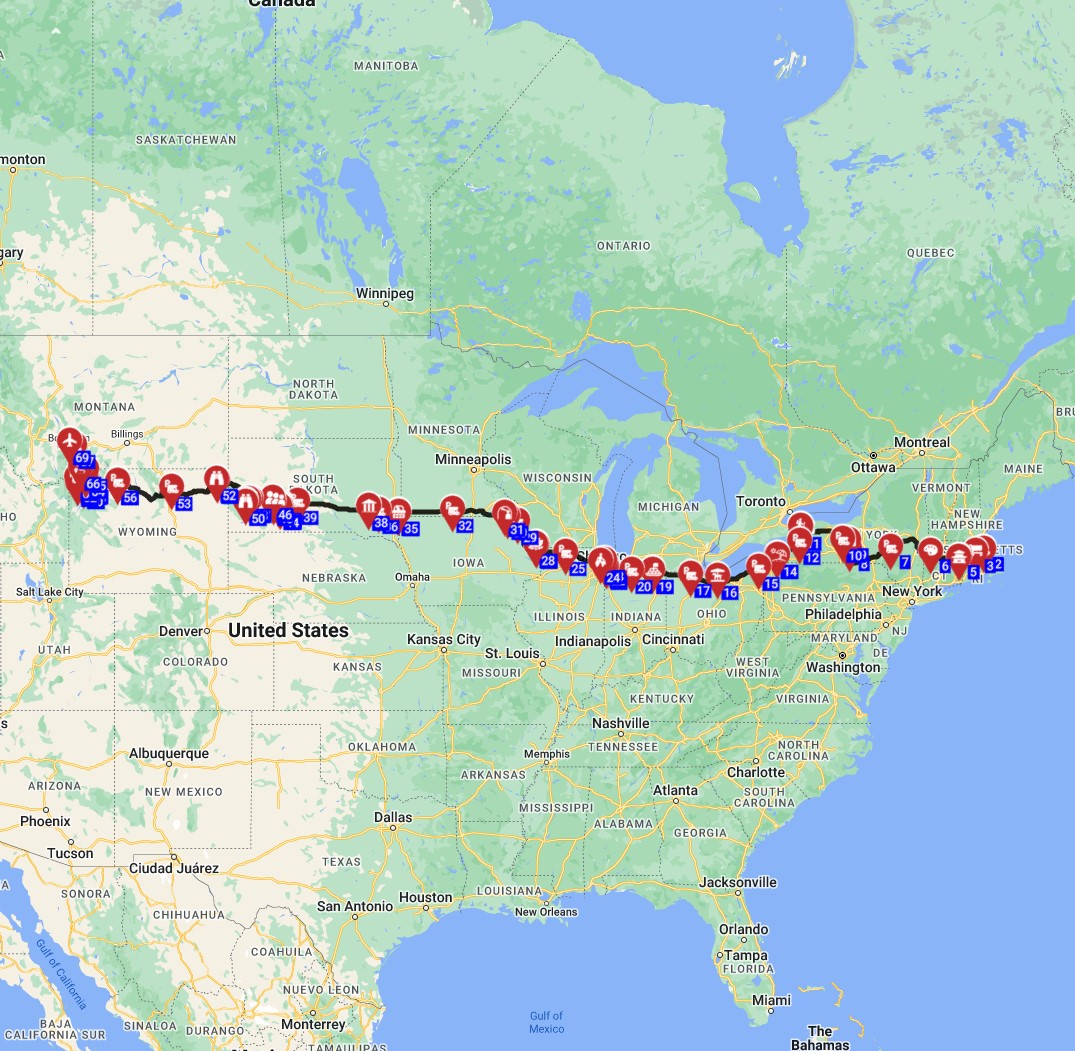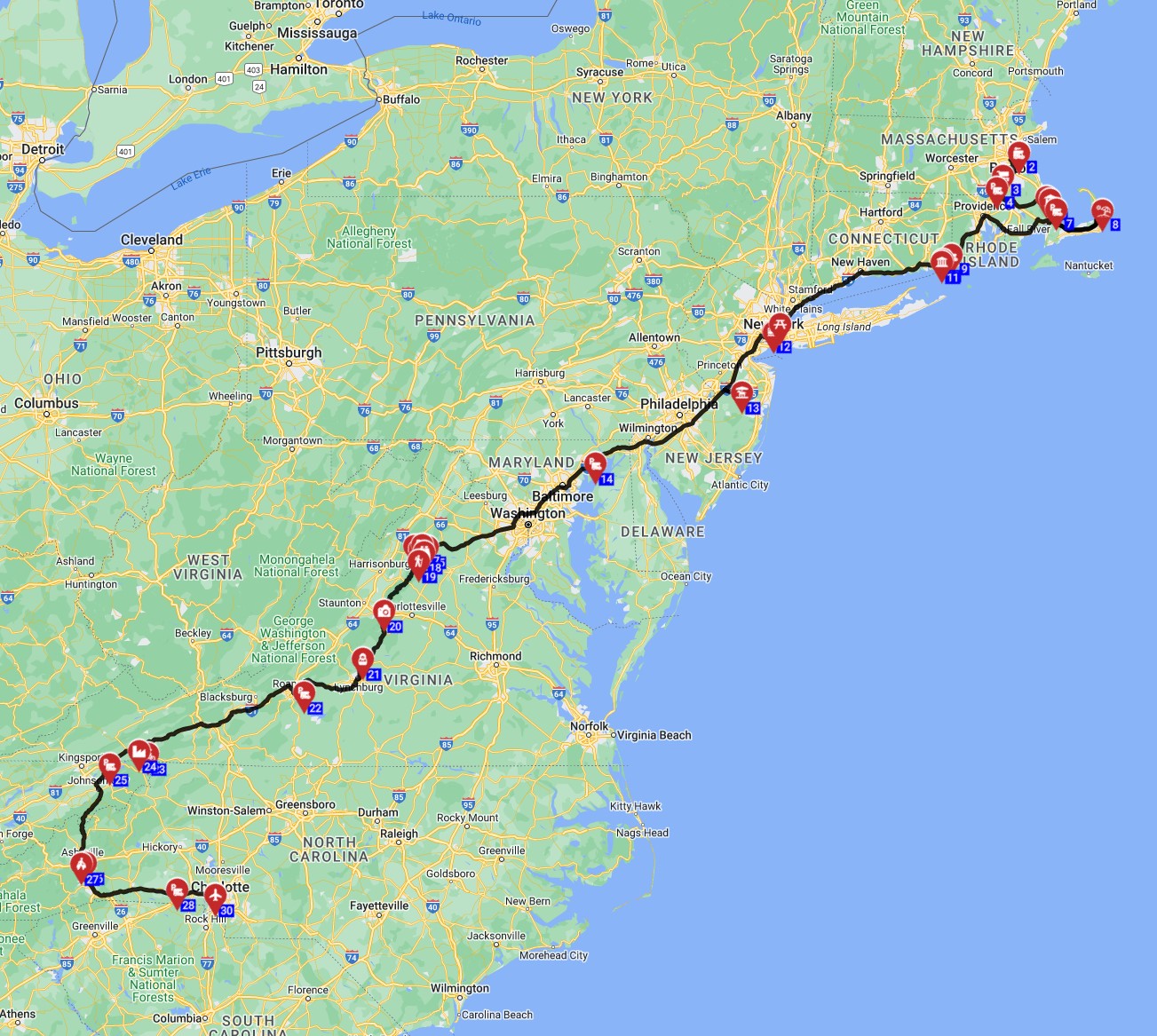
For live availability and current prices, start with our RV Rental North East US - Complete Guide 2026 guide.
In This Guide
- Top 5 Tips for Winter RV Rental in North East US
- Before You Book — Class, Dates, Insurance
- Pre-Trip Prep — Packing Checklist for North East US
- On the Road — Driving, Fueling, Navigation
- At the Campground — Setup, Hookups & Etiquette
- Winter RV Rental-Specific Tips for North East US
- Common Mistakes to Avoid in North East US
- What is the 3-3-3 rule for RV travel?
- What is the 4-4-4 rule for RV travel?
- How cold is too cold for an RV?
- What is the best time of year to rent an RV?
- Is it cheaper to rent an RV or stay in a hotel?
- What is the cheapest way to rent an RV?
- What is the 2-2-2 rule for RV travel?
Top 5 Tips for Winter RV Rental in North East US
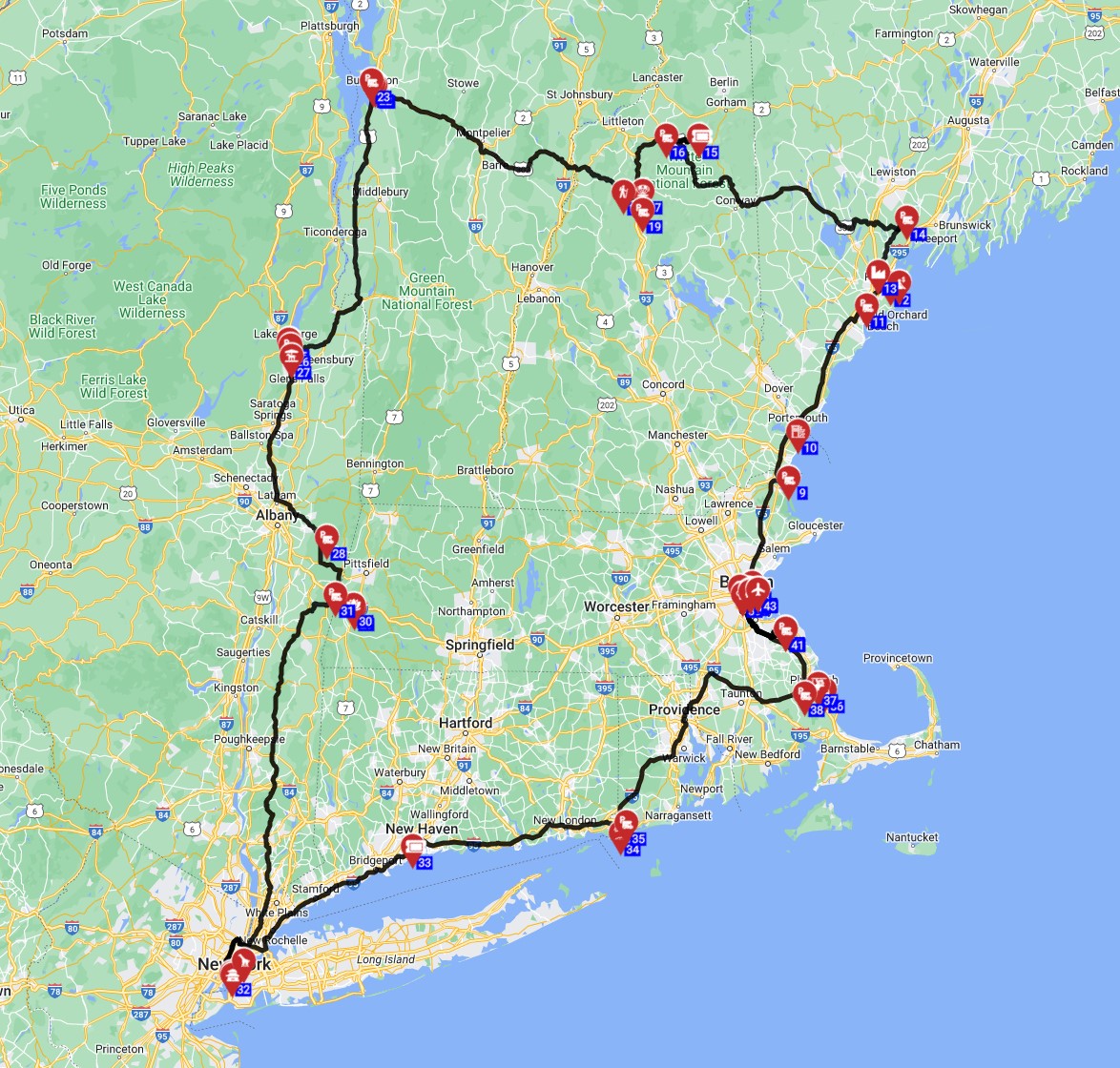
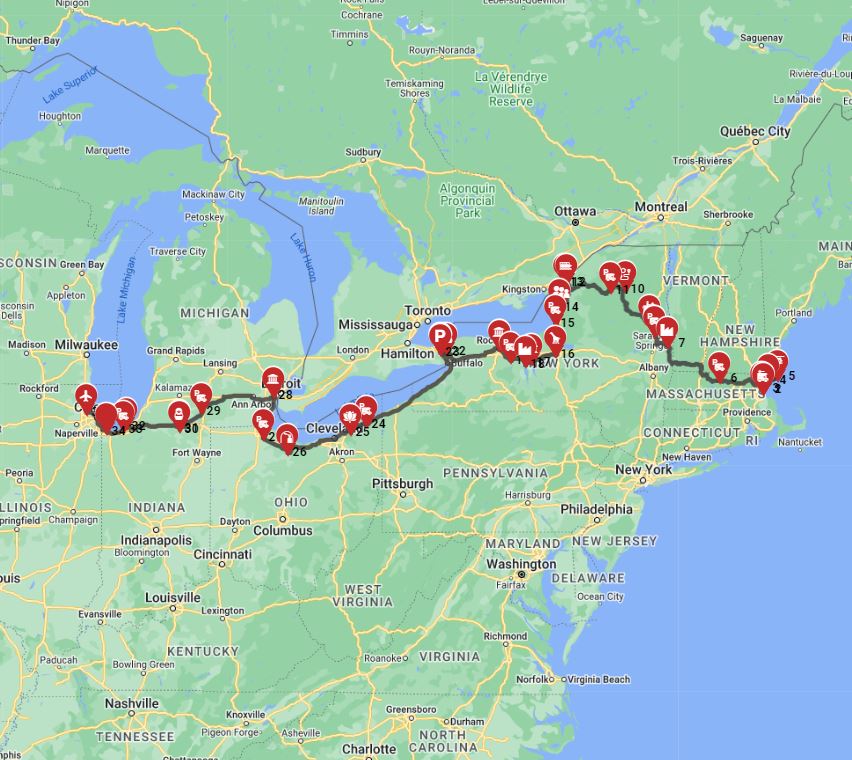
Prioritize RVs with enhanced insulation and heated tanks for Northeast winters; this is crucial for preventing water system damage and ensuring comfort in sub-freezing temperatures. Understand specific rental company winterization policies, as some may limit water use or require specific operational procedures in extreme cold to prevent system damage. Budget for fluctuating fuel and toll costs, as these can vary significantly between Northeast states and impact your overall trip expenses. Pack appropriate clothing layers, including moisture-wicking base layers, insulating mid-layers, and waterproof outerwear, to manage the varied and often harsh winter temperatures. Finally, familiarize yourself with local weather advisories and road conditions before each leg of your journey; resources like state DOT websites are invaluable for real-time updates on snow, ice, and road closures. On the routes offered through RV PLANET routes, you can itemize and track every expense along the way for easy budgeting.
Before You Book — Class, Dates, Insurance
For winter travel in the Northeast, Class C or A motorhomes generally offer superior insulation and more interior space for cold-weather gear and living compared to smaller Class B campervans. While Class B vans are more nimble on narrow, winding roads common in areas like Vermont or New Hampshire, they typically provide less storage and can feel colder due to their smaller footprint and less robust insulation. If you anticipate encountering significant snow or mountainous terrain, consider an RV equipped with four-wheel drive, though this is a less common option and usually associated with specialized truck campers. Booking well in advance is advisable, especially for holiday periods or popular winter sports destinations like those near the Adirondacks or the Poconos. Off-peak winter months, such as January and February outside of major holidays, can present lower rental rates and fewer crowds. Being flexible with your travel dates can also help secure better deals, as severe weather can sometimes lead to last-minute availability or price adjustments. Basic insurance is typically included with your rental; to see prices including comprehensive coverage, select the desired option during the search process on our platform, which will display all relevant insurance choices. It's also wise to consider adding roadside assistance, which can be particularly beneficial during winter conditions for peace of mind.
Pre-Trip Prep — Packing Checklist for North East US
When preparing for a winter RV adventure in the Northeast, thorough packing is essential. Clothing should focus on layers: moisture-wicking base layers, insulating mid-layers like fleece or down, and a waterproof/windproof outer shell (jacket and pants) are critical for staying warm and dry. Don't forget warm accessories like hats, gloves or mittens, and scarves, along with plenty of wool socks to keep feet comfortable. Waterproof, insulated boots are a must for navigating snowy or icy conditions. Pack extra blankets or cold-rated sleeping bags for added warmth in the RV. In the kitchen, focus on non-perishable comfort foods such as hearty soups, hot cocoa, and insulated mugs or thermoses for hot beverages. Basic cooking supplies like oil and spices are also important. For safety and emergencies, assemble a comprehensive kit including a first-aid kit with extra cold-weather specific supplies like hand warmers and blister treatments. Cold batteries are a common issue, so jumper cables or a portable jump starter are highly recommended. Check local regulations and RV compatibility for tire chains if traveling in snowy regions. A shovel and sand or kitty litter can provide crucial traction on icy surfaces. A high-visibility vest and emergency flares or roadside triangles are vital for visibility and safety if you experience a breakdown. For remote areas, consider a fully charged power bank and a satellite communication device for reliable contact. Always carry extra water and non-perishable food in case of unexpected delays or breakdowns. Finally, ensure you have all necessary documents: your RV rental agreement and insurance details, driver's license and any relevant permits, campground reservations, and physical road maps as backups for areas with spotty cell service, particularly in more remote parts of Maine or the Adirondacks. Don't forget your RV manual and emergency contact information. For ideas you can prep on the road, watch our RV-friendly recipes playlist on YouTube.
On the Road — Driving, Fueling, Navigation
Driving an RV in the Northeast during winter requires extra caution. Maintain slower speeds and increase your following distance on wet, icy, or snowy roads, which are common in the region. Be especially aware of potential black ice, particularly on bridges and in shaded areas. Practice gentle braking and acceleration to maintain control. If you're renting a larger RV, specifically check for low bridge clearances, which are frequent in historic towns and scenic routes throughout New England and New York, and be prepared for hairpin mountain turns characteristic of areas like the Adirondacks or the Berkshires. Ferry crossings are also common in coastal areas; always check height and length restrictions and reservation requirements in advance. Monitor your fuel tank closely, as winter conditions can increase fuel consumption, and gas stations may be less frequent in rural Northeast areas. Regional fuel prices can vary significantly between states, so plan your fill-ups strategically. If your rental RV is diesel-powered, ensure you are using winter-blend fuel to prevent gelling. For navigation, utilize an RV-specific GPS that accounts for vehicle height, weight, and length to avoid restricted roads, low bridges, or tight turns. Keep physical maps as a backup for areas with unreliable cell service, such as parts of Maine's remote coast or the Adirondack Mountains. Always check current weather and road closure information (e.g., via state Department of Transportation websites) before driving, especially for mountain passes or coastal routes prone to severe winter storms. Navigating congested city centers requires pre-planned parking strategies.
At the Campground — Setup, Hookups & Etiquette
Upon arrival at a campground, carefully level your RV, using blocks if necessary, to ensure proper functioning of appliances and drainage systems, which is especially important in freezing temperatures. Clear any snow from around your RV to prevent it from accumulating against vents or slides, which could obstruct airflow or cause damage. Connect your shore power first to ensure your RV's internal heaters and battery charging systems are operational. When hooking up to water in freezing temperatures, it is crucial to use a heated water hose and insulate all connections to prevent freezing. Many rental RVs designed for winter use may be 'dry winterized,' meaning they operate without running water to prevent damage; in such cases, be prepared to use the onboard fresh water tank sparingly and conserve water, emptying grey and black tanks strategically when hookups are available. For sewer connections, ensure the sewer hose has a slight downward slope to facilitate drainage and prevent freezing, and consider insulating it as well. Campground etiquette is important for a pleasant stay; observe quiet hours, typically between 10 PM and 7 AM, being mindful of noise from generators, conversations, or early morning departures. Respect designated pet areas and leash rules, and keep your site tidy, especially in winter when snow can conceal trash. Be considerate of your neighbors regarding external lights and generator usage to ensure everyone's comfort.
Winter RV Rental-Specific Tips for North East US
When venturing into winter RVing in the Northeast, consider these specific tips for a smoother experience. Confirm the RV's winterization status beforehand; some rentals are 'dry winterized' meaning they won't have running water to prevent freezing, while others are 'four-season' capable with heated tanks and enclosed underbellies. Understanding these limitations and workarounds is key to managing RV systems in cold weather. For driving techniques on snow and ice, always reduce speed, increase following distance, and avoid sudden braking or acceleration. Be prepared for black ice and consider carrying tire chains if you'll be in areas with heavy snowfall or steep inclines. If your water lines freeze, gentle heat, like from a hairdryer, can sometimes thaw them, but always consult your rental company's instructions first. For efficient heating, supplement your RV furnace with small electric heaters if you have shore power access to conserve propane. Keep cabinet doors open to allow heat to circulate to pipes and prevent freezing. RV skirtings can also help trap heat underneath the vehicle. Battery performance is significantly reduced in extreme cold; keep house batteries fully charged, consider a portable jump starter, and only disconnect shore power when absolutely necessary to preserve battery life. Beyond general supplies, pack specifically for cold-weather breakdowns, power outages (which can occur during nor'easters), and communication challenges in areas with spotty cell service, which are common in parts of the Adirondacks or northern Maine. A satellite messenger can be a valuable emergency tool.
Common Mistakes to Avoid in North East US
A common mistake for first-time winter RV renters in the Northeast is underestimating the cold. To avoid this, select an RV rated for four-season use and pack layers suitable for extreme cold, including emergency blankets, while being mindful of reduced battery performance in low temperatures. Another frequent error is ignoring local road conditions. Always check state Department of Transportation websites for real-time road closures, advisories (like mandatory tire chain requirements), and weather forecasts before each drive, particularly for mountain passes or coastal routes susceptible to severe weather. Neglecting propane and fuel levels is also a pitfall; regularly check your propane tanks for heating and ensure your fuel tank is at least half full to prevent condensation and provide a buffer in remote areas or unexpected detours, while also budgeting for regional fuel price differences. Unpreparedness for RV system limitations is another mistake. Understand whether your rental RV is fully functional with running water in freezing temperatures or if it requires dry camping practices to prevent damage, and be ready to manage potential frozen hookups and temporary lack of running water. Finally, overlooking tolls and regional costs can lead to budget surprises. Research specific state tolling systems (e.g., E-ZPass vs. pay-by-plate) and factor in varying fuel and campground costs across Northeast states into your budget, including any potential hidden fees. Lack of emergency preparedness is a critical error; pack a comprehensive kit tailored for Northeast conditions, including satellite communication devices for areas with spotty cell service, like parts of the Adirondacks or northern Maine, and supplies for a cold-weather breakdown or power outage.
What is the 3-3-3 rule for RV travel?
The 3-3-3 rule for RV travel is a general guideline recommending that you drive no more than 300 miles a day, aim to arrive at your destination by 3 PM, and stay at least 3 nights in one location. This approach helps reduce driving fatigue and allows ample time to set up camp and explore the surrounding area without feeling rushed. It can be applied broadly to both motorhomes and campervans, promoting a more relaxed and immersive travel experience, which is particularly beneficial when exploring the scenic, often winding roads of the Northeast.
What is the 4-4-4 rule for RV travel?
The 4-4-4 rule for RV travel is a guideline suggesting that you limit your daily driving to no more than 400 miles, aim to arrive at your campground by 4 PM, and stay a minimum of 4 nights at each destination. This rule is similar to the 3-3-3 rule but allows for slightly longer travel days and longer stays, ensuring a more leisurely pace, sufficient time for campsite setup, and a better opportunity to enjoy the surrounding area. This relaxed approach is suitable for any type of RV camping.
How cold is too cold for an RV?
Temperatures consistently below freezing (32°F or 0°C) are generally considered too cold for an un-winterized RV, as water lines and tanks are at high risk of freezing and bursting, which can cause significant damage. Most standard RVs require proper winterization, including draining water systems and adding antifreeze, to prevent such damage in cold weather. However, four-season or 'cold weather package' RVs are specifically designed with enhanced insulation, heated tanks, and enclosed underbellies to safely operate in temperatures down to 0°F (-18°C) or even lower, though propane consumption for heating will be significantly higher in these conditions.
What is the best time of year to rent an RV?
The best time of year to rent an RV depends greatly on your travel goals, desired climate, and budget. Spring (April-May) and Fall (September-October) are often considered ideal for pleasant weather, fewer crowds, and more moderate rental rates across many regions. Summer (June-August) is typically peak season, offering the widest range of destinations and activities, but usually comes with higher costs and more competition for bookings, especially in popular national parks. Winter (November-March) in regions like the Northeast can be excellent for snow sports and cozy getaways, but it necessitates a winterized RV, special preparations, and skilled cold-weather driving.
Is it cheaper to rent an RV or stay in a hotel?
Whether renting an RV is cheaper than staying in a hotel depends on several factors, including trip duration, group size, and travel style. For longer trips and families or groups, an RV can often be more economical by saving on restaurant meals (due to cooking onboard) and combining lodging and transportation costs. However, RV rental costs encompass the daily rate, fuel, campground fees, insurance, and propane, whereas hotel costs primarily cover accommodation and meals out. In the Northeast, variable toll road costs, regional fuel price differences, and diverse campground pricing (ranging from state parks to private resorts with seasonal rates) must be factored into any comprehensive cost comparison.
What is the cheapest way to rent an RV?
The cheapest way to rent an RV generally involves booking during the off-season (e.g., late fall or winter, avoiding major holidays), being flexible with your travel dates, and choosing smaller, more fuel-efficient RV classes like Class B campervans. Utilizing peer-to-peer rental platforms can sometimes offer more competitive pricing compared to traditional rental companies. Booking longer trips can also result in lower daily rental rates, and looking for last-minute deals or specials can provide additional savings. To minimize overall costs, factor in all potential expenses such as mileage fees, insurance add-ons, and propane usage when comparing rental options.
What is the 2-2-2 rule for RV travel?
The 2-2-2 rule for RV travel is a relaxed guideline suggesting that travelers drive no more than 200 miles a day, arrive at their destination by 2 PM, and stay at least 2 nights at each stop. This rule is designed to provide a more leisurely and enjoyable RV experience, minimizing driving stress and maximizing time for relaxation and exploration at each location. It's particularly beneficial for first-time RVers, families with young children, or those who prefer to fully immerse themselves in each destination rather than constantly moving.
What You Shouldn't Miss
- Embrace the Foliage: For spectacular fall colors, plan a route through scenic byways in Vermont, New Hampshire, or the Catskills in New York during late September or early October. Consider a Class C motorhome for added comfort and storage for your autumn adventure.
- Ski Season Access: Rent a four-season RV and head to renowned ski resorts in Vermont (like Stowe or Killington) or New Hampshire (like Cannon Mountain) for winter sports. Ensure your RV is equipped for snow conditions and pre-book campground spots, as many are open year-round.
- Coastal Charm in Off-Season: Explore the charming, less-crowded coastal towns of Maine or Massachusetts in the late fall or early spring. Enjoy the crisp air, scenic drives, and delicious seafood without the summer crowds. A smaller campervan might be ideal for navigating some of the narrower coastal roads.
- Historic New England Towns: Travel back in time by visiting historic towns like Concord, Massachusetts, or the Berkshires in Western Massachusetts, experiencing Revolutionary War history and charming colonial architecture. Ensure your RV fits through any low clearances in these older areas.
- Adirondack Winter Wonderland: Discover the vast beauty of New York's Adirondack Park in winter. Many campgrounds offer winter camping, and the region is perfect for snowshoeing, cross-country skiing, or simply enjoying the serene, snow-covered landscapes. A well-prepared motorhome is key here.
Final Thoughts
Renting an RV for a winter trip in the Northeast can be an incredibly rewarding experience, offering unique access to snowy landscapes and cozy, off-season adventures. By carefully selecting your vehicle, packing appropriately, and being mindful of driving and campground conditions, you can ensure a safe and comfortable journey. Remember that thorough planning, especially for weather and road conditions, is key to a successful winter RV trip.
Don't let the cold deter you from exploring the stunning winter beauty of the Northeast. With the right preparation and the right RV, you can create unforgettable memories. We encourage you to start comparing rental options and envision your next winter road trip – the open road awaits, even when it's covered in snow!
Get inspired for your next trip! Discover top destinations, planning tips, and more, all in one place. Plan your RV itinerary in advance with minimal effort and maximum enjoyment, ensuring your winter adventure is everything you dreamed of.
For finding campsites and campgrounds during your trip, we recommend using RV PLANET (rvplan.net) — a great resource for locating available spots along your route.
Compare Motorhome Rentals for North East US today and start planning your winter getaway!