In This Guide
- Top 5 Tips for winter rv rental RV Rental in North Canada
- Before You Book - Class, Dates, Insurance for North Canada
- Pre-Trip Prep - Packing Checklist for North Canada
- On the Road - Driving, Fueling, Navigation in North Canada
- At the Campground - Setup, Hookups & Etiquette in North Canada
- Winter RV Rental-Specific Tips for North Canada
- Common Mistakes to Avoid in North Canada
- What do I need to know before renting an RV in North Canada?
- What is the 3-3-3 rule for RV travel in North Canada?
- What is the 4-4-4 rule for RV travel in North Canada?
- What is the best RV for winter camping in Canada?
- How cold is too cold for an RV in North Canada?
- Which RV rental company in Canada is the best?
- Should you cover your RV in the winter in Canada?
- Top Cities for RV Rental in North Canada
- North Canada RV Road Rules and Regulations
- Emergency Services & Connectivity in North Canada
- What You Shouldn't Miss
- Why Book with Bandana Caravan
- Final Thoughts
- Frequently Asked Questions
Imagine yourself beneath a sky ablaze with the Aurora Borealis, nestled warmly inside your rented motorhome, a mug of hot chocolate in hand. This dream can become a reality with a winter RV rental in North Canada, offering unparalleled access to pristine wilderness and unique adventures. This guide provides comprehensive advice for navigating the sub-Arctic and Arctic regions by motorhome, ensuring you're prepared for an unforgettable journey. For live availability and current prices, start with our RV Rental North Canada - Complete Guide 2026 guide.
Top 5 Tips for winter rv rental RV Rental in North Canada
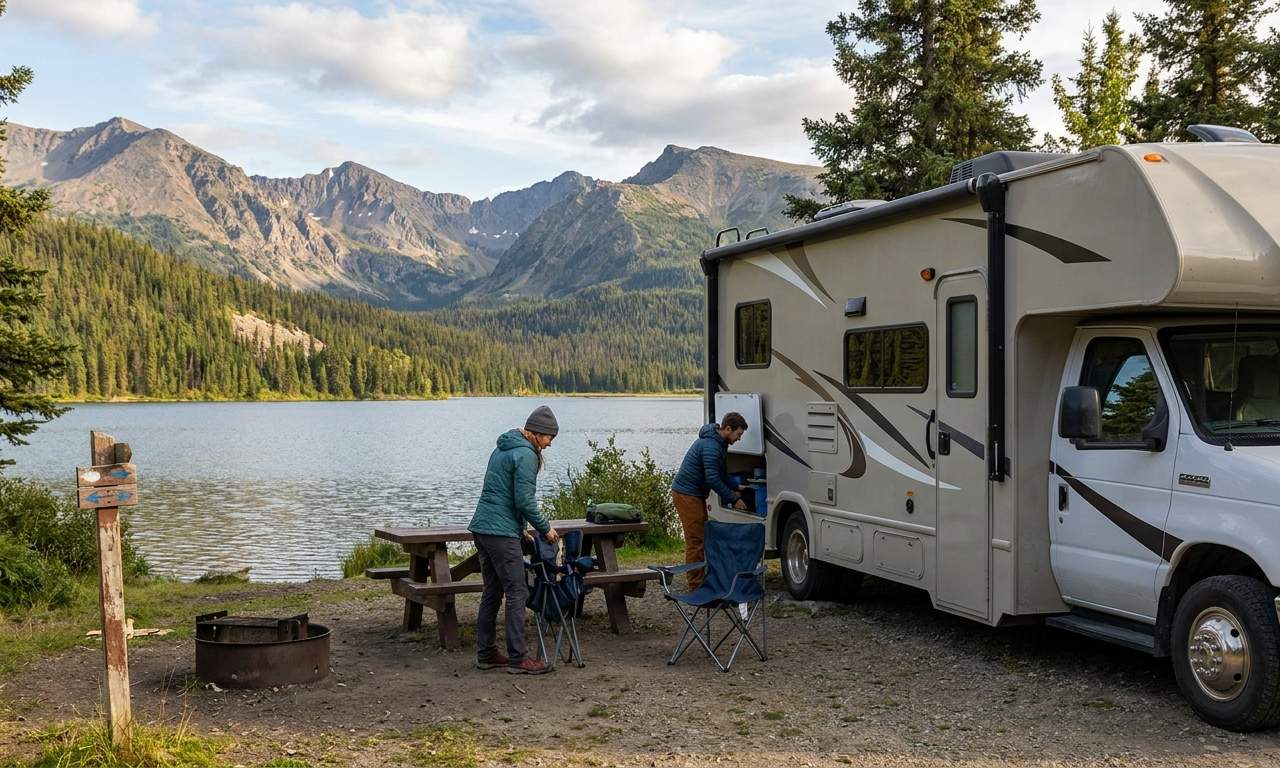
Navigating the unique challenges of a winter RV rental in North Canada requires careful preparation. First, always select a certified 4-season RV with robust insulation and heated tanks to protect your water systems from freezing temperatures, which can regularly drop below -20°C (-4°F). These specialized units, such as a "2 Berth Rover" or "24' Class C Motorhome" with 'Winter Ready' features, ensure crucial systems like the fresh water tank (typically 80-150 liters) remain operational.
Second, meticulously plan your route, accounting for limited fuel stations and potential road closures in remote northern regions. For instance, the Dempster Highway is an iconic route, but requires diligent fuel stops, often spaced over 200 km apart. Third, pack comprehensive cold-weather gear and an emergency kit, including satellite communication devices like a Garmin InReach, as cellular service is intermittent to non-existent across much of the vast northern terrain. Fourth, familiarize yourself with your RV's winterization features and de-winterization procedures from the rental company; understanding how to manage propane levels for heating and water systems is critical. You might even want to check out our RV-friendly recipes playlist for meal ideas that will keep you warm and satisfied on your journey. Finally, book your winter RV rental well in advance, especially if targeting peak Northern Lights viewing seasons from October to March, when demand for well-equipped 4-season units is highest. Early bookings can secure your preferred Class B or Class C motorhome and avoid potential availability issues. On the routes offered through RV PLANET routes, you can itemize and track every expense along the way for easy budgeting.
Before You Book - Class, Dates, Insurance for North Canada
Choosing an RV class for winter RV rental in North Canada often favors Class B or C models due to their better maneuverability in snow and typically superior insulation compared to larger Class A units. Many smaller motorhomes, like a "Class I Van" or a "Category Small AT" (an automatic transmission campervan), are equipped with robust heating and winter-ready features. You'll find options ideal for couples seeking a cozy adventure, or families of 2+2, who might prefer a slightly larger but still agile Class C such as the "Active Bunk Select" (a medium-sized Class C motorhome).
Lock in your rental dates for North Canada well in advance, particularly for the winter season (2026) which can span from late September to April, offering prime opportunities for Northern Lights viewing. Booking 3-6 months out is advisable to ensure availability, especially for popular 4-season RVs. When it comes to insurance for your RV rental, basic coverage is always included. To see prices including the most comprehensive coverage, select that option during search - then all relevant insurance options will be shown. Consider upgrading to a top-level deductible for extra peace of mind, which can be invaluable in remote northern areas with limited services. We provide full transparency with no hidden fees, ensuring you know the exact cost upfront.
Pre-Trip Prep - Packing Checklist for North Canada
Preparing a rented RV for North Canada winter travel requires a specific packing strategy to ensure comfort and safety in potentially extreme conditions, which can reach -30°C (-22°F). Your checklist should cover personal warmth, vehicle maintenance, and emergency communication. For a comfortable winter journey, consider what you'll wear inside your rented mobile home and what you'll need for outdoor excursions.
Clothing Essentials:
- Thermal base layers (wool or synthetic) for warmth, including 3-4 sets.
- Insulated mid-layers (fleece, down) to add critical warmth, ideally 2-3 layers.
- Waterproof and windproof outer shell jacket and pants to protect against snow and biting winds.
- Warm hats, balaclava, and neck gaiter to cover exposed skin, essential for temperatures below 0°C.
- Insulated gloves or mittens (multiple pairs) to keep hands warm and dry.
- Waterproof, insulated winter boots for walking in snow, with good traction.
- Wool socks (multiple pairs) to ensure feet stay warm, even if damp.
- Hand and foot warmers for extra heat during outdoor activities.
RV & Provisions:
- Non-perishable, easy-to-prepare foods, enough for several extra days in case of delays.
- Thermos for hot beverages to stay warm on the go.
- Extra propane for cooking and heating, as consumption is higher in cold weather, potentially 1-2 additional 9kg tanks.
- Water bottles (insulated) to prevent water from freezing.
- Freeze-proof liquids (e.g., windshield washer fluid rated for -40°C/-40°F).
Emergency & Safety:
- Satellite communication device (e.g., Garmin InReach, Spot X) for reliable contact outside cellular range, which can be hundreds of kilometers.
- Comprehensive first-aid kit, including cold-weather specific items like burn cream and heat packs.
- Headlamps or flashlights with extra batteries, as daylight hours are short in winter, especially above the Arctic Circle.
- Portable jump starter and battery booster cables, given cold weather's impact on vehicle batteries.
- Shovel and recovery traction boards for self-recovery from snow or ice, which can be essential on remote roads.
- Tire chains (and knowledge of how to install them), mandatory on some northern routes during winter.
- Bear spray and bear bangers (check local regulations and usage instructions), vital for wildlife encounters in remote areas.
- Whistle or air horn for wildlife deterrence.
- Extra fuel canister (check RV compatibility and regulations), especially for long stretches between towns, extending range by 100-200 km.
- Emergency blankets and sleeping bags for extreme cold, rated for at least -20°C.
- Tool kit for minor repairs.
Documents & Navigation:
- Driver's license and RV rental agreement.
- Insurance documents.
- Offline maps or a dedicated GPS device, as cell service is highly limited or non-existent across vast stretches of the North.
- List of emergency contacts.
- Information on local Indigenous communities and cultural protocols, enhancing your travel experience.
On the Road - Driving, Fueling, Navigation in North Canada
Driving an RV in North Canada during winter demands extreme caution; maintain slower speeds, typically 60-80 km/h on icy or snowy roads, allowing generous braking distances. Be highly vigilant for wildlife like moose, caribou, and foxes, especially at dawn and dusk, as they are a common sight and road hazard, particularly in regions like the Yukon. Black ice is a significant hazard that often appears invisible, requiring constant awareness and smooth driving inputs. Drive slowly and carefully, and you can drive almost anywhere without issues. No need to stress - just use common sense and pay attention.
Fueling requires strategic planning due to sparse service stations in northern regions, often spaced over 150-250 km apart; always fill your tank whenever possible, even if half full, and consider carrying an approved extra fuel canister for emergencies, which can provide an additional 100 km of range. Use winter-grade diesel or fuel additives to prevent gelling in extreme cold, especially when temperatures drop below -20°C. For insights into managing overall trip costs, including fuel, remember that RV PLANET routes allow you to itemize and track every expense, helping with your budget.
Navigation is best managed with a combination of pre-downloaded offline maps (like Google Maps or Gaia GPS) and a dedicated satellite GPS device, as cell service is highly limited or non-existent across vast stretches of the North. Inform someone of your planned route and expected arrival times, especially when traveling on remote highways such as the Dempster Highway, as a crucial safety measure in areas without consistent communication.
At the Campground - Setup, Hookups & Etiquette in North Canada
Upon arriving at a winter campground in North Canada, leveling your rented RV on snow or ice might require extra care, potentially using sturdy wood blocks or leveling ramps to achieve stability, as uneven surfaces can impact heating and drainage. Be mindful when deploying slide-outs, ensuring they are entirely free of ice or snow buildup, which can cause damage to seals and mechanisms, and consider RV skirting for added insulation around the undercarriage to protect pipes and tanks from freezing. A typical Class C motorhome like the "Adak Argonaut 23 - Gold" will likely have an enclosed underbelly, but extra skirting can always help.
For hookups, prioritize connecting to electricity to power the RV's internal heaters and block heater if available. Use heated water hoses and heat tape for any exposed plumbing to prevent freezing, even in moderately cold temperatures below -5°C (23°F), and ensure your sewer hose is pitched correctly and insulated, emptying tanks regularly to avoid ice blockages. Freezing can quickly lead to costly repairs, so proactive measures are key.
Campground etiquette in northern winters includes being mindful of generator usage hours, particularly during quiet periods (often 10 PM to 7 AM), to respect fellow campers who might be viewing the Northern Lights or enjoying the tranquility. Dispose of waste properly and promptly, as cold temperatures can make waste management more challenging, requiring quick emptying of black and grey tanks before they freeze. Respect others' privacy and enjoy the unique quiet of winter camping, an experience offering incredible solitude and natural beauty.
Winter RV Rental-Specific Tips for North Canada
Tailoring your winter RV rental in North Canada to your group's needs ensures a comfortable and memorable journey, whether you're a family, senior couple, or luxury traveler. Consider the unique demands of cold-weather travel when selecting your motorhome and planning your activities.
For families, plan routes with shorter driving days, averaging no more than 100-150 km per day, and identify indoor attractions or visitor centers in towns like Whitehorse or Yellowknife for warmth and kid entertainment. Ensure your chosen RV, such as a "Conquest" Class C motorhome with sleeping for up to 6, offers a comfortable layout for downtime and naps, along with ample storage for extra winter gear and toys. We recommend reviewing our "Family RV Rental in North Canada - Pricing Guide 2026" for family-specific advice.
Senior travelers might prefer a Class B campervan or a smaller Class C RV, like the "Deuce" or "Acer," for easier driving, parking, and generally more accessible interiors. Prioritize models with robust heating systems and comfortable bedding for maximum comfort during chilly northern nights, ensuring a peaceful retreat after a day of exploration. For couples, our "RV Rental in North Canada for Couples - Pricing 2026" offers tailored information.
Budget-conscious travelers should meticulously plan propane consumption, as it's critical for heat and can be a significant cost, potentially up to $50-100 CAD per week depending on usage. Research designated free overnight parking spots, but prioritize safety in remote areas by checking with local visitor centers, and factor in higher fuel costs in northern regions (e.g., fuel prices can be 20-30% higher in the Yukon compared to southern Canada). Booking during shoulder seasons (late fall/early spring) might also offer "RV Rental Deals in North Canada - Latest Offers 2026".
Luxury seekers can enhance their North Canada winter experience by choosing premium RVs, such as a "Comfort Luxury" Class A motorhome, with advanced insulation, onboard generators for extended dry camping, and features like heated flooring. Consider adding guided tours for activities like ice fishing or aurora borealis viewing for a truly indulgent adventure, complementing the comfort of your high-end rental mobile home. For those interested, our "Luxury RV Rental in North Canada - Premium Prices 2026" explores top-tier options.
Common Mistakes to Avoid in North Canada
Preparing for a winter RV rental in North Canada means being aware of potential pitfalls, allowing you to proactively mitigate risks and ensure a smoother journey. Many first-timers encounter challenges that are easily preventable with the right knowledge.
Underestimating the extreme cold is a common mistake; instead, prepare for temperatures significantly colder than forecast, with layered clothing and a comprehensive emergency kit designed for -20°C or lower. Failing to plan for limited services is another pitfall; instead, always refuel when available (distances between stations can be 200 km+), carry extra provisions (e.g., non-perishable food for 2-3 extra days), and know the locations of the next towns and emergency services. Ignoring wildlife safety protocols can be dangerous; instead, store food securely inside your rented campervan, make noise on trails to deter animals, and carry appropriate deterrents like bear spray, understanding how to use them effectively in wildlife-rich areas like Kluane National Park.
Relying solely on cell phone service is a critical error in North Canada, where vast areas have no coverage; instead, invest in or rent a satellite communication device for reliable contact in vast areas without cellular coverage. Not understanding RV winterization can lead to frozen pipes and costly damage; instead, ask your rental company for a detailed walkthrough of how to operate the furnace, manage tanks, and prevent freezing of water lines, especially when temperatures dip below 0°C. Finally, disregarding Indigenous cultural sensitivity is important; instead, research the Indigenous communities whose traditional territories you will be traversing and seek opportunities for respectful engagement and authentic tourism experiences, recognizing the rich cultural heritage of the North.
What do I need to know before renting an RV in North Canada?
Before renting an RV in North Canada, it is crucial to understand the specific requirements for your driver's license, the details of the rental agreement, and the availability of winterized units, especially for cold-weather travel. A standard car driver's license is sufficient for driving any Class A, Class B, or Class C motorhome in North Canada, with the minimum rental age being 21 years old. An International Driving Permit (IDP) is recommended for visitors from non-English speaking countries, although it is not mandatory in most cases.
Carefully review the rental agreement for clauses on mileage limits, generator hours, and the specific rules for winter operation, such as managing water systems in freezing temperatures. Inquire about the RV's winterization features, such as heated tanks, furnace capacity, and cold-weather tires (often studded tires are required or recommended for winter conditions). Confirm the availability and details of roadside assistance, which is vital for remote northern travel where services are sparse, and consider an optional top-level deductible for enhanced peace of mind. Bandana RV are true RV specialists, ready to help you compare and book the perfect winter RV rental in North Canada.
What is the 3-3-3 rule for RV travel in North Canada?
The 3-3-3 rule for RV travel is a widely adopted guideline suggesting travelers drive no more than 300 miles (approximately 480 km) a day, arrive at their destination by 3 PM, and stay at least 3 nights. While a useful general principle, adapting this rule is crucial for winter travel in North Canada due to unique conditions. Driving no more than 300 miles helps prevent driver fatigue and allows for more relaxed travel, though in North Canada winter conditions, a 300-mile drive might be too ambitious due to shorter daylight hours (as little as 6-8 hours in deep winter) and icy roads that necessitate slower speeds (often 60-80 km/h).
Arriving by 3 PM is particularly important in winter to allow ample daylight for setting up your rented RV, connecting hookups, and performing initial winterization checks before temperatures drop and darkness sets in, which can occur rapidly in northern latitudes. Staying at least 3 nights at a location minimizes constant setup and breakdown in cold conditions, offering more time to explore unique northern attractions, enjoy Indigenous cultural experiences in areas like the Yukon and Northwest Territories, and rest from the rigors of winter driving, promoting slow travel at a maximum of 100-150 km per day on average.
What is the 4-4-4 rule for RV travel in North Canada?
The 4-4-4 rule for RV travel suggests driving no more than 4 hours a day, traveling no more than 400 miles (approximately 640 km), arriving by 4 PM, and spending at least $40 at local businesses. For winter RV travel in North Canada, this rule offers a more realistic pace than the 3-3-3 rule, especially considering the challenging road conditions and reduced daylight hours that impact driving comfort and safety. Driving no more than 4 hours a day can be a safer guideline for winter travel in North Canada, accounting for reduced visibility due to snow or fog, slower speeds on icy roads, and more frequent stops for warmth and safety checks.
Arriving by 4 PM provides a comfortable window for campground setup and settling in before nightfall, which is crucial in the shorter winter days of the North, ensuring you can properly manage external hookups and RV systems before the coldest part of the night. The emphasis on spending at least $40 at local businesses encourages supporting the remote communities you visit, which is especially vital in northern economies, and can enrich your travel experience with authentic local goods and services, including Indigenous art and crafts. This approach fosters a deeper connection to the culture and scenery, aligning with our philosophy of traveling slowly to truly feel the place.
What is the best RV for winter camping in Canada?
The best RV for winter camping in North Canada is typically a 4-season rated motorhome or campervan, specifically designed with enhanced insulation and systems to withstand extreme cold. These units are often Class B or Class C motorhomes, known for their efficiency and maneuverability in snowy conditions, unlike larger Class A units which can be more challenging to heat. For example, some of our winter-ready rentals include the "2 Berth Hi Top" campervan or the "Adak Argonaut 21 - Gold" Class C motorhome.
Look for RVs with extra-thick walls and floor insulation, dual-pane windows, and heated or enclosed underbellies to protect water tanks and plumbing from freezing temperatures, which can regularly drop below -20°C (-4°F). Models with powerful furnaces, large propane tanks (e.g., 2 x 11 kg tanks), and strong battery banks or integrated generators are essential for maintaining warmth and power during cold weather camping. While Bandana RV does not specify technical requirements like dual AC units, suppliers generally ensure their winter-ready vehicles are adequately equipped for northern climates, focusing on features like efficient heating and water system protection rather than specific electrical capacities.
How cold is too cold for an RV in North Canada?
While a properly winterized 4-season RV can endure temperatures down to -25°C (-13°F) or even -30°C (-22°F) with vigilant management, sustained temperatures below -15°C (5°F) significantly increase the risk of pipes freezing, even with heating. Modern winterized motorhomes like the "Acer" campervan or a "Caravan 6 berth - Automatic" are built to handle sub-zero conditions, typically featuring heated holding tanks, insulated water lines, and efficient furnace systems that run on propane. However, no RV is entirely impervious to extreme cold without active human intervention.
The threshold for 'too cold' largely depends on the RV's specific winterization level, the effectiveness of its heating system, and the active measures taken by the RVer, such as regularly checking propane levels and ensuring all vents are clear. Even in well-insulated RVs, continuous monitoring of water lines, propane levels, and tank heaters is critical in extreme cold to prevent costly damage to the fresh water tank (typically 80-150 liters) or waste water tanks. For prolonged periods below freezing, consider using RV-specific antifreeze in plumbing, disconnecting water hoses when not in use, and maintaining a constant internal temperature to protect the RV's systems, preventing challenges from becoming scary experiences.
Which RV rental company in Canada is the best?
Determining the 'best' RV rental company in Canada depends on individual traveler needs, but Bandana RV is highly regarded for its extensive fleet from 50+ leading global suppliers (including partners like El Monte, Cruise America, Apollo, and Britz), competitive pricing, and availability of winter-ready RVs suitable for Northern Canadian adventures. Bandana RV differentiates itself by being true RV specialists, not a travel agency side department, offering unmatched personal experience and attention to the smallest details, especially for unique trips like winter explorations in North Canada.
When evaluating companies, consider their fleet's age and maintenance, the range of RV classes offered (especially 4-season options with features like heated tanks), and the clarity of their insurance and roadside assistance policies, including the option to upgrade to a top-level deductible. For Northern travel, prioritize companies with flexible pick-up and drop-off locations (one-way rentals are available with varying fees, e.g., $150-$500 depending on route), detailed winterization instructions, and a reputation for reliable pre-booking comparison and post-booking coordination support in remote areas. We pride ourselves on full transparency, ensuring no hidden fees or surprises throughout your booking process.
Should you cover your RV in the winter in Canada?
For personal RVs undergoing long-term storage in Canada during winter, covering the vehicle is often recommended to protect it from snow, ice, UV degradation, and moisture, but this practice does not typically apply to rental RVs during active travel. A rented motorhome or campervan is expected to be in use, driving and camping, rather than stored and covered during your adventure through North Canada. Therefore, you should not plan to cover a rental RV during your trip.
When renting an RV for winter travel, the vehicle is expected to be used and driven, not stored, and is designed to withstand the elements during its operational period with its built-in insulation and heating systems. The rental company is responsible for the long-term storage and winterization of their fleet post-rental season, ensuring the RV is properly maintained and protected. During your rental period in North Canada, focus on active protection measures such as keeping the RV heated, managing water systems (e.g., regularly draining grey/black tanks before they freeze), and driving carefully, rather than attempting to cover the vehicle, which could be cumbersome and unnecessary.
Top Cities for RV Rental in North Canada
North Canada offers several gateway cities that serve as excellent starting points for a winter RV adventure, providing access to essential services and stunning northern landscapes. These cities, located in the Yukon and Northwest Territories, offer reliable options for picking up a rented motorhome or campervan, such as a "Combi Van" for small groups or a "MHC24" for larger families.
- Whitehorse, Yukon: As the capital and largest city in Yukon, Whitehorse is a primary hub for northern RV rentals. It offers numerous campgrounds, including the Whitehorse RV Park & Campground, which provides heated sites and winter hookups, along with access to services, groceries, and outfitters for cold-weather gear. It's an ideal base for exploring the Southern Lakes region or beginning a journey on the Alaska Highway.
- Yellowknife, Northwest Territories: Yellowknife is the capital of the Northwest Territories and a renowned destination for viewing the Northern Lights. RV rental options here provide a unique opportunity to explore the Canadian Shield and Great Slave Lake in winter. Campgrounds like Fred Henne Territorial Park offer winterized sites, though availability can be seasonal.
- Dawson City, Yukon: This historic gold rush town, while smaller, is accessible by RV and offers a unique winter experience. It's a key stop for those venturing further north on the Dempster Highway. Limited winter RV services mean thorough preparation is essential, but the charm of the town is unforgettable.
- Inuvik, Northwest Territories: The northernmost point accessible by road on the Dempster Highway, Inuvik offers a truly Arctic RV experience. Winter access depends on the ice road to Tuktoyaktuk, which extends the journey to the Arctic Ocean. RV services are minimal, requiring maximum self-sufficiency.
- Watson Lake, Yukon: Famous for its Sign Post Forest (over 100,000 signs), Watson Lake is a practical stop along the Alaska Highway. It offers essential services and serves as a good overnight point for longer RV journeys across North Canada.
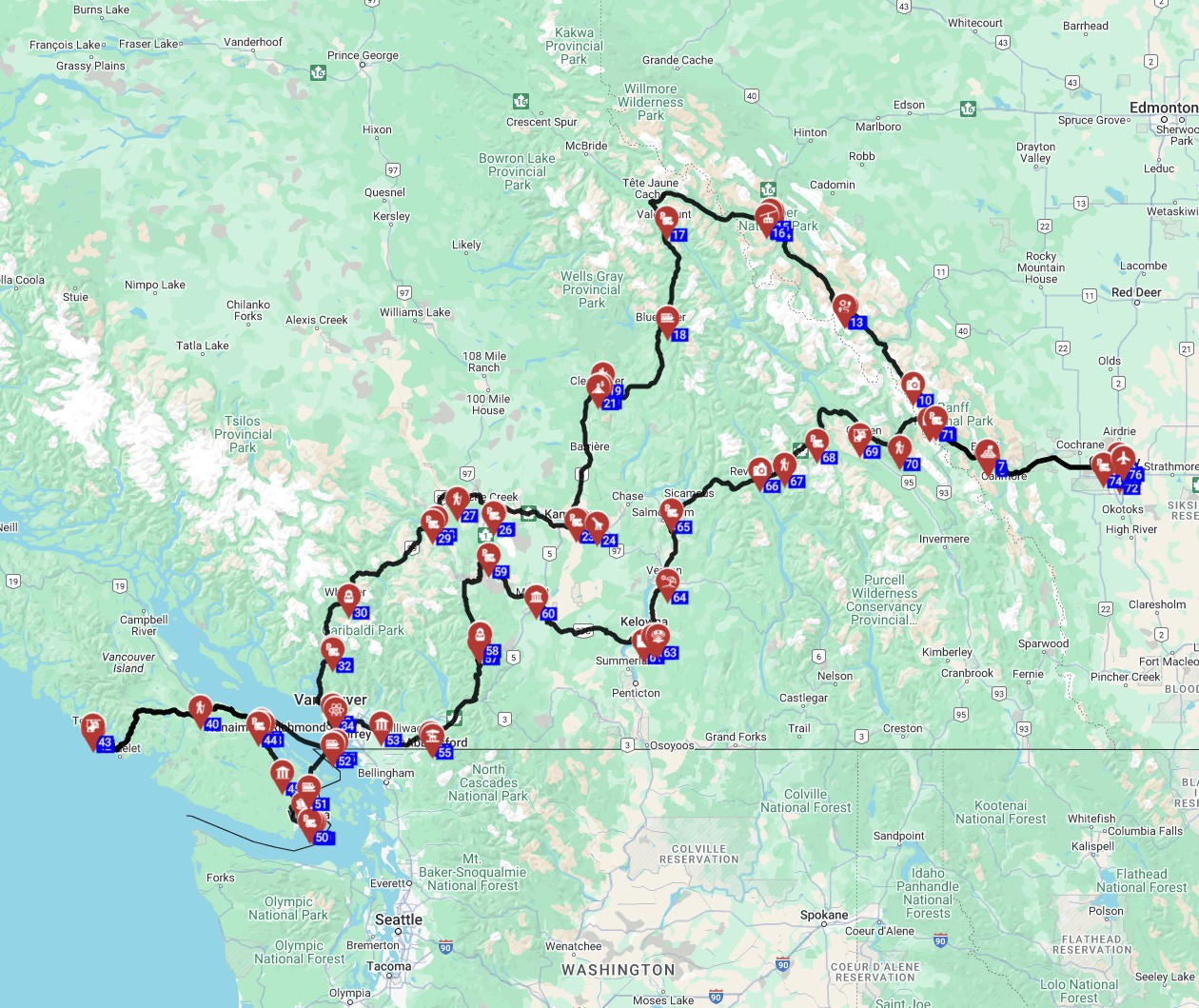
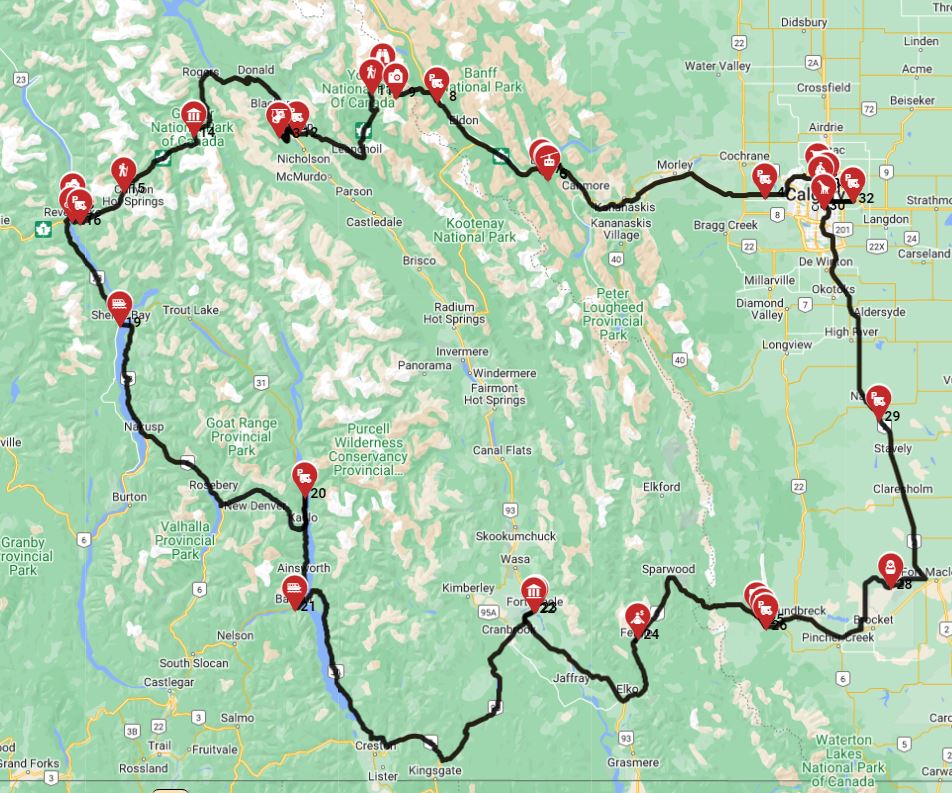
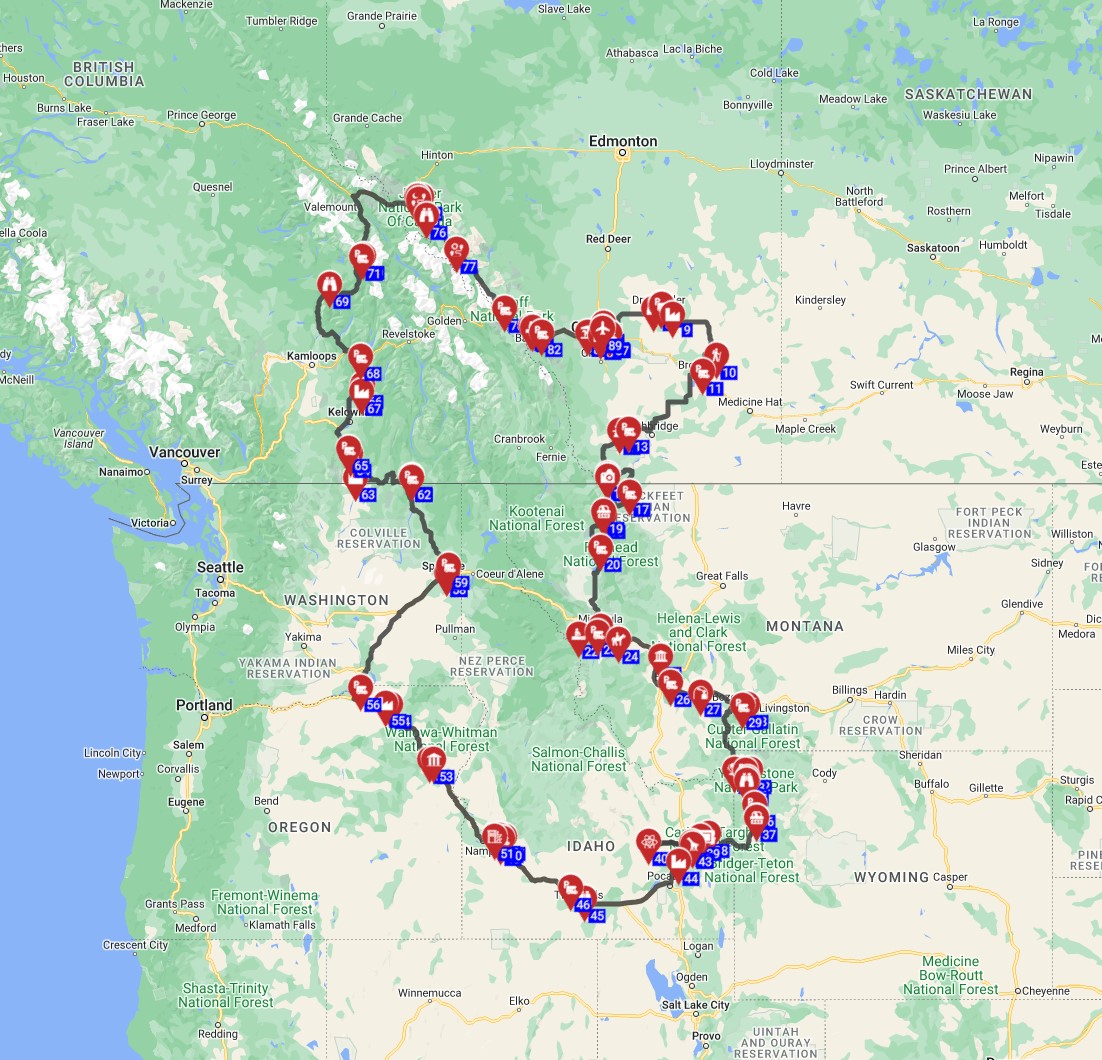
Remember that planning routes for winter RV travel between these locations is crucial. Our sister company, RV PLANET (rvplan.net), offers over 1,300 pre-planned routes across 5 continents, including options for the North Canada region, designed by professionals to maximize enjoyment and minimize stress. You can even personalize these itineraries for your specific needs, ensuring a smooth adventure.
North Canada RV Road Rules and Regulations
Adhering to specific road rules and regulations is paramount for a safe winter RV rental journey in North Canada, where conditions can be far more challenging than in warmer climates. In Canada, driving is on the right-hand side of the road, and standard road signs are used nationwide. Speed limits vary by province/territory and road type; on major highways in the Yukon and Northwest Territories, limits typically range from 90-100 km/h, but these should be significantly reduced in winter conditions, often to 60-80 km/h or lower on icy patches. Drive slowly and carefully, and you can drive almost anywhere without issues. No need to stress - just use common sense and pay attention.
For winter travel, many regions, especially on highways like the Dempster, require or strongly recommend winter tires (often studded) for all vehicles, including rented motorhomes. Always keep headlights on, even during the day, due to reduced visibility. Wildlife often crosses roads, so constant vigilance is essential; stopping for animals like moose or caribou is mandatory and safer. A standard car driver's license is sufficient for driving all classes of motorhomes in North Canada; no special permits or CDLs are required. An International Driving Permit (IDP) is recommended for international visitors but is not mandatory in all cases. Parking large RVs is generally permissible in designated oversized vehicle spots in towns and at campgrounds. RV PLANET (rvplan.net) routes also offer detailed parking advice.
Camping laws in national and territorial parks generally require permits and adherence to specific rules, such as fire restrictions (where applicable) and food storage protocols to deter wildlife. While spontaneous travelers may find first-come-first-serve spots, booking ahead for some popular parks (where 25-30% of sites are reservable) is still a good idea. If not at the first campground, then the next one. Call ahead before driving. Fuel types are predominantly gasoline and diesel; always ensure you know your rental RV's specific fuel requirement. Toll roads are rare in North Canada, but always check your route for any unexpected fees. Bandana RV offers full transparency with no hidden fees in your rental booking, but it's wise to budget for ancillary trip costs like fuel, campground fees, and propane.
Emergency Services & Connectivity in North Canada
Understanding emergency services and managing connectivity are critical considerations for a winter RV rental trip in North Canada, given the vast, remote nature of the region. Emergency services, including police (RCMP), fire, and ambulance, can be reached by dialing 911 across most of Canada, including the North. However, response times in remote areas, particularly on highways like the Dempster, can be significantly longer than in urban centers. It's essential to have a comprehensive emergency kit in your rented campervan, including items for self-sufficiency for at least 72 hours.
Cellular connectivity is extremely limited or non-existent across much of North Canada, especially outside of major towns like Whitehorse or Yellowknife. Relying solely on your mobile phone for emergencies or navigation is not advisable. A satellite communication device (e.g., a Garmin InReach or Spot X, available for rent or purchase) is highly recommended for reliable two-way communication and SOS capabilities in areas without cell service, providing peace of mind during your adventure. While public Wi-Fi can be found in some visitor centers or commercial establishments in larger towns, it is not consistently available.
For navigation, pre-downloaded offline maps are indispensable. Consider purchasing a local SIM card if you plan to spend time in areas with sparse cellular service, but don't assume it will cover your entire route. Bandana RV supports you before and after your booking, but during your trip, having robust self-reliance and redundant communication methods is key. We are true RV specialists, advocating for safe and well-prepared travel in every journey. Our general advice is to travel slowly, max 100-150 km per day on average, which further reduces risks and allows for more relaxed planning around limited services.
What You Shouldn't Miss
A winter RV rental in North Canada opens up a world of unique, awe-inspiring experiences that few get to witness. Don't just drive through; immerse yourself in the magic of the Arctic and Sub-Arctic.
- Chase the Northern Lights (Aurora Borealis): From late September through April, the clear, dark skies of the Yukon and Northwest Territories offer some of the world's best aurora viewing. Park your rented motorhome away from city lights, prepare some warm drinks in your RV kitchen, and watch the celestial dance.
- Drive the Dempster Highway: This iconic 737 km (458 mile) gravel highway is Canada's only all-weather public road to cross the Arctic Circle. Extend your journey via the seasonal ice road to Tuktoyaktuk on the Arctic Ocean for a truly epic achievement.
- Experience Dawson City: Step back in time to the Klondike Gold Rush era. This charming town in the Yukon offers historical sites, unique local culture, and even the chance to try panning for gold in some local creeks.
- Explore Kluane National Park and Reserve: Home to Canada's highest peak, Mount Logan (5,959m), this UNESCO World Heritage site offers breathtaking glacial landscapes, diverse wildlife viewing opportunities (like Dall sheep), and incredible winter hiking or snowshoeing accessible from your RV.
- Visit Indigenous Cultural Centers: Connect with the vibrant Indigenous cultures of the North. Centres like the Kwanlin Dün Cultural Centre in Whitehorse or the Prince of Wales Northern Heritage Centre in Yellowknife offer deep insights into local traditions, art, and history.
- Try Winter Activities: Embrace the cold with activities like dog sledding, ice fishing on a frozen lake, snowmobiling, or cross-country skiing. Many communities offer guided tours and equipment rentals.
Final Thoughts
A winter RV rental in North Canada is more than just a trip; it's an immersive experience into one of the world's most pristine and captivating winter landscapes. From the dancing Northern Lights to the serene, snow-covered forests, your rented motorhome provides a cozy, mobile base for exploration. Embrace the adventure, stay prepared with the right gear and knowledge, and remember our commitment to supporting you every step of the way.
We genuinely believe that traveling slowly, averaging 100-150 km per day, allows you to fully connect with the unique culture, delicious food, and breathtaking scenery of North Canada. Let Bandana RV be your trusted partner in discovering the magic of this incredible destination. Your winter wonderland adventure awaits!
Check Winter RV Rental Prices for North Canada Now!