In This Guide
- Top 5 Tips for winter RV Rental in Namibia
- Before You Book - Class, Dates, Insurance
- Pre-Trip Prep - Packing Checklist for Namibia
- On the Road - Driving, Fueling, Navigation
- At the Campground - Setup, Hookups & Etiquette
- Winter RV Rental-Specific Tips for Namibia
- Common Mistakes to Avoid in Namibia
- Is the water safe to drink in Namibia?
- What safety protocols should RV travelers follow in Namibia?
- How do you navigate Namibia's extensive gravel roads?
- What are the day-to-day logistics for RV travel in Namibia?
- How can RV travelers practice responsible tourism in Namibia?
- What specific RV features are crucial for Namibian conditions?
- What permits and regulations are required for RV travel in Namibia?
- What health and wellness considerations are important for RV travel in Namibia?
- How can RVers engage with local culture in Namibia?
- Top Cities for RV Rental in Namibia
- What You Shouldn't Miss
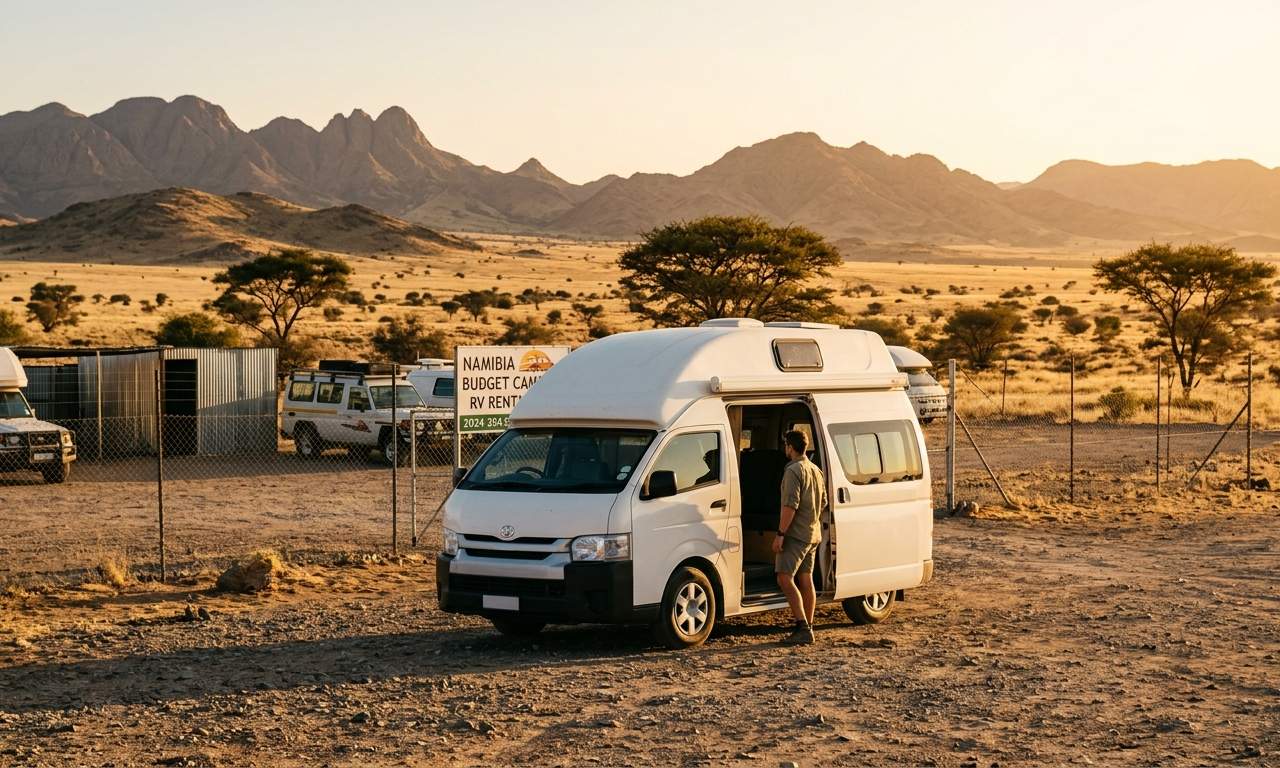
Imagine waking up to the vast, golden expanse of the Namib Desert or the wild chorus of Etosha National Park, all from the comfort of your rented motorhome. Winter RV travel in Namibia, spanning from May to September, offers clear skies, mild days, and spectacular wildlife viewing opportunities that are truly unparalleled. This isn't just a trip; it's an immersive adventure where you become part of the landscape. For live availability and current prices, start with our RV Rental Namibia - Complete Guide 2026 guide.
At Bandana RV, we're not just about bookings; we're about empowering your journey with transparent information and unwavering support. We are true RV specialists, dedicated exclusively to motorhome travel, ensuring you receive expert advice every step of the way. Our commitment to full transparency means no hidden fees and no surprises, making your planning as smooth as the open road ahead. Exploring the broader African continent by camper? You might also find our RV Rental Africa - Complete Guide 2026 invaluable.
Top 5 Tips for winter RV Rental in Namibia
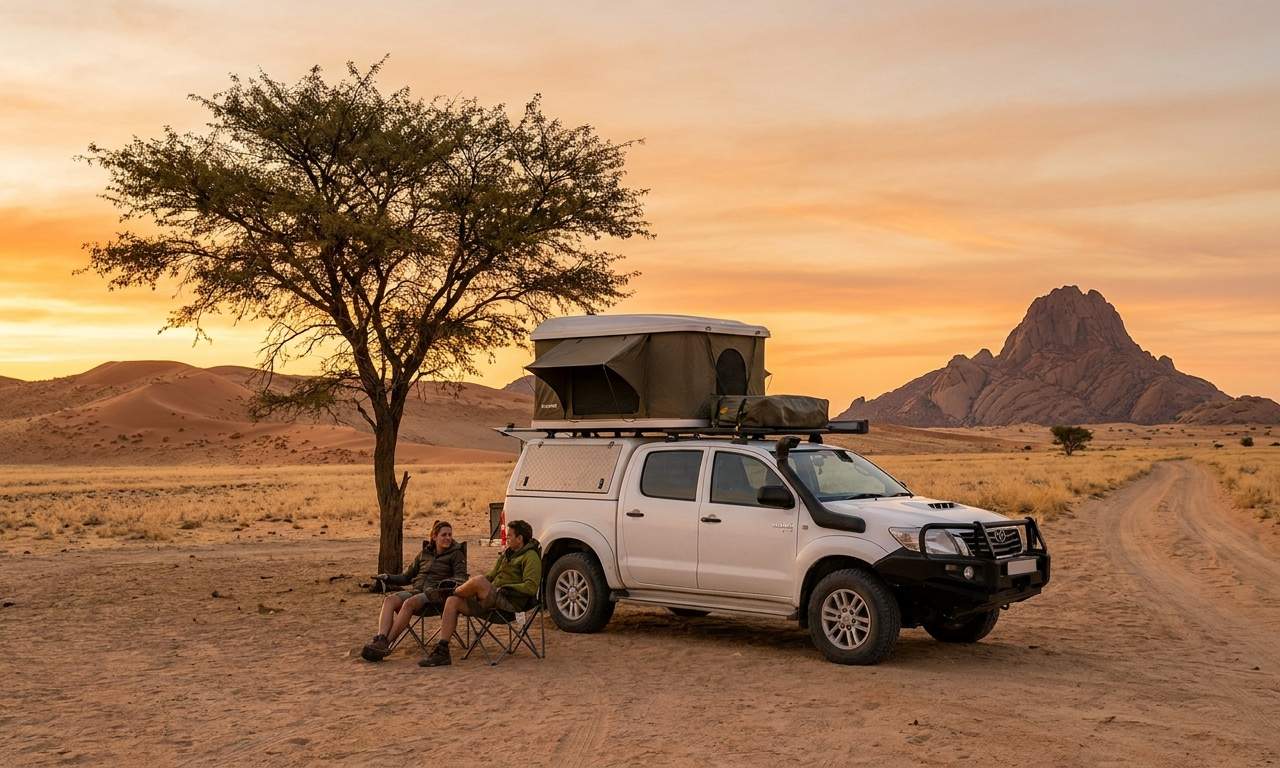
Booking your RV rental well in advance is essential for a winter adventure in Namibia, especially given that May to September is the popular peak season, ensuring you secure your preferred vehicle and dates with potential savings up to 20% by reserving 6-9 months out.
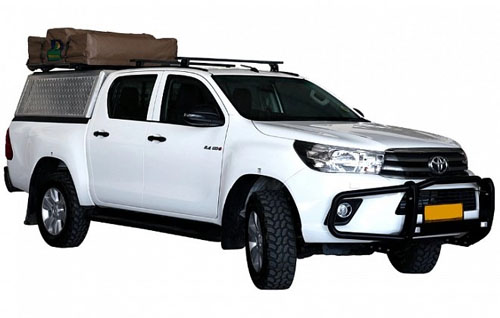
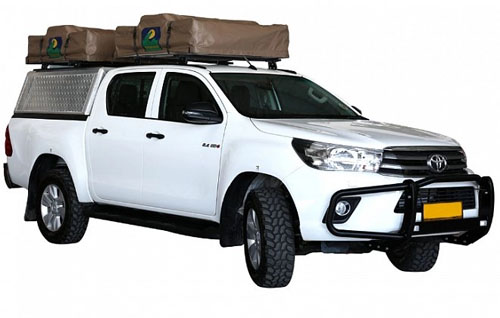
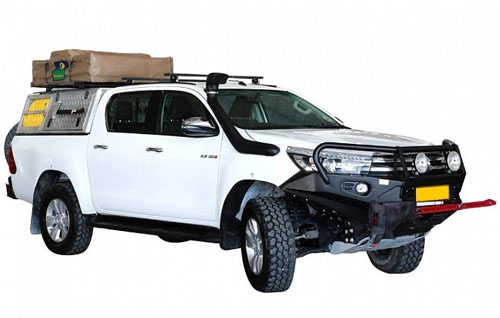
- **Opt for a 4x4 campervan or motorhome:** Many prime campsites and scenic routes in Namibia are accessed via gravel and dirt roads, making a 4x4 vehicle like the "Patagonia Camper 4x4 double cab" a highly practical choice for enhanced accessibility and comfort.
- **Pack versatile layers of clothing:** While days are typically mild and sunny, with temperatures between 20-25°C, winter nights in Namibia can drop to freezing temperatures (0°C or below), particularly in desert areas like Sossusvlei.
- **Plan your water sourcing and storage meticulously:** Potable water access can be limited in remote regions, so a motorhome with a large fresh water tank (e.g., 80-120 liters) is crucial, and it's always wise to carry extra bottled water.
- **Familiarize yourself with Namibia's gravel road network:** Over 80% of Namibia's roads outside major towns are gravel; learn appropriate speeds (typically 60-80 km/h) and practice tire management, such as slightly deflating tires to 1.8-2.0 bar for improved traction.
- **Secure national park permits and campsite bookings early:** Popular national parks like Etosha often require permits and pre-booked campsites during winter, although many national/state parks reserve 25-30% of spots for first-come, first-served arrivals; always call ahead before driving long distances.
Before You Book - Class, Dates, Insurance
Choosing the right RV class for winter RV rental in Namibia is crucial, with 4x4 campers or motorhomes being highly recommended for navigating diverse terrain, especially considering the extensive gravel road network.
Winter (May to September) is Namibia's peak travel season due to its mild, dry temperatures (averaging 20-25°C during the day) and excellent wildlife viewing opportunities as animals congregate around diminishing water sources, making it essential to book your RV and campsites several months in advance to secure availability and potentially better rates, potentially saving up to 20% with a 6-9 month lead time. While spontaneous travel is possible, remember that many national and state parks reserve 25-30% of their spots for same-day arrivals; if the first campground is full, you'll likely find a spot at the next one. Just call ahead before driving.
Regarding insurance, basic coverage is always included with your rental; to see prices incorporating the most comprehensive protection, select that option during your search, and all relevant insurance choices will be displayed. Bandana RV values full transparency, ensuring you understand all costs upfront, with no hidden fees or surprises. You can also upgrade to a top-level deductible for extra peace of mind, an optional add-on that offers superior protection for your adventure. Carefully review insurance policies to understand coverage for off-road driving, tire damage, and recovery services, which are pertinent for Namibian conditions and can protect against unexpected expenses. Our extensive network includes direct partnerships with over 50 leading RV suppliers worldwide, including trusted names like Apollo and Britz, giving you a wide range of vehicles and insurance options to compare.
Pre-Trip Prep - Packing Checklist for Namibia
A comprehensive packing checklist for Namibia ensures you are prepared for varied conditions and self-sufficient travel, particularly during the winter months when temperatures fluctuate significantly.
Consider the significant temperature fluctuations between day (up to 25°C) and night (dropping to 0°C or below in some areas) during the Namibian winter; pack versatile layers, including warm jackets, hats, gloves, and thermal wear for evenings, alongside light, breathable clothing for sunny days. Essential items include not just personal gear but also provisions for vehicle maintenance and navigation, such as a basic tool kit, tire pressure gauge, first aid kit, and sun protection (high SPF sunscreen, wide-brimmed hats, sunglasses) due to Namibia's intense sun exposure. Always keep important documents like passports, an International Driving Permit (recommended but not always mandatory for visitors from English-speaking countries), driving licenses, and RV rental agreements readily accessible, as they may be required at checkpoints or park entries. For cooking hearty meals in your rented motorhome, don't forget staples like non-perishable foods, spices, and a copy of your RV-friendly recipes playlist for inspiration.
On the Road - Driving, Fueling, Navigation
Navigating Namibia's diverse landscapes requires specific considerations for driving, fueling, and navigation, as over 80% of main routes outside of towns are gravel roads.
Driving on Namibia's extensive gravel roads is common; reduce your speed significantly (aim for 60-80 km/h), maintain a safe following distance of at least 50 meters to minimize dust, and be aware of corrugations and potential wash-outs that can affect handling. While some roads are paved, larger Class C motorhomes, like the "cruise america rv rental example Explorer" (7.1m length), require careful attention. Fuel stations can be sparse in remote areas, necessitating careful trip planning to refuel at regular intervals; for example, the "Patagonia Camper 4x4 double cab" features ample fuel capacity, but carrying an extra jerry can (20 liters) is highly advisable if venturing off main routes or on longer stretches like the C14. Utilize offline maps (such as Maps.me or Google Maps offline) or a reliable GPS system, as mobile network coverage can be limited outside major towns, and a local SIM card (MTC is popular) for towns is recommended for connectivity. Always be vigilant for wildlife on and beside the roads, particularly at dawn and dusk, to enhance safety and prevent encounters; slow down immediately if you spot animals. Drive slowly and carefully, and you can drive almost anywhere without issues. No need to stress - just use common sense and pay attention.
At the Campground - Setup, Hookups & Etiquette
Setting up your RV at Namibian campgrounds typically involves selecting a designated spot, leveling your vehicle, and connecting to available services, with most established sites offering basic amenities.
The standard hookup order includes connecting power first, then water, and finally setting up waste disposal if full hookups are present; many campsites, particularly in national parks, offer non-powered sites, so a self-contained Class B campervan like the "rv rental denver example Category Van" with a good battery system is invaluable. Campsite etiquette in Namibia emphasizes quiet hours, generally from 9 PM to 6 AM, respecting fellow campers and the tranquil natural environment. Practice responsible waste management by utilizing designated bins and ensuring all refuse is properly secured, especially from curious wildlife like jackals, and dispose of greywater and blackwater only at designated dump stations. Be mindful of water conservation, as water is a precious resource in Namibia's arid climate; take shorter showers and use water sparingly. For finding campsites and campgrounds during your trip, we recommend using RV PLANET (rvplan.net) - a great resource for locating available spots along your route and tracking your RV PLANET routes expenses. On the routes offered through RV PLANET routes, you can itemize and track every expense along the way for easy budgeting.
Winter RV Rental-Specific Tips for Namibia
Winter RV rental in Namibia offers unique advantages and challenges, making specific preparation beneficial for a comfortable and rewarding experience.
Embrace cooler winter nights by bringing extra warm bedding, sleeping bags, and potentially a hot water bottle, as temperatures can drop significantly to 0°C or below in desert areas, even if your rented motorhome has a heater. Take advantage of the clear, dry winter air for exceptional stargazing, as Namibia boasts some of the darkest skies globally, particularly in areas like the NamibRand Nature Reserve. Plan your daily routes considering shorter daylight hours, allowing ample time for driving and campsite setup before sunset, which can happen as early as 6:00 PM during mid-winter. Enjoy optimal wildlife viewing opportunities during winter, as animals congregate around waterholes in Etosha National Park and vegetation is less dense, making them easier to spot from your vehicle. Remember to carry sufficient fuel and water, as some remote routes may not have services for stretches of 200-300 km.
Common Mistakes to Avoid in Namibia
Avoiding common mistakes can significantly enhance your RV adventure in Namibia and ensure a smoother, more enjoyable extended road trip.
Instead of underestimating distances and driving times, factor in slower speeds on gravel roads (often 60-80 km/h) and allow extra travel time between destinations; a 200 km journey on gravel can take 3-4 hours, not accounting for stops. Rather than neglecting water planning, consistently monitor your rented RV's water tank levels (a Class C motorhome like "cruise america rv rental example Explorer" has an 82-liter fresh water tank) and plan stops at towns or established campsites for refills, especially for a two-week adventure. Instead of skipping thorough vehicle preparation, ensure your RV is serviced, tires are in good condition (with proper pressure for gravel), and you have essential recovery gear (shovel, tow strap, basic tools) and at least one, preferably two, spare tires. Instead of overlooking local customs and etiquette, engage respectfully with communities, ask permission before taking photos of people or their property, and learn basic greetings in local languages like Afrikaans or Oshiwambo. Rather than relying solely on mobile data, download offline maps and consider a satellite phone or Starlink for emergency communication in remote areas where network coverage is unreliable. Bandana RV offers expert pre-booking comparison and post-booking coordination to help you prepare thoroughly.
Is the water safe to drink in Namibia?
Tap water in major towns and cities across Namibia, such as Windhoek, Swakopmund, and Walvis Bay, is generally considered safe to drink; however, for RV travel in remote areas, supplementary measures are advisable due to varying infrastructure.
It is recommended to carry sufficient bottled water or use a reliable water purification system, such as filters or purification tablets, especially when sourcing water from boreholes or less-developed sites often found in more secluded campsites. Many established campsites and lodges provide potable water, but confirming its drinkability upon arrival is always a good practice, asking local staff for guidance. Adequate water storage capacity in your rented RV, such as the 100-liter fresh water tank found in some Class B campervans, is essential, given that fresh water refills can be infrequent on longer routes through arid regions; planning ahead for water stops is crucial.
What safety protocols should RV travelers follow in Namibia?
RV travelers in Namibia should adhere to specific safety protocols to mitigate risks associated with wildlife, road conditions, and personal security, ensuring a safe and enjoyable journey.
Always maintain a safe distance from wildlife, never feed animals, and secure all food items in your RV, especially in unfenced campsites within or near national parks like Etosha, where animals roam freely. On Namibian roads, particularly the extensive gravel surfaces, reduce your speed, drive defensively, and be cautious of corrugations, dust plumes, and potential wash-outs; always travel with headlights on for visibility. For personal security, always lock your rented RV doors, especially at night or when leaving the vehicle, and avoid displaying valuables prominently; choose reputable, secure campsites for overnight stays, and inquire about local safety conditions in more remote regions. Carry a fully stocked first-aid kit, know emergency contact numbers (10111 for police, 112 for medical emergencies), and consider a satellite communication device for areas without mobile reception, as network coverage can be sporadic outside major population centers. Bandana RV provides transparent information and is with you before and after booking to help with preparations.
How do you navigate Namibia's extensive gravel roads?
Navigating Namibia's extensive gravel road network effectively requires specific driving techniques and preparation to ensure safety and prevent vehicle damage on the country's mostly unpaved routes.
Reduce your speed significantly on gravel roads, generally staying below 80 km/h, as higher speeds increase the risk of losing control, especially on corrugations, which are common and can make steering difficult. Consider deflating your tires slightly (e.g., to 1.8-2.0 bar) to improve traction, absorb shocks, and enhance ride comfort, re-inflating them to standard pressures before returning to tarred roads. Maintain a substantial following distance (at least 50 meters) from other vehicles to minimize dust ingestion into your rented motorhome's engine and cabin, and to allow sufficient reaction time for sudden stops or obstacles. Be vigilant for sharp stones, unexpected potholes, and sudden changes in road surface, always carrying at least one, preferably two, spare tires and a comprehensive tire repair kit, as punctures are a common occurrence on these roads. Remember, a standard car driver's license is sufficient for all motorhome classes in Namibia, so you just need to adapt your driving style.
What are the day-to-day logistics for RV travel in Namibia?
Managing day-to-day logistics for RV travel in Namibia involves careful planning for internet connectivity, banking, fuel, waste, and local currency usage to ensure a smooth extended road trip.
For internet connectivity in remote areas, purchasing a local SIM card (e.g., MTC) in major towns like Windhoek or Swakopmund is recommended for mobile data, though coverage can be spotty; satellite communication devices like Starlink or a satellite phone offer more reliable options for emergency communication. Banking is primarily done in Namibian Dollars (NAD), which is pegged to the South African Rand (ZAR) at a 1:1 ratio, meaning both currencies are accepted interchangeably; ATMs are available in towns, but carrying some cash (NAD or ZAR) is wise for smaller establishments, remote purchases, or national park entry fees. Fuel availability requires careful planning, as stations can be widely spaced (sometimes over 300 km apart); always refuel when possible, track your consumption, and some RVers opt to carry extra jerry cans for peace of mind, especially if exploring routes like the "RV Driving Deals in Namibia - Routes and Savings 2026". Waste disposal should strictly follow 'leave no trace' principles; utilize designated bins at campsites and avoid littering, especially in protected natural areas, ensuring your rented RV's greywater and blackwater tanks are emptied at proper dump stations only. Our RV PLANET routes allow travelers to itemize and track every expense, including fuel and campground fees, along the way for easy budgeting.
How can RV travelers practice responsible tourism in Namibia?
Practicing responsible and sustainable RV travel in Namibia is crucial for preserving its fragile desert environment and respecting local communities and cultural heritage.
Adhere strictly to 'leave no trace' principles: pack out all trash, dispose of greywater and blackwater at designated facilities, and minimize your footprint at campsites by staying on marked areas. Conserve water and energy diligently, as these are precious resources in Namibia's arid climate; take shorter showers, switch off lights when not needed, and avoid excessive generator use, especially during quiet hours. Respect wildlife by observing from a distance, never feeding animals (which can alter their natural behavior and diet), and ensuring your rented RV doesn't disturb their natural habitats, especially in national parks. Support local economies by purchasing crafts, produce, or services directly from local vendors, respecting cultural norms, and always asking permission before photographing people or private property. Traveling slowly, averaging max 100-150 km per day, allows you to truly feel the place, connect to the culture, the food, and the scenery, fostering a more profound and respectful travel experience.
What specific RV features are crucial for Namibian conditions?
For optimal RV travel in Namibia, certain vehicle-specific features are crucial to handle the challenging terrain and remote conditions, especially for those seeking an authentic adventure.
A robust 4x4 drive system is paramount for navigating Namibia's extensive gravel roads, sandy tracks in areas like Sossusvlei, and potential rough terrain encountered in national parks and remote areas, making a Class B campervan with 4x4 capabilities a wise choice. Adequate water tank size (e.g., 80-120 liters, like the "cruise america rv rental example Explorer" with its 82-liter fresh water tank) and dual fuel tanks or extra jerry can capacity are vital for self-sufficiency between towns and water points, which can be hundreds of kilometers apart. High ground clearance and durable all-terrain tires (with at least two spares) are essential to mitigate punctures and undercarriage damage from rough roads. A reliable dual battery system with solar charging capabilities ensures sustained power for refrigeration, lighting, and charging devices, critical when wild camping or at non-powered sites, allowing for more flexibility in your journey. Essential recovery gear, including a shovel, tow strap, and basic tools, is highly recommended for unexpected situations on remote tracks, ensuring you're prepared for any adventure. Looking for more premium options? Our Luxury RV Rental in Namibia - Premium Prices 2026 guide can offer insights into top-tier vehicles.
What permits and regulations are required for RV travel in Namibia?
RV travelers in Namibia must be aware of and secure various permits and adhere to specific regulations, particularly for accessing national parks and certain exclusive driving routes.
Entry permits are required for all national parks (e.g., Etosha National Park, Namib-Naukluft Park, Fish River Canyon) and can be obtained at park gates or through the Ministry of Environment, Forestry and Tourism offices in major towns like Windhoek or Swakopmund; it's advisable to secure these in advance during peak season. Some exclusive driving routes, such as the Skeleton Coast or the Welwitschia Drive within Namib-Naukluft Park, may require special permits or guided access, which should be arranged well in advance through local tour operators or the Ministry, as they are strictly controlled for conservation. Camping within national parks often requires pre-booking and permits, as 'wild camping' outside designated areas is generally prohibited and can result in significant fines; always use official campsites or designated overnight spots. Always carry your RV rental agreement, your standard car driver's license (no special license or CDL is required for any motorhome class in Namibia), your passport, and copies of all necessary permits, as officials may request them at various checkpoints along your route. There are no toll roads in Namibia, simplifying driving logistics for a rented camper or motorhome.
What health and wellness considerations are important for RV travel in Namibia?
Prioritizing health and wellness is essential for RV travel in Namibia, requiring preparation for medical access, environmental factors, and disease prevention to ensure a comfortable and safe adventure.
While major towns like Windhoek and Swakopmund have medical facilities, access in remote areas is limited, so plan your route to consider potential emergency stops and carry a comprehensive first aid kit stocked with essentials for minor injuries, snake bite kits, and any personal medications. Protect against intense sun exposure by using high-SPF sunscreen (at least SPF 30), wearing wide-brimmed hats and sunglasses, and staying well-hydrated with plenty of water, as Namibia's dry climate can lead to rapid dehydration. Consult your doctor about recommended vaccinations (e.g., Hepatitis A, Typhoid, Tetanus) well before your trip and discuss malaria prophylaxis if traveling to high-risk areas in the far north (Kunene, Kavango, Zambezi regions), especially if extending your trip beyond the dry winter season into the fringes of the rainy season. Utilize insect repellent, sleep under mosquito nets if available (especially in northern regions), and cover exposed skin during dawn and dusk to prevent mosquito bites, even in lower-risk areas. Maintaining proper hygiene in your rented motorhome, such as regular hand washing and using hand sanitizer, helps prevent common travel illnesses. We handle the details from day one until your booking is confirmed, so you can focus on your health and enjoying the journey.
How can RVers engage with local culture in Namibia?
RV travelers can meaningfully engage with local culture in Namibia by moving beyond mere sightseeing to embrace genuine interactions and respectful participation, fostering a deeper connection with the country.
Learn a few basic greetings in local languages like Oshiwambo or Afrikaans; a simple 'Moro' (good morning) or 'Dankie' (thank you) can open doors to friendly exchanges and show respect for the local people. Support local communities by purchasing crafts, produce, or services directly from artisans and small businesses, rather than solely relying on larger tourist outlets, which helps contribute directly to their livelihoods. Always ask for permission before taking photographs of people, respecting their privacy and cultural norms; an offer to share the photo via email or a print can be a kind gesture that builds trust. Consider visiting cultural villages or community-run initiatives that offer authentic insights into traditional lifestyles, such as those near Twyfelfontein or in Damaraland, ensuring your visit directly benefits the local population and offers an educational experience. Traveling slowly, aiming for a maximum of 100-150 km per day on average, allows you to take time to feel the place, connect to the culture, the food, and the scenery, fostering more meaningful interactions along your route.
Top Cities for RV Rental in Namibia
Namibia offers several key cities as excellent starting or ending points for your motorhome adventure, each providing access to different regions and attractions.
- Windhoek: As Namibia's capital and largest city, Windhoek is the primary hub for RV rentals, offering the widest selection of motorhomes and campervans. It's an ideal starting point for exploring the central highlands, Etosha National Park to the north, or the Kalahari Desert to the east. Many international flights arrive at Windhoek - Airport (Hosea Kutako International Airport), making pickup convenient.
- Swakopmund: This charming coastal town, known for its German colonial architecture and adrenaline activities, is a popular destination and a convenient pickup/drop-off location for exploring the Skeleton Coast and the Namib Desert. Swakopmund - Airport also offers regional connections.
- Walvis Bay: Namibia's main port town, just south of Swakopmund, is another option for RV rentals, especially if your itinerary focuses on the coastal region, its abundant birdlife, and the unique Sandwich Harbour. Walvis Bay - Airport is well-connected for domestic flights.
When planning your trip, consider options for One-Way RV Rental in Namibia - Price Guide 2026 between these cities for added flexibility, though drop-off fees may apply. For those looking for more budget-friendly travel, our Cheap RV Rental in Namibia - Budget Guide 2026 offers great advice.
What You Shouldn't Miss
- Etosha National Park: Witness incredible wildlife congregating around waterholes, especially during the dry winter months, from the comfort and safety of your rented RV. Stay at floodlit camps like Okaukuejo for nocturnal viewing.
- Sossusvlei & Deadvlei: Marvel at the towering red dunes of the Namib Desert, some of the highest in the world, and explore the ancient, fossilized trees of Deadvlei. Sunrise and sunset here are unforgettable.
- Skeleton Coast: Experience the haunting beauty of this wild coastline, scattered with shipwrecks and seal colonies. Remember that special permits are required for certain sections.
- Fish River Canyon: Hike or simply admire the breathtaking vistas of Africa's largest canyon, a geological wonder that offers dramatic landscapes and stunning photo opportunities.
- Damaraland & Twyfelfontein: Discover ancient rock engravings and desert-adapted elephants in this rugged, culturally rich region. Twyfelfontein is a UNESCO World Heritage site with thousands of rock carvings.
🎬 Video coming soon
Looking for expert insights from Avi Bandana? Top 5 Adventures - recommendations from Avi Bandana
Final Thoughts
Winter RV travel in Namibia offers an extraordinary opportunity to explore one of Africa's most stunning and diverse countries. From dramatic desert landscapes to abundant wildlife, and clear, star-filled skies, a rented motorhome or campervan provides the perfect blend of adventure and comfort. Remember to travel slowly, averaging no more than 100-150 km per day, allowing yourself to truly connect with the culture, the food, and the breathtaking scenery that Namibia offers.
With careful planning and the right advice, your winter RV adventure in Namibia can be an unforgettable journey. We at Bandana RV are here to support you every step of the way, ensuring full transparency, personalized service, and peace of mind. We truly believe God is in the small details, and we take care of them, making all the difference in your travel experience.
So, get inspired for your next trip! Discover top destinations, planning tips, all in one place, and plan a trip itinerary in advance with minimal effort and maximum enjoyment. Your Namibian winter adventure awaits.