In This Guide
- Can You Drive an RV in Namibia? License & Age Rules
- Road Conditions & Terrain in Namibia
- RV Size Limits, Bridges & Restricted Zones
- Fuel: Diesel vs. Petrol & Cost per 100 km
- Tolls, Vignettes & Border Rules
- Driving Tips for RV Rental Deals Travelers
- Recommended RV Class for Namibia Roads
- Should I Choose a Compact Van Instead of a Large RV in Namibia?
- Can I Park Anywhere? Free & Wild Camping Rules in Namibia
- Can I Drive an RV Into the City Center? Heights, Tunnels & Local Signage
- What RV Maintenance and Troubleshooting Tips are Essential for Namibia?
- What are RV Safety Tips for Driving in Namibia?
- How Do RVers Manage Water, Food, and Waste in Namibia's Desert?
- What Should I Pack for an RV Trip in Namibia?
- How Can RVers Stay Connected in Remote Namibia?
- What are Eco-Conscious RV Travel Tips for Namibia?
- How Can RV Travel Facilitate Cultural Immersion in Namibia?
- What You Shouldn't Miss
- Why Book with Bandana Caravan
- Final Thoughts
- Frequently Asked Questions
Can You Drive an RV in Namibia? License & Age Rules
Most international driving licenses are valid for driving a rental RV in Namibia for up to 90 days, provided they are in English or accompanied by an International Driving Permit (IDP). A standard car driver's license (Class B or equivalent) is generally sufficient for operating all motorhome classes, including Class A, Class B, and Class C vehicles, as no special license or CDL is required. Drivers must typically be at least 21 years old to rent an RV in Namibia, with many suppliers requiring a minimum of two years' driving experience. Importantly, Bandana Caravan does not impose young driver surcharges or vehicle class restrictions based on age, ensuring full transparency in your rental process. For live availability and current prices, start with our RV Rental Namibia - Complete Guide 2026 guide. An International Driving Permit (IDP) is highly recommended for visitors from non-English speaking countries to ensure smooth interactions with local authorities, though it is not strictly mandatory in all cases. We believe in full transparency, which means clarifying all requirements upfront so you have no surprises when planning your trip. For those considering cross-border adventures, it's always wise to confirm specific requirements for each country, but within Namibia, a valid standard license, combined with an IDP if your license isn't in English, is usually all you need to begin your incredible RV journey.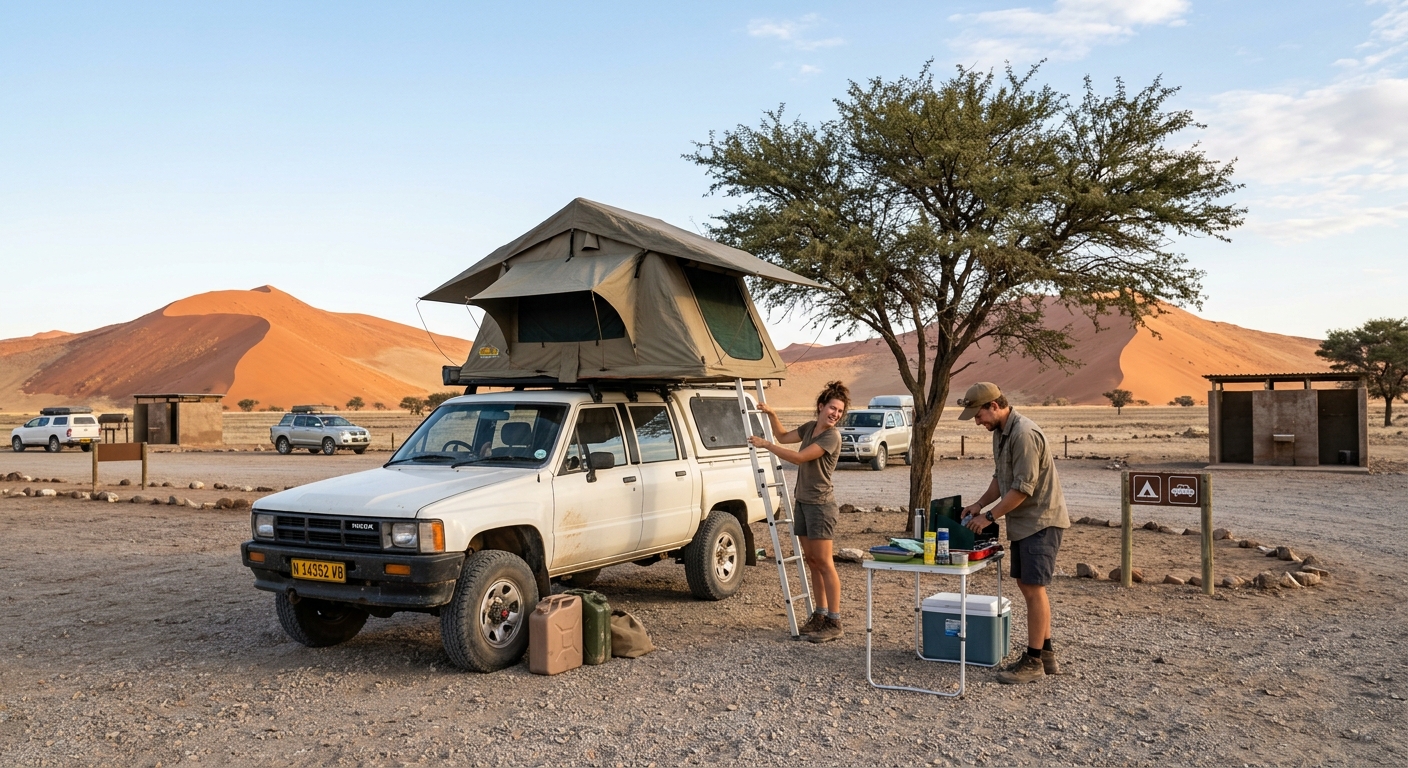
Road Conditions & Terrain in Namibia
Namibia's road network features well-maintained tar roads (B-roads) connecting major centers, complemented by extensive gravel roads (C- and D-roads) leading to national parks and remote attractions. While tar roads are generally excellent for rented RV travel, gravel roads vary significantly in quality, ranging from smooth to heavily corrugated, sandy, or rocky, necessitating slower speeds and increased caution. Expect to encounter diverse terrains, including vast desert landscapes, rocky mountain passes, and open savannahs, all of which are best navigated with a relaxed, scenic driving approach, averaging 100-150 km per day to truly appreciate the scenery. We always recommend slow travel in Namibia to immerse yourself in the unique environment. Rented RV drivers should be prepared for potential tire punctures on gravel roads, so checking tire pressure regularly and having spare tires is essential. Remain vigilant for wildlife, particularly antelopes, warthogs, and even elephants, which can cross roads unexpectedly, especially during dawn and dusk. Driving a rented motorhome here is an adventure that requires attention and common sense, but the rewards of exploring these landscapes are immeasurable.RV Size Limits, Bridges & Restricted Zones
Namibia generally imposes no specific height or weight restrictions that would prevent standard rental RVs or motorhomes from accessing most public roads and tourist routes. Low bridges are uncommon on major routes and in urban areas; however, drivers should always be aware of their rented RV's dimensions, particularly height, when entering fuel stations, campsites, or any potentially restricted areas like underground parking. No need to stress about size restrictions – just use common sense and pay attention. You'll find that even larger Class C motorhomes, like the `cruise america rv rental example Explorer` with a length of 7.1 meters, can comfortably navigate most of Namibia's accessible areas. Environmental zones are predominantly found within Namibia's national parks, such as Etosha and Namib-Naukluft, where specific entry permits, conservation fees, and strict adherence to park regulations (e.g., staying on designated roads) are mandatory. These fees contribute to the protection of Namibia's incredible natural heritage. Ferry limits are not a relevant concern for RV travel in landlocked Namibia, as river crossings typically involve bridges rather than ferry services. For a detailed look at various rental options, including vehicle types and pricing, consult our "RV Rental in Namibia - Prices and Best Deals 2026" guide.Fuel: Diesel vs. Petrol & Cost per 100 km
The majority of RVs and campervans available for rent in Namibia, including those in Bandana Caravan's global fleet, operate on diesel fuel, which is widely available at service stations throughout the country. Based on our global fleet averages, a Class SI - Semi-integrated RV typically consumes 10-11 Liters/100 km, a Class B - Camper Van averages 8-10 Liters/100 km, and a Class C - Alcove RV uses 10-12 Liters/100 km. While fuel prices in Namibia are regulated, they can fluctuate, so budgeting for approximately 10-12 Liters per 100 km for a rented RV, multiplied by the current fuel cost, will provide a realistic estimate for your trip expenses. It is highly recommended to refuel at every opportunity, especially before embarking on long stretches through remote areas where service stations can be hundreds of kilometers apart. Some Class C motorhomes, such as the `C-30`, come with a generous 208 Liter fuel tank, offering excellent range. This proactive approach helps ensure a smooth journey and avoids unexpected delays in the vast Namibian landscapes. When you plan your route with RV PLANET routes, you can itemize and track every expense, including fuel, for easy budgeting and no hidden fees.Tolls, Vignettes & Border Rules
Namibia does not implement a system of toll roads or vignettes for its road network, meaning RV travelers can drive their rented motorhome without paying specific road usage fees within the country. This simplifies budgeting and route planning, as you won't encounter unexpected costs for driving on major highways. However, if planning cross-border RV travel to neighboring countries such as South Africa or Botswana, be aware that these nations may have their own toll systems, road taxes, or vehicle entry fees. To cross international borders with a rented RV, you will require specific documentation, including the vehicle's registration papers, a letter of authorization from the rental company, and potentially a cross-border permit. Always confirm all necessary documentation and border crossing procedures with your RV rental provider well in advance to ensure a smooth journey and avoid potential fines or delays. For instance, to learn more about one-way options and associated costs, you might consult our "One-Way RV Rental in Namibia - Price Guide 2026" itinerary. Bandana Caravan's 24/7 support means real people are behind you before, during, and after your booking to help with such critical details.Driving Tips for RV Rental Deals Travelers
Adjusting your driving speed significantly on gravel roads is crucial to maintain control and reduce the risk of skidding, often requiring much slower speeds than on tarred surfaces. On dusty roads, maintain ample following distance from other vehicles where visibility can be severely reduced. It is important to remember that speed limits on gravel roads are typically 80 km/h, but it is often safer to drive at 60-70 km/h. Always carry sufficient emergency supplies, including extra water (at least 20 liters per person per day), an additional fuel canister, and at least two spare tires, as assistance can be far away in remote Namibian regions. Be highly alert for wildlife crossings, particularly at dawn, dusk, and night, and be prepared to stop suddenly to avoid collisions. For families or groups, plan regular stops every 2-3 hours to prevent driver fatigue and allow passengers to stretch and explore. Remember, slow travel, averaging a maximum of 100-150 km per day, allows you to truly feel the place, connect to the culture, the food, and the scenery. Our team of true RV specialists offers insights beyond just booking, ensuring you’re well-prepared.Recommended RV Class for Namibia Roads
For navigating Namibia's varied road conditions, a Class SI - Semi-integrated RV or a Class B - Camper Van from Bandana Caravan's global fleet offers an optimal blend of comfort, fuel efficiency, and adaptability. Class SI - Semi-integrated RVs, with an average length of 6.9 meters and accommodating 3-4 people, provide ample living space and robust construction suitable for both tar and well-maintained gravel roads. These models, like the `2 Berth Rover`, often feature conveniences such as showers and toilets, making them ideal for extended adventures. Class B - Camper Vans, averaging 5.8 meters in length, are highly maneuverable and more fuel-efficient (typically 8-10 Liters/100 km), making them an excellent choice for couples or small families seeking flexibility on diverse road types. An example is the `2 Berth Hi Top`, perfect for a couple. While Class C - Alcove RVs offer more sleeping capacity (average 5-8 people), their larger average length of 7.5 meters might be less comfortable on extended corrugated gravel sections, though they are perfectly suited for tar routes and provide ample space for a family RV rental.Should I Choose a Compact Van Instead of a Large RV in Namibia?
In Namibia, generally, there is no significant issue driving any RV size on main routes, with the enhanced comfort and indoor space of a larger RV often outweighing marginal gains in maneuverability from a compact van. Drive slowly and carefully, and you can drive almost anywhere without issues. No need to stress - just use common sense and pay attention. A compact campervan, such as a Class B model, proves genuinely beneficial when navigating very narrow tracks to secluded campsites or when parking in tighter urban or wilder spots. However, for extended periods of remote travel in Namibia, a larger motorhome provides superior living comfort, greater capacities for water and fuel, more storage, and better self-sufficiency features. Imagine preparing meals in a spacious kitchen after a day of exploring, a comfort often enhanced by the larger RV's amenities. Check out our RV-friendly recipes playlist for meal ideas on the go! The decision often hinges on personal preference for luxury versus agility; for many, the trade-off favors the increased amenities and capability of a larger RV for long-distance, off-grid exploration in Namibia's vast environment. For guidance on different vehicle sizes and their costs, explore "Family RV Rental in Namibia - Pricing Guide 2026".Can I Park Anywhere? Free & Wild Camping Rules in Namibia
Wild camping in Namibia is generally discouraged and often prohibited in national parks, protected areas, and on private land without explicit permission, primarily due to safety, environmental impact, and legal considerations. There are over 150 designated campsites available throughout Namibia, ranging from basic government-run sites to luxurious private lodges, offering secure overnight parking, ablution facilities, and sometimes additional amenities. These sites are the safest and most responsible choice for RV travelers, protecting both you and Namibia's fragile environment. While some remote, unfenced areas might appear suitable for wild camping, it is safest and most environmentally responsible to utilize established campsites, which also support local tourism infrastructure. Rules regarding overnight parking vary by region and land ownership; therefore, always check local regulations and follow local law before attempting to park overnight outside of a designated campsite. This approach ensures you comply with local laws and contribute positively to responsible tourism. Remember, many national and state parks reserve only 25-30% of spots for advance booking, with the rest being first-come-first-serve. Always call ahead before driving to a campground to confirm availability. For finding campsites and campgrounds during your trip, we recommend using RV PLANET (rvplan.net) - a great resource for locating available spots along your route.Can I Drive an RV Into the City Center? Heights, Tunnels & Local Signage
Yes, RVs can almost always be driven into city centers in Namibia, as major urban areas like Windhoek and Swakopmund have roads and infrastructure designed to accommodate larger vehicles. Drive slowly and carefully, and you can drive almost anywhere without issues. No need to stress - just use common sense and pay attention to your surroundings. Drivers should pay careful attention to local signage, particularly for any height restrictions that might apply to covered parking garages or specific underpasses, though these are rare for street access in Namibia. Tunnels and low bridges are not common obstacles for RVs in Namibian city centers, which makes navigating cities quite straightforward; however, always exercise caution and confirm clearance if visual cues are unclear. While environmental zones or residents-only streets are not typical in Namibian city centers, always adhere to posted parking regulations and local traffic laws to avoid fines. Renting a motorhome gives you the flexibility to explore both the wild expanses and the vibrant towns.What RV Maintenance and Troubleshooting Tips are Essential for Namibia?
Regularly checking tire pressure, including that of your spare tires, and inspecting them for cuts or damage is essential, as Namibia's gravel roads are notorious for causing punctures. Before departure, familiarize yourself with basic RV systems such as water pumps, battery management, and gas bottle changes to handle minor issues independently in remote areas. A rental RV like the `cruise america example EX-Group A` comes with features like a gas stove and fridge, making self-sufficiency easier. Carry a comprehensive basic toolkit, including items like wrenches, screwdrivers, duct tape, cable ties, and a tire repair kit for essential roadside fixes. Understand how to diagnose and potentially address common issues such as engine overheating, especially in high temperatures, minor electrical faults, or plumbing leaks. Conduct preventative maintenance checks before each leg of your journey, ensuring fluid levels (oil, water, brake fluid) are adequate and all lights are fully functional. This proactive approach ensures peace of mind and keeps your adventure running smoothly, a core part of the Bandana Caravan philosophy that 'God is in the small details'.What are RV Safety Tips for Driving in Namibia?
Always adhere to posted speed limits and significantly reduce speed on gravel roads to maintain vehicle control and minimize accident risks, especially considering the unpredictable nature of Namibian terrain. Practice defensive driving, anticipate sudden wildlife crossings, and be extra vigilant at dawn and dusk when animals are most active on the roads. For added peace of mind, you can upgrade to a top-level deductible for your RV rental. At campsites, prioritize security by keeping all doors and windows locked, utilizing any provided security measures, and being aware of your surroundings. Share your itinerary with a trusted contact, especially when venturing into remote regions, and establish a check-in schedule for peace of mind. Lastly, carry a well-stocked first-aid kit and know basic emergency procedures, including how to contact local emergency services in case of a breakdown or medical incident. Bandana Caravan is with travelers before, during, and after their booking, offering support and advice for a safe trip.How Do RVers Manage Water, Food, and Waste in Namibia's Desert?
Water management is paramount in Namibia's arid environment; always carry significantly more water than anticipated for drinking, cooking, and basic hygiene, and explore emergency purification options if necessary. Plan food procurement by stocking up in major towns like Windhoek, focusing on non-perishable items suitable for a desert climate, and utilize the rented RV's refrigeration efficiently to prevent spoilage. Many rental motorhomes, such as a typical Class C, come equipped with a refrigerator, allowing for fresh ingredients for your meals. Adhere strictly to 'leave no trace' principles for waste: pack out all trash, dispose of greywater responsibly at designated points, and use official ablution facilities for blackwater. Conserve water diligently by taking quick showers, using minimal water for dishwashing, and reusing greywater for non-potable purposes where safe and appropriate. Consider carrying a portable water filter or purification tablets for unexpected situations, though relying on pre-sourced, bottled water is generally the safest approach. Our Rent&Plan service can provide pre-planned routes that highlight resupply points and designated dump stations.What Should I Pack for an RV Trip in Namibia?
Pack versatile clothing suitable for extreme temperature fluctuations, including warm layers for cold desert nights (temperatures can drop to 0-5°C) and lightweight, breathable attire for hot days (often exceeding 30°C). Essential gear includes sturdy walking shoes, a wide-brimmed hat, high SPF 50+ sunscreen, quality sunglasses, and effective insect repellent, particularly for areas near water. For self-sufficiency with your rented camper, bring a portable air compressor (12V), a comprehensive tire repair kit, a basic toolkit, jumper cables, and a powerful flashlight or headlamp (e.g., 500 lumens). Include reliable navigational aids such as a physical map (e.g., Tracks4Africa) and a GPS device with offline capabilities, as mobile reception is often limited in remote areas. Do not forget personal medications, a comprehensive first-aid kit, and sufficient charging solutions (power banks, inverters) for all electronic devices to keep them powered throughout your adventure.How Can RVers Stay Connected in Remote Namibia?
While major towns like Windhoek and Swakopmund have mobile network coverage, remote regions of Namibia often lack reliable cell service, necessitating alternative communication methods or intentional disconnection. Purchasing a local SIM card (e.g., MTC or TN Mobile) upon arrival can provide the best possible coverage in populated areas for calls and data access. For instance, a local SIM card typically costs around N$50 ($3 USD) with various data bundle options. For truly remote travel, consider renting or bringing a satellite communication device, such as a satellite phone or a Garmin inReach, for emergency contact and basic messaging capabilities; these devices typically cost around $200-$400 to rent for a week. Many established campsites and lodges offer Wi-Fi, often for a fee ($5-$10 per hour or per day), providing opportunities to connect and communicate periodically. Embrace periods of being disconnected to fully immerse yourself in Namibia's vast, untouched landscapes and natural tranquility, a unique aspect of exploring Africa by RV.What are Eco-Conscious RV Travel Tips for Namibia?
Strictly adhere to 'Leave No Trace' principles by packing out all trash, including organic waste, and disposing of it properly at designated facilities in towns or campsites. Conserve water diligently, as it is a precious and scarce resource in Namibia's arid environment; minimize shower times (e.g., 2-minute showers) and use biodegradable soaps to protect local water sources. Your rented motorhome typically has a fresh water tank of 80-120 liters, so mindful usage is key. Always stay on marked roads and tracks to prevent damage to fragile desert ecosystems, protecting both local flora and fauna. Opt for designated campsites over unauthorized wild camping to minimize environmental impact and directly support local conservation efforts. Be mindful of noise pollution and light pollution, especially in wildlife areas, to avoid disturbing animals and preserve Namibia's pristine night skies. These practices not only protect the environment but also enhance your connection to this extraordinary land. Explore pre-planned routes on RV PLANET (rvplan.net) that highlight environmentally responsible camping locations.How Can RV Travel Facilitate Cultural Immersion in Namibia?
RV travel offers unique flexibility to visit remote villages and engage with local communities at a respectful pace, directly supporting local enterprises and artisans. Seek out authentic community-based tourism initiatives, such as guided tours of Himba villages or San bushman experiences, which are often accessible by rented RV and offer profound cultural insights into Namibia's diverse heritage. Our "RV Rental Africa - Complete Guide 2026" covers cultural considerations for the broader continent. Purchase food and crafts directly from local markets and shops, which not only provides fresh produce for your RV cooking but also ensures your spending directly benefits the local economy. Learn a few basic phrases in local languages like Afrikaans or Oshiwambo to demonstrate respect and enhance interactions with Namibian people. Always seek permission before taking photographs of individuals and approach cultural interactions with an open mind and a willingness to learn about local customs and traditions, fostering genuine connections along your journey.What You Shouldn't Miss
- **Etosha National Park:** Spend several days driving your rental motorhome through this incredible park, stopping at waterholes to witness elephants, lions, rhinos, and countless antelope species. The designated campsites inside the park offer floodlit waterholes for night viewing.
- **Sossusvlei and Deadvlei:** Experience the iconic red dunes of the Namib Desert, some of the highest in the world, and marvel at the fossilized camel thorn trees in Deadvlei. Arrive early for stunning sunrise photography from your RV.
- **Skeleton Coast National Park:** Take a guided tour or traverse permitted sections with your rented 4x4 campervan to discover shipwrecks, seal colonies, and dramatic coastal landscapes.
- **Damaraland:** Explore the ancient rock engravings at Twyfelfontein (a UNESCO World Heritage site) and search for the rare desert-adapted elephants. Many local community campsites here offer unique overnight experiences.
- **Fish River Canyon:** Visit Africa's largest canyon and the second largest in the world. Numerous viewpoints offer breathtaking panoramic vistas, perfect for a slow travel approach.
- **Swakopmund:** Enjoy the contrast of this German colonial town by the Atlantic Ocean, offering desert activities like dune boarding and quad biking, alongside charming cafes and restaurants. For direct rental options, explore "RV Rental Swakopmund - Airport 2026".
Looking for expert insights from Avi Bandana? Top 5 Adventures - recommendations from Avi Bandana.
Final Thoughts
Exploring Namibia by a rented RV is an unparalleled adventure, offering a unique blend of wild landscapes, incredible wildlife, and rich cultural experiences. From navigating its extensive gravel roads to stargazing under the darkest skies, a motorhome provides the freedom and comfort to truly immerse yourself in this remarkable country. With careful planning, a bit of common sense on the roads, and the right preparation for remote conditions, your journey will be one of unforgettable discoveries. At Bandana Caravan, we're dedicated to making your RV rental experience as seamless and enjoyable as possible. We offer full transparency in pricing, comparing options across numerous trusted suppliers, and providing support every step of the way. Let us help you unlock the magic of Namibia from the comfort of your own mobile home. Discover top destinations, planning tips, all in one place! Plan a trip itinerary in advance with minimal effort and maximum enjoyment.🎬 Video coming soon
Compare Campervan Prices for Namibia Now
On the routes offered through RV PLANET routes, you can itemize and track every expense along the way for easy budgeting.