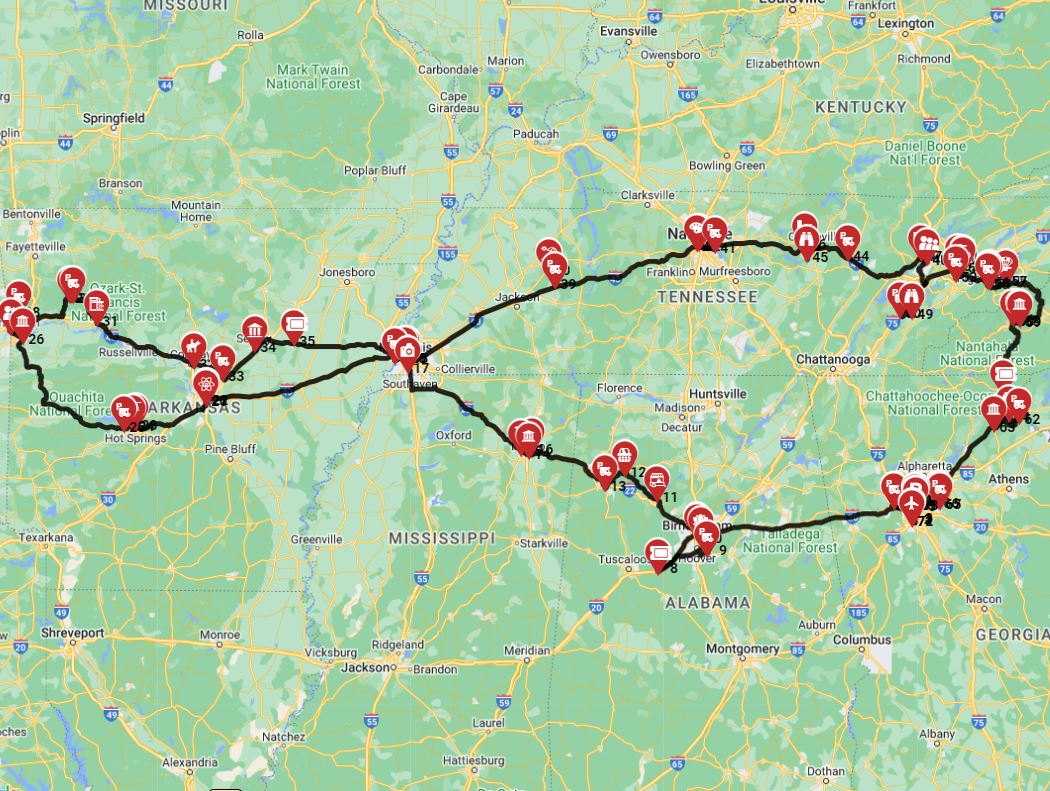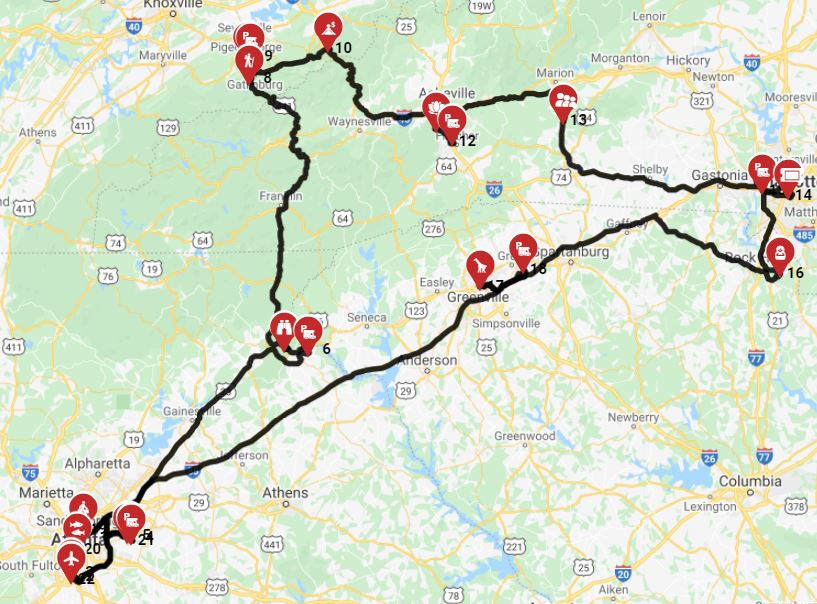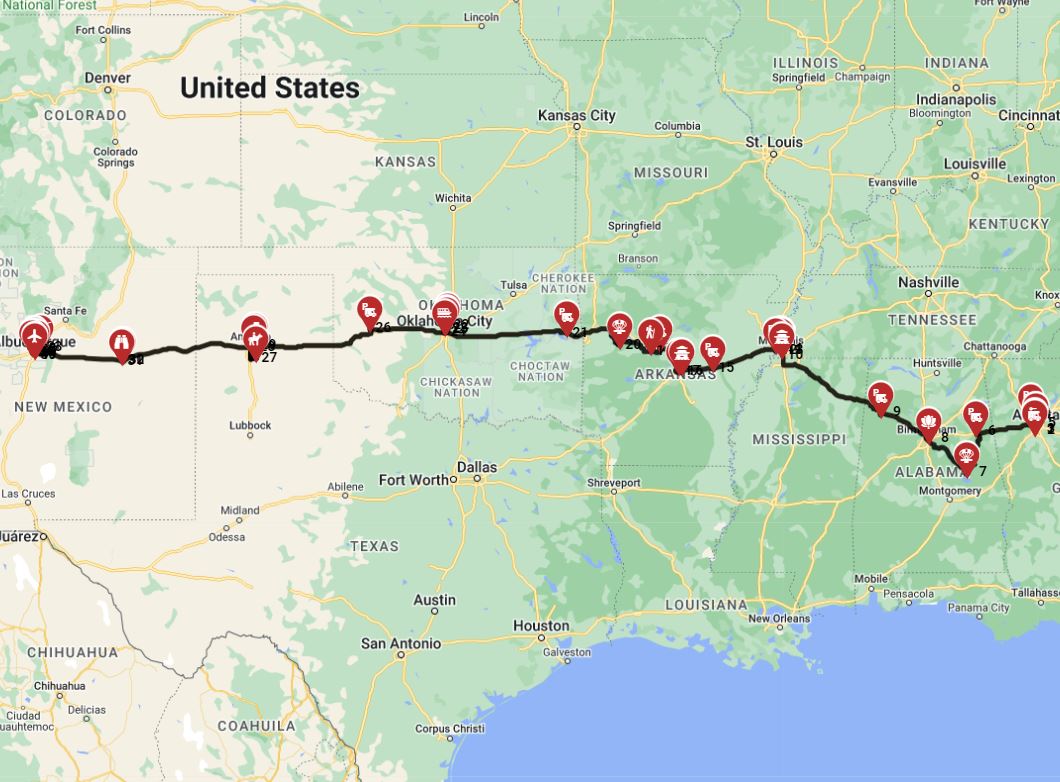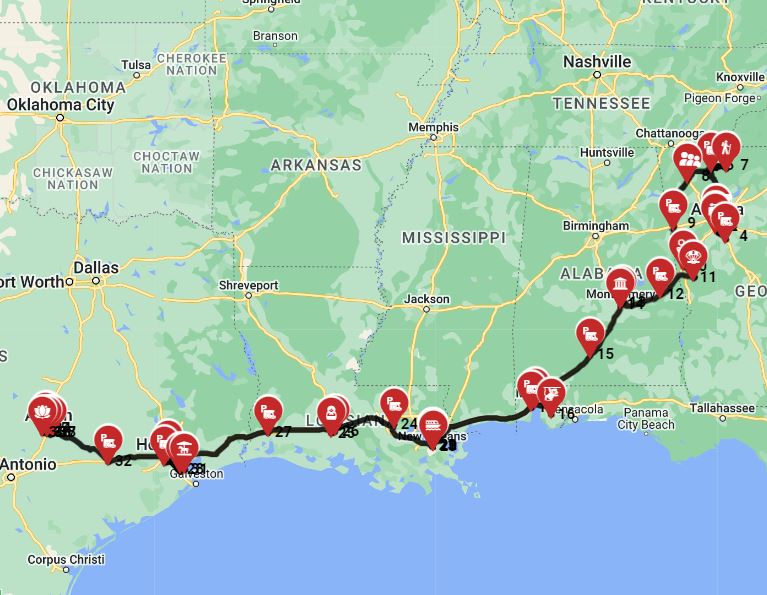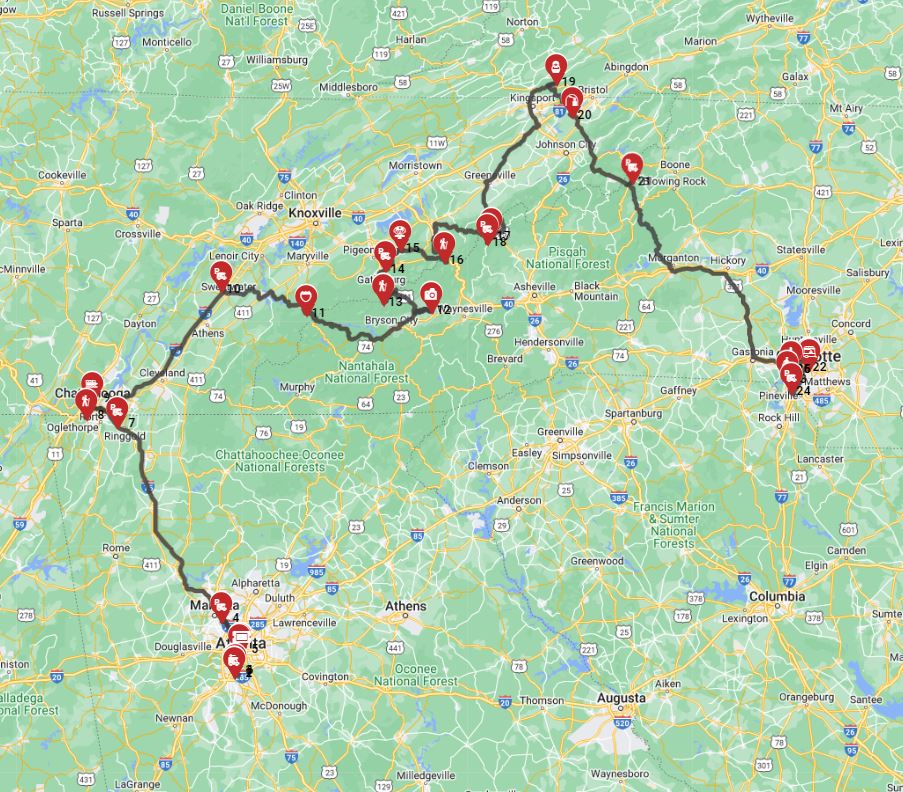
For live availability and current prices, start with our RV Rental Central South US - Complete Guide 2026 guide.
In This Guide
- Top 5 Tips for winter rv rental RV Rental in Central South US
- Before You Book — Class, Dates, Insurance
- Pre-Trip Prep — Packing Checklist for Central South US
- On the Road — Driving, Fueling, Navigation
- At the Campground — Setup, Hookups & Etiquette
- Winter RV Rental-Specific Tips for Central South US
- Common Mistakes to Avoid in Central South US
- Top Cities for RV Rental in Central South US
- Navigating Road Rules and Regulations in Central South US
- Connectivity and Emergency Services in Central South US
- What is the 3-3-3 rule for RV travel?
- What is the 4-4-4 rule for RV travel?
- What are some tips for winter RV camping?
- What is the 2 2 2 rule for camping?
- Is it cheaper to rent an RV or stay in a hotel?
- Can I rent an RV in one state and return it in another?
- What is the cheapest way to rent an RV?
- What You Shouldn't Miss
- Why Book with Bandana Caravan
- Final Thoughts
- Frequently Asked Questions
Imagine swapping frosty mornings for mild winter sun, discovering vibrant cities with fewer crowds, or exploring serene national parks under a crisp, clear sky. A winter RV rental in Central South US offers a unique way to experience the charm of states like Texas, Oklahoma, Arkansas, Louisiana, Mississippi, Alabama, Tennessee, and Kentucky. While some envision RVing solely as a summer activity, winter unveils a different kind of beauty, with cooler temperatures perfect for hiking, exploring historic sites, and enjoying local cuisine without the intense heat or peak-season rush. For live availability and current prices, start with our RV Rental Central South US - Complete Guide 2024 guide, your comprehensive resource for planning an unforgettable journey. Bandana Caravan makes it easy to compare and book the perfect motorhome for your cold-weather adventure, ensuring full transparency with no hidden fees and supportive service every step of the way.
Top 5 Tips for winter rv rental RV Rental in Central South US
Successfully navigating a winter RV rental in Central South US requires careful planning, as conditions can range from surprisingly mild to below freezing within a single trip. First, continuously monitor regional weather forecasts daily, since conditions in the Central South can fluctuate significantly, shifting from pleasant 15°C (59°F) afternoons to freezing nights near 0°C (32°F) even within short distances, requiring adaptability from travelers. Second, ensure your rented RV is properly winterized, especially safeguarding its water systems (hoses, tanks, pipes) from freezing, a frequent concern during unexpected cold snaps; ask your supplier about winter-ready features. Third, pack versatile layers of clothing to suit both warmer daytime temperatures and chilly evenings, a hallmark of the Central South's winter climate. Fourth, opt for a motorhome class with superior insulation, such as a Class C or Class A, and confirm that its propane furnace system is fully operational and adequate for the region's varying cold. Finally, maintain flexible route plans and identify alternative campground options, as some smaller parks in the Central South may operate with reduced winter hours or offer limited amenities, necessitating a quick change of plans. On the routes offered through RV PLANET routes, you can itemize and track every expense along the way for easy budgeting.
Before You Book — Class, Dates, Insurance
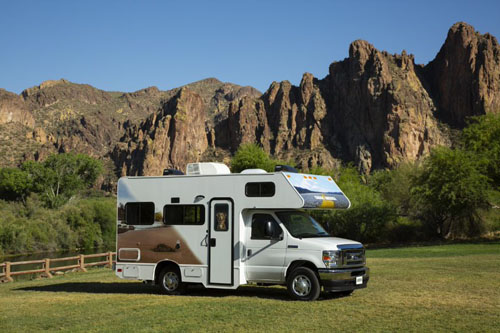
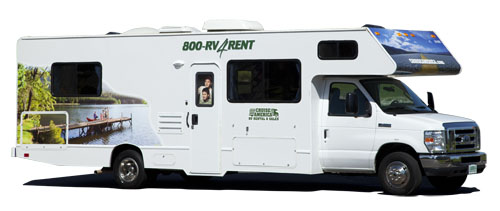
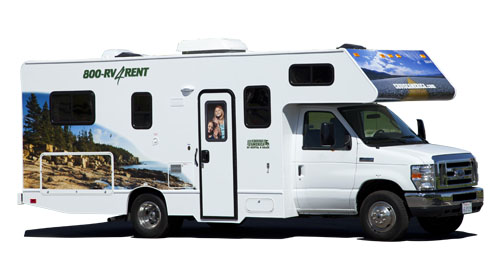
Selecting the right RV class, confirming rental dates, and understanding insurance options are crucial steps before your Central South US winter adventure. When choosing an RV class for a winter rental in the Central South US, consider a Class C motorhome for its excellent balance of comfort, ease of maneuverability, and typically better insulation compared to smaller campervans, which is ideal for colder weather. For a couple, a compact Class C like the "cruise america rv rental example Explorer" with its 82-liter fresh water tank and dedicated heating can be a perfect choice, offering ample space and amenities. Families, on the other hand, might appreciate the additional space and sleeping capacity of a larger Class C motorhome like the "MHC24," featuring multiple beds and robust heating, ensuring everyone stays cozy. Lock in your rental dates for a winter RV trip in the Central South US, especially if traveling around holidays or popular events such as Mardi Gras, several months in advance to secure availability and potentially better rates. Remember, prices are dynamic, much like airline tickets, changing daily based on demand and availability. Basic insurance is always included in your rental, but for complete peace of mind, you can upgrade to a top-level deductible reimbursement option, visible during the search process, allowing you to choose the level of protection suitable for your winter journey. Always review the rental agreement for any specific winter driving clauses or restrictions, ensuring full transparency in your booking.
Pre-Trip Prep — Packing Checklist for Central South US
A meticulous packing checklist is essential for a comfortable and safe winter RV trip through the diverse climates of Central South US. A comprehensive packing checklist for a Central South US winter RV trip includes layered clothing, essential kitchen items for preparing warm meals, safety gear like a first-aid kit and emergency roadside kit, and all necessary travel documents. Consider adding extra blankets, thermal underwear, and waterproof outerwear, as temperatures in states like Kentucky and Tennessee can drop significantly, sometimes reaching -5°C (23°F). For cooking on board your rented motorhome, a well-stocked pantry with ingredients for hearty stews and warm breakfasts is advisable; find inspiration in our RV-friendly recipes playlist. Essential kitchen items often include pots, pans, utensils, and basic spices, but confirm what your rental provider includes. Due to the Central South's varied winter climate, pack items for both mild 15°C (59°F) daytime conditions and potentially freezing nighttime conditions. Always ensure your safety and documentation are easily accessible for any unexpected situations, including an updated list of emergency contacts and roadside assistance numbers.
On the Road — Driving, Fueling, Navigation
Driving a rented motorhome through Central South US in winter requires awareness of local road conditions and careful planning for logistics. When driving an RV in the Central South US during winter, exercise caution for potential black ice on shaded roads and bridges, especially in the early morning or after precipitation, particularly in northern states like Kentucky and Tennessee. While you might drive a Class A motorhome like the "MHC30" which is approximately 9.15 meters long, with careful attention and adherence to speed limits, you can navigate almost anywhere without issues. No need to stress - just use common sense and pay attention to road signs and local advisories. Plan your fueling stops in advance, particularly in more rural parts of the Central South, as some smaller towns may have limited hours or fewer options for RV-friendly fuel stations, especially for diesel or propane, which is crucial for heating your vehicle. For navigation, download offline maps of your planned Central South US routes, as cell service can be spotty in certain scenic and remote areas like national forests or state parks, ensuring you always have reliable directions.
At the Campground — Setup, Hookups & Etiquette
Setting up your rented RV at a Central South US campground in winter involves a few specific considerations to ensure comfort and functionality. Upon arriving at your Central South US campground, always level your RV first to ensure appliances like refrigerators and heating systems function correctly and for comfortable sleeping. Connect your hookups in the correct order: first electricity (a 30-amp or 50-amp connection is common), then a heated fresh water hose (essential if freezing temperatures are possible), and finally the sewer connection, ensuring proper sealing to prevent leaks. Bring a water pressure regulator and an extra-long extension cord (25-50 feet) for flexibility. Observe campground etiquette, especially quiet hours (typically 10 PM to 7 AM), respect privacy by not cutting through other campsites, and properly dispose of all trash to maintain the natural beauty of the Central South. Be mindful of any specific rules regarding pet waste and leash requirements at Central South US parks; many parks welcome pets but require them to be leashed. For finding campsites and campgrounds during your trip, we recommend using RV PLANET (rvplan.net) – a great resource for locating available spots along your route and tracking all ancillary expenses.
Winter RV Rental-Specific Tips for Central South US
Tailoring your rented RV choice and trip style to your group's needs can greatly enhance a winter adventure in Central South US. For families renting an RV in the Central South US during winter, consider choosing a spacious Class C motorhome like the "MHC28" which often has a 160-liter fresh water tank and offers separate sleeping areas, and plan for indoor activities or visits to local museums and attractions during colder days, ensuring comfort for everyone. Seniors might prefer an easier-to-drive Class B campervan, such as the "DVC" model, equipped with comfortable, accessible beds and fewer steps, focusing on state parks known for their paved trails and visitor centers in the Central South, which are often less crowded in winter. Budget-conscious renters can save money by cooking most meals in their motorhome (a typical Class C has a 3-burner gas stove), seeking out free boondocking spots (where permitted) in national forests or BLM lands, or utilizing state parks which often offer more affordable rates than private resorts in the Central South US. Luxury RV renters can enhance their Central South US winter experience with premium add-ons like delivered groceries, extra comfortable bedding, or selecting RV resorts with spa facilities and high-end amenities, transforming a simple trip into a pampered escape. Our "Luxury RV Rental in Central South US - Premium Prices 2024" guide offers more details on these upscale options.
Common Mistakes to Avoid in Central South US
Avoiding common pitfalls ensures a smoother and more enjoyable winter RV journey across Central South US. A frequent mistake is failing to adequately monitor local Central South US weather forecasts; instead, check daily for sudden temperature drops that can lead to freezing pipes or hazardous road conditions. Weather in the Central South can be unpredictable, with temperatures sometimes swinging 15°C (27°F) in a single day. Ignoring the need for proper RV water system winterization in the Central South is another error; instead, either fully drain your water tanks and lines or use RV-specific antifreeze when temperatures are expected to drop below freezing, especially if you plan to dry camp. Underestimating propane consumption for heating during cold Central South nights can lead to running out; instead, ensure you have full tanks (a common 46 kg propane tank can last 2-3 days with moderate heating) and plan for refill locations along your route. Over-relying on cell phone service for navigation and information in the often rural Central South US can be problematic; instead, download offline maps and critical campground information before you travel. Neglecting to check campground winter operating hours or closures is a mistake; instead, confirm that your chosen Central South US campgrounds are open and have desired amenities available during your travel dates, as some parks may reduce services or close sections seasonally.
Top Cities for RV Rental in Central South US
The Central South US offers a diverse range of vibrant cities perfect for starting or exploring with your rented motorhome. Dallas, Texas, is a major hub with numerous RV rental options and serves as an excellent starting point for exploring the state's vast landscapes and rich history, including its thriving arts district. Nashville, Tennessee, known as 'Music City,' provides a lively base for country music fans and offers access to beautiful state parks like Radnor Lake State Park, ideal for quick excursions. New Orleans, Louisiana, promises a unique cultural experience with its historic French Quarter and Creole cuisine; while driving a larger RV in the city requires slow and careful navigation, parking options are available on the outskirts, and local transport can be utilized. For travelers interested in the 'RV Rental USA - Complete Guide 2024,' these cities provide excellent regional access. Memphis, Tennessee, famous for its blues music and Elvis Presley's Graceland, also offers convenient RV facilities. Little Rock, Arkansas, provides a scenic gateway to the Ozarks and Ouachita Mountains. Oklahoma City, Oklahoma, with its Western heritage and revitalized Bricktown district, is a growing RV-friendly destination. Lastly, Birmingham, Alabama, known for its civil rights history and burgeoning food scene, combined with nearby natural beauty, makes for a compelling RV stop. Each of these cities provides a blend of urban attractions and access to natural beauty, perfect for varied RV itineraries. For inspiration, check out the "RV Travel Guide to Central South US - Tips and Top Spots 2024."
Navigating Road Rules and Regulations in Central South US
Understanding the specific road rules and regulations across the Central South US ensures a smooth and legal motorhome journey. Road rules in the Central South US generally follow standard American regulations; all states drive on the right side of the road, and speed limits typically range from 70-75 mph (113-121 km/h) on interstate highways and 45-65 mph (72-105 km/h) on state roads, with lower limits in urban and residential areas. A standard car driver's license is sufficient for operating all Class A, Class B, and Class C motorhomes, as no special license, CDL, or additional permits are required for any rental RV. While an International Driving Permit (IDP) is recommended for international visitors from non-English-speaking countries, it is not mandatory in most cases, but can be helpful for translation purposes. Toll roads are primarily found in states like Texas and Oklahoma, where they are often electronic; consider purchasing a toll pass from your RV rental supplier or planning routes to avoid them. Camping laws vary by state and county; wild camping (boondocking) is generally permitted in national forests and on Bureau of Land Management (BLM) lands for up to 14 days in most areas, but always verify local regulations and look for signage. Ensure your rental motorhome meets all state inspection and safety requirements, though reputable rental companies like those partnered with Bandana Caravan handle these details proactively.
Connectivity and Emergency Services in Central South US
Staying connected and prepared for emergencies is crucial when exploring the Central South US in a rented RV. Cell service in urban areas of Central South US cities like Nashville and Houston is generally reliable across major carriers (AT&T, Verizon, T-Mobile), providing good 4G LTE and increasingly 5G coverage, but connectivity can become spotty or unavailable in remote national forests, state parks, and along scenic routes like the Natchez Trace Parkway. For consistent internet access, consider a mobile hotspot or a pre-paid SIM card from a major provider upon arrival, which can be purchased at most supermarkets or mobile stores. Emergency numbers are standardized across the entire US: call 911 for all police, fire, or medical emergencies, and be prepared to provide your exact location. It's advisable to keep a physical map as a backup to your digital navigation, especially when venturing into areas with known poor cell reception. Having an emergency roadside assistance contact number provided by your RV rental company is also vital, and Bandana Caravan offers 24/7 support for pre-booking inquiries, booking assistance, and post-booking coordination, ensuring you are well-prepared before and during the initial stages of your trip.
What is the 3-3-3 rule for RV travel?
The 3-3-3 rule for RV travel recommends limiting daily driving to no more than 300 miles (approximately 480 km), aiming to stop and set up camp by 3 PM, and staying at least 3 nights in each location. This rule is designed to promote a relaxed travel pace, allowing ample time for sightseeing and avoiding rushed setups in the dark, particularly beneficial for a winter RV trip in the Central South US where daylight hours are shorter and weather can be unpredictable. Adhering to the 3-3-3 rule can significantly reduce stress, enhance the enjoyment of your destinations like the vibrant cities or serene natural parks of Central South US, and provide more flexibility for unexpected weather changes or spontaneous explorations. Traveling slowly, perhaps an average of 100-150 km per day, truly allows you to feel the place, connect to the culture, the food, and the scenery. For longer trips, consider our "Weekly RV Rental in Central South US - Pricing 2024" guide to plan your stays effectively.
What is the 4-4-4 rule for RV travel?
The 4-4-4 rule for RV travel suggests driving no more than four hours each day, stopping and setting up your campsite by 4 PM, and staying for a minimum of four days in a single location. This approach offers an even slower and more immersive travel experience than the 3-3-3 rule, ideal for deep exploration of Central South US destinations, whether it's the historic sites of Mississippi or the culinary delights of Louisiana. Following the 4-4-4 rule can minimize driver fatigue, provide ample time to enjoy campground amenities or local attractions, and allow for flexibility in case of inclement winter weather or unexpected mechanical needs. This leisurely pace is perfect for families or retired couples who want to savor every moment of their rented motorhome adventure in the Central South, ensuring a truly relaxing escape. For those interested in extended adventures, our guide "Family RV Rental in Central South US - Pricing Guide 2024" offers options tailored for longer stays.
What are some tips for winter RV camping?
Effective winter RV camping tips include thoroughly insulating your RV, protecting all water lines from freezing, ensuring a sufficient supply of propane for heating and hot water, and packing layered clothing suitable for varied temperatures. In the Central South US, specific tips involve monitoring regional forecasts for sudden cold fronts (temperatures can drop to -5°C/23°F), using a heated fresh water hose if connecting to shore water to prevent freezing, and selecting campgrounds that offer full hookups and remain operational year-round. It's also wise to keep a small electric space heater as a backup for your propane furnace, ensure your RV battery is in good condition for cold starts, and keep emergency supplies like extra blankets and a shovel readily accessible in your rented campervan. Even in milder parts of Central South US, overnight temperatures can dip unexpectedly, so being prepared is key to a comfortable winter trip. When looking for campsites, remember that rvplan.net is a great resource.
What is the 2 2 2 rule for camping?
The 2-2-2 rule for camping recommends driving no more than 200 miles (approximately 320 km) in a day, arriving at your campsite by 2 PM, and staying for a minimum of 2 nights. This rule, a more relaxed variation than the 3-3-3 or 4-4-4 rules, is particularly helpful for families with young children or those who prefer a very slow travel pace through the Central South US. Adhering to the 2-2-2 rule allows for more time to enjoy each destination, reduce travel fatigue, and provides flexibility for unexpected stops or activities, like exploring a charming small town or lingering longer at a scenic overlook. It encourages a deeper immersion into the local culture and natural beauty, ensuring your rented motorhome trip is a true vacation, not a race. You'll find a spot; if not at the first campground, then the next one – just call ahead before driving.
Is it cheaper to rent an RV or stay in a hotel?
Whether renting an RV is cheaper than staying in a hotel for a Central South US trip depends heavily on factors such as the number of travelers, trip duration, dining habits, and the type of RV and campgrounds chosen. For larger groups (4-6 people) or extended week-long trips, a rented RV can often be more cost-effective due to significant savings on multiple hotel rooms and restaurant meals, as you can easily cook in your motorhome. The typical daily cost for a Class C motorhome in Central South US winters can range from $120-$250, plus fuel and campground fees. Conversely, for short trips or solo travelers, a budget hotel might initially seem cheaper, as RV rental costs include the rental fee, fuel, mileage charges, insurance, and campground fees. However, the flexibility to explore, the comfort of having your amenities always with you, and the ability to choose more affordable state park campgrounds often make RVing a better value, particularly when comparing to hotel costs in popular destinations. Our "RV Rental in Central South US - Prices and Best Deals 2024" guide can help you break down these costs.
Can I rent an RV in one state and return it in another?
Yes, many RV rental companies, especially larger national chains like El Monte and Cruise America, offer one-way rentals, allowing you to pick up an RV in one state in the Central South US and return it in another. For example, you could pick up a motorhome in Dallas, Texas, and drop it off in Nashville, Tennessee. One-way rentals typically incur an additional 'one-way' fee, which can vary significantly based on the distance between pickup and drop-off locations, the time of year (e.g., peak holiday season might see higher fees), and the specific rental company, usually ranging from $150-$500. It's advisable to inquire about one-way availability and associated costs early in your planning process, as these options can be limited during peak seasons or for certain RV types, like a larger Class A motorhome. Bandana Caravan transparently shows all one-way fees during the booking process, ensuring no surprises. For more details, consult our "One-Way RV Rental in Central South US - Price Guide 2024" to plan your cross-state adventure.
What is the cheapest way to rent an RV?
Finding the cheapest way to rent an RV often involves strategic booking and flexibility, especially for winter travel in Central South US. The cheapest way to rent an RV typically involves booking during the off-season, such as outside major holidays (e.g., January-February often has lower rates) in the Central South US winter, opting for smaller or older Class B campervans or Class C motorhome models, and utilizing comparison platforms like Bandana Caravan to assess prices from a wide range of suppliers like Apollo and Britz. Being flexible with your travel dates and pickup/drop-off locations can also unlock better deals, as rental companies may offer discounts for less popular times or specific routes. Additionally, look for early bird specials, last-minute deals (though availability might be limited), or long-term rental discounts for week-long or extended trips. Always factor in all potential ancillary costs, such as mileage fees, insurance upgrades, and additional amenities, when comparing prices to ensure you understand the true total cost. RV PLANET routes allow you to itemize and track every expense along the way for easy budgeting. Our "RV Rental Deals in Central South US - Latest Offers 2024" guide provides more insights into securing affordable rentals.
What You Shouldn't Miss
- Explore the Music Cities: Drive your rented RV through Nashville, Tennessee, and Memphis, Tennessee, immersing yourself in country music history at the Grand Ole Opry and blues legends on Beale Street.
- Natchez Trace Parkway Scenic Drive: Take your time on this 444-mile scenic parkway through Mississippi, Alabama, and Tennessee. With a maximum speed limit of 50 mph (80 km/h) and no commercial traffic, it's perfect for slow travel, allowing you to stop at numerous historical sites and natural overlooks.
- Texas BBQ Trail: Venture through Central Texas in your campervan, sampling authentic BBQ in Lockhart, Luling, and Austin. Winter offers cooler temperatures, making it ideal for enjoying smoky meats outdoors.
- Mammoth Cave National Park (Kentucky): Discover the world's longest known cave system. RV camping is available within the park, providing a unique base for underground exploration and above-ground hiking.
- Bayou Adventures in Louisiana: Explore the bayous and swamps around New Orleans, Louisiana, with a guided boat tour. Enjoy fresh seafood and the unique Creole culture from your rented motorhome.
- Looking for expert insights from Avi Bandana? Top 5 Adventures - recommendations from Avi Bandana
Final Thoughts
A winter RV rental in the Central South US offers a truly distinctive and rewarding travel experience. From the historic music halls of Tennessee to the sunny Gulf Coast of Texas, and the unique cultural tapestry of Louisiana, the region welcomes motorhome and campervan travelers with milder weather and fewer crowds. Remember to embrace the slow travel philosophy, dedicating ample time (perhaps 100-150 km per day) to soak in the local charm, savor delicious regional foods, and connect with the incredible scenery and people. By following our tips for preparation, on-the-road safety, and campground etiquette, you're set for an unforgettable adventure. We compare final prices across 50+ suppliers so you don't have to, making your journey from dream to reality seamless.
Don't let the thought of winter deter you; instead, let it inspire a new kind of exploration. With a rented RV, you have the flexibility and comfort to chase the sun, explore hidden gems, and create lasting memories without the hustle and bustle of peak season. We handle the details, you live the journey – personal service from day one until your booking is confirmed, ensuring a stress-free experience. Get inspired for your next trip and discover the unique beauty of winter RVing in Central South US!
🎬 Video coming soon