In This Guide
- Top 5 Tips for Winter RV Rental in Center Europe
- Before You Book - Class, Dates, Insurance
- Pre-Trip Prep - Packing Checklist for Center Europe
- On the Road - Driving, Fueling, Navigation
- At the Campground - Setup, Hookups & Etiquette
- Winter RV Rental-Specific Tips for Center Europe
- Common Mistakes to Avoid in Center Europe
- What is the 3-3-3 rule for RV travel?
- How much does it cost to rent an RV in Europe?
- What are some tips for winter RV camping?
- What is the 444 rule for RV?
- Is it cheaper to rent an RV or stay in hotels?
- Where is the cheapest place in Europe to buy a camper van?
- What do they call RVs in Europe?
- Should you leave your motorhome plugged in all winter?
- How to pack light for your trip to Europe in the winter?
- What is the 333 rule for campervan?
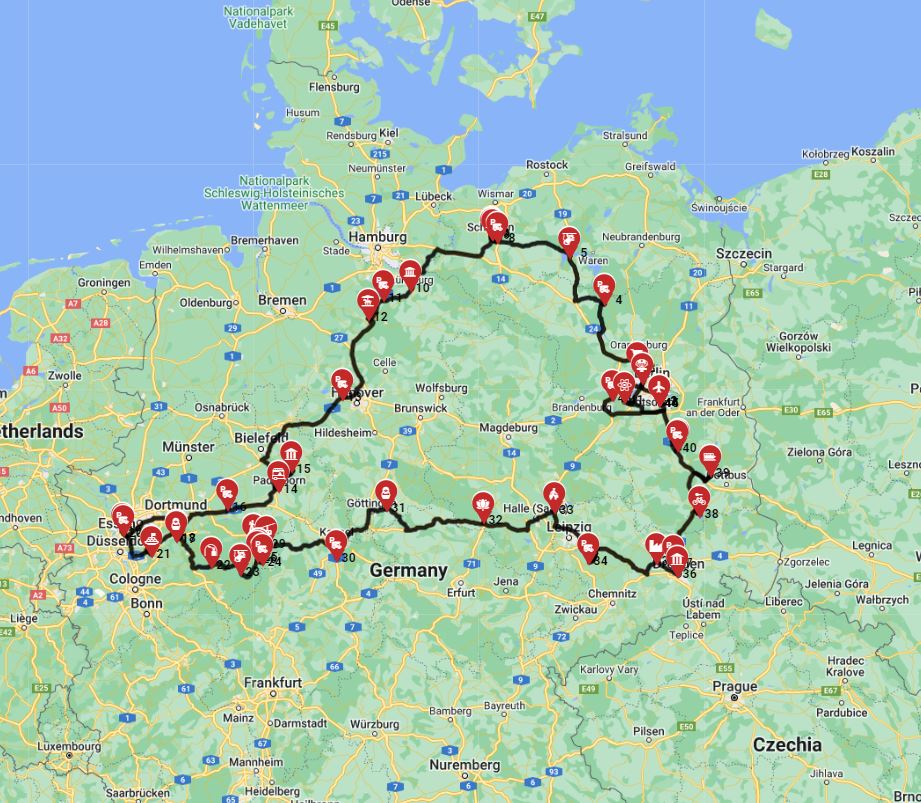
Winter RV travel in Center Europe offers a unique blend of snow-covered landscapes, charming Christmas markets, and exhilarating ski adventures, providing an unforgettable experience far from summer crowds. Exploring this picturesque region with a rented motorhome or campervan means you have a warm, comfortable base for your winter explorations, whether you're navigating the Austrian Alps or discovering historical cities like Prague or Munich. For live availability and current prices, start with our RV Rental Center Europe - Complete Guide 2026 guide.
Top 5 Tips for Winter RV Rental in Center Europe
Successful winter RV rentals in Center Europe hinge on careful preparation and understanding cold-weather nuances to ensure a comfortable and safe journey. Firstly, always ensure your rented RV is explicitly winterized, featuring enhanced insulation, robust heating systems, and specialized tires suitable for snow and ice conditions. Many modern campervans and motorhomes, such as the "Combi Van" or "EcoLine 2", come equipped with efficient diesel heating and insulated water tanks, which are crucial for maintaining comfort in sub-zero temperatures. Secondly, meticulous route planning is essential; regularly check weather forecasts and road conditions, especially when traveling through mountainous regions which can experience rapid and unpredictable changes. Remember, driving slowly and carefully allows you to navigate almost anywhere without issues, using common sense and paying attention.
Thirdly, research and book winter-friendly campgrounds or "Stellplätze" in advance, verifying they offer heated facilities, electrical hookups, and waste disposal systems that function well in cold weather. Many campsites in the Alps, for instance, specifically cater to winter guests, offering amenities designed for snowy conditions. Fourth, familiarize yourself with country-specific regulations, including mandatory winter tire laws (which often apply from November to April, as in Germany and Austria), specific speed limits for motorhomes, and required safety equipment like reflective vests and spare bulbs. Lastly, pack layers of warm, waterproof clothing, and ensure you have sufficient cooking and entertainment supplies for days when outdoor activities might be limited by weather. Cooking hearty meals inside your warm RV is a great way to enjoy the winter scenery; check out our RV-friendly recipes playlist for inspiration. For tips tailored to your specific trip, remember Bandana is a true RV specialist, focused exclusively on RV travel.
Before You Book - Class, Dates, Insurance
When selecting an RV for winter in Center Europe, prioritize models with superior insulation and powerful heating systems, with larger Class C or Class A motorhomes often providing more living space and better cold-weather amenities than smaller campervans. For instance, a 6-berth "Euro Deluxe" model or a "MH-A" motorhome with ample living area can offer greater comfort during extended indoor periods. It is wise to lock in your rental dates as early as possible, especially if your trip coincides with popular winter holidays like Christmas or New Year's, to guarantee availability and potentially secure better rates. Bandana Caravan offers full transparency in pricing, comparing options from over 50 leading RV suppliers worldwide like El Monte and Apollo, ensuring no hidden fees or surprises.
Basic insurance coverage is always included with your rental. For the most comprehensive protection, including a top-level deductible reimbursement for added peace of mind, select that option during your search on our platform. You can upgrade to a top-level deductible for extra peace of mind. Additionally, consider supplementary breakdown cover specific to Europe and verify that your standard car driver's license (which is sufficient for all motorhome classes) or International Driving Permit (recommended for non-English speakers but not mandatory in most cases) is valid for the RV's weight and class. Our dedicated specialists are with you before, during, and after your booking, providing support and guidance throughout the process.
Pre-Trip Prep - Packing Checklist for Center Europe
A comprehensive packing list is essential for a comfortable and safe winter RV trip in Center Europe, ensuring you're prepared for varying conditions and activities. Beyond your personal clothing, consider items that enhance your mobile home experience.
Clothing Essentials:
- Thermal base layers (tops & bottoms) for warmth.
- Mid-layer fleece or wool sweaters for insulation.
- Waterproof and windproof outer jacket for protection against snow and rain.
- Waterproof and insulated pants for outdoor activities.
- Warm socks (wool or synthetic) to keep feet dry and cozy.
- Waterproof winter boots with good grip.
- Hat, gloves, and scarf for crucial head and hand protection.
- Indoor slippers or warm socks for comfort inside the RV.
RV & Living Essentials:
- Basic cooking utensils and a supply of non-perishable food.
- Coffee/tea making supplies to warm up after a day out.
- Reusable water bottles to stay hydrated.
- Biodegradable dish soap and sponges for easy cleanup.
- Trash bags for waste management.
Safety & Navigation:
- First-aid kit for minor emergencies.
- Headlamps or flashlights for visibility in darker winter evenings.
- Multi-tool for various needs.
- Roadside safety kit (reflective vest, warning triangle) which is often mandatory in Central European countries.
- Compact snow shovel for clearing around your RV.
- Jump starter/cables for unexpected battery issues.
- Winter tire chains (if required for your specific route and vehicle).
Important Documents:
- Passport/ID and visas (if applicable).
- Driver's license (an International Driving Permit is recommended for non-English speakers).
- RV rental agreement and insurance documents (including your Green Card for international validity).
- Copies of all important documents, stored separately.
- Travel insurance details.
For tips tailored to your specific trip and to easily organize all your documents, consider using RV PLANET routes where you can itemize and track every expense along the way for easy budgeting. Our true RV specialists have helped tens of thousands of travelers since 2001, understanding the smallest details that make a big difference. On the routes offered through RV PLANET routes, you can itemize and track every expense along the way for easy budgeting.
On the Road - Driving, Fueling, Navigation
Driving a rented motorhome in Center Europe during winter demands careful attention to ever-changing road conditions and country-specific regulations, including strict winter tire laws and varying speed limits based on vehicle weight. In Germany, for example, winter tires are legally mandated in wintry conditions, and countries like Austria require snow chains to be carried for certain mountainous passes, with fines of up to €5,000 for non-compliance in severe cases. Always remember that you can drive almost anywhere without issues if you drive slowly and carefully, using common sense and paying attention.
Fueling up requires knowing the appropriate fuel type (diesel, often 'Winterdiesel' in colder regions, or petrol) for your rented campervan and understanding the various toll systems. These can range from physical booths to digital vignettes (e.g., Austria, Switzerland, Slovenia) or environmental zone stickers (e.g., Germany, France), which often need to be purchased in advance from border crossings, gas stations, or online. For navigation, utilize offline maps or a reliable multi-country SIM card for mobile data to access real-time traffic updates and plan routes that avoid narrow roads, low bridges, or steep alpine passes that can be challenging for larger RVs in winter. Consider reviewing "RV Travel Guide to Center Europe - Tips and Top Spots 2026" for more detailed local driving advice.
At the Campground - Setup, Hookups & Etiquette
Upon arriving at a winter campground in Center Europe, properly positioning your rented motorhome is key for comfort and efficiency, aiming for optimal sun exposure and easy departure while maintaining a respectful distance from other campers. European campgrounds, particularly in popular ski regions, often have dedicated winter pitches with reinforced electrical hookups. Connecting your hookups in freezing temperatures requires a specific order: first, secure your electrical connection to power your RV's heating system; then, attach the freshwater hose (preferably a heated one, or disconnect and drain it after each use to prevent freezing); and finally, connect the waste disposal hose, ensuring all seals are tight to avoid leaks and freezing. Many newer models like the "Adak Argonaut 21 - Gold" are designed with integrated heating for water systems.
Europe boasts a strong 'Stellplatz' culture, offering designated motorhome parking spots, often with basic amenities like waste disposal, which can be cheaper or even free compared to full-service 'Campingplatz' sites. These spots generally enforce quiet hours, typically from 10 PM to 7 AM, emphasizing respect for neighbors and shared facilities. Knowing the local etiquette contributes to a smooth and enjoyable experience, making your winter RV trip in Center Europe even more rewarding. Remember, many national/state parks reserve only 25-30% of spots; the rest are first-come-first-serve. You'll find a spot; if not at the first campground, then the next one. Always call ahead before driving.
Winter RV Rental-Specific Tips for Center Europe
Tailoring your winter RV rental in Center Europe to your group's needs ensures everyone has a comfortable and enjoyable journey. For families, choosing an RV with ample storage for bulky winter gear and dedicated sleeping areas, like a Class C "Euro Deluxe" or "MHC28" with bunk beds and sleeping capacity for 6-7 people, is crucial. Incorporate kid-friendly entertainment for longer drives, and plan nap-friendly stops to keep everyone happy. Our extensive range of family-friendly RVs is showcased in our "Family RV Rental in Center Europe - Pricing Guide 2026".
Senior travelers might prefer ergonomic RVs with easy access and automatic transmissions, prioritizing routes with less challenging terrain and easily accessible facilities for a relaxed journey. The "Active Compact Select" is an example of a smaller, maneuverable RV with automatic transmission. Budget-conscious travelers can look for opportunities for legal overnight parking at 'Stellplätze' rather than always opting for full-service campgrounds, and planning meals to cook in the RV's kitchen can significantly reduce food costs. For those seeking luxury, explore premium add-ons like high-end heating systems, larger water tanks for extended dry camping, or even delivery services for propane bottles to enhance comfort during colder nights. Our "Luxury RV Rental in Center Europe - Premium Prices 2026" guide offers insights into such options. Remember to travel slowly, averaging a maximum of 100-150 km per day, allowing time to truly feel the place, connect to the culture, the food, and the scenery.
Common Mistakes to Avoid in Center Europe
Avoiding common pitfalls can make your winter RV rental in Center Europe significantly smoother and more enjoyable. A key mistake is underestimating the specific regulatory differences across Central European countries. Instead, thoroughly research speed limits for RVs (which can vary by vehicle weight and country), mandatory safety equipment (like reflective vests, warning triangles, and first-aid kits), and, critically, winter tire requirements for each country on your itinerary. Fines for lacking proper winter tires in Germany, for example, can be substantial, upwards of €60. Bandana, founded in 2001, has over two decades of experience helping tens of thousands of travelers with such details.
Another common error is ignoring the various road toll and vignette systems. Instead, purchase required vignettes in advance at border crossings or online for countries like Austria and Switzerland, and understand environmental zone rules (e.g., Germany's 'Umweltzones' or ZTLs in Italian cities) to avoid unexpected fines. Many of these zones require special stickers or registrations, particularly for larger motorhomes. Do not neglect booking winter-friendly campsites or 'Stellplätze' ahead of time, especially during peak ski season or around popular Christmas markets, as many close for winter or have limited available spots. Always travel with a comprehensive insurance plan, ensuring your rental agreement includes European breakdown cover and checking your Green Card for international validity across the Schengen Area. Our platform provides full price transparency with no hidden fees, helping you compare final prices and coverage. Finally, carry some local currency, as smaller towns or independent campsites might not accept major credit cards.
What is the 3-3-3 rule for RV travel?
The 3-3-3 rule suggests driving no more than 300 kilometers (approximately 186 miles) a day, arriving at your destination by 3 PM, and staying at least 3 nights in one spot. This rule promotes a relaxed RV travel pace, which is particularly beneficial for winter RVing in Center Europe. Adhering to this rhythm allows more time to scout locations, settle in before dark, and adapt to changing weather conditions, enhancing safety and enjoyment by reducing stress from long drives and rushed setups in colder climates.
How much does it cost to rent an RV in Europe?
The cost to rent an RV in Europe is dynamic and varies daily, similar to flight tickets, based on availability, seasonality, and supplier marketing decisions. Typically, prices can range from €70-€150 per day for a smaller campervan during off-peak seasons, potentially increasing to €150-€300+ per day for larger motorhomes or during peak travel times like summer or major winter holidays. Winter rentals, especially outside major holiday periods, can sometimes offer more competitive pricing due to lower demand. For more details on pricing in this region, see "RV Rental in Center Europe - Prices and Best Deals 2026".
Final prices are set at the actual booking time and are influenced by the RV's size, age, rental duration, specific pickup/drop-off locations, and the inclusion of extras like unlimited mileage or enhanced insurance packages. Remember to budget for additional costs such as fuel, campground fees, road tolls (vignettes), and a security deposit. Bandana provides bookings in over 30 currencies with full price transparency, ensuring no hidden fees or conversion commissions. We recommend using RV PLANET routes to itemize and track every expense for easy budgeting.
What are some tips for winter RV camping?
Key tips for winter RV camping in Center Europe include ensuring your rented RV is properly winterized with adequate insulation and heating systems, and carrying extra propane for warmth and cooking. Plan your routes to avoid harsh weather, always checking mountain pass conditions, and confirm campgrounds are open and offer winter amenities like heated facilities, electrical hookups, and functional water/waste disposal systems. It's especially important to prevent water pipes from freezing by using a heated freshwater hose or disconnecting and draining it completely when not in use.
Keeping the RV interior consistently warm helps to avoid condensation buildup, which can lead to dampness and mold. Always have a full tank of fuel before venturing to remote campsites, as gas stations may be scarcer in winter, and be prepared for potential snow or ice by having appropriate winter tires or chains ready. Packing warm sleeping bags and blankets, even with an RV heating system, provides an extra layer of comfort and emergency preparedness. Discover top destinations and planning tips in our "RV Travel Guide to Center Europe - Tips and Top Spots 2026".
What is the 444 rule for RV?
The 4-4-4 rule for RV travel is a variation of the 3-3-3 rule, advising travelers to drive no more than 400 miles (approximately 640 km) a day, stop by 4 PM, and ideally stay for at least 4 nights in a location. This rule, similar to its counterpart, emphasizes a leisurely pace, which is highly recommended for navigating potentially challenging winter road conditions and allowing more time to enjoy destinations in Central Europe. Adhering to such guidelines helps to reduce driver fatigue, provides ample daylight for setting up camp and exploring, and encourages a deeper immersion into each location rather than rushing through, aligning with our philosophy to travel slowly.
Is it cheaper to rent an RV or stay in hotels?
Whether renting an RV is cheaper than staying in hotels depends significantly on several factors, including the duration of the trip, the number of travelers, the type of RV or hotel chosen, and the travel season. For longer trips, typically over a week, with families or groups of 4-6 people, a rented motorhome can often be more cost-effective. This is especially true when factoring in the combined costs of accommodation and transportation, plus the significant savings from cooking your own meals in the RV's kitchen compared to eating out for every meal.
In winter, while RV rental prices might be lower during certain periods, heating costs (primarily propane or diesel for RV heating) and potentially higher fuel consumption in colder weather should be considered. Hotels might offer more convenience in city centers, but can quickly become expensive for larger families or extended stays, especially in popular Central European destinations during peak events or ski season. Our goal at Bandana is to make RV travel as affordable as possible, comparing final prices across over 50 suppliers to find you the best deals.
Where is the cheapest place in Europe to buy a camper van?
While Bandana focuses exclusively on RV rentals for vacation travel, not purchases or full-time RV living, generally countries like Germany, the Netherlands, and France are considered good markets for buying used campervans due to their strong RV cultures and larger second-hand markets. These nations often have a wide selection of vehicles, robust consumer protections, and established networks for servicing. However, for a short-term winter trip to Center Europe, renting remains the most practical and cost-effective option, allowing you to avoid the complexities of registration, insurance, and long-term maintenance associated with owning a vehicle, and giving you the flexibility to choose different models like a "Group A Deluxe" or a "Knaus BoxDrive 680ME" for each adventure.
What do they call RVs in Europe?
In Europe, what North Americans commonly refer to as an RV is most often called a "motorhome" or "campervan," with distinct terms based on size and amenities. A "campervan" typically describes smaller, more compact vehicles, often conversions of commercial vans, ideal for nimble travel and fitting into tighter city spaces. A "motorhome" generally denotes larger, purpose-built vehicles offering more extensive living space, separate sleeping areas, and comprehensive facilities like full bathrooms and kitchens, such as a "MHC30" model or a "6 Berth Discovery".
Understanding these terms is helpful for searching for rental vehicles, navigating local signage for parking (e.g., "Stellplatz" or "Reisemobil-Stellplatz" specifically for motorhomes), and communicating effectively with locals. These distinctions are crucial for travelers planning a winter RV rental in Center Europe, as they affect everything from driving comfort on narrow roads to finding appropriate overnight parking.
Should you leave your motorhome plugged in all winter?
For optimal battery health and to prevent internal systems from freezing, it is generally recommended to leave a rented motorhome plugged into shore power throughout the winter if it's stored at a location with continuous electrical access. This ensures that the house batteries remain charged, preventing deep discharge which can shorten their lifespan, and allows any internal heating or antifreeze systems (if present and activated) to function effectively. Many winterized RVs are designed with heated underbellies or tank heaters that require consistent power to operate in freezing conditions.
If continuous shore power is not available for your winter RV rental, then it is absolutely essential to properly winterize the motorhome by thoroughly draining all water systems (freshwater, grey water, and black water tanks), adding RV-specific antifreeze to plumbing lines, and removing or fully charging and maintaining the vehicle's batteries. Always consult your specific rental agreement and the RV's manual or a professional for the most accurate winterization recommendations based on the model and the expected local climate conditions in Center Europe.
How to pack light for your trip to Europe in the winter?
Packing light for a winter trip to Center Europe, especially when using a rented RV or campervan with limited storage, involves focusing on versatile, layered clothing made from technical fabrics, utilizing thermal wear, and prioritizing essential warm accessories. Choose a neutral color palette for your clothes to maximize mix-and-match options, reducing the total number of items needed for a week-long trip or longer. Merino wool base layers, for example, are excellent for warmth without bulk and resist odors, allowing for multiple wears between washes.
Bring multi-functional items such as a quick-drying travel towel or a compact power bank for devices. For RV travel specifically, efficient use of limited storage space is key: roll your clothes tightly, use packing cubes to compress items, and only bring necessary toiletries and cooking essentials that can be easily stored. Embrace the opportunity to do laundry at campsites with facilities to refresh your wardrobe, rather than over-packing. Remember, the journey is about discovery, not a heavy suitcase!
What is the 333 rule for campervan?
The 3-3-3 rule for campervans, similar to its application for larger RVs, suggests limiting daily driving to no more than 300 kilometers (approximately 186 miles), aiming to stop by 3 PM, and staying at least 3 nights in one location. This strategy encourages a more relaxed travel experience, allowing for deeper exploration and less stress, especially when navigating potentially challenging winter conditions in Center Europe. It helps to prevent rushing between destinations, ensures adequate time for rest, unexpected delays, and maximizing enjoyment of each stop rather than solely focusing on the journey.
What You Shouldn't Miss
- Skiing in the Austrian Alps: Experience world-class slopes in resorts like St. Anton or Kitzbühel, often with RV-friendly parking near cable cars.
- Christmas Markets in Germany: Immerse yourself in the festive atmosphere of markets in Nuremberg, Dresden, or Cologne during December, with many offering dedicated RV parking areas nearby.
- Thermal Baths of Budapest, Hungary: Relax in the Széchenyi Thermal Bath after a day of driving, and find campsites or 'Stellplätze' offering easy access to these unique experiences.
- Exploring Bohemian Switzerland, Czech Republic: Hike through snow-dusted rock formations and national parks, making sure to reserve your winter-ready campsite in advance.
- Historic City of Salzburg, Austria: Wander through the birthplace of Mozart, with many accessible motorhome parking options on the city's outskirts.
- Ljubljana's Festive Lights, Slovenia: Enjoy the beautifully illuminated capital city, with plenty of nearby campgrounds to park your rental RV.
Looking for expert insights from Avi Bandana? Top 5 Adventures - recommendations from Avi Bandana
🎬 Video coming soon
Final Thoughts
Winter RV travel in Center Europe is an adventure waiting to happen, full of crisp air, stunning snowscapes, and cozy evenings in your mobile home. By keeping these cold-weather tips in mind, from selecting a well-insulated Class C motorhome to understanding local driving regulations, you're all set for a memorable week-long trip or an extended road trip. Remember, the key to an amazing journey is planning smartly and embracing the unique beauty that winter brings to this incredible region.
At Bandana Caravan, we're passionate about helping you discover the joy of RV travel. We're here to provide the easiest, safest, and most affordable way to rent an RV, ensuring you have everything you need before, during, and after your booking. So, pack your warmest layers, get inspired, and let's make your winter RV dream in Center Europe a reality!
Discover top destinations, planning tips, all in one place! Plan a trip itinerary in advance with minimal effort and maximum enjoyment. Check Center Europe RV Rental Prices Now.