In This Guide
- What are the Top 5 Tips for RV Rental in California for Winter?
- How do I choose an RV and manage booking details for winter travel in California?
- What are essential items to pack for a winter RV trip in California?
- What should I know about driving, fueling, and navigation in a rented RV in California's winter?
- How do I set up my RV and follow etiquette at a winter campground in California?
- What are specific RV rental tips for California in winter?
- What common mistakes should I avoid when RVing in California during winter?
- What is the best time to visit California in an RV?
- How can I budget for an RV trip in California?
- Where can I find free camping or boondocking in California in winter?
- What RV type is best for challenging California routes during winter?
- What are the RV regulations in California State Parks vs. National Parks during winter?
- How do I overcome common RV challenges in California's winter?
- What are some unique RV campgrounds and scenic drives in California for winter?
- How can I practice eco-friendly RVing in California during winter?
- What are essential safety tips for RVing in California in winter?
- Where can I find RV resources in remote California areas during winter?
California in winter offers a truly unique RV adventure, far beyond the typical summer crowds. Imagine waking up to snow-capped mountains in the Sierra Nevada, crisp coastal air along Highway 1, or the surprisingly mild warmth of the desert national parks. With a rented motorhome or campervan, you unlock the freedom to explore this diverse state at your own pace, enjoying the quiet beauty of the off-season. Whether you dream of desert stargazing or cozying up in a forested campground, preparation is key for a memorable winter RV trip in California.
For live availability and current prices, start with our RV Rental California - Complete Guide 2026 guide. We're here to support you every step of the way, providing full transparency and 24/7 support for your booking process, ensuring you experience California's winter wonders with peace of mind. We are true RV specialists, not just a travel agency side department, and we genuinely know and love RV travel.
What are the Top 5 Tips for RV Rental in California for Winter?
Planning your winter RV rental in California requires careful consideration to ensure a smooth and enjoyable trip. First, it is crucial to book early to secure your preferred motorhome or campervan and travel dates, especially if you plan to visit popular national parks during holiday periods, as availability can decrease quickly even in winter. Second, choose an RV class that matches your winter trip needs, considering factors like group size and destinations, with smaller Class B campervans or well-insulated Class C motorhomes often being ideal for colder weather and varied terrain.
Third, calculate all potential trip costs transparently, including rental fees, higher winter fuel consumption (especially in colder climates), campground fees, and any necessary activities like ski passes. Fourth, plan your winter routes with flexibility, accounting for California's diverse terrain which can include snow-covered mountain passes and coastal rains, and always check for road restrictions or chain requirements. Finally, understand your insurance options thoroughly, potentially upgrading to a top-level deductible reimbursement for extra peace of mind against unforeseen winter conditions. On the routes offered through RV PLANET routes, you can itemize and track every expense along the way for easy budgeting.
How do I choose an RV and manage booking details for winter travel in California?
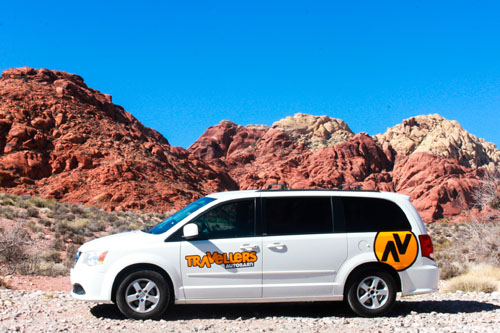
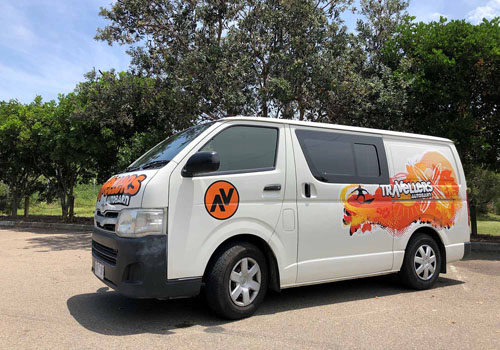
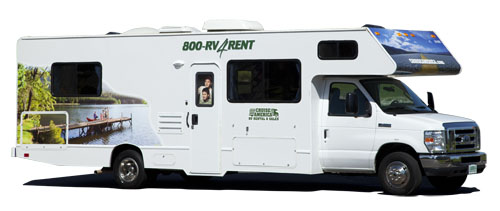
Choosing an RV class for winter travel in California depends significantly on your travel style and the specific winter conditions you anticipate. A nimble Class B campervan, like a "Category Van" or a model with "Winter Ready" features, is excellent for couples seeking maneuverability and efficiency on diverse winter roads. For families, a Class C motorhome, such as the "cruise america rv rental example Explorer" with its 82-liter fresh water tank and living room heating, offers more space and versatility for colder nights. Luxury Class A motorhomes, often available for rental, provide ample comfort for extended winter trips.
Locking in your rental dates 3-6 months in advance is advisable, particularly if targeting popular winter destinations or holiday weeks, though spontaneous travelers can often find last-minute availability as many national and state parks reserve 70-75% of spots for first-come, first-served arrivals. Basic insurance is always included with your rental; for comprehensive coverage, select the top-level deductible option during your search to see prices with enhanced protection and ensure peace of mind, as this optional upgrade is not included by default. We compare final prices across 50+ leading RV suppliers worldwide, including El Monte, Cruise America, Apollo, and Britz, ensuring full transparency with no hidden fees or surprises.
🎬 Video coming soon
What are essential items to pack for a winter RV trip in California?
Packing for a winter RV trip in California involves preparing for a wide range of temperatures, from mild coastal breezes to freezing mountain conditions. Focus on layers of clothing, including thermal base layers, fleece, and waterproof outer shells, to adapt to quick weather changes. Comfortable, waterproof walking shoes or hiking boots are essential, along with warm socks. If you plan to visit snowy areas, bring gloves, hats, and scarves.
- Layers of clothing (for diverse climates, including thermals and waterproof gear)
- Comfortable, waterproof walking shoes or hiking boots
- Warm hat, gloves, and scarf
- Sun protection (hat, sunglasses, high-SPF sunscreen, especially for high-altitude snow)
- Rain gear (light waterproof jacket and pants)
- Flashlight or headlamp with extra batteries
- First-aid kit tailored for winter conditions
- Tire chains or cables (mandatory in many mountain areas during winter)
- Non-toxic antifreeze for your RV's water system (check with your rental supplier)
- Basic tools and emergency roadside kit
- Physical maps and downloaded offline digital maps (for areas with no signal)
- Entertainment for cozy evenings: books, board games, movies.
- Basic cooking utensils, pots/pans, and ingredients for warm meals on board. Our RV-friendly recipes playlist can offer some delicious ideas!
What should I know about driving, fueling, and navigation in a rented RV in California's winter?
Driving a rented motorhome or campervan in California during winter requires heightened awareness due to varied road conditions. Drive slowly and carefully, and you can drive almost anywhere without issues. No need to stress - just use common sense and pay attention, especially on winding roads or in areas prone to ice and snow. California speed limits for RVs are generally 55 mph (89 km/h) on most highways, often lower than for passenger cars. Always check road conditions before heading into mountainous regions like the Sierra Nevada or specific sections of Highway 1, as snow and ice can lead to road closures or mandatory tire chain requirements. Your rental supplier can advise on chain fitting and necessary equipment.
Plan your fuel stops strategically. In remote or mountainous regions, gas stations can be sparse, and some might have limited access for larger RVs. Keep your fuel tank above half-full to avoid issues, especially when driving a larger model like an "rv rentals example Comfort Class" with a fuel consumption of 20-25 liters per 100 km. For navigation, utilize RV-specific GPS or apps like RV PLANET (rvplan.net) that help you avoid low clearances, weight-restricted bridges, and roads unsuitable for larger vehicles. Remember, your standard car driver's license is sufficient for all motorhome classes, but prudence is key during winter travel.
How do I set up my RV and follow etiquette at a winter campground in California?
Upon arriving at a winter campground in California, the first step is to level your rented RV for optimal appliance function and comfortable living, using leveling blocks as needed, which is particularly important on uneven, potentially frozen ground. Connect your hookups in the correct sequence: attach a surge protector to the electrical pedestal first, then your freshwater hose (consider a heated hose in freezing temperatures), and finally the sewer hose to the dump station. Remember that the top-level deductible is an optional upgrade you can purchase for extra peace of mind.
Adhering to campground quiet hours, typically between 10 PM and 7 AM, is essential to respect fellow campers enjoying the tranquility of winter. Keep your campsite tidy, storing food securely inside your campervan to deter wildlife, which can still be active even in colder months. Familiarize yourself with park-specific rules regarding fires, generator usage (often restricted to specific hours), and snow removal procedures. For finding campsites and campgrounds during your trip, we recommend using RV PLANET (rvplan.net) - a great resource for locating available spots along your route and tracking expenses.
What are specific RV rental tips for California in winter?
Before departing for your winter adventure in California, thoroughly inspect your rented motorhome or campervan, documenting any pre-existing damage with photos or video. This prevents misunderstandings upon return and is part of the full transparency we offer. Ensure you understand your rental agreement's specific mileage limits and generator usage fees, as winter trips often involve more time inside, potentially increasing generator reliance. Familiarize yourself with the RV's unique operating systems, including waste disposal, water refill points, and dashboard controls, paying special attention to heating systems and potential winterization procedures.
Research campground amenities and reservation requirements well in advance, especially for popular California State Parks or National Parks like Yosemite, which often require bookings 6 months or more ahead for peak winter weekends or offer specific winter-only campsites. Remember that the minimum rental age is 21 years old for all motorhome classes, and there are no young driver surcharges. Bandana RV has direct partnerships with over 50 leading RV suppliers worldwide, including El Monte, Cruise America, Apollo, and Britz, to help you find the perfect vehicle.
What common mistakes should I avoid when RVing in California during winter?
A common mistake when RVing in California during winter is underestimating the state's vastness and extreme climatic diversity; do not assume all of California is warm in winter. Instead, plan regional itineraries focusing on desert or southern coastal areas for mild weather, or prepare thoroughly for snow and ice in the mountains. Another frequent error is failing to book popular campgrounds months in advance, especially for high-demand winter destinations like Death Valley or specific sites in Joshua Tree National Park, even though many parks offer first-come, first-served spots.
Ignoring RV weight and height restrictions for specific routes or tunnels, or not accounting for mandatory tire chains in snowy mountain passes, can lead to significant delays or fines; always use RV-specific navigation tools and check Caltrans for current road conditions. Not accounting for varying gas prices and availability in remote areas is another pitfall; fuel up regularly and carry extra water and propane for extended trips, especially in colder temperatures. Finally, overlooking fire season alerts (which can extend into drier winter months in some areas) and potential park closures is a serious mistake; always check official park websites and have alternative plans ready.
What is the best time to visit California in an RV?
The best time to visit California in a rented RV depends entirely on your desired climate and activities, as the state experiences diverse weather conditions year-round. For winter RV travel, typically from November to March, the desert regions like Joshua Tree and Death Valley offer pleasant, mild temperatures, ideal for hiking and stargazing without extreme summer heat. Southern California's coast and cities, including San Diego and Los Angeles, remain enjoyable with cooler, but generally temperate weather, often seeing sunny days perfect for outdoor exploration.
Conversely, mountain destinations such as the Sierra Nevada (Yosemite, Mammoth Lakes, Lake Tahoe) are best enjoyed for snow sports during winter, but many roads require tire chains or may be closed, and campgrounds can be limited or require specific winterized RVs. Spring (April-May) and Fall (September-October) generally offer the most balanced weather for RV travel across most of California, with fewer crowds and moderate temperatures, making them excellent shoulder seasons for exploring both coastal and inland attractions. Summer (June-August) is perfect for mountain adventures when all roads and facilities are open, but coastal areas can be foggy, and inland valleys and deserts become extremely hot.
How can I budget for an RV trip in California?
Budgeting for an RV trip in California requires considering several categories beyond the initial rental fee, which typically ranges from $100-$400+ per night for a Class C motorhome depending on size, season, and supplier. A significant portion of your budget should be allocated for fuel, as larger RVs like an "MH-A" with a 208-liter fuel tank consume more gasoline, especially when covering long distances or navigating mountainous terrain in colder weather. Campground fees vary widely, from around $25 for basic state park sites to $75+ for full hookups or premium locations within popular national parks.
Always account for additional expenses such as groceries for cooking in your RV, activities and tours, national and state park entrance fees (a National Parks Pass can save money if visiting multiple parks), and unexpected costs like propane refills, dump station fees, or tolls. You can find pre-planned routes for California at RV PLANET routes where you can itemize and track every expense along the way for easy budgeting, helping you save up to 25% with our planning discount. Cost-saving strategies include cooking most meals in your well-equipped RV kitchen, utilizing free boondocking sites when available, and planning your trip during shoulder or off-peak winter seasons for potentially lower rental and campground rates.
Where can I find free camping or boondocking in California in winter?
Free camping, also known as boondocking or dispersed camping, is widely available on lands managed by the Bureau of Land Management (BLM) and National Forests across California, particularly in the vast desert and mountain regions during winter. Resources like iOverlander, Campendium, and FreeCampsites.net are excellent online tools for locating established dispersed camping sites and reading recent reviews from fellow RVers, which is crucial for assessing winter accessibility. Always adhere strictly to Leave No Trace principles, including packing out all trash and properly disposing of human waste, to preserve these natural areas for future enjoyment.
Ensure your rented RV or campervan is fully self-contained, as most free sites lack hookups or facilities, requiring careful management of your fresh water, waste tanks, and power supply. Many winterized motorhomes come equipped for colder temperatures, making boondocking more comfortable. Always check local regulations, current weather forecasts, and fire restrictions (which can still be in effect even in winter, especially in drier areas) before setting up camp, as rules can vary and change frequently. Some popular winter boondocking areas include parts of Joshua Tree National Park and Anza-Borrego Desert State Park, offering stunning desert scenery and starry nights.
What RV type is best for challenging California routes during winter?
For navigating California's challenging routes during winter, smaller RVs such as Class B campervans or compact Class C motorhomes, typically under 25 feet (7.6 meters) in length, are generally the most suitable. These more compact vehicles, like a "Category Van" or an "Active Compact Select" with automatic transmission, offer superior maneuverability on winding roads, steep grades, and in areas that may have snow or ice. Iconic routes such as Big Sur's Highway 1 often have length restrictions, advising against RVs over 30 feet (9 meters) due to sharp turns and narrow sections that become more difficult in wet conditions.
If your winter itinerary includes significant time in mountainous regions like the Sierra Nevada, consider a motorhome or campervan with good engine braking capabilities to assist with descents, and ensure it is rated for cold weather. For off-pavement exploration, a 4x4 camper van or a smaller, more rugged Class B or C RV, like a "4x4 Jimny" or a "Patagonia Camper 4x4 double cab", might be suitable, but always confirm your rental policy on off-road use. Remember, irrespective of vehicle size, drive slowly and carefully, paying attention to road conditions, and use common sense to ensure a safe journey.
What are the RV regulations in California State Parks vs. National Parks during winter?
Rv regulations in California State Parks and National Parks during winter differ primarily in terms of RV size limits, generator usage rules, and reservation systems. California State Parks frequently have more restrictive RV length limits, often capped at 24-30 feet (7.3-9.1 meters), depending on the park and specific campsites, and many interior roads may not be plowed regularly. National Parks typically designate specific campgrounds or loops that can accommodate larger RVs, with length restrictions varying by park (e.g., some Yosemite campgrounds have limits between 24 and 35 feet, but access roads often require chains or are closed in winter).
Generator hours are strictly enforced in both park systems during winter, usually limited to specific daytime windows to minimize noise and air pollution in quiet, cold environments. Reservations are almost always required for both State and National Parks, especially for popular sites and during peak winter periods like holidays, often needing to be booked 6 months or more in advance through their respective online systems. However, many parks also maintain a portion of their campsites as first-come, first-served, which can be an option for spontaneous winter travelers, though availability is never guaranteed. Always check the specific park's winter operating conditions and rules before your trip.
How do I overcome common RV challenges in California's winter?
Overcoming common RV challenges in California's winter involves proactive planning and flexibility. To secure popular campground reservations, book 6-12 months ahead for sought-after spots, or utilize reservation alert services for last-minute cancellations. If traveling spontaneously, remember that many national and state parks only reserve 25-30% of their spots online, leaving the rest for first-come, first-served arrivals; call ahead before driving to confirm availability, or have a backup plan.
Stay informed about California fire season alerts and potential park closures by regularly checking official Cal Fire and park websites, as dry winter conditions can still pose risks in some regions, and always have alternative routes and destinations planned. Managing water scarcity in colder weather means conserving water diligently by taking quick showers and finding reliable potable water fill-up stations along your route; many winterized RV rentals, such as the "rv rentals utah example Sunrise Escape" with a 167-liter fresh water tank, are equipped for colder conditions. For reliable cell and internet service in remote areas, consider investing in a cellular booster or satellite communication device, and download offline maps before losing signal, as winter weather can impact connectivity.
What are some unique RV campgrounds and scenic drives in California for winter?
California offers unique RV campgrounds and scenic drives ideal for winter exploration, moving beyond the usual tourist hot spots. Beyond popular attractions, consider unique winter campgrounds like those in Anza-Borrego Desert State Park for exceptional stargazing and mild temperatures, or the rustic sites around Mono Lake Tufa State Natural Reserve in the Eastern Sierra for stunning frozen landscapes (check road access). Look into county parks or lesser-known private campgrounds that often offer unique local amenities or proximity to distinct cultural experiences, especially those designed for year-round operation.
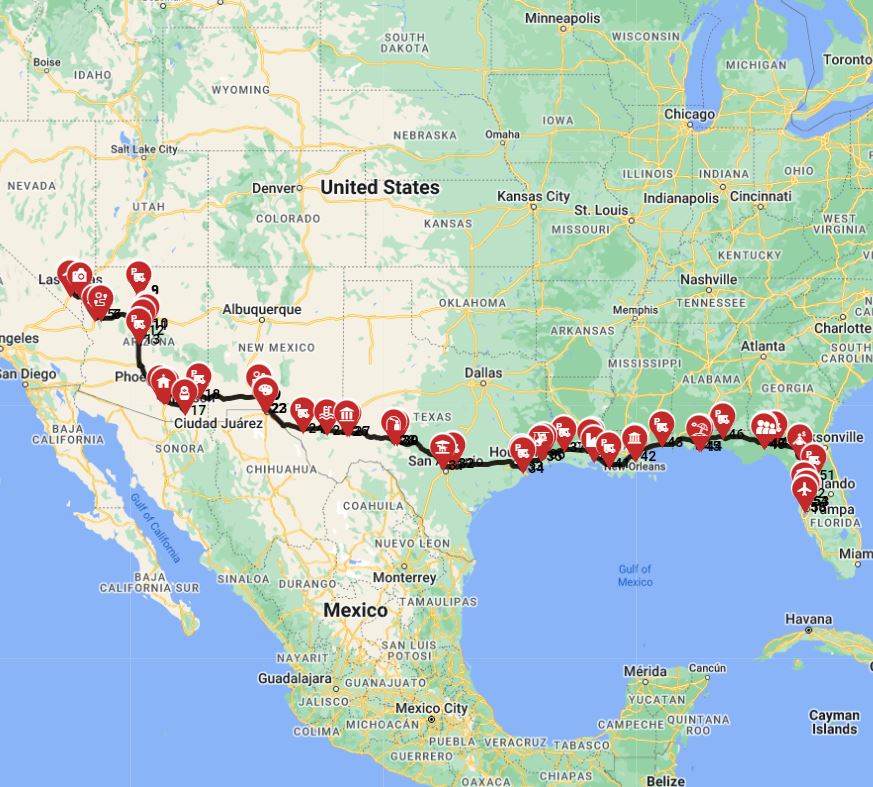
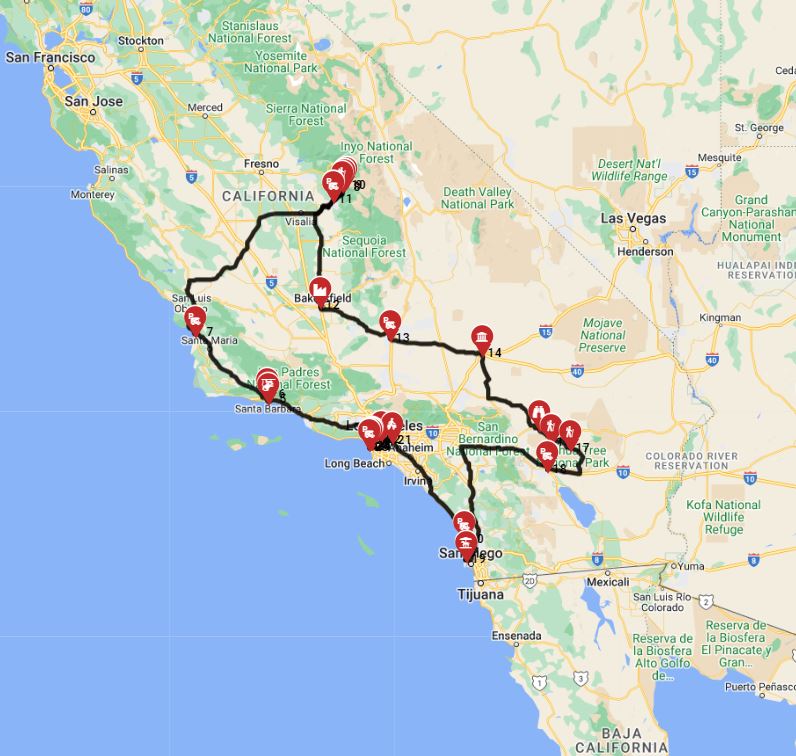
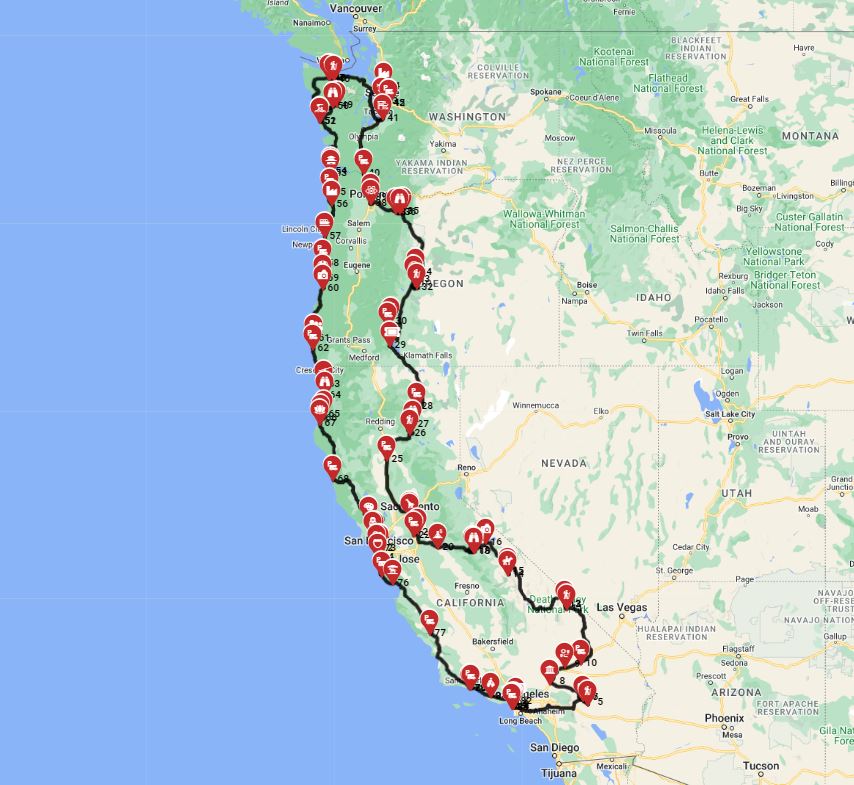
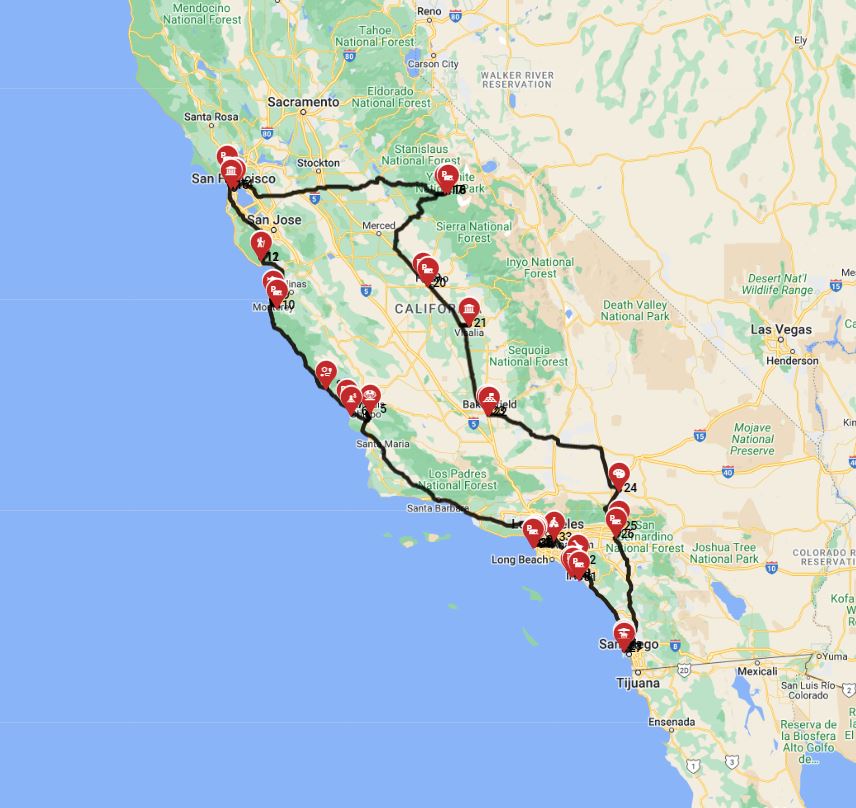
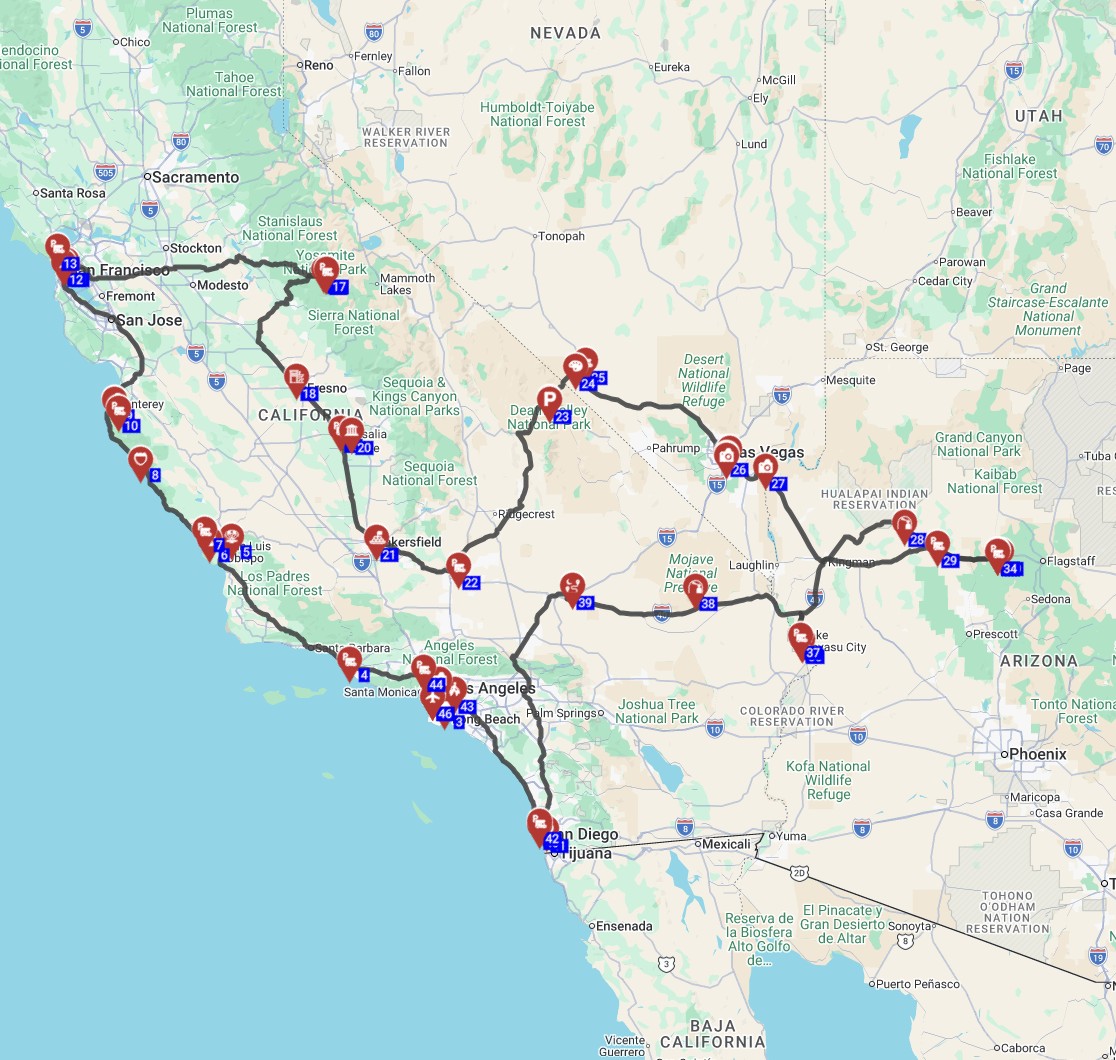
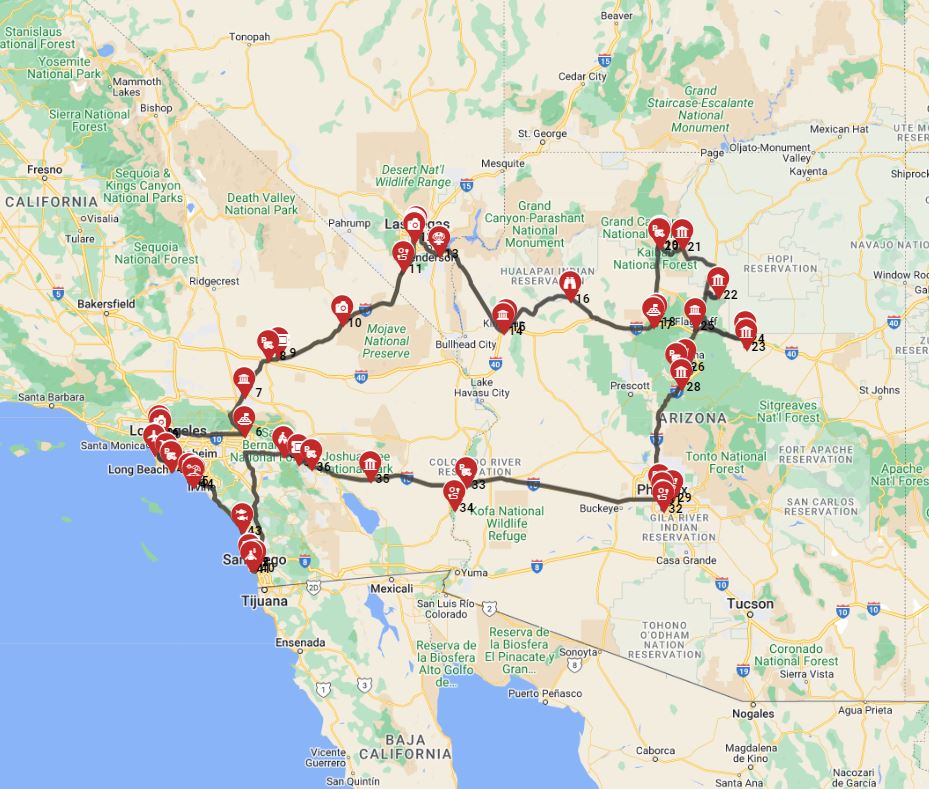
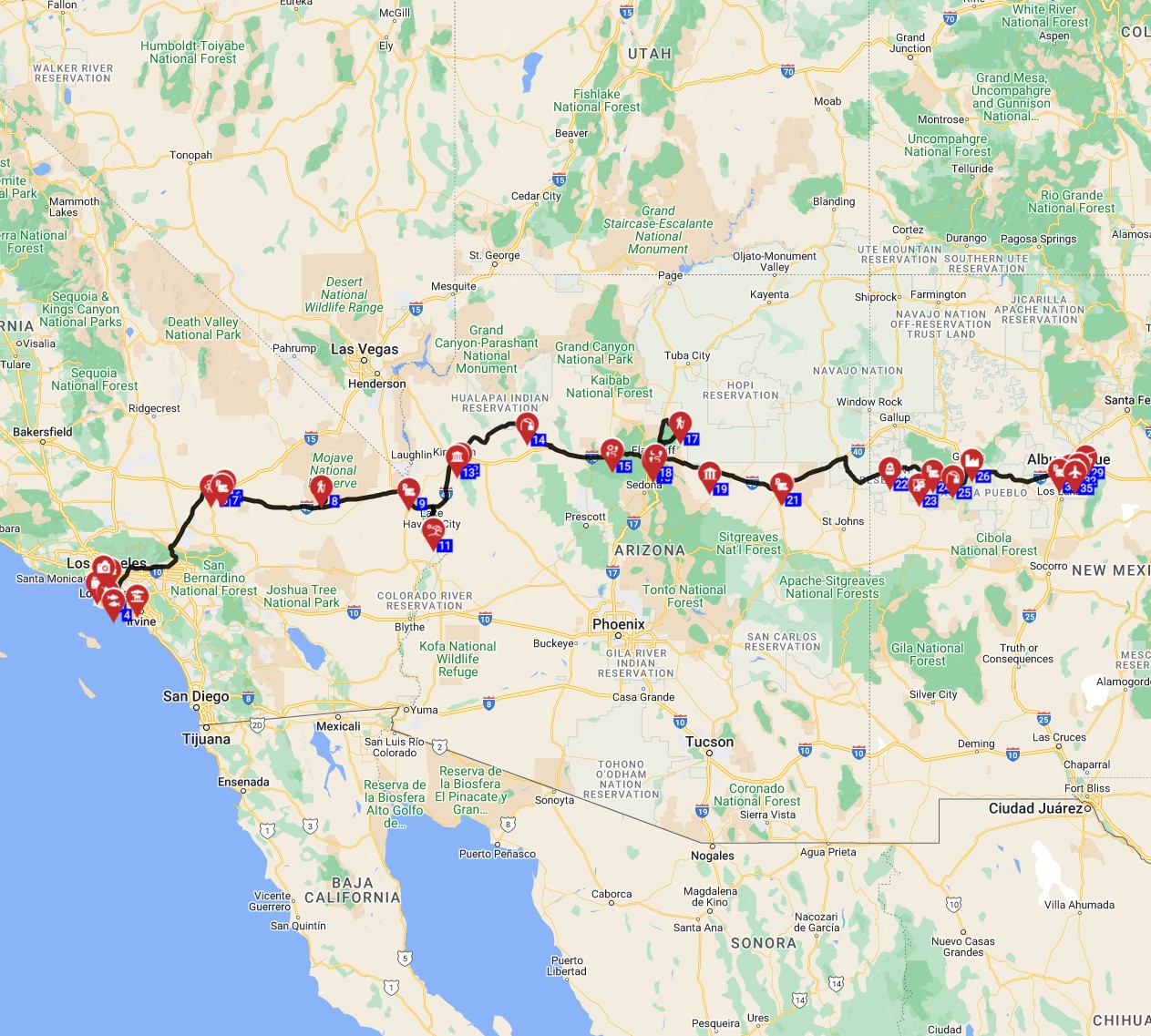
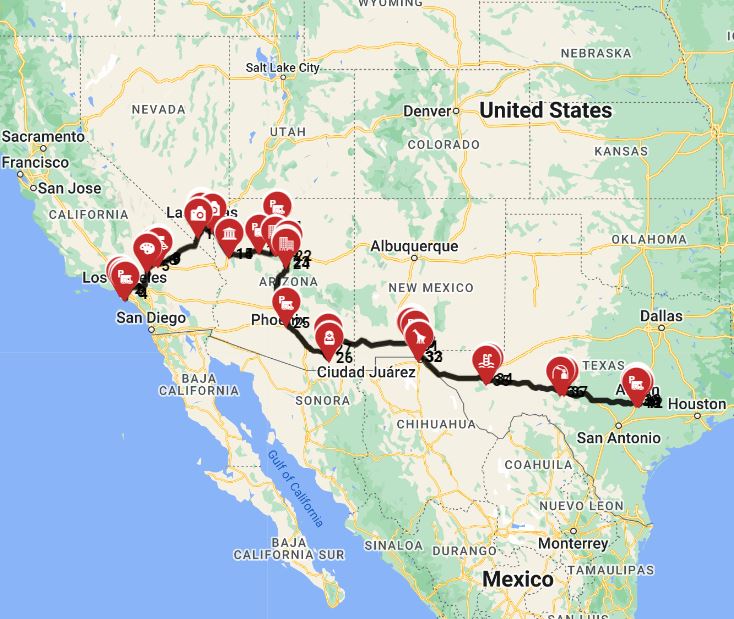
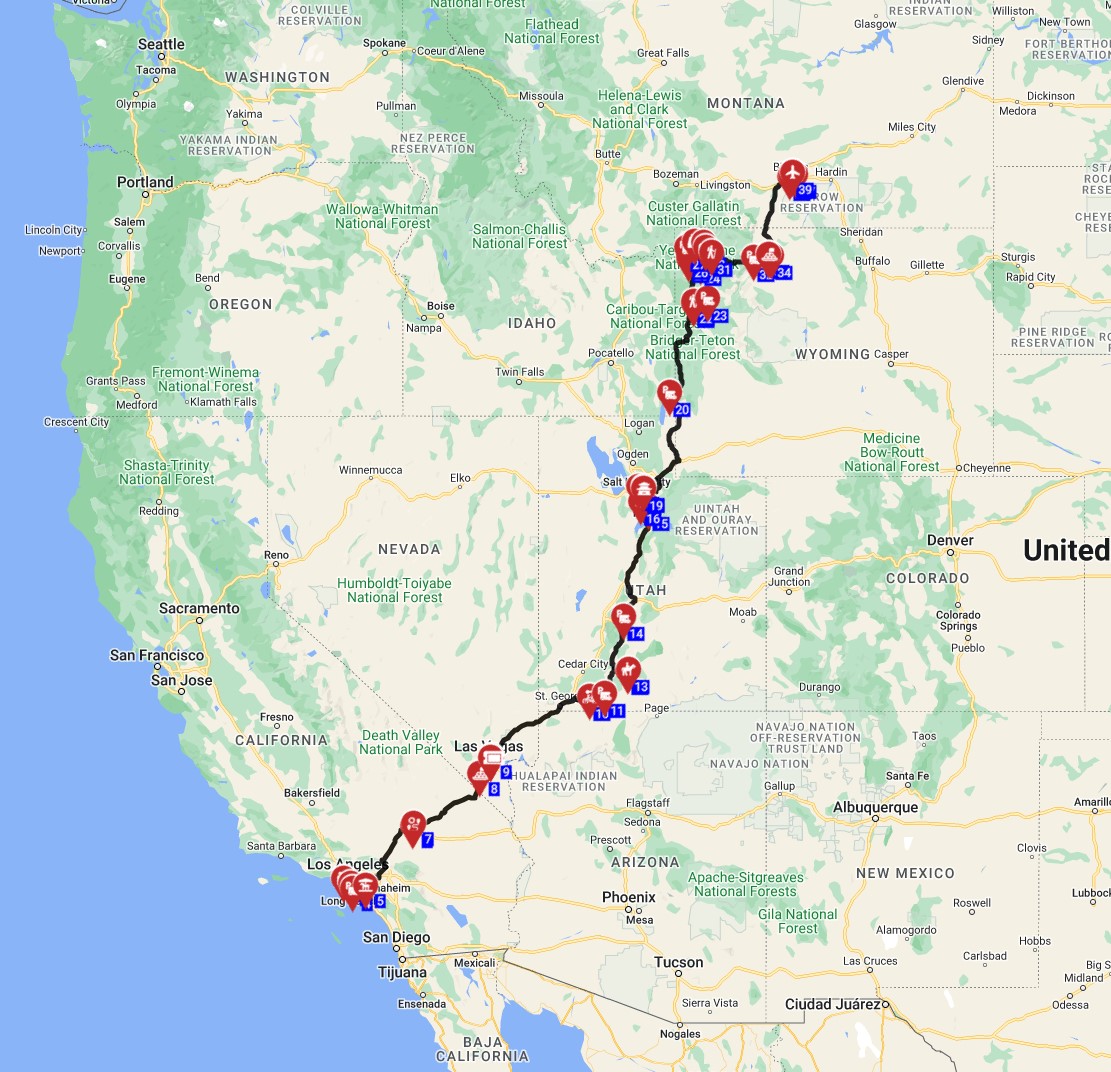
Discover scenic winter drives such as Highway 395 through the Eastern Sierra, which offers stunning mountain views and access to charming ghost towns and natural hot springs (with appropriate winter vehicle preparation). Another captivating route is a drive through the Avenue of the Giants in Northern California, providing an immersive redwood forest experience, often serene and mystical in the winter mist. We have 1,300+ pre-planned routes across 5 continents via RV PLANET (rvplan.net), our sister company, to help you discover hidden gems and local festivals. Imagine a Explore the San Francisco Roundtrip - The Best of the Southwest by Motorhome: From California’s Coast to Arizona’s Canyons Route: this 25-day, 4463.4 km journey includes 8 hiking areas and 4 scenic routes, perfect for winter exploration of California's diverse landscapes and even Arizona's canyons. Alternatively, consider an 18-day, 3370.8 km Explore the San diego to Seattle - California to the Pacific Northwest Route, which includes 6 hiking areas and unique natural features along the Pacific Northwest coast.
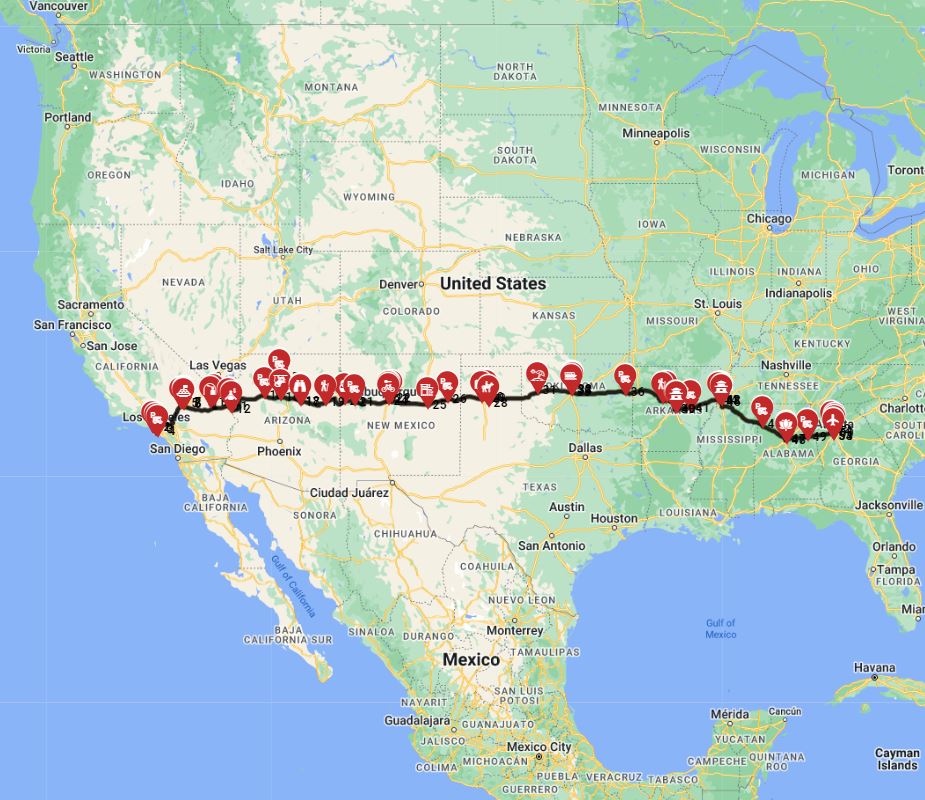
Another incredible option is the 27-day, 5690.1 km Explore the Charlotte to San Francisco - Southern Roots and California Shores Route, which includes 9 hiking areas and 5 natural features on its way to the California coast, providing a comprehensive winter road trip experience.
How can I practice eco-friendly RVing in California during winter?
Practicing eco-friendly RVing in California during winter is essential to preserve the state's diverse and often fragile environments. Adhere strictly to Leave No Trace principles: pack out everything you pack in, dispose of waste properly in designated dump stations, and avoid disturbing wildlife or natural features, especially in sensitive habitats. Conserve water diligently, particularly in California's perennially drought-prone regions, by taking shorter showers and using eco-friendly, biodegradable soaps. Your RV's fresh water tank (e.g., an "MHC28" has 160 liters) should be managed carefully.
Minimize generator use by opting for shore power when available at campgrounds, or utilizing your RV's onboard battery power for heating and lights, reducing noise and emissions in quiet winter settings. Stay on designated roads and trails to protect fragile ecosystems, particularly in sensitive desert environments and snow-covered mountain areas where off-road travel can cause significant damage. Support local economies by buying from local businesses and choosing sustainable tour operators that prioritize environmental protection, ensuring your winter RV rental vacation has a positive impact.
What are essential safety tips for RVing in California in winter?
Essential safety tips for RVing in California during winter revolve around preparing for the state's extreme climatic variations. Carry extra water and non-perishable food for desert heat, and appropriate gear, potentially including tire chains (which can be mandatory in mountain passes), for unexpected mountain snow or ice. Be acutely aware of local wildlife; store food securely inside your rented campervan, keep a safe distance from animals, and know how to respond to common encounters (e.g., bears in forested areas, especially if awakened by warmer spells).
Regularly check tire pressure (which drops in cold weather), fluid levels, and brake functionality on your RV, especially before long drives or traversing steep grades in winter conditions. Share your detailed itinerary with a trusted person at home, particularly when venturing into remote areas with limited cell service, and consider carrying a satellite communication device for emergencies. Practice fire safety rigorously, adhering to all fire restrictions, using designated fire rings or propane stoves for cooking (like the 3-burner stove in a "cruise america example Explorer"), and ensuring any campfires are completely extinguished before leaving your site or sleeping.
Where can I find RV resources in remote California areas during winter?
Finding RV resources in remote California areas during winter requires extensive planning due to reduced availability. Plan ahead by marking potential fuel stops on your route, as gas stations can be scarce in vast remote areas like Death Valley or the Eastern Sierra, and winter weather can lead to closures. Utilize RV-specific apps and online forums for up-to-date information on potable water fill-ups and dump stations, which might be limited in less developed or snow-covered regions.
Carry extra fresh water (an RV like a "C-30" has 151 liters capacity) and consider a portable waste tank if you plan extended stays in undeveloped or boondocking locations without hookups. Propane refill stations are primarily found in larger towns or at dedicated RV parks; confirm availability in advance if your itinerary includes remote or high-elevation areas. For areas with no cell service, consider carrying a satellite communication device for emergencies, and always inform someone of your route and expected return, especially during a winter week-long trip to ensure your safety and provide peace of mind.
What You Shouldn't Miss
- Desert Bloom Chasing in Anza-Borrego: During winter, after good rainfall, the Anza-Borrego Desert State Park can erupt in a breathtaking 'superbloom' of wildflowers. It's a unique natural spectacle for RVers seeking warmth and vibrant colors.
- Skiing or Snowboarding at Lake Tahoe: Embrace the snow with a winter RV trip to Lake Tahoe, offering world-class ski resorts like Heavenly and Squaw Valley. Park your RV at a nearby winter-friendly campground and hit the slopes.
- Coastal Serenity on Highway 1: Experience the iconic Highway 1 without the summer crowds. While some sections may have weather-related closures, many parts, especially south of Big Sur, offer dramatic ocean views and cozy coastal towns, perfect for a slow travel pace of 100-150 km per day.
- Exploring Joshua Tree National Park: Winter is the ideal time to explore Joshua Tree's unique geology and desert flora. Enjoy mild daytime temperatures, fantastic hiking, and some of the clearest stargazing opportunities for your rented motorhome adventure.
- Giant Sequoias in the Snow: Witness the majestic Giant Sequoias dusted with snow in Sequoia National Park or Kings Canyon National Park. Many RV-friendly campgrounds remain open, offering a tranquil and awe-inspiring experience (check for chain requirements).
Looking for expert insights from Avi Bandana? Top 5 Adventures - recommendations from Avi Bandana
Final Thoughts
Embracing a winter RV rental in California offers a magical escape, transforming popular destinations into tranquil havens and unveiling new perspectives on classic routes. From the serene deserts to the majestic snow-dusted mountains and the quiet beauty of the coast, a rented motorhome provides the perfect mobile base for your cold-weather explorations. Remember, preparation is your best travel companion, ensuring warmth, safety, and smooth sailing.
At Bandana RV, we're passionate about making your RV dreams a reality. We offer unparalleled support and transparent pricing, ensuring your California winter adventure is truly unforgettable. So, pack your bags, prepare for any weather, and get ready to discover the Golden State in a whole new light.
Discover top destinations, planning tips, all in one place! Find rv Rentals in California and embark on your winter journey today!