In This Guide
- Top 5 Tips for RV Rental in Alaska
- Before You Book - Class, Dates, Insurance
- Pre-Trip Prep - Packing Checklist for Alaska
- On the Road - Driving, Fueling, Navigation
- At the Campground - Setup, Hookups & Etiquette
- RV Rental-Specific Tips for Alaska
- Common Mistakes to Avoid in Alaska
- What is the 3-3-3 rule for RVs?
- What is the 4-4-4 rule for RV travel?
- Should I rent an RV in Alaska?
- What do I need to know before renting an RV?
- How much does an RV rental in Alaska average cost?
- Is it cheaper to rent an RV or stay in a hotel?
- What is the best time of year to RV to Alaska?
- What not to forget on an RV trip to Alaska?
Alaska is an epic destination for a motorhome adventure, offering unparalleled natural beauty and a true sense of exploration. Venturing through the Last Frontier with a rented RV provides the freedom to chase the midnight sun, witness stunning glaciers, and immerse yourself in vast wilderness. To ensure your trip is smooth and memorable, careful planning is essential, especially when dealing with the unique conditions of Alaska. For live availability and current prices, start with our RV Rental Alaska - Complete Guide 2026 guide.
Top 5 Tips for RV Rental in Alaska
A successful RV adventure in Alaska requires foresight and preparation for its distinctive environment. First, booking your preferred motorhome model and dates 6-12 months in advance is crucial, particularly for trips during the popular summer season (June-August), which can secure better rates and availability. Second, budget beyond just the rental fee, as fuel costs in Alaska can be significantly higher, and campground fees, activity permits, and potential unforeseen expenses add up quickly. Third, prepare for Alaska's diverse road conditions, including extensive gravel sections and sudden frost heaves, by driving slowly and carefully to protect your rental motorhome. On the routes offered through RV PLANET routes, you can itemize and track every expense along the way for easy budgeting.
Fourth, pack versatile layers of clothing, rain gear, and sturdy hiking boots to adapt to Alaska's rapidly changing weather, which can shift from warm sunshine to cold rain even in summer. Finally, acknowledge that cell service will be limited or non-existent in many remote Alaskan areas; consider alternative communication methods like a satellite messenger for safety and peace of mind. Bandana offers full transparency with no hidden fees, ensuring what you see is what you pay from the outset of your planning.
Before You Book - Class, Dates, Insurance
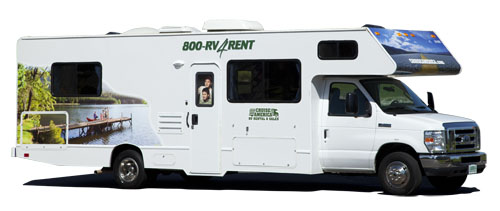
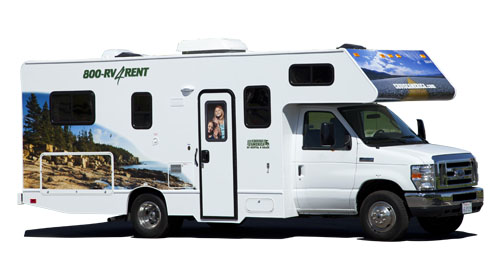
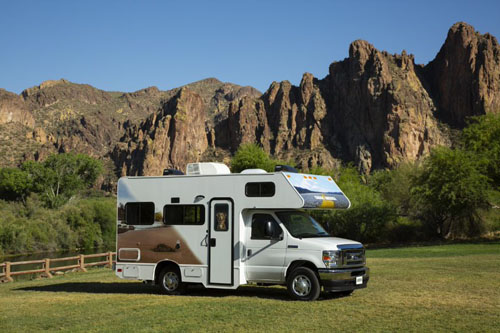
Choosing the right RV class for your Alaska trip depends on factors like group size, desired comfort, and budget. Class C motorhomes are a popular choice for families due to their balance of amenities and maneuverability, offering separate sleeping areas and a full kitchen. For couples or solo travelers, a campervan can provide a more nimble experience, perfect for navigating scenic byways and accessing smaller campsites. Larger groups might prefer a spacious Class A motorhome, offering expansive living areas and ample storage.
Booking dates significantly impact availability and pricing; while it's often recommended to finalize your summer travel plans 6-12 months ahead for Alaska due to high demand, don't despair if you're a more spontaneous traveler. Many national and state parks reserve only 25-30% of spots for advance booking, leaving the majority available on a first-come, first-served basis. You'll find a spot; if not at the first campground, then the next one. Always call ahead before driving. Regarding insurance, basic coverage is always included with your rental. For enhanced protection and extra peace of mind, you can upgrade to a top-level deductible reimbursement option during your booking process.
Pre-Trip Prep - Packing Checklist for Alaska
A comprehensive packing checklist is crucial for an Alaska RV adventure, preparing you for its diverse climate and remote conditions. Essential clothing includes versatile layers (base, mid, outer shell), waterproof rain gear, and insulated hiking boots suitable for muddy or wet trails. Don't forget insect repellent (especially for mosquito season from June to August) and bear spray, along with knowledge on how to use it safely in wildlife encounters.
For your rented motorhome's kitchen, practical items like basic cooking supplies, reusable water bottles, and durable bags are invaluable. Our RV-friendly recipes playlist offers inspiration for delicious meals on the go. Safety and emergency preparedness are paramount: pack a robust first-aid kit, a satellite messenger (for areas with no cell service), and keep roadside assistance contacts readily available. Necessary documents include your standard car driver's license, your passport (if planning to travel via Canada), your rental agreement, and any campground reservations. For detailed route plans and an easy way to itemize and track every expense, including groceries and campsite fees, along your way, refer to RV PLANET routes.
On the Road - Driving, Fueling, Navigation
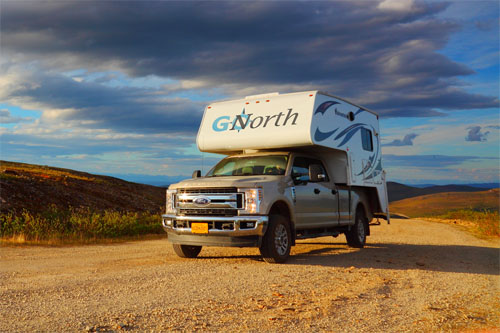
Driving a rented RV in Alaska requires heightened awareness of variable road surfaces and conditions. You'll encounter everything from paved highways to extensive gravel sections, especially on routes like the Dalton Highway or sections of the Alaska Highway (Alcan), which totals approximately 2,232 km. Sudden frost heaves, caused by the freezing and thawing of permafrost, can create unexpected bumps and dips; drive slowly and carefully, paying attention to road signs, and you can drive almost anywhere without issues. No need to stress - just use common sense and pay attention.
Planning fuel stops is absolutely critical in Alaska's remote regions, where gas stations can be few and far between. Always top off your tank whenever you see a fuel stop, even if it seems half-full, especially before venturing into less populated areas. For navigation, relying solely on cell service is unwise due to unreliable coverage in many Alaskan areas. Download offline maps, use a dedicated GPS device, or consult paper maps to ensure you always know your route. Remember to adhere to the recommended slow travel pace of max 100-150 km per day on average, allowing you ample time to take in the scenery and adapt to road conditions.
At the Campground - Setup, Hookups & Etiquette
Properly setting up your rented motorhome at an Alaskan campground ensures comfort and safety. Upon arrival, the first step is to level your vehicle using leveling blocks to ensure appliances (like your refrigerator) function correctly and for a comfortable sleep. Next, connect your hookups: begin with the electrical shore power, followed by the fresh water hose, and finally, the sewer hose (connecting it last to avoid contamination). Always ensure your waste tanks are properly closed before driving off to prevent spills.
Understanding different hookup types is essential for campground stays in Alaska, from full hookups (water, sewer, electric) to partial hookups (electric and water) and dry camping (no hookups, often called boondocking). Many national and state parks offer a mix, with a significant portion being first-come, first-serve. Practicing good campground etiquette is vital: observe quiet hours, manage generator noise respectfully, properly store food to deter wildlife, and always adhere to Leave No Trace principles. For finding campsites and campgrounds during your trip, we recommend using rvplan.net – a great resource for locating available spots along your route.
RV Rental-Specific Tips for Alaska
Tailoring your RV choice to your travel group enhances the Alaska experience. Families with children will appreciate rented motorhomes that offer dedicated sleeping areas, ample storage, and perhaps even built-in entertainment options for longer stretches of driving. A Class C motorhome like the "24' Class C Motorhome" with sleeping for 5, a 166-liter fresh water tank, and an oven is ideal, or a "Denali Searcher 30 - Gold" which sleeps 9, providing plenty of space.
Seniors might prefer smaller, easier-to-maneuver campervans or Class C RVs with accessible features and comfortable amenities. Budget-conscious travelers can significantly save by opting for more basic campervans, embracing dry camping (boondocking) in designated areas, and cooking most meals in their RV's kitchen. For those seeking luxury, premium Class A motorhomes like the "Class A - Thor ACE 30" (sleeping 6, with a 302-liter fuel tank) with satellite internet add-ons and guided excursions can elevate the adventure. Regardless of your choice, Bandana RV specialists are here to help you compare final prices across a network of 50+ leading suppliers worldwide, including trusted partners like El Monte and Cruise America, ensuring you find the easiest, safest, and most affordable way to rent an RV in Alaska.
🎬 Video coming soon
Common Mistakes to Avoid in Alaska
Avoiding common pitfalls will make your Alaska RV trip much smoother. Over-planning your itinerary is a frequent mistake; Alaska's vastness and changeable conditions mean flexibility is key. Instead, embrace slow travel, averaging max 100-150 km per day, allowing time to truly feel the place, connect to the culture, the food, and the scenery. Underestimating fuel costs and availability in remote areas is another common issue; always keep your tank full. Failing to prepare for wildlife encounters can be dangerous; educate yourself on bear safety protocols and ensure proper food storage to prevent attracting animals.
Ignoring weather advisories can lead to uncomfortable or unsafe situations, so check forecasts regularly and be prepared for rapid changes. Not having a backup communication plan in dead zones is risky; carry a satellite messenger and know emergency procedures before you head out. Finally, overlooking responsible tourism practices can harm Alaska's pristine environment; always adhere to Leave No Trace principles, properly dispose of waste, and respect local communities and indigenous cultures. We at Bandana are true RV specialists, not just a travel agency side department, ensuring you get honest, transparent advice for your journey.
What is the 3-3-3 rule for RVs?
The 3-3-3 rule for RV travel is a widely recommended guideline promoting a relaxed and enjoyable pace for road trips. It suggests driving no more than 300 miles (approximately 480 km) in a day, arriving at your destination by 3 PM, and staying for at least 3 nights. This rule helps prevent driver fatigue, allows ample time for setting up your rented motorhome and exploring your surroundings, and generally makes for a more immersive travel experience, particularly beneficial when navigating scenic routes in Alaska.
What is the 4-4-4 rule for RV travel?
The 4-4-4 rule for RV travel is a slightly more ambitious variation of the 3-3-3 rule, suggesting driving no more than 400 miles (approximately 640 km) a day, stopping by 4 PM, and staying for at least 4 nights. While it allows for slightly longer travel days, it maintains the core principle of balancing travel with relaxation and exploration. Both rules aim to prevent rushing, ensuring you have plenty of time to enjoy your rented RV and the unique destinations, especially on extensive trips like an Alaskan adventure.
Should I rent an RV in Alaska?
Renting an RV in Alaska offers unparalleled flexibility and immersive experiences, making it an excellent choice for exploring its vast wilderness. With a rented motorhome, you have a mobile headquarters to venture out to national parks, access remote trailheads, and witness stunning scenery at your own pace. The advantages include the freedom to change plans, prepare your own meals in a fully equipped kitchen, and camp in diverse locations, from developed campgrounds to secluded boondocking spots.
However, it's important to consider factors like the overall cost, which includes fuel, campground fees, and permits, as well as the learning curve for first-time RVers. Bandana RV specialists are here to provide comprehensive pre-booking comparison and support, ensuring you understand all aspects of renting an RV in Alaska. For an even richer planning experience, explore the detailed itineraries in our "RV Travel Guide to Alaska - Tips and Top Spots 2026".
What do I need to know before renting an RV in Alaska?
Before renting an RV in Alaska, understanding your rental agreement's specifics is paramount. Pay close attention to mileage limits, any potential generator usage fees, and specific driving restrictions, especially concerning Alaska's unique road conditions and remote areas. Familiarize yourself with the rented motorhome's basic operations through a thorough walkthrough or online tutorials, covering essential tasks like connecting hookups, dumping waste tanks, and safely operating the generator.
Regarding licensing and age, a standard car driver's license is sufficient for driving all motorhome classes (Class A, Class B, and Class C) in Alaska; no special license or CDL is required. For international visitors, an International Driving Permit (IDP) is recommended but often not mandatory. The minimum rental age is 21 years, with no young driver surcharges or vehicle class restrictions based on age. It's also wise to ensure you have appropriate insurance coverage for your trip; while basic insurance is included, upgrading to a top-level deductible reimbursement option provides additional peace of mind.
How much does an RV rental in Alaska average cost?
The average cost to rent an RV in Alaska typically ranges from $200-$500 per night, but prices are dynamic and fluctuate significantly based on factors like RV class, rental duration, season, and how far in advance you book. For example, a compact campervan like a "2 Berth Hi Top" might be on the lower end, while a large Class C motorhome such as an "alaska rv rental example Category C" with space for a big family will cost more. The peak season (July-August) sees the highest rates and lowest availability, making early booking crucial for securing a good deal.
Beyond the initial rental fee, a comprehensive budget for an Alaskan RV trip must account for substantial ancillary costs. Fuel expenses can be particularly high due to Alaska's remote nature and vast distances. Campground fees vary from free dry camping spots to $70+ for full hookups at popular parks. Other costs include activity permits, tolls, propane, and groceries. For smart budgeting and to track every expense along the way, RV PLANET routes offer tools for detailed cost itemization. Compare motorhome prices for Alaska to get current rates.
Is it cheaper to rent an RV or stay in a hotel in Alaska?
Renting an RV can be more cost-effective than staying in hotels for longer trips or for larger groups traveling through Alaska. The primary savings come from being able to cook your own meals in the rented motorhome's kitchen, avoiding expensive restaurant tabs, and eliminating the need for multiple nightly hotel rates, which can easily reach $150-$300+ per night in popular Alaskan destinations. For families of 4-6, a Class C like a "29′ Class C Motorhome" can often be more economical than two hotel rooms.
However, the total cost of an RV trip must holistically include not only the rental fees but also fuel, campground fees, insurance, and any paid add-ons. For shorter trips or solo travelers, a hotel might sometimes appear cheaper upfront. The true value of an RV, however, often lies in the unparalleled flexibility, the immersive experience of being closer to nature, and the ability to access remote areas that traditional hotels cannot provide. Ultimately, for a week-long trip or more, a rented RV often provides better value and a richer experience. Discover more pricing details in our "RV Rental in Alaska - Prices and Best Deals 2026" guide.
What is the best time of year to RV to Alaska?
The best time of year to RV to Alaska is generally from late May to early September, aligning with warmer weather, maximum daylight hours, and full availability of services and attractions. This period allows for comfortable exploration of stunning landscapes like Denali National Park, where the "Turnagain Voyager 32 - Gold" motorhome could easily accommodate a large family of 9 with its bunk beds and double beds.
The peak season, typically July and August, offers the warmest temperatures and the famed midnight sun, but also comes with higher prices for RV rentals and campgrounds, along with more crowds. If you prefer fewer people and potentially lower costs, the shoulder seasons of late May-early June and early September provide a good balance of decent weather and reduced tourist traffic, though some services may have limited hours or be closed. Our "Weekly RV Rental in Alaska - Pricing 2026" guide offers more insight into seasonal costs.
What not to forget on an RV trip to Alaska?
On an RV trip to Alaska, several essential items should never be forgotten to ensure a safe and enjoyable journey. Always pack a comprehensive first-aid kit and bear spray, understanding how to use it responsibly. A reliable satellite messenger is crucial for communication in vast areas without cell service. Ensure you have plenty of potable water, as access can be limited, and consider extra fuel containers for remote stretches.
Crucial documents, including your driver's license, passport (if traveling through Canada), the RV rental agreement, and insurance details, should be kept readily accessible. Pack versatile clothing layers, quality waterproof gear, and robust insect repellent. A basic tool kit and spare parts for minor RV issues, along with emergency roadside assistance contacts, can also be invaluable. Remember to download offline maps, as internet connectivity can be sporadic. For more last-minute availability, check "RV Rental Deals in Alaska - Latest Offers 2026".
What You Shouldn't Miss
- Drive the Seward Highway: This 200 km National Scenic Byway from Anchorage to Seward offers stunning coastal and mountain views, with numerous pull-offs for wildlife viewing and photo opportunities. It's an unforgettable route for any rented RV.
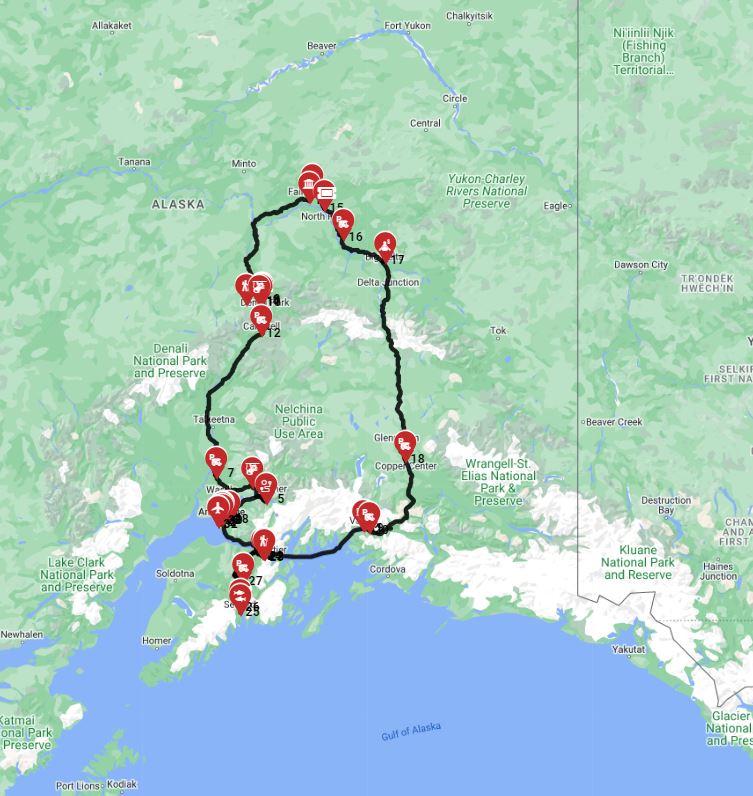
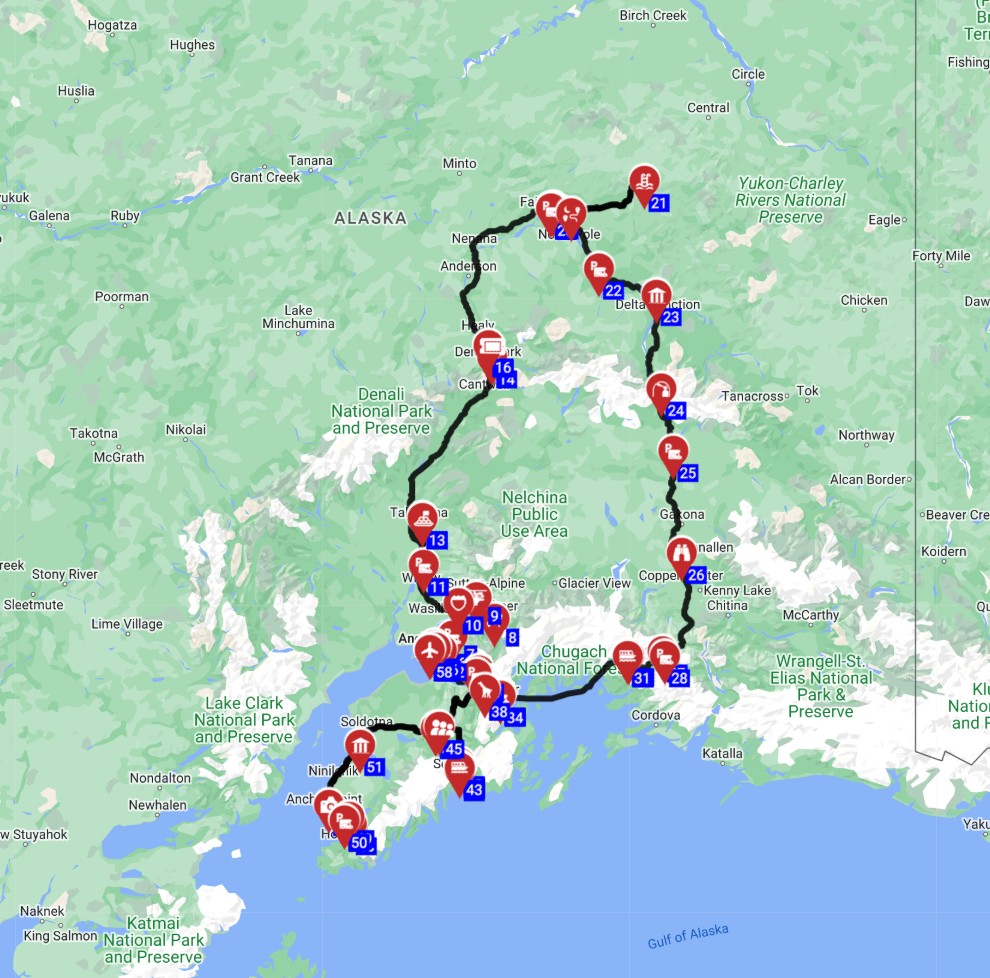
- Explore Denali National Park & Preserve: Witness North America's tallest peak, Denali, and search for grizzly bears, moose, and caribou. Consider an 11-day
RV itinerary like the
, which includes 2 wildlife watch opportunities and access to several tourist attractions.
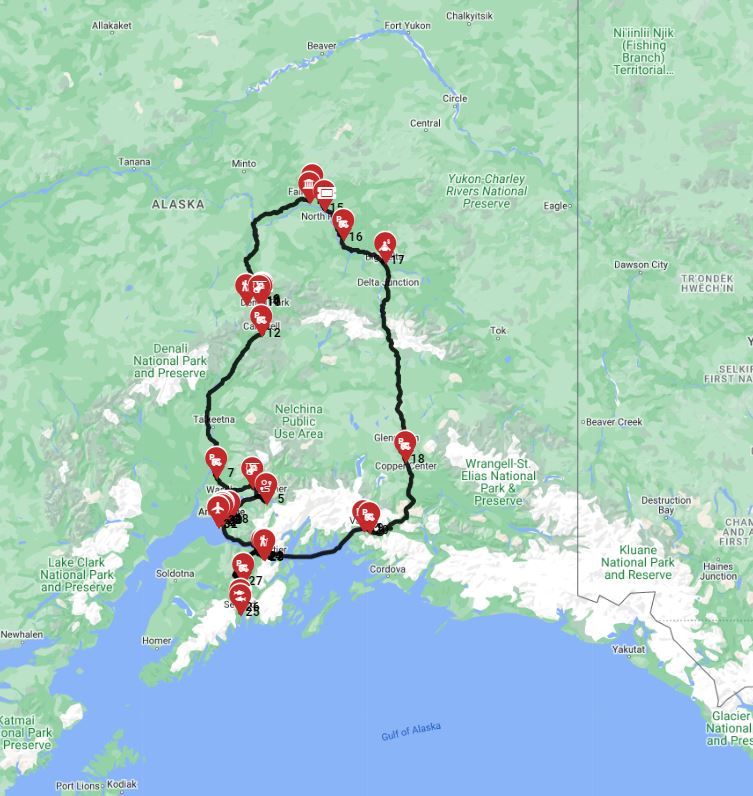 Anchorage Roundtrip - Alaska
 - Visit the Alaska Wildlife Conservation Center: Located at Mile 79 of the Seward Highway, this accredited sanctuary provides a safe home for orphaned and injured Alaskan wildlife, offering guaranteed views of bears, bison, moose, and more.
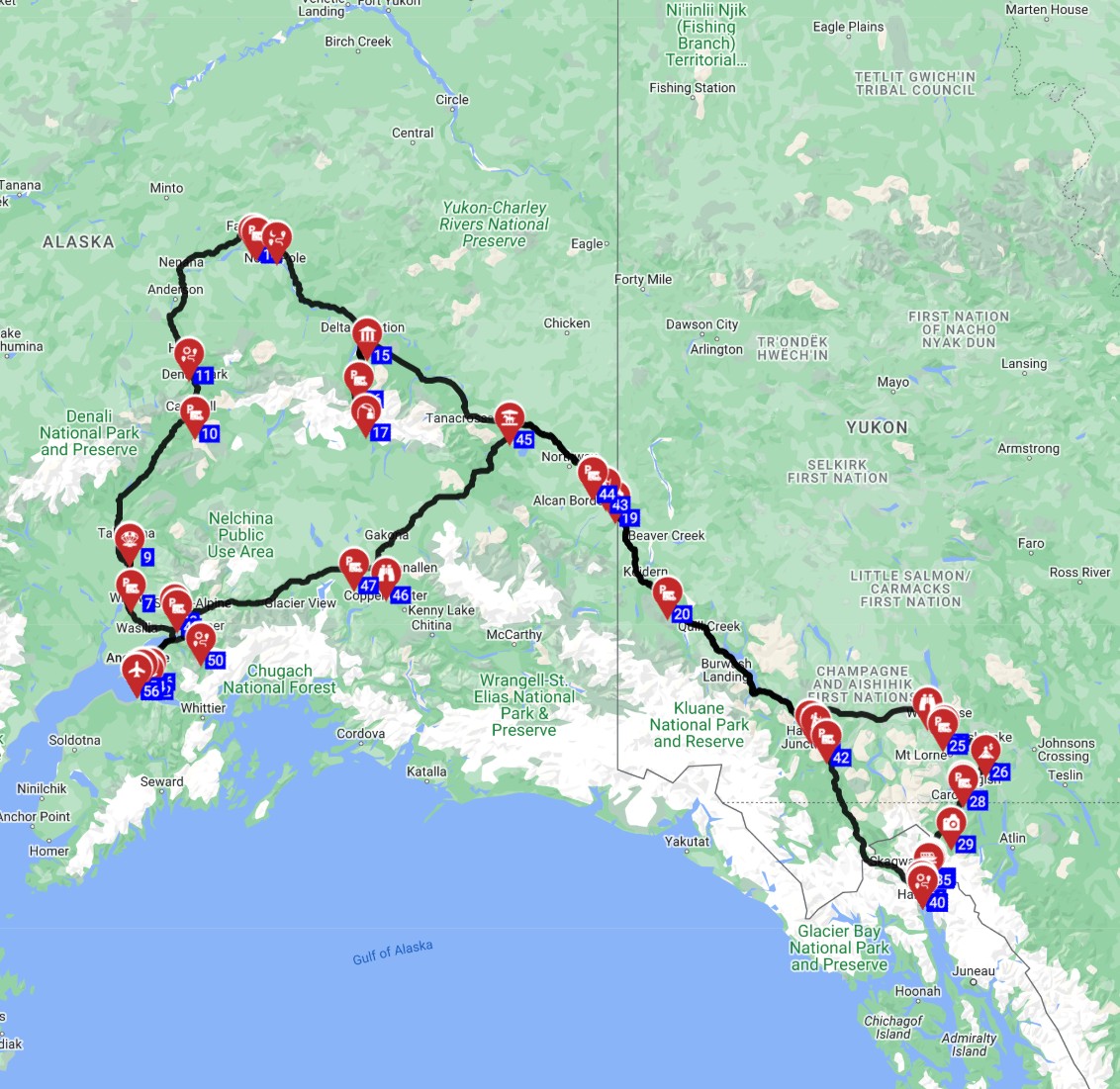
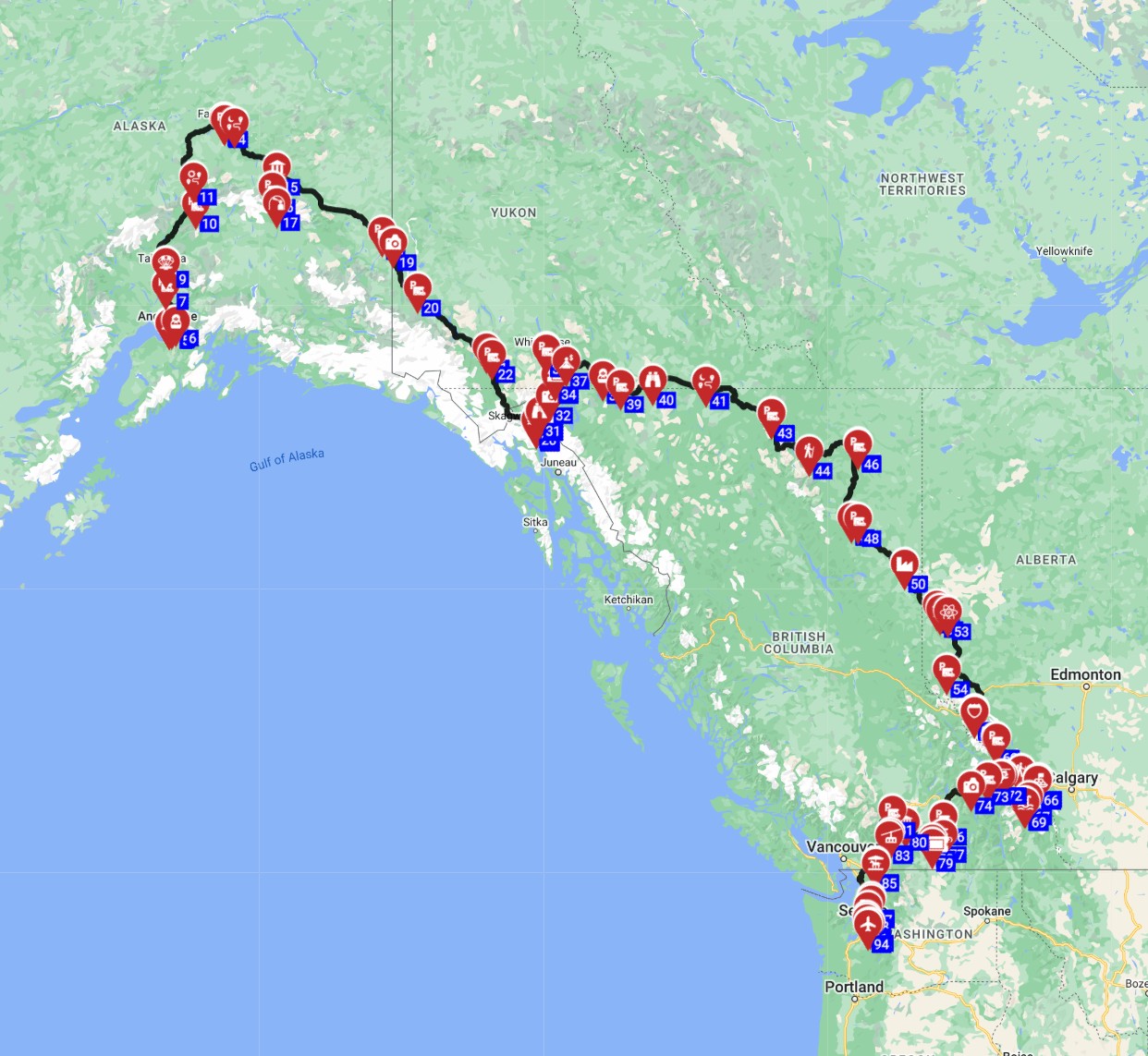
- Experience the Alaska-Yukon Discovery Trail: For an extended adventure, consider a 23-day route that covers 3539.2 km and includes 3 cruise terminals/sailing experiences, 3 hiking areas, and 3 museums. This journey promises a deep dive into the region's natural and cultural heritage.
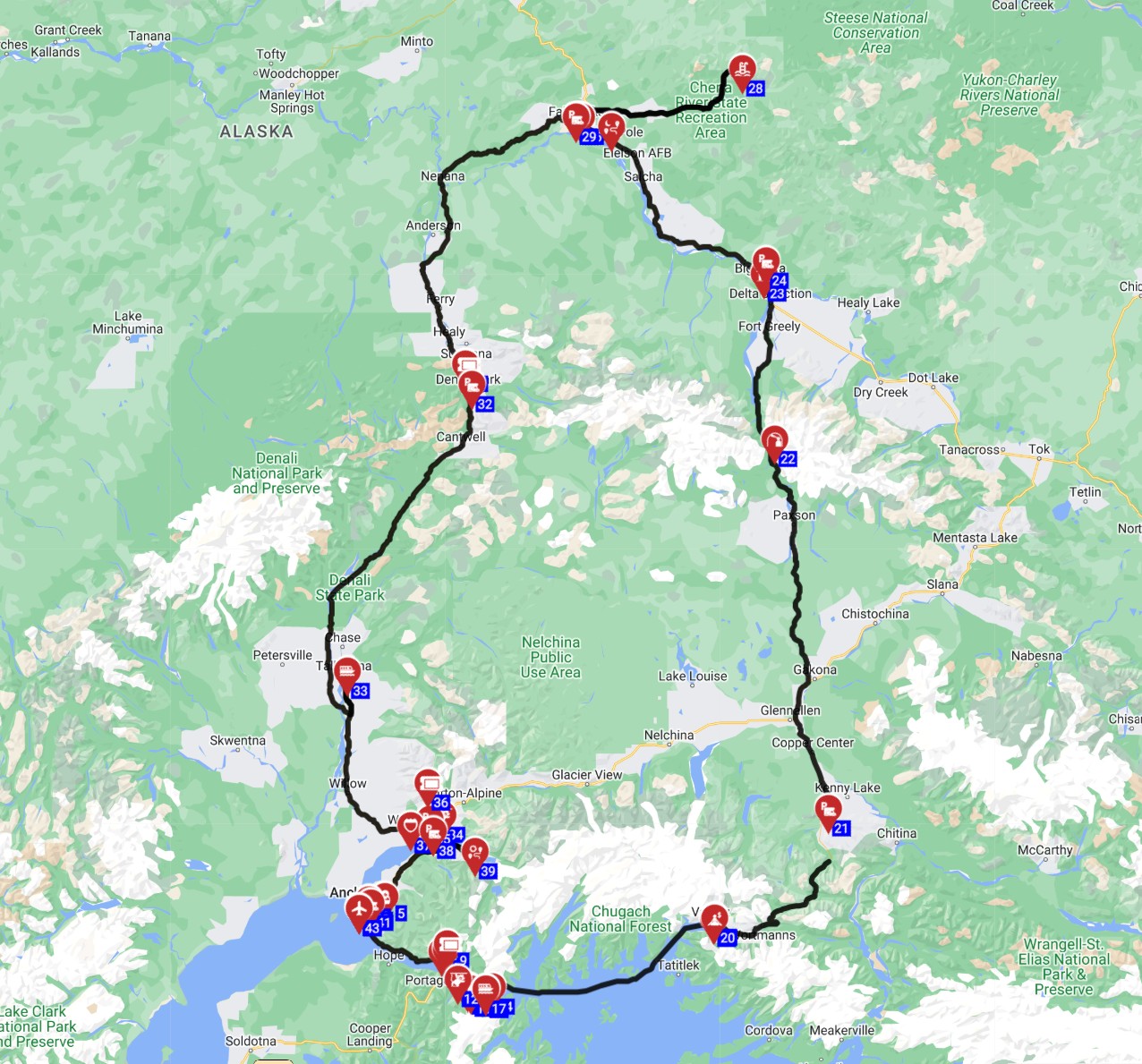
- Chase the Northern Lights: If traveling in late fall or early spring, a rented RV provides the perfect mobile base to find dark skies away from light pollution. Fairbanks, accessible via routes like the 15-day
, is a prime viewing location for the aurora borealis, often including night tours and scenic routes.
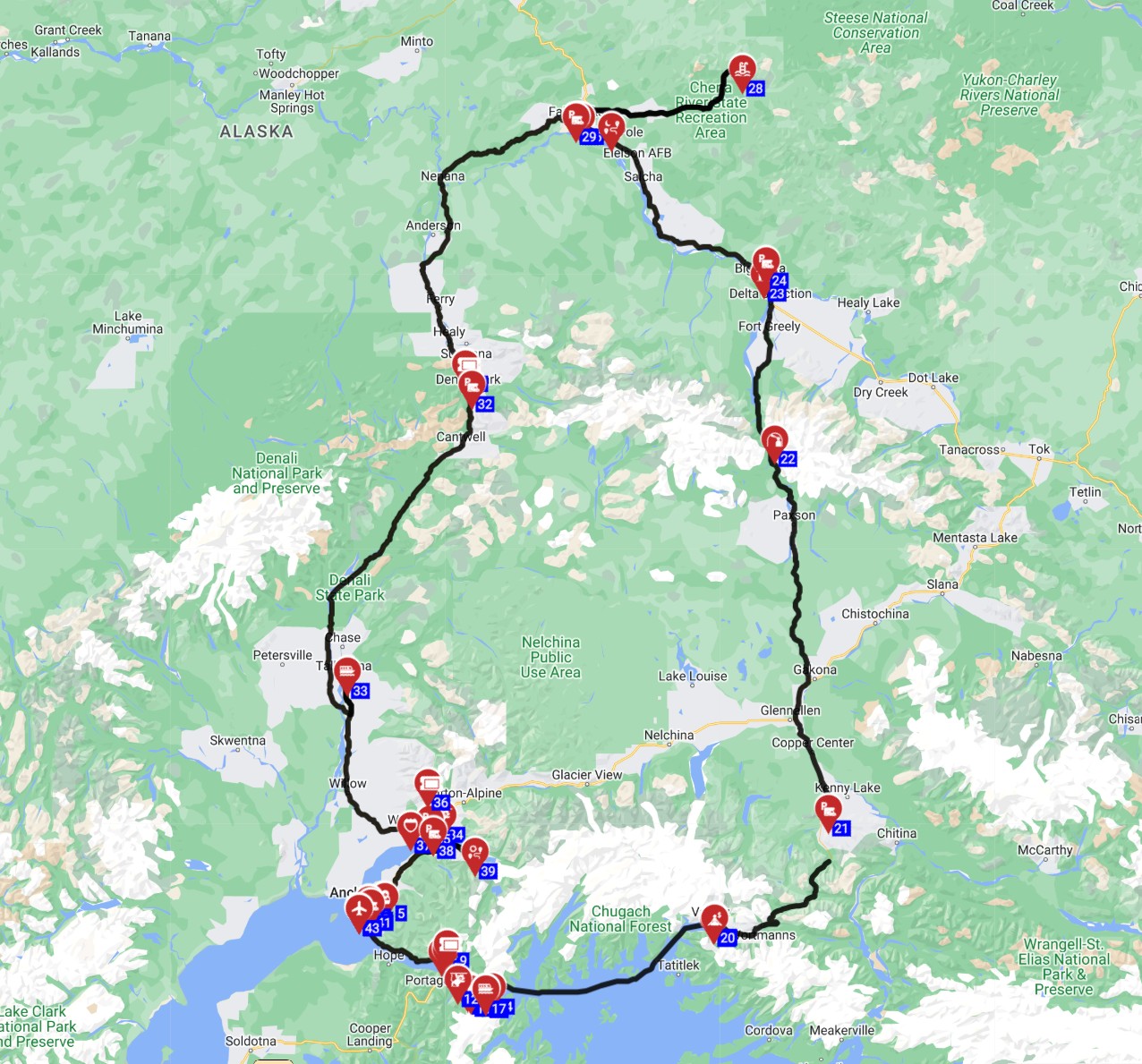 Anchorage Roundtrip Heading North - The Great Alaskan Wilderness Road Trip
Looking for expert insights from Avi Bandana? Top 5 Adventures - recommendations from Avi Bandana
Discover insider tips and must-see spots hand-picked by our founder, Avi Bandana, who has personally explored countless RV destinations worldwide. His recommendations are designed to make your journey truly extraordinary.
Final Thoughts
Embarking on a rented RV adventure in Alaska is an experience unlike any other, promising incredible scenery, unique wildlife encounters, and the ultimate freedom of the open road. With careful preparation and the right mindset, your journey through this magnificent state will be filled with unforgettable moments. Remember to drive slowly, savor each destination, and be prepared for the wilderness around you.
At Bandana, we're passionate about helping you discover the joy of RV travel. From finding the perfect motorhome to offering transparent pricing and expert advice, we're with you before and after your booking, ensuring your Alaskan escape is seamless and stress-free. So, imagine yourself waking up to glacier views, cooking breakfast with the sound of a nearby river, and exploring trails less traveled.
Your Alaskan RV dream is waiting. Get inspired for your next trip and plan a truly memorable itinerary today!