In This Guide
- What winter RV Rental Costs in West Europe (2026)
- Seasonal Pricing - Peak vs. Shoulder vs. Off-Season in West Europe
- What's Included vs. What's an Add-On
- Hidden Costs to Budget For in West Europe
- How to Save on winter RV Rental in West Europe
- What are the best RV routes for winter in Europe?
- What do I need to know about driving an RV in Europe in winter?
- Are RV parks open in Europe in winter?
- Is it safe to drive an RV in Europe in winter?
- What documents do I need to rent an RV in Europe?
- Is it worth it to rent an RV in Europe?
- Is it cheaper to rent an RV in Europe or buy one?
- What are the rules for wild camping in Europe?
- What are the driving laws for RVs in Europe?
- Do I need an international driving permit to rent an RV in Europe?
- How much is RV insurance in Europe?
Embarking on a winter RV adventure in West Europe offers a unique blend of cozy comfort and stunning, often snow-dusted, landscapes. Imagine yourself waking up to breathtaking views, with the crisp winter air invigorating your senses, and your mobile home providing a warm haven. At Bandana Caravan, we're passionate about helping you discover this incredible way to travel. Our full transparency means no hidden fees, ever, and our expertise as true RV specialists ensures you're in capable hands from the moment you start planning.
For live availability and current prices, start with our RV Rental West Europe - Complete Guide 2026 guide.
What winter RV Rental Costs in West Europe (2026)
RV rental prices in West Europe are dynamic, changing daily based on factors like demand, vehicle class, and rental duration, much like airline tickets. For instance, a compact campervan like a "Category Van" or a 2-berth "EcoLine 2" might start from €70-€90 per day in the low season, while a larger 4-6 berth Class C motorhome could range from €120-€250+ per day. The base rental typically includes essential coverage like basic insurance and a set mileage allowance, giving you a solid foundation for your trip.
When comparing costs, remember that a week-long trip will often have a higher average daily rate than a month-long adventure. Consider a vehicle like the "MH2 - IDUNN" campervan, ideal for a couple with a 133/190cm double bed, which offers cozy heating for winter travel. Families might look at a larger "MHC24" with sleeping for 6. To find the most accurate and current rates for your specific dates and preferred motorhome type, it’s always best to use a comparison tool like ours, which shows real-time pricing from over 50 leading suppliers worldwide.
For families of 4-6 people, a Class C motorhome such as the "4 Berth Adventurer" (sleeping up to 4) or a "Category Family 5" (sleeping up to 6) would provide ample space and comfort, though daily costs would be higher, typically starting from €150-€300 per day in winter. For couples, smaller campervans offer a more intimate experience at a lower price point, potentially around €70-€150 per day depending on the model and features. Don't forget that prices are dynamic, fluctuating based on availability and supplier decisions, so the final price is always set at the actual booking time.
Seasonal Pricing - Peak vs. Shoulder vs. Off-Season in West Europe
Off-season travel, from November to April (excluding major holidays like Christmas and New Year), generally offers the most budget-friendly RV rental prices in West Europe. During this period, you can often find significant savings, with April frequently being the cheapest month for securing a rental motorhome, sometimes offering rates up to 30% lower than peak season. Shoulder season, typically May-June and September-October, provides a pleasant balance of moderate prices and generally good weather, allowing you to avoid the highest summer crowds and costs while still enjoying accessible routes and services.
Peak season, spanning July-August and key holiday weeks, experiences the highest demand for campervan and motorhome rentals across West Europe, leading to substantially increased prices. If your travel dates are flexible, aiming for the quieter months can lead to considerable savings. Many national and state parks in West Europe reserve only 25-30% of their spots for advance bookings, leaving the majority available on a first-come-first-serve basis, even in peak periods. This flexibility means that even if you're a more spontaneous traveler, you'll often find a spot, and if not at the first campground, then likely at the next one. Just remember to call ahead before driving.
Consider that popular regions like the Alps might see higher demand and prices during winter ski seasons, while coastal areas in Spain or Portugal remain a more affordable and milder option. Our comprehensive platform helps you compare various offers across different seasons, so you can easily identify periods with lower rates. For more detailed insights into planning your trip, consider checking out our RV Travel Guide to West Europe - Tips and Top Spots 2026.
What's Included vs. What's an Add-On
Basic third-party liability insurance and a standard mileage allowance are typically included with most RV rentals in West Europe, providing essential coverage for your journey. However, the exact inclusions can vary significantly by provider and the specific motorhome or campervan model, so it's always important to read the terms carefully. Common add-ons, which usually come with an additional fee, include comprehensive insurance upgrades (like a top-level deductible reimbursement for extra peace of mind), unlimited mileage packages for extensive road trips, and practical equipment like kitchen utensils, bedding, and camping furniture.
Many suppliers also offer optional extras such as GPS navigation units, portable Wi-Fi hotspots for staying connected, child safety seats, and bicycle racks. For example, a 3-berth "K2D" motorhome might include a basic kitchen set, but a fully stocked kitchen with gourmet cookware might be an upgrade. On our platform, you can conveniently compare vehicles with included kitchen utensils, tableware, and bedding using a dedicated toggle in the search results, ensuring full transparency regarding what you're getting for the price. This way, there are no surprises when you pick up your rented RV, a core part of our full transparency promise.
Hidden Costs to Budget For in West Europe
Budgeting for ancillary trip costs beyond the initial RV rental is crucial for a smooth winter journey through West Europe. Fuel costs will vary significantly by country and fuel type (diesel vs. petrol), impacting your overall daily expenses. For example, diesel prices might be around €1.70/liter in Germany but closer to €1.90/liter in France, so having a good fuel consumption estimate (e.g., 10-15 liters/100 km for a Class C motorhome) is important. Tolls and vignettes are common throughout West Europe; while some rented RVs offer pre-purchased toll usage for convenience, in other cases, you'll need to budget for these as you go. Switzerland and Austria, for example, require vignettes for highway use, while France and Italy have numerous pay-as-you-go toll roads. On the routes offered through RV PLANET routes, you can itemize and track every expense along the way for easy budgeting.
Campsite fees also differ widely based on location, amenities, and season, with winter rates often lower in popular summer destinations but potentially higher in ski areas. Additionally, environmental zone charges, such as the Crit'Air sticker in France or the Umweltplakette in Germany, are applicable in many European cities and require specific vehicle registrations to avoid fines when entering urban centers, a rule that applies year-round. These stickers usually cost under €30 and can be purchased online in advance. Other potential costs include propane gas for heating and cooking, waste disposal charges if you're not at a campsite, and electrical hook-up adapters for different voltage systems across countries. Remember, on RV PLANET routes, travelers can itemize and track every expense along the way for easy budgeting.
When planning meals in your rented motorhome, you'll find equipped kitchens perfect for preparing your own RV-friendly recipes playlist, which can significantly cut down on dining expenses. Always factor in these variable costs, and remember that our commitment to full transparency extends to helping you understand all potential expenses so there are no surprises on your extended road trip.
How to Save on winter RV Rental in West Europe
Securing an affordable winter RV rental in West Europe involves strategic planning and flexibility. Booking during the shoulder season (May-June, September-October) or the off-season (November-April, excluding peak holidays) generally yields lower daily rates than the bustling summer months, sometimes saving you 20-30%. Opting for longer rental durations, such as a two-week adventure rather than a short trip, often results in a better average daily rate, maximizing value for your extended travel plans. Consider a compact campervan like the "Active Pop Top" for couples, which is often more economical in both rental cost and fuel efficiency (e.g. 9-12 liters/100 km) than a large Class C.
To further reduce expenses, consider pre-purchasing toll road usage or utilizing any fuel discount cards offered by your rental provider, as these can help you avoid unexpected charges on your trip through countries like France or Italy. Choosing a smaller RV class, such as a Class B campervan like the "Combi Van" or a compact Class C motorhome, that comfortably accommodates your group can significantly reduce both rental fees and fuel consumption, as they are easier to maneuver and more efficient. Monitoring flex-rate drops and booking your motorhome or campervan early, especially for popular periods like ski season, can secure more favorable prices before demand increases, giving you greater control over your budget for your West Europe journey.
What are the best RV routes for winter in Europe?
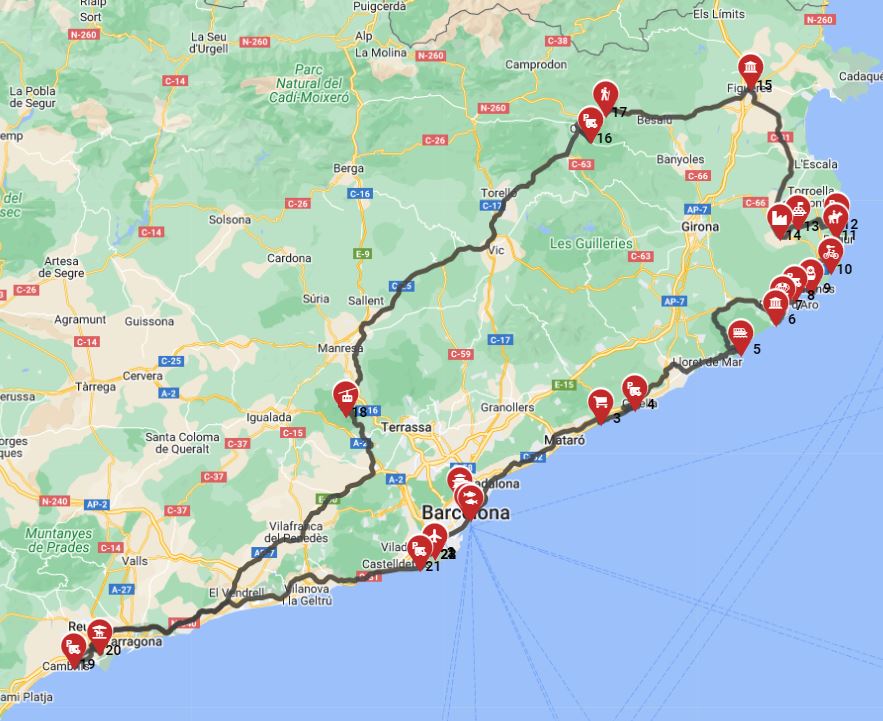
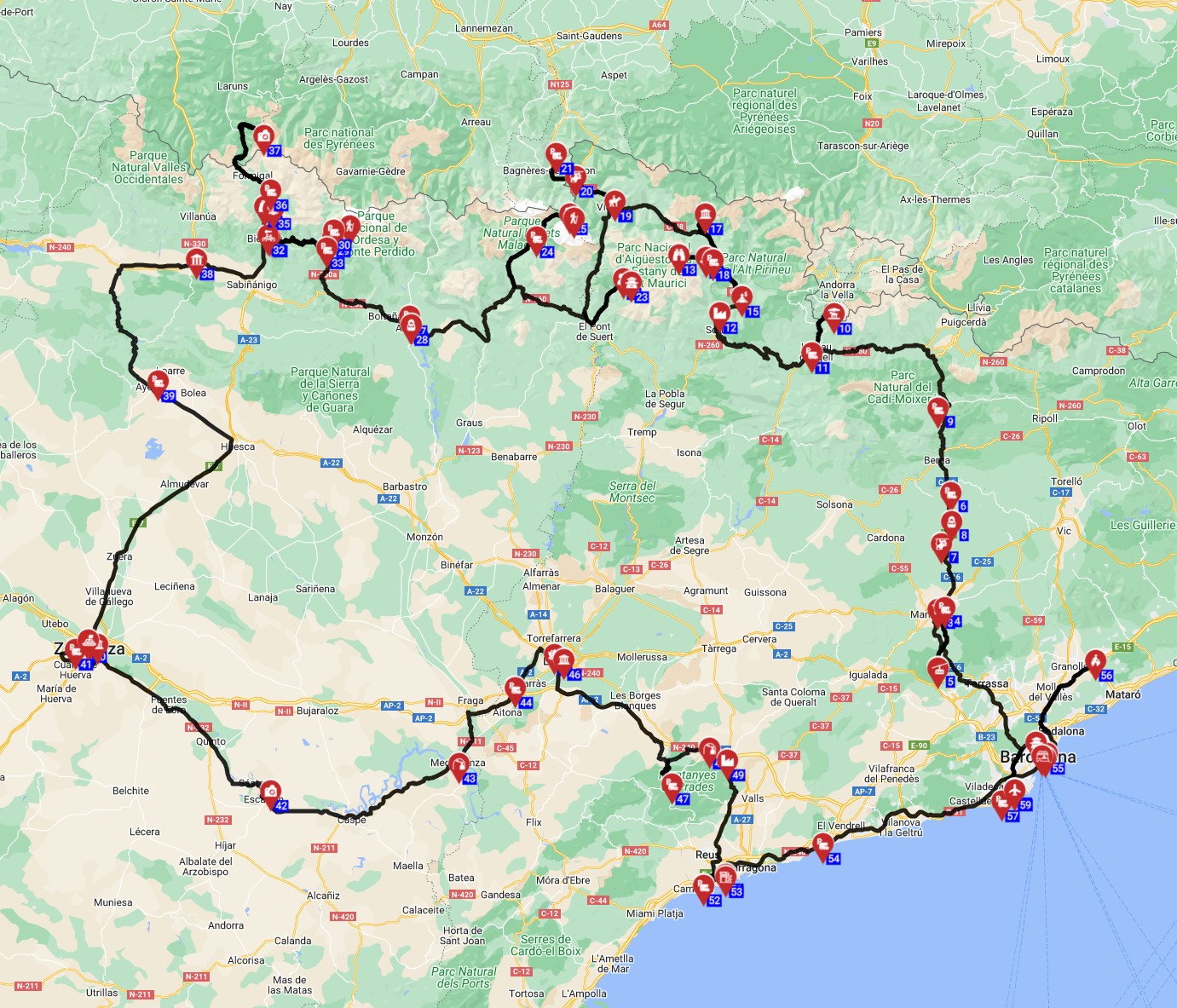
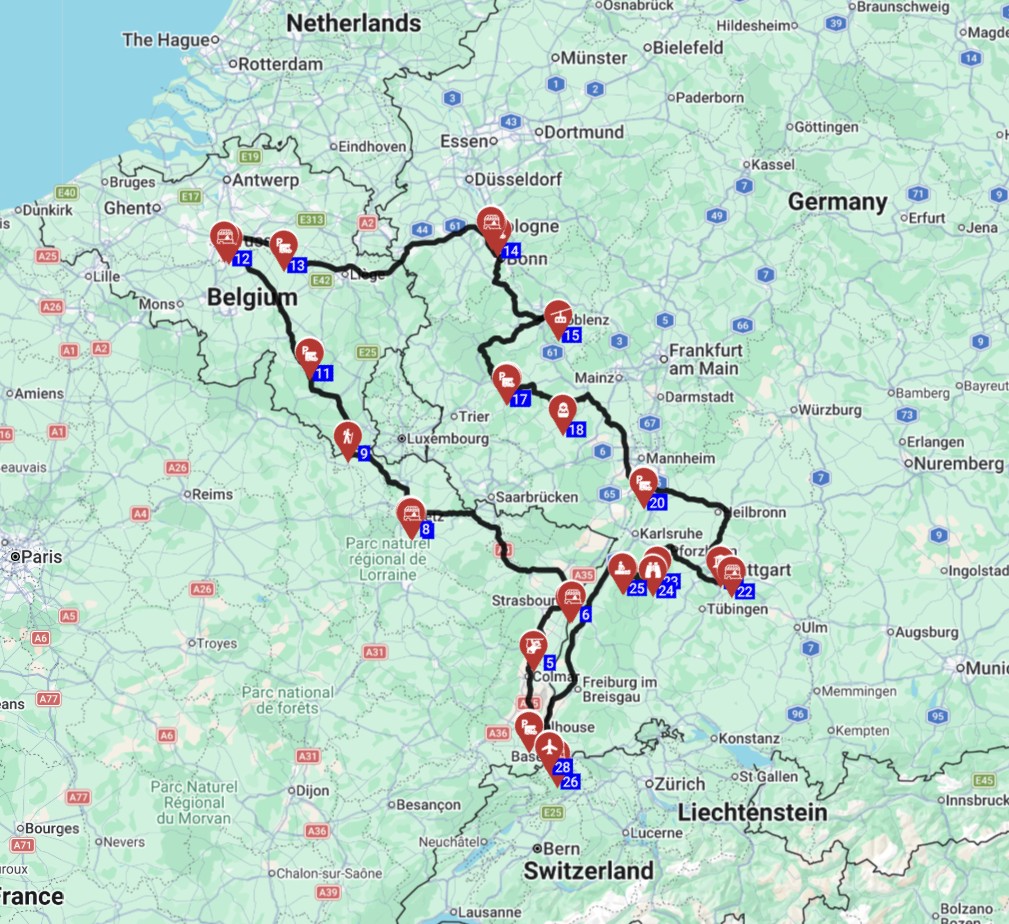
The best RV routes for winter in West Europe typically favor warmer southern regions, which offer milder climates and a higher likelihood of open campsites and attractions. Consider exploring the coasts of Spain and Portugal, where temperatures remain relatively pleasant, often above 10°C (50°F), and many dedicated RV parking spots (like 'aires de services') are accessible year-round. The French Riviera or parts of Italy, particularly the southern regions, also provide excellent options for a winter RV trip, combining scenic beauty with fewer crowds and less extreme weather. Imagine driving a comfortable "Knaus BoxDrive 680ME" campervan along the Mediterranean coast, with stunning views and easy access to local towns.
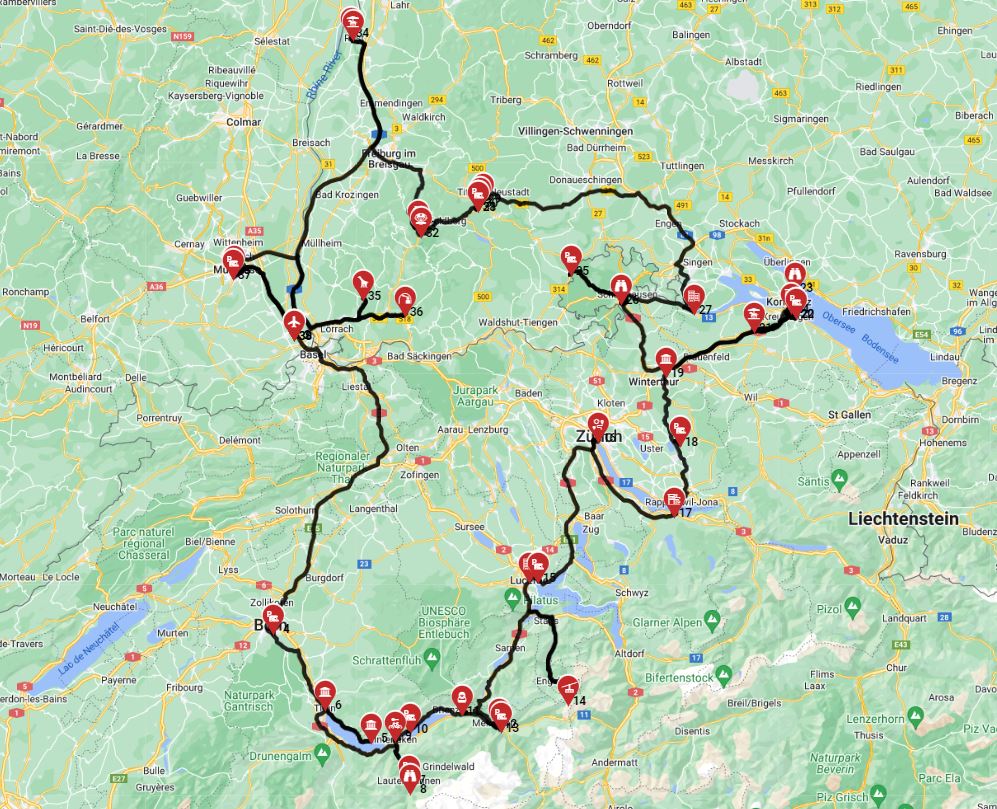
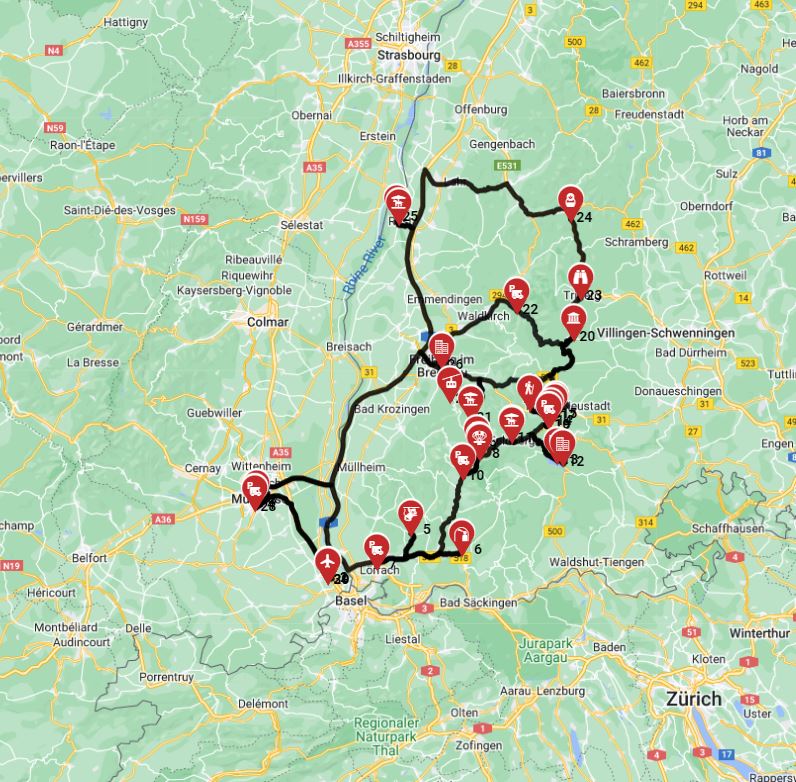
Alternatively, if you're prepared for colder temperatures and potential snow, early winter (late November to mid-December) can be ideal for visiting regions famous for their enchanting Christmas markets in Germany or Austria. However, be aware that mountainous areas like the Alps can pose significant driving challenges due to heavy snow and potential road closures, often requiring specialized equipment such as winter tires and snow chains, which are mandatory in many regions. Always travel slowly, max 100-150 km per day on average, to truly feel the place, connect to the culture, the food, and the scenery. For a more detailed itinerary, check out our "RV Driving Deals in West Europe - Routes and Savings 2026" or "Luxury RV Driving in West Europe - Scenic Routes 2026" for inspirational route plans.
What do I need to know about driving an RV in Europe in winter?
Driving a rented RV in West Europe during winter demands specific preparations and a keen awareness of road conditions and local regulations. Mandatory winter tires are required in many countries, including Germany and Austria, typically from November 1st to April 1st, and it's essential to carry snow chains, especially if your route involves mountain passes in areas like the Swiss Alps. Always ensure your motorhome is properly winterized, which means checking antifreeze levels, verifying the functionality of your heating systems, and ensuring your RV's battery is in top condition, as cold temperatures can significantly impact vehicle performance and your comfort.
Be vigilant about environmental zones like France's Crit'Air system or Germany's Umweltplakette, as these emissions stickers are required year-round for city access, and older RVs may face restrictions or fines if they enter without proper identification. Drive slowly and carefully, and you can drive almost anywhere without issues. No need to stress - just use common sense and pay attention. Navigation strategies for larger RVs should specifically account for potentially narrow, icy roads and limited parking in historic towns, making specialized RV navigation apps highly beneficial. For more in-depth advice, our "Driving an RV in West Europe - Complete Guide 2026" provides essential information.
Are RV parks open in Europe in winter?
Many RV parks and campsites in West Europe indeed remain open during the winter months, especially in southern countries like Spain, Portugal, and the south of France, often at reduced off-season rates. These regions typically experience milder winters, making them popular destinations for extended road trips. In central and northern Europe, while a good number of larger, all-season parks continue to operate, it's true that a significant portion of smaller or seasonal sites may close or offer limited services from November to March, so it's essential to plan. For finding campsites and campgrounds during your trip, we recommend using RV PLANET (rvplan.net) - a great resource for locating available spots along your route.
Designated parking areas for RVs, known as 'aires de services' in France and 'Stellplätze' in Germany, are frequently available year-round, providing crucial basic amenities like water and waste disposal. However, be mindful that water access at these sites might be limited or shut off in freezing conditions to prevent pipes from bursting. It is absolutely crucial to verify the opening status and specific services of any RV park in advance, as some may reduce staff or close facilities like swimming pools or restaurants during the colder months. This pre-planning ensures you'll have a comfortable and well-equipped stop for your rented motorhome or campervan, avoiding unexpected closures.
Is it safe to drive an RV in Europe in winter?
Driving a rented RV in West Europe during winter can be a very safe and rewarding experience with the right preparation and a vigilant approach to road conditions. The primary safety considerations involve being prepared for ice, snow, and reduced daylight hours, which can affect visibility and traction. Ensuring your RV is equipped with appropriate winter tires is critical, as they are legally required in certain regions (e.g., Germany, Austria) and highly recommended everywhere during winter. Carrying snow chains is also a smart precaution, especially if you anticipate driving through mountainous areas where conditions can change rapidly.
Prioritize safety by constantly monitoring local weather forecasts, driving defensively, and maintaining ample distance from other vehicles, particularly on potentially slippery roads. When it comes to overnight stays, choosing well-lit, designated overnight parking areas or established RV parks enhances security. Pay attention to your surroundings and trust your instincts. Remember that modern motorhomes and campervans are designed with comfort and safety in mind, offering reliable heating systems to keep you warm. Travel slowly, max 100-150 km per day on average, to fully enjoy the winter scenery and safely reach your destination.
What documents do I need to rent an RV in Europe?
To successfully rent an RV in West Europe, you will typically need a few key documents. Firstly, a valid driving license from your home country is essential, and it must be held for a minimum period, usually 2-3 years, depending on the supplier. Secondly, a passport or national ID card is required for identification. Lastly, a major credit card is needed for the rental deposit, which can range from €700 to €3,000, depending on the vehicle class and insurance chosen. Our platform, with its full price transparency, clearly outlines deposit requirements upfront, ensuring no hidden fees or surprises.
An International Driving Permit (IDP) is highly recommended for all drivers and is sometimes legally required if your national license is not in English or does not feature a photograph. While it is not mandatory in all cases, having an IDP alongside your original license can prevent potential issues with rental agencies or local authorities, especially if you're involved in an unexpected incident. The minimum rental age for motorhomes in West Europe is 21 years across most suppliers, with no young driver surcharges or vehicle class restrictions based on age, making RV travel accessible to a broader range of adventurers. Always double-check specific requirements with your chosen rental company, as policies can differ, particularly for visitors from outside the EU.
Is it worth it to rent an RV in Europe?
Renting an RV in West Europe is absolutely worth it for travelers seeking unparalleled freedom, flexibility, and a truly immersive travel experience. Imagine having your home-on-wheels, a "Luxury" motorhome with a 135/200cm double bed, ready to go wherever the road takes you, allowing you to explore diverse landscapes, from the sun-drenched coasts of Spain to the historic charm of German towns, all at your own pace. It can be a very cost-effective option for families or groups (4-7 people) compared to booking multiple hotel rooms and a separate car rental, especially since you can prepare your own meals in the onboard kitchen, saving significantly on dining out. This unique travel style fosters a deeper connection to local culture, enabling visits to smaller towns, regional markets, and scenic routes often missed by traditional tourists.
The ability to carry all your essentials, from winter gear to snacks, in a spacious Class C motorhome like the "MHC30" (with sleeping for 9), adds immense convenience. However, it's honest to acknowledge potential challenges: navigating narrow city streets in larger vehicles, finding suitable parking in bustling historic centers, and managing varying fuel prices and tolls across different countries. Drive slowly and carefully, and you can drive almost anywhere without issues. No need to stress - just use common sense and pay attention. Despite these minor hurdles, the freedom to wake up to a new view every day, with all the comforts of home, makes renting a motorhome or campervan in West Europe an unforgettable and highly recommended adventure.
Is it cheaper to rent an RV in Europe or buy one?
For short-term travel, typically less than 3-6 months, renting an RV in West Europe is almost always significantly cheaper and more practical than purchasing one. Buying an RV involves substantial upfront costs for the vehicle itself, plus additional expenses for registration, mandatory insurance, and ongoing maintenance, none of which you incur with a rental. Renting a motorhome like a "Class Family" (with seating for 6 and comfortable double beds) means you pick up a well-maintained, road-ready vehicle that meets local standards, without the long-term commitments or logistical headaches of ownership.
However, for extended stays, such as 6 months to a year or more, purchasing an RV might become financially viable, especially if you plan to sell the vehicle afterward. This route, however, introduces complexities like navigating vehicle shipping and customs if bringing one from outside Europe, as well as managing depreciation and the often-complicated sales process in a foreign country. Renting offers unparalleled convenience, allowing you to simply book, enjoy your week-long trip or extended adventure, and return the vehicle, with companies like Bandana Caravan handling the details and providing personal service from day one until your booking is confirmed. We are true RV specialists, not a travel agency side department, ensuring dedicated expertise.
What are the rules for wild camping in Europe?
Wild camping, which involves free camping or overnight parking outside of designated sites, is generally prohibited or heavily restricted in most of West Europe, particularly in countries known for high tourism like France, Germany, Spain, and Italy. Violations can lead to significant fines, especially along popular coastlines or in protected natural areas. Therefore, it's crucial for travelers with a rented RV to be aware of and respect local regulations.
However, regulations do vary by country. For example, while not strictly West Europe, Scandinavian countries like Sweden and Norway have 'Allemansrätten' (Freedom to Roam) which permits wild camping under strict adherence to leaving no trace. In West Europe, the common and legal practice is to utilize designated 'aires de services' in France or 'Stellplätze' in Germany. These are official, often free or low-cost parking spots specifically for motorhomes and campervans, providing basic facilities like water and waste disposal. Always research specific country and regional laws before attempting to wild camp with your motorhome or campervan, prioritizing respect for private property, local communities, and environmental conservation. This ensures a responsible and enjoyable RV experience.
What are the driving laws for RVs in Europe?
Driving a rented RV in West Europe requires careful attention to specific driving laws that can differ significantly from standard car regulations. Speed limits, for instance, often vary based on the vehicle's weight and the type of road, typically being lower for motorhomes (e.g., 90 km/h on highways instead of 130 km/h for cars in France), and these limits are rigorously enforced. Many countries mandate that specific safety equipment, such as a reflective safety vest for all occupants and a warning triangle, must be carried within the vehicle at all times. Failure to comply can result in fines.
Environmental zones, including France's Crit'Air stickers or Germany's Umweltplakette, require specific emissions stickers for entry into many urban areas, which impacts RV travel in city centers year-round. You need to purchase these in advance if you plan to enter such zones. Toll systems and vignette requirements also differ widely; countries like Switzerland and Austria require a pre-paid vignette for highway use, while others, such as France and Italy, operate pay-as-you-go tolls. It's also essential to be aware of maximum permissible dimensions (height, width, length) for RVs, as these can affect access to certain roads, tunnels, and historic city centers. For comprehensive details on driving a motorhome, our "Driving an RV in West Europe - Complete Guide 2026" offers extensive advice.
Do I need an international driving permit to rent an RV in Europe?
An International Driving Permit (IDP) is highly recommended when renting an RV in West Europe, and in some cases, it may be legally required. This is particularly true if your national driving license is not issued in an EU/EEA country, or if it is not in English or another commonly understood language. The IDP serves as an official translation of your valid domestic driver's license and must always be presented alongside your original license. It acts as a helpful supplementary document for local authorities and rental agencies, making your journey smoother.
While some rental companies might not strictly enforce the IDP requirement for certain nationalities, it is always safer and more advisable to obtain one to avoid any potential issues with law enforcement or in the event of an accident. The minimum age for renting any class of motorhome or campervan in West Europe is 21, and thankfully, there are no young driver surcharges or vehicle class restrictions based on age. Before you embark on your "Week-Long RV Driving Tour in West Europe 2026", always check the specific requirements of the countries you plan to visit and your chosen rental provider to confirm if an IDP is mandatory for your license type.
How much is RV insurance in Europe?
Basic third-party liability insurance is always included in the RV rental price in Europe, fulfilling legal requirements by covering damages to third parties but offering limited protection for the rented vehicle itself. The cost of additional RV insurance, designed to reduce your deductible (or "excess") and provide more comprehensive coverage for accidental damage to the rental motorhome, varies significantly. This depends on the specific rental provider, the class of vehicle (e.g., a compact campervan like the "Duo" versus a larger Class A motorhome like the "Exclusive First"), and the duration of your rental.
Full coverage options, which often include a zero-deductible policy and enhanced roadside assistance, can typically range from €20 to €50+ per day, depending on the chosen level of protection. You can upgrade to a top-level deductible for extra peace of mind, ensuring you're covered for most eventualities during your extended road trip. Our platform allows you to see prices including the most comprehensive coverage directly during your search, displaying all relevant insurance options and their associated costs for each available RV. This commitment to full transparency means you'll understand all potential costs upfront, with no hidden fees or surprises.
What You Shouldn't Miss
- **The Romantic Road, Germany:** Drive through picturesque medieval towns like Rothenburg ob der Tauber, especially magical when dusted with winter snow, creating a fairytale atmosphere.
- **Loire Valley Chateaux, France:** Visit some of France's iconic castles, such as Chambord or Chenonceau, with fewer crowds in winter, often enhanced by winter illuminations or special events.
- **The Portuguese Coast (Algarve):** Enjoy milder winter temperatures and stunning Atlantic views, with plenty of coastal towns open and active, ideal for a more relaxed pace.
- **Swiss Alps Winter Wonderland:** Experience the majestic snow-capped peaks and charming villages, perfect for winter sports enthusiasts, though be prepared for winter driving requirements like chains.
- **Alsace Wine Route, France:** In early winter, explore charming towns like Colmar or Strasbourg, renowned for their incredible Christmas markets and unique Franco-German culture.
Looking for expert insights from Avi Bandana?
🎬 Video coming soon
Top 5 Adventures - recommendations from Avi Bandana.
Final Thoughts
Exploring West Europe in a rented RV during winter offers an unforgettable adventure, blending the magic of festive towns with the tranquility of snowy landscapes. It's a journey filled with freedom, flexibility, and the cozy comfort of your own mobile home. With a bit of planning and an understanding of seasonal pricing and local regulations, you're set for an incredible experience that goes beyond the typical tourist trails.
Remember, we're here to support you through every step of the booking process, from comparing prices across suppliers like El Monte and Apollo to coordinating all the details. Our aim is to make your winter RV rental in West Europe as straightforward and enjoyable as possible, so you can focus on making cherished memories. So go ahead, imagine yourself on the route, savoring local delicacies and soaking in the rich history of West Europe, all from the comfort of your rented motorhome.
Get inspired for your next trip! Compare Motorhome Prices for West Europe and start planning an unforgettable winter journey today.