In This Guide
- What Winter RV Rental Costs in West Canada (2026)
- Seasonal Pricing - Peak vs. Shoulder vs. Off-Season in West Canada
- What's Included vs. What's an Add-On
- Hidden Costs to Budget For in West Canada
- How to Save on Winter RV Rental in West Canada
- What do I need to know about winter RV camping in Western Canada?
- Is it safe to drive an RV in winter in West Canada?
- What are the best RV rental companies for winter in West Canada?
- How much does it cost to rent an RV for a month in West Canada during winter?
- Are RV parks open in winter in Banff National Park?
- What's the best type of RV for winter camping in West Canada?
- Can you rent a winterized RV?
- Tips for winter RVing in Alberta and British Columbia
- Where can I get an RV serviced or repaired in West Canada during winter?
- What are the regulations for RV camping in winter in West Canada?
- Top Cities for RV Rental in West Canada
- Country-Wide Practical Info for RV Travel in West Canada
Embarking on a winter RV adventure in West Canada offers an unparalleled experience, transforming the majestic landscapes of Alberta and British Columbia into a snow-covered wonderland. Imagine waking up to fresh powder, enjoying a warm cup of coffee in your cozy rented motorhome, and stepping out directly into a world of pristine wilderness. Planning such a memorable trip requires careful consideration, especially regarding the costs involved.
At Bandana RV, we believe in making your dream RV rental trip a reality, offering full transparency with no hidden fees and dedicated support from real RV specialists who genuinely understand the ins and outs of motorhome travel. For live availability and current prices, start with our RV Rental West Canada - Complete Guide 2026 guide. We're here to support you before, during, and after your booking, ensuring a smooth and enjoyable journey from start to finish.
🎬 Video coming soon
What Winter RV Rental Costs in West Canada (2026)
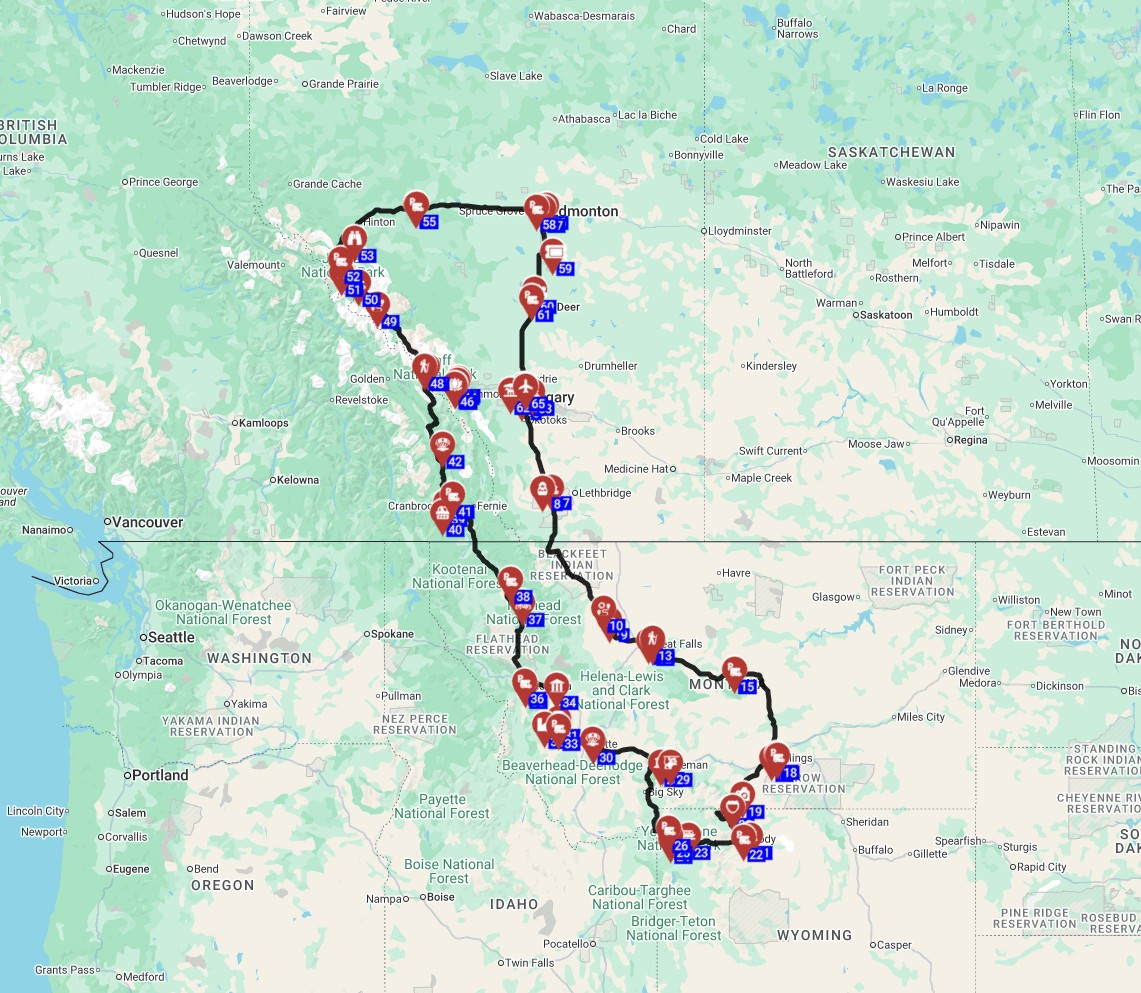
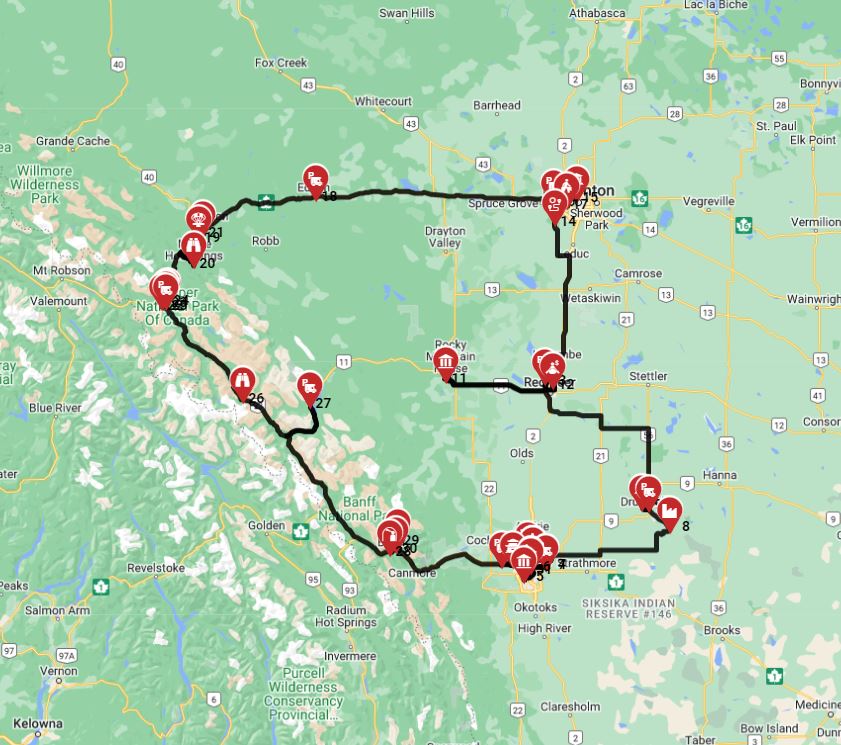
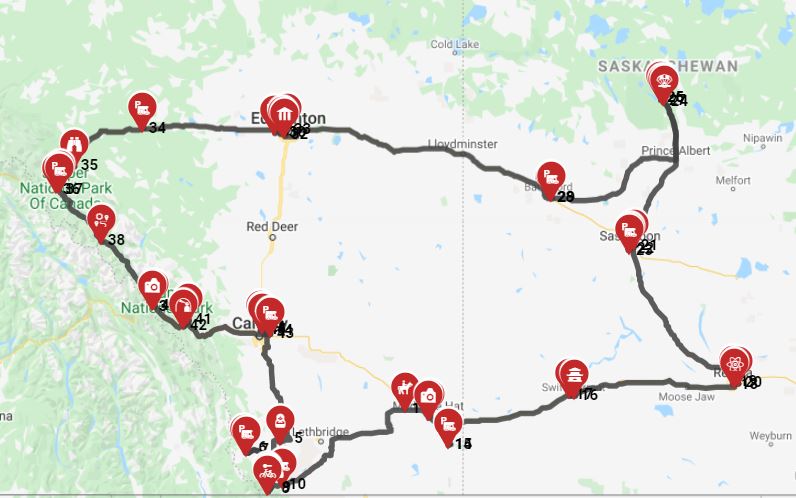
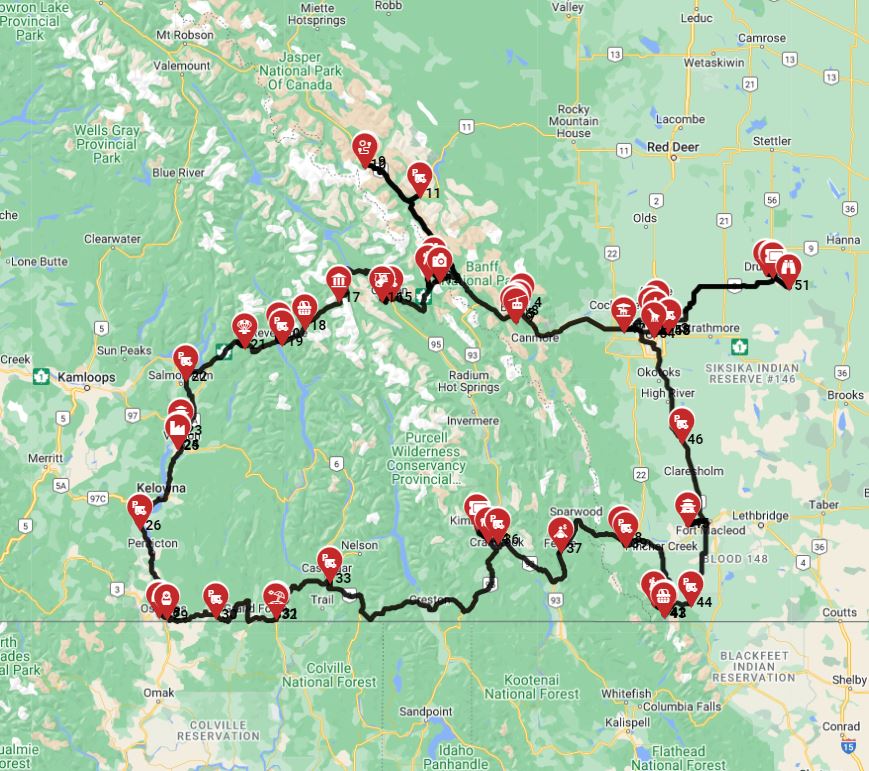
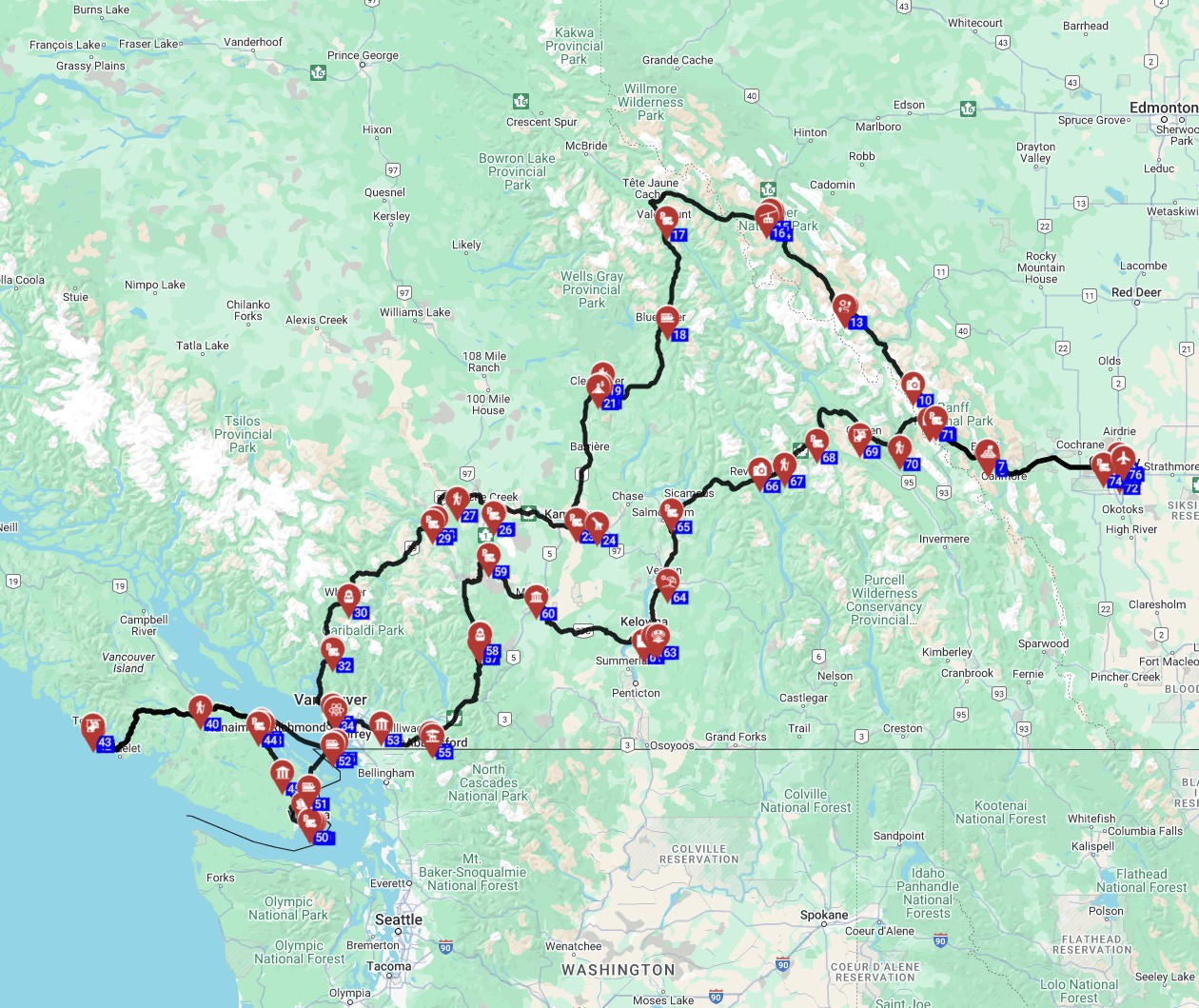
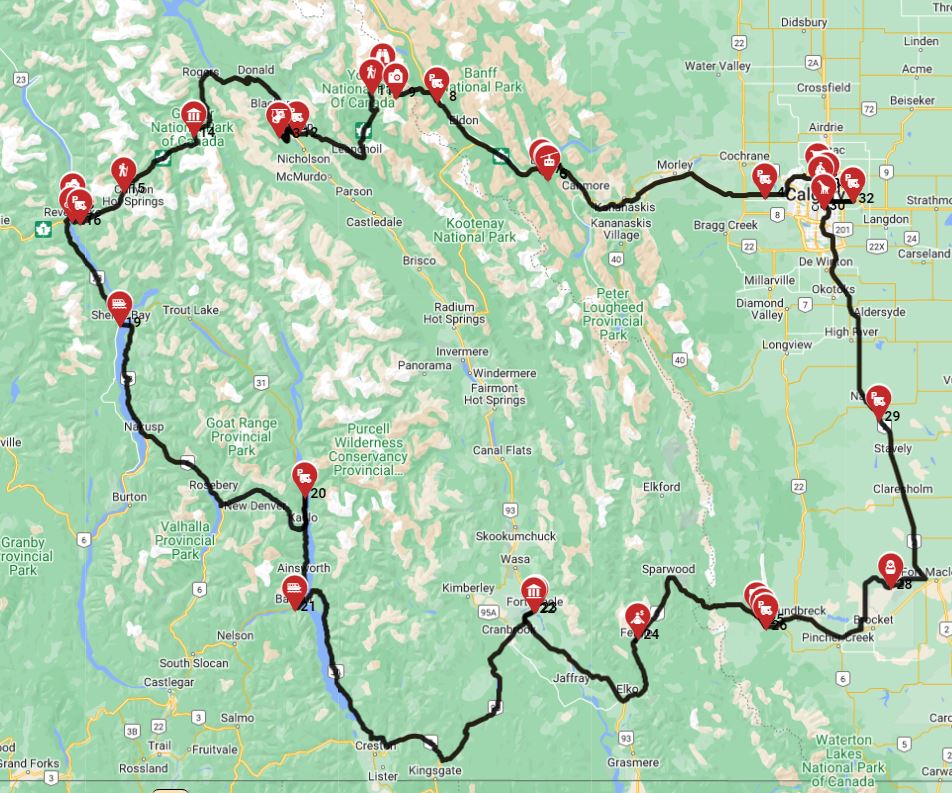
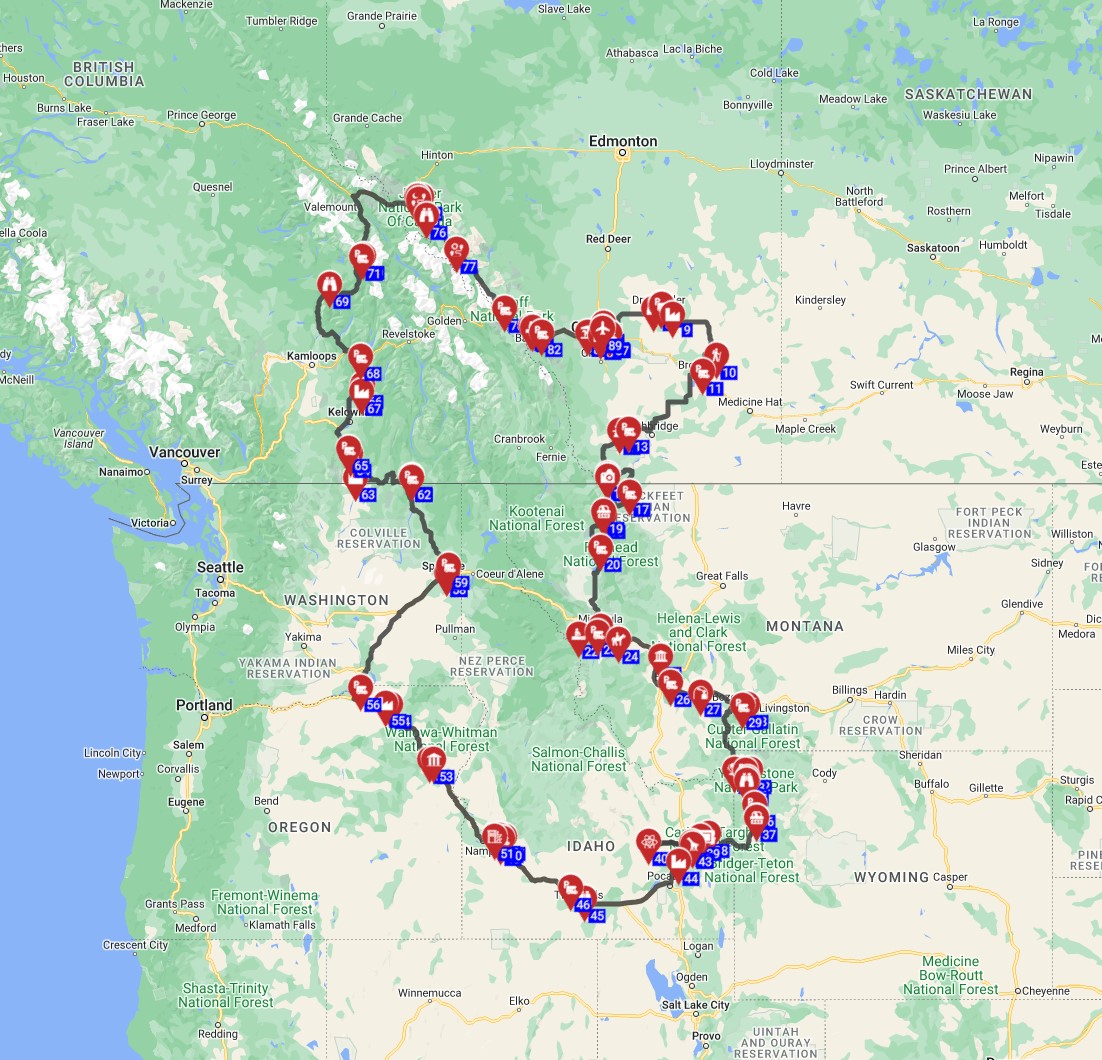
The cost of a winter RV rental in West Canada varies significantly in 2026, primarily influenced by the type of motorhome, rental duration, and exact travel dates. For a 1-week winter RV trip in West Canada, a smaller Class B campervan might range from $1000-$1800 CAD, while a mid-size Class C motorhome for a family could cost $1500-$2500 CAD. A two-week adventure typically sees daily rates drop slightly, resulting in total costs between $2500-$4000 CAD for a Class C. For an extended 1-month winter RV rental, you can expect rates to be even more economical per day, with total costs often falling between $4000-$7000 CAD for a Class C, plus additional expenses for propane, fuel, and campsites. Prices are dynamic and can change daily based on availability and supplier decisions, similar to airline tickets. On the routes offered through RV PLANET routes, you can itemize and track every expense along the way for easy budgeting.
For couples seeking a compact and agile option like the "2 Berth Hi Top" or "Active Standard" campervan, daily rates during winter might be around $140-$220 CAD. Families with 4-6 members, considering a Class C motorhome like the "24' Class C Motorhome" or a "4 Berth Seeker," should budget for $200-$300 CAD per day. These larger vehicles offer more living space and amenities suitable for colder weather, such as a comfortable dining area and a full kitchen for preparing warm meals. Planning your budget using RV PLANET routes allows you to itemize and track every expense, from rental fees to groceries, ensuring no surprises.
Seasonal Pricing - Peak vs. Shoulder vs. Off-Season in West Canada
RV rental prices in West Canada fluctuate significantly with the seasons, with winter generally representing the off-season, offering the most economical rates. Off-season, typically from November to April, sees daily rates for a Class C motorhome average between $150-$300 CAD. This period offers budget-friendly opportunities to explore snow-covered landscapes without the summer crowds. Shoulder seasons, spanning May-June and September-October, have moderate prices, usually 15-30% higher than winter rates, as demand begins to increase or taper off. Peak season, primarily July and August, experiences the highest demand and prices, which can be 50-100% more than off-season rates.
Choosing to travel during the winter months not only saves on rental costs but also provides a unique, serene experience of West Canada's majestic scenery. While summer is popular for its warmth, winter offers snow sports, frozen lakes, and incredible wildlife viewing opportunities. By opting for a winter rental, you can enjoy these experiences often with more availability at campgrounds, especially in national parks where many sites remain open year-round with electric hookups, albeit with limited water services due to freezing temperatures.
What's Included vs. What's an Add-On
Standard RV rentals in West Canada typically include basic insurance coverage, but many essential items for a comfortable journey are often considered add-ons. Basic vehicle insurance, which limits your liability, is always included in your rental price. However, additional insurance options, such as collision damage waiver (CDW) or enhanced liability, are often available for an extra fee. You can upgrade to a top-level deductible for extra peace of mind, which we always recommend for winter conditions.
Common add-ons to budget for include mileage packages (often ranging from 100 km/day to unlimited options), generator usage fees (if the RV has one and you plan to dry camp), convenience kits (which contain kitchenware and bedding for approximately $50-$150 CAD per person), and winterization fees (for draining water systems in non-four-season RVs). Always review the inclusions and add-ons carefully during the booking process, as these vary by supplier and can significantly impact your total cost. We prioritize full transparency, ensuring you see all potential costs upfront, so there are no hidden fees or surprises.

How to Save on Winter RV Rental in West Canada
To significantly reduce the cost of a winter RV rental in West Canada, consider booking during the shoulder or off-season, which generally runs from November through April. This period offers the most economical rates, sometimes saving up to 30-50% compared to peak summer prices. Booking longer rental durations, such as a multi-week or month-long trip, often results in better daily rates than shorter trips. Being flexible with your travel dates, even by a few days, can also reveal cheaper options, as prices are dynamic and change daily based on availability. Utilize comparison platforms to scout for flex-rate drops and last-minute deals, which do exist, particularly for spontaneous travelers.
Choosing a smaller RV class, such as a Class B campervan, if it fits your group size, can also lead to substantial savings on both rental fees and fuel costs. The "Active Compact Select" is a great example of a compact yet capable campervan for a couple. Additionally, pre-purchasing mileage packages or kits can be more cost-effective than paying for them daily. Drive slowly, adhering to our recommendation of max 100-150 km per day, which not only enhances your experience but also significantly saves on fuel. Consider cooking more meals in your rented motorhome, using the equipped kitchen, which is an excellent way to save on dining expenses. Explore our RV-friendly recipes playlist for inspiration.
What do I need to know about winter RV camping in Western Canada?
Winter RV camping in Western Canada requires specific preparation for cold weather, including ensuring your rented RV is winterized, which involves draining water systems and adding antifreeze to prevent freezing pipes. Most rental companies will provide fully winterized vehicles for cold-weather trips. Essential preparations also include appropriate winter tires (M+S or mountain snowflake symbol) or tire chains, which are legally required on many routes in British Columbia and highly recommended in Alberta. Understanding limited service availability at some campgrounds is also crucial, as water hookups are often shut off, requiring you to rely on your RV's fresh water tank and propane heating for comfort. Be prepared for shorter daylight hours and potential cell signal dead zones in remote areas, necessitating alternative communication methods.
Carrying extra insulation for windows, ensuring sufficient propane for heating, and having a reliable furnace are crucial for comfort and safety. Dressing in layers, bringing waterproof outer shells, and having appropriate footwear for snow are also paramount. Always ensure your rental motorhome has sufficient battery power or generator access for heating and lighting, especially if not connected to shore power. We recommend meticulous planning, but also embracing the spontaneity of RV travel, as many provincial and national parks maintain a portion of their campsites as first-come, first-served, even in winter. If a preferred campground is full, there's often another welcoming spot nearby. Just call ahead before driving long distances.
Is it safe to drive an RV in winter in West Canada?
Driving a rented RV in West Canada during winter can be safe with proper planning, experience with winter driving conditions, and an appropriately equipped vehicle. Winter tires (M+S or mountain snowflake symbol) are often legally required on certain routes in British Columbia (especially on mountain passes from October 1 to April 30), and tire chains may be necessary for extreme conditions. Always check current road conditions via provincial resources like DriveBC for British Columbia and 511 Alberta for Alberta, as weather can change rapidly in the mountains. Drive slowly and carefully, and you can drive almost anywhere without issues. No need to stress - just use common sense and pay attention. Practice mountain driving tips, such as using engine braking to control speed on descents and maintaining safe distances, especially on icy or snowy roads.
Understanding your specific rented motorhome's capabilities is key. Smaller Class B campervans offer better maneuverability, while larger Class C motorhomes may require more caution on winding or snow-covered roads. Regardless of size, ensure all fluid levels are topped up, windshield wipers are in good condition, and that you have an emergency kit including blankets, non-perishable food, and a shovel. Our 24/7 support during the booking process means you have real people behind you, ready to help you prepare for a confident and secure journey.
What are the best RV rental companies for winter in West Canada?
The best RV rental companies for winter in West Canada are those offering fully winterized vehicles, comprehensive insurance options, and reliable 24/7 roadside assistance. Leading Bandana partner suppliers like CanaDream and Fraserway RV are well-regarded for their winter-ready fleet and services in West Canada, including vehicles with heated tanks and robust heating systems. Cruise Canada also offers Class C motorhomes suitable for colder climates, though specific winterization features should always be confirmed.
When comparing providers through platforms like ours, prioritize companies that clearly detail their winterization process and offer robust insurance options for cold-weather travel, including damage caused by freezing. Our true RV specialists have personal experience with many of these suppliers and can help you compare options based on your specific winter travel needs. For example, a CanaDream MH-A, a large 6-berth Class C, explicitly mentions being a "winter ready RV - ideally for winter trips," providing confidence for larger families or groups. Their technical specifications include a 208 Liter fuel tank and 63 Liter propane capacity, essential for extended winter travel.
How much does it cost to rent an RV for a month in West Canada during winter?
Renting an RV for a month in West Canada during winter typically offers lower daily rates than shorter, peak season rentals, with total costs varying significantly based on the vehicle class and exact dates. For a mid-size Class C motorhome (e.g., a 4-berth model), a month-long winter rental could cost between $4000-$7000 CAD in total rental fees. This represents a daily rate of $130-$230 CAD, which is often more economical per day compared to shorter one-week trips in warmer months.
Comprehensive budgeting beyond just the rental fee should include significant allocations for fuel (approximately $1500-$2500 CAD for moderate driving over a month), winter campground fees ($900-$1500 CAD for 30 nights at $30-$50 CAD/night), national park passes (if applicable), and specific activity costs like ski lift tickets or dog sledding tours. Propane consumption for heating will also be higher, potentially adding $100-$200+ CAD over a month. Factoring in specialized equipment like tire chains ($50-$150 CAD purchase or rental) is also wise. Our platform ensures full price transparency, clearly outlining what's included and any optional add-ons, so you can plan your extended winter adventure in West Canada with confidence.
Are RV parks open in winter in Banff National Park?
While many RV parks in Banff National Park close for the winter season, a few critical campgrounds remain open year-round, offering essential services for winter RVers. Tunnel Mountain Village II is a prime example, typically providing electrical hookups for over 300 sites throughout the winter. However, direct water services at individual sites are usually shut off to prevent freezing, requiring campers to fill their fresh water tanks and rely on their RV's internal systems. Reservations are highly recommended even in the winter season, especially for popular, serviced sites, as they can fill up, particularly around holidays or popular ski weekends.
Be aware of specific National Park rules, including restricted generator hours (e.g., 9-11 AM and 6-8 PM in some areas), strict bear-smart food storage requirements even in winter, and any other winter-specific regulations. These rules are in place to protect both visitors and the local wildlife. For finding campsites and campgrounds during your trip, we recommend using RV PLANET (rvplan.net), a great resource for locating available spots along your route.
What's the best type of RV for winter camping in West Canada?
The best RV type for winter camping in West Canada is typically a well-insulated Class B campervan or a compact Class C motorhome, both offering good maneuverability and effective heating. Vehicles marketed as 'four-season' or 'winterized' are ideal, featuring enhanced insulation in walls and floors, heated holding tanks, and powerful furnaces capable of maintaining comfortable interior temperatures even when outside temperatures drop below freezing. Smaller rigs, such as a Class B campervan like the "2 Berth Rover" or "Juliette 2-3", generally offer better handling on snowy and icy mountain roads, reducing driving stress for those less experienced with winter conditions. Their compact size makes them easier to park and navigate through smaller towns or city streets.
Larger Class C motorhomes, such as a "4 Berth Henty" or a "29′ Class C Motorhome", offer more interior space and larger freshwater tanks, which is beneficial when direct water hookups are unavailable. While capable, they require a driver confident with larger vehicles in winter conditions. Class A motorhomes, while spacious, are generally less suitable for winter travel in this region due to their size and lower ground clearance, making them more challenging to handle on potentially unplowed roads or in heavy snow. When considering any rented motorhome, always confirm its winterization features and heating capabilities with the supplier.
Can you rent a winterized RV?
Yes, many reputable RV rental companies in West Canada offer fully winterized RVs specifically designed for cold weather travel. A winterized RV typically has its fresh water system drained and antifreeze added to the pipes to prevent freezing, which means you usually won't have running water from taps unless the unit has heated tanks. This is crucial for preventing costly damage to the RV's plumbing in sub-zero temperatures. Clarifying the level of winterization with your rental company is always recommended; some advanced 'four-season' RVs may have heated tanks that allow limited water use even in freezing temperatures, while others will require you to use bottled water and public washroom facilities.
Renting a properly winterized unit is crucial for preventing costly damage and ensuring a comfortable, hassle-free winter experience. These specialized vehicles come equipped with stronger insulation and robust heating systems to keep you warm, even when temperatures plummet. Our true RV specialists understand these details and can guide you through selecting the ideal winterized motorhome or campervan, ensuring you travel with peace of mind. We handle the details, you live the journey-personal service from day one until your booking is confirmed.
Tips for winter RVing in Alberta and British Columbia
Successful winter RVing in Alberta and British Columbia involves meticulous preparation and adherence to specific cold-weather practices. Regularly monitor road conditions using resources like DriveBC (British Columbia) and 511 Alberta, as conditions can change rapidly, particularly on mountain passes, leading to sudden closures or chain requirements. Ensure your rented motorhome has appropriate winter tires; many roads require them, and having them improves safety significantly. Always carry a comprehensive emergency kit, including extra warm clothing, non-perishable food, water, a shovel, traction aids (like sand or kitty litter), booster cables, and reliable communication devices (satellite phone or two-way radio) for remote areas with poor cell service.
Manage propane and electrical systems carefully in cold weather, as propane consumption for heating increases significantly (by 30-50% in sub-zero conditions), and shore power is essential for many electric appliances and to keep internal batteries charged. Keep your fresh water tank filled when possible, and only use your internal plumbing if your RV is equipped with heated tanks and systems to prevent freezing. Emptying grey and black water tanks frequently at designated dump stations is also important to prevent freezing. Remember to travel slowly, averaging no more than 100-150 km per day, allowing plenty of time to enjoy the scenery and account for reduced daylight hours.
Where can I get an RV serviced or repaired in West Canada during winter?
Finding RV service or repair facilities in West Canada during winter can be more challenging due to fewer open facilities or reduced hours, making advance research crucial. Major urban centers like Calgary, Vancouver, and Edmonton will have the most options for RV service and repair shops, with larger dealerships and independent mechanics often remaining open year-round. It is highly recommended to book any necessary service appointments well in advance, as winter staffing may be limited, and certain parts might need to be ordered.
For unexpected breakdowns in remote areas, relying on a robust roadside assistance plan, typically offered by rental companies, is vital. Before your trip, confirm your rental's roadside assistance coverage and emergency contact procedures. While Bandana specializes in pre-booking comparison and post-booking coordination, we connect you with suppliers known for their comprehensive support networks. This is part of our commitment to ensuring a seamless experience and peace of mind during your adventure, from the moment you compare motorhome prices for West Canada to the return of your vehicle.
What are the regulations for RV camping in winter in West Canada?
Regulations for RV camping in West Canada during winter vary significantly by province (Alberta, British Columbia) and specific jurisdiction (National Parks, Provincial Parks, Crown Land), often including specific equipment requirements. Key regulations in British Columbia, for example, mandate the use of winter tires or chains on many routes from October 1 to April 30. Similar recommendations are in place for driving in Alberta's mountainous regions. National Parks, such as Banff and Jasper, have strict rules regarding generator use times, bear-smart food storage (even in winter, though bears are typically denning, other wildlife can be attracted), and pet travel (always keep pets on a leash). Always verify local regulations for boondocking or camping on Crown Land, as access may be restricted or more challenging in winter conditions, and designated campsites are generally the safest and most convenient option.
It's important to note that while many national and provincial parks in West Canada reserve only 25-30% of spots for advance booking, the rest are often first-come, first-served. This provides flexibility for spontaneous travelers, but it's always wise to call ahead before driving to confirm availability. Understanding these regulations is part of responsible RV travel, helping to preserve the pristine Canadian wilderness for everyone. For detailed itineraries and regulatory information, exploring RV PLANET (rvplan.net) can be highly beneficial.
Top Cities for RV Rental in West Canada
West Canada offers several excellent starting points for your winter RV adventure, each providing access to stunning natural beauty and winter activities. These cities are home to major RV rental depots, ensuring a wide selection of Class B campervans and Class C motorhomes. Here are some top cities to consider:
- Vancouver, British Columbia: A vibrant coastal city offering mild winters and easy access to ski resorts like Whistler Blackcomb. You can easily pick up your rented motorhome here and head to the interior.
- Calgary, Alberta: The gateway to the Canadian Rockies, providing direct access to Banff and Jasper National Parks, world-class skiing, and breathtaking winter scenery. Calgary has robust options for winter RV rentals.
- Edmonton, Alberta: Further north in Alberta, Edmonton offers a dynamic urban experience before you venture into the snowy wilderness. It's a great base for exploring the northern Rockies and less-traveled routes.
- Kelowna, British Columbia: Located in the Okanagan Valley, Kelowna provides access to beautiful lakes and ski hills. It's an excellent choice for a slightly different winter RV experience, often with less extreme cold than the Rockies.
- Victoria, British Columbia: Situated on Vancouver Island, Victoria offers a unique mild winter climate and coastal charm. It's ideal for those seeking a more temperate winter RV trip with ocean views.
Each of these cities serves as a fantastic launchpad for exploring the diverse winter landscapes of West Canada. Drive slowly and carefully, and you can drive almost anywhere without issues. No need to stress - just use common sense and pay attention to road conditions.
Country-Wide Practical Info for RV Travel in West Canada
Navigating West Canada in a rented motorhome during winter is an exciting prospect, and understanding some key practical details will make your journey smoother. Canada drives on the right side of the road, and speed limits are typically posted in kilometers per hour (km/h), usually 90-110 km/h on highways and 50 km/h in urban areas. A standard car driver's license is sufficient for all motorhome classes (Class A, Class B, and Class C). While not mandatory for visitors from English-speaking countries, an International Driving Permit (IDP) is recommended for non-English speakers to accompany their domestic license. The minimum rental age is 21, and Bandana RV does not impose young driver surcharges.
For emergencies, the national number is 911 (police, fire, ambulance). Fuel stations are generally plentiful along major routes, but in remote winter areas, distances between stations can be significant, so always keep your tank topped up. Connectivity can be spotty in the mountains and remote parks; consider purchasing a local SIM card (from providers like Rogers, Telus, or Bell) in major cities for better coverage, but also be prepared for periods without service. Remember to travel slowly, aiming for a maximum of 100-150 km per day on average. This allows you to truly feel the place, connect to the culture, the food, and the scenery, making your West Canada winter RV rental trip an unforgettable experience.
What You Shouldn't Miss
- Skiing or Snowboarding in the Rockies: Hit the slopes at world-renowned resorts like Whistler Blackcomb, Banff Sunshine Village, or Lake Louise Ski Resort.
- Ice Skating on Lake Louise: Experience the magic of skating on a frozen, clear lake surrounded by towering, snow-capped peaks.
- Soaking in Hot Springs: Relax in the therapeutic waters of Banff Upper Hot Springs after a day of winter activities.
- Wildlife Spotting in National Parks: Look for elk, bighorn sheep, and deer in their winter habitats, especially along park roads.
- Snowshoeing in Jasper National Park: Explore serene, snow-covered trails, and witness the incredible dark skies of the world's second-largest Dark Sky Preserve.
- Ice Canyon Walk at Maligne Canyon: Discover stunning ice formations and frozen waterfalls on a guided tour in Jasper.
Looking for expert insights from Avi Bandana? Top 5 Adventures - recommendations from Avi Bandana.
Final Thoughts
A winter RV rental in West Canada is an adventure that promises breathtaking scenery, serene moments, and unforgettable experiences. From the snowy peaks of the Rockies to the vibrant cities, traveling by a rented motorhome or campervan offers the freedom and flexibility to explore at your own pace. With careful planning, understanding winter conditions, and choosing the right winterized vehicle, your journey can be as comfortable and enjoyable as a summer trip.
We are here to support you every step of the way, providing expert advice, transparent pricing, and a wide selection of vehicles to suit your needs. Don't let the thought of winter deter you; instead, embrace the unique beauty and tranquility that West Canada offers during its colder months. Plan a trip itinerary in advance with minimal effort and maximum enjoyment.
So, get ready to discover the magic of a winter wonderland on wheels! Compare winter RV Rentals in West Canada and start planning your extraordinary adventure today.