In This Guide
- What winter RV rental Costs in Scotland (2026)
- Seasonal Pricing - Peak vs. Shoulder vs. Off-Season in Scotland
- What's Included vs. What's an Add-On
- Hidden Costs to Budget For in Scotland
- How to Save on winter RV Rental in Scotland
- Is it worth renting an RV in Scotland in winter?
- What is the best month to visit Scotland by RV?
- Is it easy to drive an RV in Scotland?
- What is the best RV to rent for Scotland?
- Is wild camping legal in Scotland for RVs?
- What are the rules for motorhomes in Scotland?
- Is it safe to drive a motorhome in winter in Scotland?
Imagine yourself nestled in a cozy rental motorhome, gazing out at snow-dusted Highland peaks or a misty loch, a warm drink in hand. This dream can become a reality with a winter RV rental in Scotland. Far from being a season to avoid, winter offers a unique, serene, and often more affordable way to explore Scotland's dramatic landscapes without the bustling crowds of summer. As true RV specialists, we at Bandana RV genuinely love helping people discover these incredible journeys, providing full transparency and unwavering support every step of the way. For live availability and current prices, start with our RV Rental Scotland - Complete Guide 2026. We're confident you'll find everything you need to plan an unforgettable winter adventure.
What winter RV Rental Costs in Scotland (2026)
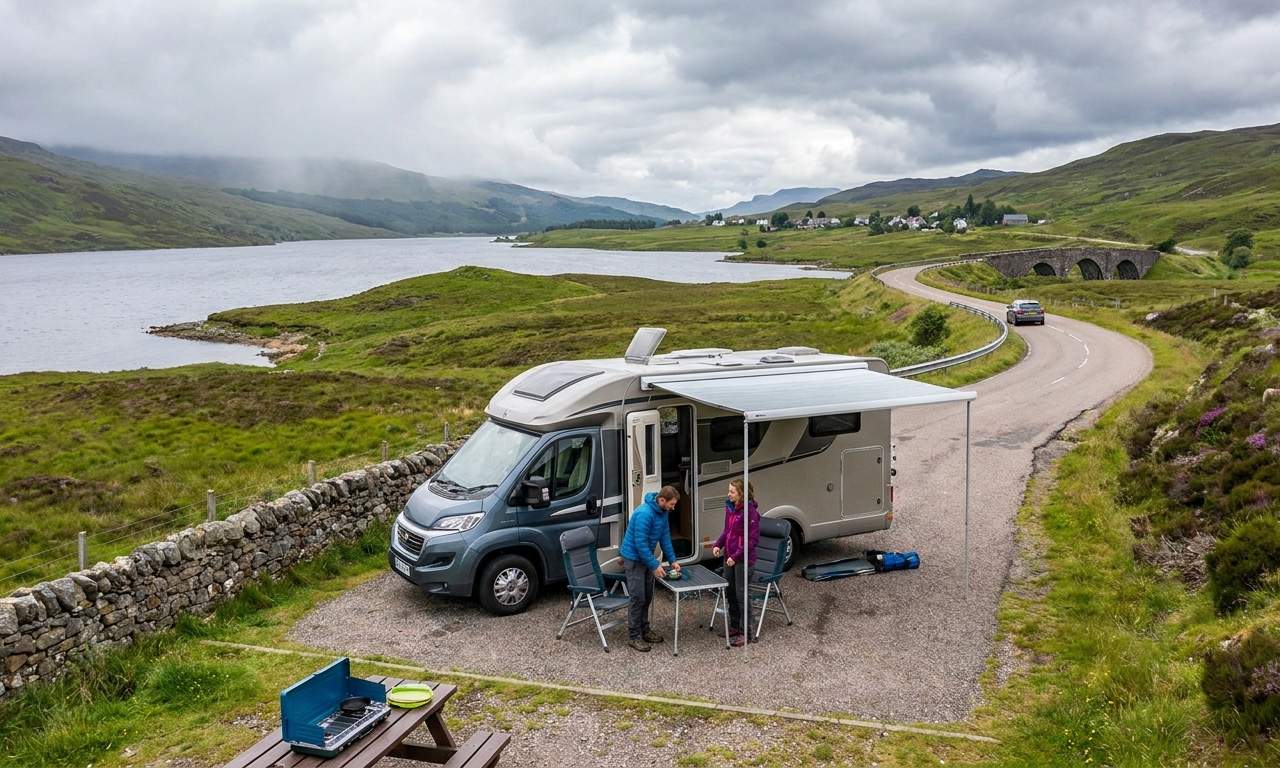
RV rental costs in Scotland for a winter trip in 2026 are dynamic, much like airline tickets, fluctuating daily based on availability, vehicle class, and rental duration. For a week-long winter RV adventure, you can expect daily rates to start from around $100 USD for a compact campervan like the "V3" or "Active Bunk" up to $250 USD or more for a larger, more luxurious Class C motorhome designed for families, such as the "4 Berth Adventurer" with its 190-liter refrigerator and freezer. The total cost for a two-week rental often benefits from a lower average daily rate than shorter trips, making extended exploration more economical per day. For couples, a smaller campervan offers intimacy and efficiency, typically costing less than a family-sized motorhome. For a family of 4-6, a Class C motorhome like the "MHC24" with ample sleeping space and a 160-liter fresh water tank provides necessary comfort, though at a higher price point. On the routes offered through RV PLANET routes, you can itemize and track every expense along the way for easy budgeting.
Last-minute winter RV rental deals in Scotland are certainly possible, especially during off-peak weeks or for specific vehicle types that have unexpected availability. However, these opportunities are never guaranteed, as pricing is dynamic and reflects real-time demand. If you have flexibility with your travel dates, consider traveling mid-week or in the quieter parts of the winter season (late November to early February, excluding holidays). Using our comparison platform allows you to effortlessly search across multiple suppliers, comparing final prices with full transparency. This helps you identify the cheapest winter RV rental options available for your specific dates. For accurate budgeting that includes fuel, campsite fees, and activities, utilizing RV PLANET routes allows travelers to itemize and track every expense along the way.
Seasonal Pricing - Peak vs. Shoulder vs. Off-Season in Scotland
RV rental prices in Scotland fluctuate significantly based on the season, with peak demand during summer driving up costs. The off-season, which spans roughly November to April, generally provides the lowest rates for renting a motorhome in Scotland, offering an average of 15-30% savings compared to summer peak prices. During this period, you might find daily rates for a 2-berth campervan starting from around $80-$120 USD. Shoulder seasons, typically May-June and September-October, offer a balance of good weather and more moderate prices, with daily rates perhaps in the $130-$200 USD range for similar vehicles. Peak season, July-August, sees the highest prices due to strong demand and the most favorable weather, with daily rates often exceeding $250-$350 USD for a standard Class C motorhome. Opting for a winter rental can significantly reduce your overall budget, allowing for longer trips or more allocation for local experiences.
The flexibility in booking times during the winter also means you’re less likely to encounter fully booked campsites, even though many national and state parks reserve 70-75% of their spots for first-come, first-serve arrivals. You'll find a spot; if not at the first campground, then the next one. It's always a good practice to call ahead before driving. This less crowded environment contributes to a more relaxed and authentic Scottish experience, away from the typical tourist rush. Remember, prices are always dynamic, so using a platform like Bandana RV allows you to compare current offers instantly for your chosen winter RV rental in Scotland.
What's Included vs. What's an Add-On
When you secure a winter RV rental in Scotland, standard inclusions typically cover basic vehicle insurance and essential operational features of the motorhome, such as basic cooking facilities and heating systems suitable for winter. For instance, a campervan like the "V2L" or a semi-integrated motorhome like the "Active Standard Auto" will come with heating and standard safety equipment, crucial for Scottish winters. However, many items that enhance your comfort and peace of mind are often available as add-ons. These can include comprehensive insurance packages (you can upgrade to a top-level deductible for extra peace of mind), unlimited mileage options, generator usage fees (if applicable), and convenience kits for cooking and sleeping. For example, a "Glamys 40" Class C motorhome might offer a kitchen with 150-liter fridge and 3-burner gas stove, but bedding might be an extra.
Common add-ons also extend to additional drivers, propane refills, and specific equipment like snow chains, which can be essential for winter driving in Scotland's Highlands. While a small campervan like a "Combi Van" might have a 60-liter fresh water tank and 30-liter waste water tank, you'll need to consider if you require additional capacities or facilities. It is vital to review the specific inclusions and optional extras listed by each supplier on our comparison platform before finalizing your booking. We believe in full transparency, so you'll never face hidden fees or surprises. You can easily use our comparison toggles to see which RVs come with kitchen utensils, tableware, or bedding, ensuring your rented RV is perfectly equipped for your Scottish adventure.
Hidden Costs to Budget For in Scotland
Beyond the advertised rental fee, travelers planning a winter RV trip to Scotland should meticulously budget for several ancillary expenses to avoid any surprises. Fuel costs, for instance, can be a significant portion of your total trip budget, especially when exploring the vast distances of the Highlands. Diesel, the most common fuel for rental motorhomes, averages around £1.50-£1.70 per liter (approx. $1.85-$2.10 USD). A typical Class C motorhome might consume 10-14 liters per 100 km, so a week-long journey covering 700 km could incur about $130-$200 USD in fuel. Campsite fees vary widely, from basic pitches starting at £20-£30 ($25-$38 USD) per night to full-service sites with hook-ups and amenities often costing £35-£50 ($44-$63 USD). Keep in mind that some national or state parks offer fewer amenities in winter.
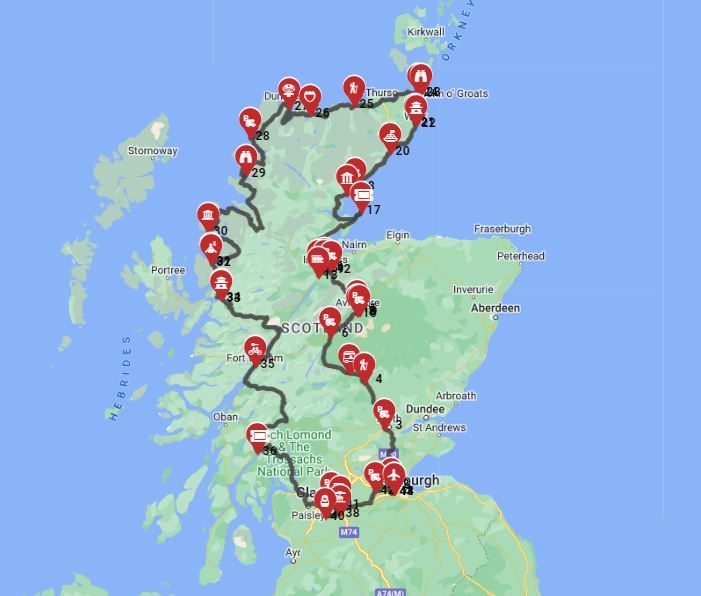
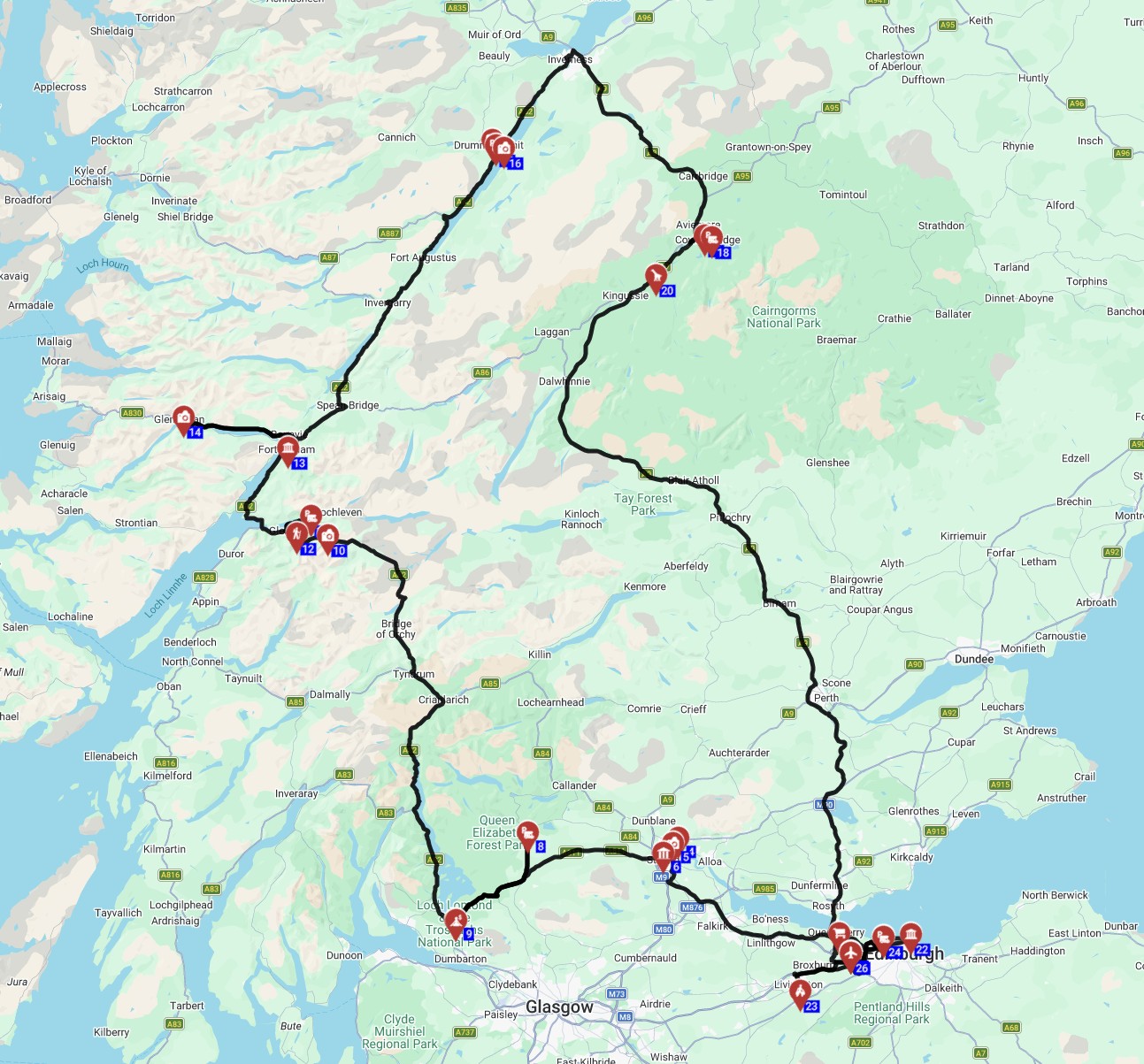
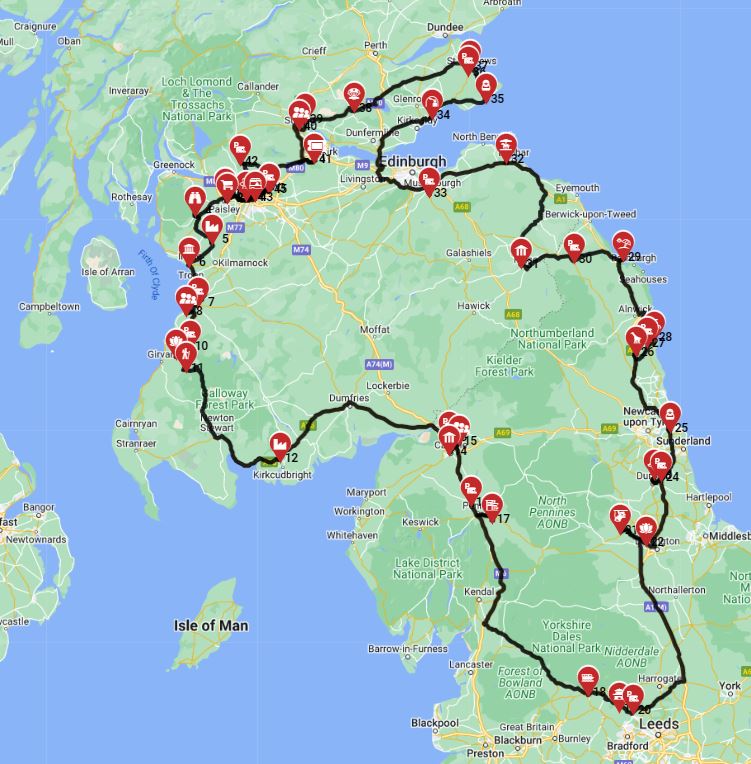
Road tolls are infrequent in Scotland, but specific bridges, like the Forth Road Bridge (though the new Queensferry Crossing is free), or certain scenic routes might have small charges. Always check your planned RV PLANET routes for potential tolls. Additionally, propane for heating and cooking inside your RV, as well as dump station fees (though many campsites include this), should be factored in. Food and activity expenses are highly variable; while cooking in your RV can save money- check out our RV-friendly recipes playlist for ideas- dining out or participating in paid attractions will add to your daily expenses. We at Bandana RV believe in full transparency, empowering you to budget accurately for every aspect of your incredible journey.
How to Save on winter RV Rental in Scotland
To reduce the cost of a winter RV rental in Scotland, strategic planning is key, and Bandana RV is here to help you maximize your savings. Firstly, consider traveling during the deep off-season, such as late November, January, or February (excluding Christmas and New Year's), as these months typically offer the lowest daily rates, sometimes saving you 15-30% compared to shoulder season. Booking for longer durations, like a two-week adventure rather than a week-long trip, often results in a lower average daily rental rate from many suppliers, making your extended exploration more cost-effective. Many of our partner suppliers, including top names like Apollo, offer discounted rates for longer rentals. You might find a compact Class C motorhome like "Family Standard" for less on a longer booking.
Secondly, choosing a smaller campervan or motorhome that perfectly fits your group size, such as a "V3" for a couple or a "Combi Van" for a small family, can significantly reduce both the rental cost and fuel consumption, which is a major ancillary expense. Keep an eye on flex-rate drops by regularly checking our comparison platform, as prices can change daily based on availability. Booking early for any specific dates you have in mind, even in winter, can secure better deals. Additionally, when you use our sister company, RV PLANET (rvplan.net), for pre-planned routes and itineraries, you are rewarded with a 25% planning discount, further enhancing your savings. We're committed to making RV travel affordable and accessible, ensuring you get the best value without compromising on quality or experience.
Is it worth renting an RV in Scotland in winter?
Renting an RV in Scotland during winter is absolutely worth it, offering a unique opportunity to experience the country's dramatic landscapes without the summer crowds, provided you are well-prepared for colder weather and shorter daylight hours. Imagine waking up to a snow-covered Glencoe or a serene Loch Ness shrouded in mist, with fewer tourists around to disturb the peace. The pros of a winter motorhome rental include significantly fewer crowds at popular attractions, breathtaking snowy scenery, and often lower rental prices and campsite fees, as discussed in the "Seasonal Pricing" section. You can truly immerse yourself in the local culture and enjoy a more authentic Scottish experience.
However, travelers must be prepared for the cons: driving conditions can be challenging, with ice, snow, and strong winds common, especially in Highland areas. Shorter daylight hours mean less time for sightseeing, and some remote attractions or campsites might have limited services or be closed. Despite these challenges, proper preparation, including warm clothing, a winter-ready RV (many of our rentals come with effective heating), and flexible itineraries, will ensure a rewarding winter RV trip. Our comprehensive "RV Rental Europe - Complete Guide 2026" also offers general winter RV tips to help you prepare for conditions across the continent.
What is the best month to visit Scotland by RV?
While July and August offer the warmest weather and longest daylight in Scotland, the shoulder seasons of May-June and September-October are often considered the best months for RV travel due to a balanced combination of pleasant weather, fewer crowds, and more favorable rental prices. During late spring (May-June), you'll encounter blooming landscapes, longer days (up to 17 hours of daylight in May), and moderate temperatures before the peak tourist season truly kicks in. This period also typically avoids the worst of the notorious Scottish midges, which are more prevalent in mid-summer.
Early autumn (September-October) boasts stunning fall foliage, still-mild weather, and significantly fewer midges, making it ideal for scenic drives and hiking. Summer (July-August) provides the best weather and longest days, but comes with the highest prices, most crowds, and the peak season for midges, particularly in the Highlands. Winter (November-April) is perfect for solitude and unique snowy vistas, but requires careful planning for weather and shorter days (as little as 7 hours of daylight in December). The best month truly depends on your priorities: bustling events and warm weather in summer, balanced experiences in shoulder seasons, or serene, stark beauty and value in winter.
Is it easy to drive an RV in Scotland?
Driving a rental RV in Scotland can be challenging, particularly on the narrow, winding single-track roads that are common in rural and Highland areas, but it is certainly manageable with careful navigation and adherence to local etiquette. Many of Scotland's most scenic routes, such as parts of the North Coast 500, feature these single-track roads with designated passing places. This demands patience, attentiveness, and a willingness to pull over to allow oncoming traffic to pass. Our "Driving an RV in Scotland - Complete Guide 2026" delves deeper into these specific road conditions and best practices.
For larger motorhomes, navigating these roads can be more difficult, making smaller campervans (Class B) or compact motorhomes (Class C) often a more suitable choice for Scottish adventures. Crucially, remember that driving is on the left side of the road in Scotland. Familiarity with this rule and understanding the passing place etiquette (always pulling over to the left or right, depending on the situation, and waving a thank you) is vital for a smooth journey. There is no need to stress about driving in cities like Edinburgh or Glasgow; just use common sense, pay attention, drive slowly and carefully, and you can drive almost anywhere without issues. For instance, a Class B campervan such as the "V3" (5.99m long, 2.05m wide) is far easier to maneuver and park than a 7.5-meter Class C motorhome.
What is the best RV to rent for Scotland?
For navigating Scotland's diverse road network, often featuring narrow and winding routes, smaller campervans (Class B) or compact motorhomes (Class C) are generally recommended over larger vehicles. A compact Class C motorhome, like an "Active Bunk" with its practical layout and a fresh water tank of around 90-120 liters, offers a good balance of comfortable living space and maneuverability, making it ideal for small families or two couples. These vehicles typically measure around 5.5 to 6.5 meters in length.
Class B campervans, such as the "V3" with its 2.05-meter width and 5.99-meter length, are excellent for navigating the narrowest roads and offer greater flexibility for parking in towns and remote areas. They typically sleep 2-3 people, featuring a gas stove and refrigerator, perfect for minimalist travelers. While larger Class A or longer Class C motorhomes (e.g., 7.5 meters or more like the "Glamys 40") provide ample space and amenities (like a larger fridge or separate shower), they can be challenging on single-track roads and in busy urban centers like central Edinburgh or Glasgow. Ultimately, the best rented RV for Scotland depends on your group size, comfort preferences, and how adventurous you plan to be off the main routes. Consider whether a RV rental from Glasgow - Airport or Edinburgh - Airport might suit your starting point best.
Is wild camping legal in Scotland for RVs?
While Scotland's Land Reform (Scotland) Act 2003 grants a general right of responsible access, this typically applies to non-motorized activities like walking and cycling, meaning overnight parking for RVs and motorhomes is not covered by the same 'wild camping' rights. In essence, you cannot simply park your rented motorhome anywhere and stay overnight without permission. The Scottish Outdoor Access Code explicitly states that motorized vehicles can only park where there is a clear legal right to do so, such as designated parking areas, official campsites, or with explicit permission from the landowner.
Parking overnight in laybys, car parks, or remote beauty spots without permission from the property owner is not considered legal wild camping for motorhomes. This rule is particularly important in popular areas like the Highlands or near sensitive natural sites. Always plan to stay at official campsites or designated overnight parking spots. Practicing responsible behavior, including leaving no trace, properly disposing of all waste at designated dump stations, and respecting private property, is paramount when enjoying Scotland's stunning scenery in your motorhome. We encourage all our renters to uphold these principles to ensure continued access for everyone.
What are the rules for motorhomes in Scotland?
Motorhome travelers in Scotland must adhere to specific rules regarding parking, waste disposal, speed limits, and respect for local communities and the environment. These rules are crucial for responsible RV travel and differ from the 'right to roam' enjoyed by hikers. Firstly, always dispose of greywater and blackwater at designated dump stations found at official campsites or service points- never in unregulated areas, as this can severely damage the environment. A typical Class C motorhome might have a 80-100 liter waste water tank, so planning your dump station stops is key.
Secondly, respect local parking regulations: avoid blocking roads, gateways, or disrupting local residents, especially in picturesque villages or popular tourist areas. In towns like Inverness or Dundee - Airport, finding suitable parking for larger RVs can be challenging, so plan ahead or opt for smaller vehicles. Speed limits in Scotland generally follow UK guidelines: 30 mph (48 km/h) in urban areas, 60 mph (96 km/h) on single carriageways, and 70 mph (112 km/h) on dual carriageways and motorways for cars. However, for vehicles over 3,050 kg (unladen weight), limits on single and dual carriageways are reduced to 50 mph (80 km/h) and 60 mph (96 km/h) respectively. Always check local signage and adhere to single-track road etiquette, which often means being prepared to reverse into a passing place. Practice responsible tourism by minimizing environmental impact, supporting local businesses, and interacting respectfully with communities to preserve Scotland’s beauty for all.
Is it safe to drive a motorhome in winter in Scotland?
Driving a motorhome in Scotland during winter is generally safe for experienced drivers who are equipped with appropriate winter tires or chains and are prepared for rapidly changing weather conditions, including ice, snow, and strong winds. While the idea of winter driving can seem daunting, with proper planning, it offers incredibly rewarding experiences of serene landscapes. Road conditions can change quickly, particularly in Highland areas, with snowfall and ice being common. Many rental motorhomes come prepared for winter with adequate heating, but ensuring your rented RV is equipped with proper winter tires or snow chains is advisable, especially if you plan to venture into mountainous regions or specific routes like the Bealach na Bà, which can be challenging.
Always check local weather forecasts and road closures before setting out each day. Websites like Traffic Scotland provide up-to-date information on road conditions. It is also wise to carry emergency supplies, including extra food, water, warm blankets, and a fully charged mobile phone. Keep in mind that daylight hours are significantly shorter in winter, so plan your driving accordingly, aiming to reach your destination before dusk. With a cautious approach and proper preparation, your winter RV rental in Scotland can be a safe and magnificent adventure. Our partners often have options specifically marked as "Winter Ready" like the "2 Berth Hi Top" or "4x4 Jimny" which are designed to handle colder conditions.
🎬 Video coming soon
What You Shouldn't Miss
- Explore Edinburgh's Winter Charm: Wander through the historic Royal Mile and Edinburgh Castle, then enjoy the festive atmosphere of the city's Christmas markets (if traveling early winter). A smaller campervan or motorhome allows for convenient day trips from nearby campsites.
- Drive the Snow-Dusted Glencoe: Experience the dramatic beauty of Glencoe, Scotland's most famous Glen, under a blanket of snow. This iconic route offers breathtaking photographic opportunities and a profound sense of wilderness.
- Discover the Isle of Skye in Winter: Although more challenging to access, Skye in winter is ethereal, with fewer tourists. The Fairy Pools, Old Man of Storr, and Quiraing take on a mystical, stark beauty. Remember to check ferry schedules and road conditions in advance.
- Whisky Distillery Tours: Warm up with a tour of one of Scotland's many whisky distilleries, particularly in Speyside or on Islay. Many remain open in winter and offer a cozy, educational experience, complete with tastings.
- Stargazing in the Dark Sky Parks: With longer nights, Scotland's Dark Sky Parks, such as Galloway Forest Park, offer unparalleled opportunities for stargazing away from light pollution.
- Loch Lomond & The Trossachs National Park: Enjoy serene walks and stunning views around Loch Lomond. Many campsites here remain open year-round, offering a peaceful retreat.
Looking for expert insights from Avi Bandana? Top 5 Adventures - recommendations from Avi Bandana
Avi Bandana, our founder, is passionate about helping you craft the perfect RV adventure. His personal recommendations draw on decades of experience exploring the world by motorhome, ensuring you discover the most authentic and breathtaking destinations.
Discover Avi's Top 5 Adventures for ScotlandFinal Thoughts
Embracing a winter RV rental in Scotland is an invitation to discover a quieter, more magical side of this incredible country. From the dramatic snow-capped peaks of the Highlands to the serene beauty of the lochs, winter offers a unique perspective and an unparalleled sense of freedom. Remember to travel slowly, aiming for a maximum of 100-150 km per day on average. This allows you to truly feel the place, connect to the rich Scottish culture, savor the local food, and absorb the breathtaking scenery at your own pace. The memories you'll create, wrapped in the cozy warmth of your rented motorhome, will be cherished for years to come.
At Bandana RV, we're dedicated to making your Scottish winter adventure smooth, transparent, and utterly delightful. We're true RV specialists, here to support you with expertise before, during, and after your booking, ensuring every detail is handled with care. Why wait? Get inspired for your next trip! Discover top destinations and planning tips, all in one place. Your ultimate winter journey through Scotland awaits!
Ready to experience the enchantment of a winter RV road trip in Scotland? Compare Winter RV Rental Prices for Scotland now and start planning your unforgettable adventure.