In This Guide
- Can You Drive an RV in Scotland? License & Age Rules
- Road Conditions & Terrain in Scotland
- RV Size Limits, Bridges & Restricted Zones
- Fuel: Diesel vs. Petrol & Cost per 100 km
- Tolls, Vignettes & Border Rules
- Driving Tips for RV Rental Travelers
- Recommended RV Class for Scotland Roads
- Should I Choose a Compact Van Instead of a Large RV in Scotland?
- Can I Park Anywhere? Free & Wild Camping Rules in Scotland
- Can I Drive an RV Into the City Center? Heights, Tunnels & Local Signage
- What is the best time of year to rent an RV in Scotland?
- What cultural etiquette should RV travelers know in Scotland?
- What do I need to know about RV roadside assistance in Scotland?
- Can I travel with pets in an RV in Scotland?
- What are the best tips for family RV travel in Scotland?
- Are there good RV routes in Scotland beyond the NC500?
- How much does an RV trip to Scotland cost?
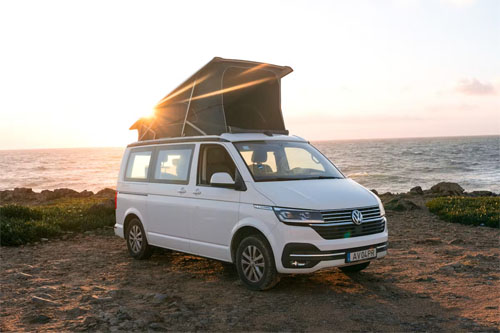
- Is a Class B - Camper Van suitable for Scottish roads?
- What are the advantages of a Class SI - Semi-integrated RV in Scotland?
- Should I choose a Class C - Alcove RV for a family trip to Scotland?
- Is a Class A - Integrated RV too large for Scotland?
- Exploring a Class TC - Truck Camper for your Scotland adventure
Can You Drive an RV in Scotland? License & Age Rules
Yes, you can absolutely drive an RV in Scotland. The primary requirement for driving most rental RVs, particularly those up to 3,500 kg, is a standard Category B car driving license, which is valid in the UK. For larger vehicles, typically those weighing between 3,500 kg and 7,500 kg, a Category C1 license is needed, while vehicles exceeding 7,500 kg require a Category C license. For RV rental in Scotland, the minimum age is generally between 21 and 25, depending on the rental company and the specific vehicle class. International drivers should ensure they have an International Driving Permit (IDP) if their home license is not in English, although in many cases, a valid license from your country of origin will suffice. Always verify the specific requirements with your chosen rental provider.
Road Conditions & Terrain in Scotland
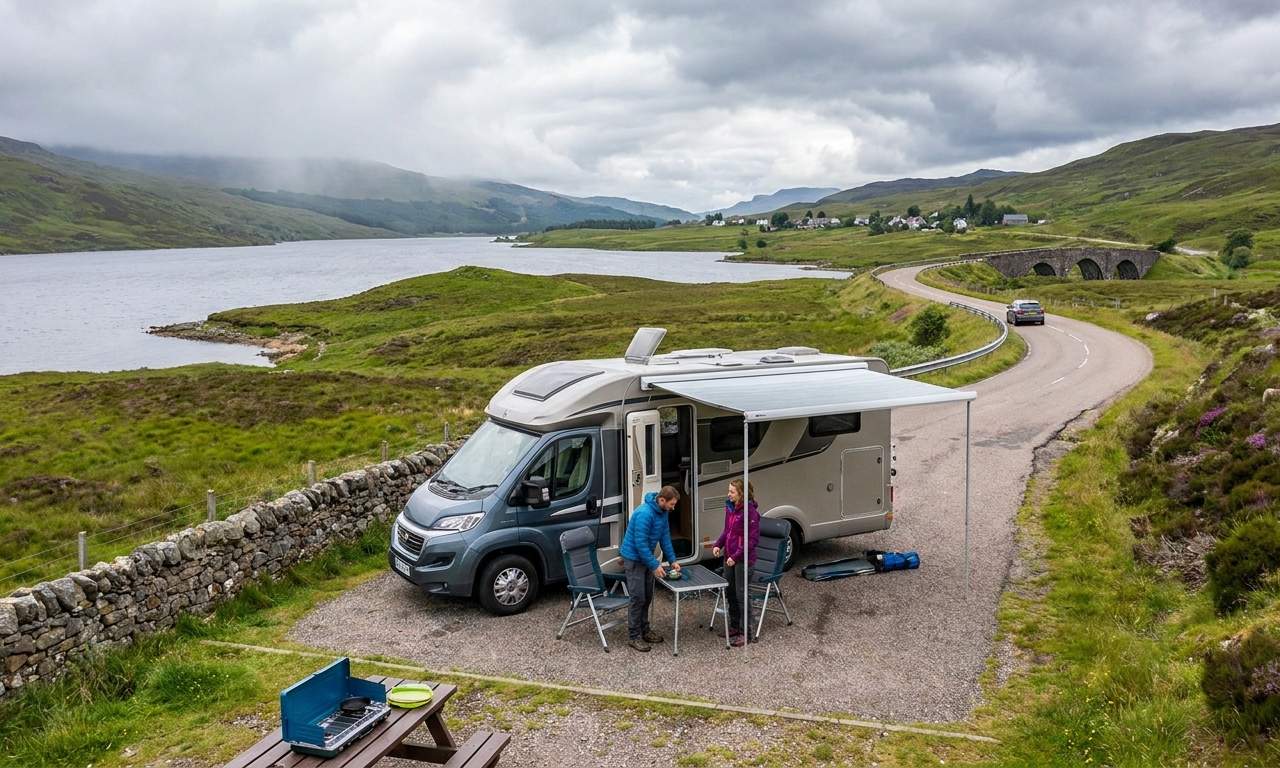
Scotland's road network offers a diverse driving experience, from multi-lane motorways connecting major cities to the notoriously narrow, winding "B-roads" and single-track routes prevalent in the Highlands and Islands. Many of these scenic roads can be steep, uneven, and unpredictable, demanding a cautious and attentive driving style, especially with a larger RV. Navigating single-track roads requires a specific etiquette: drivers use designated passing places to allow oncoming traffic to pass, and it's customary to acknowledge other drivers with a wave. In urban areas, be prepared for bustling traffic, pedestrian zones, and potential Low Emission Zones (LEZs) in cities like Glasgow, which may restrict older, more polluting vehicles.
RV Size Limits, Bridges & Restricted Zones
When navigating Scotland in a rented RV, always pay close attention to roadside signage, which is crucial for indicating height, width, and weight restrictions, particularly on rural routes and older bridges. Many of Scotland's charming, historic bridges and tunnels have low clearance, and it’s vital to be aware of these limits to avoid damage to your vehicle and ensure your safety. Cities like Glasgow and Edinburgh have implemented or are expanding Low Emission Zones (LEZs), which charge older, non-compliant vehicles for entering certain areas; these require careful checking of your rental vehicle's emissions standards. If you plan to use ferries for island hopping, such as to Skye or the Inner Hebrides, accurate RV dimensions are essential for booking, as operators have specific size and weight limitations.
Fuel: Diesel vs. Petrol & Cost per 100 km
The vast majority of rental RVs in Scotland, including those within Bandana's global fleet, run on diesel fuel. Diesel is widely available across the country, with filling stations common on major routes and in most towns and villages. Based on average figures for Bandana's fleet, fuel consumption for Class B camper vans typically ranges from 8-10 Liters per 100 km, while larger vehicles like Class TC truck campers might consume 12-17 Liters per 100 km. Considering fuel prices in Scotland are currently around £1.50-£1.70 per liter (as of 2026), an average Class SI RV, for example, could incur fuel costs of approximately £15-£18.70 for every 100 kilometers driven. On the routes offered through RV PLANET routes, you can itemize and track every expense along the way for easy budgeting.
Tolls, Vignettes & Border Rules
Scotland has a very minimal toll road system. Notably, the major crossings over the Forth estuary, such as the Forth Road Bridge and the Queensferry Crossing, are now toll-free for cars and RVs. You will not need to purchase vignettes or pay road tax for general driving in Scotland, nor are there border checks when traveling from England or Wales into Scotland. However, it's important to remain aware of Low Emission Zones (LEZs) that are present in major cities like Glasgow and are being introduced in others; these function as environmental charges for vehicles that do not meet specific emission standards, so always check the requirements for the cities you plan to visit.
Driving Tips for RV Rental Travelers
When driving an RV in Scotland, always remember to drive on the left-hand side of the road. Embrace a relaxed pace, particularly on the narrower, winding roads, and allow yourself plenty of time to enjoy the scenery. Practice courtesy on single-track roads by using passing places effectively and acknowledging other drivers. For families, planning frequent stops—roughly every two hours—is essential for everyone to rest and stretch, turning the journey itself into a memorable part of the adventure. Be prepared for Scotland's notoriously changeable weather, which can shift rapidly, and ensure you are familiar with your rental provider's roadside assistance procedures for breakdowns, especially if you venture into more remote areas.
Recommended RV Class for Scotland Roads
For navigating Scotland's diverse roads, including the narrow Highland passes and charming village centers, Class B camper vans (average length 5.8m) are an excellent choice. Their compact size and agility make them ideal for accessing more remote beauty spots and fitting into tighter parking situations, typically sleeping around 3.2 people comfortably. A good balance of space and maneuverability is offered by Class SI semi-integrated RVs (average length 6.9m), which are well-suited for small families, providing sleeping accommodation for about 3.8 people and offering more generous living facilities. Both these classes are practical options for experiencing Scotland's scenic routes and most tourist destinations with relative ease.
Should I Choose a Compact Van Instead of a Large RV in Scotland?
While most RV sizes are generally manageable in Scotland with careful driving, a compact van offers superior maneuverability, which can be particularly advantageous for navigating extremely tight historic city centers or particularly narrow mountain passes. However, larger RVs, such as Class C or Class SI models, provide significantly more indoor space, better amenities, and enhanced comfort—factors that become increasingly valuable on longer trips or during Scotland's often unpredictable weather. Your decision should ultimately balance the desired level of comfort and facilities against the specific types of roads you anticipate traveling and the nature of the campsites you plan to use.
Can I Park Anywhere? Free & Wild Camping Rules in Scotland
Wild camping, in the traditional sense, is permitted for non-motorized vehicles in Scotland under the Land Reform Act, but this right generally does not extend to RVs or motorhomes for overnight stays. Therefore, overnight RV parking is typically restricted to designated campsites, official motorhome service points (aires), or private land where you have obtained explicit permission from the owner. It is crucial to adhere strictly to 'Leave No Trace' principles, ensuring you pack out everything you pack in, and always check local regulations before parking overnight to avoid potential fines and to show respect for the local communities and environment.
Can I Drive an RV Into the City Center? Heights, Tunnels & Local Signage
Generally, yes, you can drive an RV into Scottish city centers, but doing so requires meticulous attention to local signage and road conditions. Be acutely aware of height restrictions, narrow tunnels, low bridges, and particularly the Low Emission Zones (LEZs) found in cities like Glasgow and Edinburgh, which may impact certain vehicles. Many city centers have limited parking, and navigating tight streets with a larger RV can be challenging. For a less stressful experience, it is often advisable to utilize park-and-ride facilities on the outskirts of cities, allowing you to explore the urban centers via public transport.
What is the best time of year to rent an RV in Scotland?
Scotland offers unique RV experiences throughout the year, each with its own advantages. Summer (June to August) provides the longest daylight hours and warmest weather, perfect for exploring, but it also brings peak crowds, higher rental prices, and the infamous midge season. Spring (April-May) and Autumn (September-October) are excellent shoulder seasons, typically featuring fewer crowds, moderate weather, and spectacular autumn foliage or spring blooms, making them ideal for a more relaxed pace. Winter (November to March) offers solitude and dramatic, starkly beautiful landscapes for experienced RVers, but be prepared for shorter daylight hours, colder temperatures, and the potential for road closures due to snow or ice.
What cultural etiquette should RV travelers know in Scotland?
Beyond the essential 'Leave No Trace' principles, embracing local customs will enhance your RV journey. Be friendly and offer greetings to those you encounter, particularly on single-track roads where a shared wave or nod is customary. Supporting local businesses by purchasing goods and services from independent shops, farm stands, and eateries directly benefits the communities you visit. It's also important to be mindful of noise levels, especially in quiet rural areas, and ensure your parking choices do not obstruct views or access for local residents or essential services.
What do I need to know about RV roadside assistance in Scotland?
Before embarking on your Scottish RV adventure, familiarize yourself thoroughly with your rental agreement's 24/7 roadside assistance policy, including contact numbers and procedures. In the event of a genuine emergency requiring immediate help, always dial 999 to reach police, fire, or ambulance services. For mechanical breakdowns, knowing basic pre-trip vehicle checks, such as tire pressure and fluid levels, can prevent issues. If you do break down, understand how to safely pull over to the side of the road, activate your hazard lights, and deploy a warning triangle if necessary to alert other drivers.
Can I travel with pets in an RV in Scotland?
Yes, traveling with pets in an RV in Scotland is often possible, as many rental providers offer pet-friendly options. However, additional fees or security deposits may apply, so it's crucial to confirm this with your provider when booking. Campground pet policies can vary significantly, with rules on breeds, size restrictions, and leash requirements differing between sites. Scotland itself offers numerous pet-friendly attractions, including expansive trails and beautiful beaches, but it’s always advisable to research local veterinary services along your planned route, just in case.
What are the best tips for family RV travel in Scotland?
When RVing in Scotland with family, packing versatile layers and waterproof gear is essential, regardless of the season, due to the country's changeable climate. Choosing campgrounds with family-friendly amenities, such as playgrounds or activity centers, can greatly enhance the experience. Plan your routes to include frequent stops at engaging attractions like castles, wildlife parks, or stunning beaches, breaking up the driving time for younger travelers. Crucially, ensure any car seats are correctly fitted and securely fastened, and always secure all loose items within the RV before driving to maintain a safe environment for everyone onboard.
Are there good RV routes in Scotland beyond the NC500?
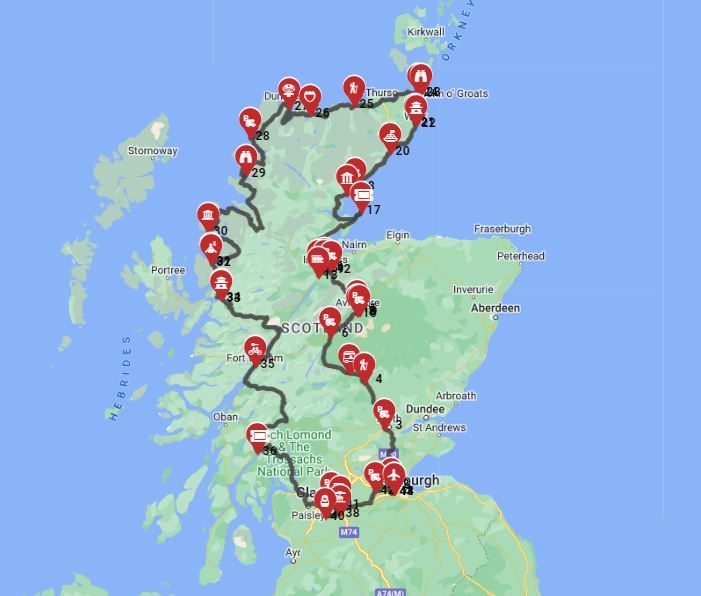
While the North Coast 500 (NC500) is incredibly popular, Scotland offers many other breathtaking RV routes. Consider the South West Coastal 300 (SWC300) for a journey through rugged coastlines, charming fishing villages, and historic sites. The Argyll Coastal Route provides stunning loch-side and coastal scenery, connecting key towns and offering access to the islands. For a different perspective, explore the Snow Roads Scenic Route in the Cairngorms National Park, known for its dramatic mountain landscapes, or venture to the mystical Isle of Skye, but be sure to book ferries well in advance for your RV.
How much does an RV trip to Scotland cost?
The cost of an RV trip to Scotland varies significantly based on the RV class, season, and duration. Generally, RV rental prices can range from approximately £80-£150 per day in the off-peak season for a compact camper van, up to £200-£350+ per day for larger RVs during peak summer months. Beyond the rental itself, fuel costs, primarily for diesel, can add £15-£25 per 100 km, with campground fees typically ranging from £25-£50 per night for a powered site. Budget an additional £30-£60 per day for two people for food, £10-£20 per person per day for attractions, and be mindful of potential extra costs like LPG refills, ferry crossings, or optional insurance packages.
Is a Class B - Camper Van suitable for Scottish roads?
Yes, Class B camper vans, with an average length of 5.8 meters and fuel consumption of 8-10 Liters/100 km, are exceptionally well-suited for Scottish roads. Their compact size and excellent maneuverability make them ideal for navigating the country's narrow roads, single-track routes, and busy village centers, typically offering comfortable sleeping for around 3.2 people. This class of vehicle offers a fantastic blend of practicality and freedom, allowing access to more remote and scenic spots while also being more fuel-efficient and easier to park compared to larger RVs.
What are the advantages of a Class SI - Semi-integrated RV in Scotland?
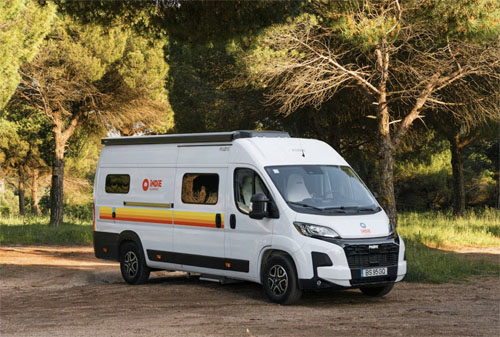
Class SI semi-integrated RVs, averaging 6.9 meters in length and consuming 10-11 Liters/100 km, strike an excellent balance between spacious comfort and practical maneuverability, making them a popular choice for Scottish adventures. They offer more generous living and sleeping space, comfortably accommodating around 3.8 people, and typically feature a separate sleeping area, a well-equipped kitchen, and a dedicated bathroom. This class of RV is highly advantageous for small families or couples undertaking longer trips, providing a comfortable mobile base suitable for most popular tourist routes and larger, well-equipped campsites. For ideas you can prep on the road, watch our RV-friendly recipes playlist on YouTube.
Should I choose a Class C - Alcove RV for a family trip to Scotland?
Class C Alcove RVs are an excellent choice for larger families or groups, typically offering ample space and sleeping capacity for up to 5.8 people, with an average length of 7.5 meters and fuel consumption of 10-12 Liters/100 km. The distinctive 'alcove' or over-cab bed provides valuable extra sleeping space, enhancing family accommodation. While these vehicles are slightly larger, they remain manageable on most main A and B roads, providing the comfort and facilities needed for extended family adventures, though careful route planning is advised for navigating particularly narrow or challenging roads.
Is a Class A - Integrated RV too large for Scotland?
Class A integrated RVs, averaging around 7.5 meters in length and consuming 8-12 Liters/100 km, offer the ultimate in luxury and spaciousness, typically accommodating around 4.4 people. While incredibly comfortable, their significant size can present challenges on Scotland's narrower roads, particularly in the Highlands and Islands. They are best suited for travelers who prioritize opulent comfort and are content to stick to the main A-roads or utilize larger, purpose-built campsites, as their size may limit access to more remote, scenic routes and smaller, more intimate campgrounds.
Exploring a Class TC - Truck Camper for your Scotland adventure
Class TC Truck Campers offer rugged versatility and compact accommodation, making them ideal for adventurous, off-the-beaten-path travel across Scotland. Typically mounted on a pickup truck chassis, they provide good ground clearance for rougher tracks and comfortable living space for about 2.4 people, often favored by couples or small groups seeking flexibility. Despite their potential for higher fuel consumption (averaging 12-17 Liters/100 km), their ability to access more remote areas and their robust nature make them an excellent choice for exploring the wilder side of Scotland.
What You Shouldn't Miss
- Drive the Road to the Isles (A830): This iconic route from Fort William to Mallaig offers stunning coastal scenery, including views of the Glenfinnan Viaduct and the 'Road to the Isles' railway line. It's a perfect route for an RV, with plenty of places to stop and soak in the views.
- Explore the Isle of Skye: Whilst requiring careful planning for RV access and ferry bookings, Skye is a must-visit. Iconic sights like the Old Man of Storr, the Quiraing, and the Fairy Pools are accessible, though navigating Skye's roads in an RV demands caution.
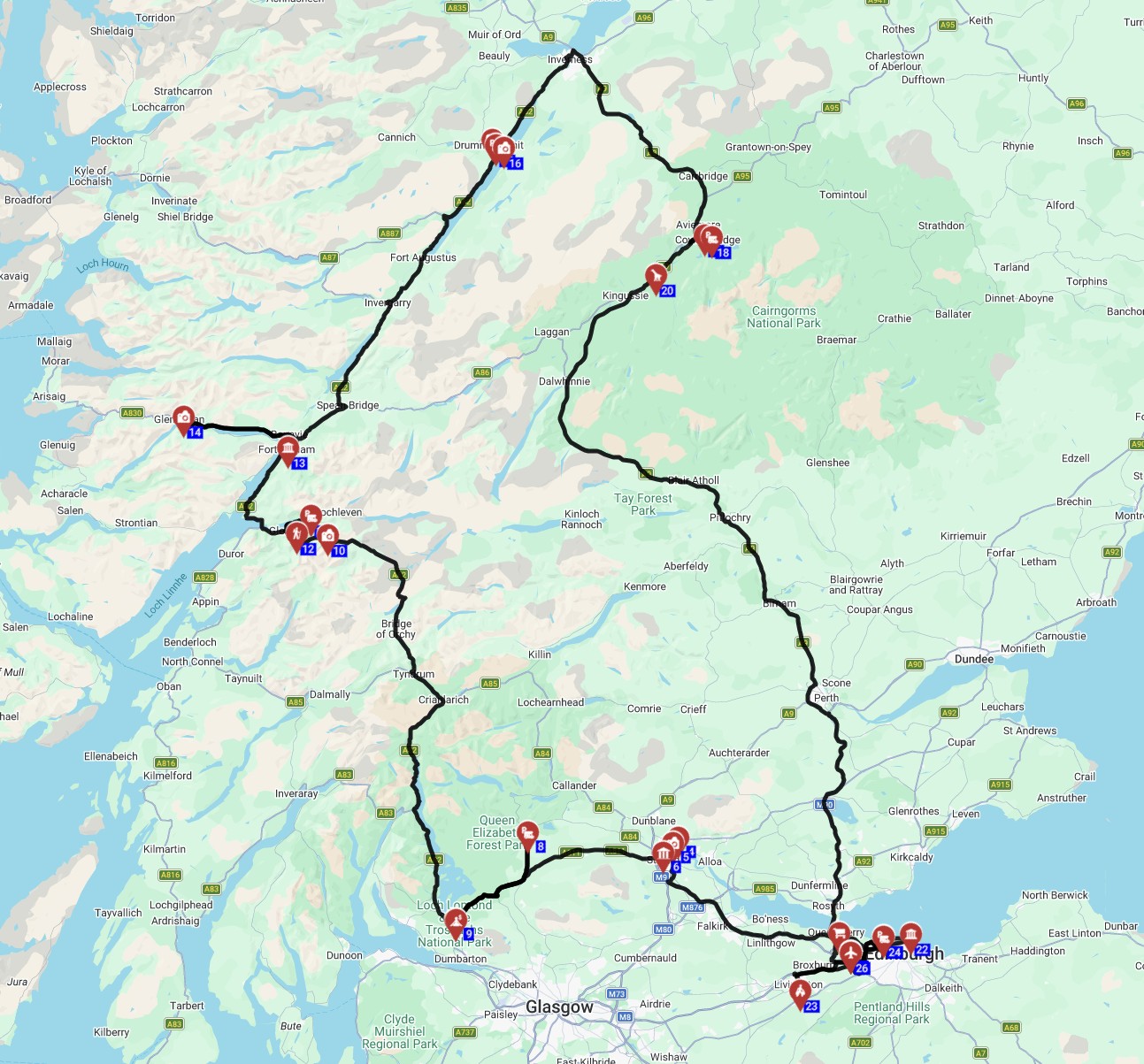
- Experience the Cairngorms National Park: The Snow Roads Scenic Route winds through this vast national park, offering dramatic mountain vistas, charming villages, and opportunities for hiking and wildlife spotting. Many campgrounds are available within the park for RVs.
- Visit a Highland Distillery: Scotland is synonymous with whisky. Plan a tour of a distillery, perhaps in Speyside or near the coast, many of which offer RV parking and tasting experiences, providing a true taste of Scotland.
- Discover the Trossachs National Park: Often called 'Scotland in miniature', this park offers beautiful lochs, forests, and rolling hills, accessible via scenic RV routes. It's a great place for gentle hikes and enjoying the tranquility of the Scottish landscape.
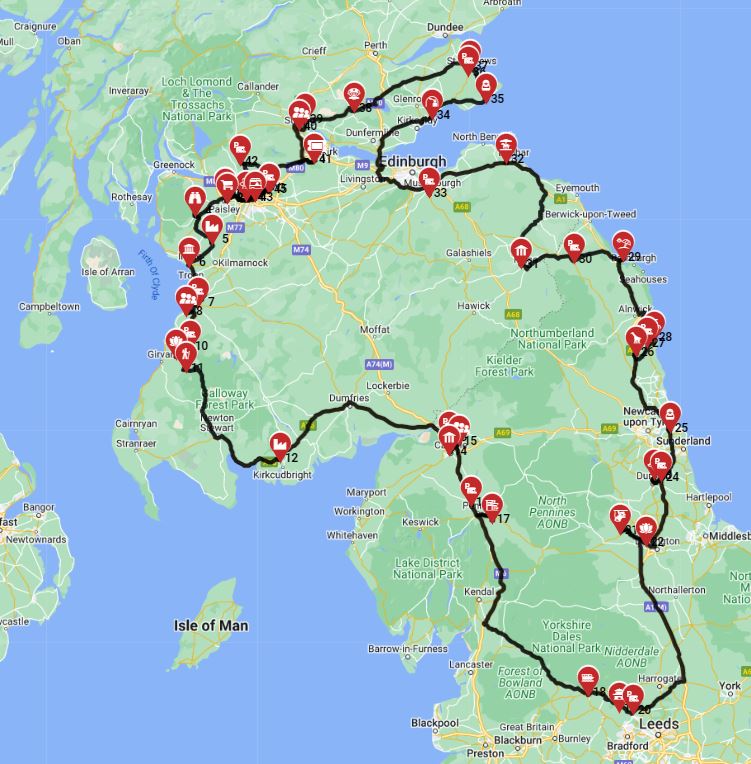
- Explore the South West Coastal 300 (SWC300): For a less crowded but equally stunning coastal experience, this route showcases the rugged beauty of Scotland's southwest, featuring historic sites, charming towns, and dramatic sea cliffs.
Final Thoughts
Renting an RV and exploring Scotland offers an unparalleled way to connect with its breathtaking landscapes and rich culture. From the dramatic peaks of the Highlands to the serene coastal routes, the freedom of the open road in a motorhome allows for spontaneous detours and immersive experiences. Remember to plan, but also to leave room for discovery – the best Scottish adventures often happen when you least expect them.
We're passionate about helping you create unforgettable RV journeys. By offering clear pricing, reliable support, and expert route planning through RV PLANET (rvplan.net), we ensure your Scottish road trip is as smooth and enjoyable as possible. So, pack your bags, embrace the adventure, and get ready to discover the magic of Scotland at your own pace.
Get inspired for your next trip! Discover top destinations, planning tips, all in one place! Start planning your Scottish RV adventure today!